Water cooling for desktop computers has been around for a long time, serving as a savior for high-end workstations prone to overheating during marathon gaming sessions or intensive use. Graphics cards, on the other hand, have always relied on air-based solutions, with fans and metal fins providing all of the cooling they require. That all changed when one tinkerer had the brilliant notion to remove a normal CPU cooler from a shelf and repurpose it for his GPU instead. Running frozen water directly through the heatpipes allowed him to not only cool the GPU but also significantly increase frame rates.
Der8auer, a well-known figure in the overclocking scene, is behind this tiny gem. He chose a Noctua NH-D15, a tall, twin fan air cooler that many builders pair with their CPUs for silent, dependable performance. This time, however, Der8auer intended to utilize it for his Gigabyte NVIDIA RTX 3080 graphics card, which generates a lot of heat when stressed. On the surface, the task appears to be rather straightforward: adjust the cooler to manage the GPU’s heat output; but, getting it properly is a whole other story. The first step is to remove the original fans, revealing the copper heatpipes snaking through the aluminum fins. These pipes were originally designed to transfer heat from the chip to the air, but they’re now being repurposed into something entirely different.

- Powered by the NVIDIA Blackwell architecture and DLSS 4
- Powered by GeForce RTX 5070 Ti
- Integrated with 16GB GDDR7 256bit memory interface
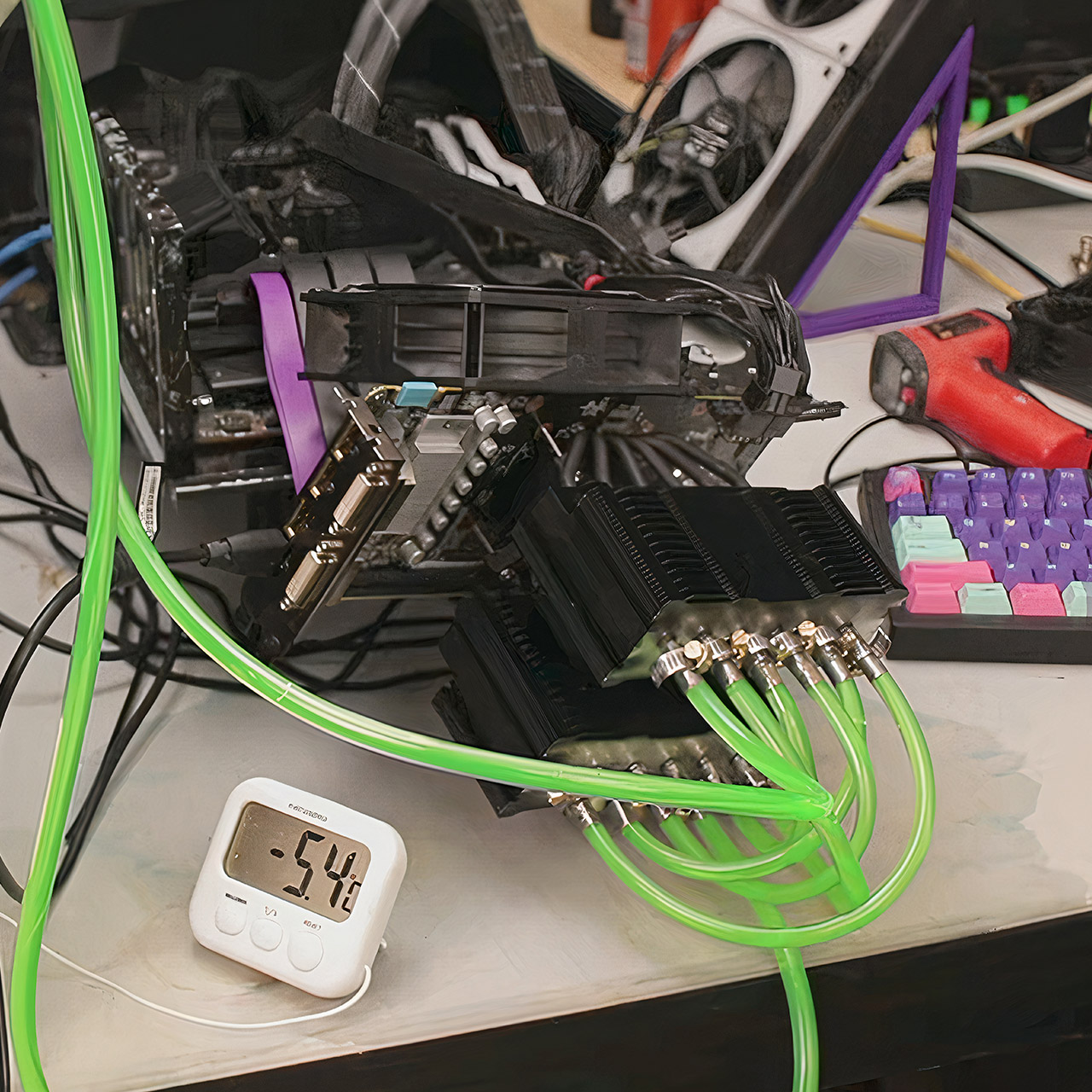
Getting this water-cooled beast up and running is all about preparation: Der8auer carefully removes the NH-D15’s base plate, which sits on top of the CPU, and replaces it with a custom-made copper plate that fits like a glove to the RTX 3080’s die, ensuring that heat transfer is completely consistent. The sockets on this new plate are perfectly aligned with the heatpipes, which are then tightly sealed with high-temperature epoxy to prevent leaking. The plumbing comes next, with a pair of thin tubes, one for cold water in and one for hot water out, attached to each end of the heatpipes and connected to a basic water cooling loop that includes a pump, a reservoir, and a radiator. To further push the system, Der8auer adds a chilling unit, which is a peltier element-based thermoelectric cooler that cools the water to near-freezing temperatures. In a hurry, you could use dry ice or another cold source to lower the water temperature, but Der8auer prefers regulated electronics for stability.
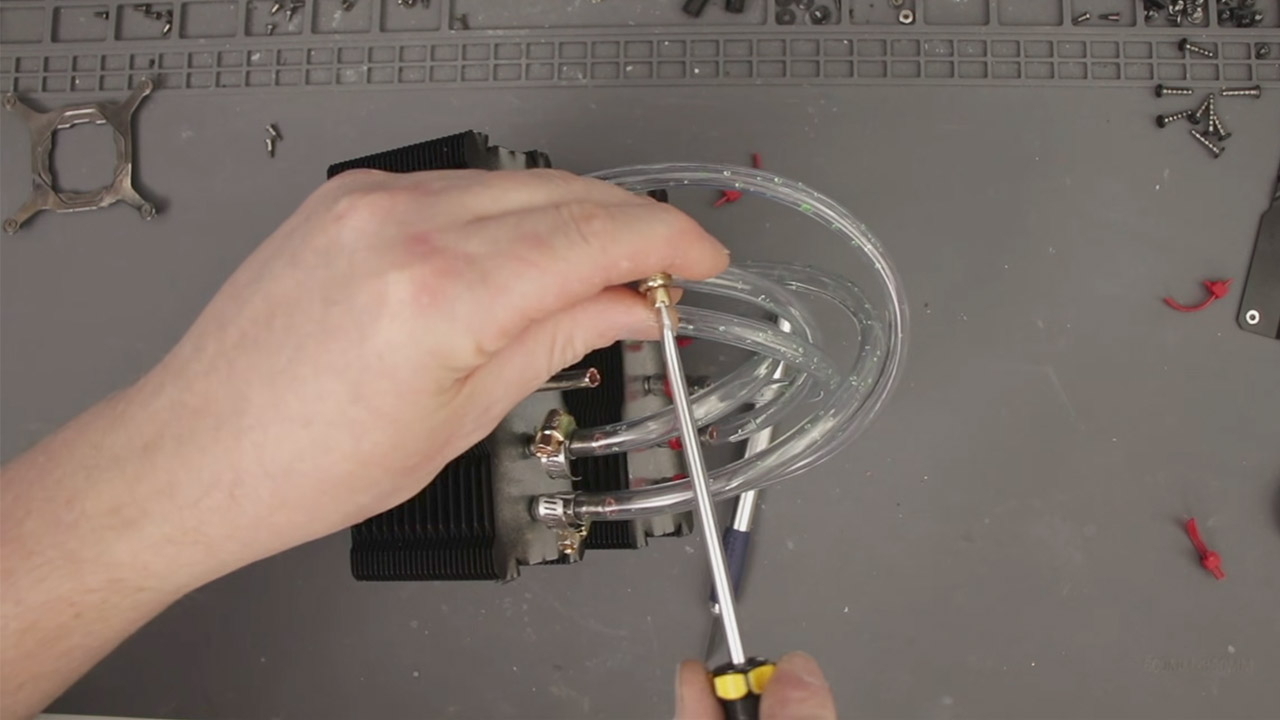
Assembly requires some precision; Der8auer carefully installs the modified NH-D15 on a test bench, using standoffs to keep the card’s PCB tucked beneath the cooler’s heavy frame. Thermal paste is thick, so it spreads smoothly with the proper amount of pressure from particular brackets. The water loop is initially subjected to a gradual burn to ensure that there are no leaks or faulty seals. Once that’s done, he turns up the cold, watching the reservoir’s temperature monitor plunge to negative 10 degrees Celsius. Frost develops on the fins almost as soon as you say “GPU heat,” illustrating how well the heatpipes function; not only do they collect heat, but they also quickly transfer it to the refrigerated liquid inside. The radiator fans start gradually, but the NH-D15’s blades remain stationary, enabling the liquid to do all the heavy lifting.
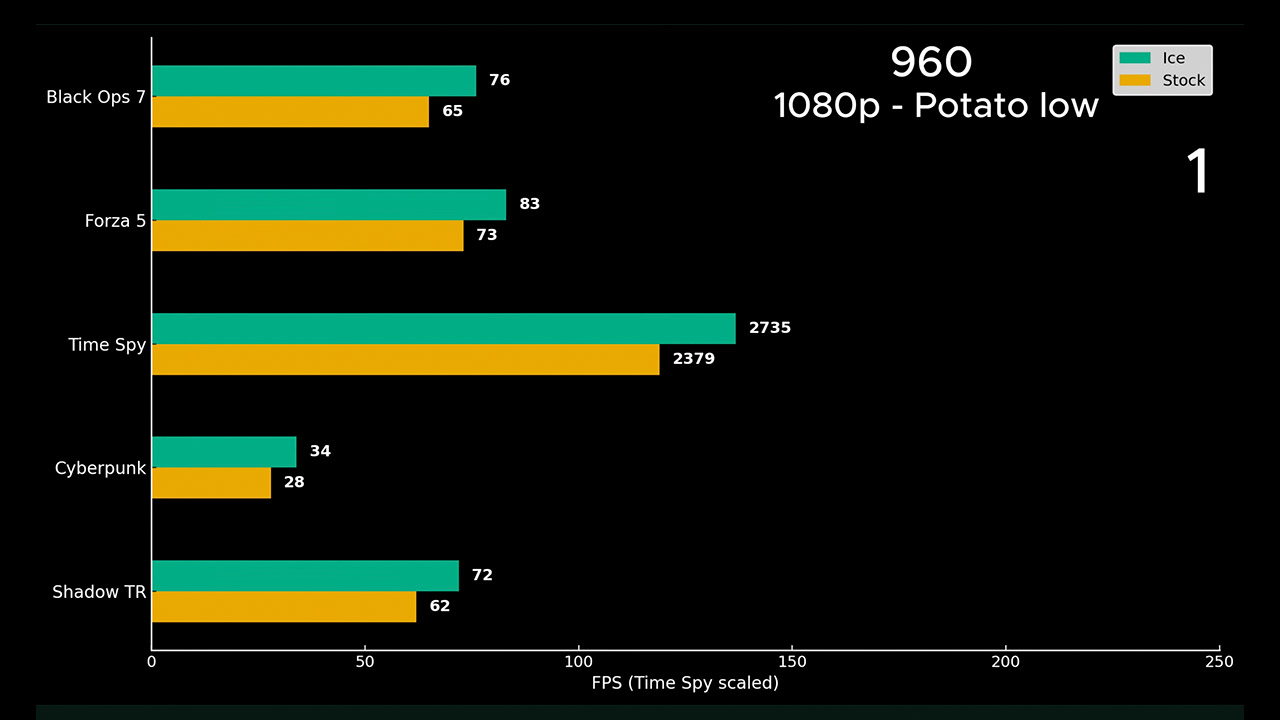
Der8auer then puts the RTX 3080 through its paces using benchmarks such as 3D Mark Time Spy, pushing it to its limits with ray tracing enabled. Stock performance is roughly 18,000 points, and the GPU may reach 75 degrees Celsius under full load. But then you turn on the water loop, and boom, scores soar to 21,000, a nice 17% increase. Temperatures drop to minus 5 on the core, allowing you to clock the thing without fear of throttling. The power demand remains constant at around 320 watts, but the card is able to sustain those boosts for longer periods of time, resulting in smoother gameplay in titles such as Cyberpunk 2077. Furthermore, noise levels are reduced; the loop’s pump is far quieter than the original fans while running at full power. Der8auer claims there are a few small difficulties that he can resolve with simple insulation tape and careful wire management to prevent moisture on neighboring components.
Aside from the concrete stats, this build appears to be a solid choice for anyone looking for high-performance on a shoestring budget. An NH-D15 costs around $100, which is a fraction of the price of dedicated GPU waterblocks, which range from $150 to $200. If you include some off-the-shelf loop components, the whole thing comes in under $300, assuming you already have the GPU. The technique works with a wide range of cards; simply replace out the contact plate for an RTX 4090 or even AMD’s Radeon series. Der8auer demonstrates several airflow adjustments you may make to help water drain more easily in humid environments. Even if you don’t overclock, you’ll benefit from slower silicon degradation, which means less thermal damage over time.
[Source]