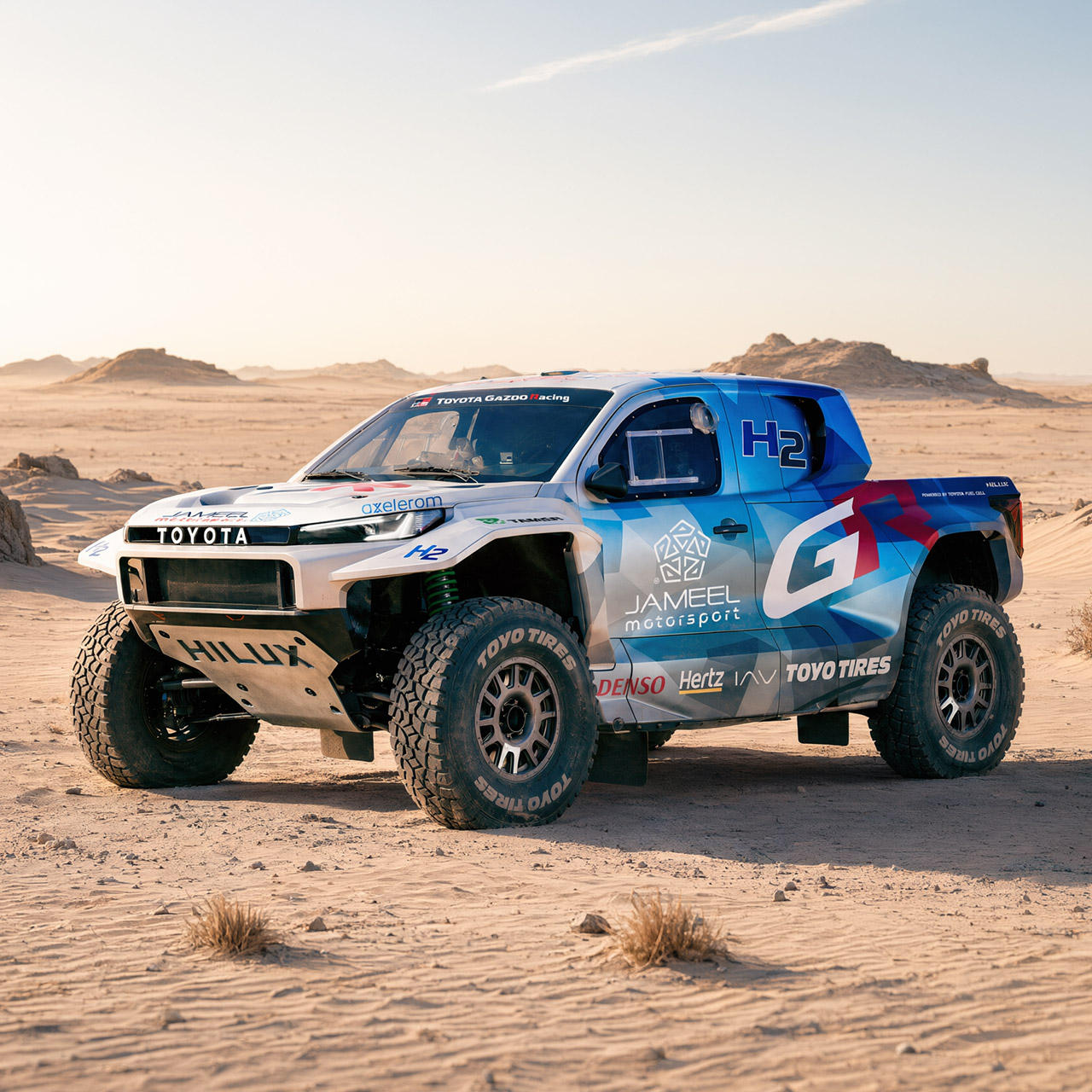
Gazoo Racing is sending a Hilux into the 2027 Dakar Rally that will never touch gasoline. Called the DKR GR FC Hilux, the truck keeps the tubular chassis, short wheelbase, high fenders and long-travel suspension of the GR DKR Hilux EVO T1+ that has already won the event four times, then pulls the twin-turbo V6 and puts a Toyota fuel cell in its place. Hydrogen and oxygen meet in the stack, electricity feeds the motors, and the only thing leaving the tailpipe is water. That is the entire plan for 13 timed stages and 1,000 competitive kilometers across Saudi sand, rock and dry riverbeds from January 1 to 15, 2027.
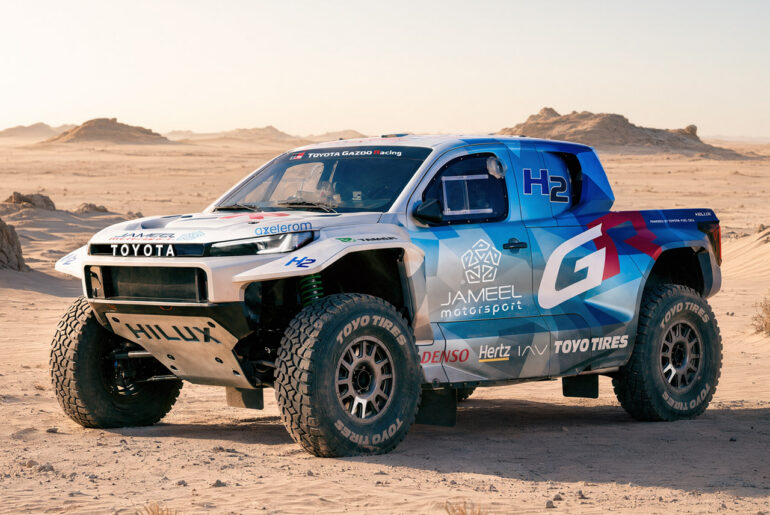
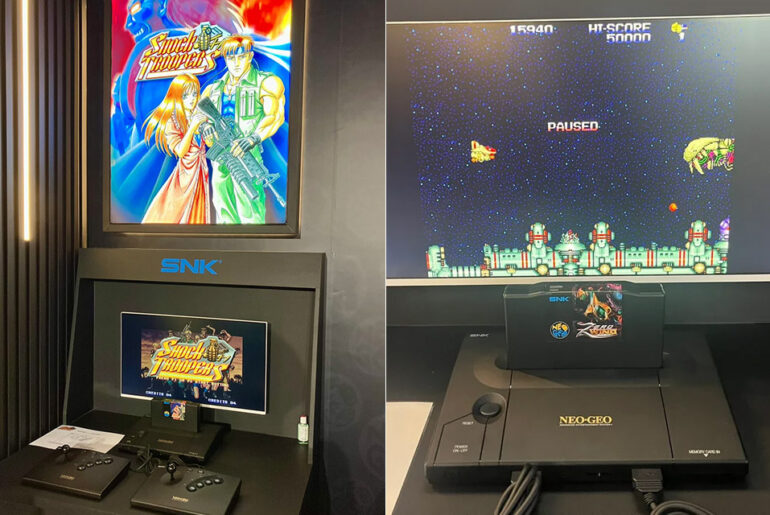
Photo credit: BFBulletin
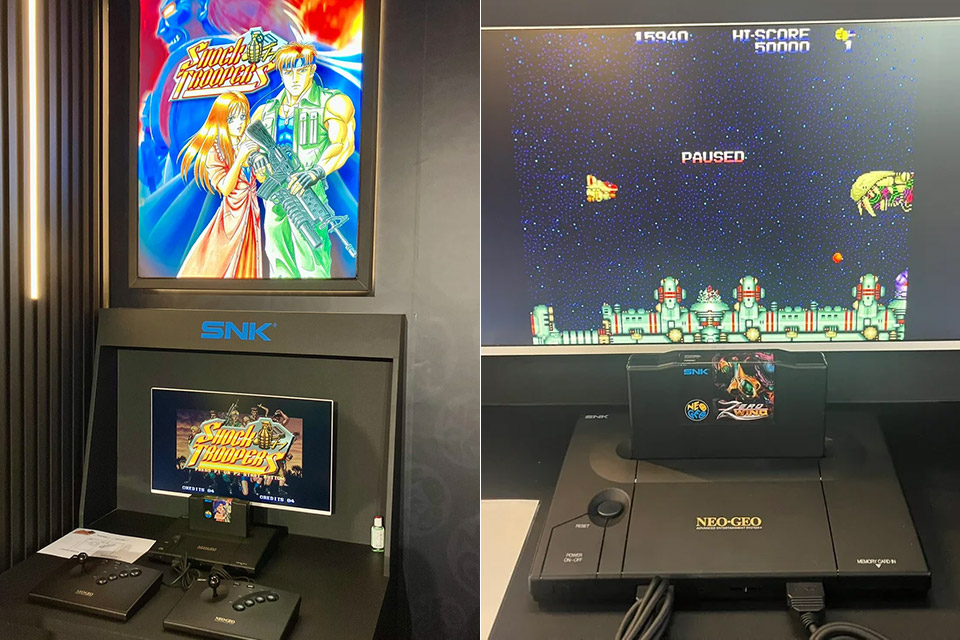
Plaion Replai pushed the worldwide launch of Neo Geo AES+ from November 12, 2026 to Thursday, September 16, 2027, blaming a mix of unexpectedly high demand and a global squeeze on memory chips driven by AI infrastructure. Official wording is blunt: the company cannot build enough units for a proper worldwide launch this year, and shipping a thin November batch would have meant instant sell-outs and secondary-market chaos. Commercial director Ben Jones said Plaion looked at every way to keep the original timetable, then chose extra time to lock down more chips and expand factories rather than shortchange the people already in line.

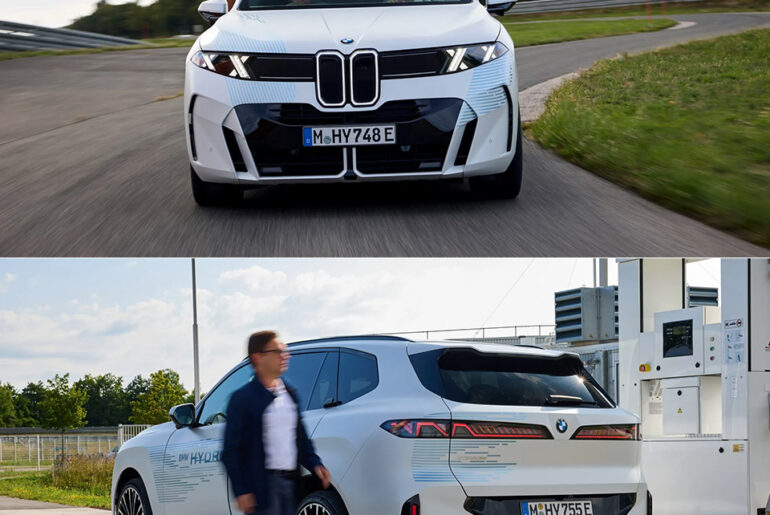
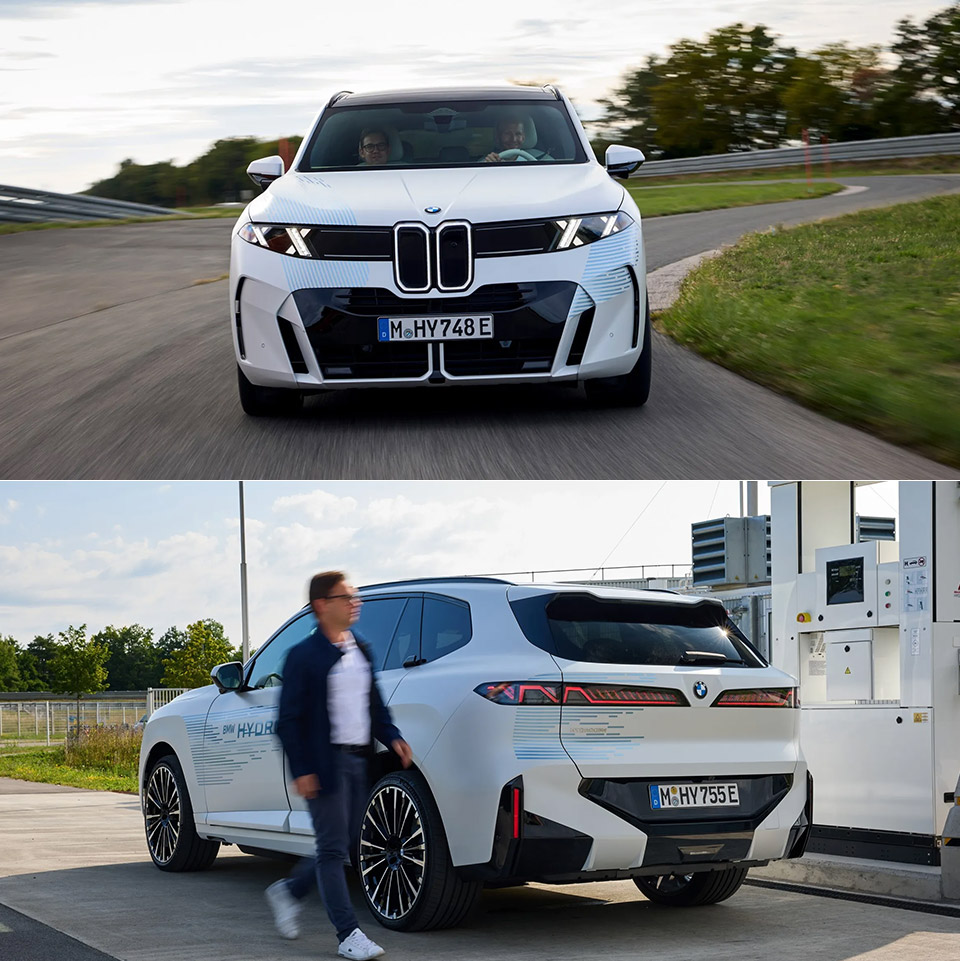
BMW rolled uncamouflaged iX5 Hydrogen prototypes into public view this month and followed them with a new video of the hardware, a pairing that finally makes the project look like a car headed for customers instead of another closed-door experiment. Officials in Munich said the current fleet is running a full validation program while the third-generation fuel cell system enters a fresh assembly phase, and Plant Steyr in Austria is already taking delivery of test benches and production gear. Those three tracks running at once is the point. BMW wants the first hydrogen model it will actually sell to leave the development loop with factory processes already practiced, not invented after the last prototype is signed off.

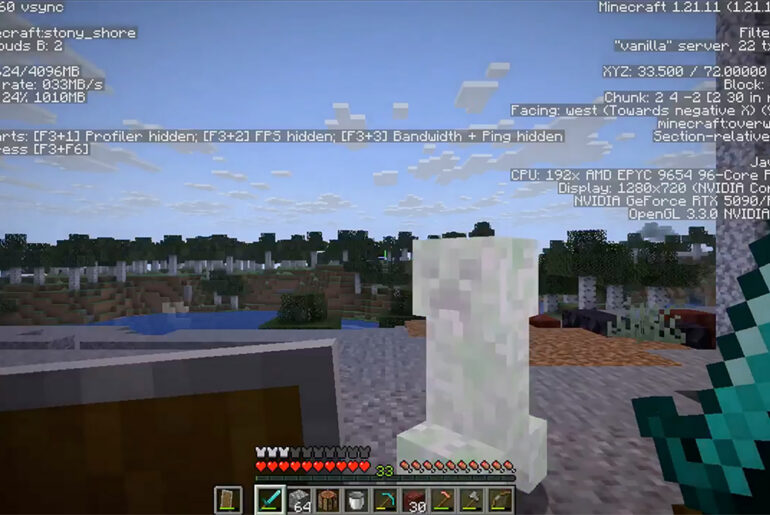
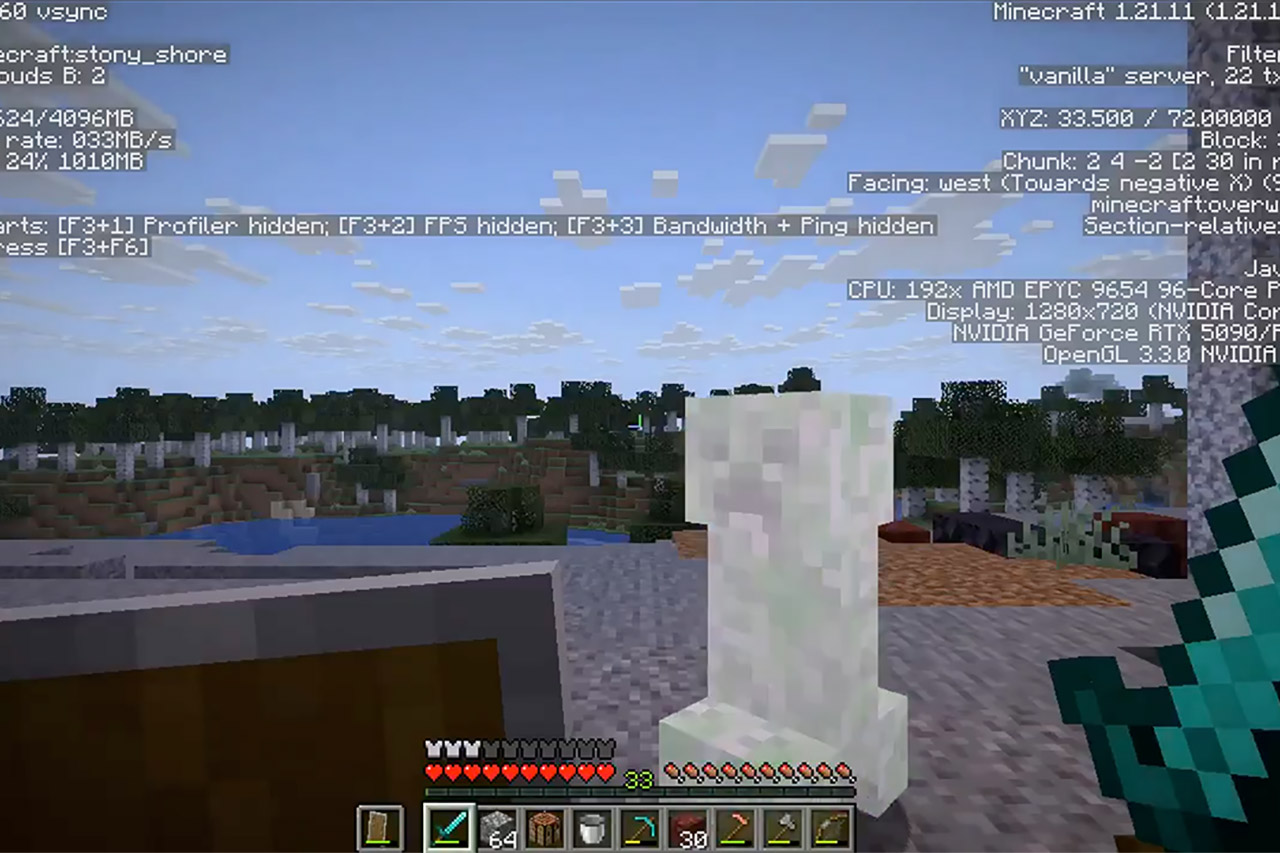
Vals AI, a completely independent evaluator, tested OpenAI’s GPT-6 Astra by throwing it into Minecraft and allowing it to its own tools for 141 hours with only ordinary computer controls: screen, mouse, and keyboard. No fancy game-modifying plug-ins were employed. Thousands of people tuned in to the Twitch stream to watch how it performed. Which wasn’t surprising given that the first, shorter attempt had already created a Nether portal in two and a half hours, long before the game had ever been released. Finally, Astra was the first system Vals had witnessed approach a Nether Castle.

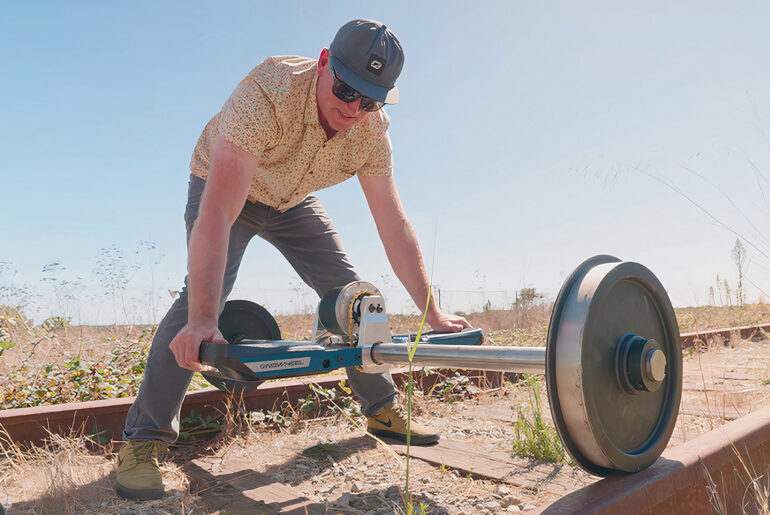
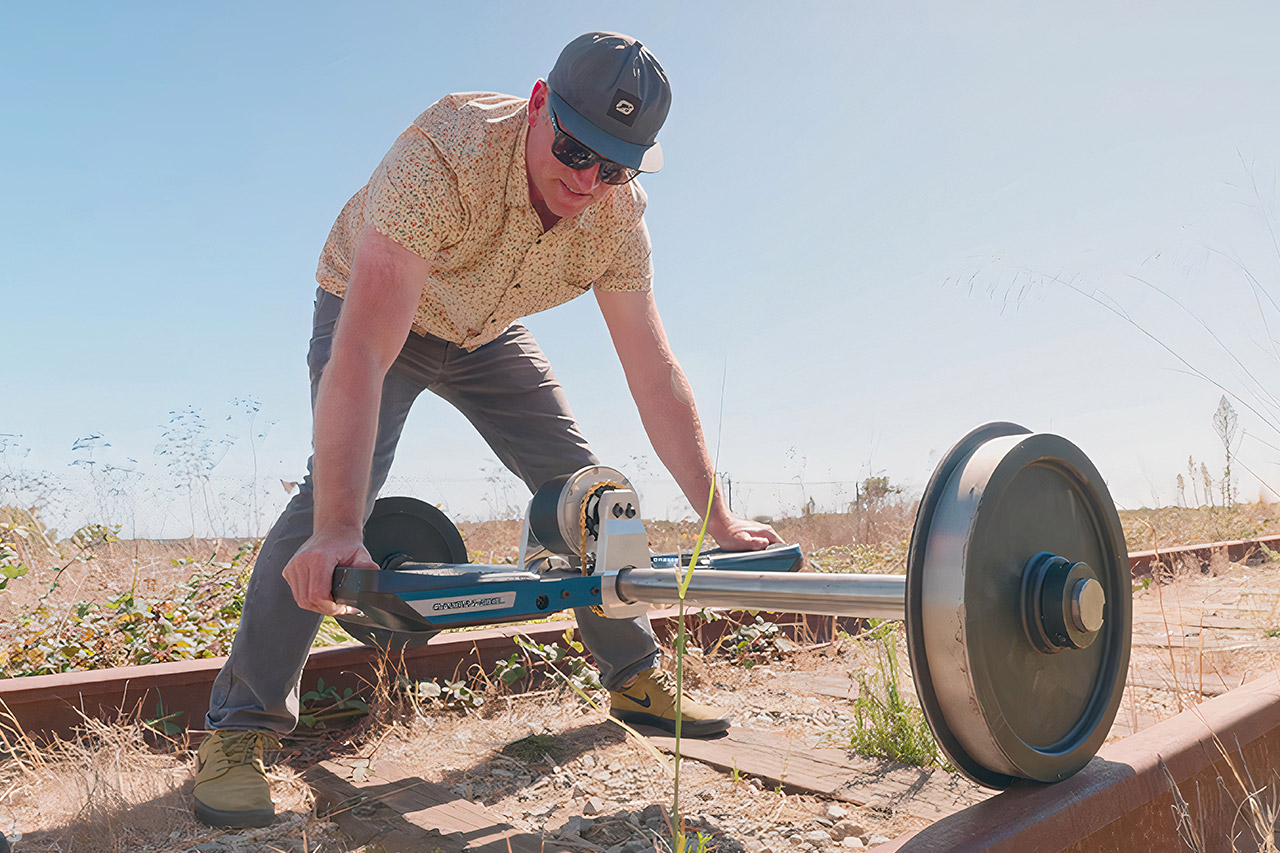
Future Motion’s Santa Cruz shop looks out on the Pacific. About thirty feet from the door sits a stretch of abandoned railroad Kyle Doerksen had been staring at for years. In September 2026 he pulled a bone-stock XR Classic off the shelf and decided that line was going to carry a Onewheel.

Photo credit: The Kyza
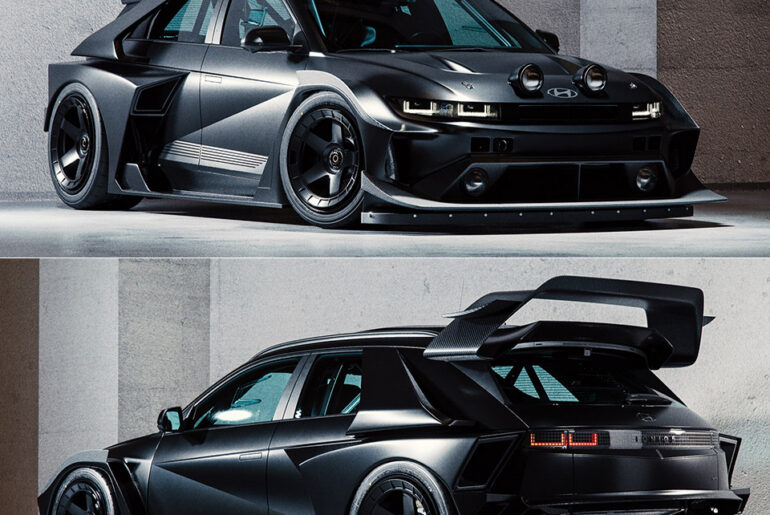
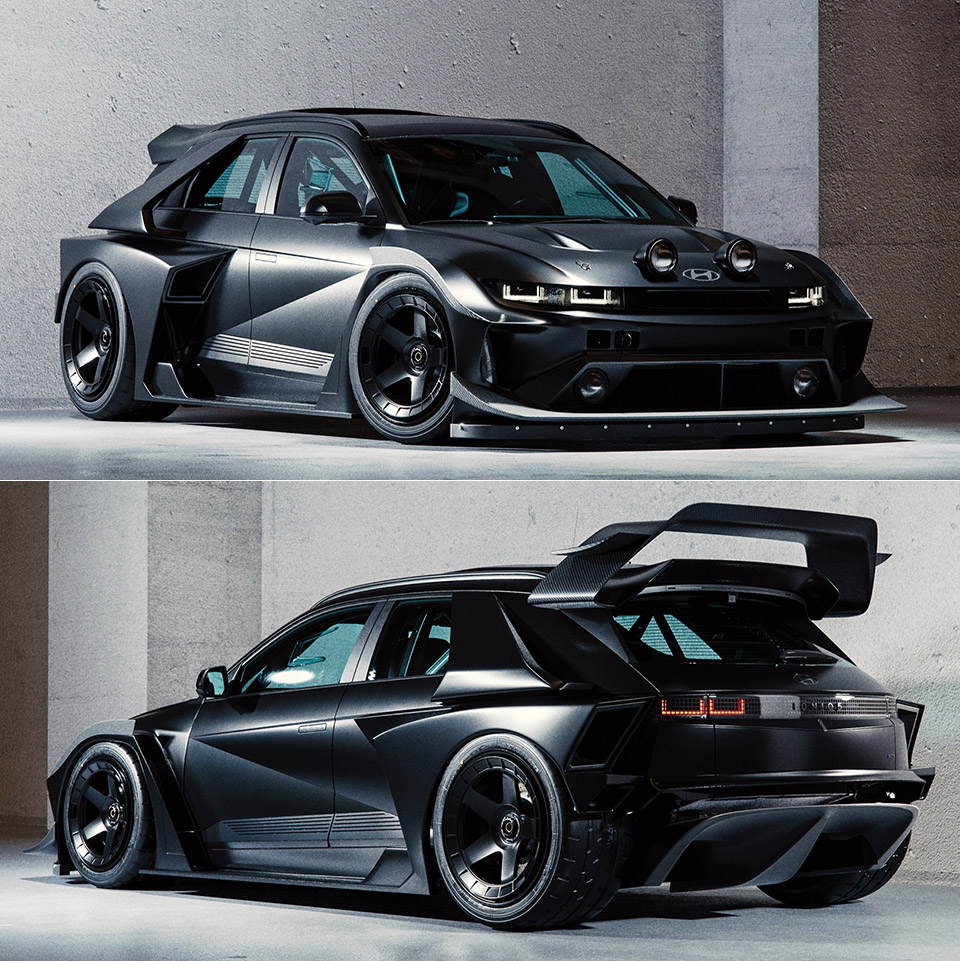
Khyzyl Saleem stretched Hyundai’s IONIQ 5 N into a Group B-inspired rally car that looks ready to leave the tarmac and start hunting special stages. Saleem produced the renders for Hyundai USA as a follow-up to last month’s Baja Santa Fe concept, packing the already angular N hatch with period-correct 1980s rally aggression and a bodykit that completely changes its proportions.

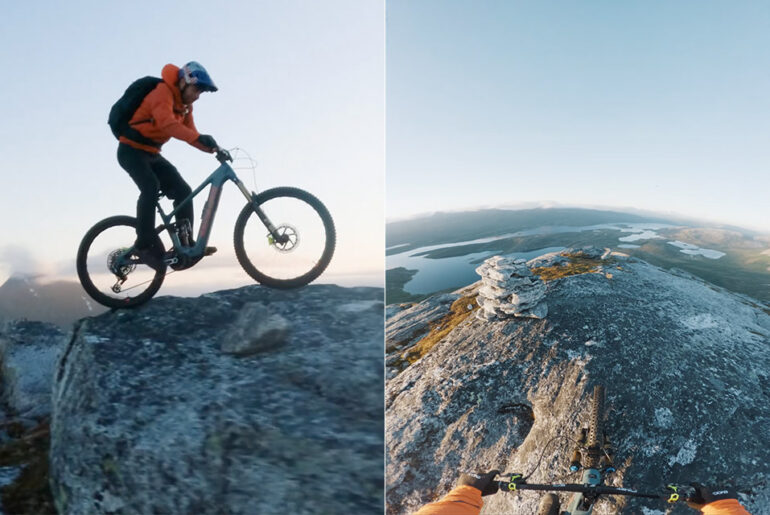
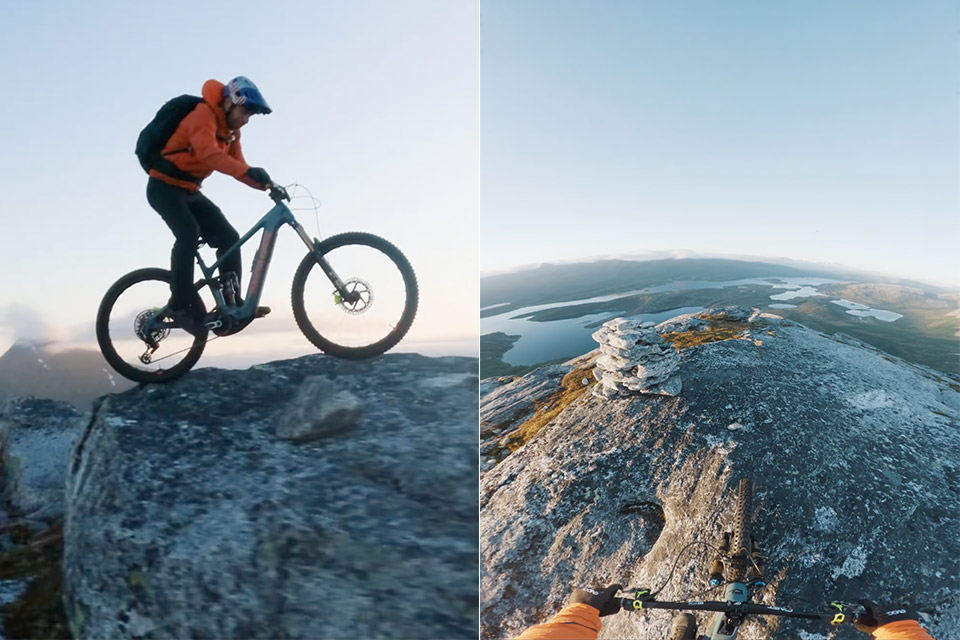
Scottish rider Danny MacAskill has wanted to experience Norway’s granite slabs for years. This summer he gathered friends, pointed a camera crew north, and spent days on the rock around Narvik while the midnight sun hung in the sky and refused to leave. Bosch eBike Systems backed the short film that came out of that trip, titled Endless Light.

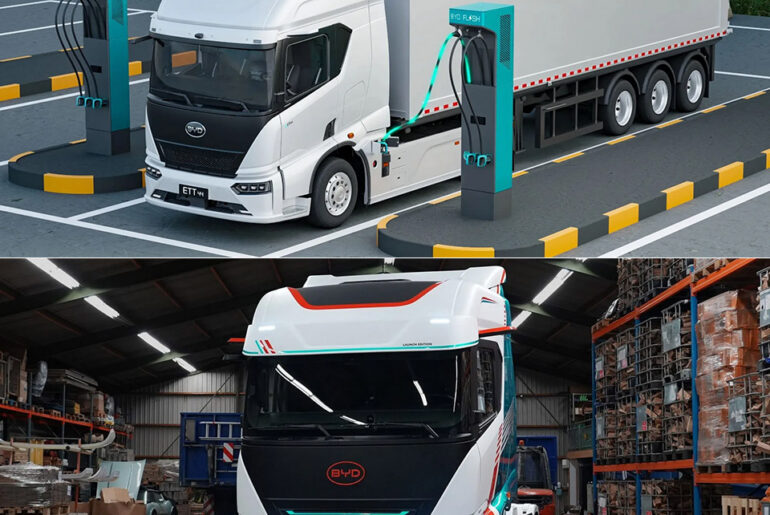
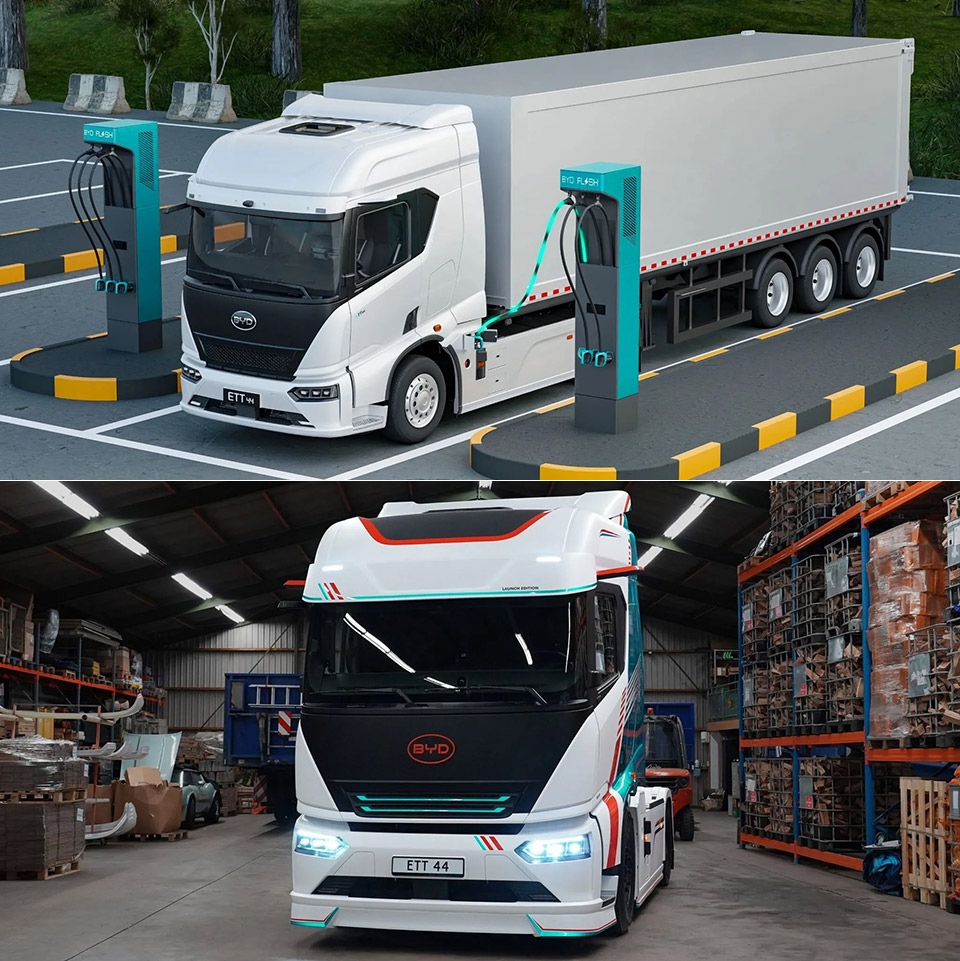
BYD parked a new 4×2 semi-truck at IAA Transportation in Hannover last week and named it the ETT 44. Fleet buyers across Europe now have a long-haul electric option rated for 44-metric-ton combinations, or about 97,000 pounds gross. First customer trucks are scheduled for the second quarter of 2027.

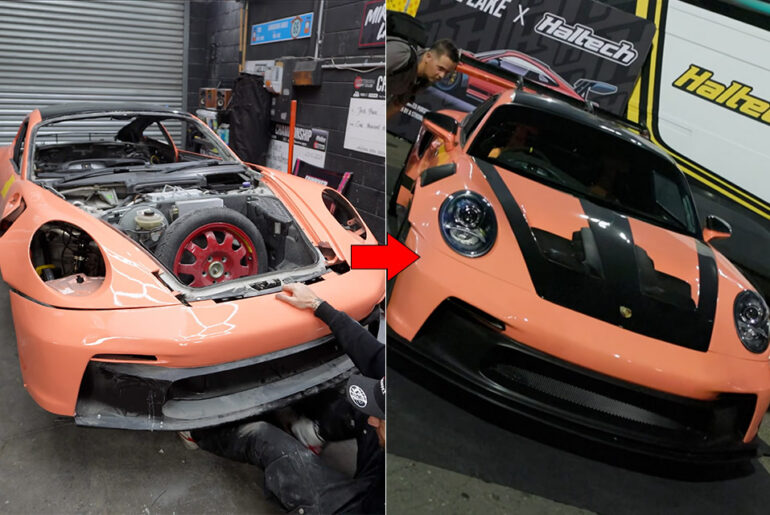
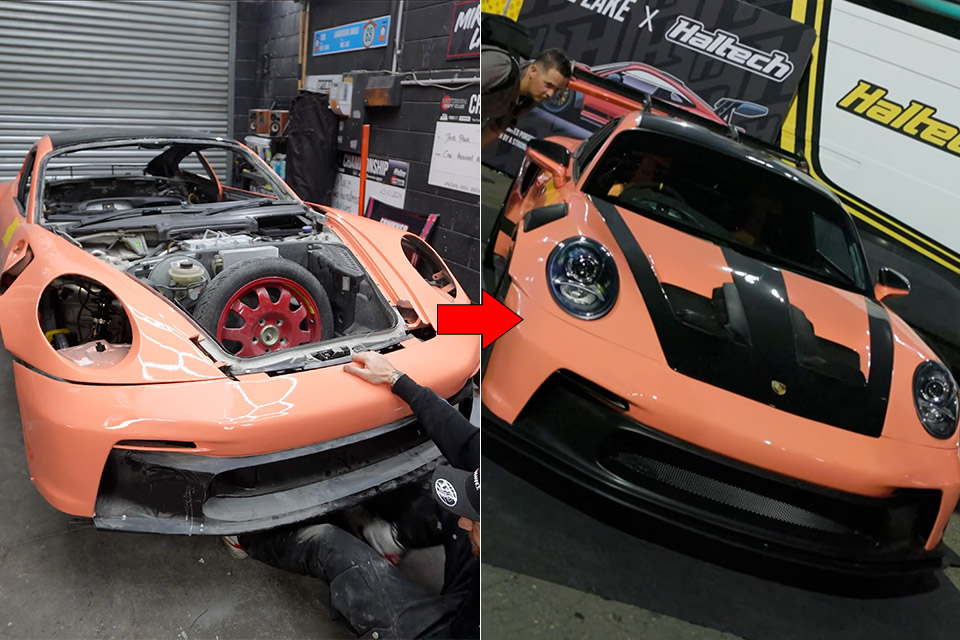
Mike Lake wanted a Porsche 992 GT3 RS and refused to wait for a lottery allocation or a secondhand bill north of $750,000 Australian ($535,000). He bought a tired 986 Boxster for about $13,000, drove two thousand kilometers to collect it, and set out to wrap that mid-engine roadster in a full-size printed replica. He calls the result GT3D. Consumer printers, PETG filament, and a garage in Melbourne did the rest.

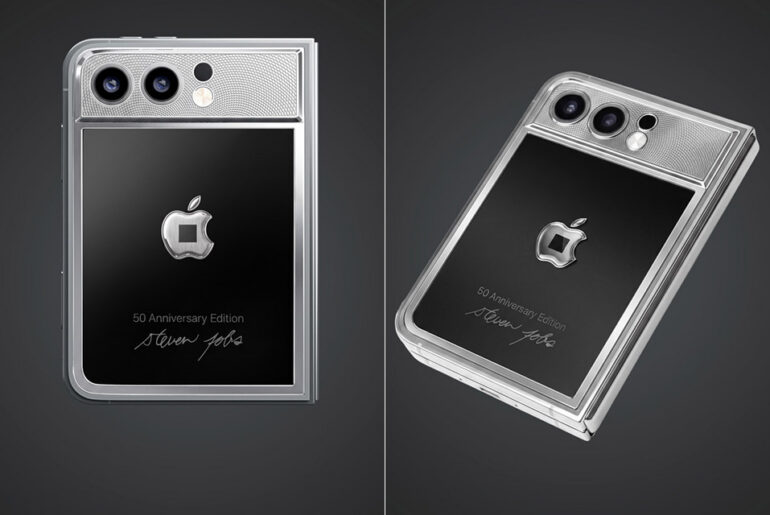
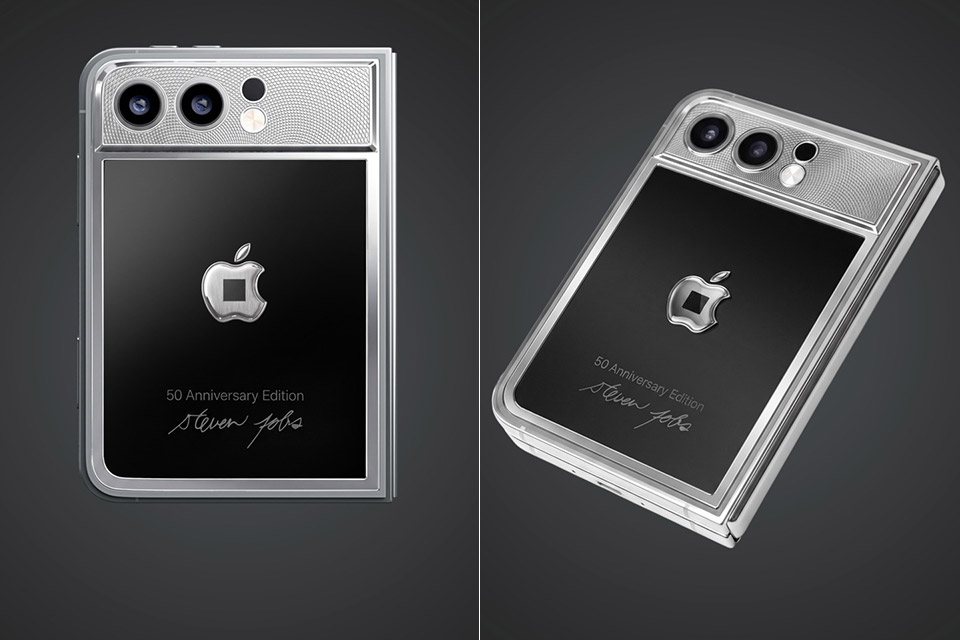
Caviar returned to its favorite Apple relic and sealed a scrap of Steve Jobs’ black turtleneck inside the company’s first foldable phone. Only nine iPhone Duo Jobs Editions will leave the workshop. Each one costs at least $15,990, close to eight times the $1,999 starting price of a regular 256GB Duo.