Tesla posted three words on X Saturday. “Go for launch.” A red sports car sat under hard vertical light, the kind used on a pad before a rocket leaves the ground. The date 10.01 ran across the bottom of the frame. A countdown on the company’s Roadster page now points at the same Thursday. Invites followed within hours.

A black Volkswagen Jetta rolled through an Express Lane in Solano County with a blank bumper where a rear plate should have been. A California Highway Patrol cruiser in the next lane caught that empty space on dashcam, then saw the same car moments later with a full, readable California plate sitting in place. That change was the whole stop.

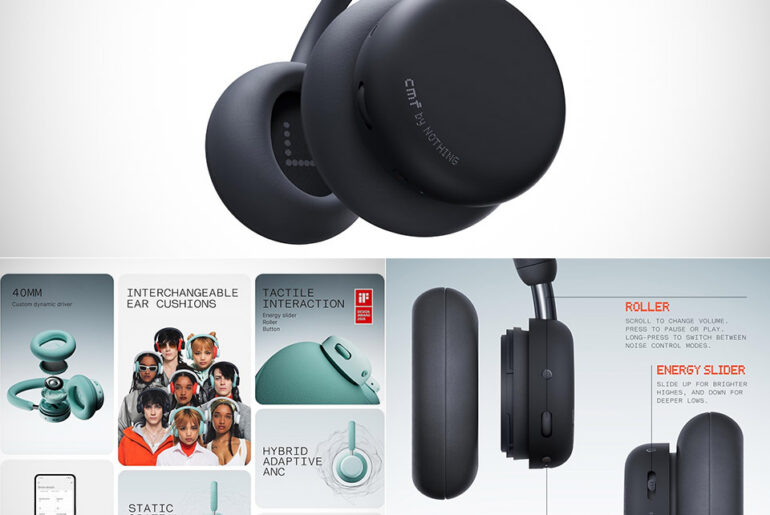
Anker still sells the Soundcore Q20i as a $70 pair that regularly lands closer to $40, and that number explains why these over-ears keep showing up in carry-ons years after their original launch. Hybrid cancellation, a 40-hour ANC claim, memory-foam cups, and a fold-flat frame sit in a package light enough that you forget them until the cabin drone disappears. For commuters and travelers who want silence more than a flagship badge, that combination has been hard to ignore.

Honor just launched a $1,500 Android flagship with a folding titanium robot arm that holds its 200-megapixel main camera, and Zack Nelson of JerryRigEverything got one the same week Apple dominated every headline. He expected a concept that barely worked. What arrived instead was a finished phone whose three-axis gimbal hides behind a sliding plastic cover until you tell it to wake up.

James Channel spent a recent video staring down a piece of Nintendo hardware that was never meant to last. His question is simple and a little unsettling: does the object in his hands still hold a game the rest of the world no longer has? That question only makes sense if you rewind past Satellaview itself and look at how Nintendo spent the late 1980s turning a living-room toy into a communications box.