Photo credit: Ikra Iftekhar
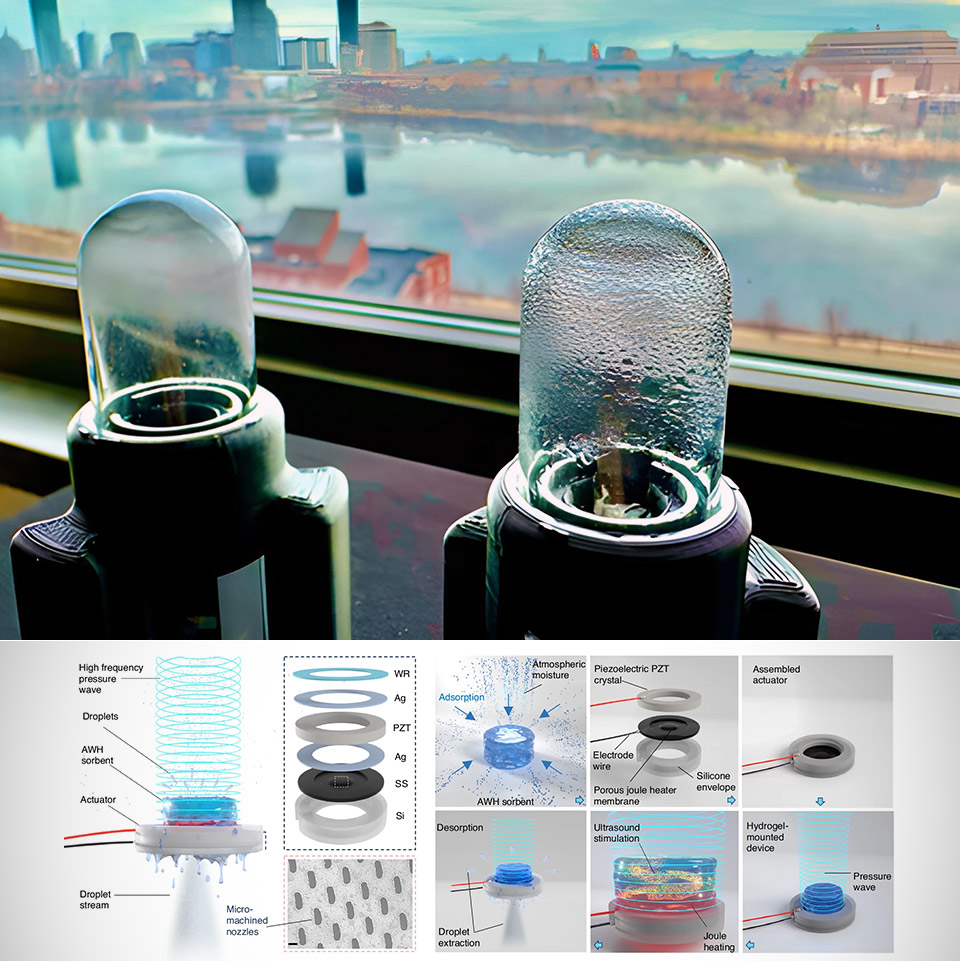
Engineers at MIT created a flat device that hums with sound waves too rapid for human ears to detect. These waves rattle water droplets from materials absorbed from the air, converting humidity into a constant stream of clean liquid. In areas where taps run empty and rivers remain far, this system offers a quiet revolution. There are no large factories or endless pipes necessary. Just air, a little vibration, and a few ingenious bits operating in tandem.
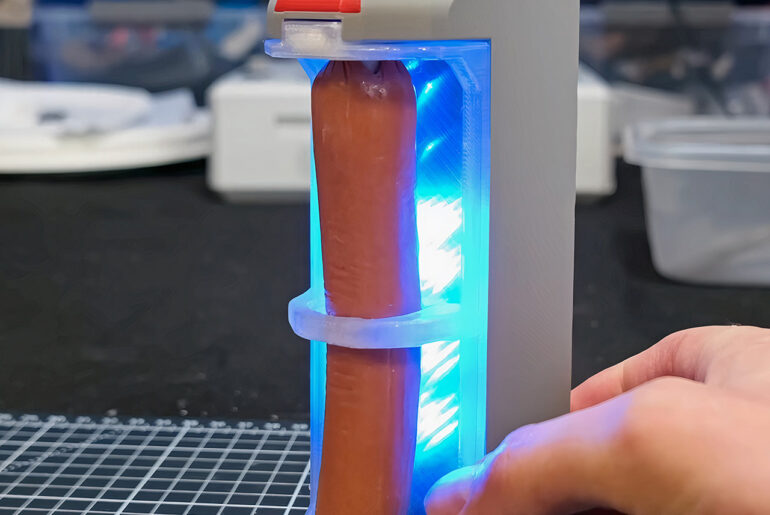
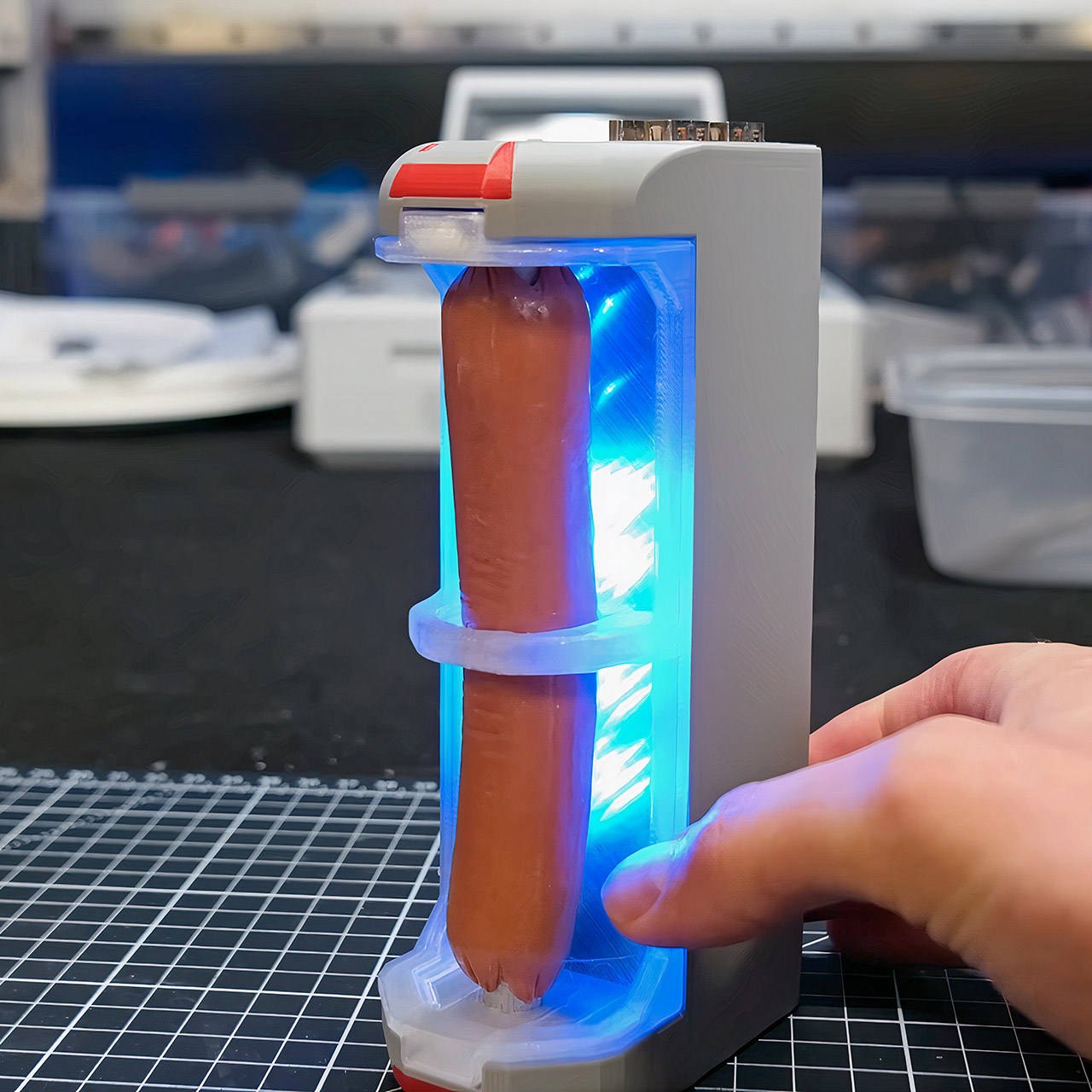
Hot dogs have always been about simplicity. Slap one on a bun, add some ketchup / mustard / relish, and you’re ready for a quick bite. But Joel Creates took that concept and wired it for actual electricity. His most recent creation transforms the basic frankfurter into its own heat source, all housed in a device tiny enough to fit in your jacket pocket.

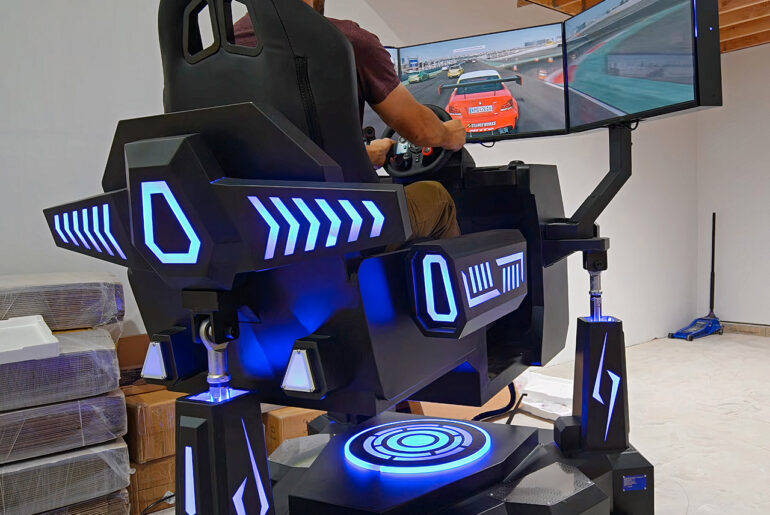
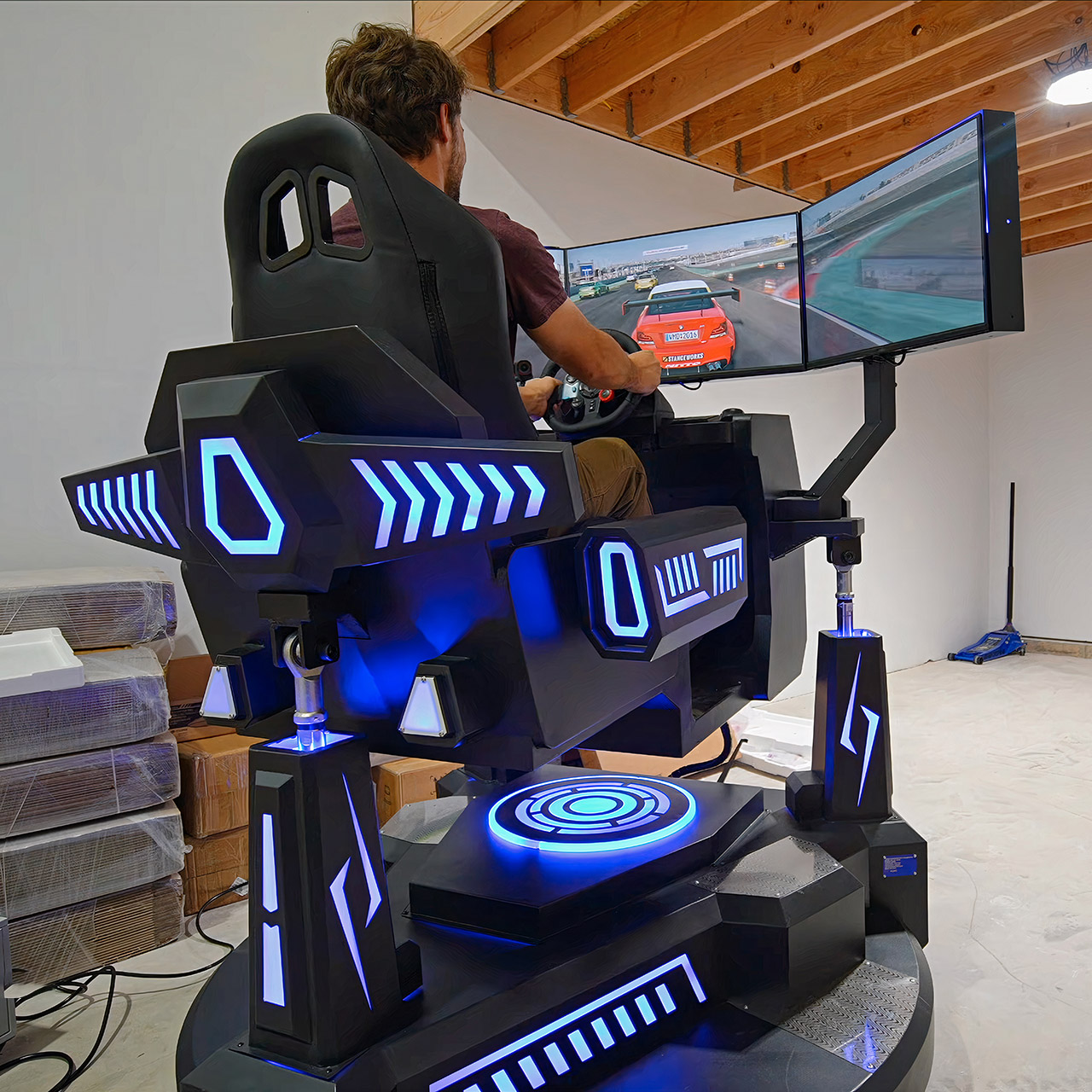
Edwin Olding stood in his garage, his Facebook Marketplace-sourced forklift buzzing like a 1960s monster, ready to open a container that had just crossed the ocean. He spotted the item on Alibaba months before: a full motion racing simulator that spun 360 degrees in all directions. It was a gamble to say the least at $7,000 (plus $3,500 for shipping and customs).

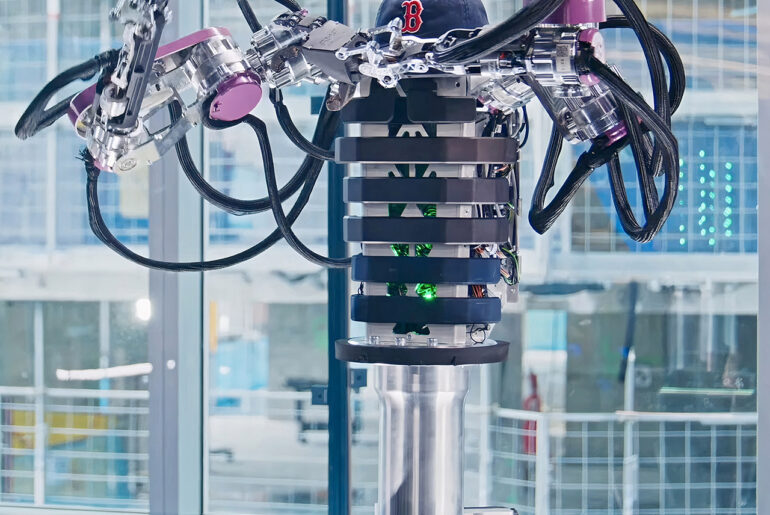
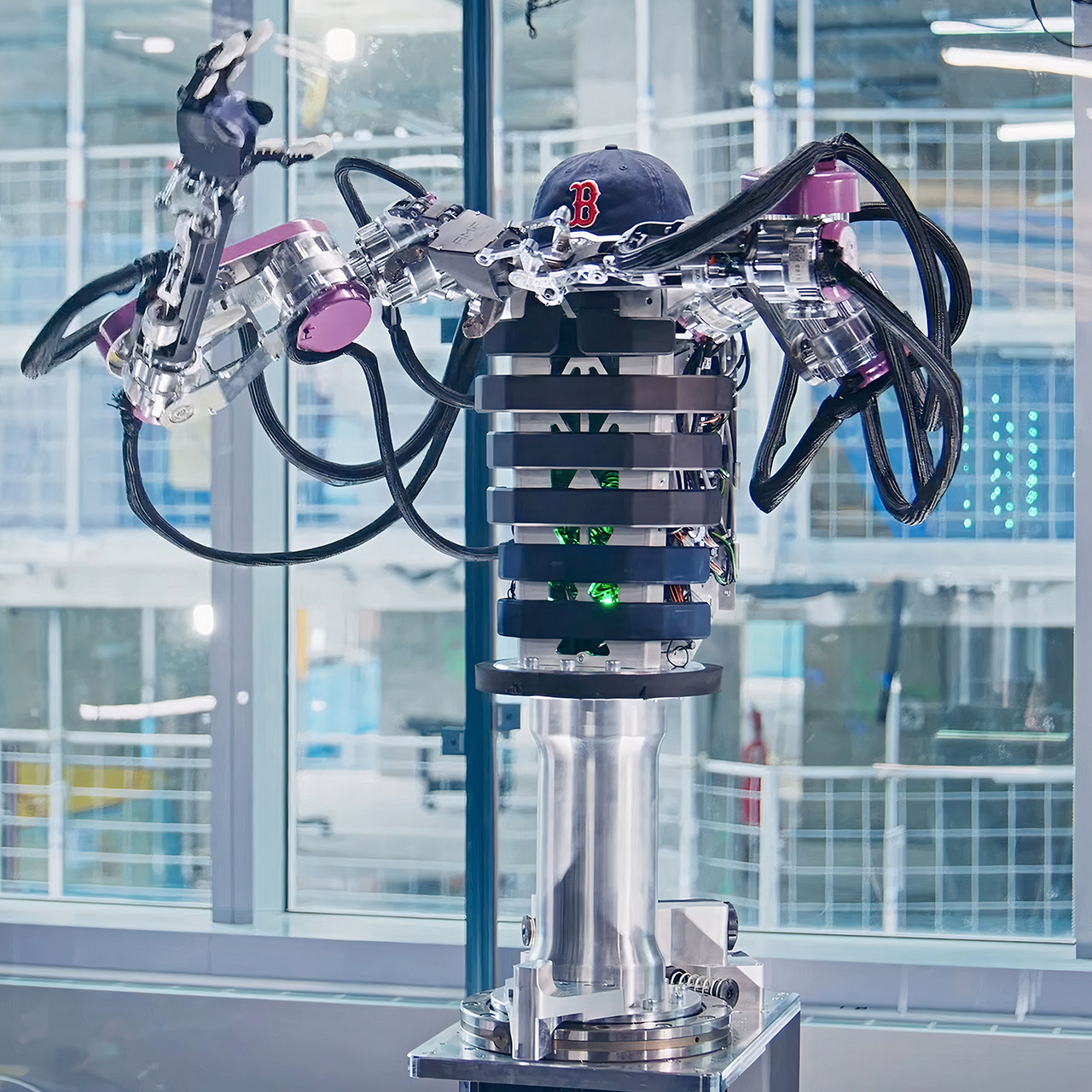
A pair of robots stand seven meters apart on an indoor court, their hands outstretched in the same way that outfielders do. One robot throws a baseball at its partner at 70 mph, which is a pretty good high school fastball, while the other’s receiving arm springs forward in a blur to catch the ball mid-air with a quiet thud against a bespoke glove. Without missing a beat, the glove flicks back, and the robot whips the ball back, creating a flawless arc through the air. All of this was captured on camera in a brief tech demo by RAI Institute researchers last week.