Photographer Ancient crammed a fully functional computer into the tiny gap of a lens adapter, which may seem like an odd location to put one, but that’s just the goal. This adapter, which connects DSLR lenses to mirrorless camera bodies, is often just a hole in a metal item, but Ancient didn’t think that was adequate. Instead, they transformed that often-overlooked sliver into a home for a miniature computer and a programmable aperture.

Photo credit: Volodymyr Lenard via Yanko Design
Apple’s March 4th event is reportedly going to be a big one, as the company touts it as a “special Apple experience,” with in-person meetups in New York, London, and Shanghai at 9 a.m. ET, but there will be no keynote event from Cupertino. When the invites arrived, they were just a simple Apple logo broken up into yellow, green, and blue sections, a little detail that hints we should expect some new hardware to emerge from this.

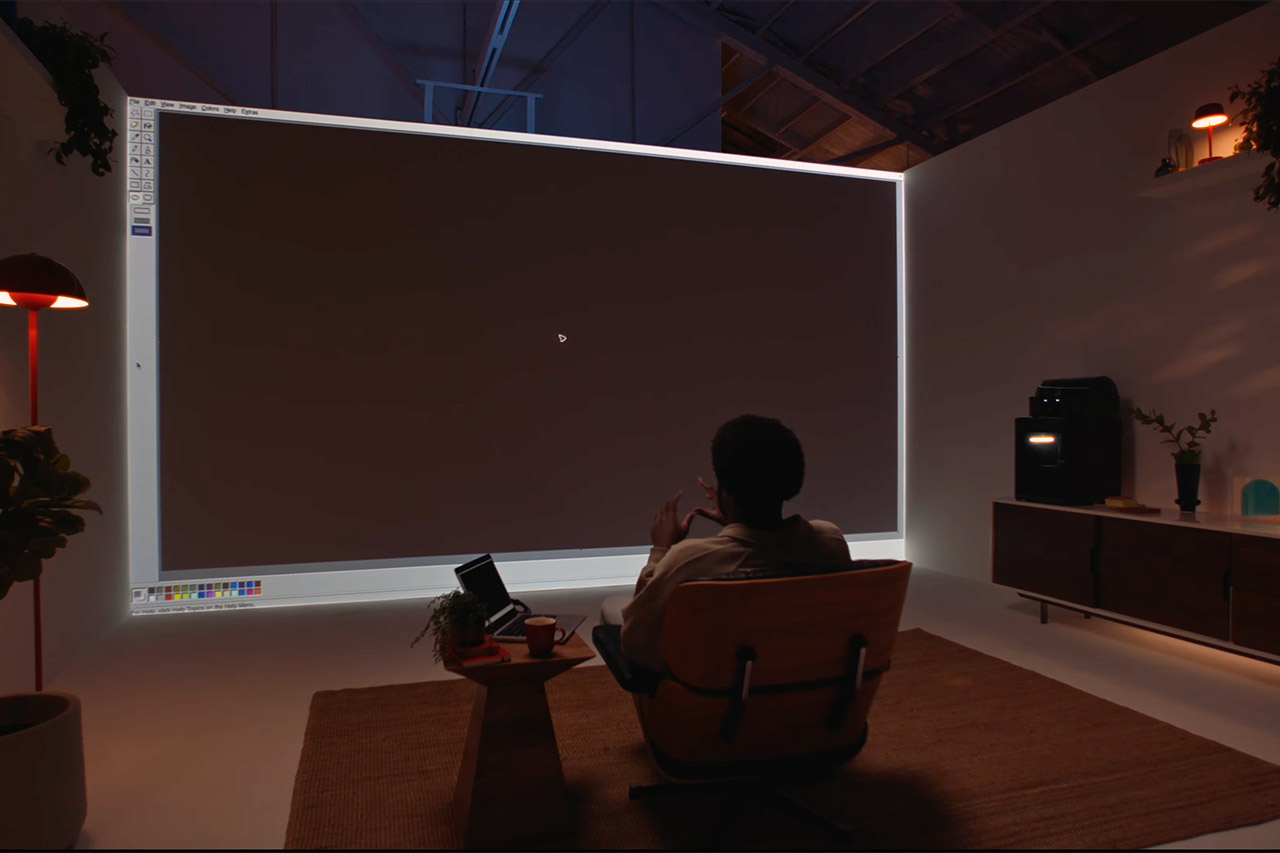
TVs have always struggled to produce a better image, relying on a variety of gimmicks and filters that build up layer by layer. Most current LED TVs operate by projecting a white or blue light behind an LCD display and then utilizing quantum dots or colored filters to convert that light into the reds, greens, and blues you see. It works well in most living rooms, but colors are sometimes washed out in bright environments or simply not realistic enough. OLED panels attempt to address a couple of these concerns by illuminating each pixel independently, but they struggle to get bright enough in rooms with high levels of sunshine, and the image degrades over time.
![]()
Google’s Pixel Watch 3, priced at $171 (was $300), may safely be considered a rival for anyone seeking for a flagship smartwatch who isn’t locked into the Apple ecosystem. Google used the lessons from the previous two models and created a watch that seemed to have all of the appropriate features.

Digital nomads frequently have to manage a bunch of devices, including laptops, phones, tablets, routers, and occasionally drones or small robotics installations. The problem is that regular power banks just do not cut it when you have many gadgets that require high power at the same time, or when you’re in the middle of nowhere and need something dependable and versatile to keep everything running. Luq1308 created the Omnibus 4×8 to address this exact issue. This tiny guy packs 345 watt-hours of electricity in a package smaller than a sheet of A4 paper, allowing it to fit into a backpack without taking up too much space.

East Japan Railway Co. (JR East) introduces a revolutionary Shinkansen train that defies all norms. This new train features seven unadorned white carriages with no seats or passengers. What’s crazier is that it’s designed to transport fresh fish, vegetables, precision electronics, and other high-end items at speeds exceeding 300km/h.

Unitree Robotics returned to the CCTV Spring Festival Gala, this time with a performance that broke new ground for humanoid machines in territory traditionally reserved for human athletes. For the third year in a row, the Hangzhou-based company was an official partner, this time bringing a slew of its top-of-the-line G1 humanoid robots to center stage in a display that somehow managed to marry ancient Chinese martial arts with the precision engineering found in a modern sports car.

Photo credit: Jace LeRoy
Denis Aminev, a Russian photographer, has spent years attempting to recreate the look of those magical film days that digital photography couldn’t quite replicate. It all started with movies shot on film, and how the stretched aspect ratio immediately draws your attention to them. Standard lenses and anamorphic adapters fell short, so he turned to something more direct: building his own camera from scratch.

The DJI Neo, priced at $149 (was $199), stands out as an entry-level flying drone that’s surprisingly simple to use, especially if you’re just getting started or looking for something to keep in your carry-on. People call it the ideal starter or travel companion for a reason: it’s small (just 135 grams), simple to use, and inexpensive.

A spool of filament rests calmly on a shelf, looking exactly like the usual orange Prusament roll found in numerous 3D printers, yet it hides a little secret. Prusa wanted a one-of-a-kind gift and asked Matt Denton to transform a regular 2kg spool of filament into an out-of-the-ordinary remote-controlled robot dubbed SpoolBot, which you’d be hard-pressed to tell is actually a robot going for a little roll on its own power.