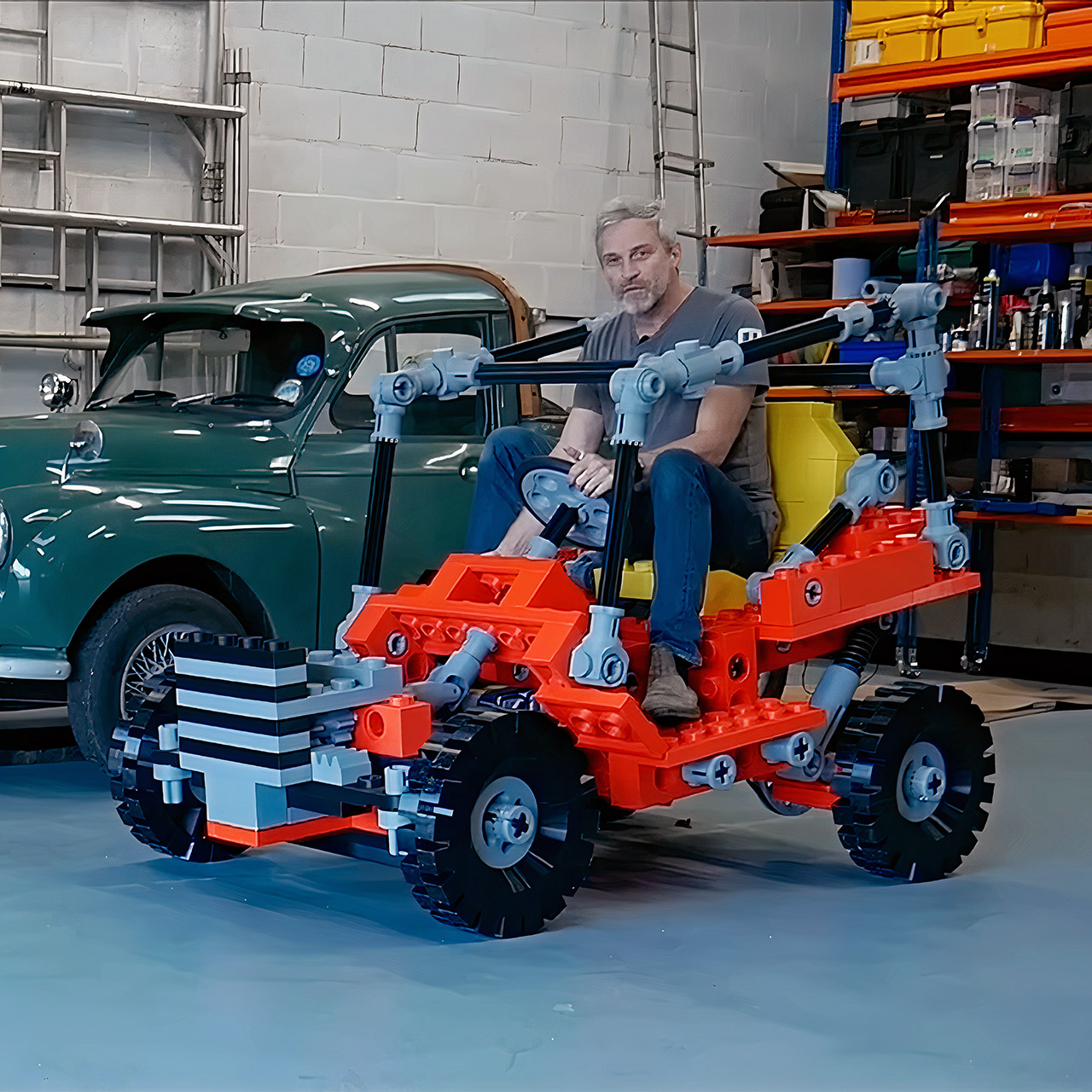
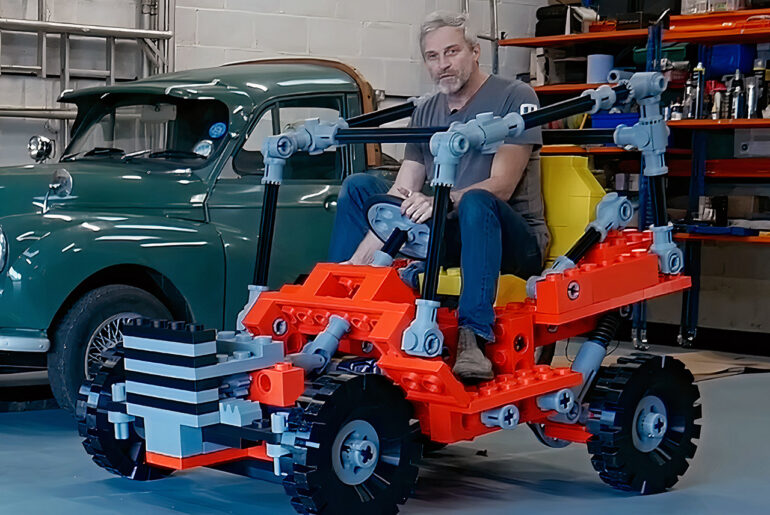
Matt Denton, a legend when it comes to transforming tiny models into full-size sit-ins, has spent years making the unthinkable a reality. His new creation, a monstrous version of the 1981 LEGO Technic Dune Buggy (8845), is no exception. What began as a simple kit of 174 plastic parts has been expanded to accommodate a large adult behind the wheel.
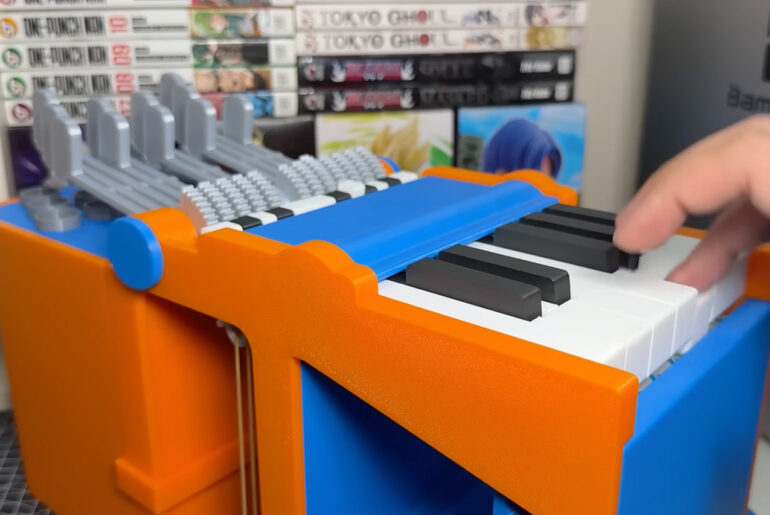
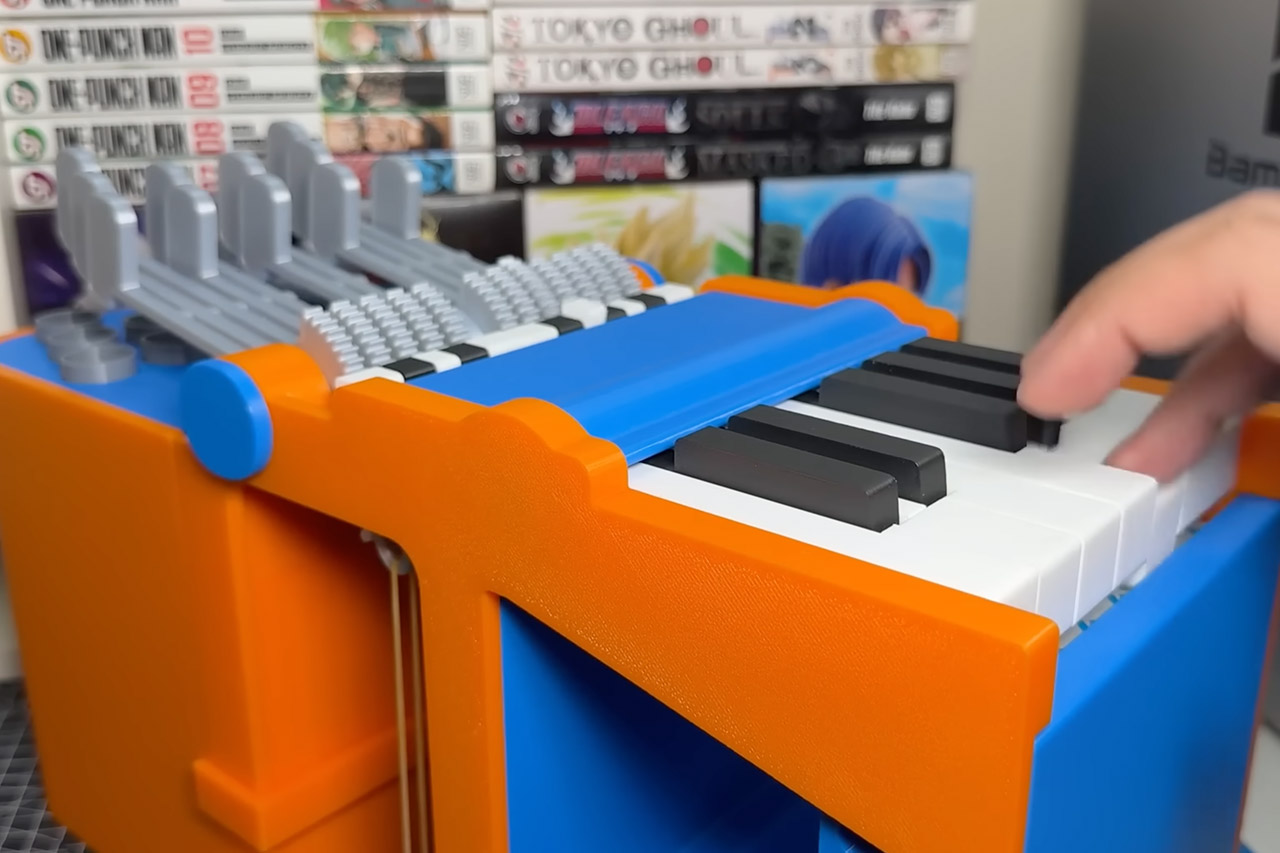
Toast, a YouTuber who turns crazy ideas into real gadgets, decided to master one of the most complex machines in music. He wanted a piano that could be printed at home with a normal 3D printer. No strings or heavy wood frames – just layers of molten plastic that form keys, hammers and resonant tubes. The end result plays actual notes, fits on a desk and doesn’t cost much more than a few rubber bands.

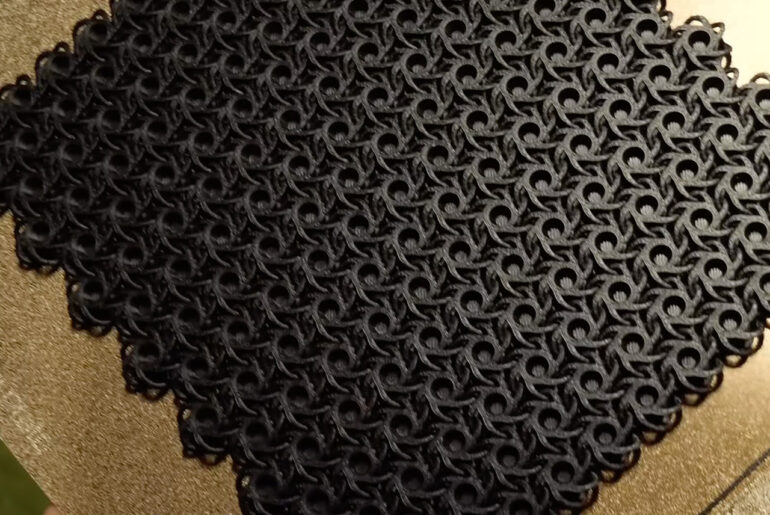
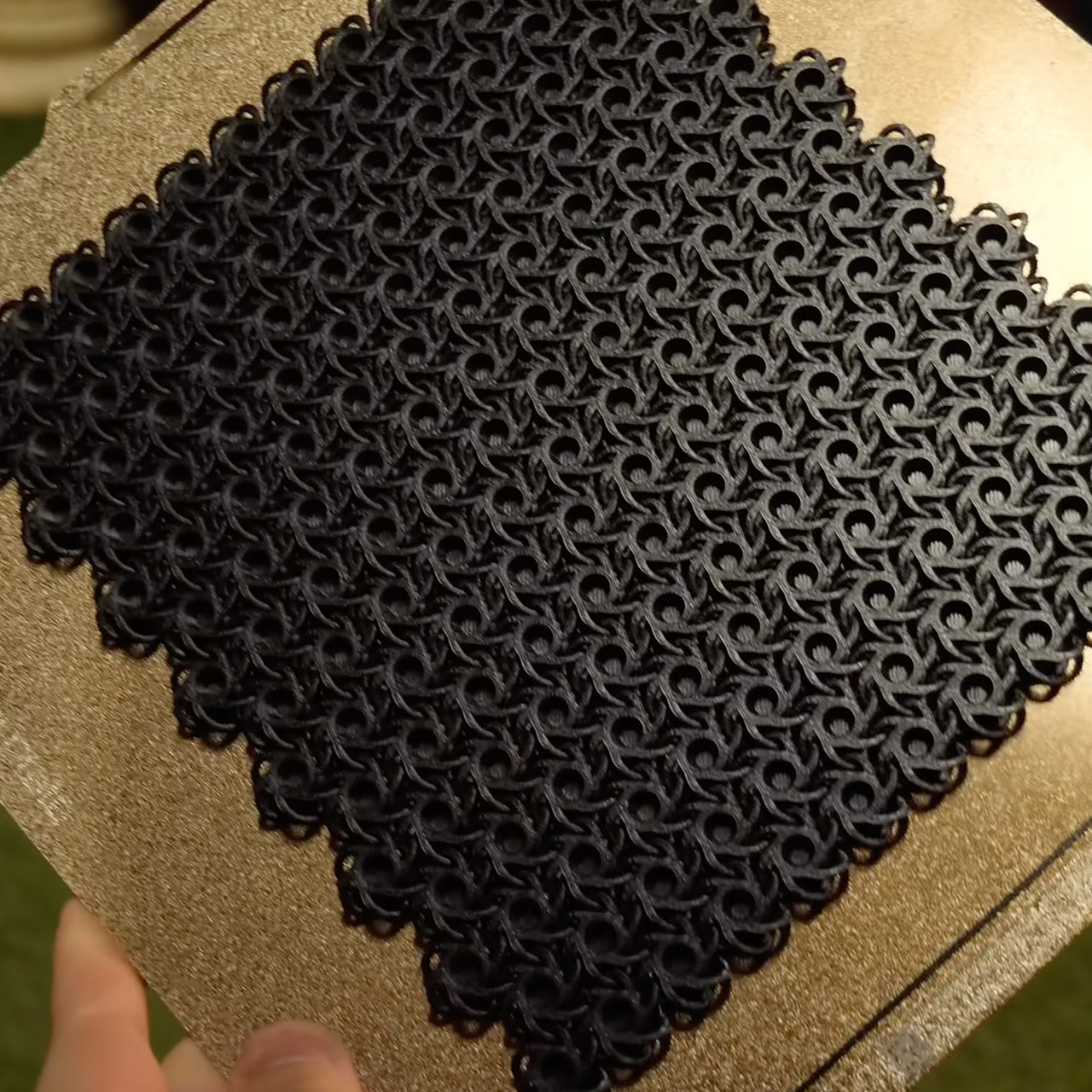
A single bed on a Bambu Lab 3D printer whirs away for hours, layer by layer, building up a strong PLA filament mat, strand by strand. When the platform has cooled down, the interlocking rings lift loose, revealing a flexible mat of plastic chainmail ready to be draped over a test dummy. The guys over at Screen Tested wanted to know if you could genuinely make decent armor on one of these fancy home 3D printers – could it resist real-world violence?

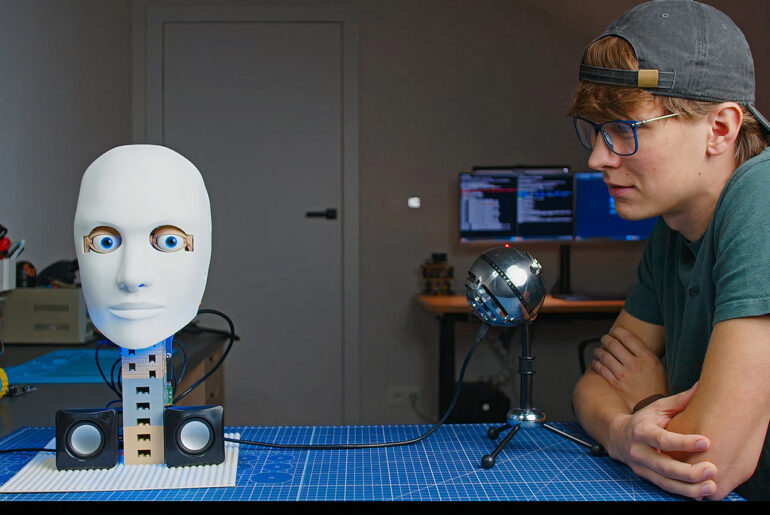
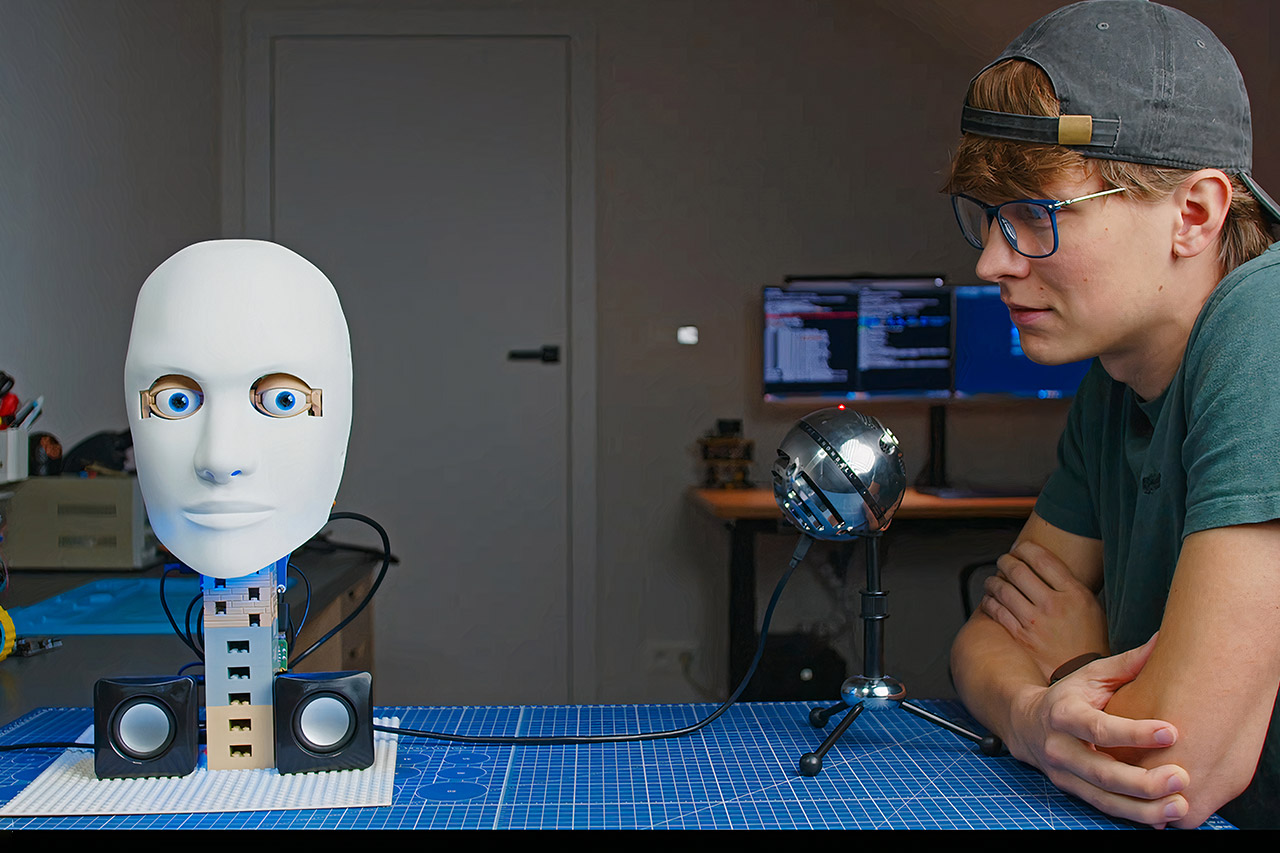
Maker Nikodem Bartnik has built a robot head that answers questions in a way that’ll make you think a ancient Greek philosopher like Aristotle has just rolled back into the room. A metal mask with 3D-printed moving eyes peeks out from the hood, some sparkly LEDs pulsate behind the mouth and every time he responds, he uses an artificial brain that runs on his own computer in the next room. It all looks so alive and makes for a seriously interesting conversation that could keep going for hours, or so we’d like to think.

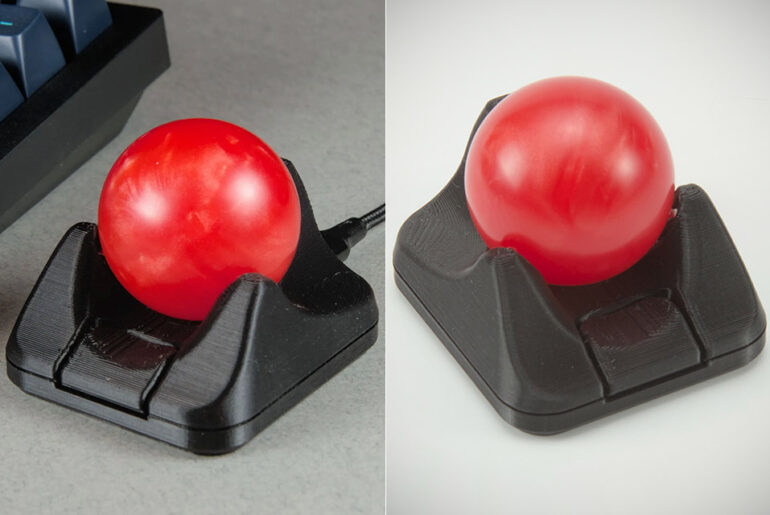
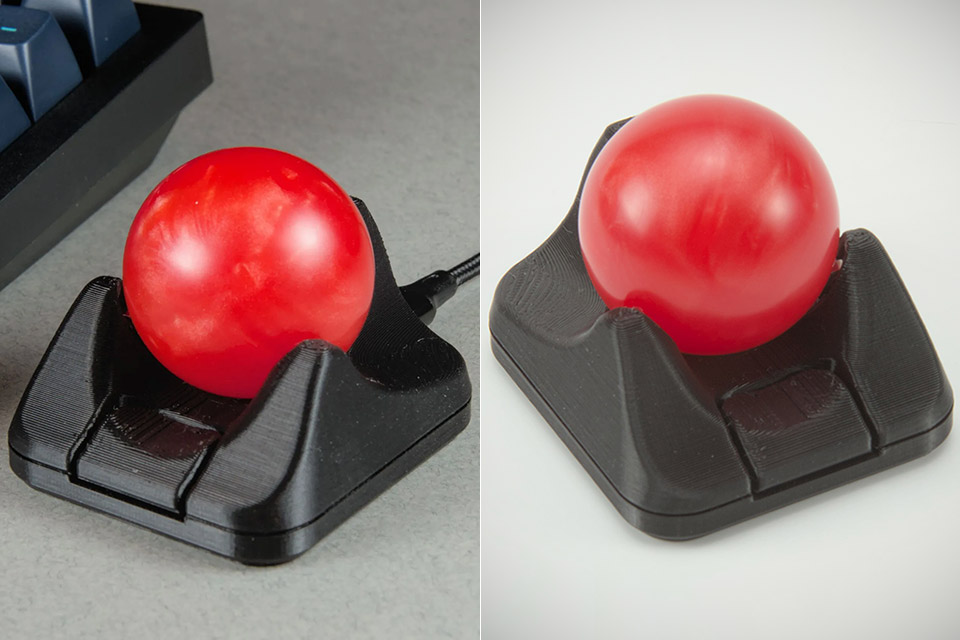
Ploopy has just launched the smallest trackball mouse device you’ll actually use. The Nano 2 retains the original’s palm-sized design, but adds one button that feels like a secret handshake with your cursor. Roll the 38mm ball with your thumb, and the pointer will travel exactly where you desire. Holding the button causes pages to scroll as smoothly as a wheel. When you release, you’re back in control of your aim. There are no unnecessary clicks or clutter—only one switch that you program yourself.

Photo credit: Dycus
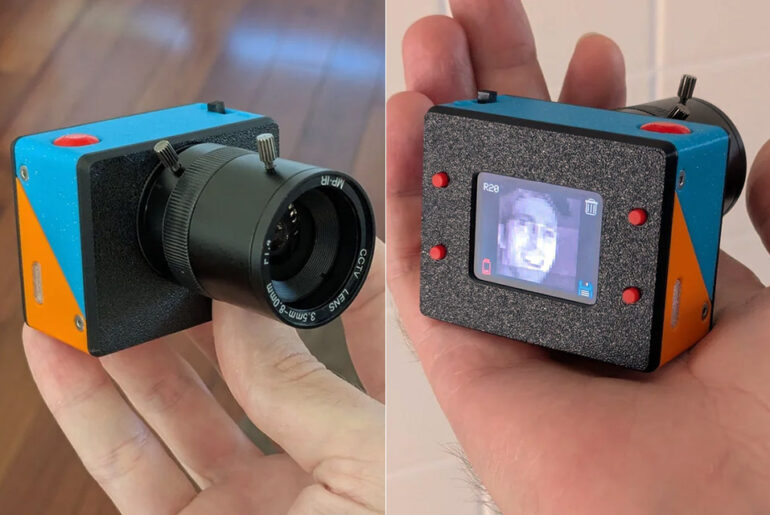
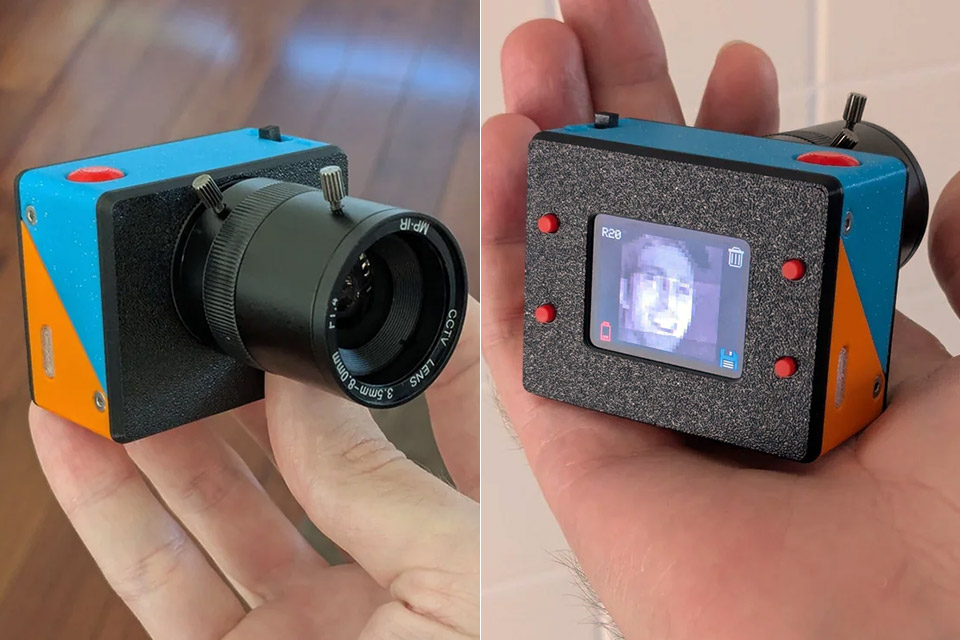
Dycus started digging through a box of old electronics on a lazy afternoon and pulled out a dusty circuit board from an optical mouse that had long since been forgotten. That seemingly worthless bit, tucked away a few years ago on a hunch, ended up sparking 65 hours of late night modding and more soldered connections than he cares to count. By the end of it all, that old scrap had turned into something completely new: a tiny camera that snaps pretty terrible, yet somehow charming portraits and sweeps panoramic scenes that seem to capture the whole world in a single sweep.

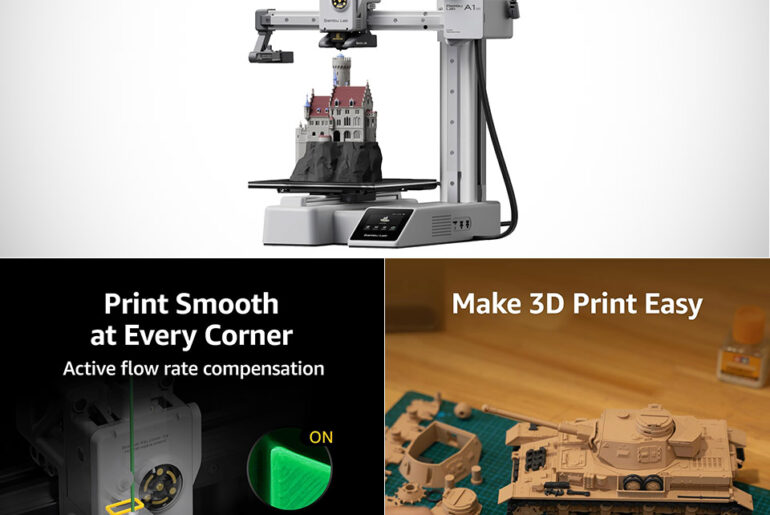
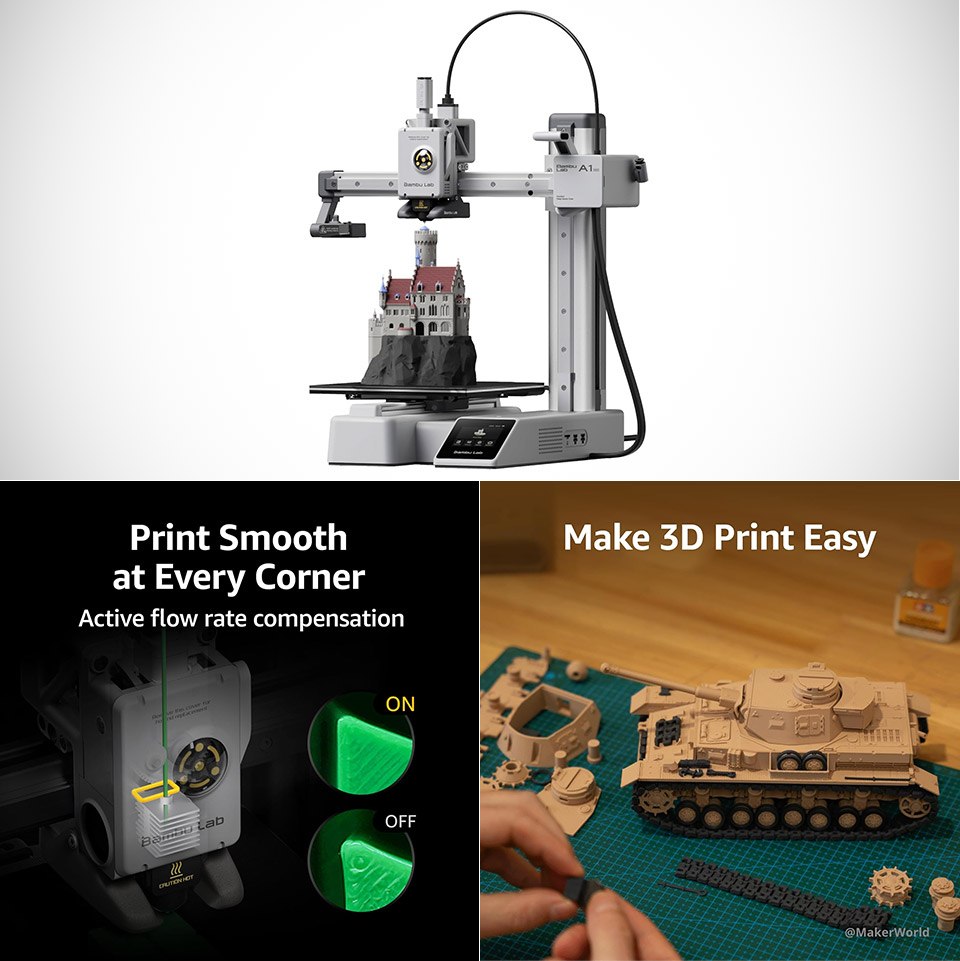
Bambu Lab’s A1 Mini is really making waves with its price tag of $199 – that’s half its original $399. And from the moment you open the box, it’s clear this little printer is something special. Assembly goes from zero to hero in a flash – basically just plug in a power cord and slide the build plate into place, and you’re good to go. Twenty minutes pass, and you’re already on your way to printing something amazing – no tools required, no messing around with leveled beds, no trial and error nonsense.

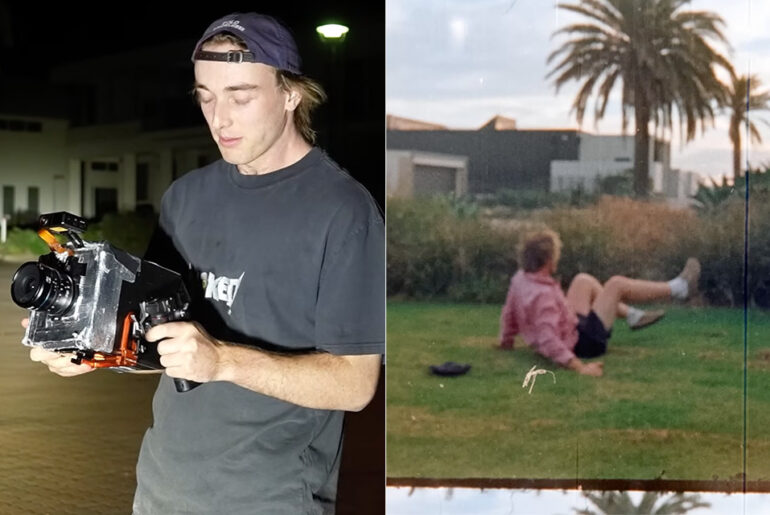
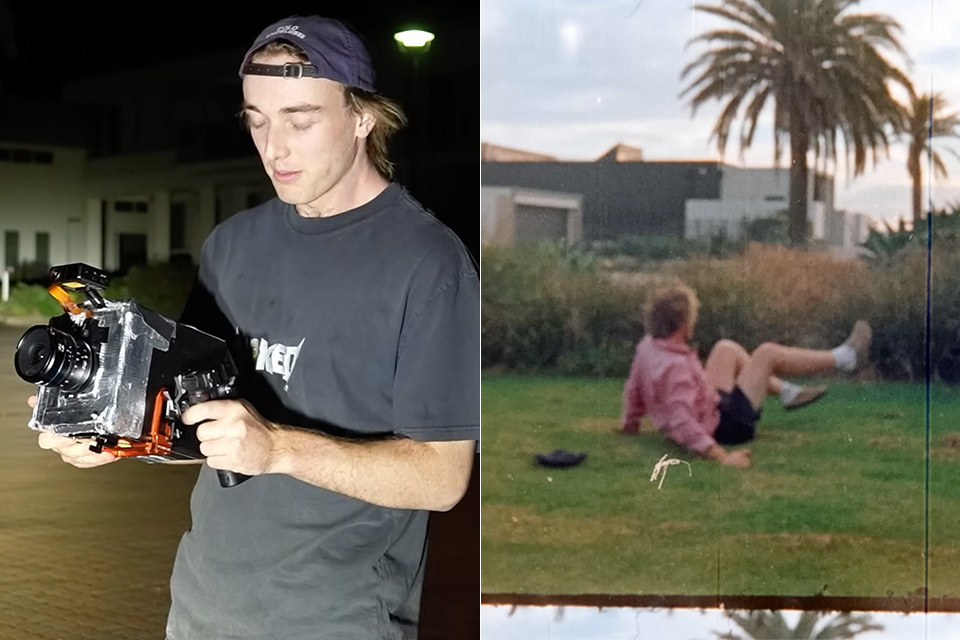
Henry Kidman thought to himself, ‘why not try building a 16mm motion film picture camera from scratch?’, and went about it using only a 3D printer, an Arduino, and a stubborn refusal to accept that there are some things that just might be too difficult to get done alone. His project shows what’s possible with the tools most of us already have on hand, and what he came up with is a device that against all the odds, actually captures good quality film footage.

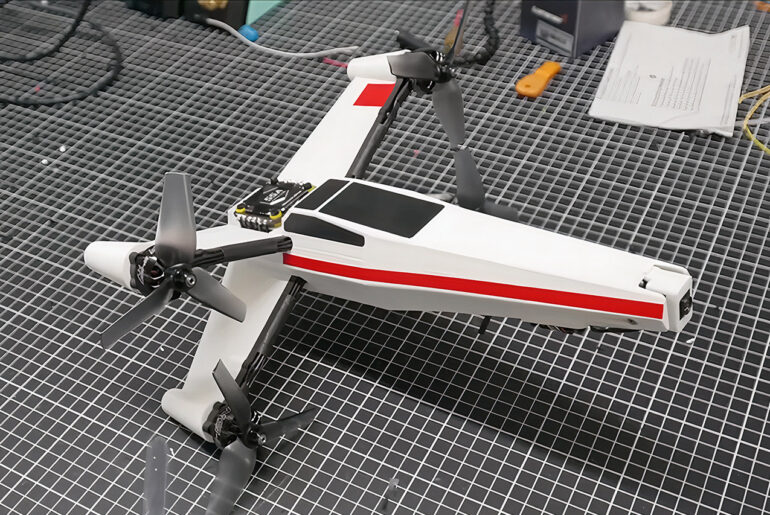
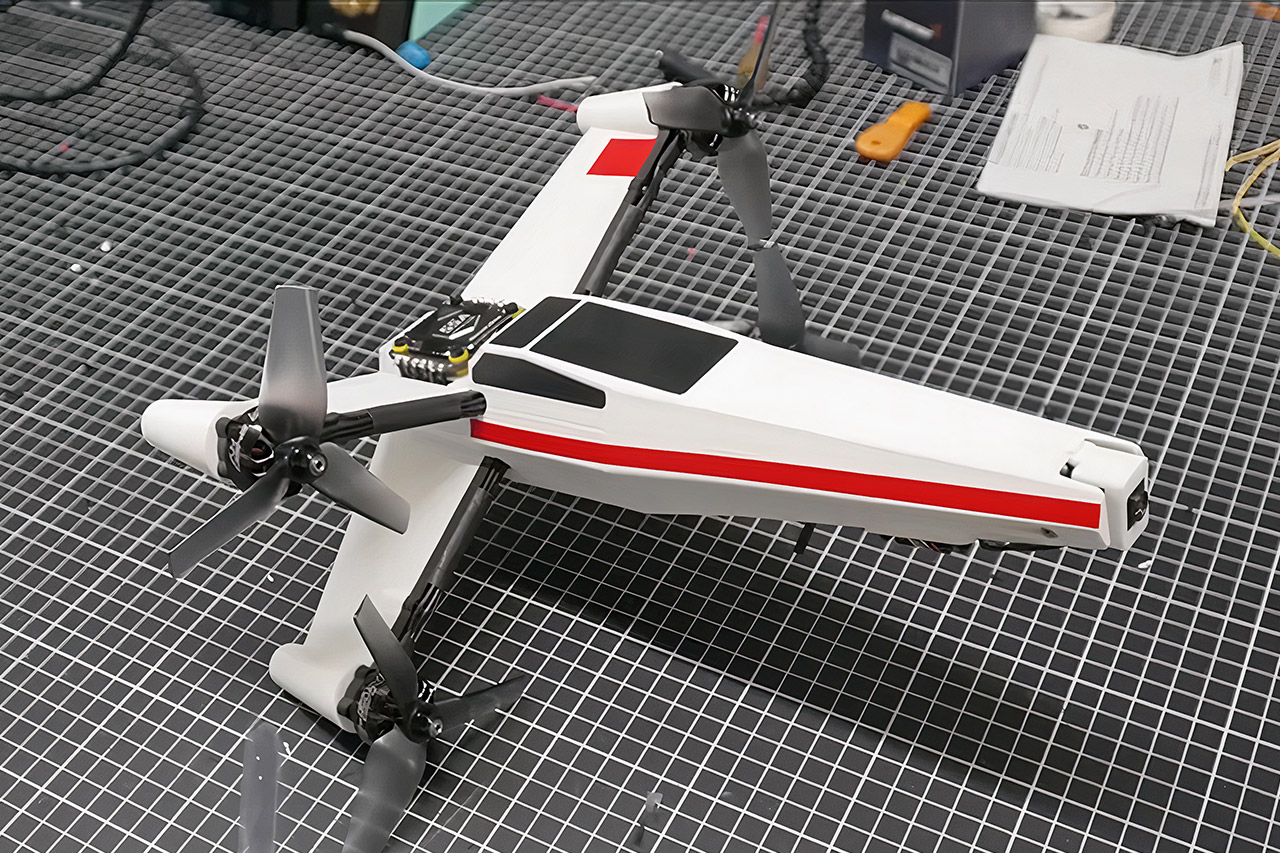
A German engineer named Luis has made a childhood dream come true and created a 3D-printed Star Wars X-wing drone that screams across the sky at 134 mph. After 6 iterations, countless crashes, and a trip to Lake Como, Luis got his X-wing airborne and shared the blueprints so you can build your own.

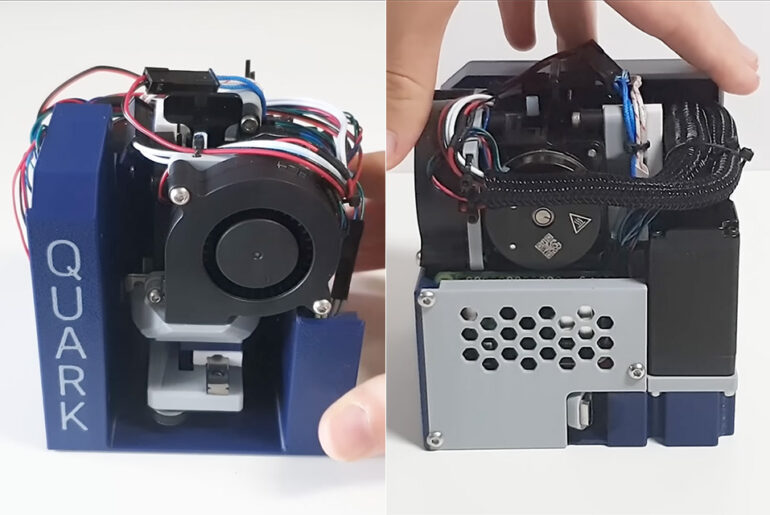
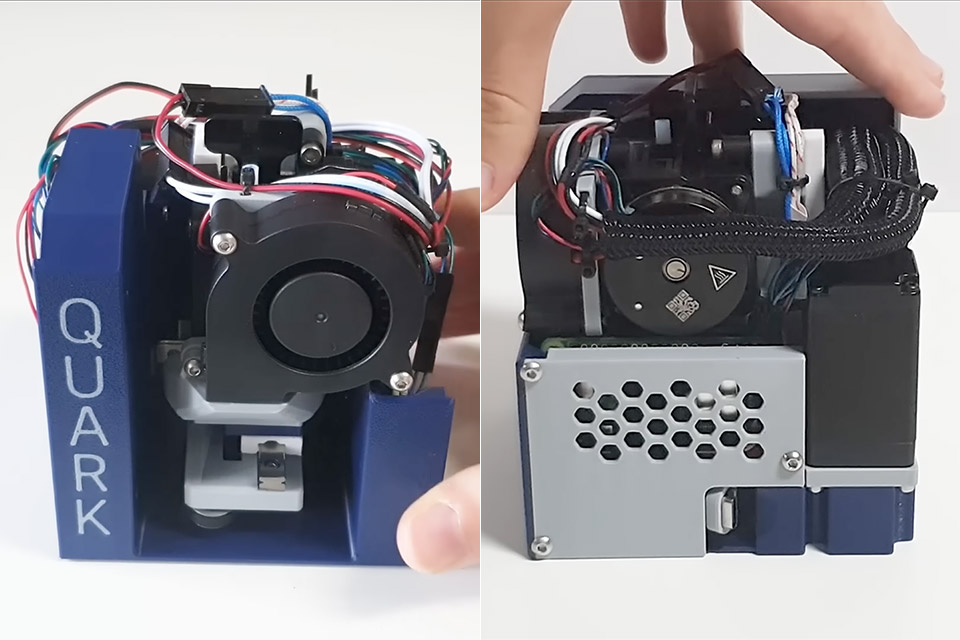
Robert Gcode unveiled a 3D printer few months ago that is roughly the size of a kitchen appliance – tiny enough to just place on a shelf if desired. Now the Quark has arrived, marking yet another attempt by Gcode to truly push the bounds of compact. This one measures only 100 millimeters on each side, making it small enough to fit in a pocket or balance on an open hand.