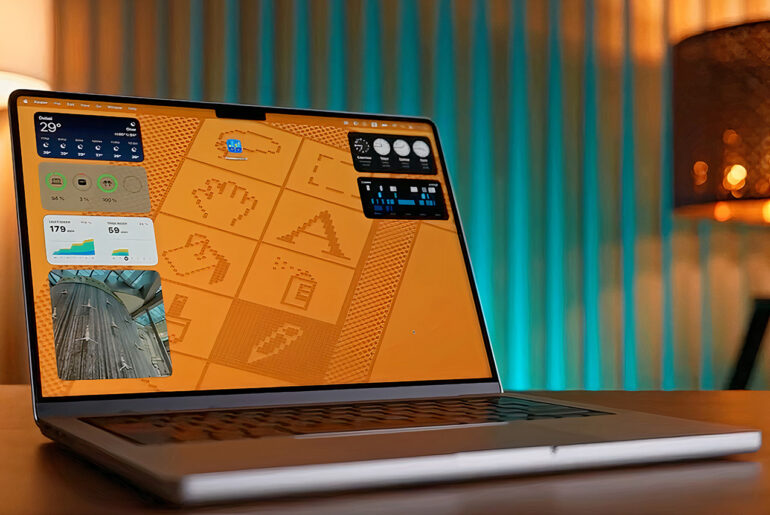
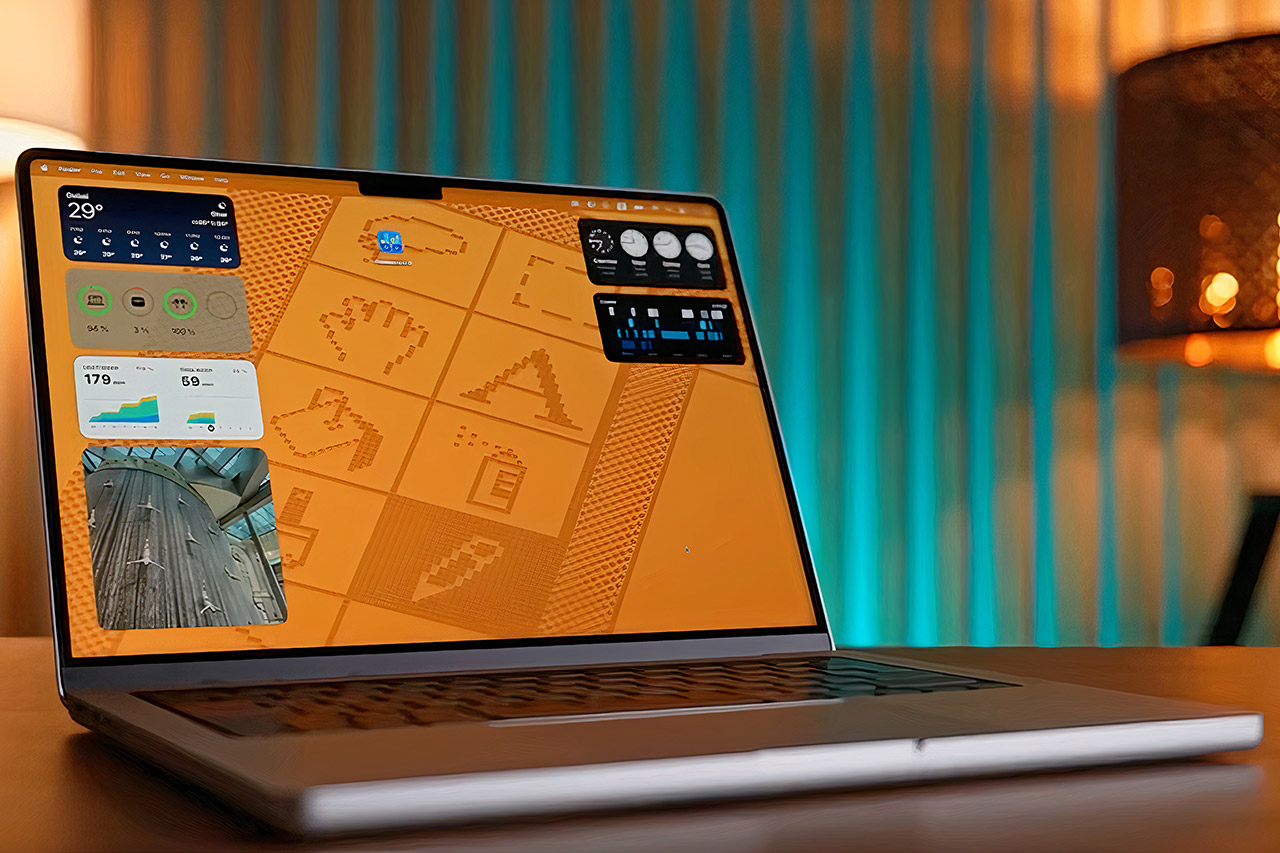
Anyone who needs a laptop that can carry a full day of serious work without constant pauses still lands on the same machine. Apple’s 16.2-inch MacBook Pro with the M5 Pro, priced at $2,499 (was $2,999) in the Space Black configuration with 24GB of unified memory and a 1TB solid-state drive, remains the cleanest answer for the money.

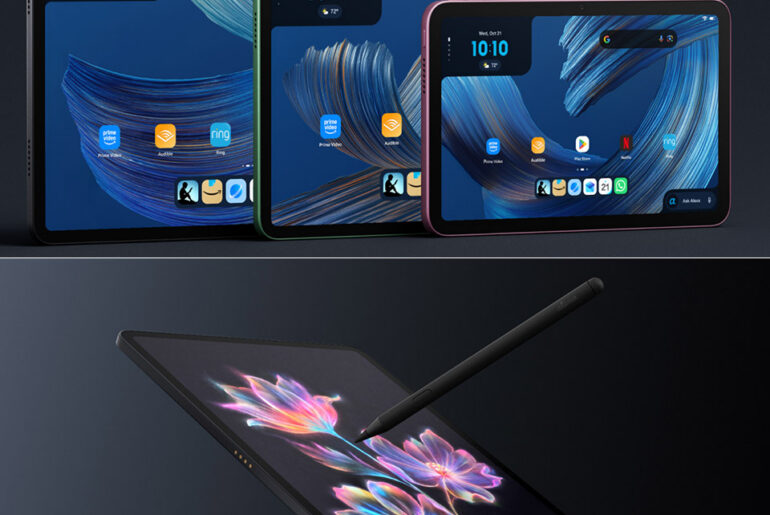
Amazon spent years selling Fire tablets as cheap doorways into Prime Video and Kindle. Yesterday, the company set that approach aside and introduced three devices that carry the Alexa name instead: an 8.7-inch model from $229.99, an 11-inch model from $329.99, and a 12-inch Pro from $499.99. Orders opened the same day. Shipments in the United States, Mexico, and Canada start October 14, with the United Kingdom and several European countries following on October 19.

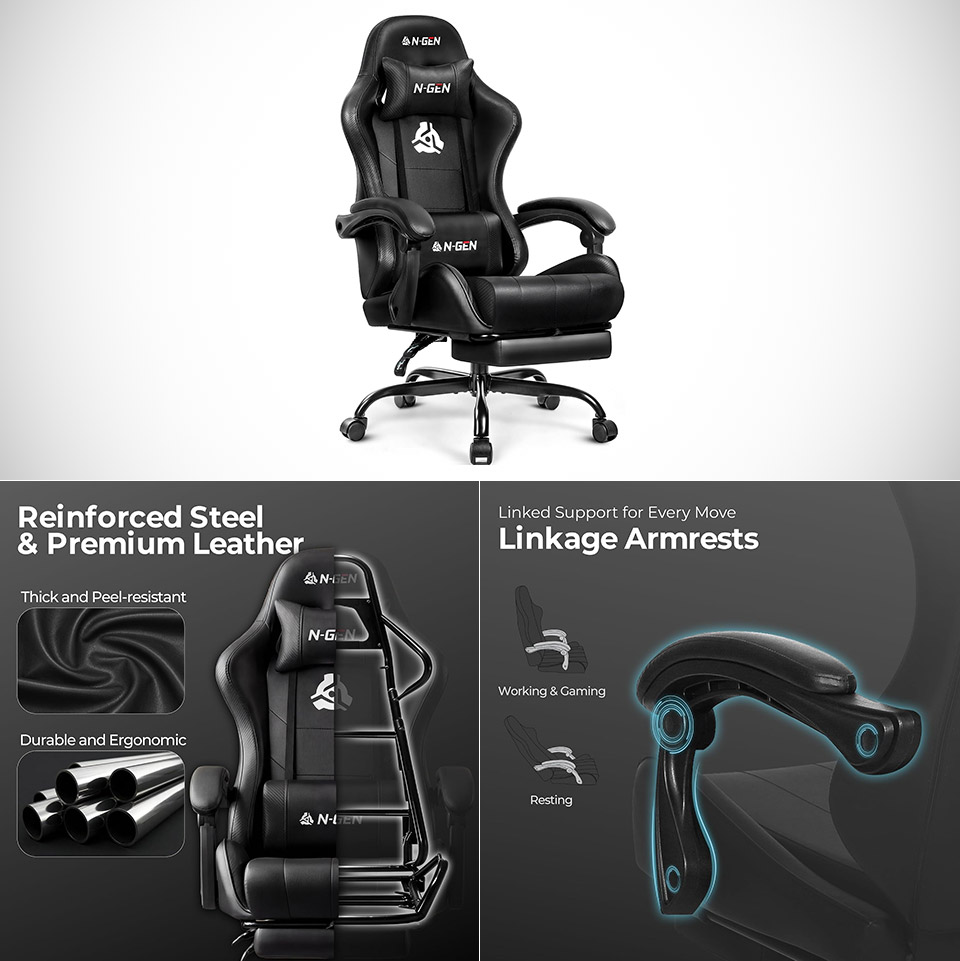
Most people shopping for a desk chair in this price range are not looking for a racing bucket or a showroom piece. They want something that holds them up through a long evening of games or a full day of work, and the N-GEN GAMING high-back does that job for about $80. Amazon lists the all-black model around $79.95, down from a list price near $89.
![]()
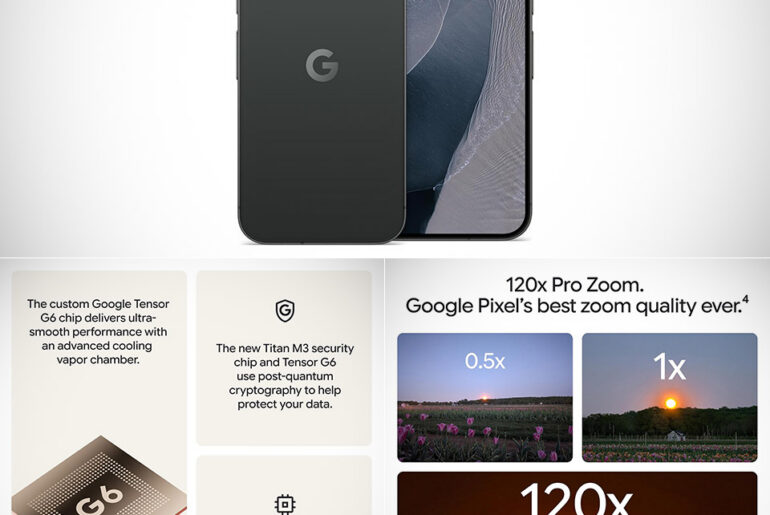
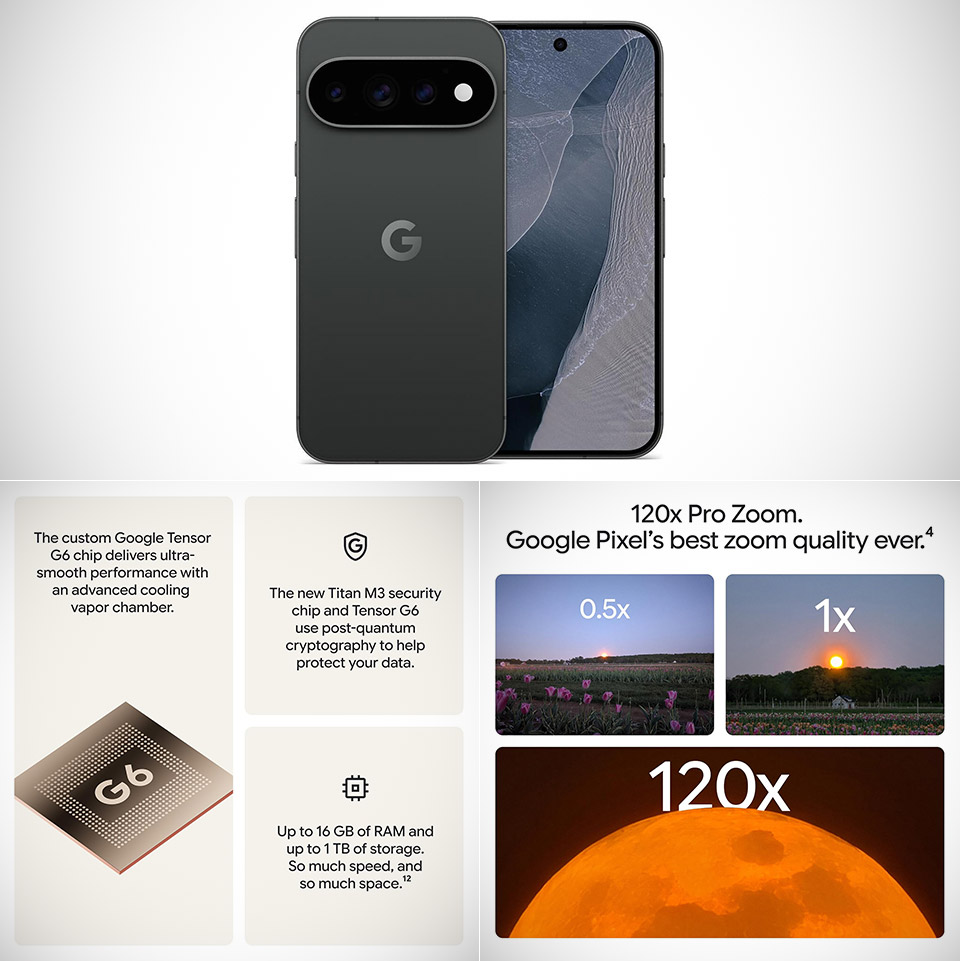
Google’s Pixel 11 Pro in the 256GB version, priced at $834 for Prime Day (was $1,100), pairs that storage with 12GB of memory and a Tensor G6 chip built on a 3-nanometer process, inside a glass and aluminum body that measures about 152.7 by 71.9 by 8.4 millimeters and weighs 204 grams. A 6.3-inch LTPO OLED panel runs from 1Hz to 120Hz at 1280 by 2856, with a peak rating of 3600 nits and Gorilla Glass Victus 2 on the front. Three rear cameras handle the photos: a 50-megapixel main sensor at f/1.7, a 48-megapixel ultrawide at 123 degrees, and a 48-megapixel periscope at 5x, with 8K video from the rear and a 42-megapixel camera up front. A 4,850mAh battery charges at 30 watts on a cable, reaching about 55 percent in 30 minutes, and at 25 watts on a magnetic Qi2.2 pad. Android 17 ships on the phone, with seven major OS updates on the schedule, and an ultrasonic fingerprint reader sits under the screen. IP68 covers dust and a short dip, with Wi-Fi 7, Bluetooth 6, and ultra-wideband for the connections.

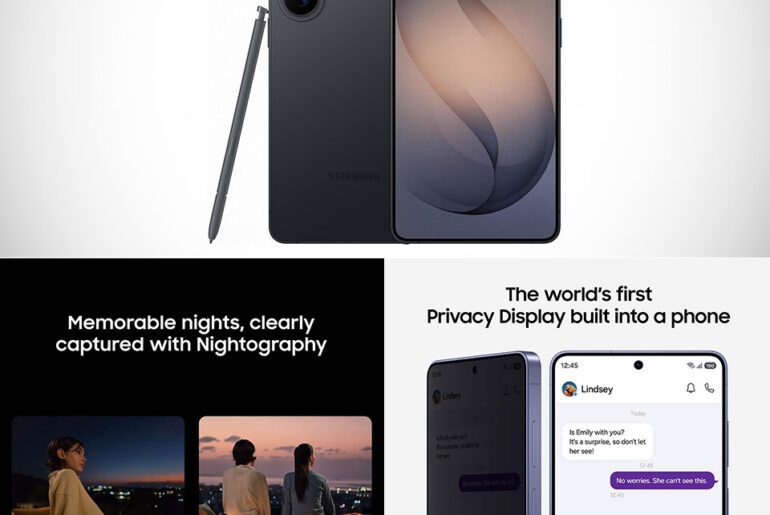
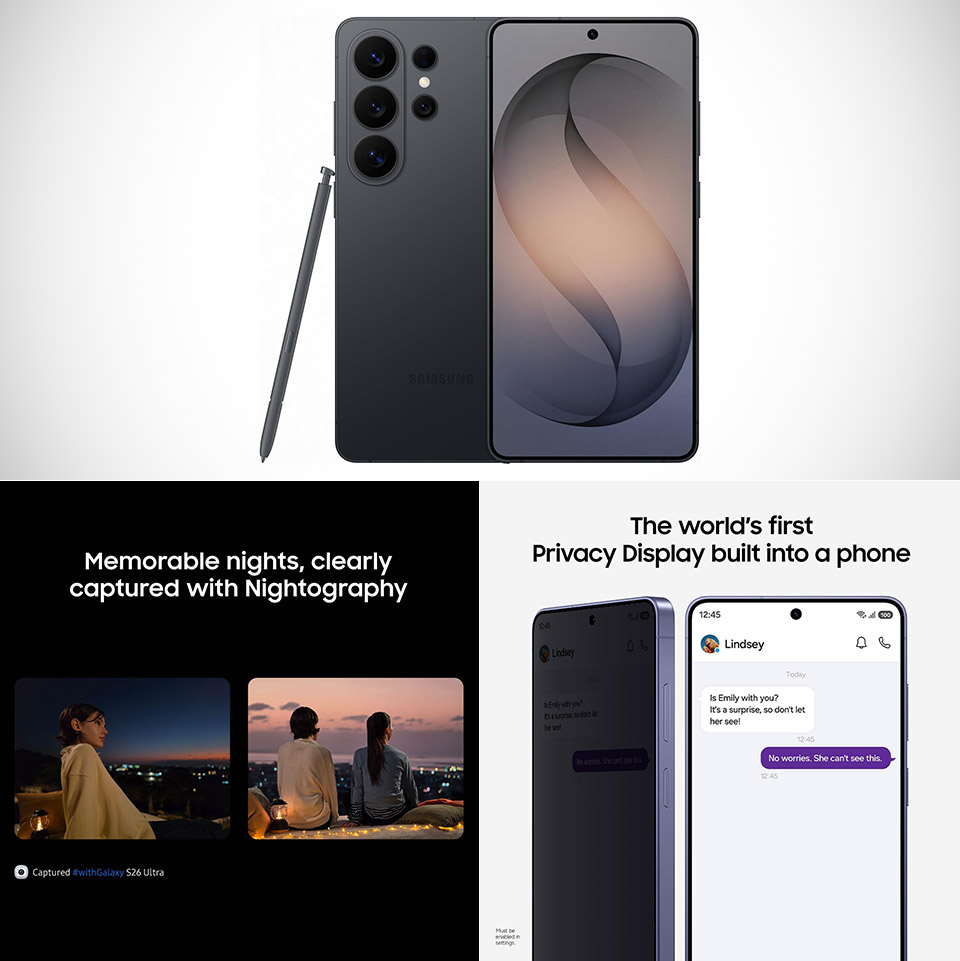
Samsung’s Galaxy S26 Ultra, priced at $979.99 for Prime Day (was $1,400), still carries the flat sides and a tucked-away S Pen, now inside a body that measures 163.6 by 78.1 by 7.9 millimeters and weighs 214 grams. Outdoor glare has less room to win on the 6.9-inch Dynamic AMOLED panel, which shifts between 1Hz and 120Hz, resolves 3120 by 1440, and is rated to a peak of 2600 nits, with an anti-reflective coat and a privacy setting that narrows the viewing angle so a neighbor on the train sees less of the screen. Four cameras sit in the rear island: a 200-megapixel main sensor opened to f/1.4, a 50-megapixel ultrawide, a 10-megapixel lens at 3x, and a 50-megapixel periscope at 5x opened to f/2.9, covering stills out to a claimed 100x digital reach and 8K video from the main sensor, with a 12-megapixel camera up front. Qualcomm’s Snapdragon 8 Elite Gen 5 for Galaxy, built on a 3-nanometer process, pairs with 12GB of memory. A 5,000mAh cell refills at 60 watts on a cable and 25 watts on a Qi2 wireless pad, and the phone carries an IP68 rating for dust and a short dip in water.

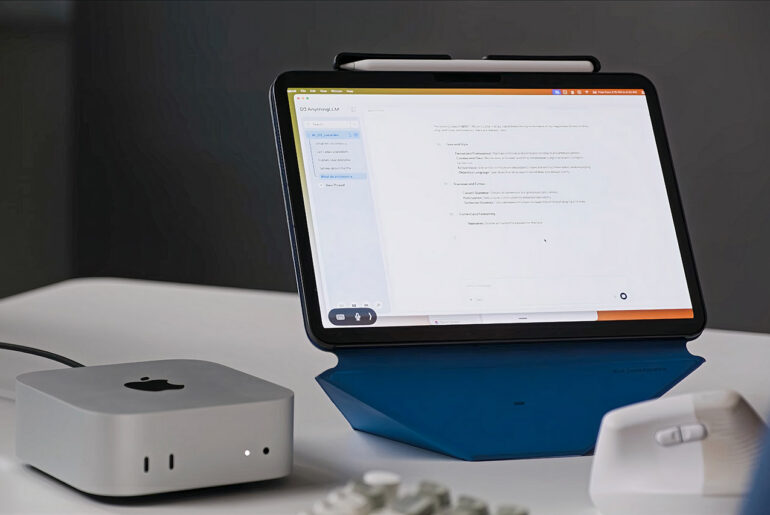
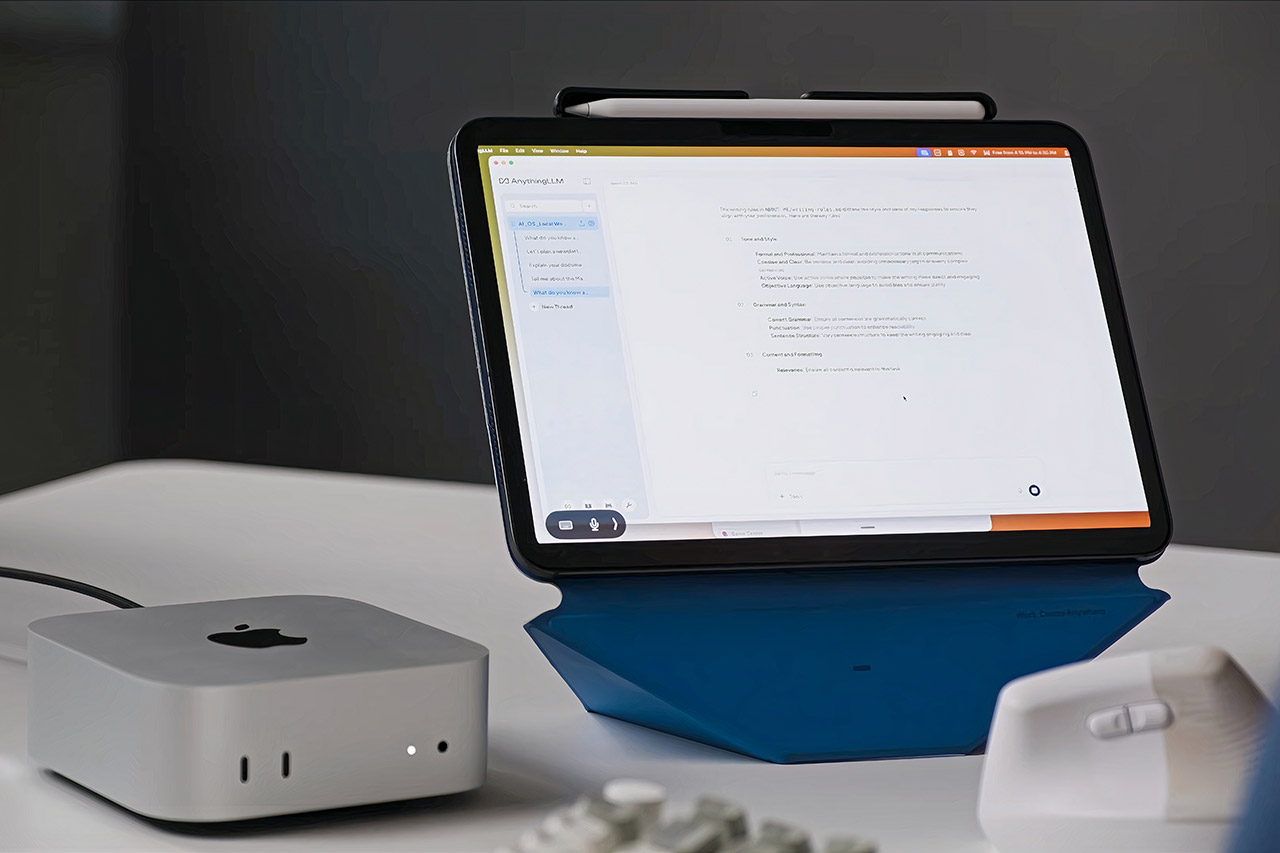
Apple put a new Mac Mini M6 on the market in late September, and by the first week of October the base model was already cheaper. Amazon has the entry version at $779.99, down from the $899 list price, as part of the October Prime Day run. That is the first cut on a machine that only just reached stores, and it lands on the configuration most people will actually see: 16GB of memory, 256GB of storage, and the standard M6 chip.

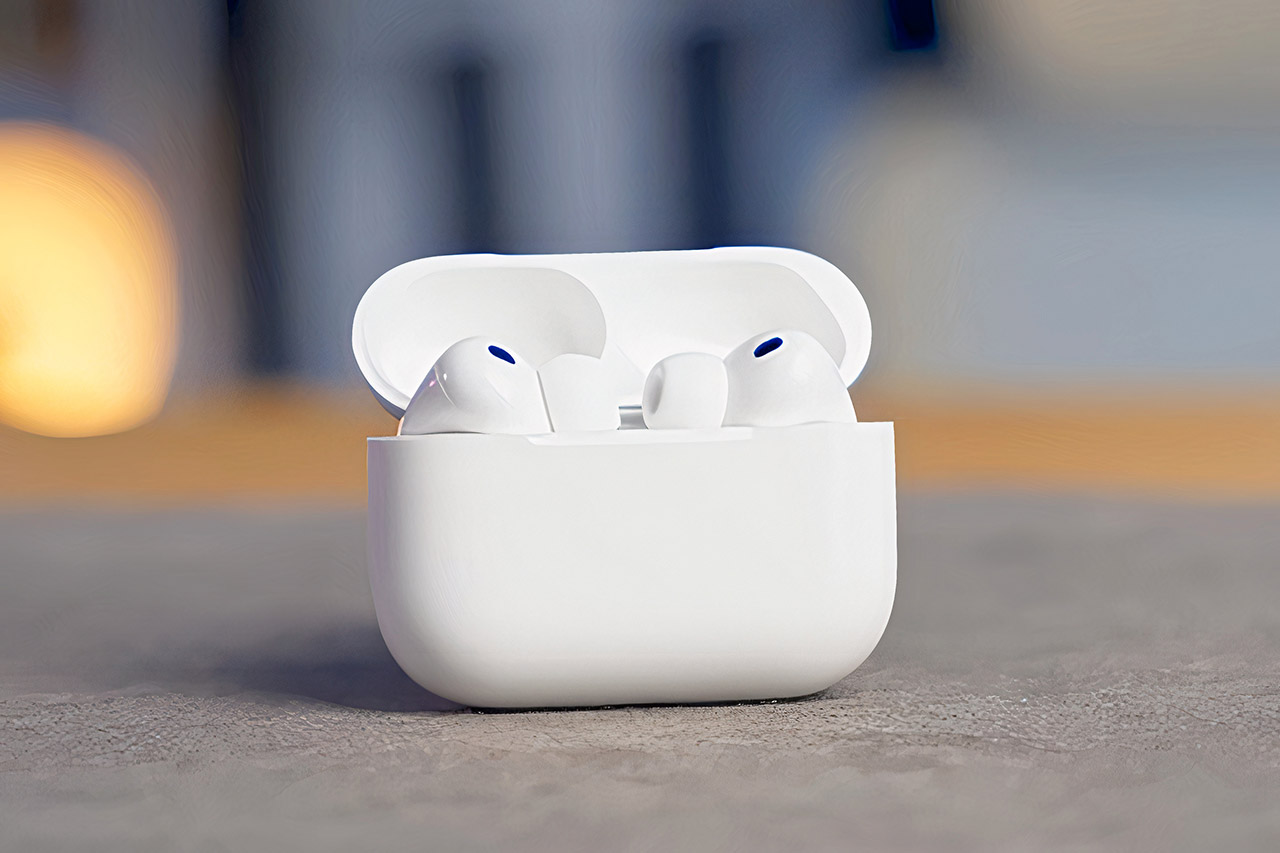
Apple put active noise cancellation on the $149 AirPods 5 with Wireless Charging Case last month, and the price gap with the year-old AirPods Pro 3, priced at $179 (was $249) for early Prime Day, suddenly looked harder to defend. Shoppers who only wanted a little quiet on a train now have a cheaper open-ear option. People who sit with both pairs still reach for the Pro 3 when the room gets loud.

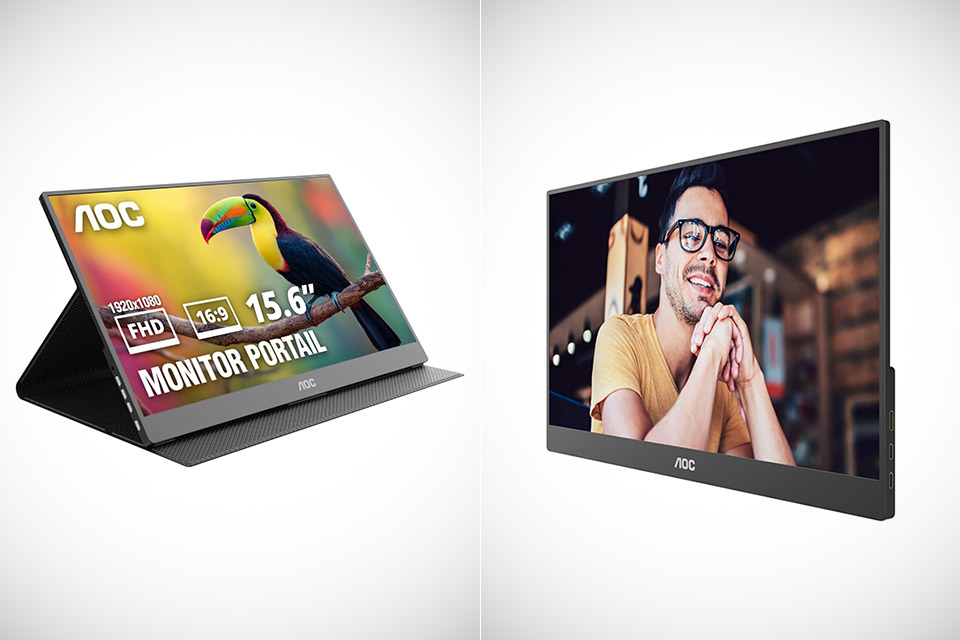
AOC sells the 16T20, priced at $47.49 (was $70), as a 16-inch portable monitor, though the panel itself measures 15.6 inches on the diagonal. Resolution sits at 1920 by 1080, the panel type is IPS, and the refresh rate tops out at 60 Hz. AOC lists a 4 ms gray-to-gray response time, 178-degree viewing angles, a rated brightness of 250 nits, and a static contrast ratio of 1200:1. Color depth is 6-bit, which works out to 262,000 colors. Independent tests have come in a little short of the brightness claim, and the color range is narrower than a desktop monitor built for photo work. For email, documents, video calls, and a movie on a hotel desk, the panel holds up well enough that the low price starts to make sense.

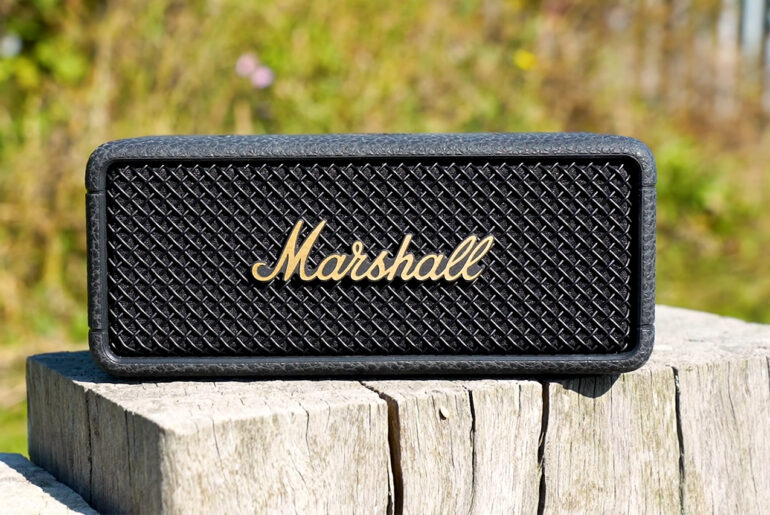
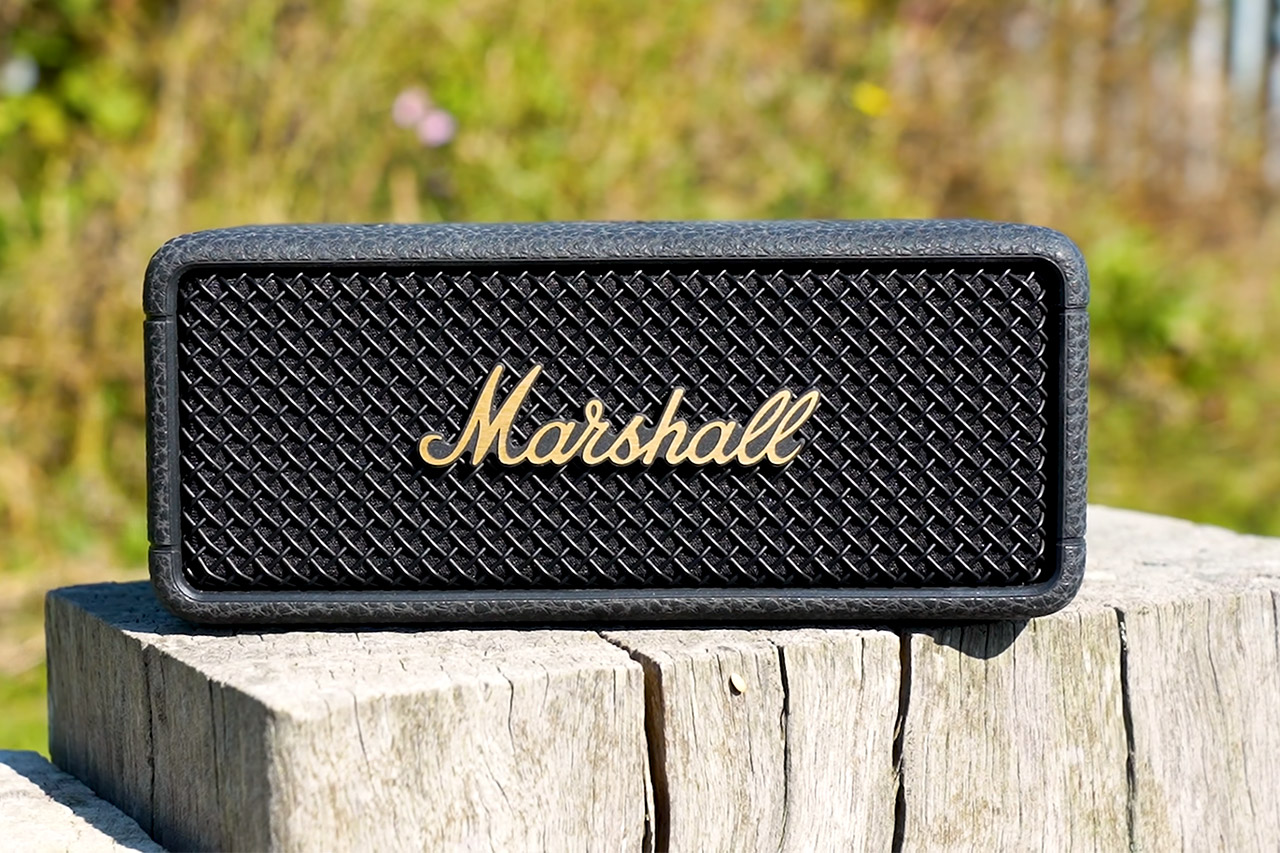
Marshall still builds its portable speakers to look like the cabinets that sit behind guitarists. Emberton III, priced at $99.99 (was $180), keeps the script logo, the metal grille, and a textured sleeve that feels closer to an amp cover than a smooth plastic pebble pulled from a beach bag. Black and brass is the familiar pairing. Cream, brown, sage, midnight blue, black and silver, and a couple of darker finishes sit on the same body. At 6.3 inches wide, 2.7 inches tall, and 3 inches deep, the whole unit weighs 1.5 pounds, light enough to slide into a day bag without rearranging everything else already in there.

Keys vanish between couch cushions with a regularity that feels personal. Wallets slide into jacket pockets that later get hung in the wrong closet. Backpacks get set down at a coffee shop and stay there. AirTag 2, priced at $89 for the 4-pack (was $99), the second-generation tracker Apple released earlier this year, is built for those ordinary losses, and for the larger ones that start at an airport counter.