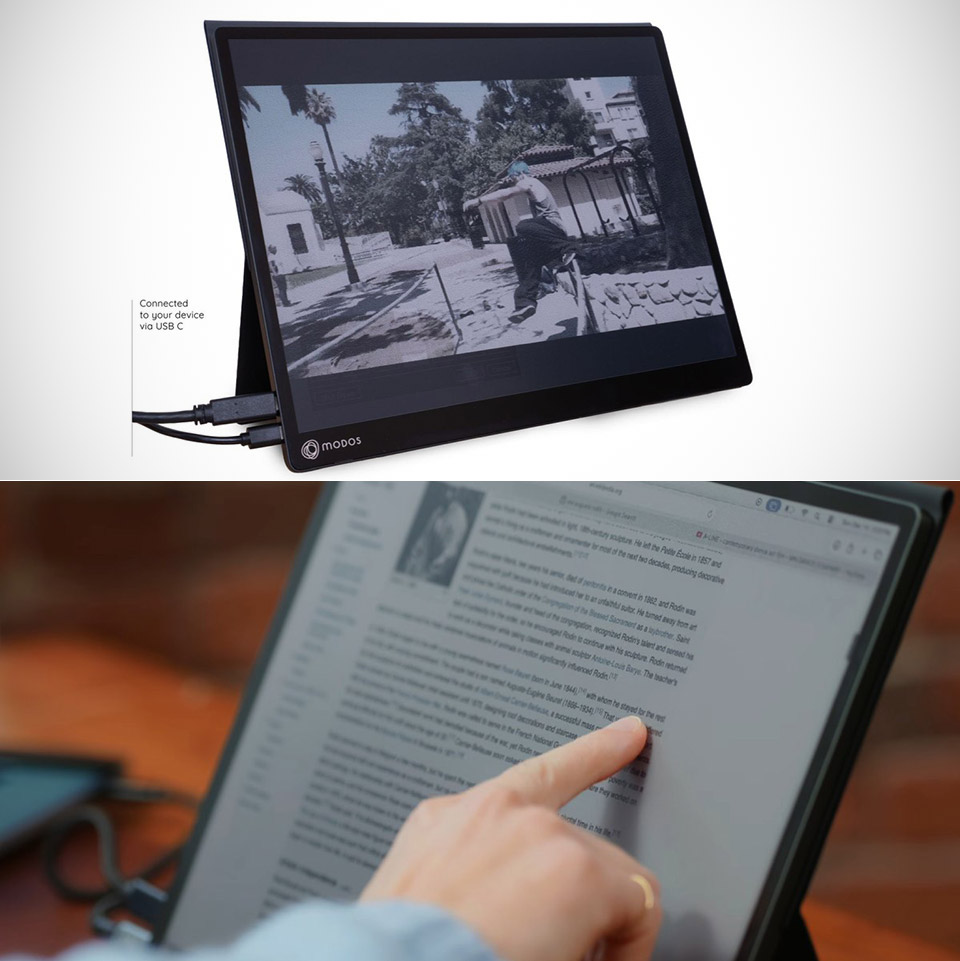
Long sessions in front of conventional LCD monitors can leave you with tired eyes and a throbbing headache. The Modos Flow aims to change that by combining the convenience of paper with the speed of doing serious work on a computer. This 13.3-inch portable display delivers excellent text and images with a smooth motion that will have many individuals switching to it from their primary laptop screen when they need to focus.

Samsung has a reputation for creating televisions that merge easily into any house, much like a piece of framed artwork hanging on a wall. The problem is that those televisions have traditionally been too expensive for many purchasers. Hisense identified an opportunity with the 55-inch CanvasTV (55S7N), a set that costs around $600 (was $1,000), and the good news is that it still gives the same exquisite style without the enormous expensive price tag.

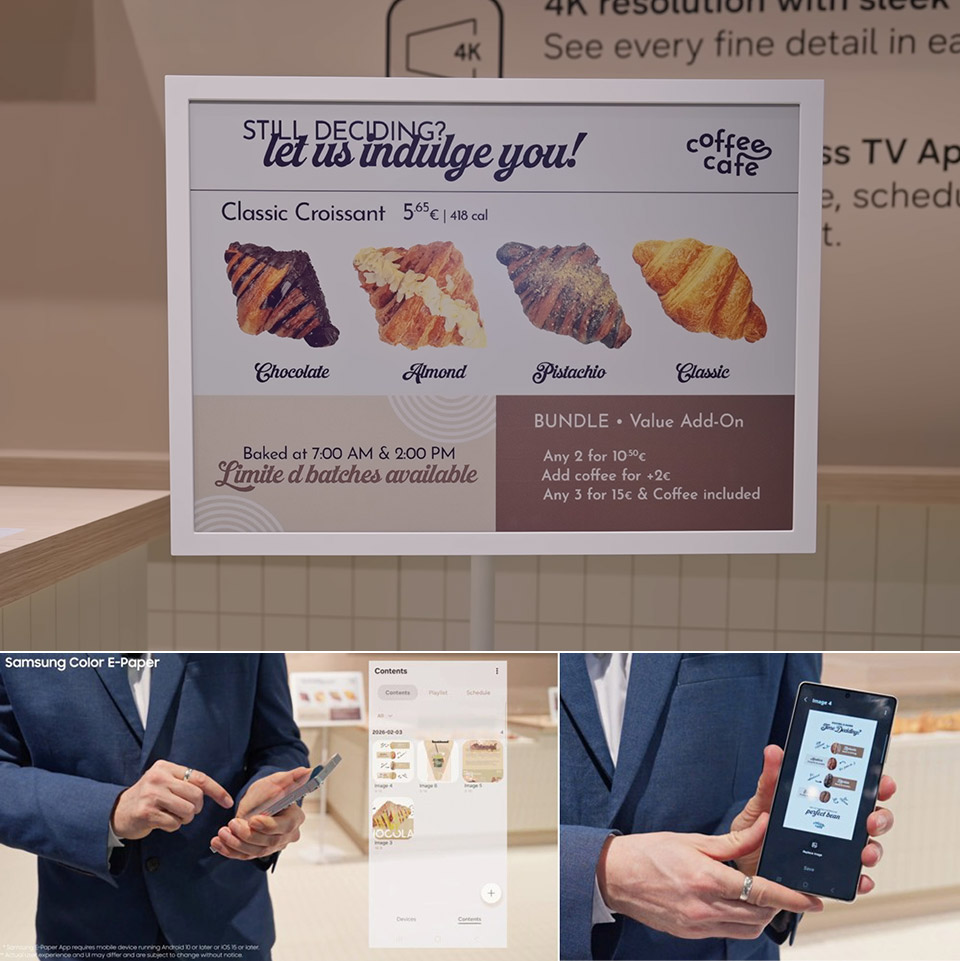
Retail locations have always employed posters and signage to capture the attention of customers, but changing them out on a daily basis is a time-consuming task for workers. Samsung has developed a solution: displays that appear like printed paper but feature digital flexibility. These are known as Color E-Paper and are available in a variety of sizes to meet your needs, including a 13-inch variant that is nearly identical to an A4 sheet, a 20-inch version that matches an A3, and a 32-inch choice if you have a large wall or window to fill.

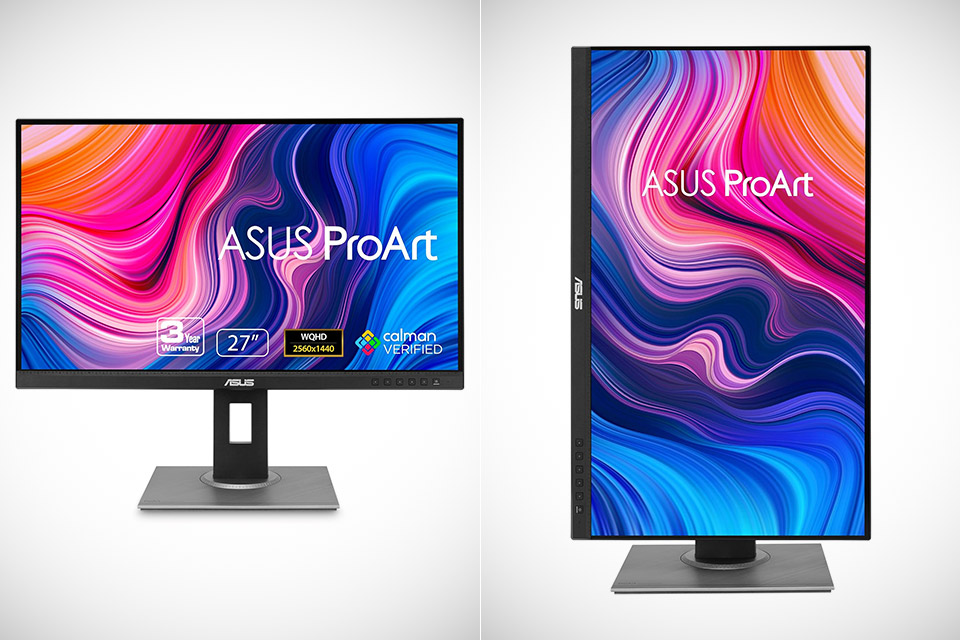
A brand new desktop / laptop computer (or Mac Mini) arrives on your desk, full of potential and promise for any project you may want to tackle, or simply day-to-day duties. When combined with the ASUS ProArt Display PA278QV, priced at $189 (was $269), that potential becomes much more appealing while remaining within budget.

Home theater enthusiasts looking for a large display frequently consider a high price tag as a huge hurdle, since the entire idea feels out of reach, but the 75U65QF from Hisense, priced at $550 (was $900), is an exception to this norm. This mini-LED set packs a lot of punch at a price that feels reasonable given what you get for your money.

The INNOCN 49C1R, priced at $540 (was $795), transforms your desk into a command center, providing a work surface that is both expansive and immersive. This 49-inch curved beauty of an ultrawide monitor achieves a generous 32:9 aspect ratio, allowing for the equivalent of two 27-inch QHD displays side by side with no annoying dividing line in sight. The resolution is a crisp 5120 x 1440, and you can be confident that even if numerous windows are open across the panel, the details will remain clear.

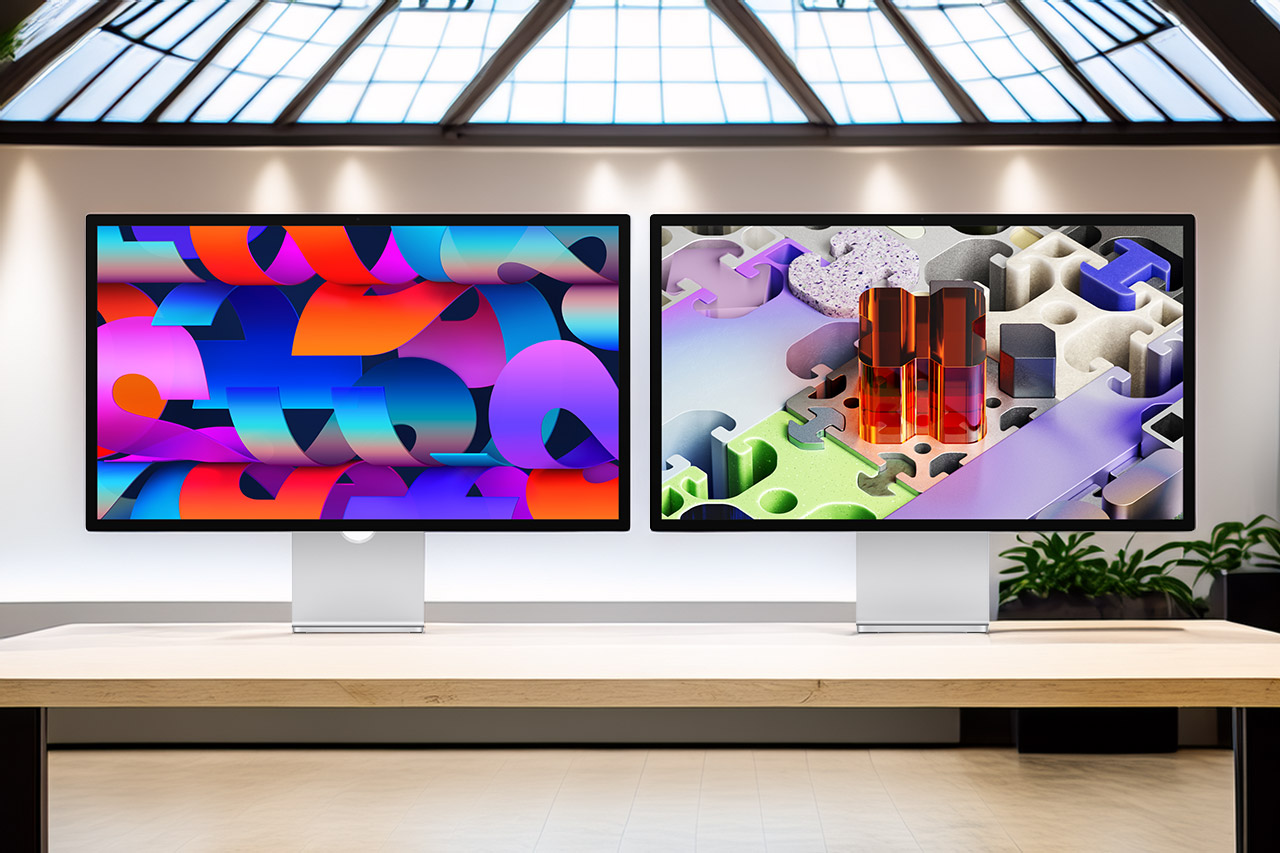
Apple has officially released the Studio Display XDR, and those who expect the best from their work now have a seriously enticing new alternative right on their desk. A 27-inch screen with 5K resolution (5120 by 2880 pixels) is a powerhouse of detail, providing stunning clarity in every part of the image.

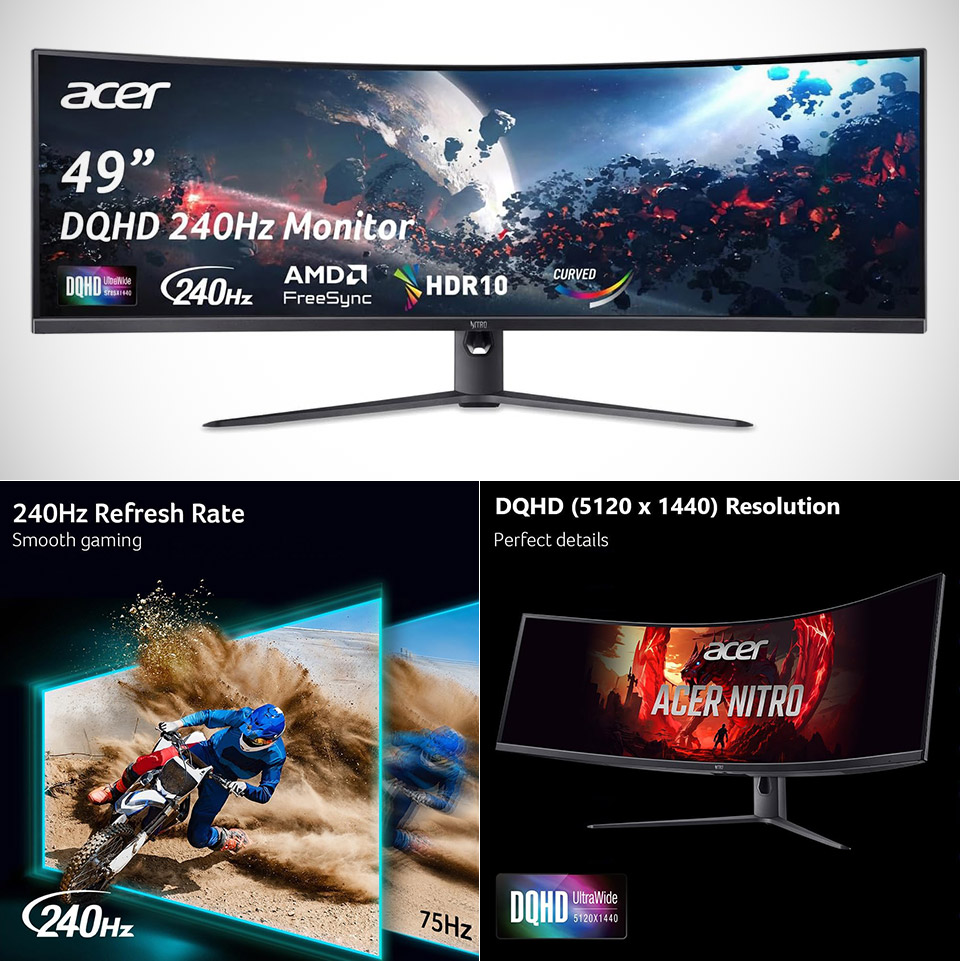
The Acer Nitro EI491CUR, priced at $599.99 (was $800), is a 49-inch ultrawide monitor that eliminates the need to switch between a multi-monitor setup. One single screen provides all the space you need to spread out your work and immerse yourself in an immersive experience, just like having two side-by-side monitors on your desk, sans the unpleasant lump in the middle where the two screens meet.

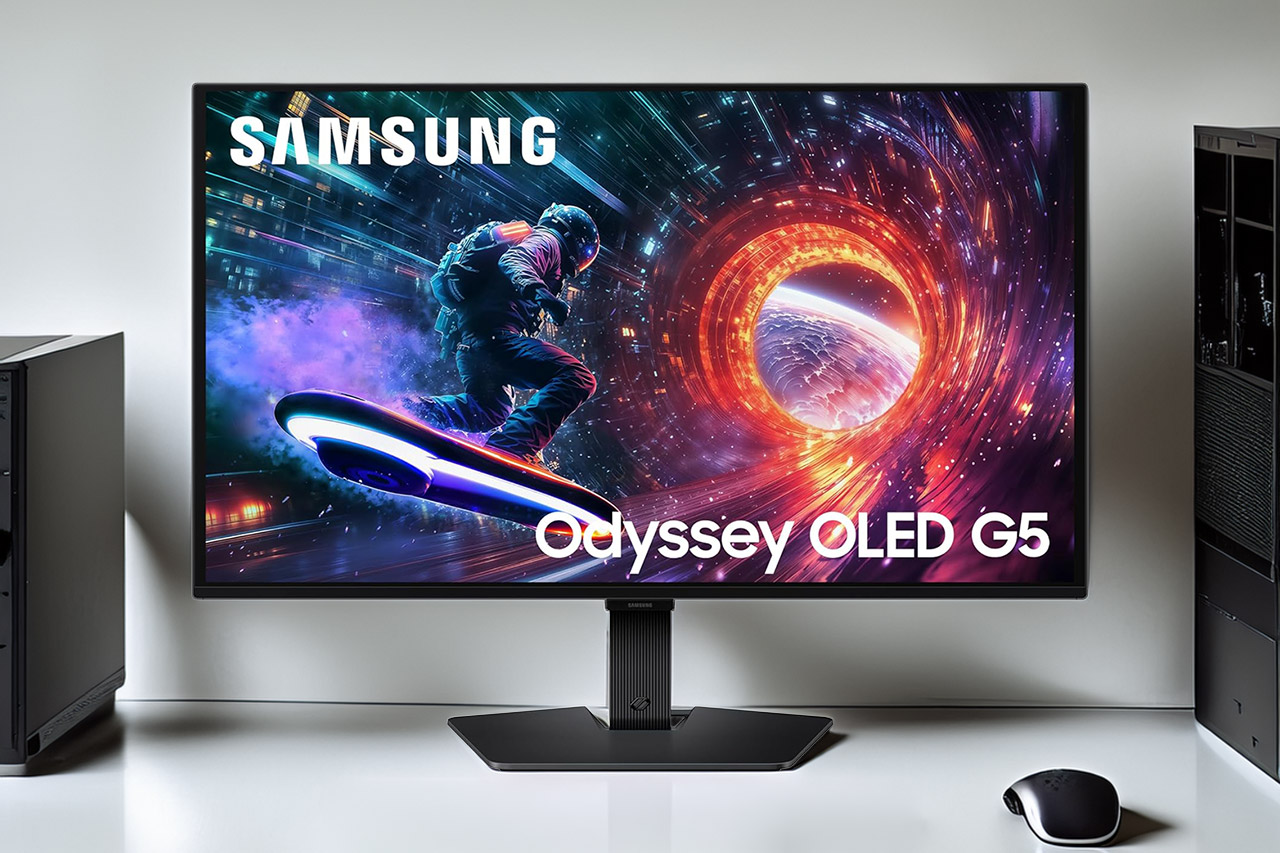
Samsung quietly slipped a 27-inch QD-OLED gaming monitor onto the market at a much lower price than anyone expected. The Odyssey OLED G5, that’s the G50SF model, comes in with a 2560×1440 resolution and a 180Hz refresh rate, a 0.03 millisecond response time, gray to grey, being the icing on the cake. It’s currently selling for around $350, which is significantly cheaper than the original asking price of close to $550.

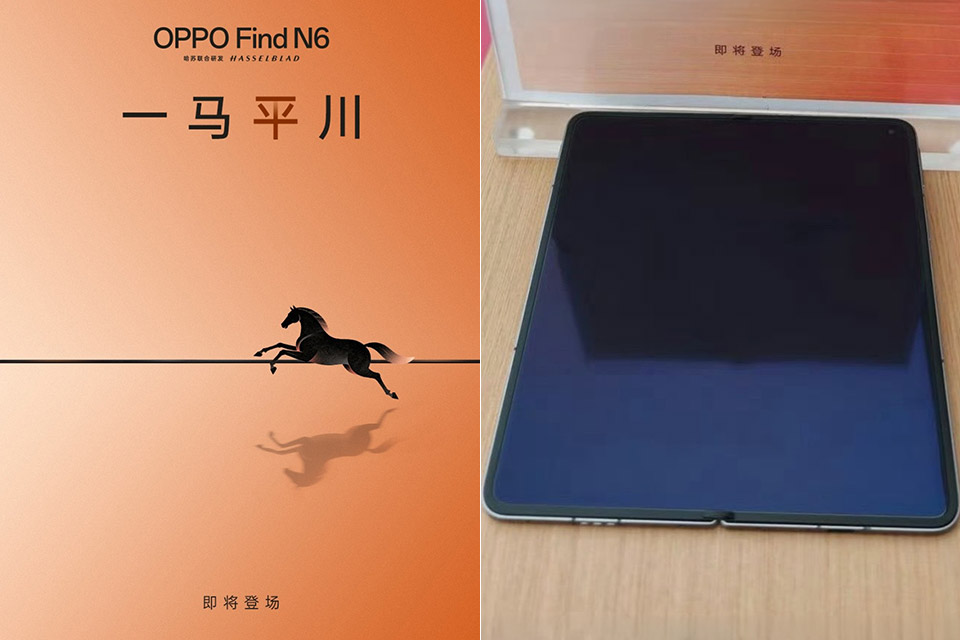
OPPO engineers spent nearly three years methodically tuning every detail of the Find N6’s hinge and display component. They went back and adjusted the alignment tolerances to a very small 0.03 mm gap, resulting in a screen surface that remains flat even after repetitive folding and unfolding. Along with this ultra-precise hinge, a special type of self-healing glass layer works its magic to maintain the display flat over time, even after extensive wear and tear. Everything happens without leaving any permanent scars. In fact, the self-healing glass and titanium alloy hinge work so well together that the panel can be restored to its original flatness despite the strain.