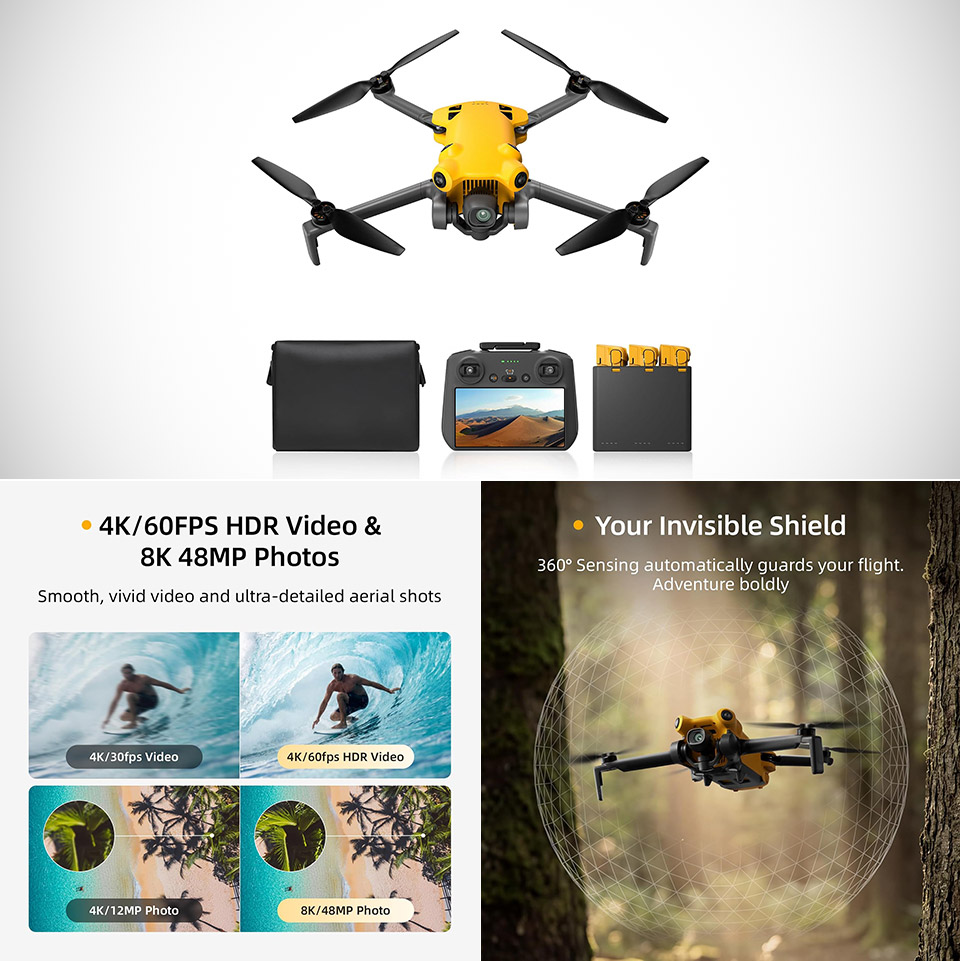
People keep saying the same thing about the Skyrover X1, priced at $699 (was $819), is that it’s a DJI Mini 4 Pro with a different badge. That rumor isn’t just forum gossip because fans have discovered code that still points to DJI cloud services, encryption keys that match DJI software, and FlySafe references that have been awkwardly renamed. The arms fold in the same way. Sensor windows are in the same locations. If you’re looking for a compact travel drone that you can still order in the United States, this might be it.

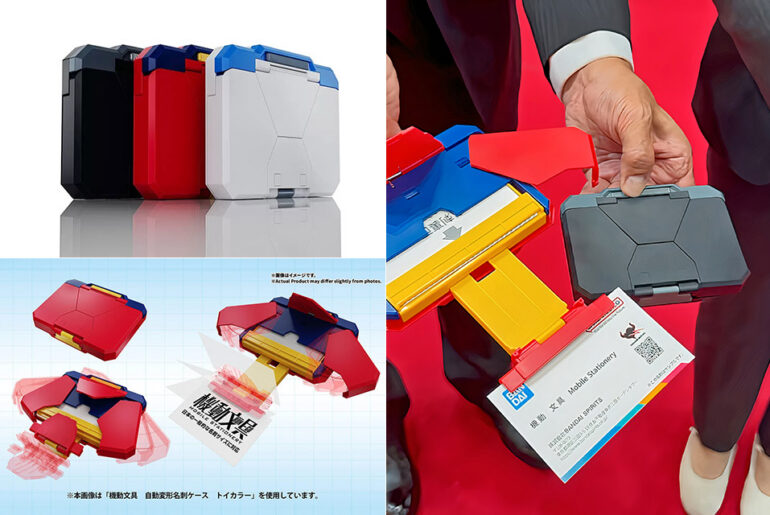
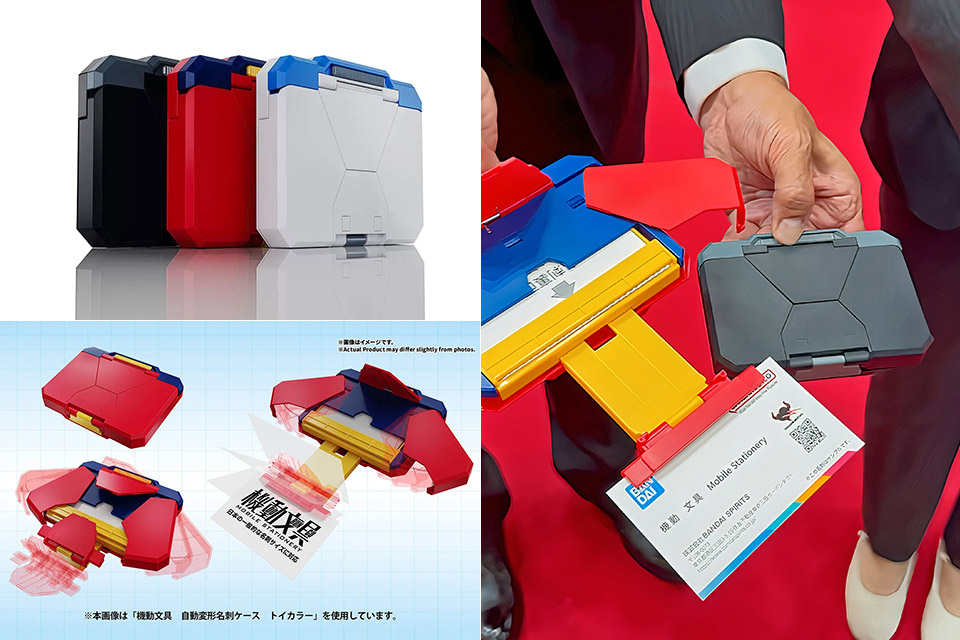
Bandai Spirits spent decades teaching die-cast robots how to fold, lock, and present themselves. That same workshop just pointed those skills at a conference-table object almost nobody talks about. Mobile Stationery Automatic Transformation Card Case is the first product in a new adult line called Mobile Stationery, priced at 3,300 yen including tax, roughly twenty dollars. Japanese shop reservations opened August 27, 2026, while October is the planned arrival.

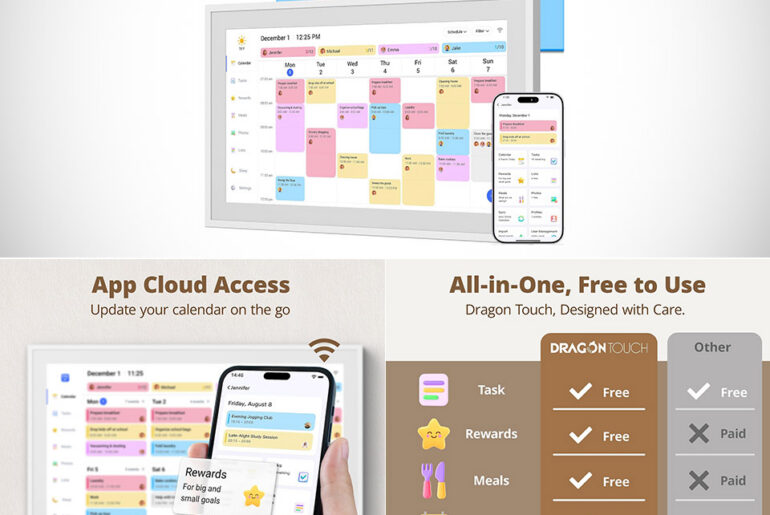
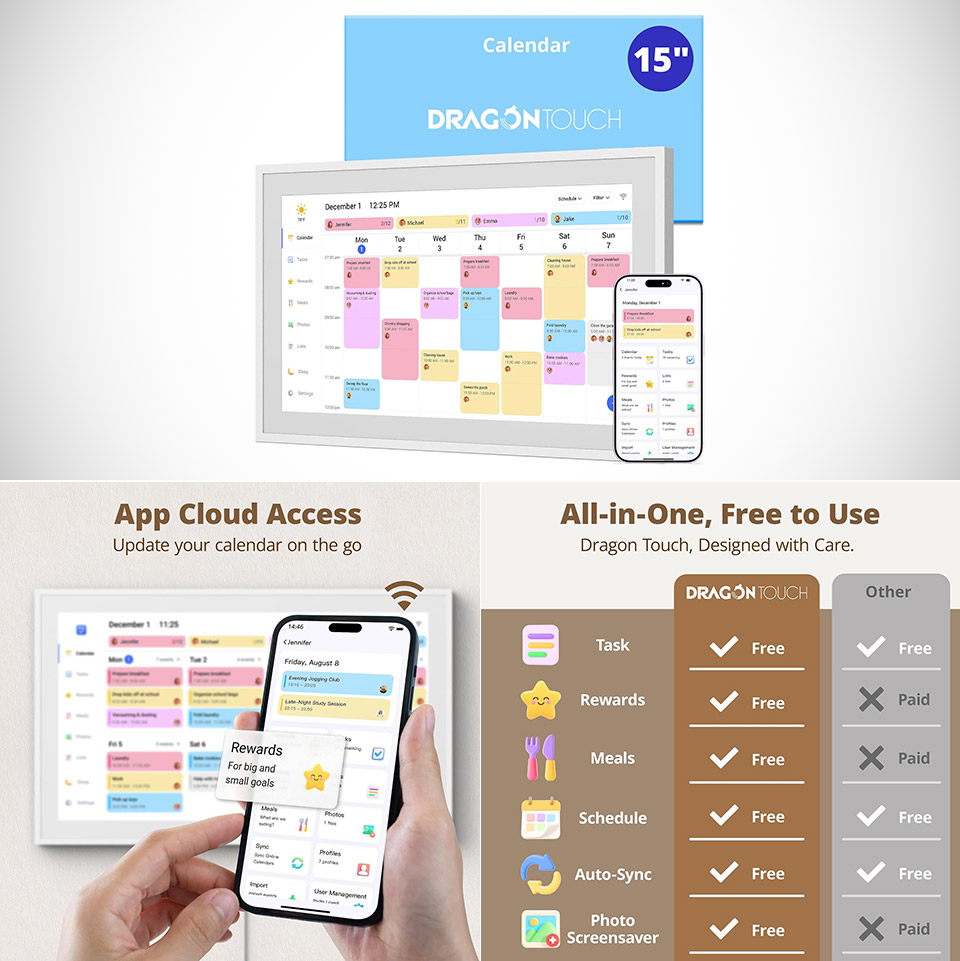
Every year, families forget the same dates, a birthday passes by, and an anniversary card is bought two days late. Three phones and a scrap of paper attached to the refrigerator are used to keep holiday shopping lists. Dragon Touch’s 15.6-inch TM15 digital calendar, priced at $149.99 (was $160), is a plug-in device that sits on the same wall or counter, keeping everything in one place and visible from across the room.

Amazon still markets this little black dongle as a way to watch movies. That pitch misses half the point. Second-generation Fire TV Stick 4K Max is a $49.99 (was $85) HDMI stick that also runs Xbox Game Pass, Amazon Luna, and GeForce NOW, so a living room TV becomes a cloud console after you pair a Bluetooth controller.

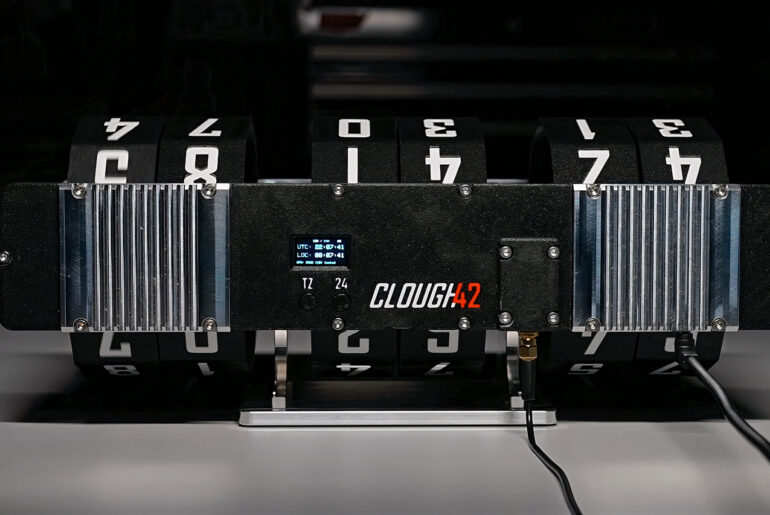
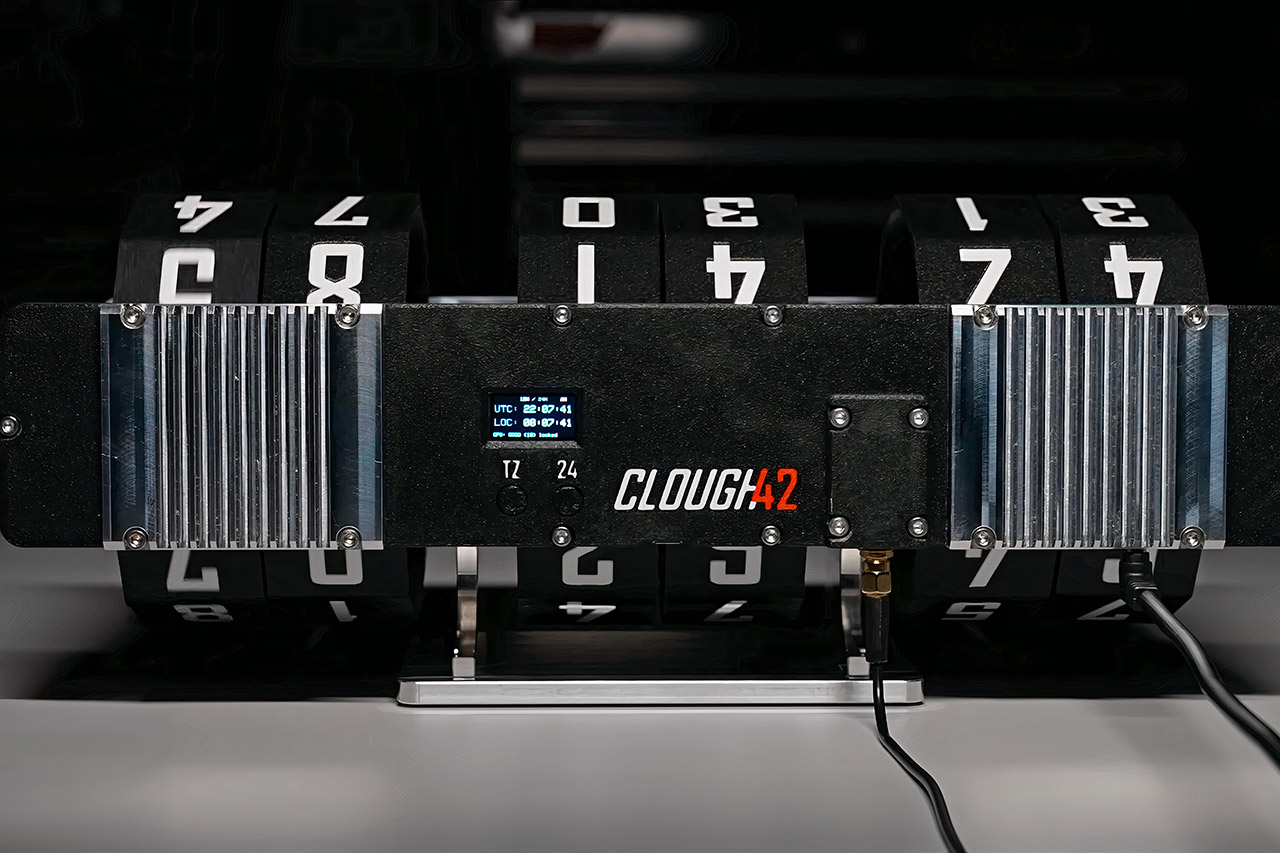
James Clough set out to make a gift for a fellow YouTube machinist, but the end result looks like it belongs in a museum of unusual watches. He designed a clock with six massive numbered wheels for Toolroom Takeover 2026, an annual secret Santa exchange among artists who spend their days cutting metal. Stepper motors silently spin those wheels into place, while a GPS receiver automatically locks everything to the correct hour, minute, and second.

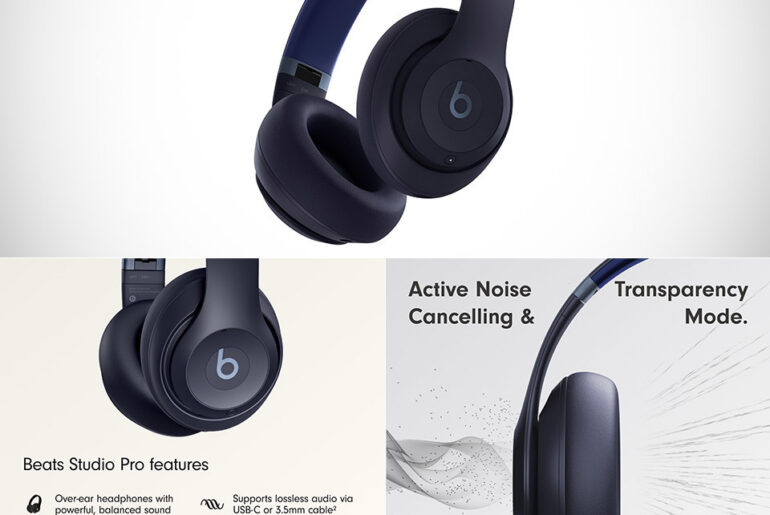
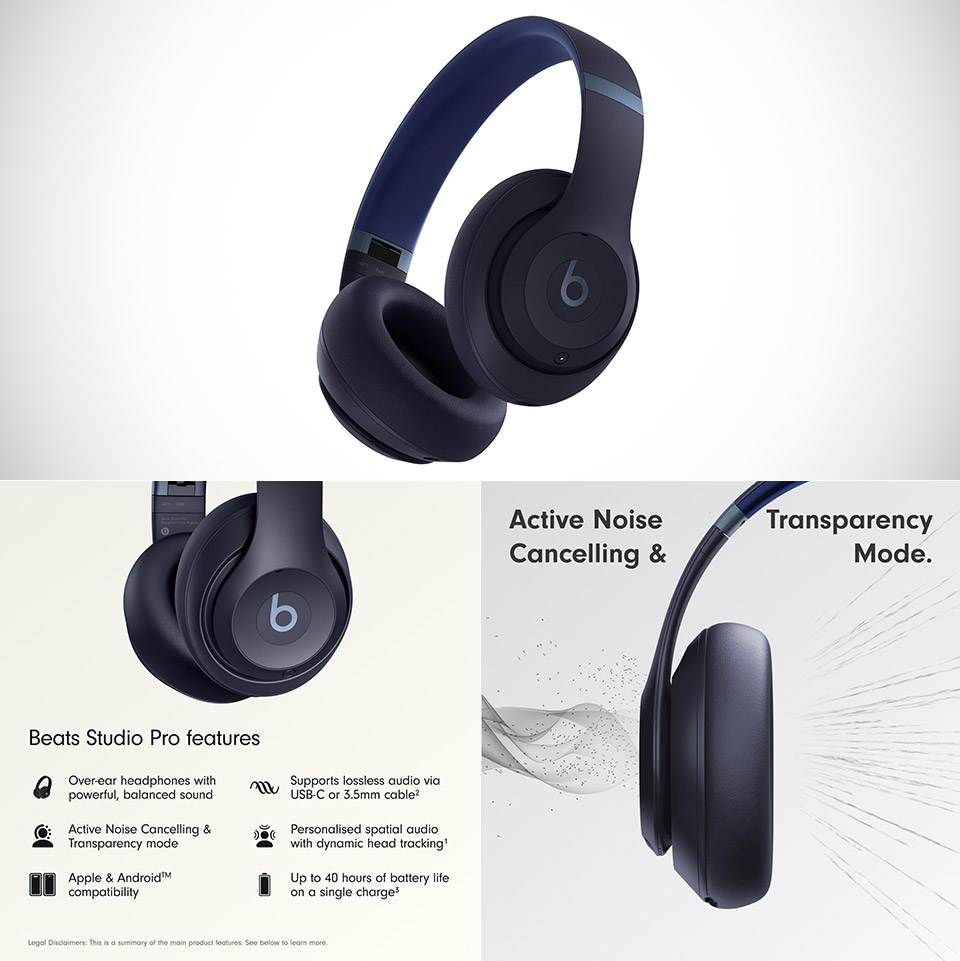
People who want a pair of over-ear headphones with good noise cancelation and a long battery life without spending money on AirPods Max continue to prefer the Beats Studio Pro, priced at $149.99 (was $350). They borrow enough from Apple’s playbook to be comfortable while being versatile enough for Android users, and they do it in a package that is substantially lighter and more robust than the aluminum cans that many people desire.

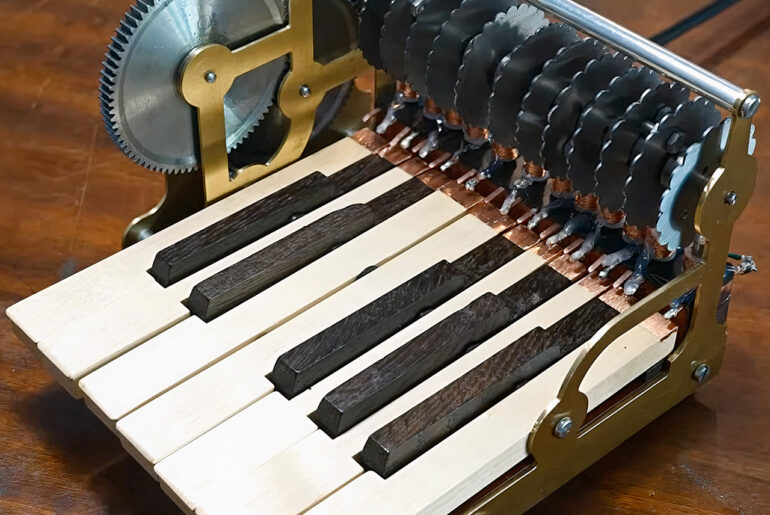
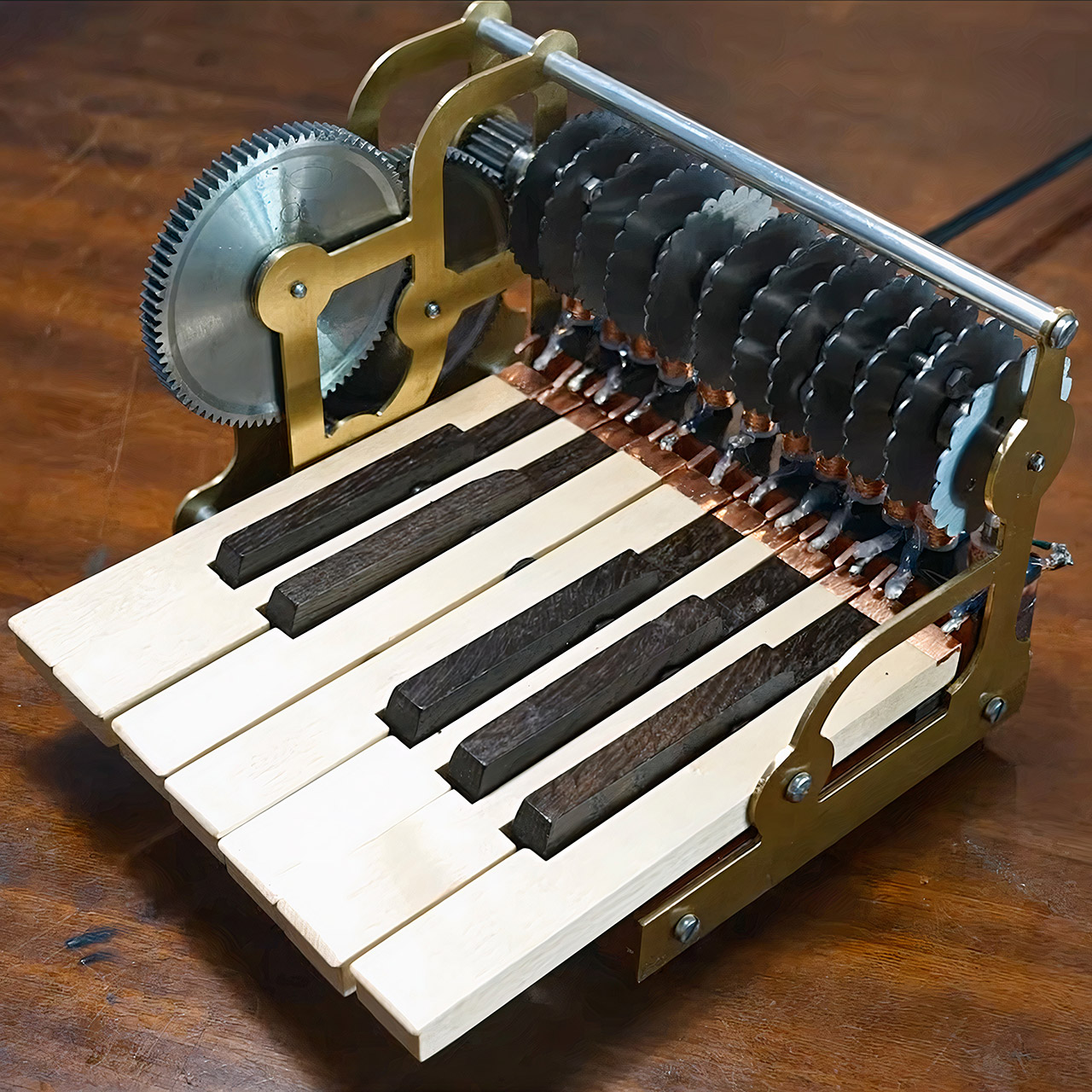
Uri Tuchman decided a musician friend needed a present that could actually make noise. He chose the Hammond organ, that old electromechanical machine whose spinning iron disks and magnetic coils once filled churches and stages with pure tones. Instead of a full console, he built a single octave version he could turn by hand. The result sits somewhere between a careful reconstruction and a living demonstration of how sound can come from metal moving past a coil.

Summer has persisted across the country, with high temperatures lingering far into the season’s last weeks. Cool food feel like a necessity rather than a luxury. Store-bought pints have escalating prices, fewer choices, and ingredient labels that frequently leave little room for personal preference. A machine that lets you decide every element of the frozen dessert starts looking practical rather than optional. Ninja’s Creami XL 11-in-1 (model NC601), priced at $186.99 after clipping the on-page coupon (was $250), builds on the earlier Creami formula with larger 24-ounce tubs that hold about 50 percent more than the original pints.

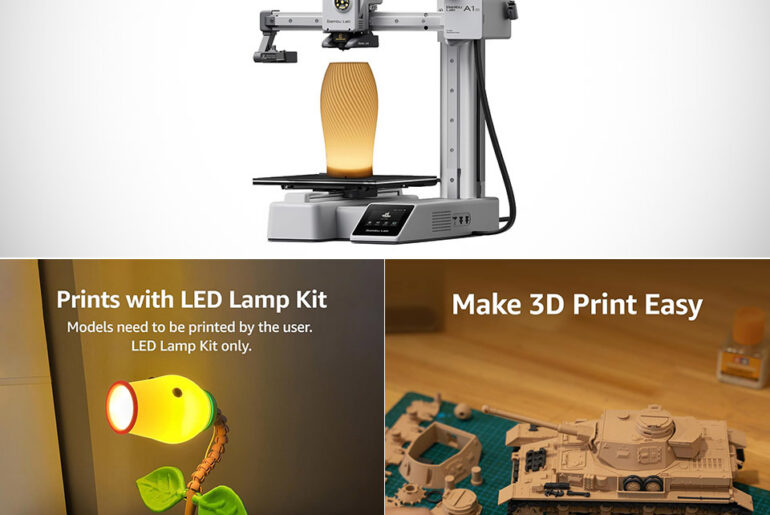
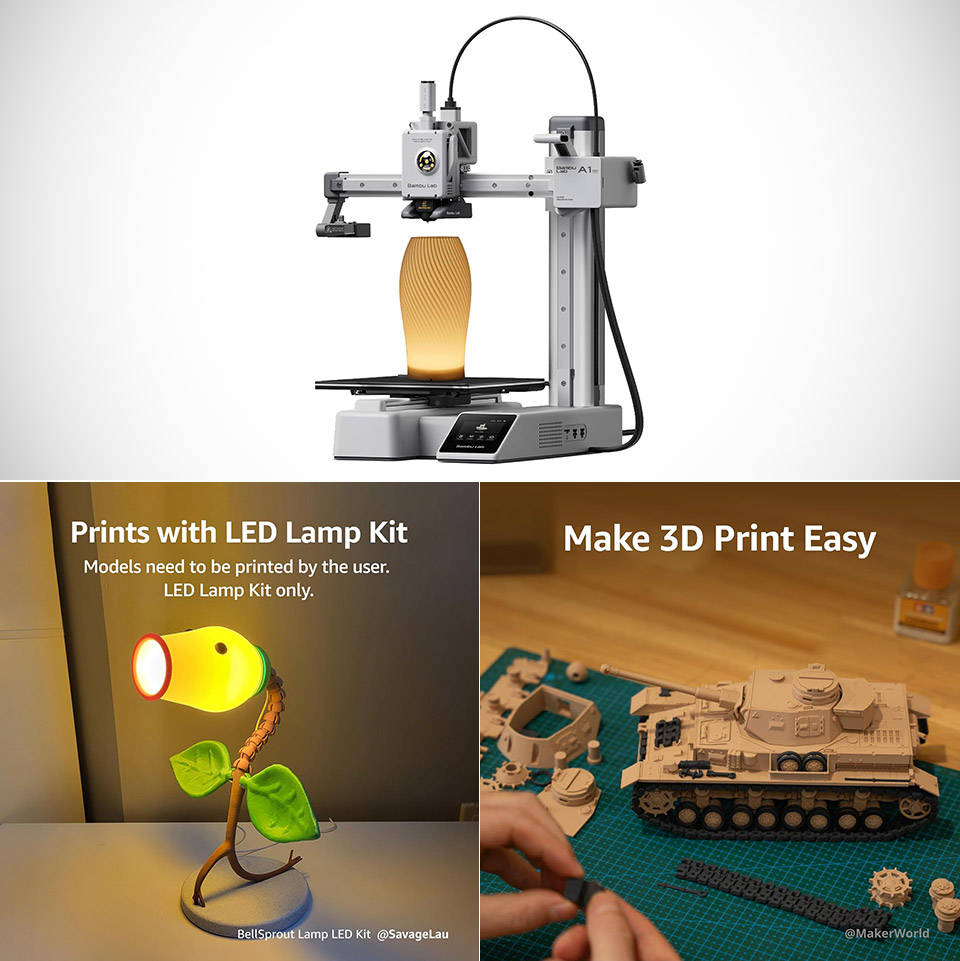
Bambu Lab packed its most approachable machine into a footprint that fits on a crowded workbench and still delivers results that used to require far more patience and money. The A1 Mini, priced at $224.10 (was $249), reaches first-time owners fully assembled, already squared, and loaded with automatic routines that handle the tedious setup steps older printers forced users to master by hand. Unbox it, remove a few shipping ties, plug in power and Wi-Fi, and the machine begins calibrating itself. Bed leveling, vibration compensation, nozzle pressure checks, and Z-offset all happen without paper tests or manual adjustments. Most people reach a successful first print inside twenty minutes.

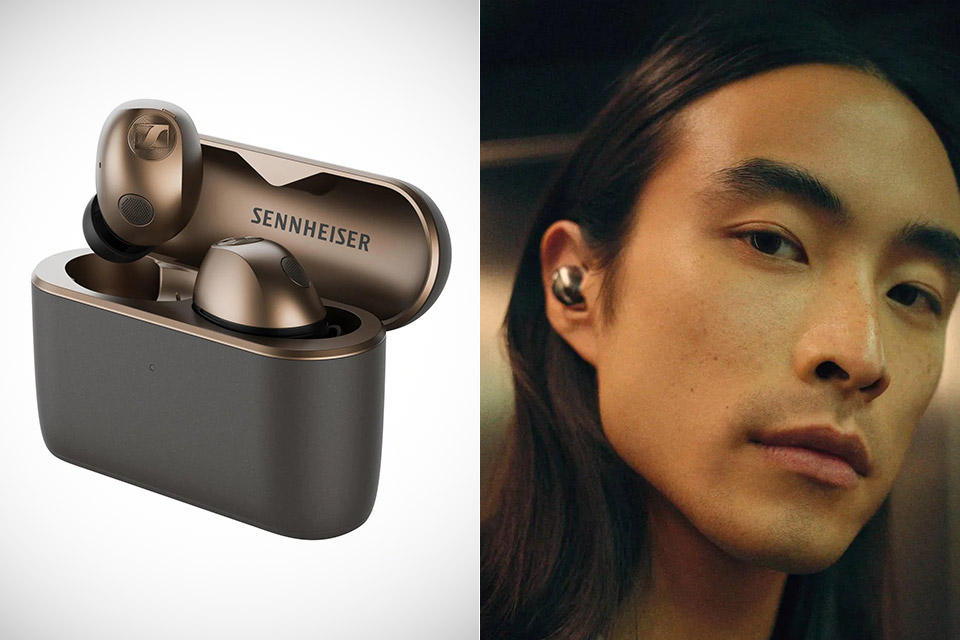
Sennheiser pulled the cover off its newest flagship earbuds, the Momentum True Wireless 5, this morning, and the most practical change sits right in plain view. Both the buds and their charging case now accept fresh batteries that any owner can install with a small screwdriver. No glue to dig through, no trip to a service center required. When the cells finally fade after years of daily use, the hardware stays useful instead of heading for the recycling bin.