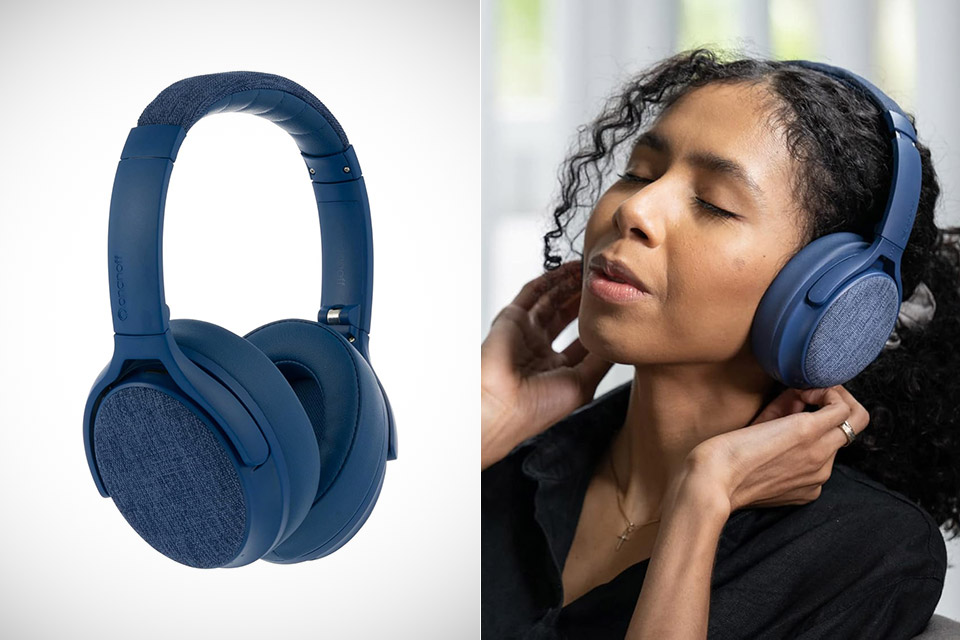
Frequent flyers and daily commuters have a common frustration. Engine drone on flights, train clatter, and workplace background noise all compete for attention over extended periods of travel or sitting at a computer. Many noise-cancelling headphones provide relief, but they come with software, touch controls, and expensive pricing that appear unnecessary for just basic needs. ONANOFF’s Made for Amazon headphones, priced at $19.99 (was $80), cut through the noise in a refreshingly practical manner.

Apple’s AirPods Pro 3, priced at $179 (was $249), has taken an already great design and given it a bit of an upgrade, addressing some of the issues with noise cancellation, battery life, fit, and even throwing in some health tracking and a tougher build quality to boot, and as a result, the buds will remain a top choice for a lot of people with busy lives in 2026.

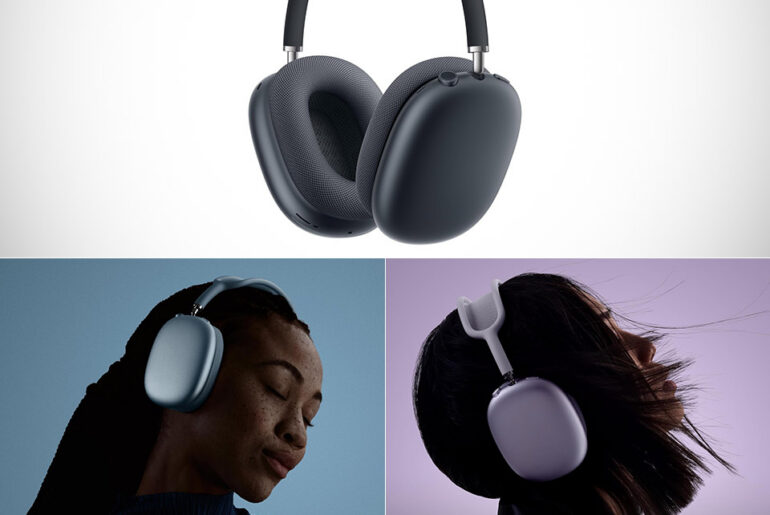
Frequent flyers and road warriors often rely on over-ear headphones to carve out personal space amid engine noise, terminal chatter, and crowded gates. Apple’s second-generation AirPods Max 2, priced at $499 (was $549), deliver a focused set of refinements that address several everyday frustrations from the first model, particularly for people who spend serious time in motion. The updates center on stronger noise blocking, modern connectivity, and software features that respond to real travel moments without demanding extra effort.

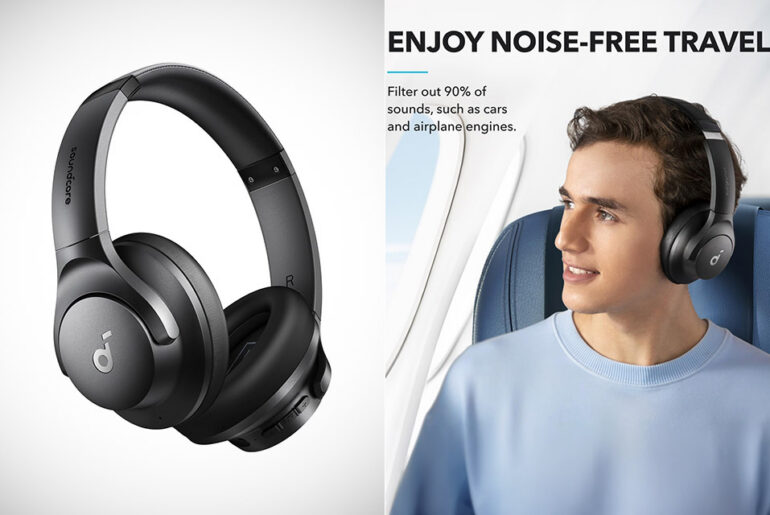
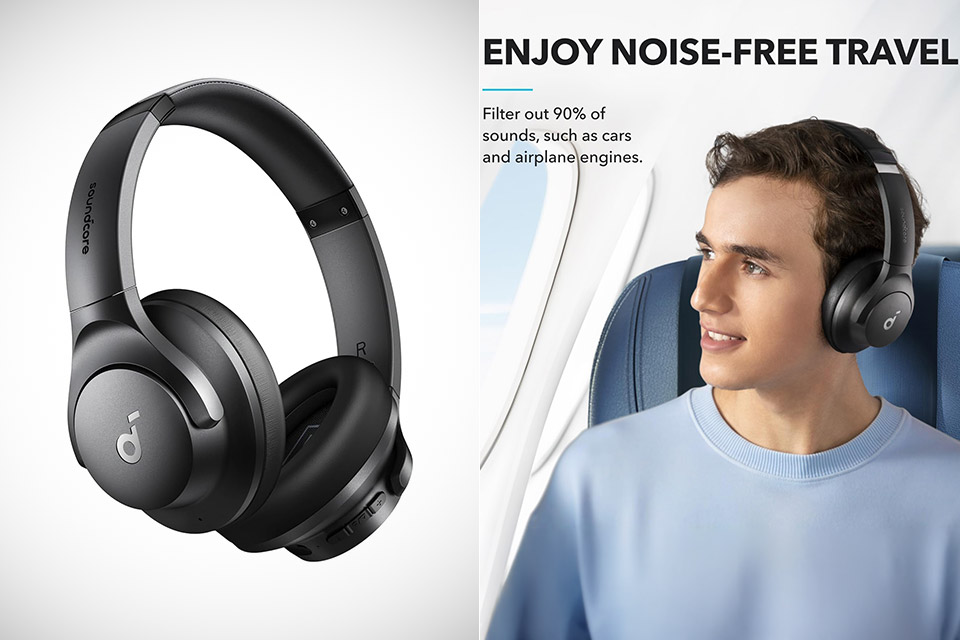
Anyone who scans store shelves for headphones quickly realizes that low prices usually indicate significant tradeoffs in noise reduction or listening time. Anker’s Soundcore Q20i, priced at $39.99 (was $70), disrupts this pattern by including features that continue to provide long after the first listen. Hybrid active noise cancellation is fundamental to the user experience. Four microphones inside and outside the ear cups detect ambient noise and reduce it up to 90% in real time.

Maruchi Kim led a team at the University of Washington in a project that quietly rewrites what wireless earbuds can do, called VueBuds. They started with a familiar pair of Sony WF-1000XM3 earbuds and turned them into devices that capture images from the wearer’s perspective while staying true to their original size and comfort.

Music aficionados are always looking for dependable over-ear headphones, and when comparing options from various brands and pricing points, the Beats Studio Pro, priced at $169.95 (was $350), stands out as an economical option. The reason for this model’s exceptional performance is a whole new set of drivers that do an excellent job with audio, precision, and so on. You can feel right immediately that the distortion levels are significantly lower than the previous generation due to improved internal components and larger magnets, which ensures that the sound remains pure regardless of volume.

Runners frequently struggle to strike the perfect balance when it comes to listening to music or podcasts on long runs: they want to be able to zone out from the world while also remaining aware for approaching cars or chatter from fellow trail-goers without having to rip out their headphones at every little sound. The Shokz OpenRun Pro 2 bone conduction headphones, priced at $139.95 (was $180), solve that exact problem with a design that sits snugly against your cheekbones while leaving both ears open for full awareness.

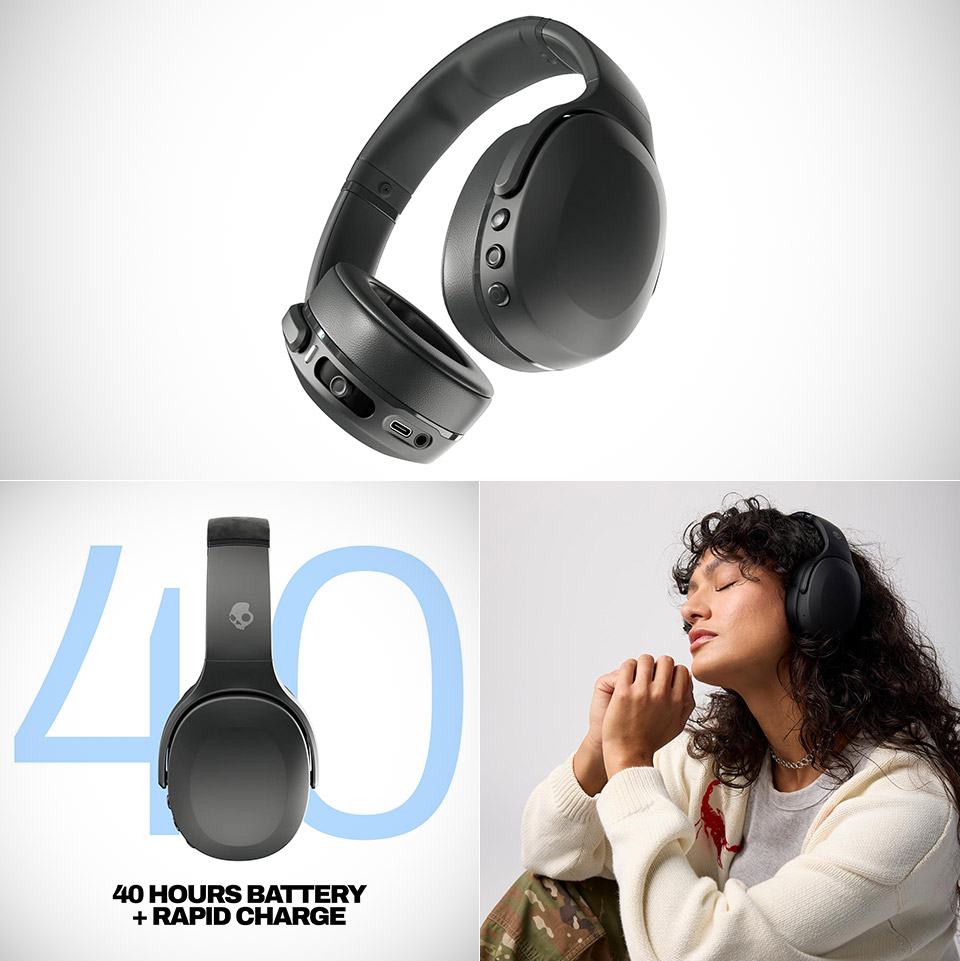
When looking for some powerful wireless headphones, the Skullcandy Crusher Evo, priced at $99.99 (was $210), is a popular choice. Why? Users want something with a lot of bass, but not so much that it drowns out the rest of the track. On the right earcup, there is an adjustable slider that allows you to fine-tune the low end to your liking.

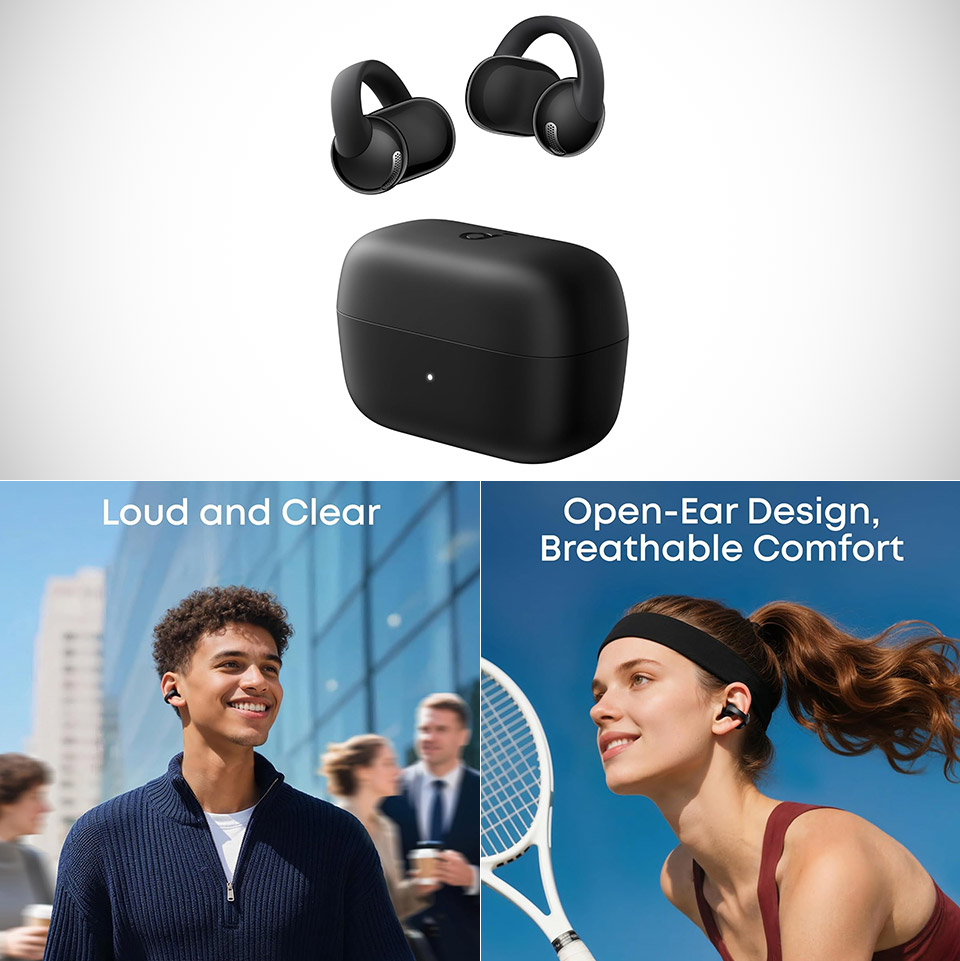
Anker designed the Soundcore C50i, priced at $39.99 (was $70), with one goal in mind: cater to users who prefer not to use standard earbuds that push well down into their ear canals and generate an unpleasant pressure or isolation feeling. They designed these clip-on headphones to rest gently over the ear, with a flexible piece that hinges into place and stays put whether you’re jogging or working out.

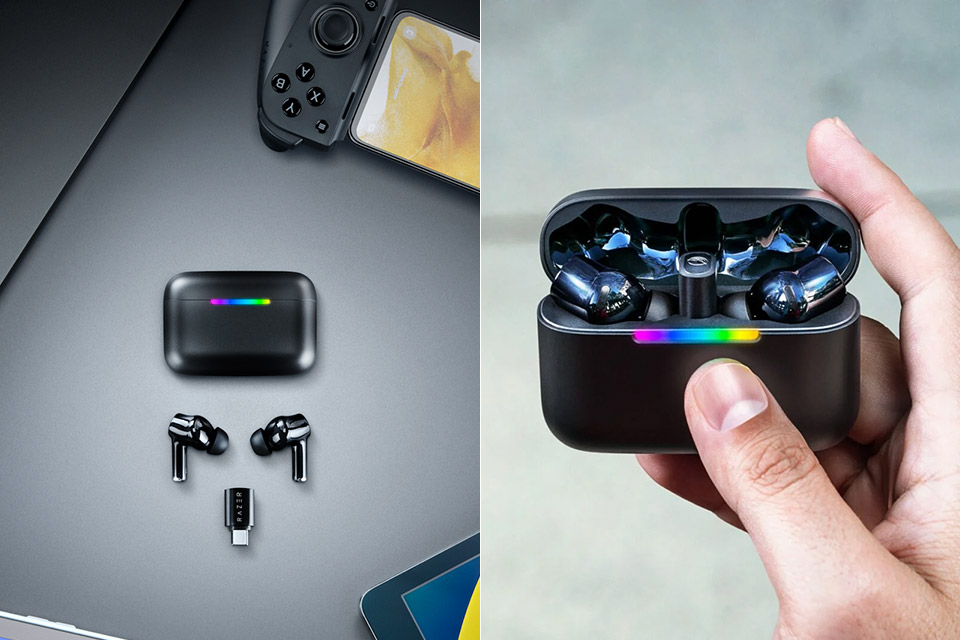
Razer released the Hammerhead V3 HyperSpeed wireless earbuds today, and it’s clearly a step above from the previous generation. Noise cancellation has been significantly improved. Hybrid active noise cancellation now removes 50% more ambient noise than before. If you’re riding on a loud bus or gaming in a crowded environment, you can now get the same amount of isolation without turning up the audio to the max.