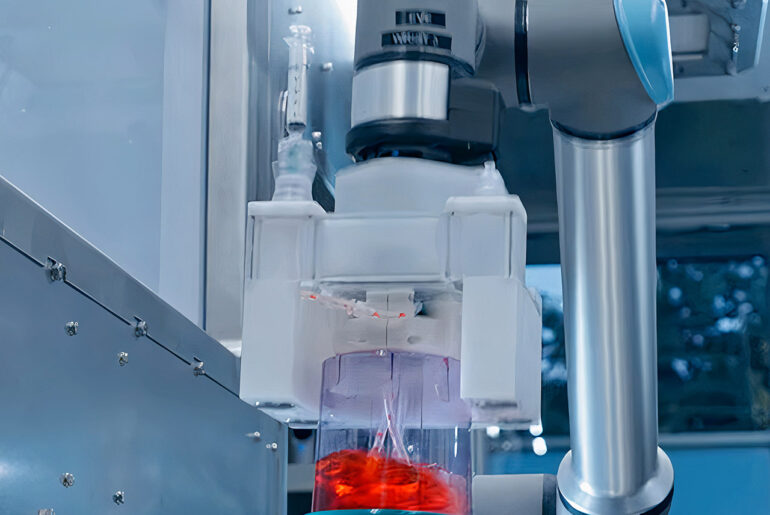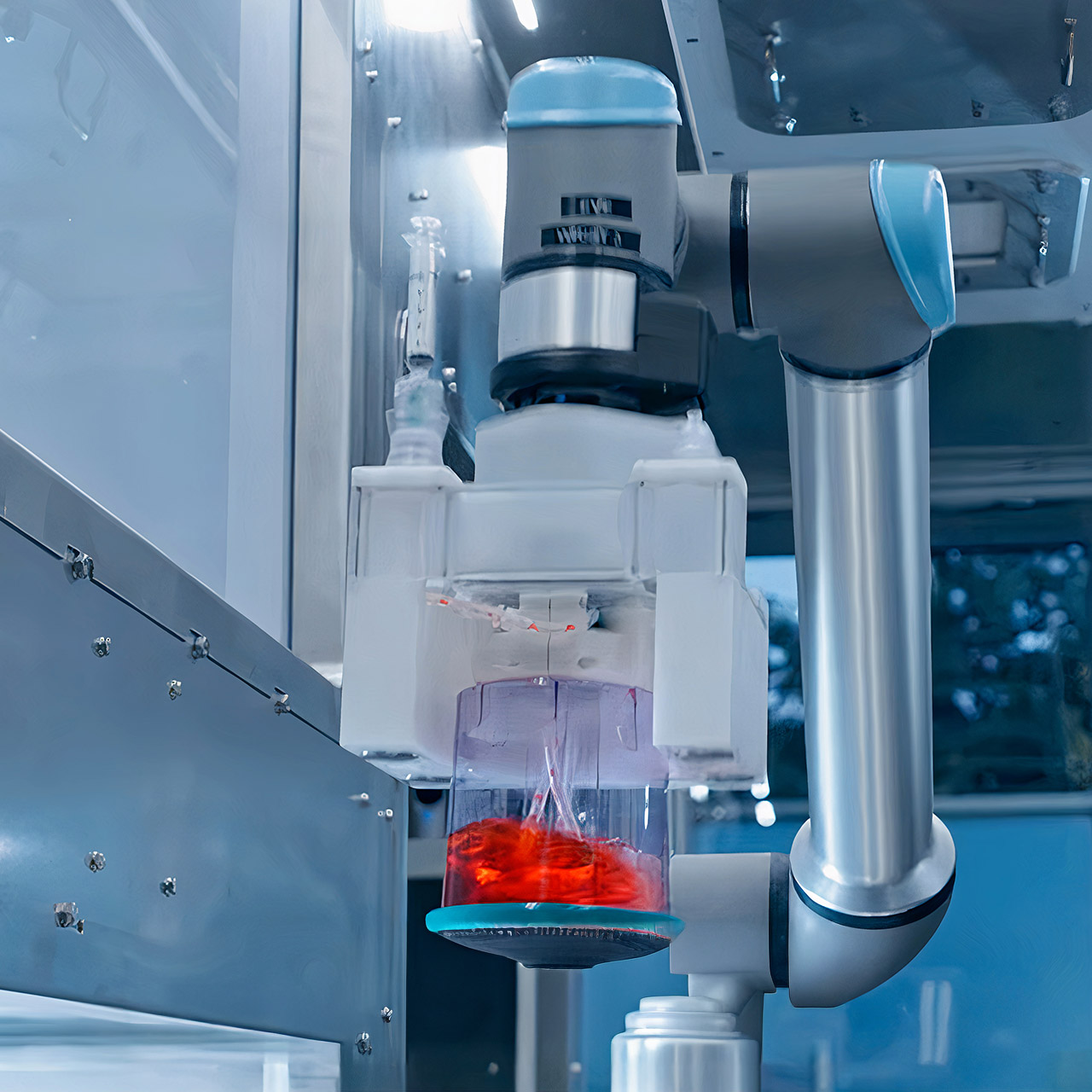

Cell therapy is being promoted as a promising treatment for cancer, auto-immune diseases, and genetic problems by modifying a patient’s own cells to combat the illness. However, the process of generating these treatments remains long, expensive, and prone to error. A single dose can cost upwards of $100,000, owing to the necessity for highly skilled technicians to work in clean surroundings, carefully handling sensitive tasks one patient at a time. Multiply Labs, a San Francisco company, has partnered up with NVIDIA to turn this on its head.

Photo credit: UCSD
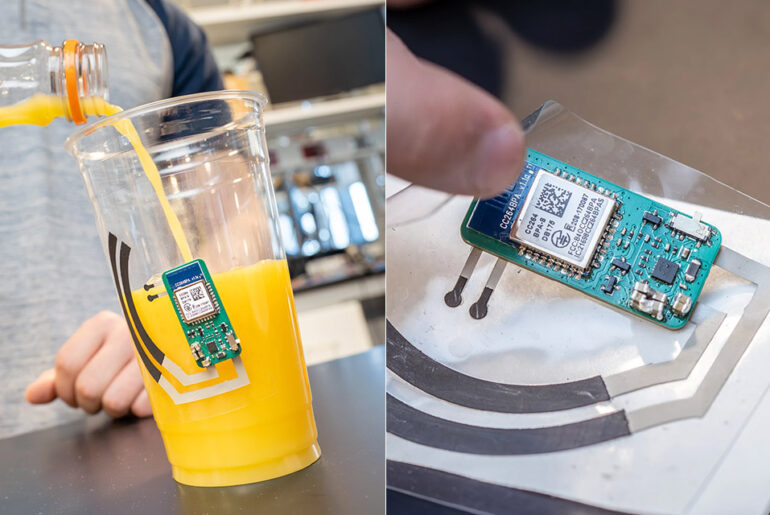
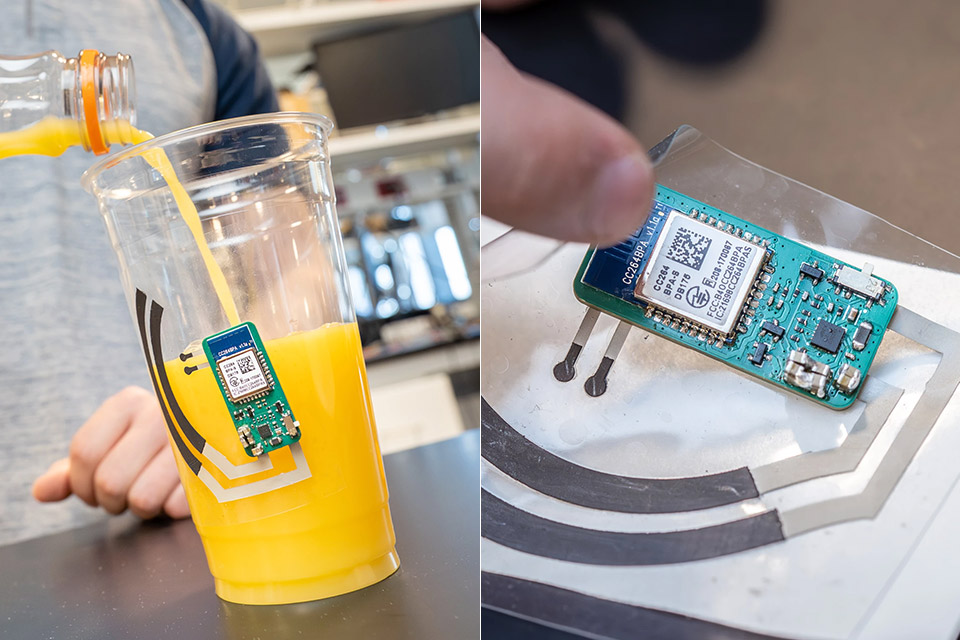
Engineers at the University of California, San Diego have created a thin electrical patch, a smart sticker if you will, that attaches to the rim of a coffee mug or water bottle. This turns the whole thing into a health tracker. Grip the cup as usual and it will draw in a small amount of sweat from your fingertips to measure your vitamin C levels.

Photo credit: MIT
MIT just changed the game for brain disorders, and the project is called Circulatronics Researchers there created devices so small they can fit on a blood cell, injected them with a simple arm shot and let the body transport them to the brain. Best of all, there are no drills, scalpels or week long hospital stays, required.

A Caltech team has created a jellybean-sized pill called PillTrek that travels through your digestive system, sniffing out everything from pH levels to glucose and serotonin. This is a game-changing window into the gut’s wild world, delivering real-time data that could change how we tackle inflammation, metabolic disorders and even mental health.

Picture your elderly aunt teetering toward a spill in her living room, only for a futuristic frame to zip in like a superhero sidekick, catching her before she faceplants. This isn’t some sci-fi pipe dream—it’s MIT’s E-BAR, the Enhanced Body Assistance Robot. dropped in May 2025 to help seniors stand, sit, stroll, and dodge those nasty falls that send millions to the ER every year. With over 50 million Americans over 65 and an eldercare system stretched thinner than a budget smartphone screen, this robot could be a game-changer.

We may be decades away from artificial wombs, but one Australian man was able to leave St Vincent’s Hospital Sydney with a full titanium artificial heart from BiVACOR this past month. Officially called the BiVACOR Total Artificial Heart (TAH), this device basically replaces both ventricles of the heart, taking over the pumping of blood to the body (systemic circulation) and lungs (pulmonary circulation).

KAIST’s WalkOn Suit F1 is essentially a next generation exoskeleton that can walk itself and most certainly help paraplegics. How so? The exoskeleton can shuffle over to a patient seated in a wheelchair, wrap itself around their legs as well as body, and get them walking.

The Oura Ring 4 is here and ready to take on the Samsung Galaxy Ring. It’s powered by Smart Sensing, an AI algorithm that works in conjunction with research-grade sensors to dynamically adapt to the finger for accurate and continuous data around the clock.

The Texas Heart Institute has successfully implanted a BiVACOR Total Artificial Heart (TAH) in a patient with end-stage heart failure as a bridge to heart transplant. This solution is essentially a titanium-constructed biventricular rotary blood pump with a single moving part that utilizes a magnetically levitated rotor that pumps the blood and replaces both ventricles of a failing heart.