Tag

NASA

Browsing

NASA SpaceX Crew-11 Return Earth
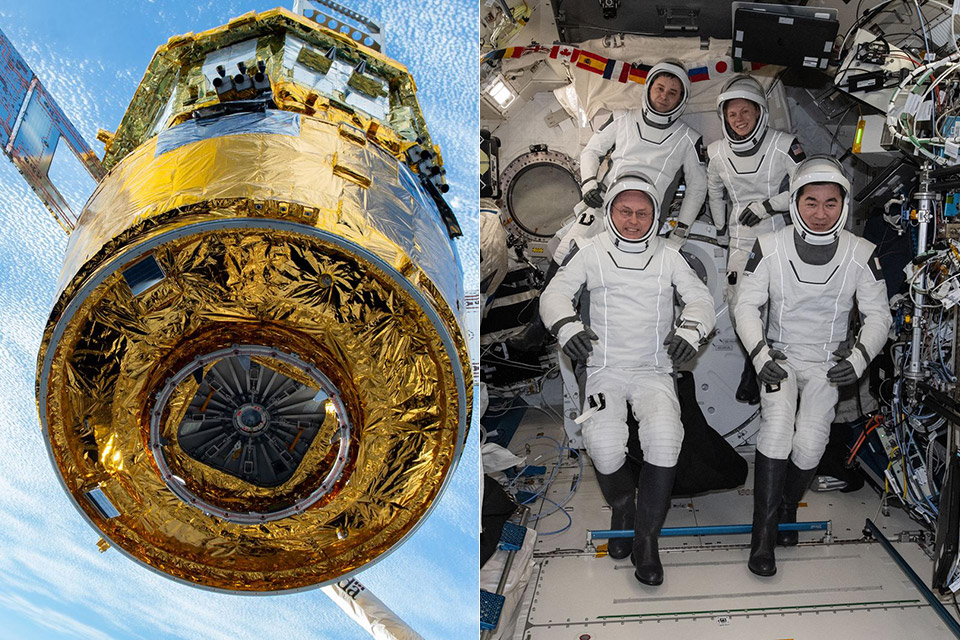
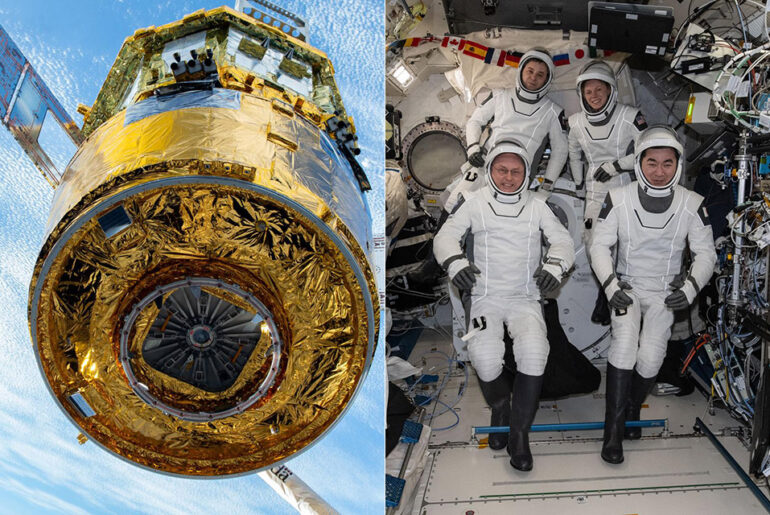
NASA’s SpaceX Crew-11 has finally returned to Earth. Commander Zena Cardman and pilot Mike Fincke from NASA, along with mission expert Kimiya Yui from JAXA and Oleg Platonov from Roscosmos, splashed down safely in the Pacific Ocean off the coast of San Diego in the early hours of January 15, 2026. Their Dragon capsule, Endeavour, landed in the water at 3:41 a.m. EST, bringing an unexpected end to a mission that began in August.
Hubble Herbig-Haro HH Objects 80/81
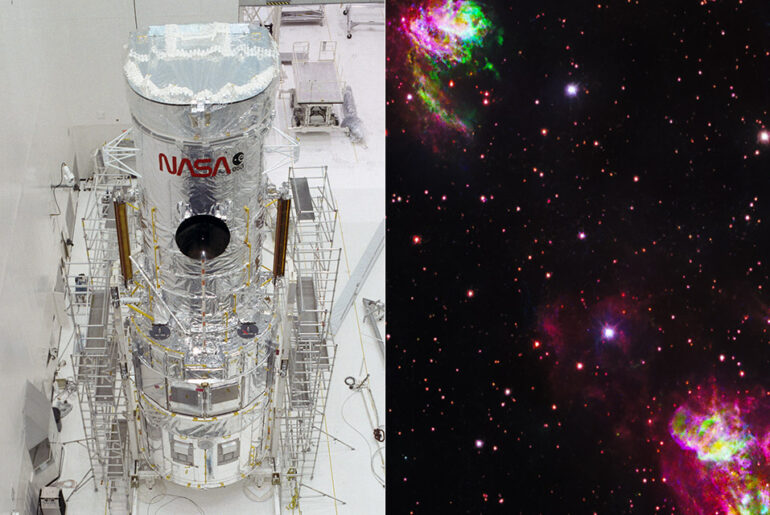
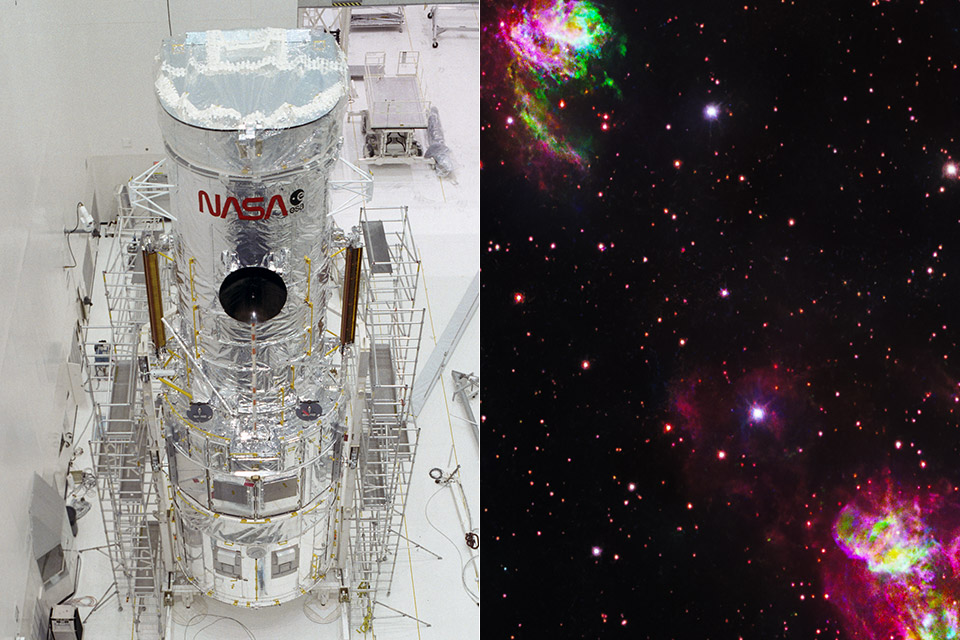
The latest Hubble image released by NASA depicts an incredibly beautiful spectacle taking place in the constellation Sagittarius, just 5,500 light-years away. The Herbig-Haro objects HH 80 & HH 81 are vivid pink and green patches illuminated by jets of ionized plasma streaking diagonally across a dark cosmic background. Stretching a massive 32 light-years across, these vibrant structures are part of the greatest known outflow from a star that is still developing.

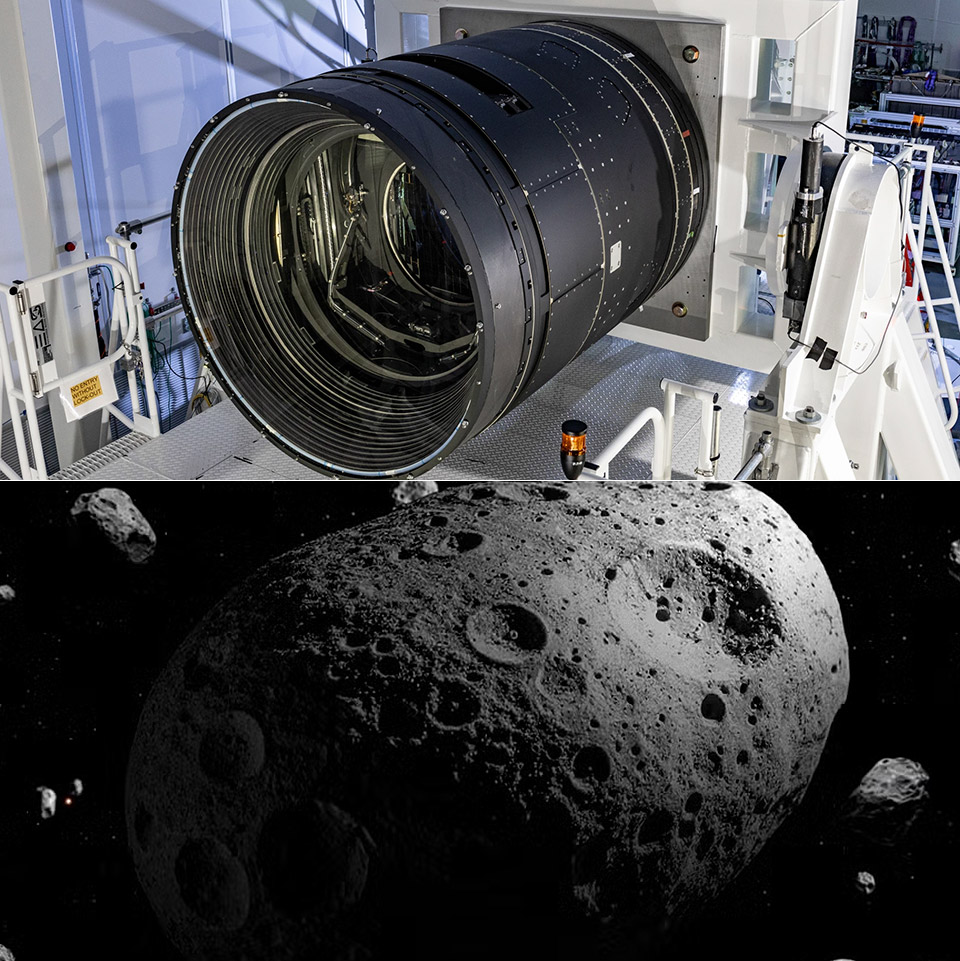
LSST Largest Digital Camera Asteroid 2025 MN45
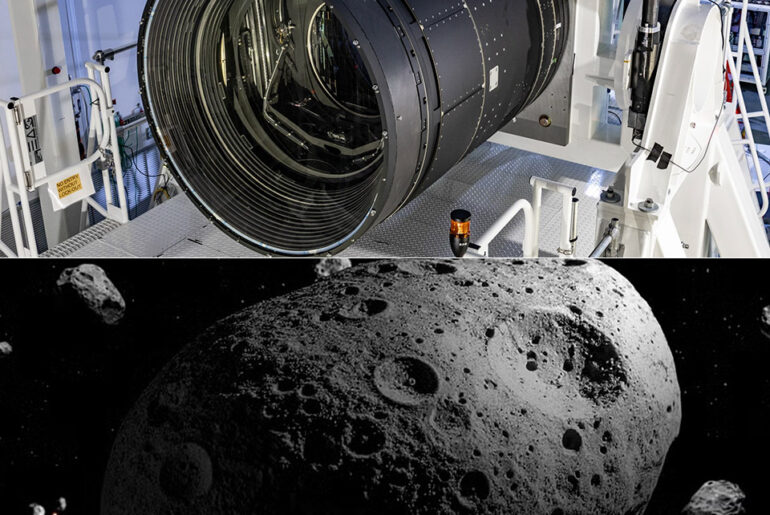
The Vera C Rubin Observatory has finally achieved a significant scientific breakthrough, due to the massive digital camera known as the LSST at its heart. Astronomers have discovered an asteroid called 2025 MN45 that stands out in a significant way: its rotation is simply incredible. To give you an idea of how big this object is, it measures approximately 710 meters across. That’s approximately the length of eight full-size American football fields stacked end to end, and it spins once every 1.88 minutes.

Webb Dwarf Stars Westerlund 2
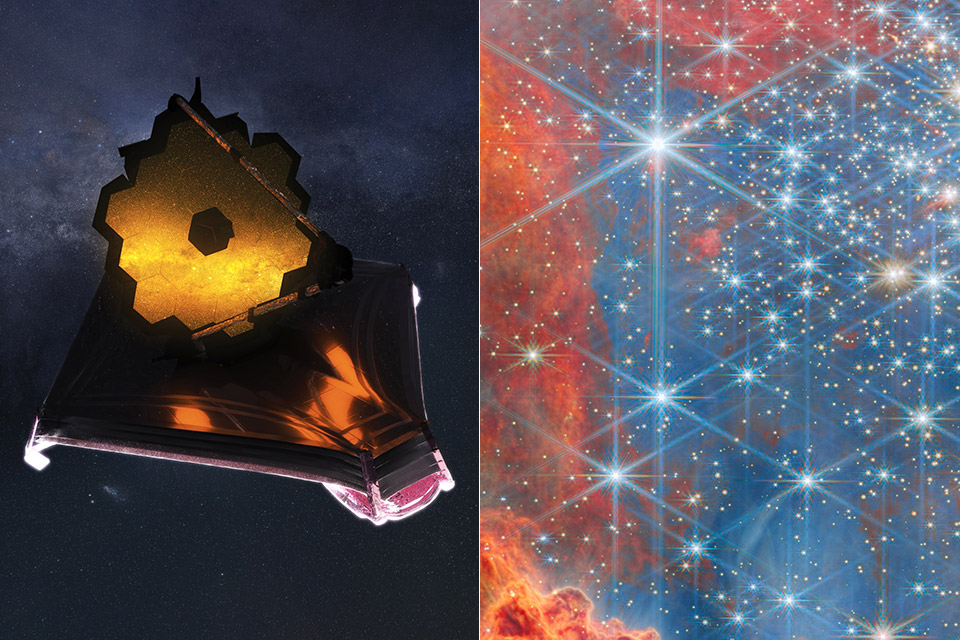
NASA’s James Webb Space Telescope got 2026 off to a fantastic start by capturing another breathtaking glimpse of the Westerlund 2 star cluster, a wild and wacky collection of stars buried inside the Gum 29 nebula in the constellation Carina, 20,000 light years away. The image of this starry panorama, released on December 19 as ESA’s final Picture of the Month for 2025, displays what JWST’s NIRCam and MIRI cameras were able to capture in infrared, providing a good look at an area around 6 to 13 light-years across and filled with thousands of stars.

NASA James Webb Spiral Galaxy Collision
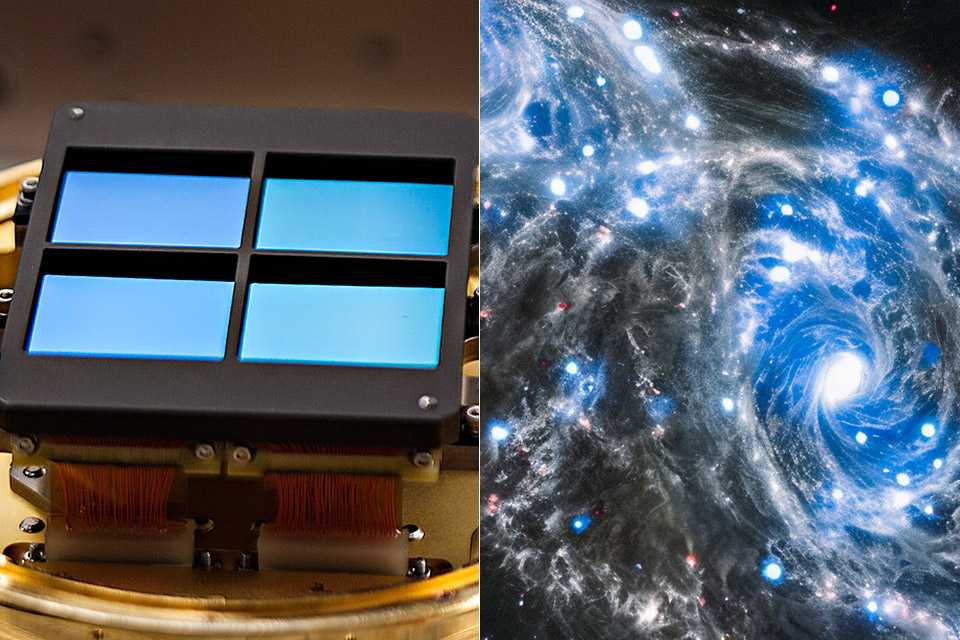
Deep in space, two massive spiral galaxies are slowly but inevitably pushed together by gravity. IC 2163 and NGC 2207 must have had a close call millions of years ago as they flew by each other at hundreds of kilometers per second. From Earth, they appear to be bound together, with their long, sweeping arms stretching out across the expanse in between, like giants reaching out to each other.