Tag

Science

Browsing

Custom Kilowatt Laser Robot
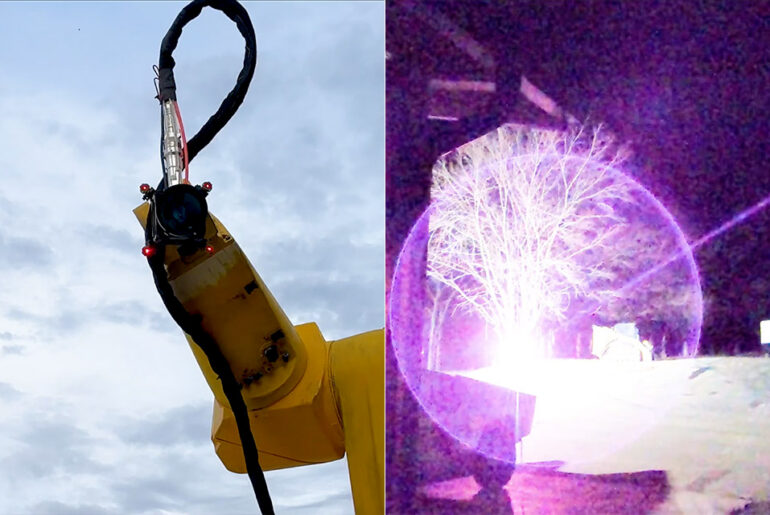
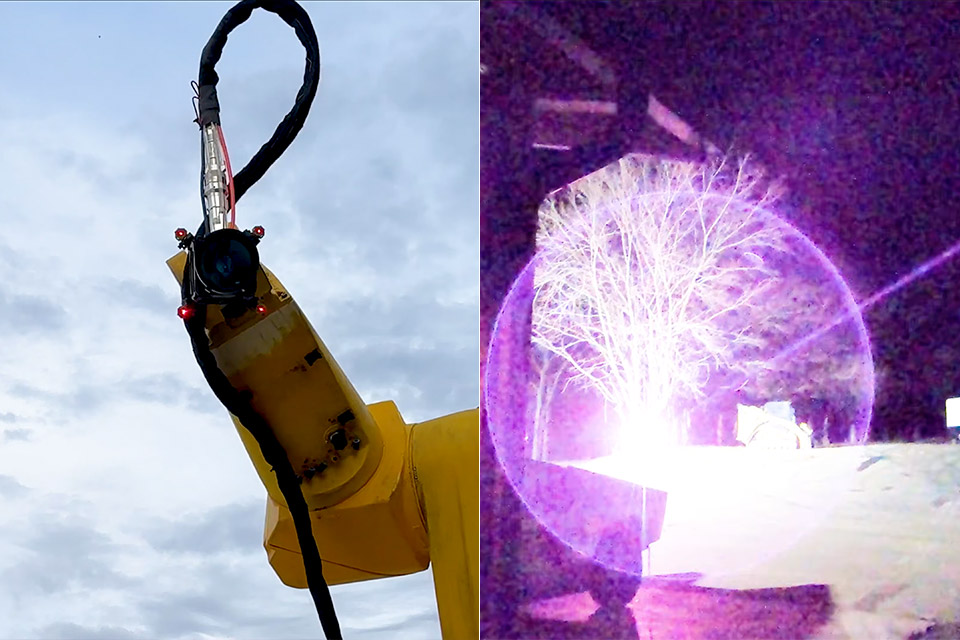
Stabi extends its arm from the shadows with a large barrel mounted to its wrist, and what is inside that barrel is not subtle. A kilowatt class laser capable of cutting through wood at a distance or turning stone into a glowing, molten mess sits at the heart of the setup, mounted in the back of a truck and pointed at a series of test targets. The whole rig was built by Prop Department to explore how high energy laser systems might be put to work in future productions.

Webb Hubble Space Telescopes Saturn New View
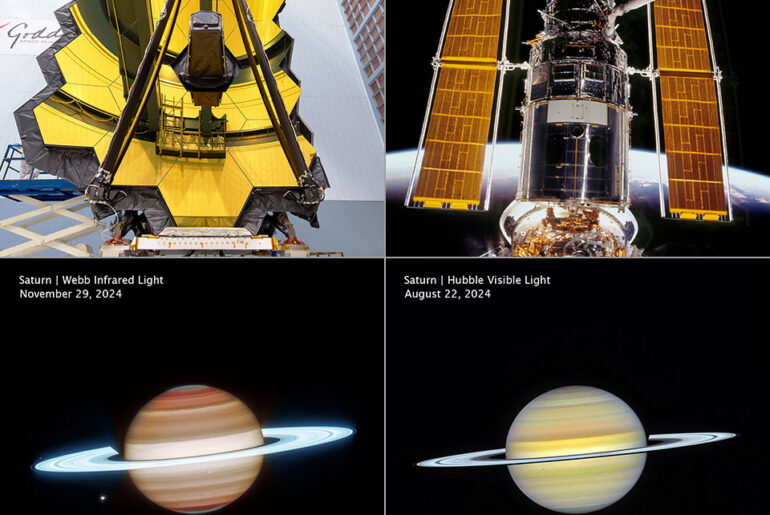
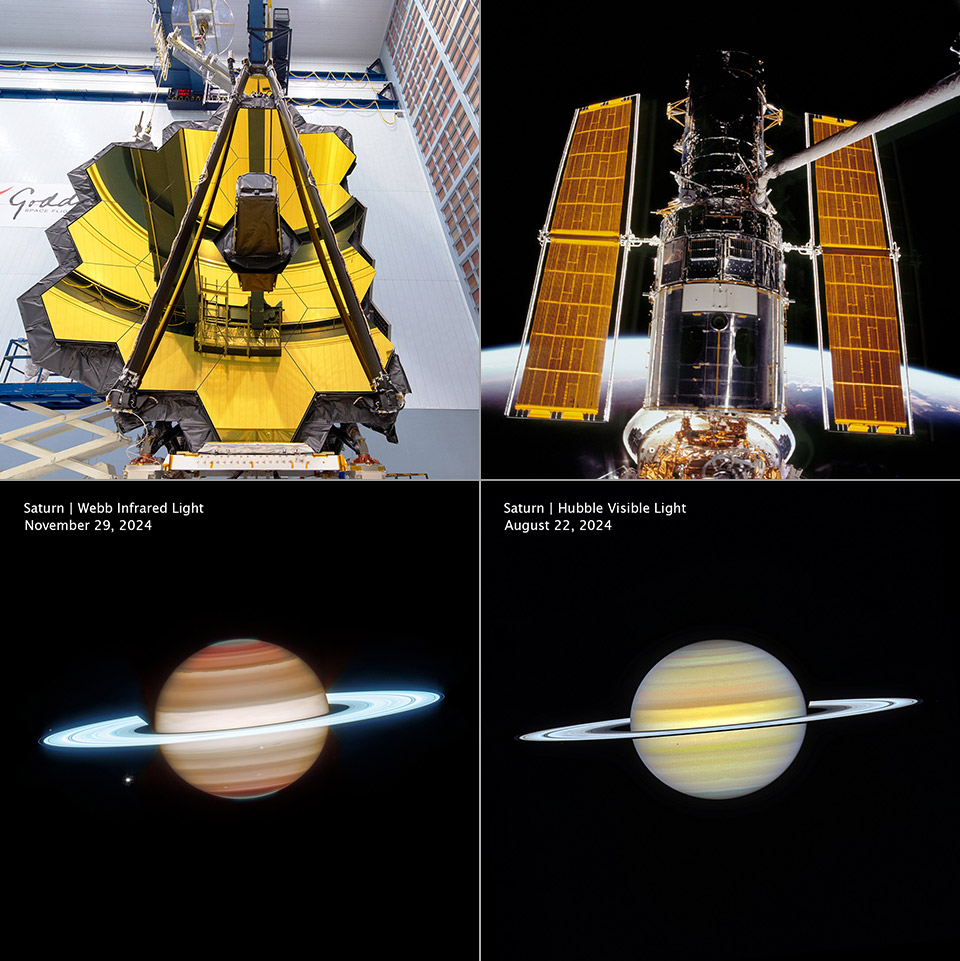
Astronomers have just released what may be the sharpest views of Saturn ever captured, courtesy of the Hubble and James Webb space telescopes working in tandem. One image was taken in visible light and is breathtaking on its own, while the other, captured in infrared, pulls back the curtain on an entirely different layer of detail across the planet’s clouds, rings, and poles.

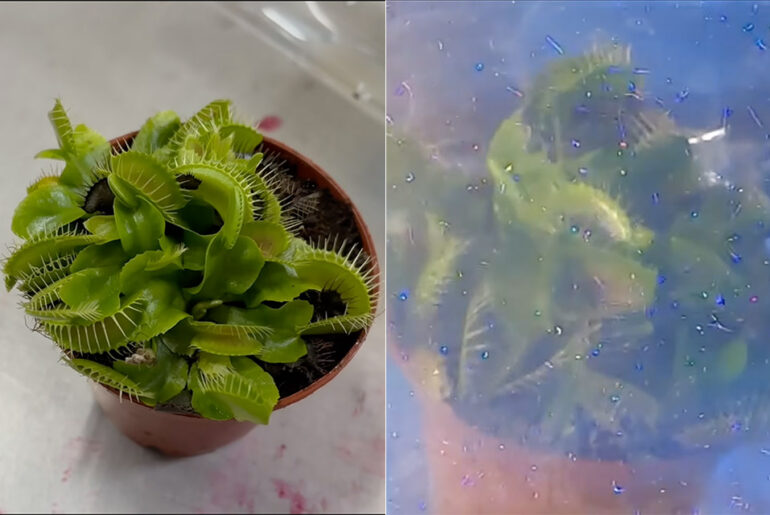
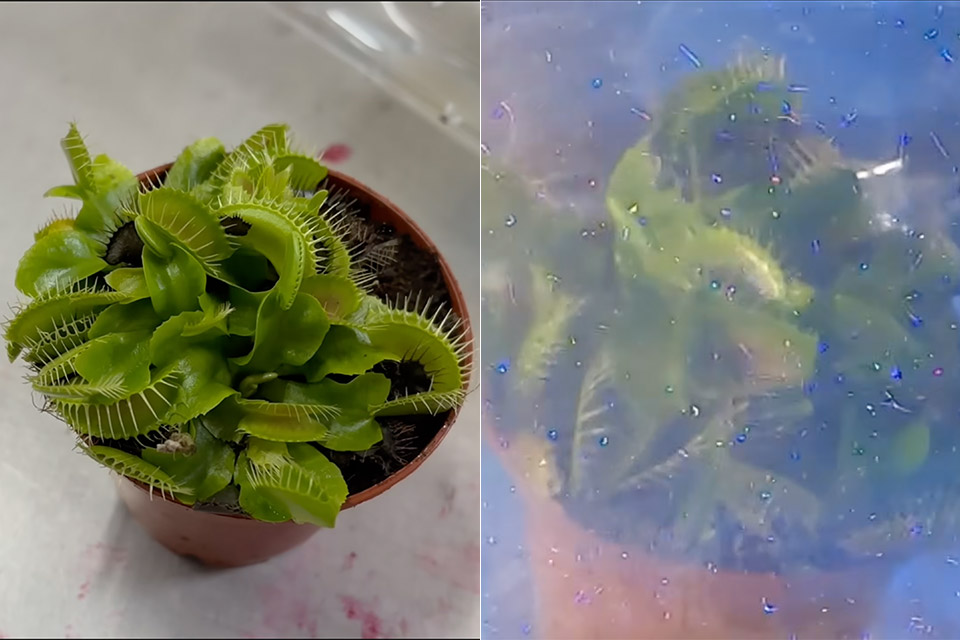
Venus Flytrap Particle Accelerator Experiment
Electron Impressions has built a reputation for pushing physics equipment well beyond its intended purpose, and their latest experiment takes things further than most. The team placed a fully grown potted Venus flytrap, open traps and all, directly in the path of a linear accelerator to find out what high speed electron beam radiation actually does to living tissue, and whether the plant’s famous snapping mechanism would have anything to say about it.

Fireproof Material Sawdust
Every year, millions of tons of sawdust accumulate in mountains as a result of lumber mills around the world producing wood products. The majority of it is either put into a furnace to generate energy or ends up in landfills, where it does nothing but release all of the carbon it has accumulated. However, researchers at ETH Zurich have discovered a technique to convert that garbage into solid panels that will work well as inside walls and partitions.

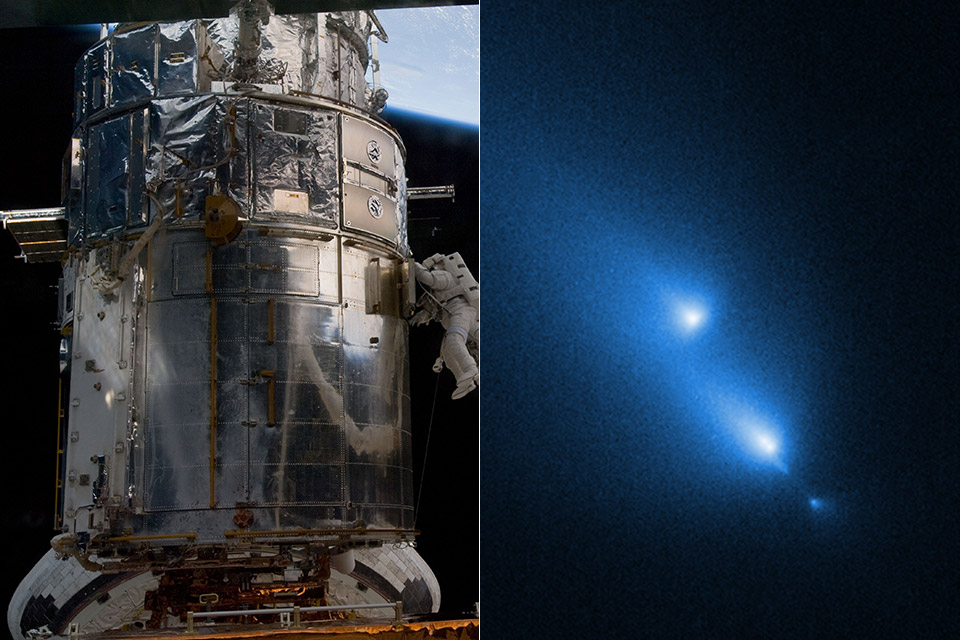
Hubble Space Telescope Comet C/2026 K1 Atlas Breaking Apart
NASA’s latest Hubble images show comet C/2025 K1 ATLAS breaking apart over three days in November 2025, which astronomers had not anticipated. They’d chosen to examine this comet as a last resort because their first pick had proven impossible to observe due to the limitations of their equipment, and, as if the universe was waving in their faces, the comet began to split apart just as they were getting a good look.