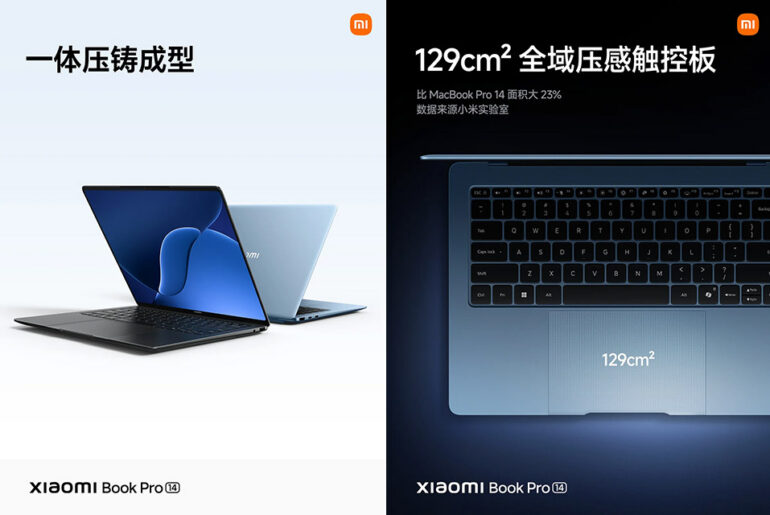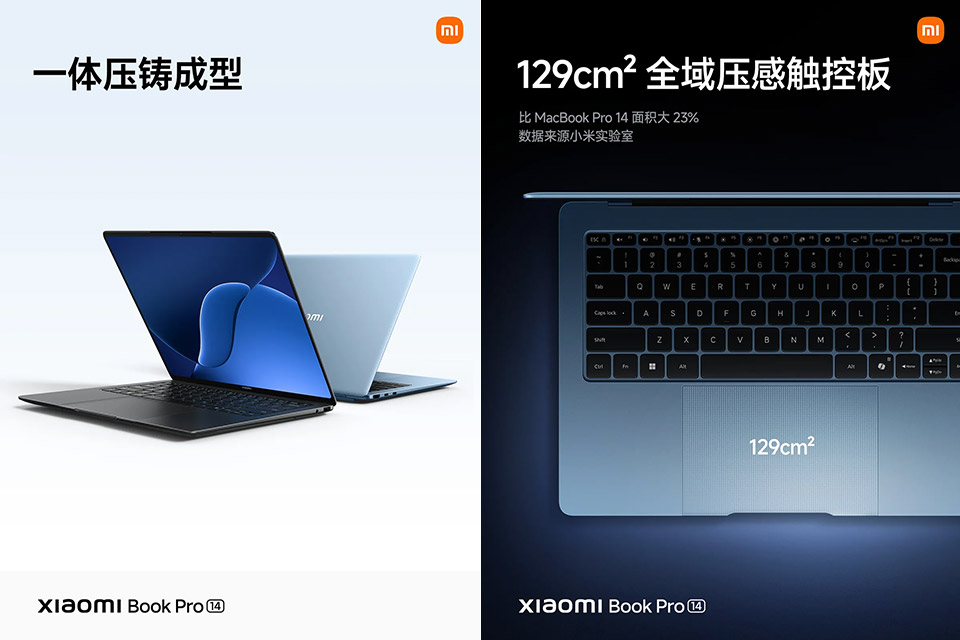
Xiaomi has been out of the laptop game for a few years, but the Book Pro 14 (2026) completely outperforms their previous offerings with cutting-edge technology that manages to deliver everyday comfort and a serious punch in an impressively small chassis, rivaling Apple’s MacBook Air.

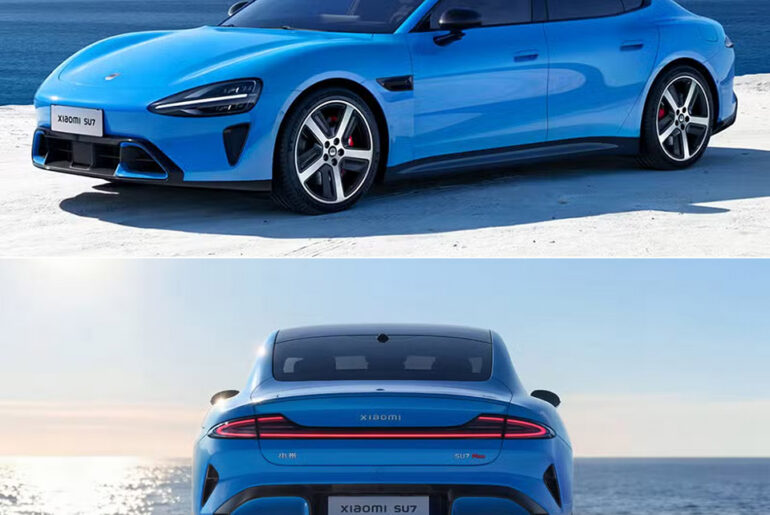
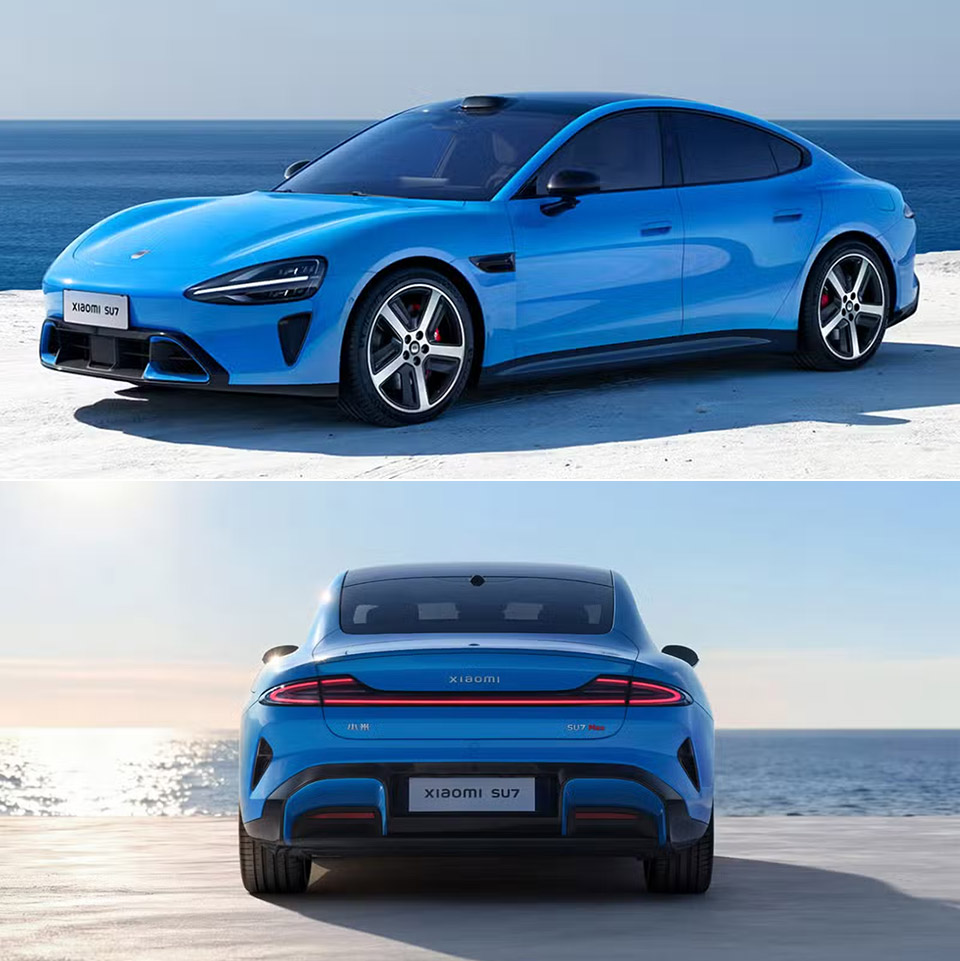
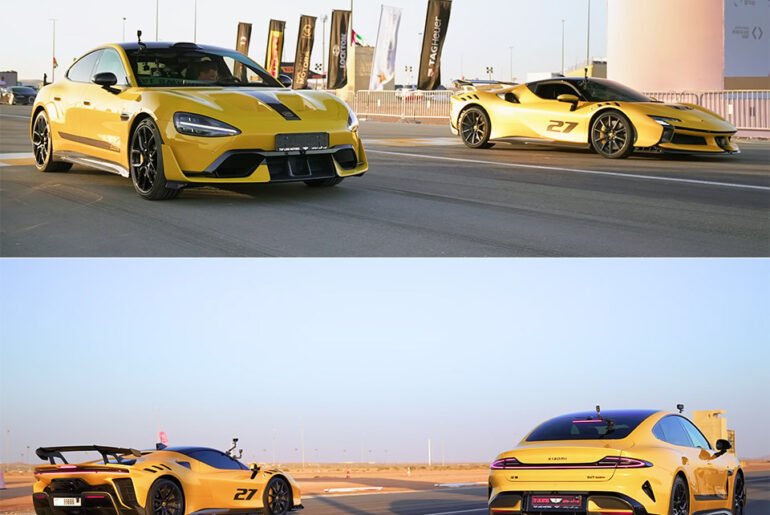
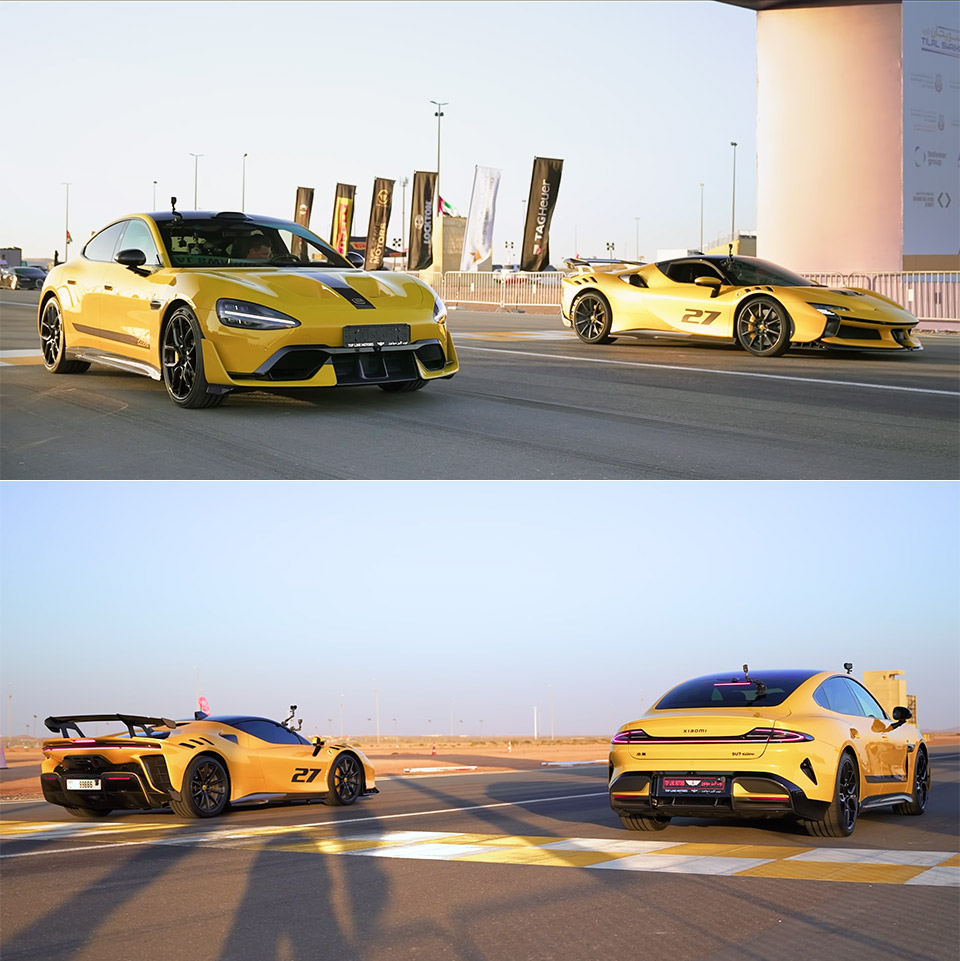
Xiaomi unveiled its facelifted SU7 electric sedan today, with three trim levels that provide more range while keeping the price cheap. The base Standard model costs 219,900 yuan, or approximately $31,870. The Pro model starts at 249,900 yuan, while the top-of-the-line Max model costs 303,900. This puts them below the entry-level pricing of a Tesla Model 3 in China.

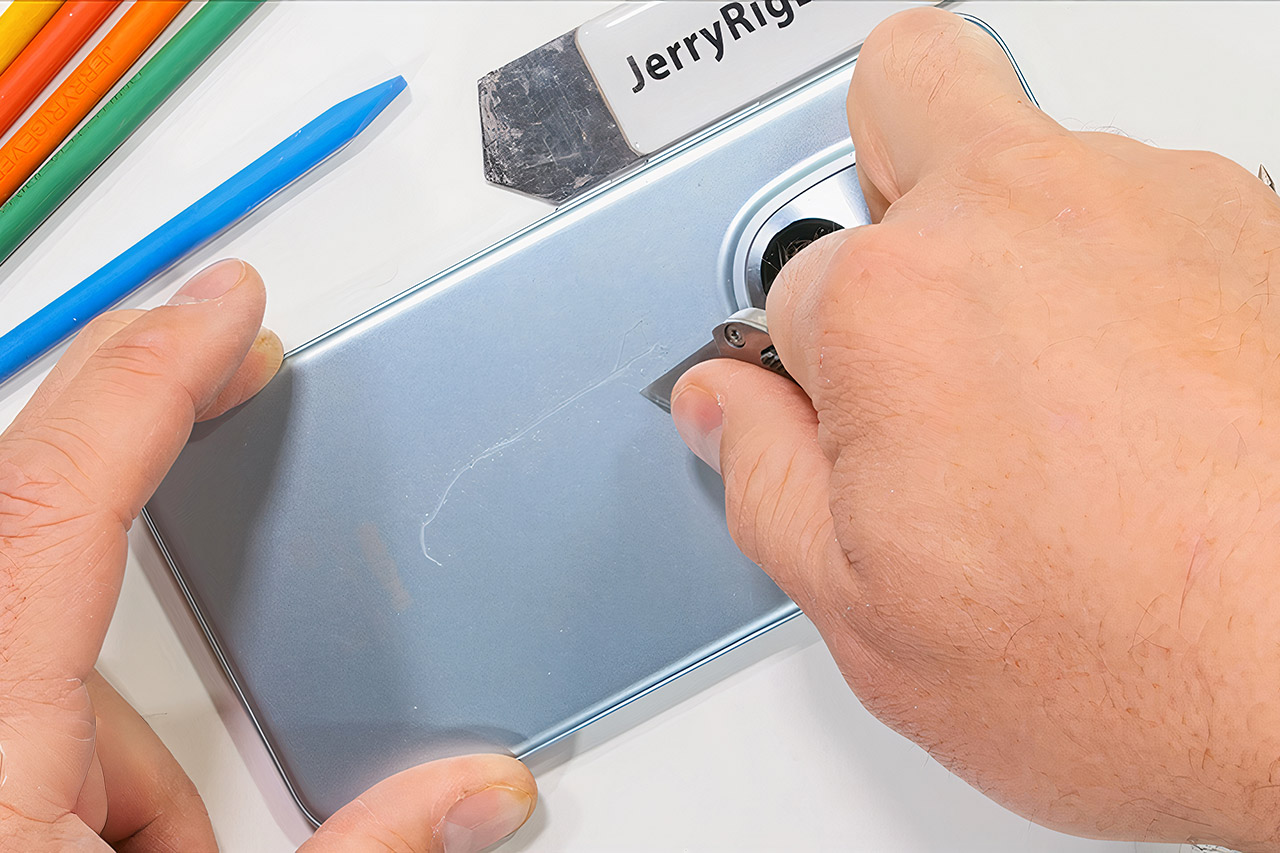
Zack Nelson of JerryRigEverything recently tested the latest Xiaomi mid-range challenger, the Redmi Note 15 Pro+ 5G, for durability. This time around, the phone made some bold claims, as it has a fancy fiberglass back panel that’s allegedly ten times more impact resistant than regular glass, a front Gorilla Glass Victus 2 panel for scratch protection, an IP69 rating that means it can withstand extreme water and dust, and a massive 6500mAh silicon-carbon battery that’s supposed to retain 80% of its charge after 1,600 recharges. So, what happens when you make all of these allegations over the phone?

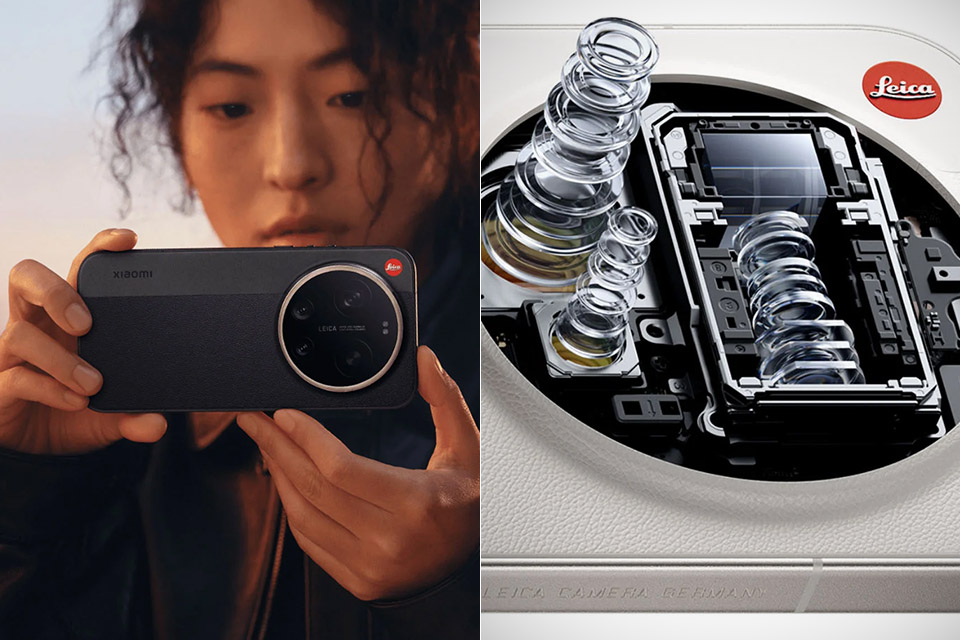
Xiaomi has once again collaborated with Leica to develop a very special edition of its top-of-the-line flagship phone, the 17 Ultra Leica Edition. This device features some very unique design choices and controls that are clearly inspired by old cameras. When you pick it up, the experience changes from what you would generally expect from a smartphone camera.

Marques Brownlee recently put the spotlight on a comparison that’s been on everyone’s radar – the Xiaomi 17 Pro Max versus the iPhone 17 Pro Max. Both devices are vying for the top spot in the smartphone world, but what stands out about Xiaomi is that they seem to be on a mission to match Apple’s polish – but also to push past it in some key areas.

Mat Watkins lined up his Tesla Model S Plaid at the start of Carwow’s drag strip, the air thick with the smell of fresh asphalt and high stakes. Across from him stood the Xiaomi SU7 Ultra, a four-door from the Chinese electronics giant that had quietly entered the electric car market.

The iPhone 17 Pro came with a new look and that wide camera plateau on the back caught everyone’s attention. Just days later, Xiaomi fired back with the 17 Pro series and turned the same idea into something way more clever. By turning the empty space into a functional tool, Xiaomi has basically challenged Apple’s approach.