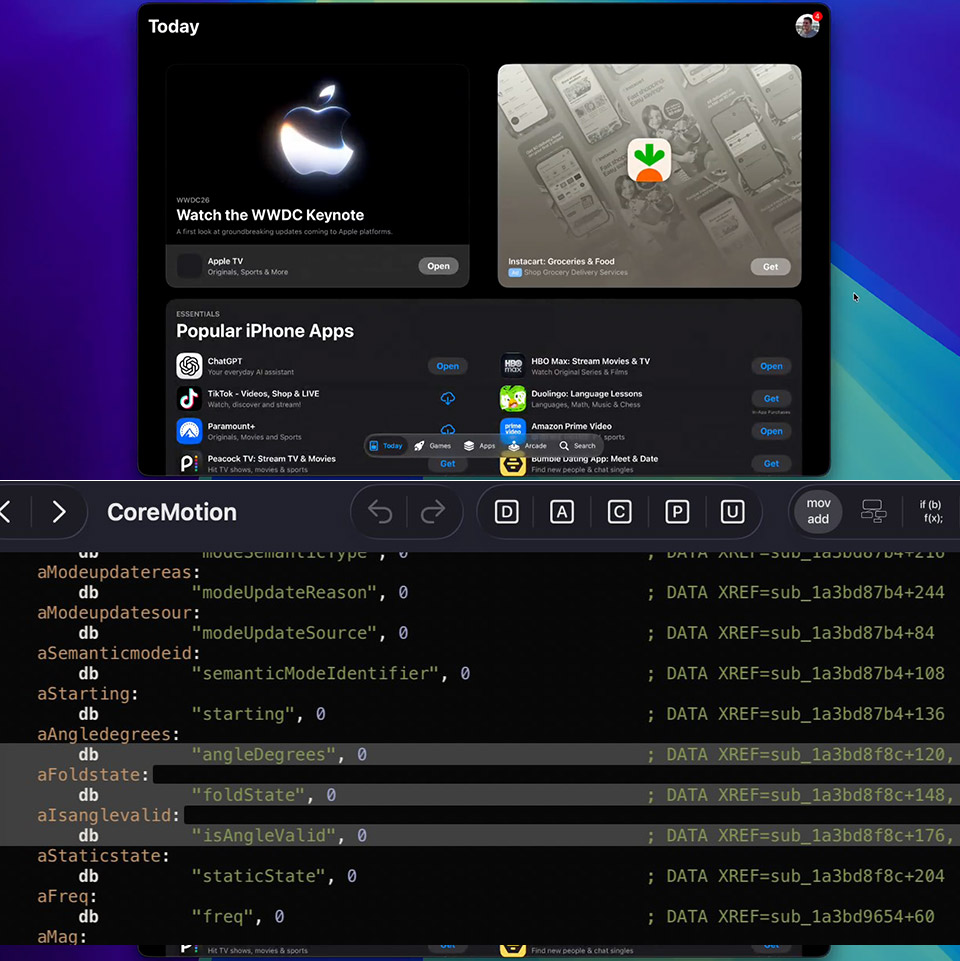
Photo credit: Sam Henri Gold
Exploration of the iOS 27 developer beta has turned up several strings of code that seem built specifically for a folding iPhone. These references include terms for tracking foldState along with the mechanical angle of a hinge measured in degrees. Such details would allow the operating system to understand exactly how the device is positioned at any given time, potentially unlocking new ways for apps to respond when the screens sit at different angles.
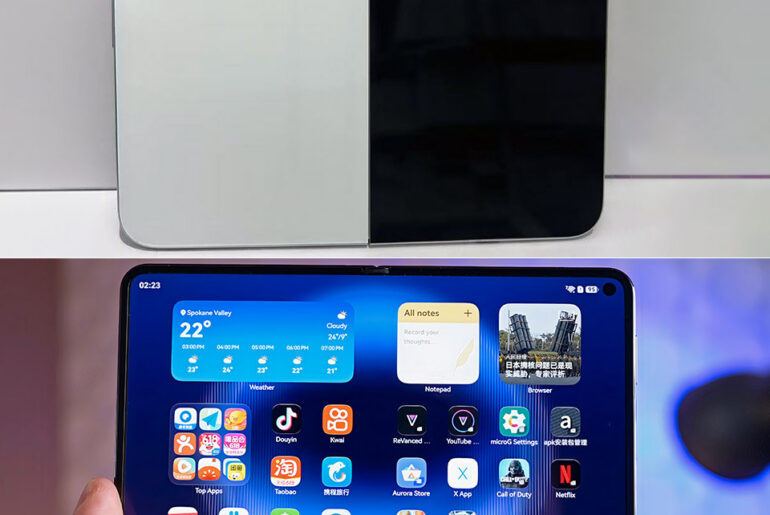
Photo credit: Sonny Dickson
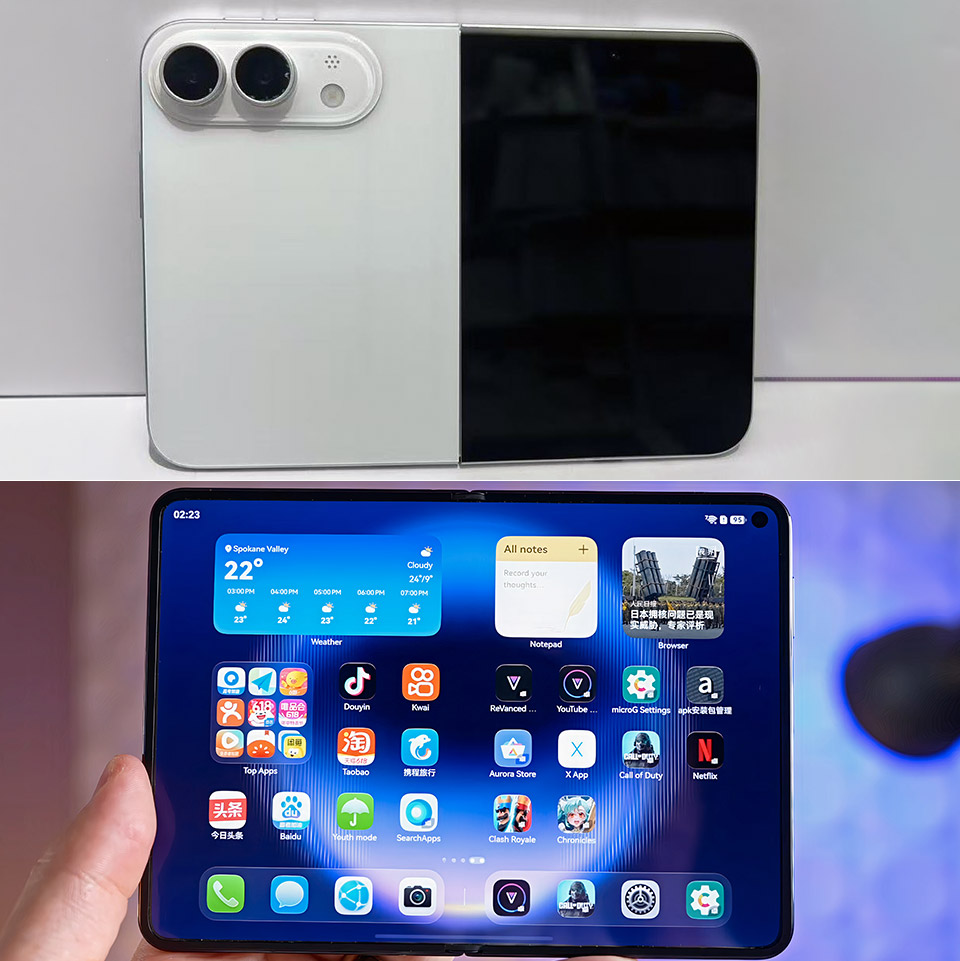
New photos of a production-style dummy device for Apple’s first foldable iPhone have surfaced online. They come from leaker Sonny Dickson and offer the clearest view of the design yet. Sonny Dickson, the leaker, provided images from several perspectives. The unit appears in both closed and fully open variants, with a screen installed for a more realistic appearance than the previous crude iteration.

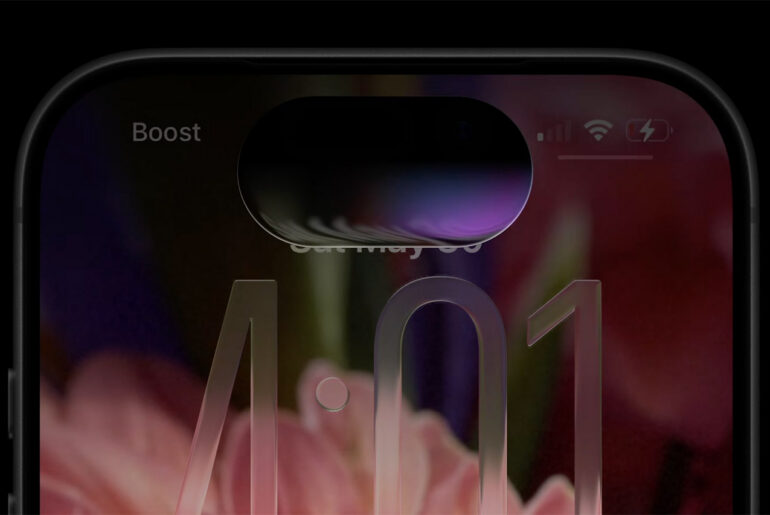
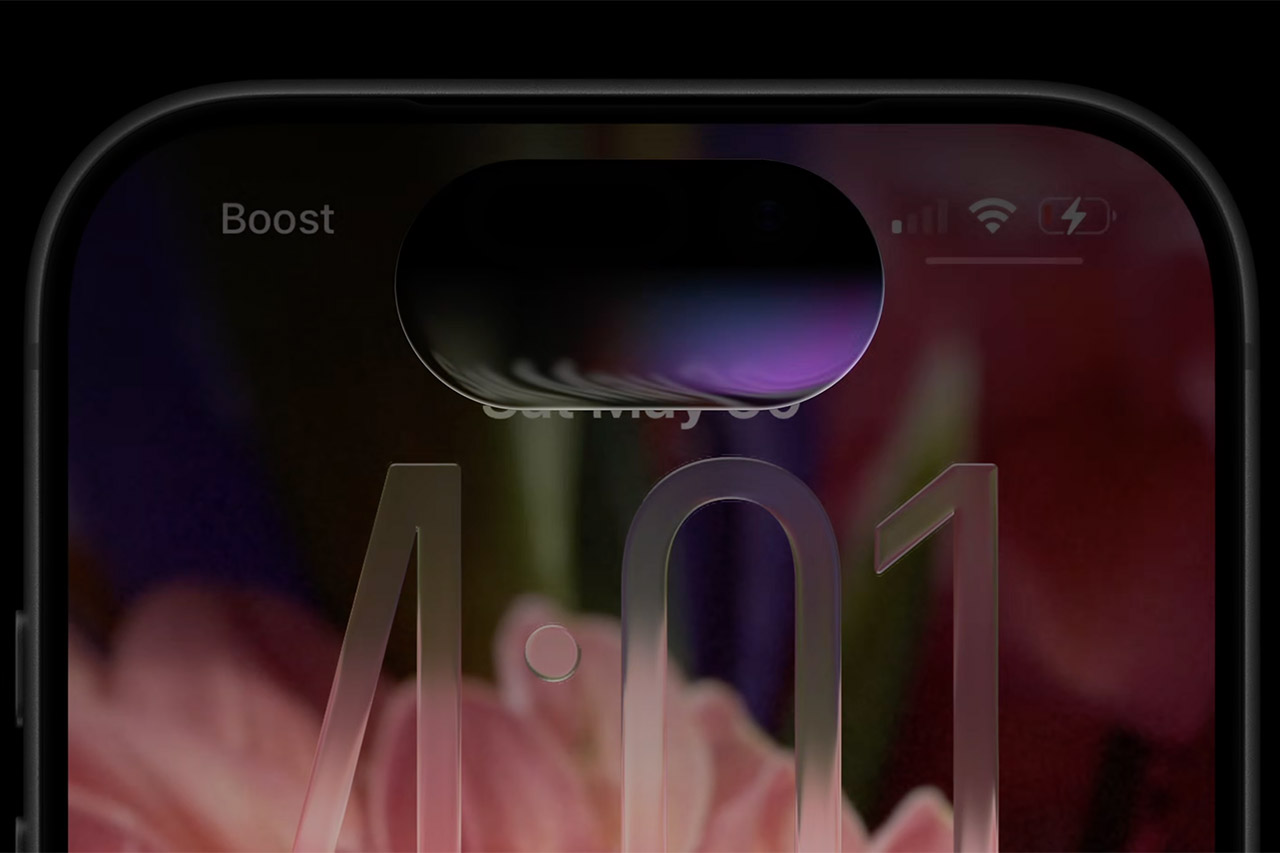
Apple plans to show off iOS 27 at its Worldwide Developers Conference early next week, and details already surfacing from internal builds and reports give a clear sense of the practical shifts users will notice first. One adjustment stands out right away for its effect on long-held habits. Notifications currently appear from the top of the screen, and a downward swipe from the middle opens the full list in Notification Center. In current internal versions of iOS 27, those alerts instead slide in from the left side. Reaching Notification Center requires a downward swipe from the top-left portion of the screen. A swipe from the center area now surfaces search or an interface for asking the assistant directly.

Photo credit: Oleh Koval via Yanko
Bloomberg’s Mark Gurman laid out Apple’s revised plans in late May. The company has pulled resources away from any quick sequel to the Vision Pro headset. Those efforts now feed a different project, one that aims for store shelves sometime in 2027. The device carries the internal name N50. It will not project images into the lenses. It will not offer the full mixed-reality experience of a headset. Instead, the glasses will serve as a direct companion to an iPhone, much the way AirPods or an Apple Watch extend what the phone already does.

Photo credit: Sonny Dickson
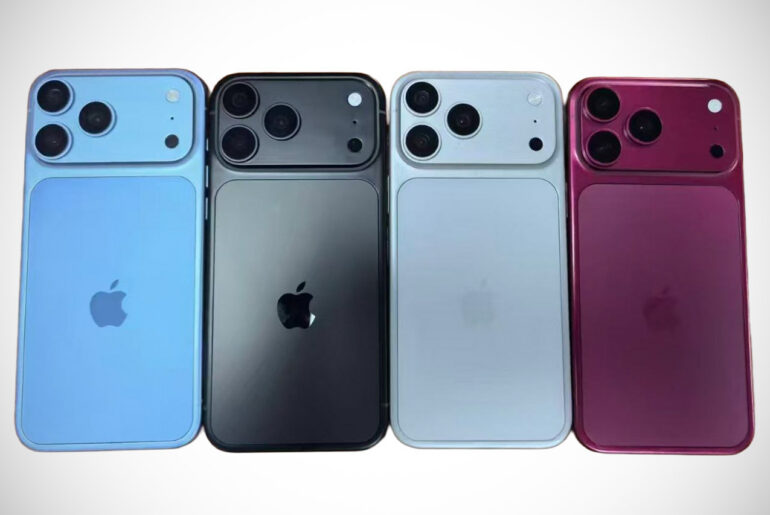
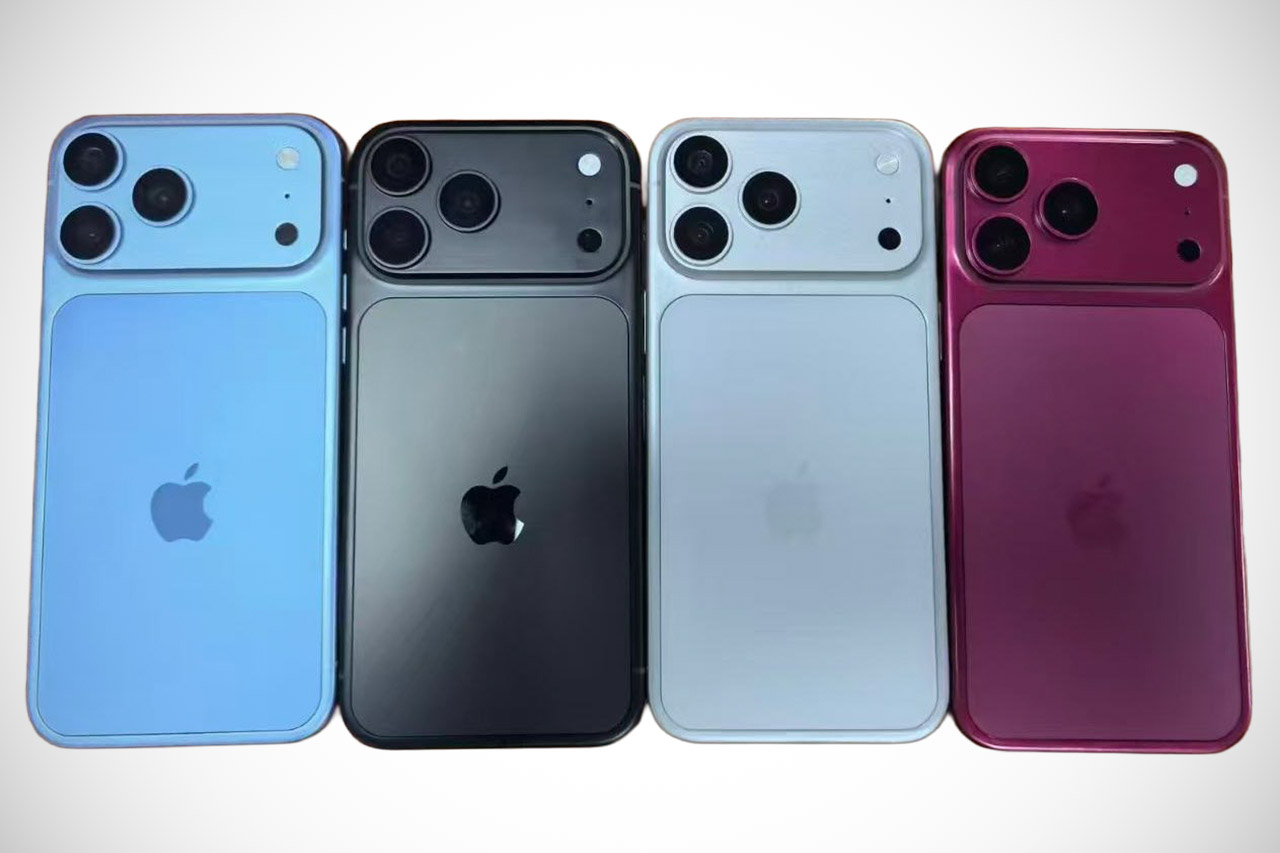
Images shared this week by longtime leaker Sonny Dickson give the first clear look at the finishes Apple appears ready to offer on the iPhone 18 Pro. Four dummy units sit side by side, each finished in a different shade and built to the same overall shape as last year’s Pro model. Four color choices stand out clearly in the shared photos.

Photo credit: Letem světem Applem
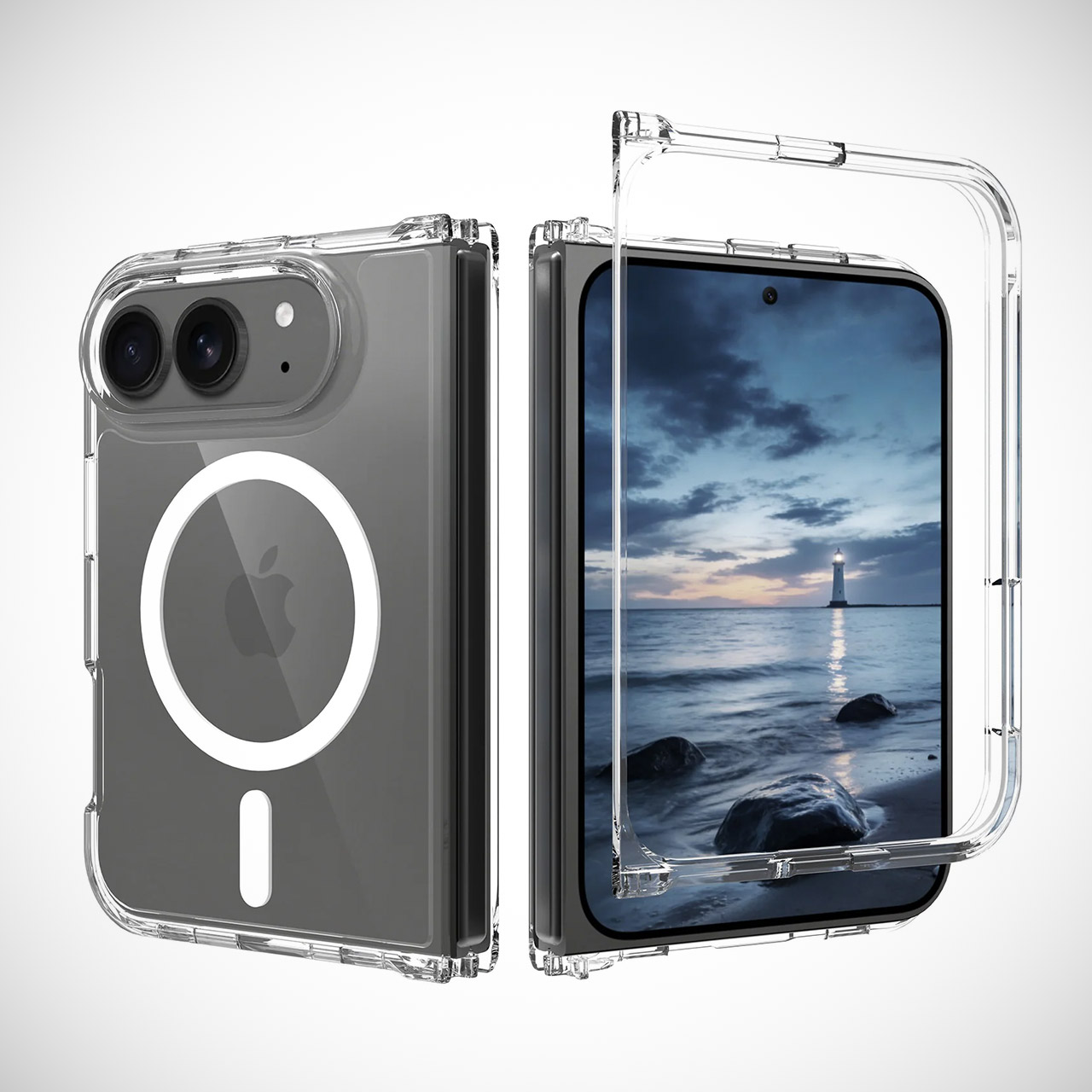
Accessory companies with direct ties to Apple have released images of rugged cases built for the company’s rumored foldable iPhone, often labeled the iPhone Ultra. These cases present the device in its folded and unfolded states from several angles, giving a solid sense of the overall shape and key features. Closed, the back carries a slim camera island holding two lenses along with a small additional sensor. Below that sits a large circular area designed for magnetic wireless charging and accessory pairing.

Photo credit: Pipfix
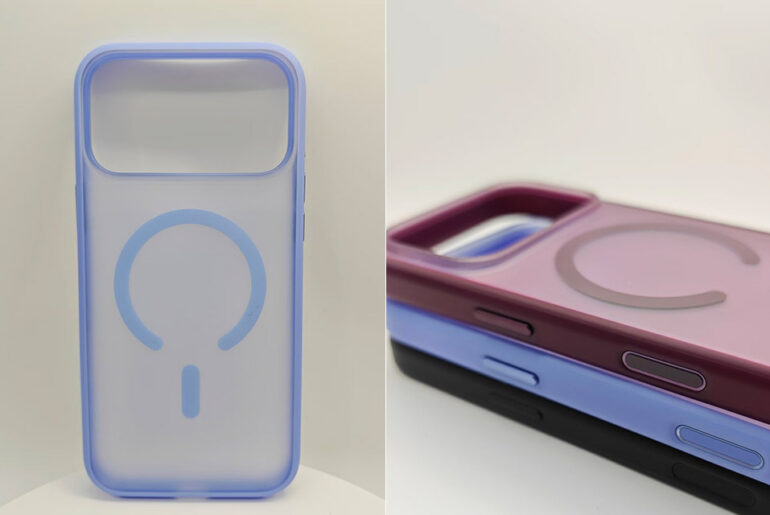
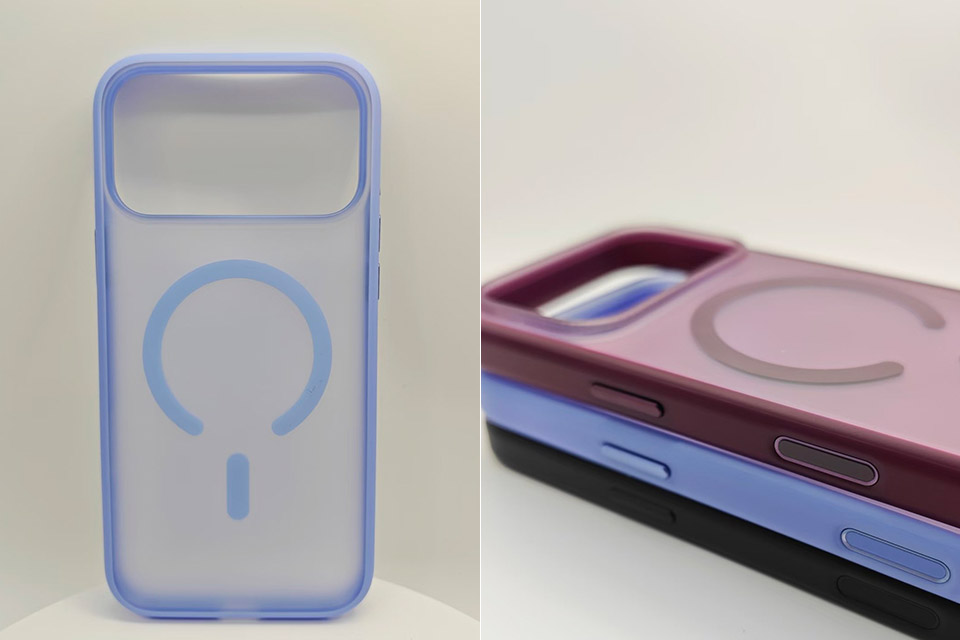
Protective cases for the upcoming iPhone 18 Pro models have now appeared in clear detail through recent leaks. These accessories give an early sense of the colors and subtle shifts Apple has prepared for its 2026 flagships. Dark Cherry stands out among the options on display. This shade brings a rich, wine-like red that feels warm and substantial rather than bright.

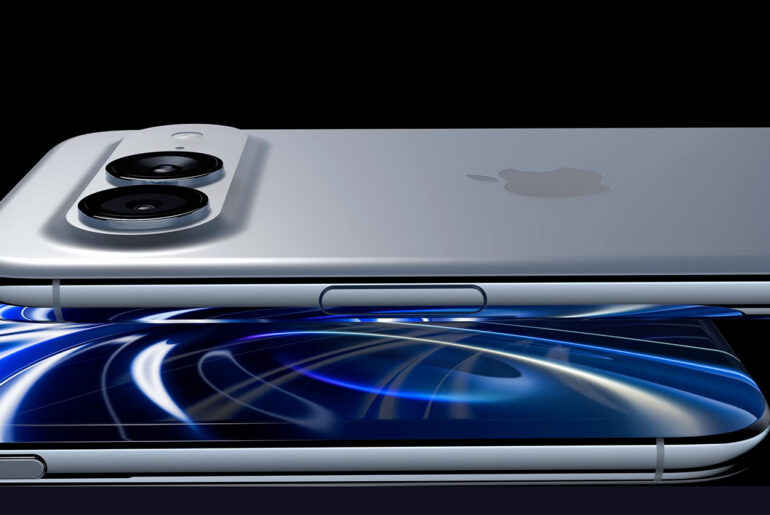
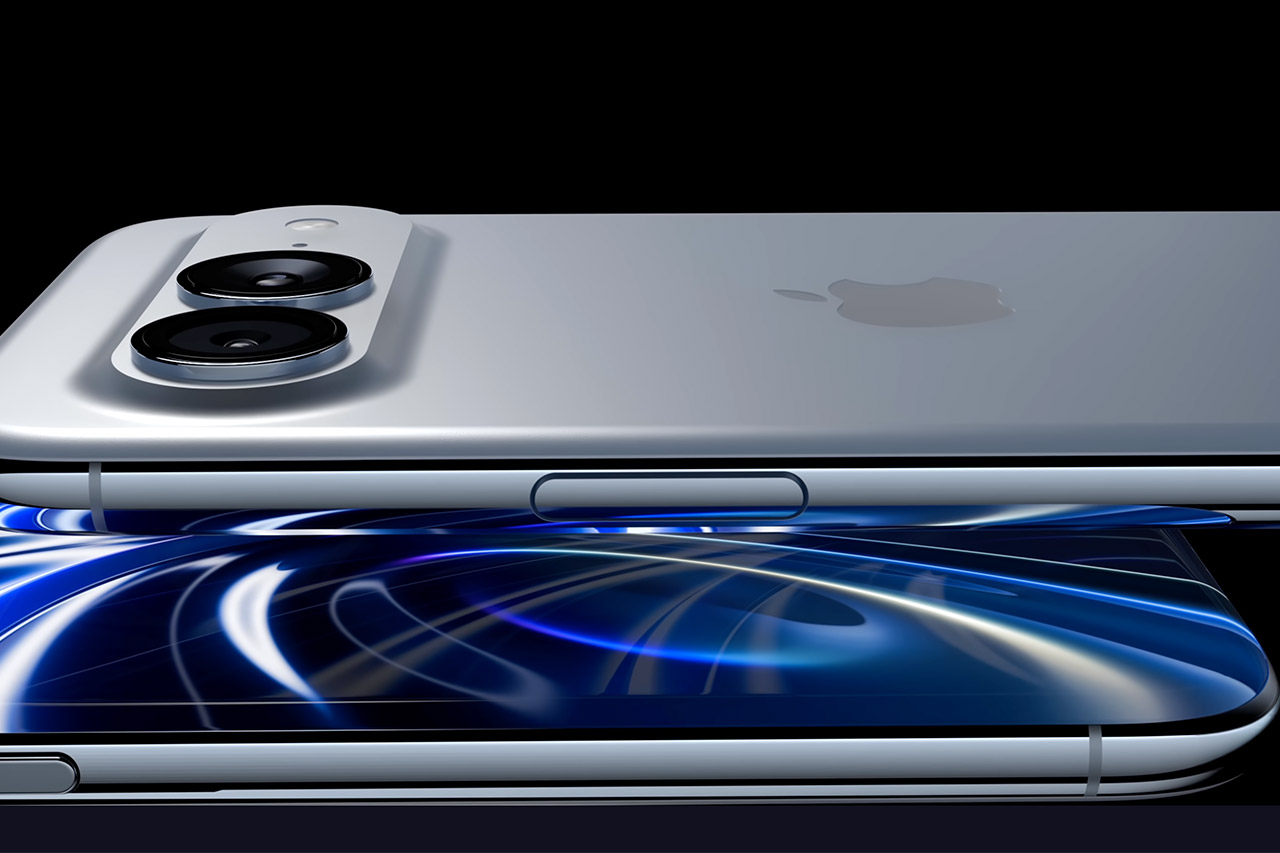
Early iPhone 20 leaks indicate a screen that curves gently along every edge of the device. This wraparound approach could eliminate the typical bezels and give the front a continuous look with no visible breaks. When combined with a full glass back, the entire handset may feel like one smooth slab held in the hand.

Photo credit: Notebookcheck
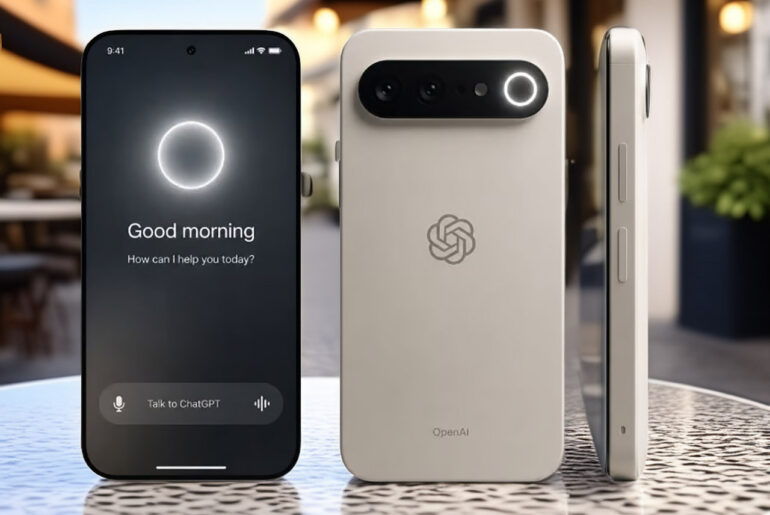
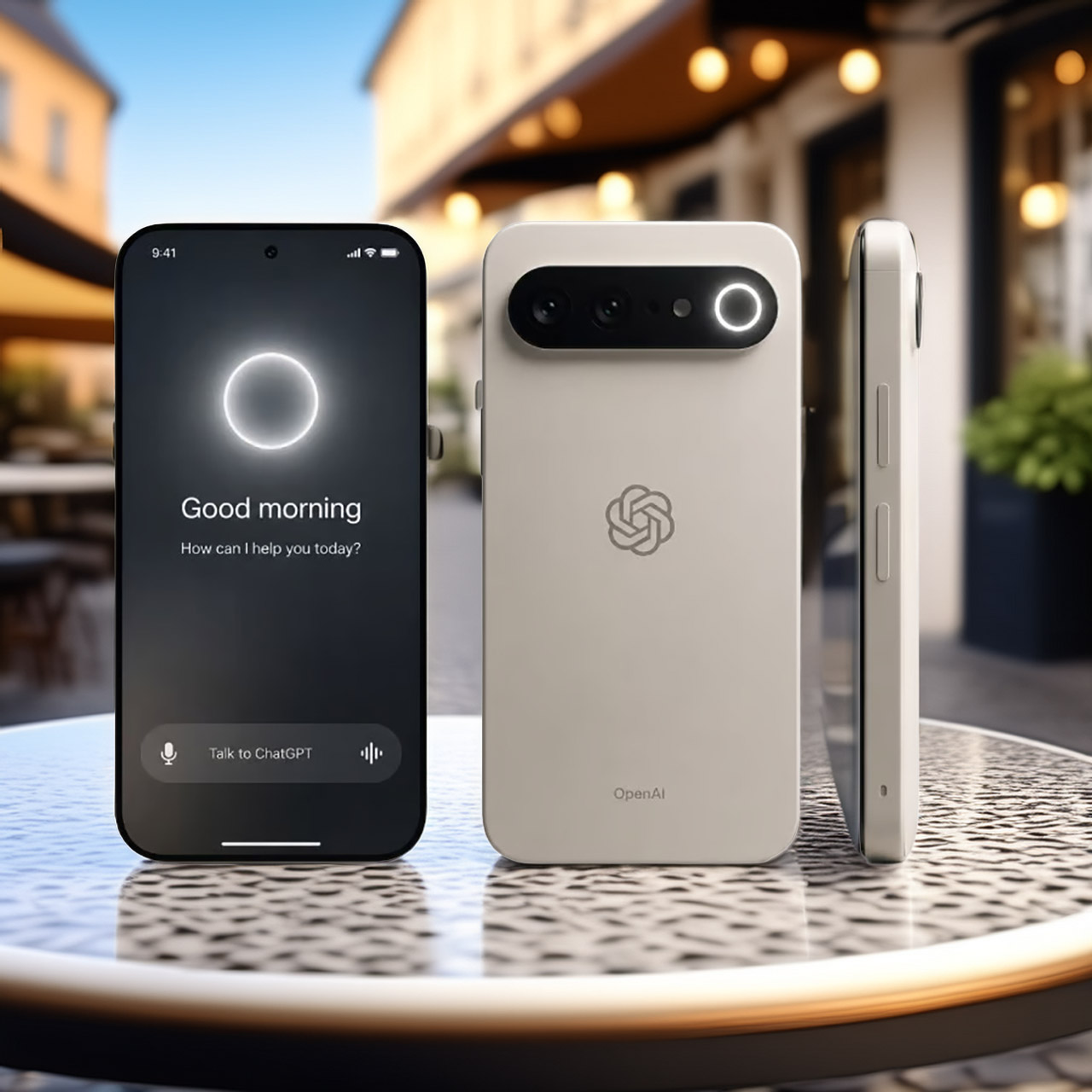
Fresh details emerged today about the smartphone OpenAI has under development. The company wants this device to let AI agents handle daily tasks directly instead of forcing users to navigate grids of apps. Analyst Ming-Chi Kuo updated his findings on the project. Mass production now looks set for the first half of 2027. OpenAI hopes to move 30 million units between 2027 and 2028. That volume would position the phone as a serious option in the premium market alongside devices like the iPhone 18 Pro and the Galaxy S27 series.