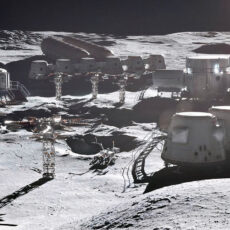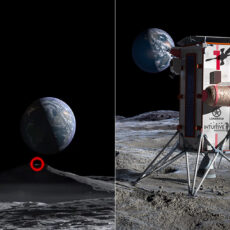

Caltech undergraduate researchers unveil LATTICE, a self-deploying modular robotic system for transporting ice as well as other materials from craters on the Moon. Put simply, the system works similar to a zip line where stakes are driven in the ground. Cables are then attached to the stakes to transport cargo in robotic shuttles.
One challenge was engineering the cables, since they had to be strong enough to carry significantly larger payloads relative to their mass and at faster speeds than can be achieved by traditional lunar rovers. The shuttles generate the tension required to lift themselves off the ground and maintain traction on their journey.
- High-Quality Optics: The astronomical telescope features 500mm(f/7.1) focal length and 70mm aperture, provides stunning views and protects your eyes.
- High Magnification: Our durable telescope for kids and adults is quipped with two excellent-quality eyepieces (25mm and 10mm) and a 3x Barlow lens.it...
- Portable and Convenient: Telescope comes with a phone adapter and an adjustable aluminum tripod. Wireless remote control and carrying case for...
LATTICE did better than we expected. We had to design a system that was lightweight and that could also drive these rods into the ground under low power, so it’s actually quite slow because of that. The remarkable thing is it seems like nothing’s happening, but then you walk away and you come back 15, 20 minutes later, and the stake is in the ground. That’s pretty cool,” said Lucas Pabarcius, Lunar Architecture for Tree Traversal in-service-of Cable Exploration (LATTICE) Team Lead.