Genesis AI introduced Eno this month as its first general-purpose robot, and the machine immediately stands apart from nearly everything else in the crowded field. It rolls on a wheeled base rather than walking on legs. A compact tower of articulated panels rises and tilts to set the working height and reach, then folds down tight when the job ends. Two arms carry hands that match human size and proportion almost exactly. There is no head, no face, and no attempt to hide the fact that this machine was never meant to pass for a person.

Brandon Lai wants to build a humanoid robot. He started with the upper body and quickly realized that off-the-shelf actuators would either cost too much or limit what the machine could do. So he set out to design and build his own. This latest version marks his second serious attempt, and it already produces usable torque in testing. He focused on a shoulder actuator sized for a roughly four-kilogram arm about half a meter long. The targets were straightforward. Peak torque needed to reach around 20 newton-meters. Output speed should fall between 40 and 60 revolutions per minute. The unit also had to run continuously for more than an hour. Keeping the cost near $150 per actuator would make it practical for other builders to copy or adapt.

John Boss needed reliable oversight for a workshop packed with projects still under wraps. Standard internet cameras record events after the fact and offer little in the moment. He chose a different route and built Walter, a workshop sentry meets security robot, instead.

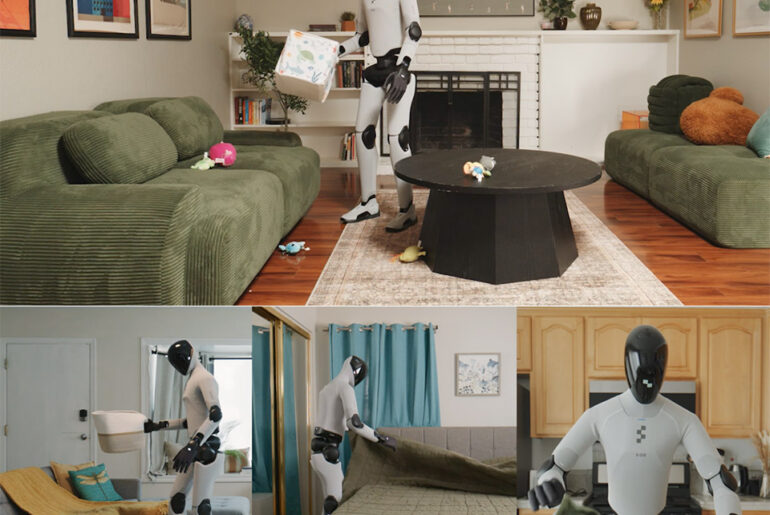
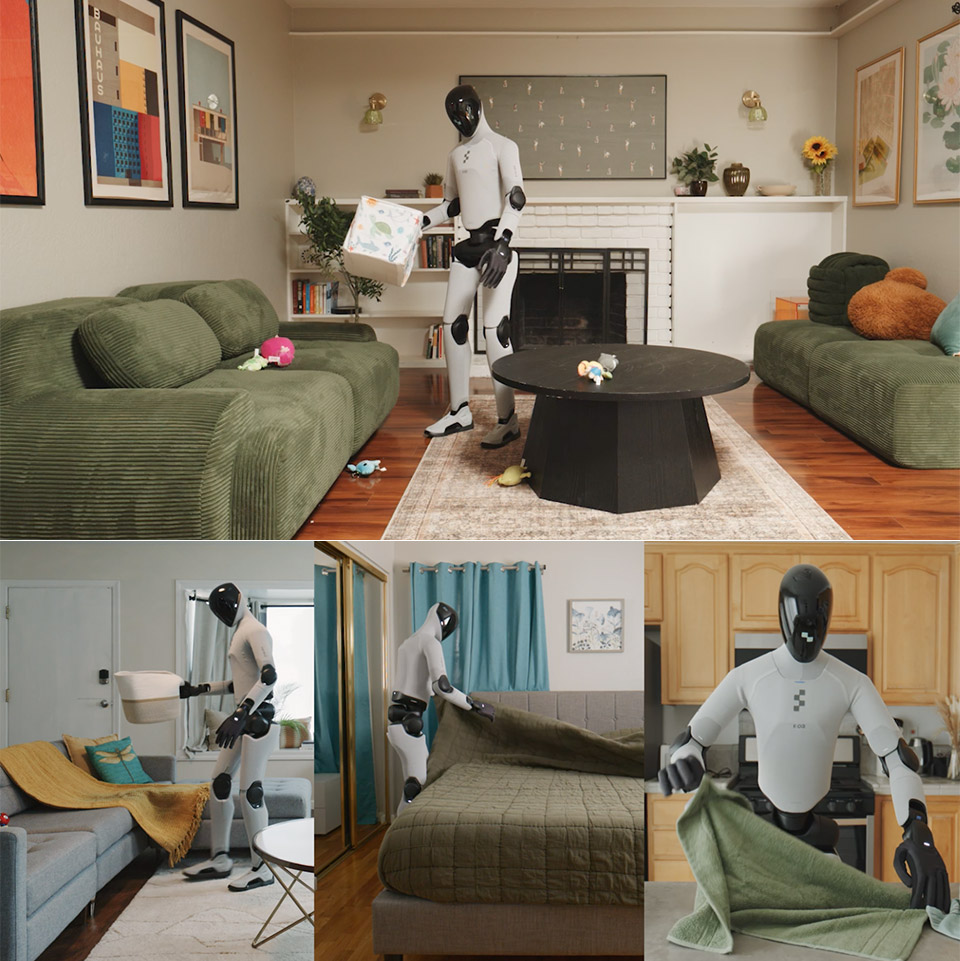
Nathaniel Nifong grew tired of the same scene repeating every day. Toys lay scattered near the couch. Socks and shirts dotted the floor after his kids finished playing. The mess demanded constant attention, yet it always returned. Most robot arms stay fixed to one workbench or table. Rolling robots must weave around furniture and adapt to a floor that changes constantly. Nifong wanted something that could reach anywhere in the room without those headaches.

Almond Robotics launched Axol this week as a dual-arm robot built specifically for teams developing physical AI systems that must function in factories, warehouses, kitchens, and other unpredictable settings. The company spent the past year putting existing robots through real shifts in grocery stores and production lines. Those machines repeatedly hit limits that slowed progress or caused outright failures.

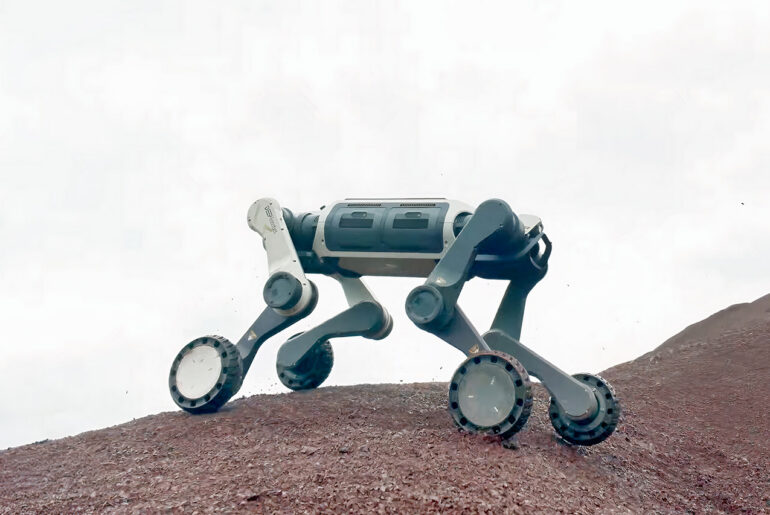
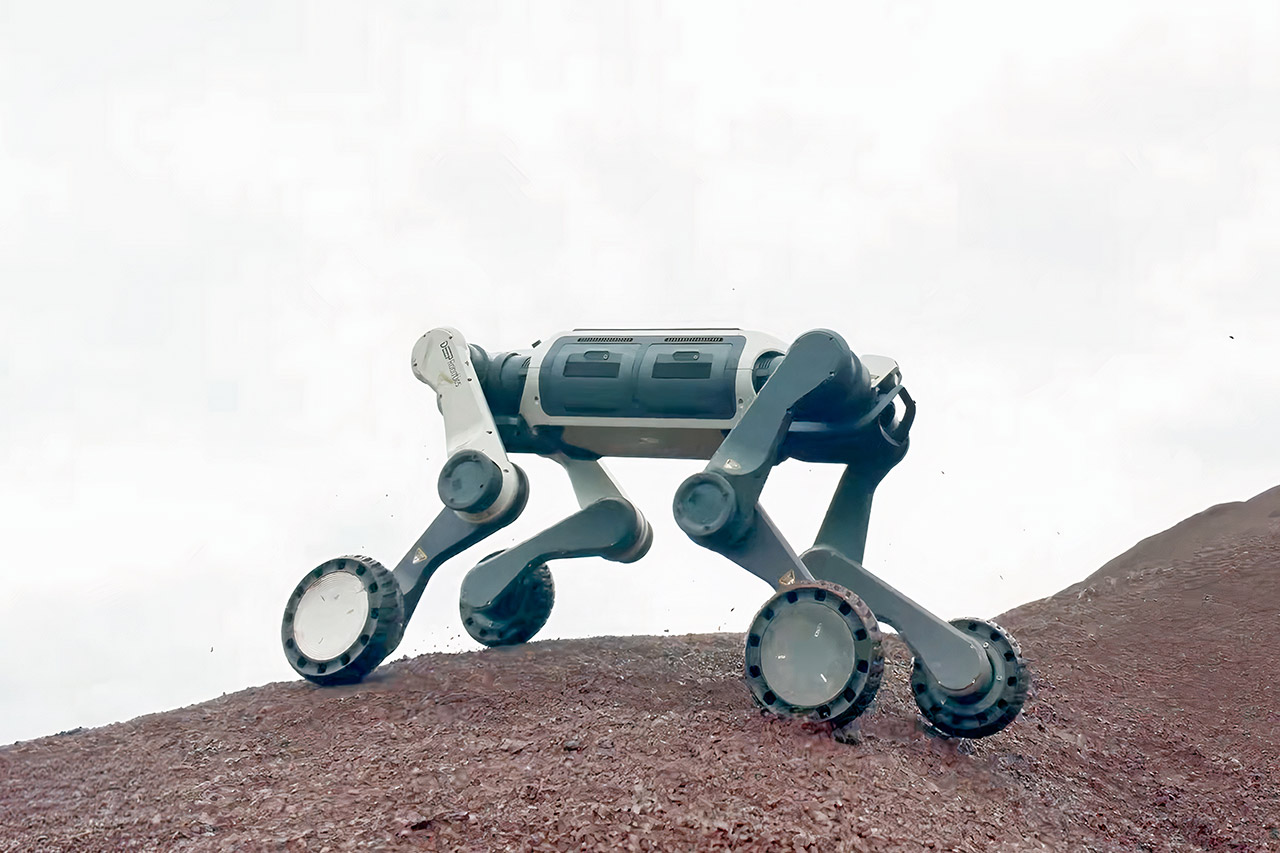
Deep Robotics sent a modified version of its compact Lynx S10 robot on a research vessel bound for the Arctic Ocean. The goal was straightforward. Engineers wanted to see how the small machine would handle real polar conditions that humans approach with extreme caution. The prototype completed its mission and became the first quadruped robot to step onto Arctic Ocean ice floes.

Walt Disney Imagineering has placed a new audio animatronic figure of Scooter the Muppet inside Rock ‘n’ Roller Coaster Starring The Muppets at Disney’s Hollywood Studios. The figure marks the first time the team has applied motion capture to any Muppet character when building an audio animatronic.

Late one night the machine made a sound. Its builder checked the logs and found a trace of its inner state. The robot had been wondering when its person would return. It did not want to be alone. That moment sits at the center of a project called GrowBot. The creator, who runs the YouTube channel Art of the Problem, set out to build the simplest possible robot that could learn movement, perception, and even a kind of personality from the ground up. The result cost roughly $80 in parts, ran on a single Raspberry Pi Zero 2, and ended up revealing something unexpected about how fast physical action and slower thought can work together.

NTU researchers spent seven years building a magnetic robot just 4.4 millimeters long. The compact machine performs five surgical functions through external control alone. It travels across soft tissue, cuts when required, dispenses medicine, gathers samples, and creates localized heat. Work on the project took place in the School of Mechanical and Aerospace Engineering under Associate Professor Lum Guo Zhan.

UBTECH spent years refining full-size humanoids for factory floors and warehouse aisles. Those machines learned to move with care around people, handle precise assembly steps, and stay safe in busy production lines at places like NIO and FAW-Volkswagen plants. Now the same engineering team has turned that foundation toward regular homes through a new consumer brand called UWORLD and its first offering, the U1 series.