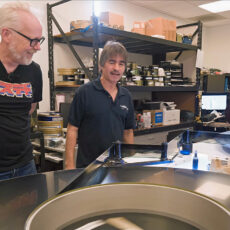
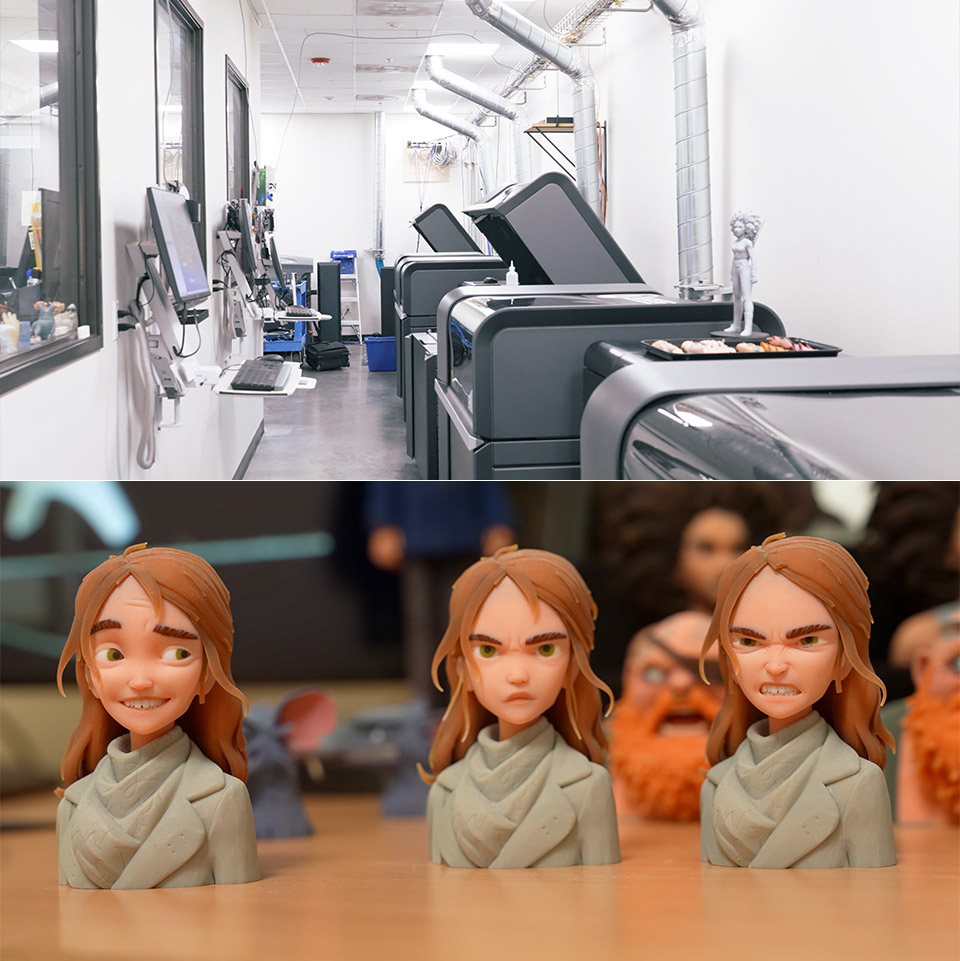
Adam Savage stands in Laika’s rapid prototyping room holding a small box. Inside sit dozens of tiny faces of Prue, the girl at the center of Wildwood. Each one carries a single tear sliding down a cheek. One second of her crying on screen required twenty four of these printed faces. Drop the box and you lose a full second of emotion forever.
That single box represents only a small portion of the studio’s total production, since over 142,000 cut out faces were used in this film alone, despite the fact that Laika originally experimented with this concept on Coraline in 2009. The early batch came out of the machines as plain plastic, and they had to hand paint the colors on themselves. Now, however, the color is baked into the print from the outset.

- High-Speed Precision: Experience unparalleled speed and precision with the Bambu Lab A1 3D Printer. With an impressive acceleration of 10,000 mm/s...
- Multi-Color Printing with AMS lite: Unlock your creativity with vibrant and multi-colored 3D prints. The Bambu Lab A1 3D printers make multi-color...
- Full-Auto Calibration: Say goodbye to manual calibration hassles. The A1 3D printer takes care of all the calibration processes automatically...
Brian McLean, the person in charge of the rapid prototyping department, explains that the machines use a technology known as PolyJet. They simply draw down layers of liquid resin, each thinner than a human hair, and then harden them using UV light. Support substance is squirted into each crevice to prevent sagging or marking. Once that’s rinsed away, the surface becomes silky smooth, suitable for a close-up on a movie screen. That support layer also offers the surface a beautiful subtle roughness, ensuring that the finished faces do not look like raw plastic.
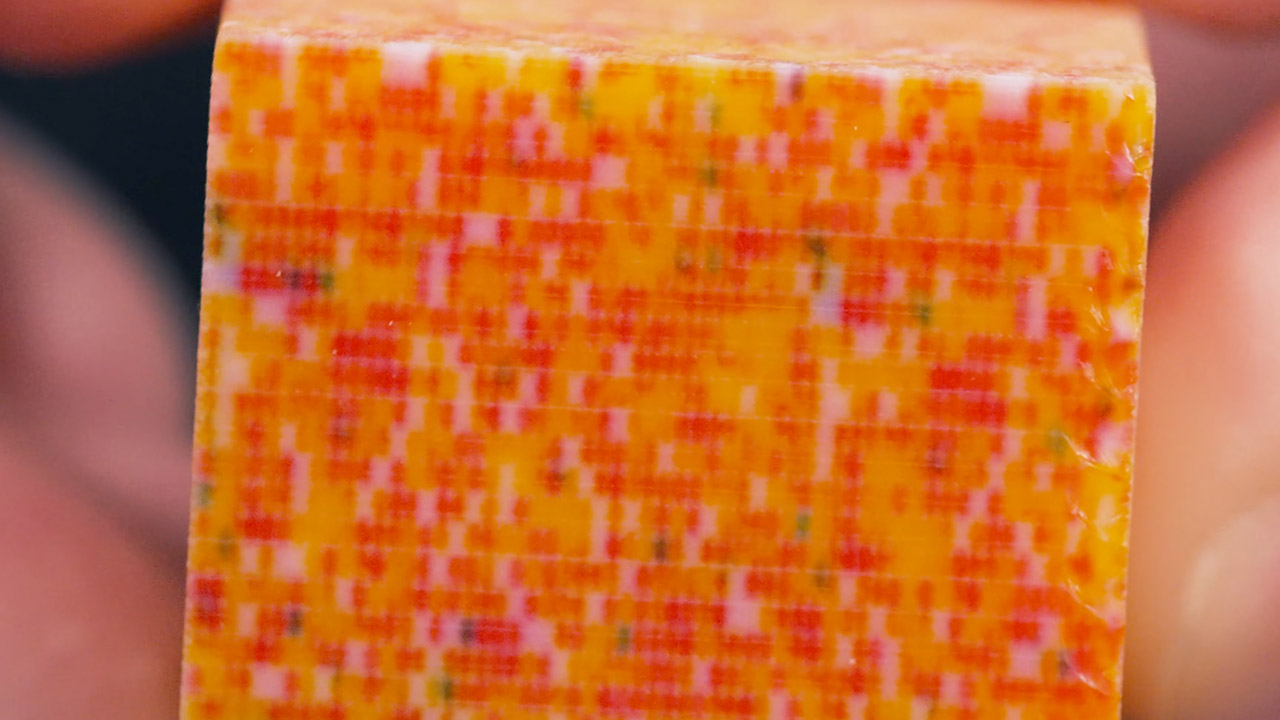
Color comes in the form of tiny small cubes known as voxels. A single cubic inch has an insane 330 million of them. The painters get to choose not only the color of each little cube, but also whether it is clear or cloudy. This allows them to produce skin that scatters light in the same manner that actual skin does. Eyes are printed with clear resin lenses, and tears come out clear and ready to catch the light. A small amount of gloss is applied by hand afterward, but the essential shape and trace of the rip are baked in from the beginning.
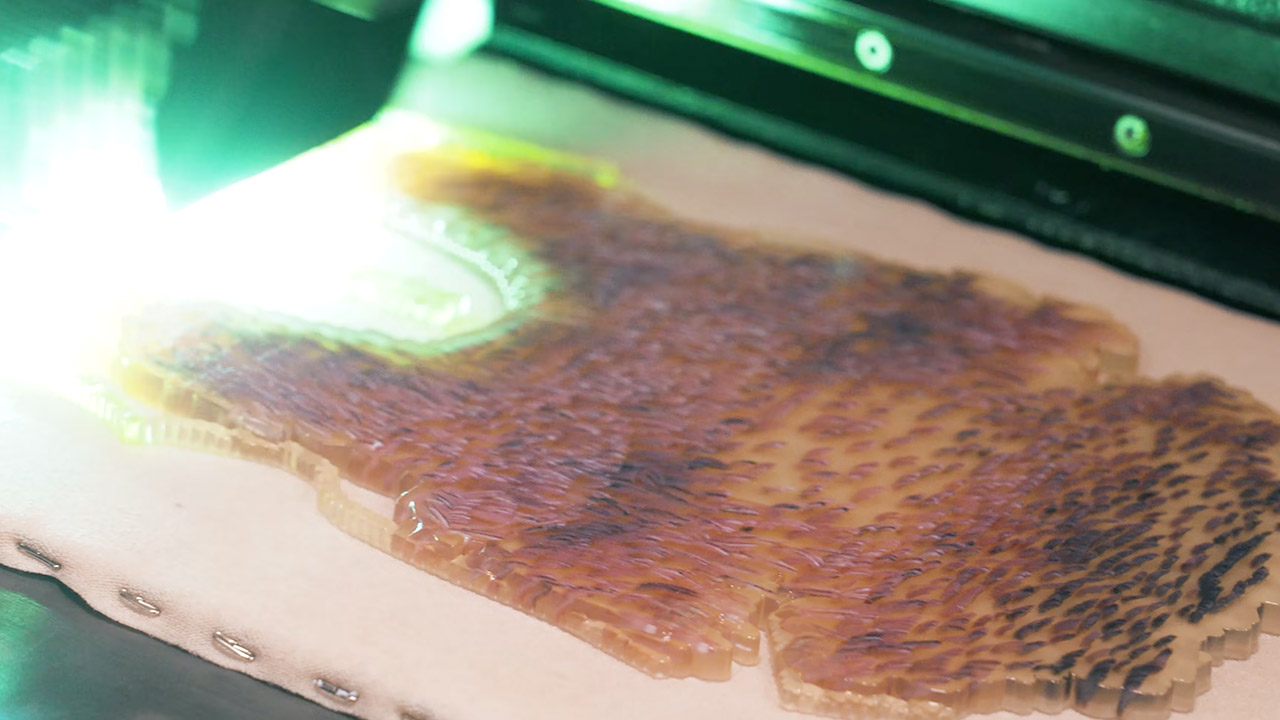
Matching colors between a computer screen and the finished print took years. Screens show one form of red, while printers show another. McLean and his crew spent years figuring out their palette and creating methods to help the colors merge nicely. They employ software called Cuttlefish from the Fraunhofer Institute in Germany, which essentially converts digital models into the exact instructions required for Stratasys printers. They used that mix on Missing Link and polished it further on Wildwood. For years, they were the only studio in the world with access to both.
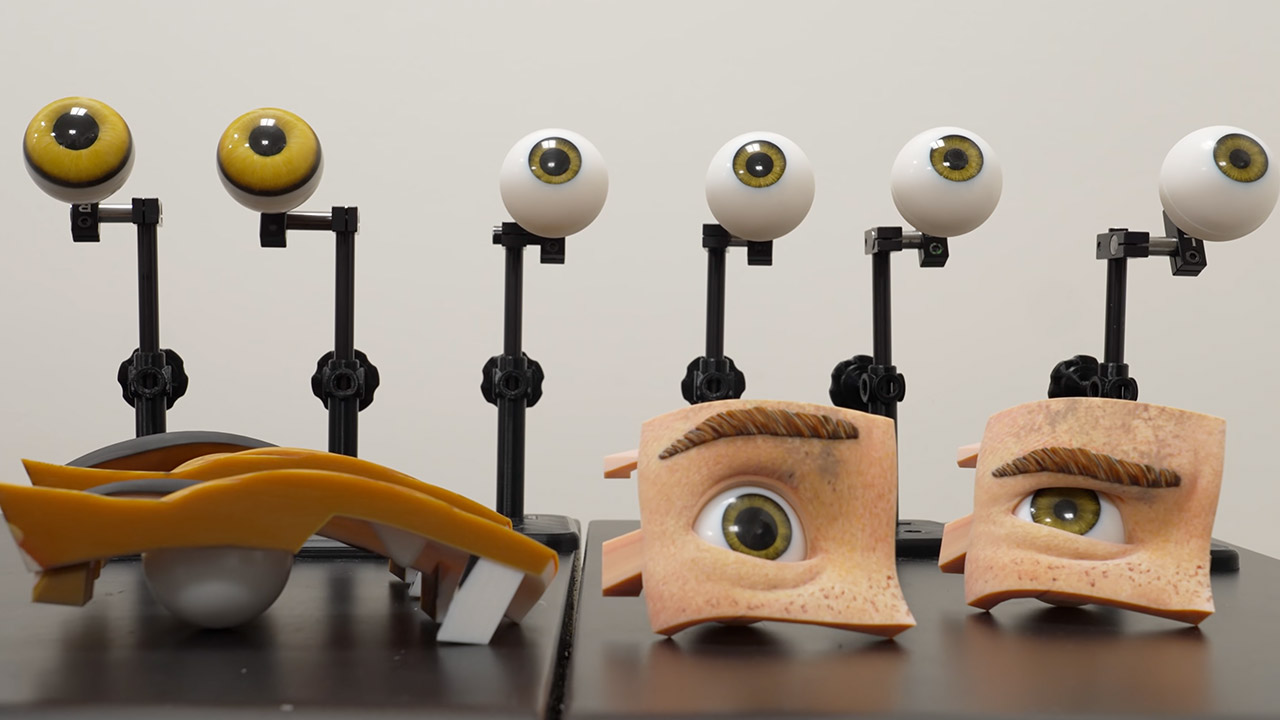
The team is now focused on testing more than simply looks. They print flexible polymers to create muscles within solid forms. Hard spines and soft tissue emerge as one piece. They even print onto special silicone sheets to combine plastic and fabric. Fur experiments attempt to get the strands to hang just so, like actual hair would. Sometimes it works, sometimes it doesn’t, as the printers are modified and the design changes. You can end up having two or three people working on the same material for weeks to get it correct on a puppet.
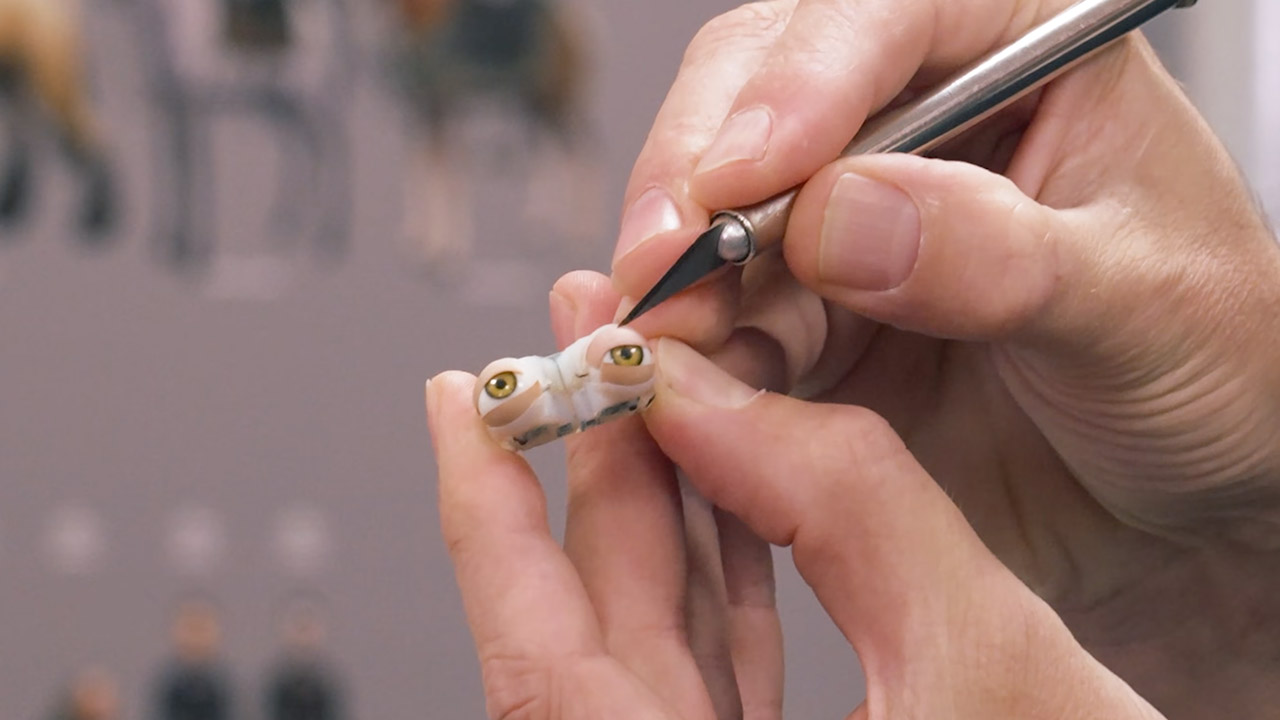
Everything points to one obvious goal. It makes performances feel authentic even when the camera is up close. In a single photograph, you capture a tear moving, skin reacting to light, and a face that can express pain or surprise. McLean reminds out that every printed face is eventually touched by people. The painters ensure that the consistency is good. They apply a little sheen to make it appear its best.
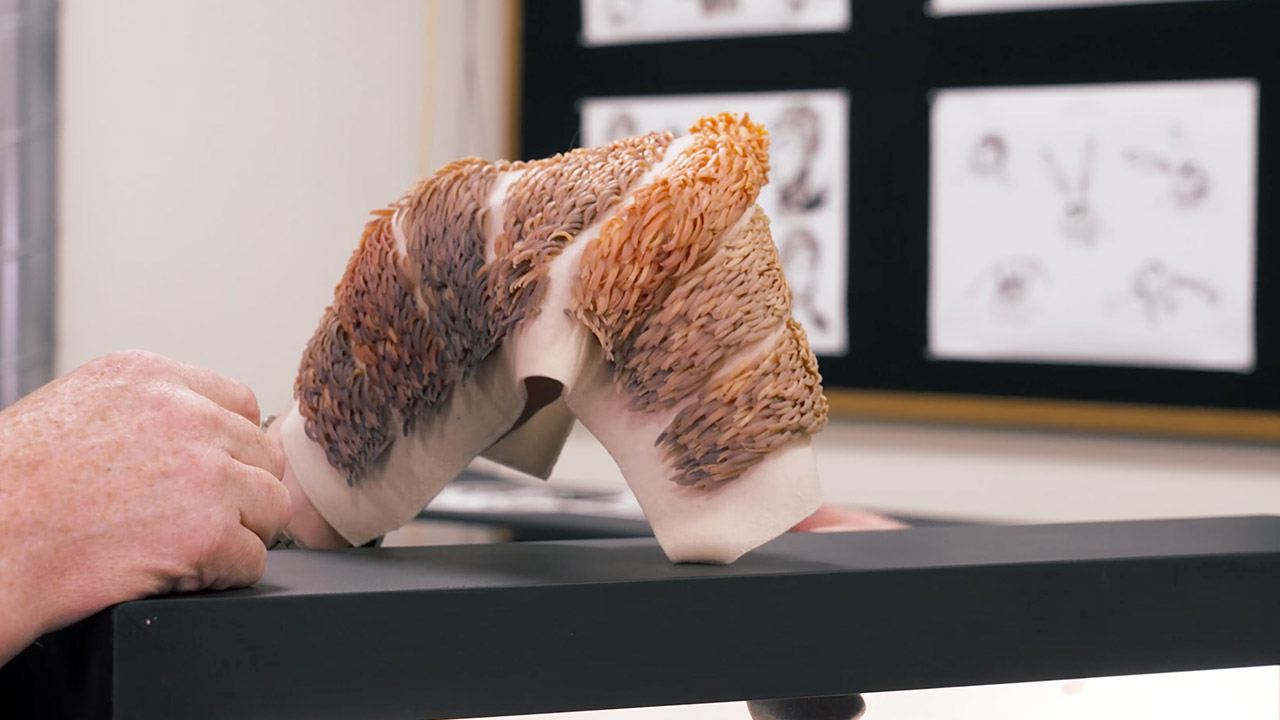
They even run tests to ensure that it can withstand weeks of rough handling on stage. Machines enable the production of large numbers, but people bring the feeling to life. Savage walks out of the room, clutching the printed faces and flipping them over to examine them. It takes an entire tray of plastic faces to capture one second of a female crying, and that’s only one short clip. If you compound that by the length of a full film, the numbers become really mind-boggling.