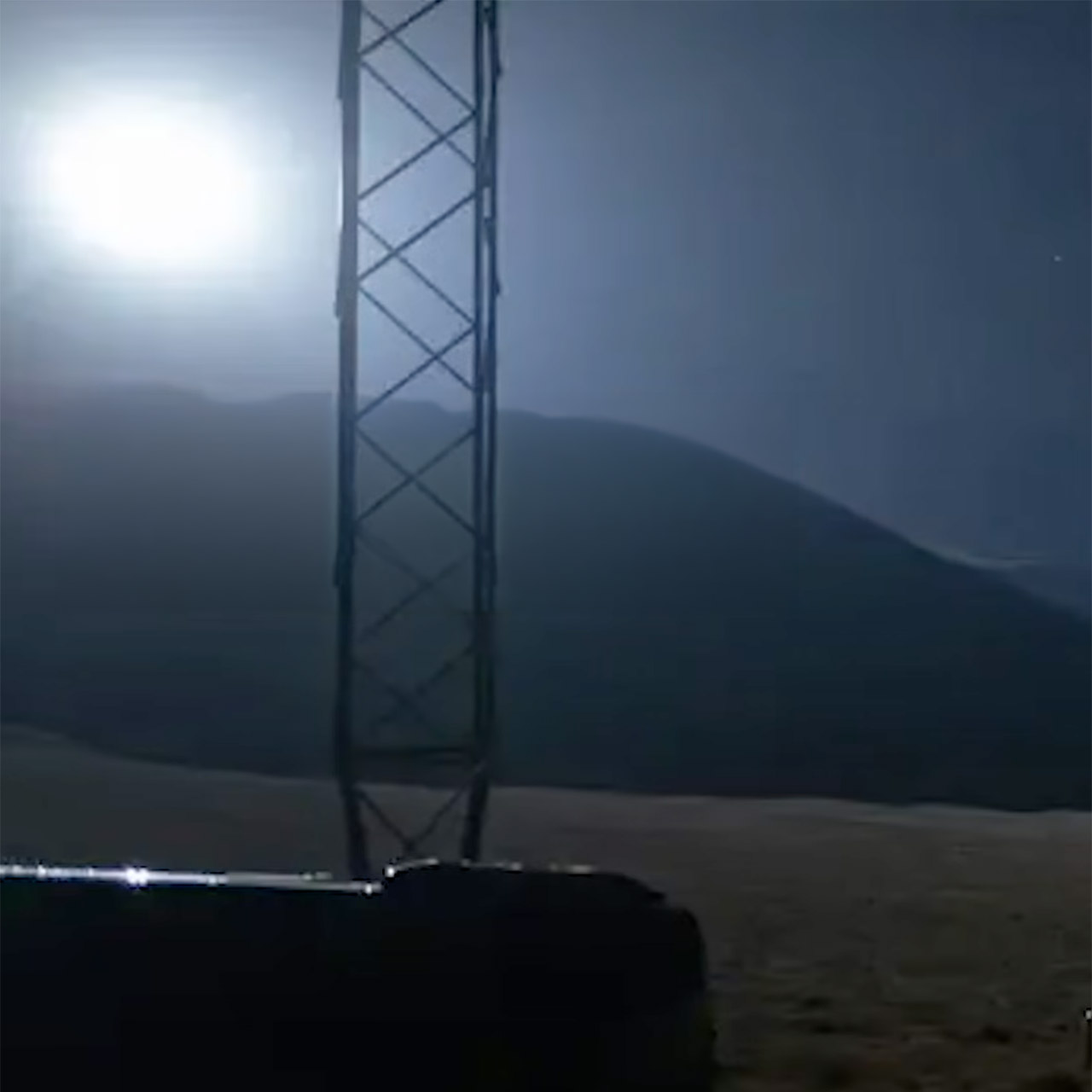
South Korea’s hills once stood where steel skeletons now climb toward the sky. On a July morning last month, a small group of visitors stepped onto ground that crews had flattened from mountains. What rose around them was the first section of what SK Hynix calls the largest memory factory complex on Earth. Walls already reached halfway up a structure planned to match a 50-story apartment tower. Six cleanrooms will stack inside that single building, connected floor to floor. Production is set to begin in February.

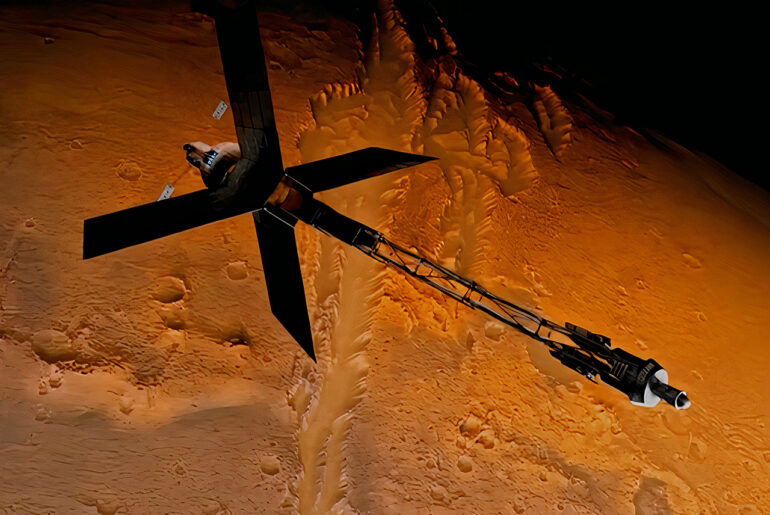
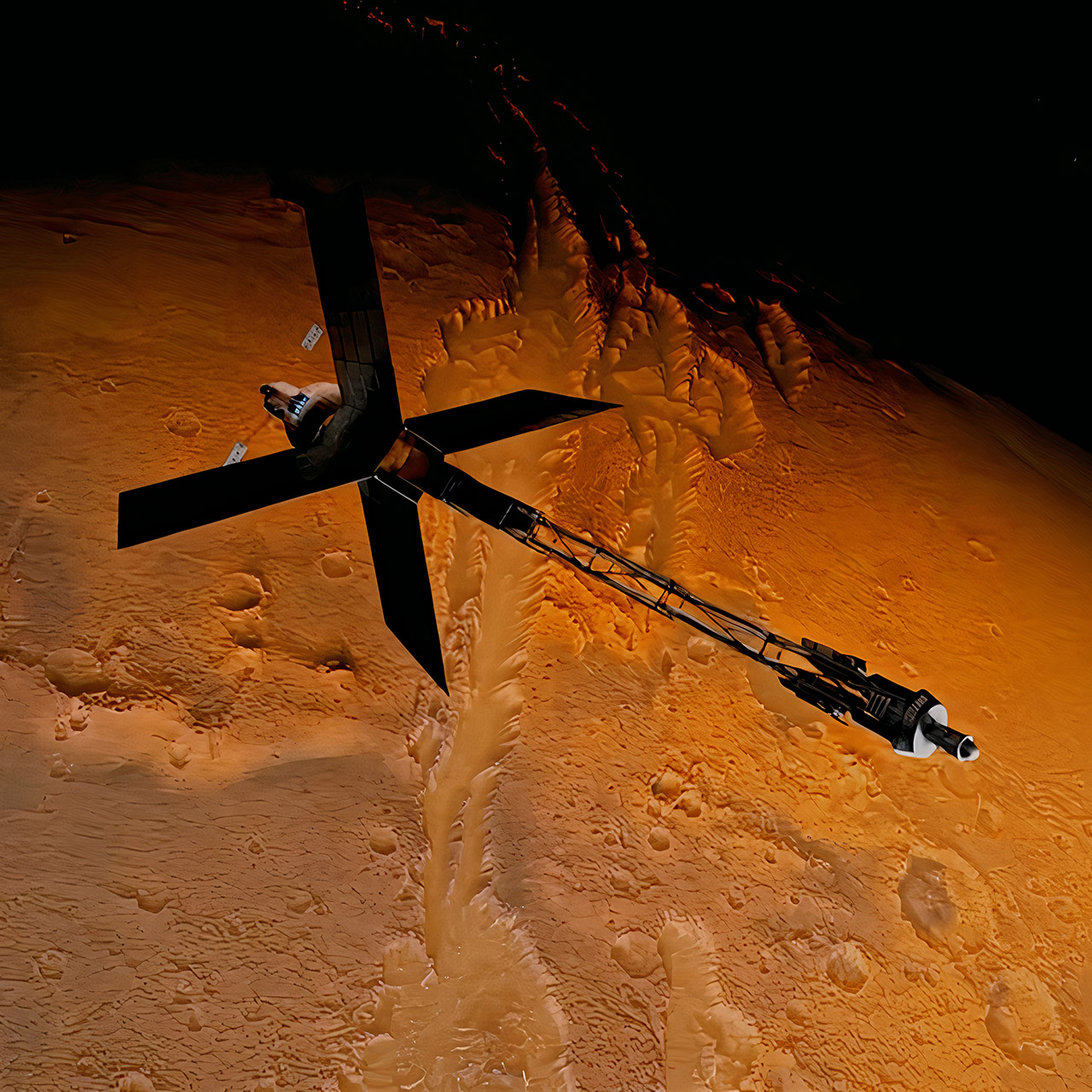
NASA’s Perseverance aimed its SuperCam laser at ordinary looking pale rocks scattered along the rim of Jezero Crater and the returning light carried a clear signature of something never confirmed on Mars before. Chromium bearing corundum showed up in the data, the same crystalline aluminum oxide that forms rubies and sapphires on Earth.

AI factories keep getting bigger. Rows of servers packed with GPUs need to pass enormous amounts of data back and forth without slowing down or overheating the building. For years the network that moves all that data has relied on separate optical modules plugged into the face of each switch. Those modules convert electrical signals into light, send the light through fiber, then convert it back again. They work, but they draw a lot of power, add heat, and introduce more points that can fail.

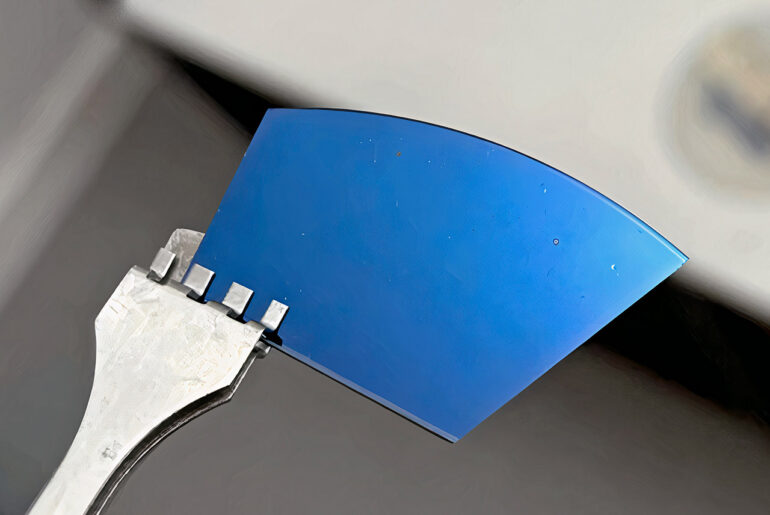
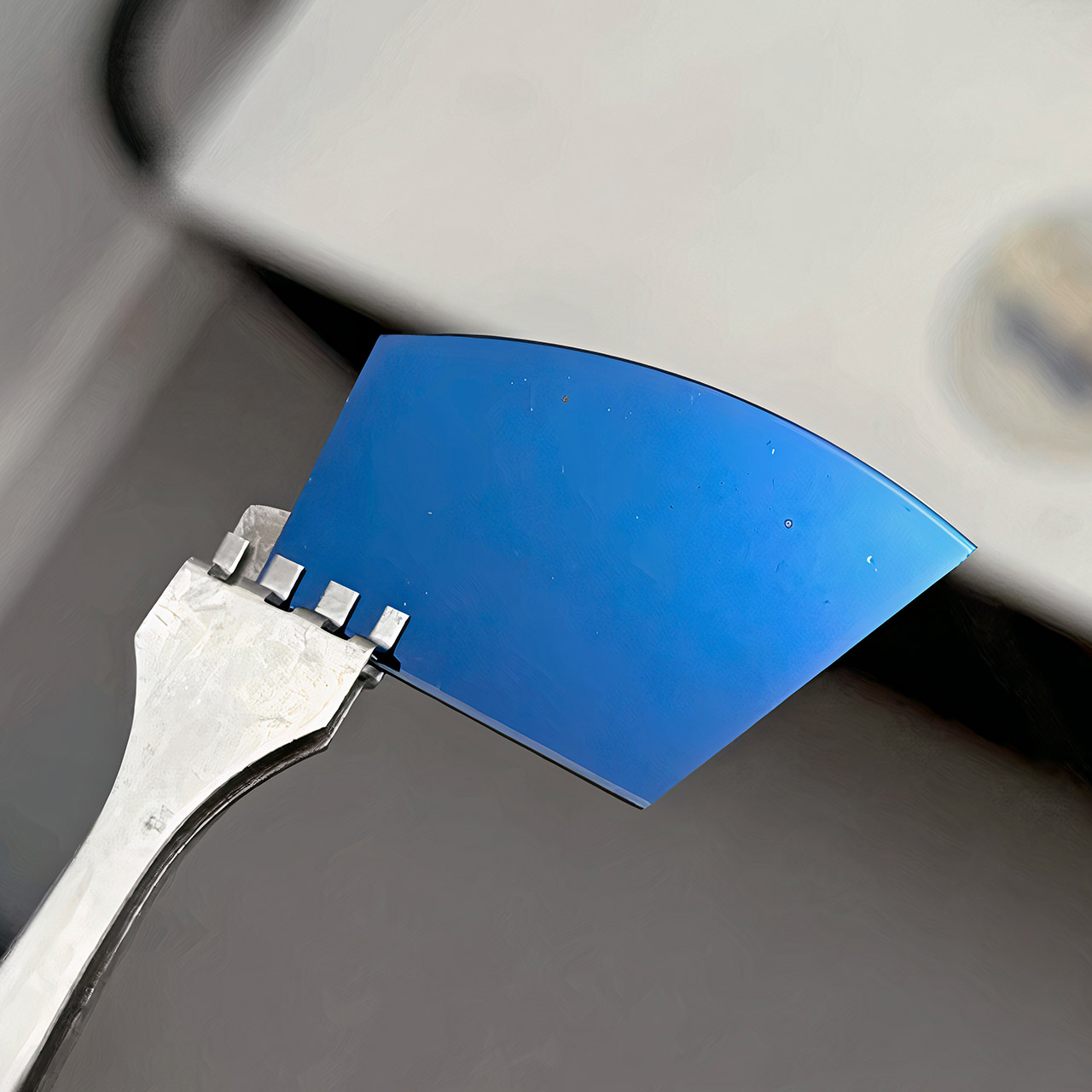
Samsung spent plenty of time at launch talking about Flex Titanium on the Galaxy Z Fold8. The company described a dual-layer shield of titanium alloy film and plate sitting right behind the main folding screen, thin enough that the film measures about one-third the thickness of a human hair, stiff enough to cut crease depth and raise durability. After Zack Nelson’s durability test showed the inner panel still scratching at Mohs level 2 with deeper marks from a fingernail, the obvious next question was whether any of that titanium actually existed.
![]()
Wrist computers keep getting smarter, yet most still wait for you to ask before they do anything useful. Google’s Pixel Watch 5 flips that expectation. Revealed today, the fifth generation leans hard into watching over you without constant prompting, pairing sharper hardware with health tools that stay alert in the background and a version of Gemini that surfaces help before you even raise your arm.

Travel used to mean a tangle of bricks and cables pouring out of every suitcase. Laptops require their own big adapters, phones require another, while tablets and earbuds occupy separate compartments of the suitcase. UGREEN’s Nexode Pro 160W GaN 5-Port charger, priced at $59.99 (was $90), ends that ritual with a single compact block that handles nearly every device you carry.

Insta360 just launched the X6, and the company is treating it like a full replacement for the gear most people carry on trips, rides, and everyday outings. One compact body now handles full 360 capture, locked-on subject tracking in flat video, and single-lens action shooting. Switch between the three with a tap. The camera then analyzes the footage on its own and delivers finished clips before you reach for your phone.
![]()
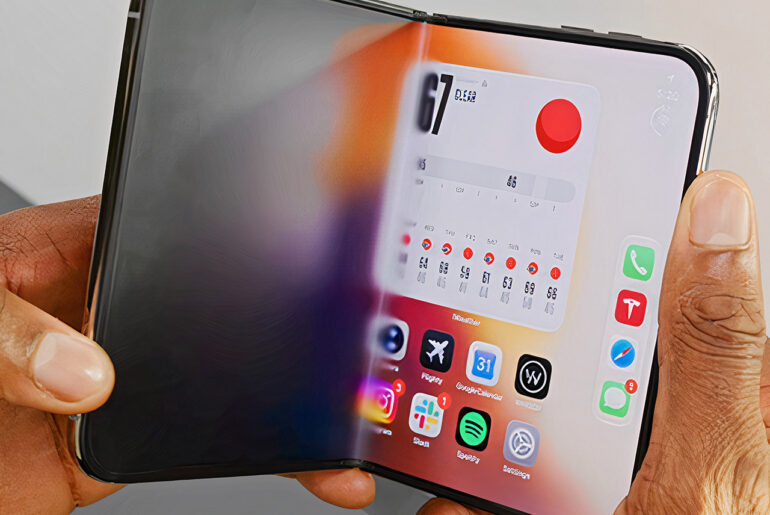
Google spent this morning revealing the Pixel 11 Pro Fold, and the biggest news may be how carefully the company stayed the course. After months of speculation about radical redesigns, the new phone arrives as a careful refinement of last year’s model rather than a complete reinvention. It is lighter, a little thinner, brighter on both screens, and built to take more of a beating, all while carrying a higher starting price of $1,899.

Astronomers released the largest two-dimensional map of the universe ever assembled this week. The DESI Legacy Imaging Surveys catalog spans roughly three-quarters of the sky and holds nearly four billion stars, galaxies, black holes, asteroids and other objects captured across visible and near-infrared light. Its total resolution reaches 5.6 trillion pixels.

BLUETTI’s Elite 30 V2, priced at $219 (was $299), arrives as one of those rare small power stations that feels useful the moment you pick it up. At just under 10 pounds and measuring roughly 9.8 by 7 by 6.6 inches, it slips into a larger backpack, the trunk of a car, or a corner of a campsite without demanding attention. A molded handle makes carrying it one-handed straightforward, and the overall size stays practical for daily travel or emergency kits.