China pulled off a clean recovery of a rocket booster during an actual trip to orbit on July 10, and it did so with a system no other country has tried before. The Long March 10B lifted off from the Hainan commercial space launch site carrying a satellite. Roughly six minutes after the upper stage separated and continued upward, the first-stage booster flipped around, fired its engines to slow down, and settled onto a floating platform anchored offshore.


Jake Laser grew up watching his father face constant barriers from a wheelchair. Multiple sclerosis had attacked nerve signals to his legs decades earlier, ending a life that once included marathon running and hiking as a chemical engineering professor. Simple outings turned complicated fast. Stairs and curbs created hard stops that no standard chair could clear.

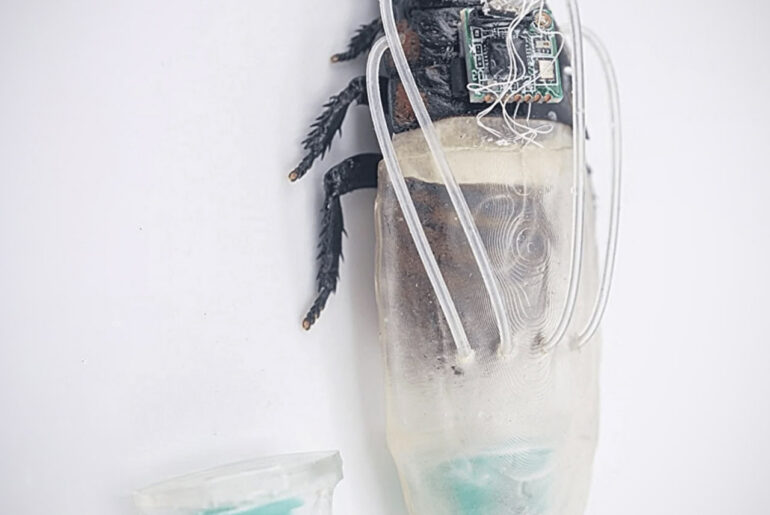
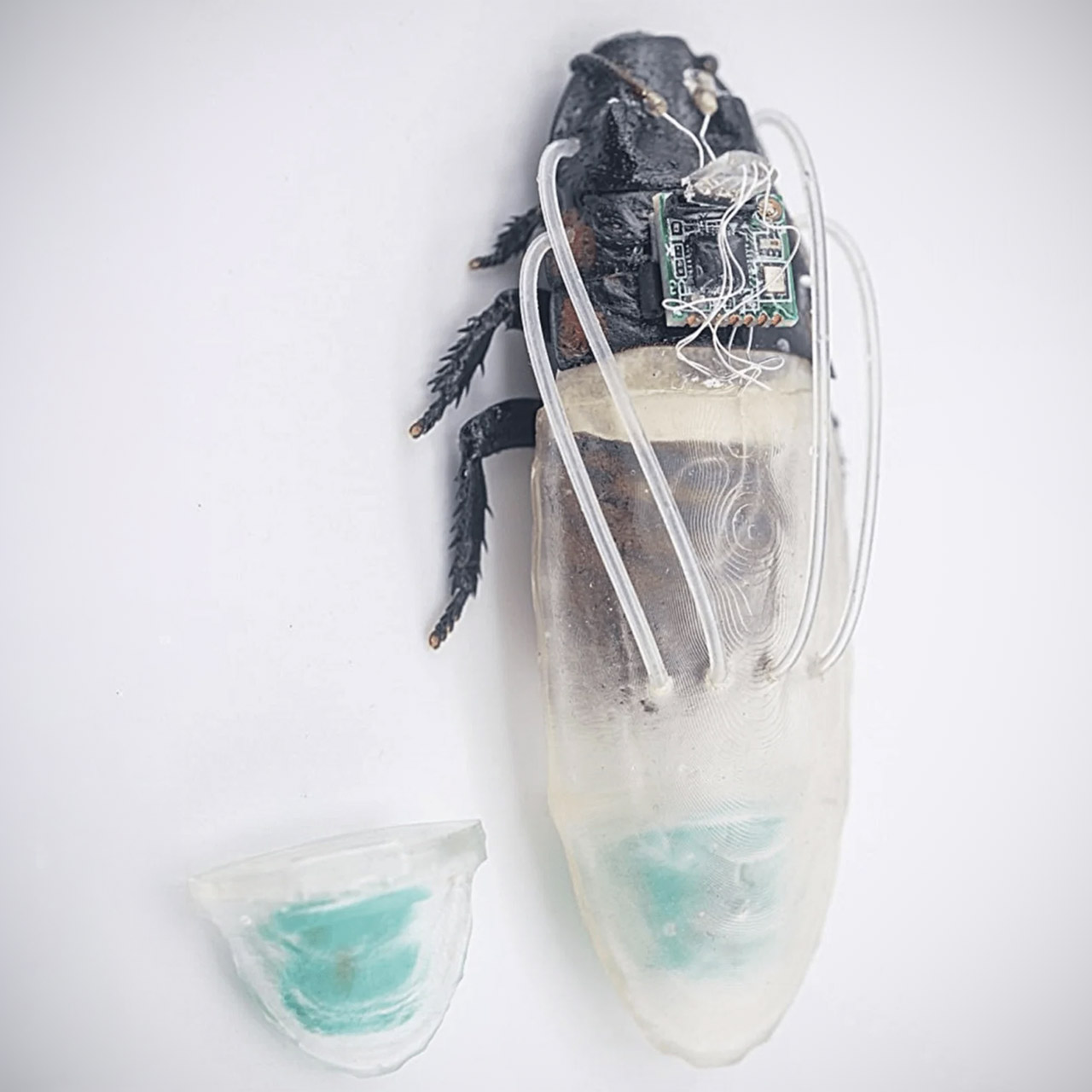
Engineers at Nanyang Technological University in Singapore, working with colleagues at Waseda University in Japan, have added a working underwater capability to remote-controlled cockroaches. The insects already carry small electronic packs that let operators steer them through rubble and tight spaces. A new 3D-printed attachment now supplies oxygen so the same insects can keep moving when those spaces fill with water.

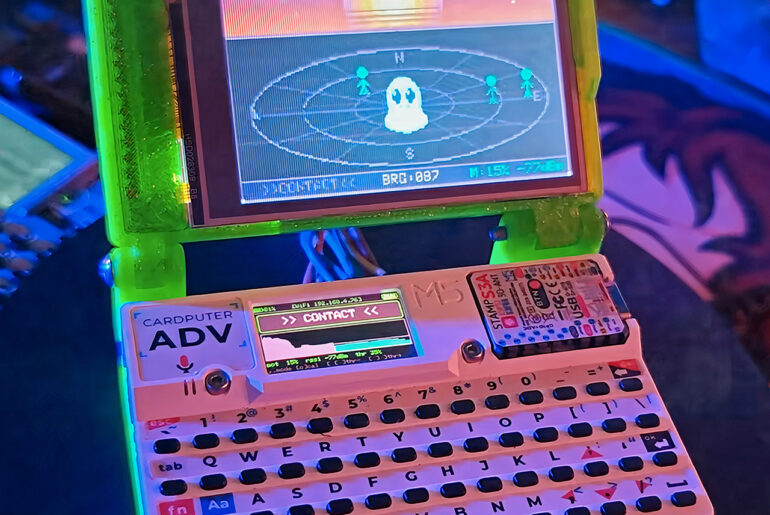
Makers assembled a compact handheld unit that listens to standard wireless network signals and converts subtle shifts in those signals into a real-time radar display of nearby human activity. The entire system fits comfortably in one hand and comes together for roughly fifty dollars in parts. Movement registers even when walls or other barriers stand between the device and the person. No camera, no infrared sensor, and no dedicated motion detector appears anywhere in the build. Instead the unit taps into Channel State Information (CSI) carried by ordinary Wi-Fi traffic in most homes and offices.

While Jensen Huang commanded the spotlight at COMPUTEX 2025 in Taipei, NVIDIA quietly unveiled a showstopper: it’s powering ABCI-Q, the world’s largest quantum research supercomputer, a massive beast set to propel quantum computing from lab experiments to a real-world powerhouse.

SUPERWOOD is the brainchild of Maryland’s InventWood, a startup that’s cooking up an engineered wood so tough it’s up to 10 times stronger than steel and 12 times beefier than your average oak. This isn’t just a cool lab trick—it’s set to flip construction, manufacturing, and maybe even your next furniture run on its head.

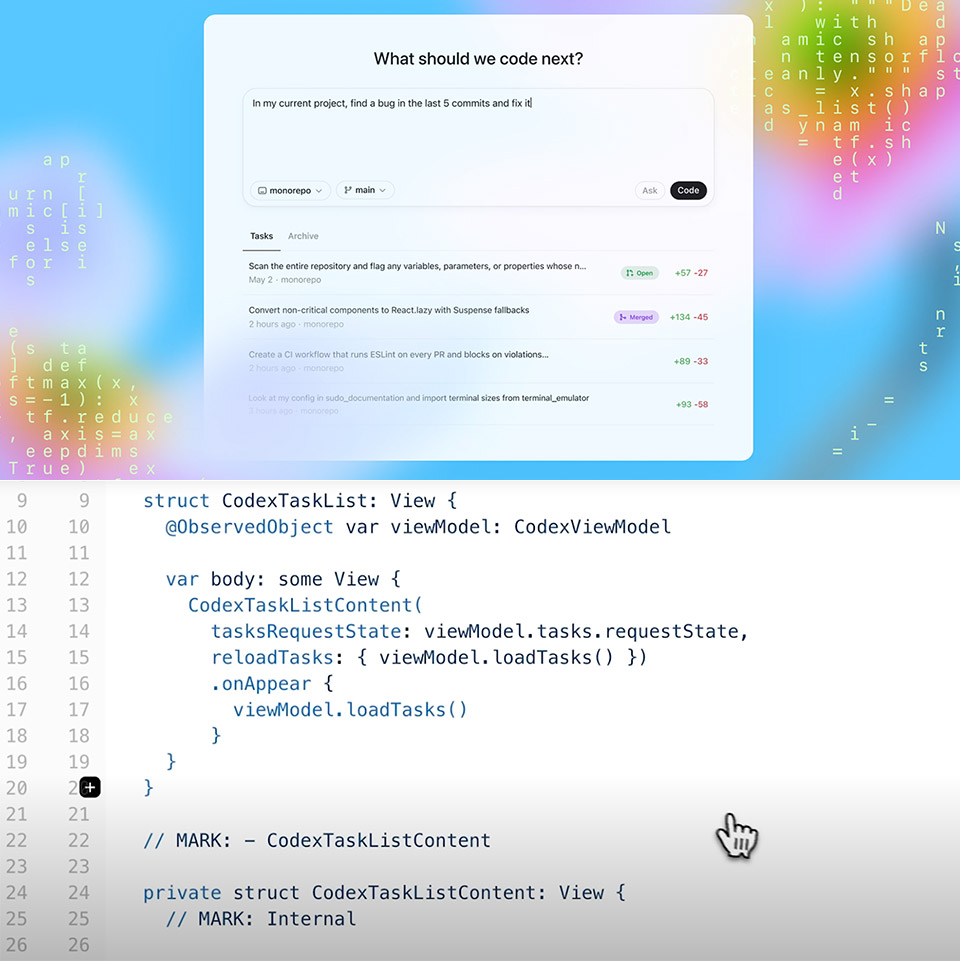
Get ready, because OpenAI’s Codex is amazing, like a surprise twist in a sci-fi movie. This cloud-based tool lets you explain a software idea in simple words, and it quickly creates working code before you can finish a snack. Built right into ChatGPT, Codex isn’t some glorified autocomplete; it’s like having a genius programmer pal who writes, fixes, and tests code with a spooky high-level of skill.

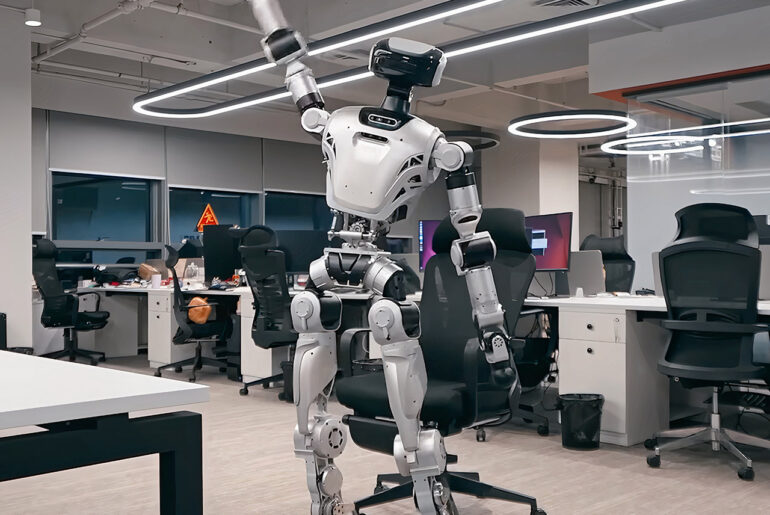
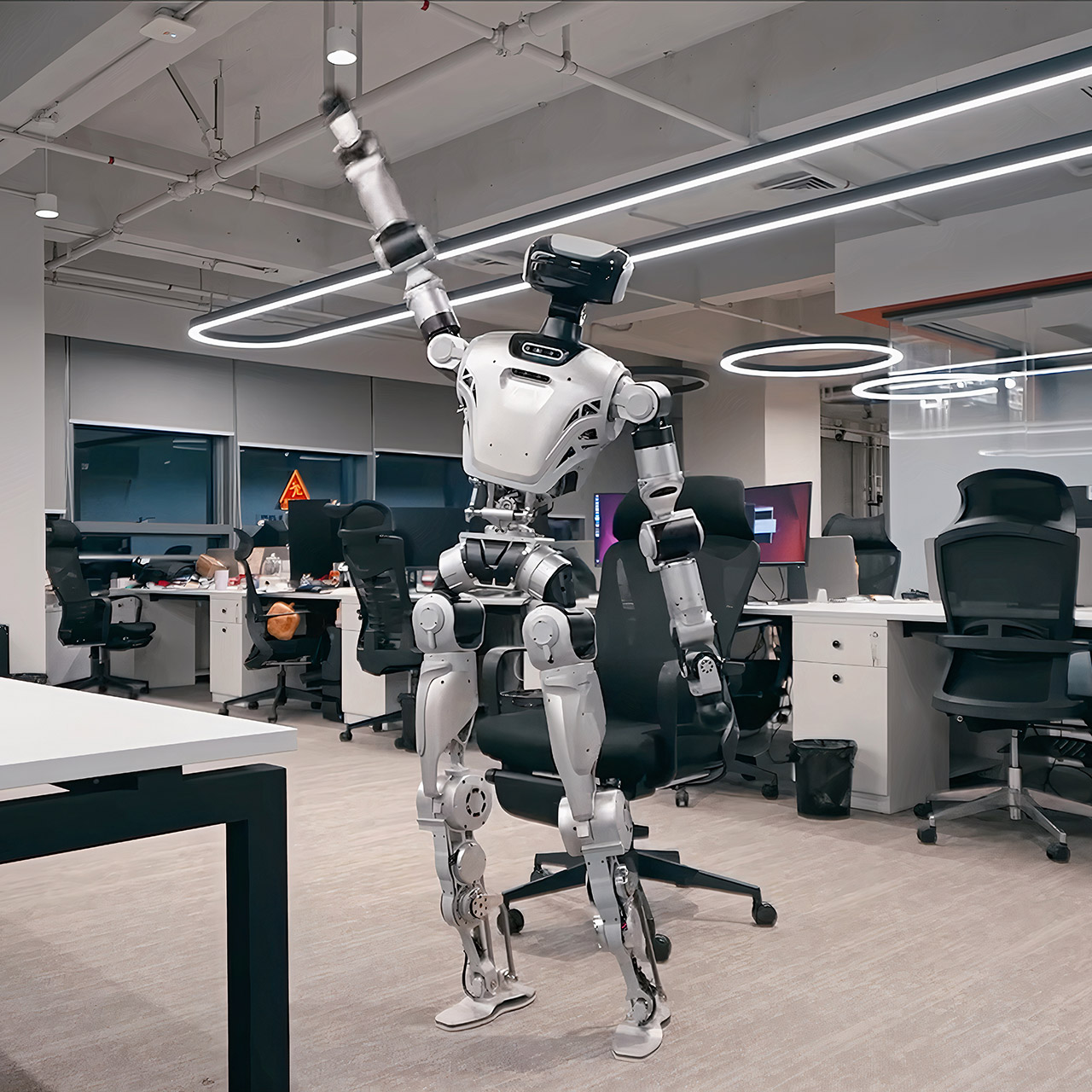
Imagine a robot that doesn’t just shuffle around like a tin can on legs but stretches with the grace of a yoga enthusiast after a double espresso. That’s LimX Dynamics’ CL-3, a humanoid robot that’s been turning heads with its latest video showcase. This 5’5” robot, with 31 movable joints, can do lunges, twists, and arm swings that look like a friend’s warm-up at the gym.