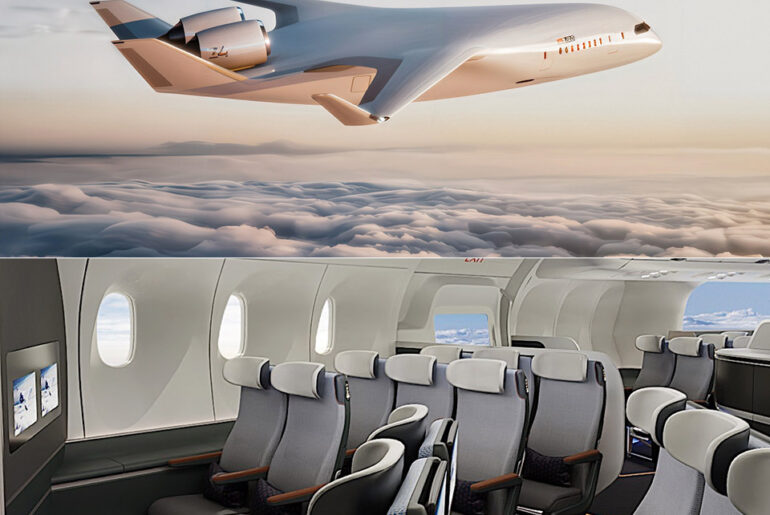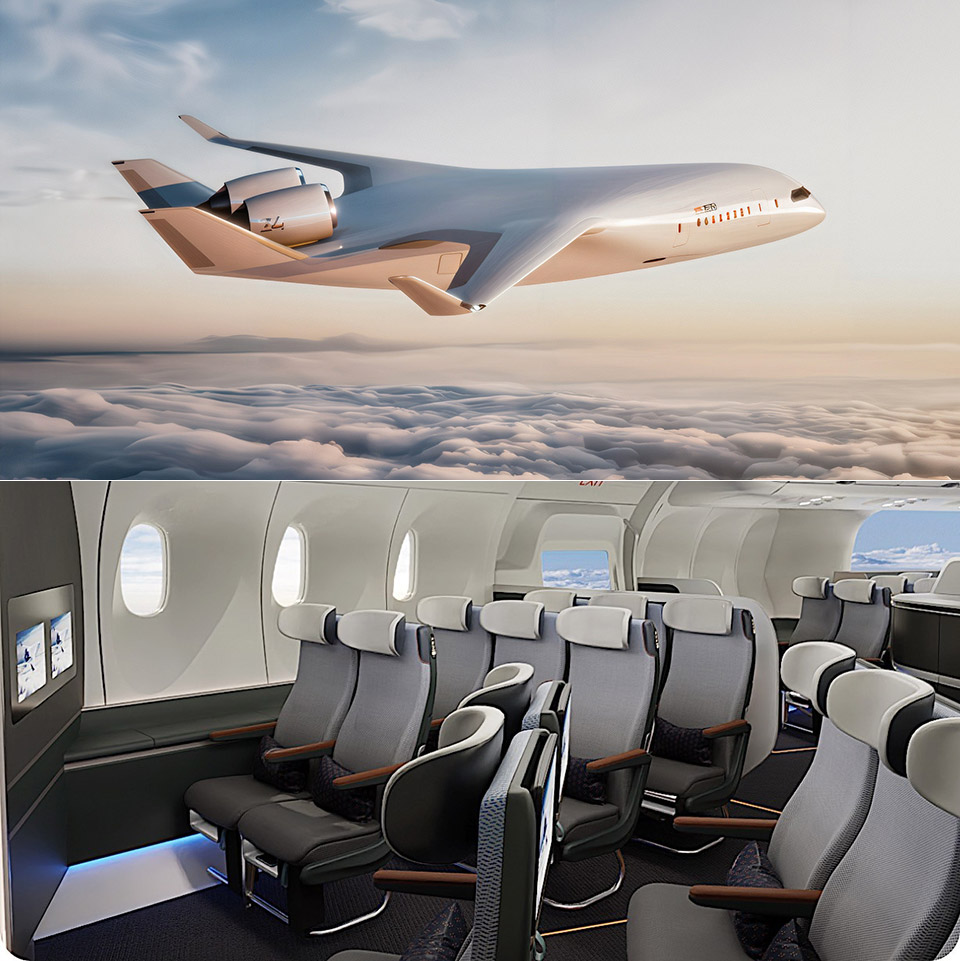

Lufthansa Technik designers partnered with BMW’s Designworks studio to create something unique for narrowbody aircraft. It’s called The BOW, and it’s a VIP cabin concept that makes group flights feel cozy, providing individualized experiences for up to twenty-eight passengers who want some solitude while still being able to communicate while on the fly. That means groups of friends, colleagues, sports teams, or traveling bands may go somewhere that can accommodate anything they desire, whether it’s quiet time or a celebration.

Photo credit: NASA / Lori Losey
On April 14, video footage captured NASA’s X-59 silent supersonic research aircraft speeding through the skies over California’s Mojave Desert. Lockheed Martin built the jet, which has a needle-shaped nose and an engine located high on its back. It is nearly 100 feet long and has a wingspan of little under 30 feet. Engineers published the recording as part of an update to the QueSST program, which aims to enable supersonic travel over land by reducing the thunderous boom into a soothing thud.

Japan Airlines is testing humanoid robots for baggage and cargo jobs at Tokyo’s Haneda Airport this month, with a small group of them working alongside ground crew for the first time. Unitree builds the machines under the name G1, and they’re modest, standing around four feet tall and weighing little over seventy pounds. They can reach speeds of 4.4 miles per hour, but they can only run for two hours before needing to be recharged. They’re also small enough to fit into tight spaces around planes that larger machines cannot reach.

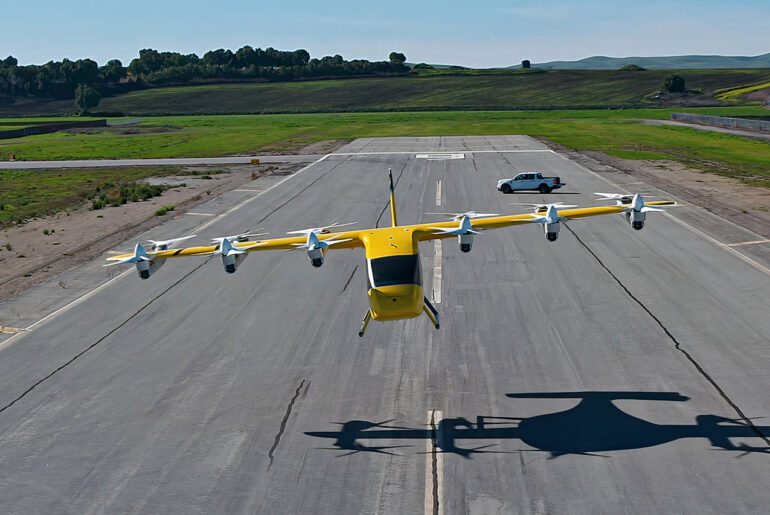
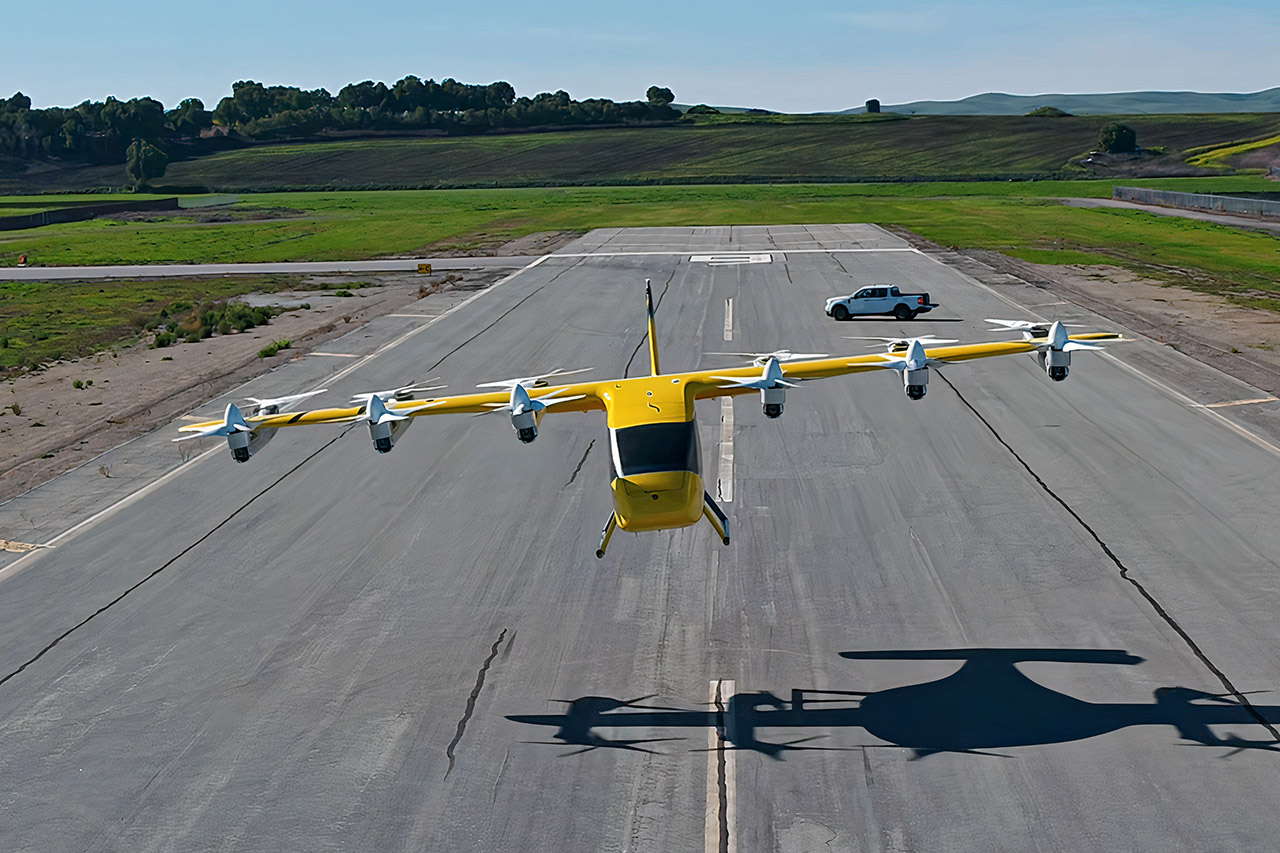
Yesterday, a Joby electric aircraft took off from JFK and landed at West 30th Street Heliport in Manhattan after a 15-minute trip. This small excursion was significant because it was the first time an electric aircraft of its type flew point-to-point from a large New York City airport to a city heliport.

Northrop Grumman has released a brief teaser that shows off its sixth-generation fighter concept, and what a look it is. For a few seconds, the camera circles the plane, displaying all of the important lines. The broad nose leads to a spacious cockpit, and the intake vents are tucked firmly up against the fuselage, making them difficult to see. The long, diamond-shaped wings emerge, their outer panels fully folded up. The strengthened landing gear is at the front, ready for a carrier catapult launch, with two wheels and a launch bar, and the curvy doors at the bottom indicate that there is plenty of space inside, even though you can’t see much.

This week, footage of Joby Aviation’s S4-T eVTOL surfaced, demonstrating the aircraft’s seamless transition for a single uninterrupted flight. It lifted directly off the ground on its rotors, then switched a switch (figuratively speaking) and began relying on its wings for lift, gliding around without incident.

Red Bull pilot Dario Costa lets go of the controls on his trusty Zivko Edge 540 and watches the cargo train thunder into the distance at an incredible 120 km/h (75 mph). On February 15th, 2026, near the Turkish town of Afyonkarahisar, Costa does the unthinkable by landing on the last container, riding out a tumultuous stretch of turbulent air, and powering back out in a single smooth move. No one had ever accomplished the feat of landing and taking off from a moving train in one go.

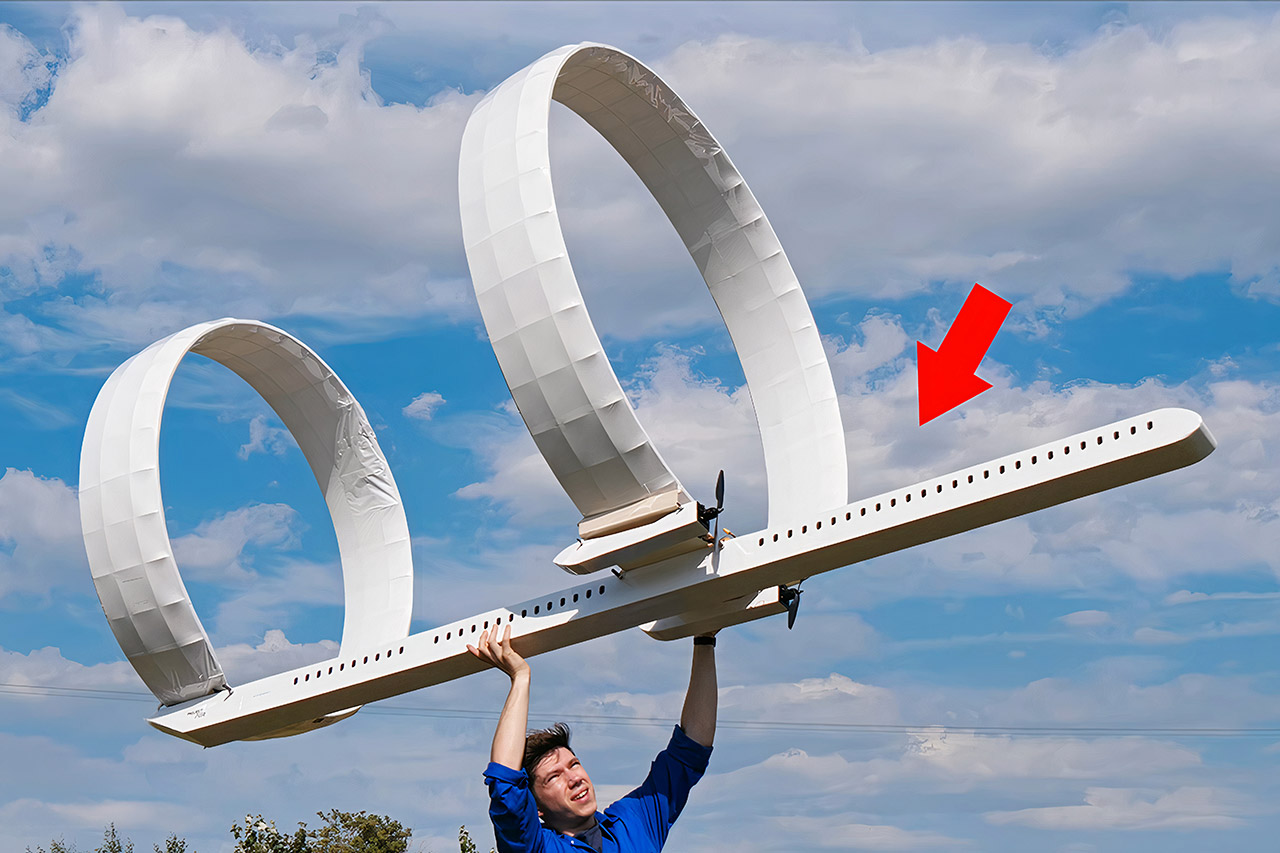
Tom Stanton has spent years fiddling with many strange flying machines. His current idea cleverly updates a traditional toy. Rubber band planes have been around forever, storing energy in twisted bands that then spin a propeller. The problem is that they must be wound up for several minutes merely to produce a short burst of flight. Stanton sought to create a flying machine that was faster, more practical, and could be built with easily accessible components.

Sceye engineers have created a platform that can float in the stratosphere, similar to a portable cell tower that can be relocated as needed. The High-Altitude Platform System is a helium-filled balloon outfitted with solar panels, batteries, and some seriously useful electric motors, all of which allow it to hover in the same spot for days or weeks at a time, churning out a dependable internet connection that ordinary phones and tablets can pick up down below.