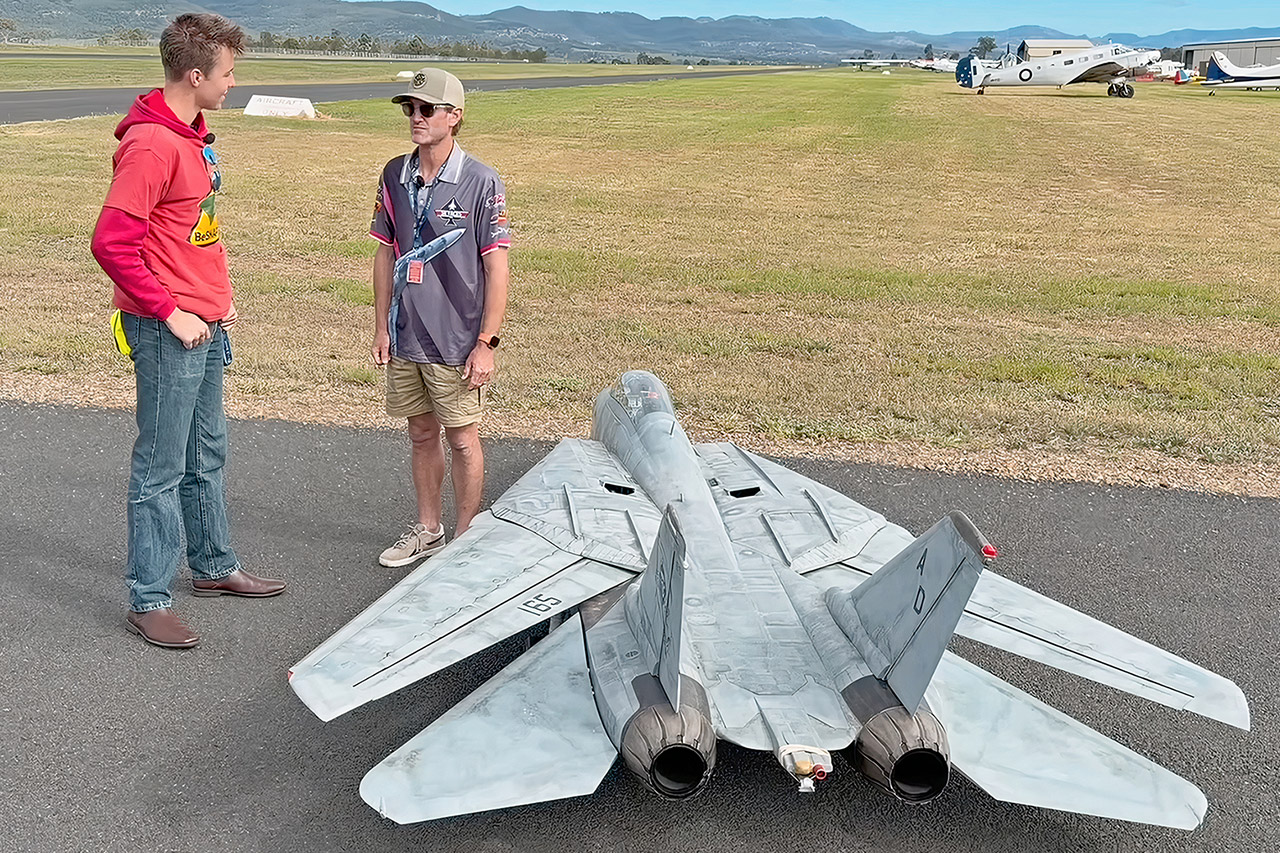
Remote control aviation often centers on small drones that anyone can pick up and fly in a park. Levi Wagner of Team Sky Aces RC took a completely different path. He built a machine that sits in another category entirely. His remote-controlled F-14 Tomcat fighter jet measures 3.7 meters (12 feet) long. Empty it weighs 48 kilograms (106 pounds), but load it with 12 liters of jet fuel plus smoke oil and the weight rises sharply.
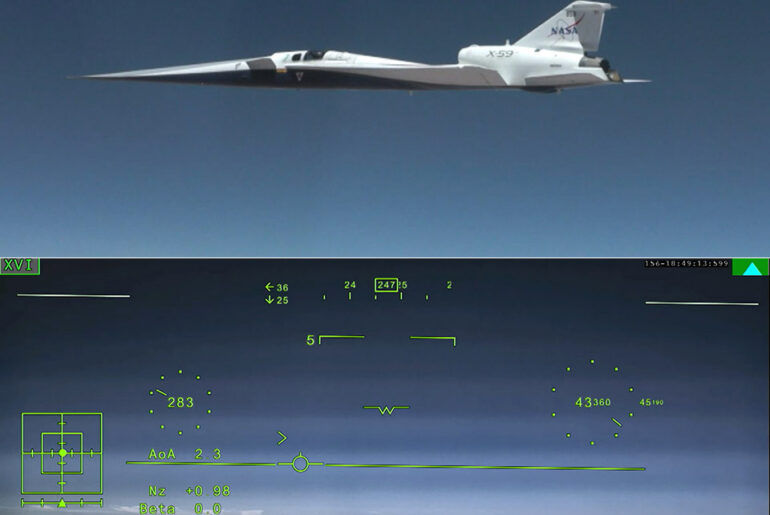
Photo credit: NASA / Lori Losey
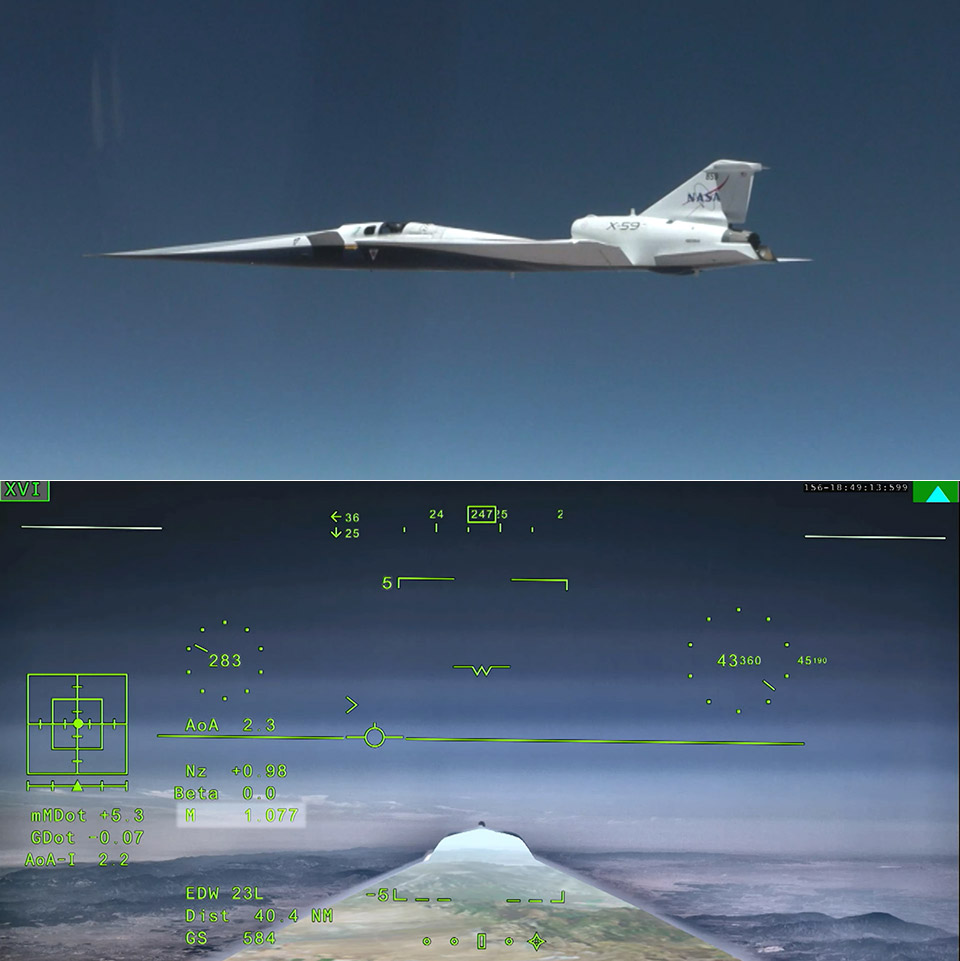
Lifting off from Edwards Air Force Base at 11:08 a.m. PDT on June 5, NASA test pilot Jim “Clue” Less guided the X-59 into the skies above the Mojave Desert. Eighty-one minutes later the aircraft returned to the runway after crossing the speed of sound for the first time.

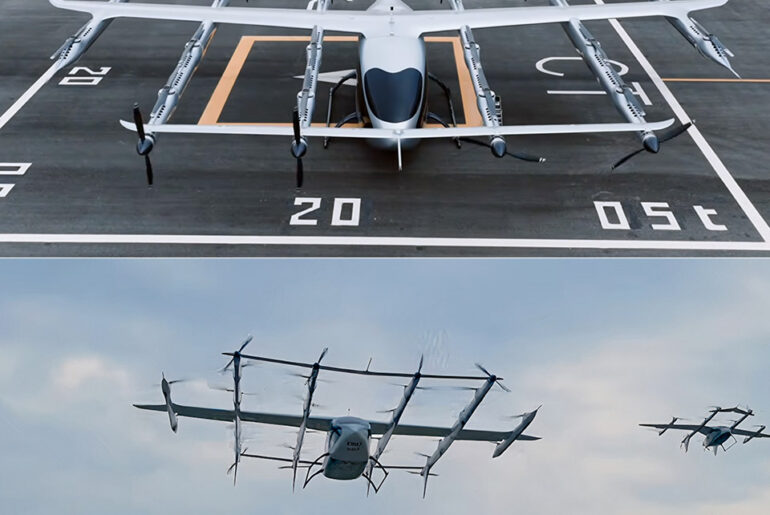
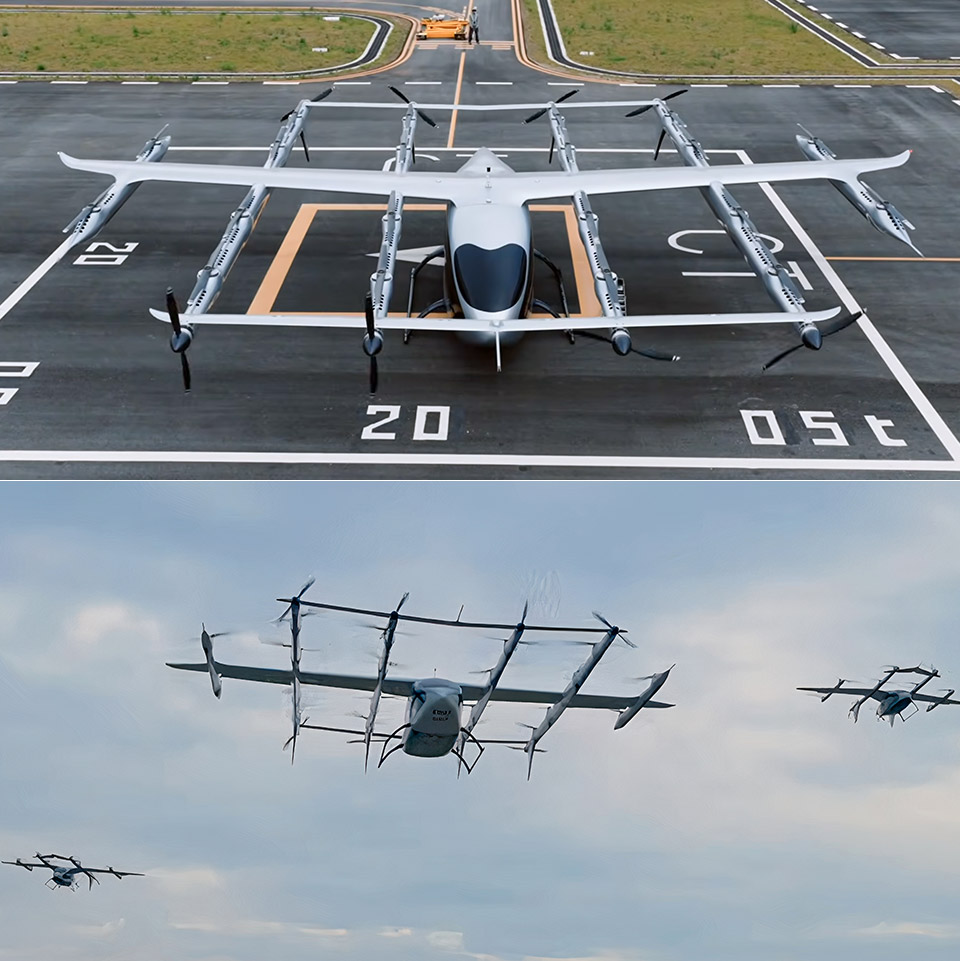
AutoFlight completed a coordinated flight on May 24 that paired its largest aircraft with two smaller models from the same family. One V5000 Matrix eVTOL flew alongside a pair of V2000 series aircraft in what the company called a heterogeneous three aircraft formation. The exercise checked communication between the platforms, shared route planning, and overall safety management across machines that differ sharply in size and weight.

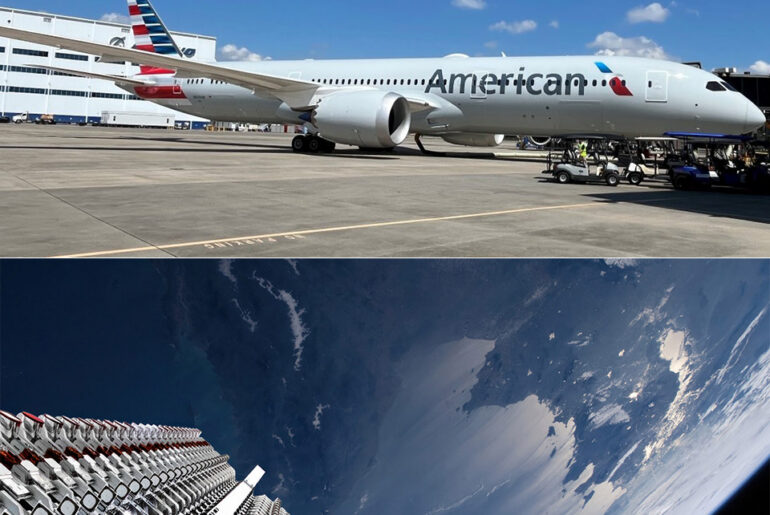
American Airlines announced today that it will install Starlink satellite internet on more than 500 narrowbody aircraft. The project focuses on planes that handle most domestic flights and shorter international routes. Installation begins in the first quarter of 2027. New Airbus A321neo and A321XLR aircraft will receive the equipment as they join the fleet. Boeing narrowbody models keep their current Viasat service for now.

Travelers stepping into Terminal B at LaGuardia Airport now spot a full-size hologram waiting near the food hall. She stands there in crisp professional clothes, smiling slightly, looking so real that people often pause for a second before realizing she is made of light. Her name is Bridget, and she exists to answer questions on the spot.

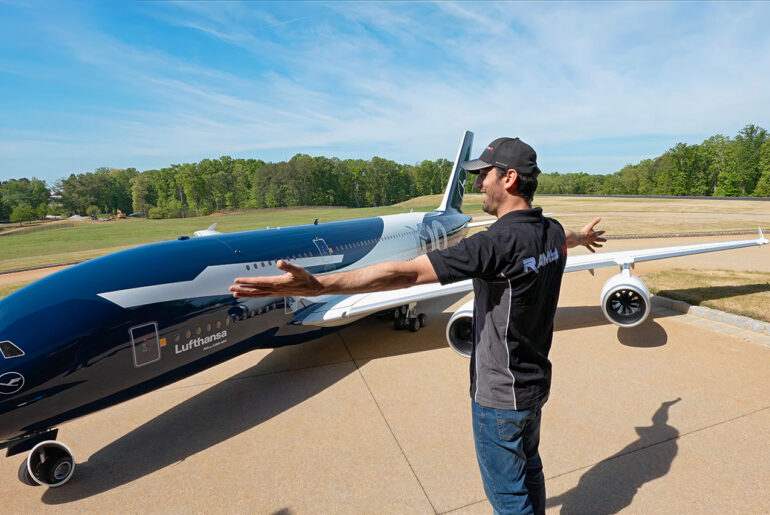
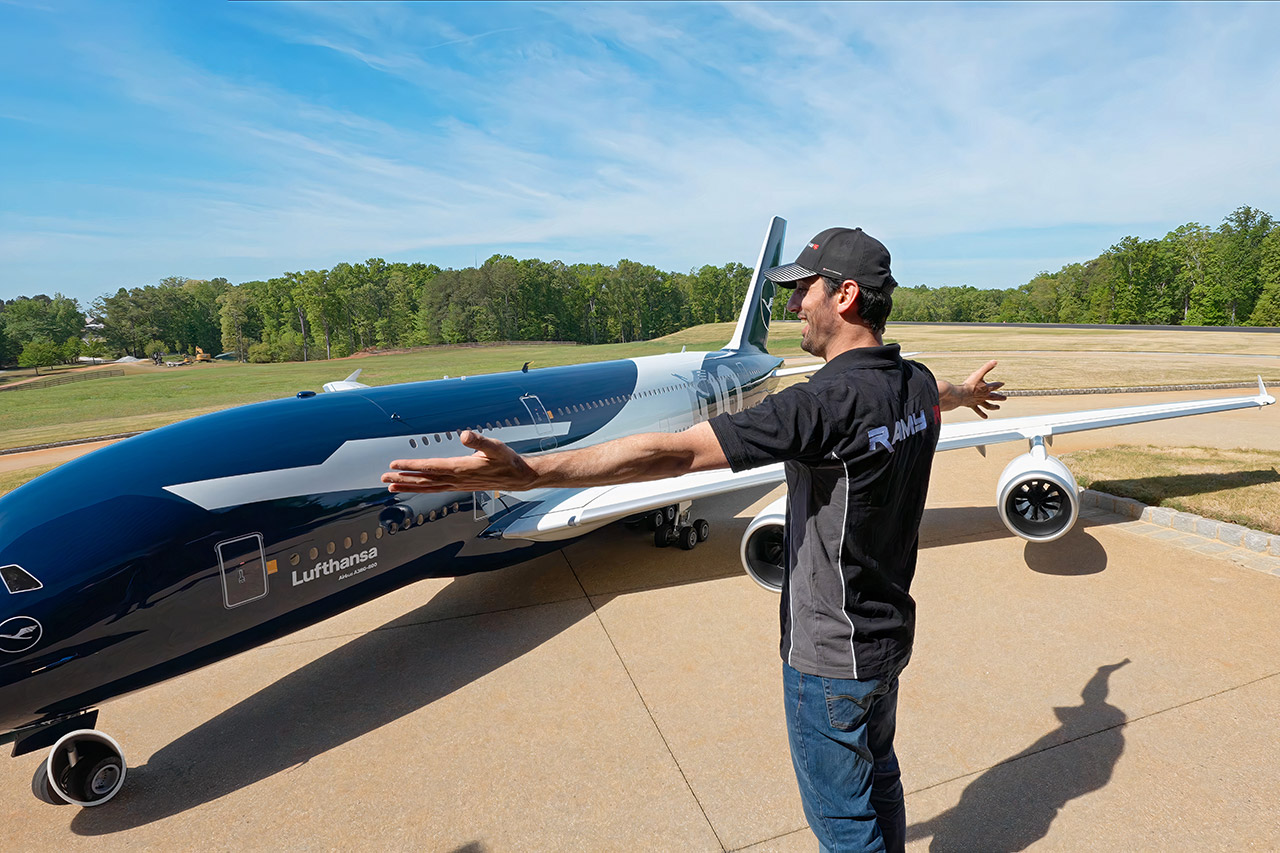
Ramy RC spent months in his workshop piecing together an Airbus A380 that now ranks as the largest remote-controlled version ever built. The finished model carries a striking Lufthansa 100th anniversary livery and recently completed its first public flight in those colors.

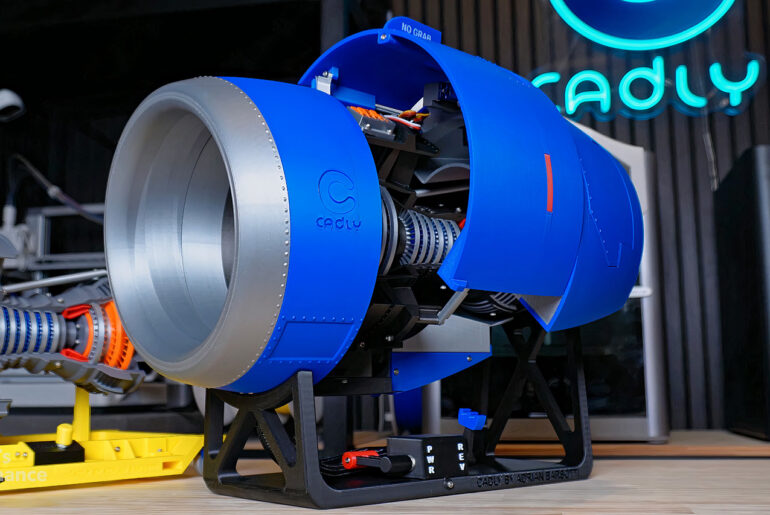
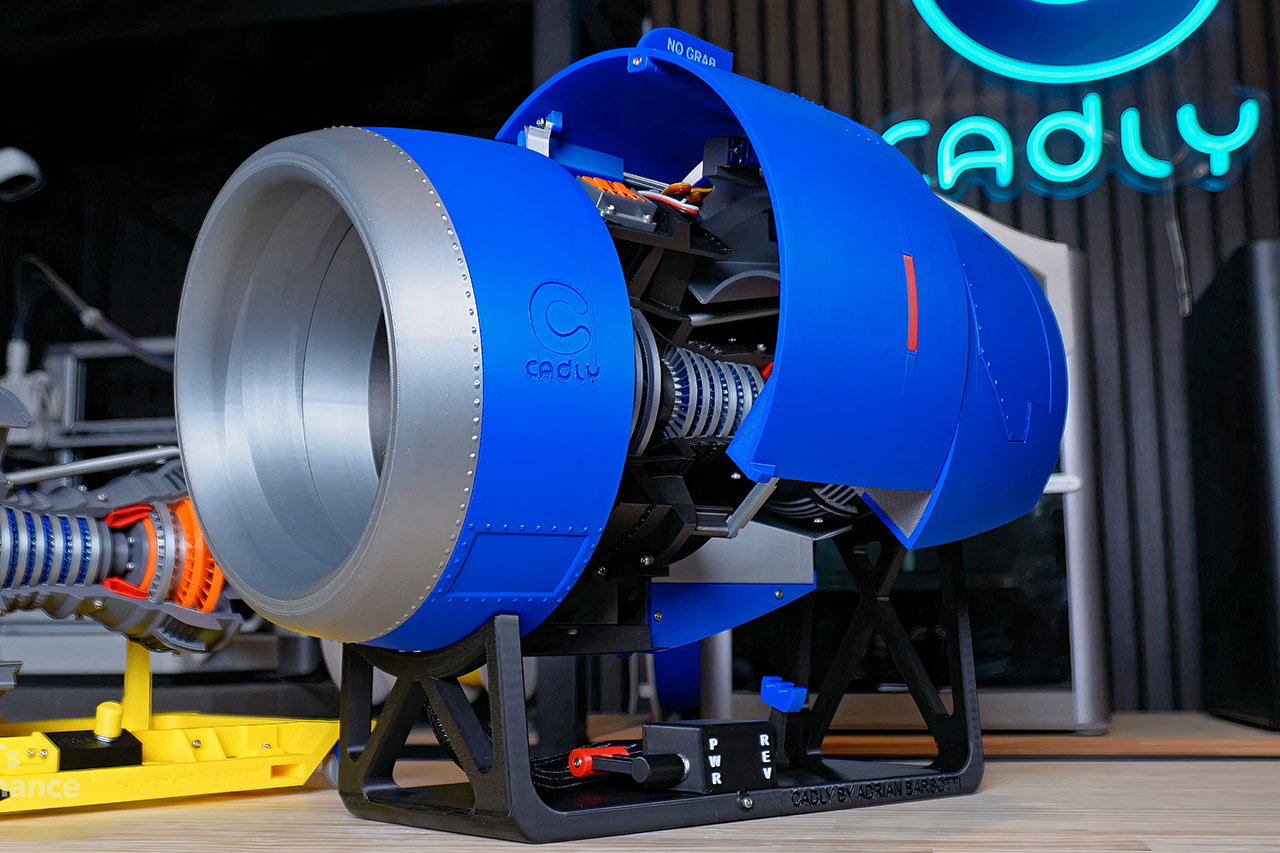
CADLY poured months of design effort into creating an electric turbofan model that anyone can produce at home. Files sit ready for download from the maker’s own site or the Printables page, and a standard 3D printer handles every major piece. The finished unit draws direct inspiration from the CFM56 engines found on Airbus A320 airliners, yet it runs on basic electronics and a small motor instead of jet fuel.

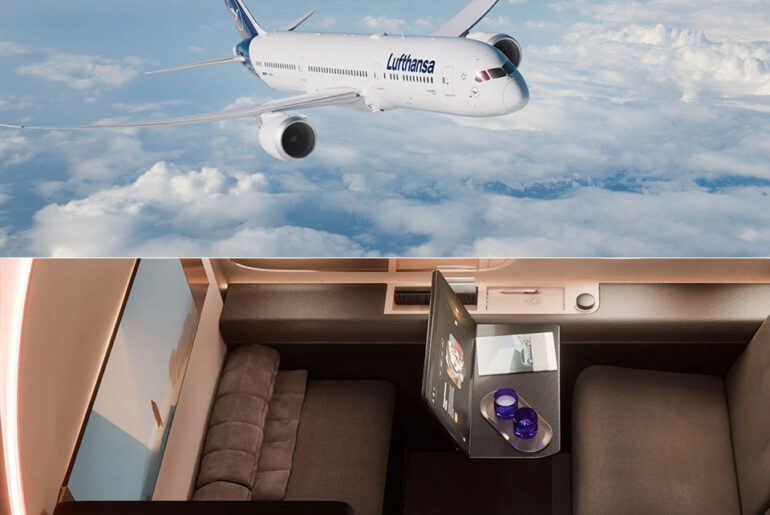
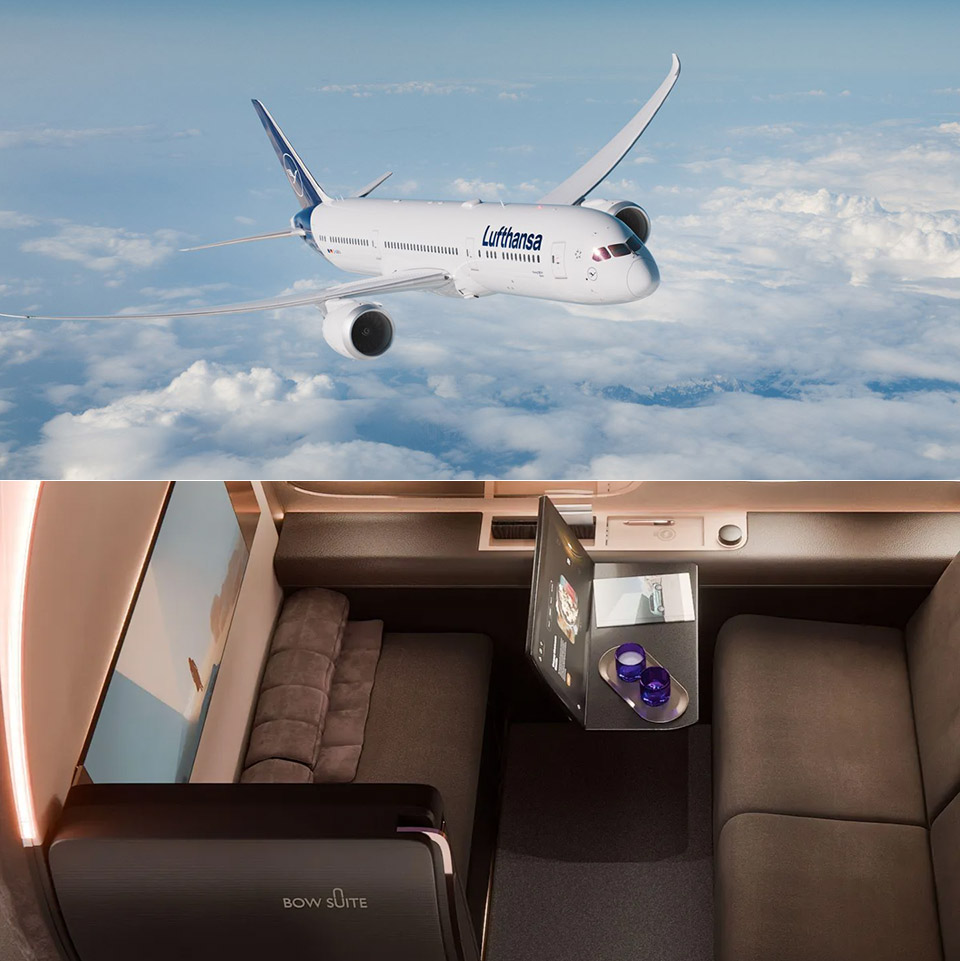
Lufthansa Technik designers partnered with BMW’s Designworks studio to create something unique for narrowbody aircraft. It’s called The BOW, and it’s a VIP cabin concept that makes group flights feel cozy, providing individualized experiences for up to twenty-eight passengers who want some solitude while still being able to communicate while on the fly. That means groups of friends, colleagues, sports teams, or traveling bands may go somewhere that can accommodate anything they desire, whether it’s quiet time or a celebration.

Photo credit: NASA / Lori Losey
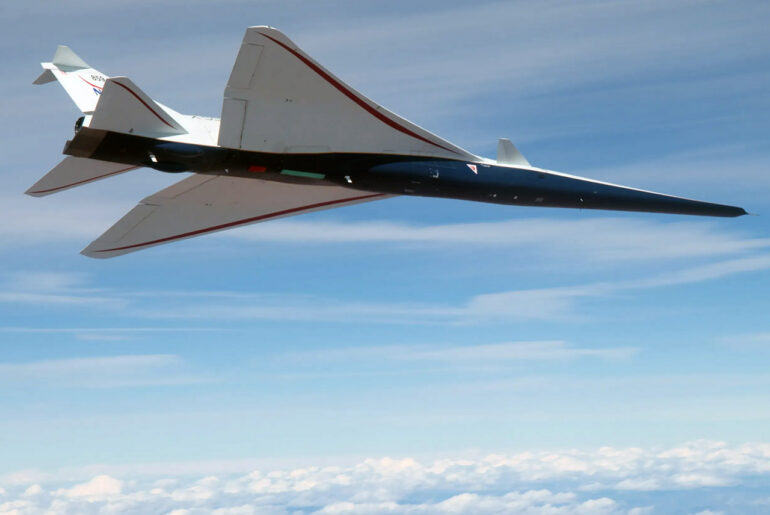
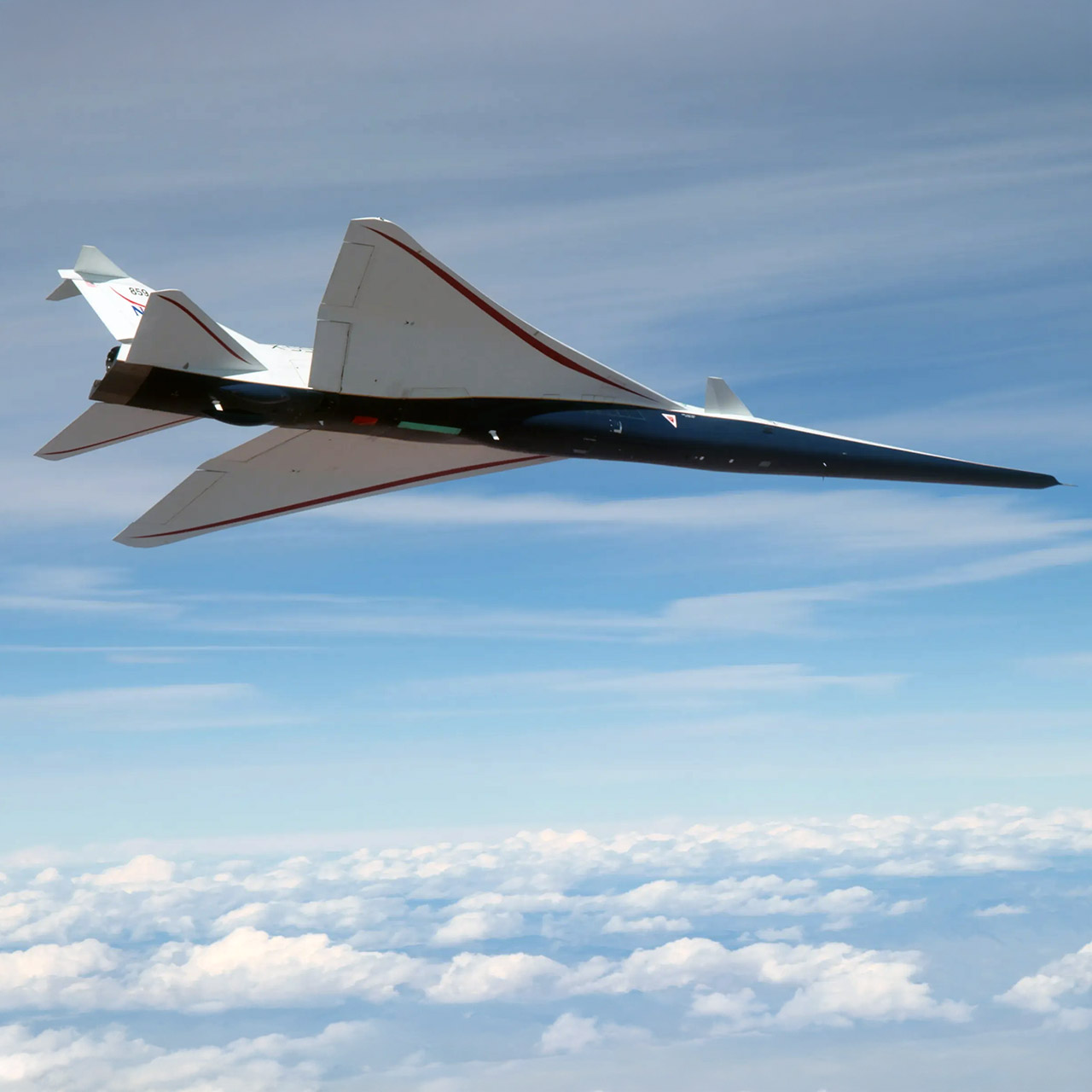
On April 14, video footage captured NASA’s X-59 silent supersonic research aircraft speeding through the skies over California’s Mojave Desert. Lockheed Martin built the jet, which has a needle-shaped nose and an engine located high on its back. It is nearly 100 feet long and has a wingspan of little under 30 feet. Engineers published the recording as part of an update to the QueSST program, which aims to enable supersonic travel over land by reducing the thunderous boom into a soothing thud.