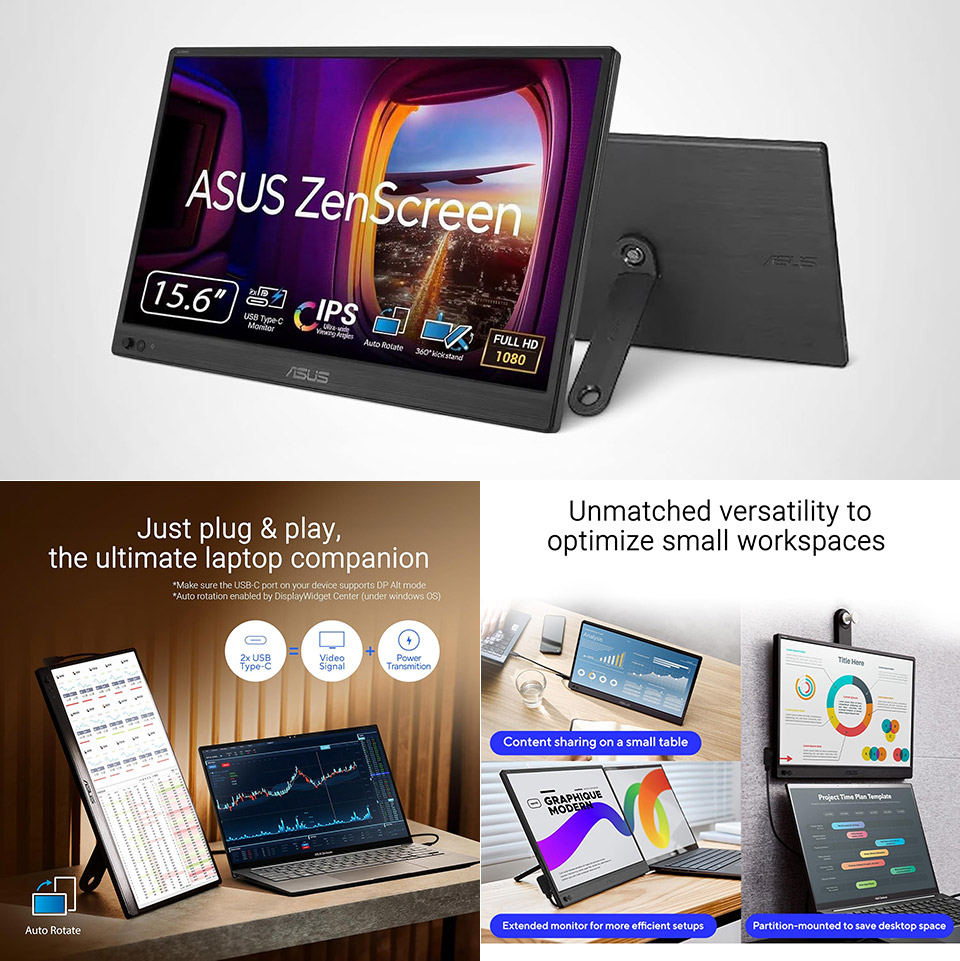
Anyone who has squinted at a cramped laptop screen while trying to reference one document and type in another understands the daily friction of limited space. This monitor from ASUS cuts through that friction on its 15.6″ MB169CK portable monitor, priced at $75.05 (was $109), with a design focused on simplicity and adaptability.

Gamers and creators who want maximum screen space often stack multiple displays. Cables multiply, bezels interrupt the view, and focus splits across gaps. LG offers a different path with the 39GX90SA-W, priced at $799.99 (was $1,600), a single 39-inch curved OLED panel that aims to replace that entire arrangement with one enveloping surface.

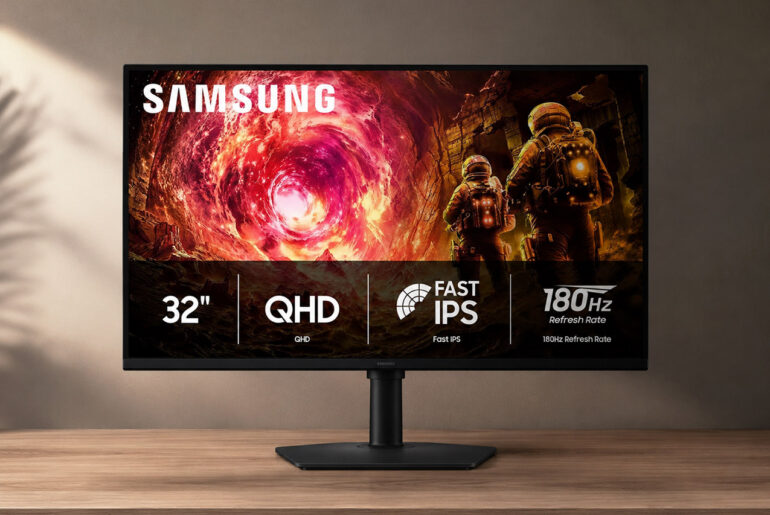
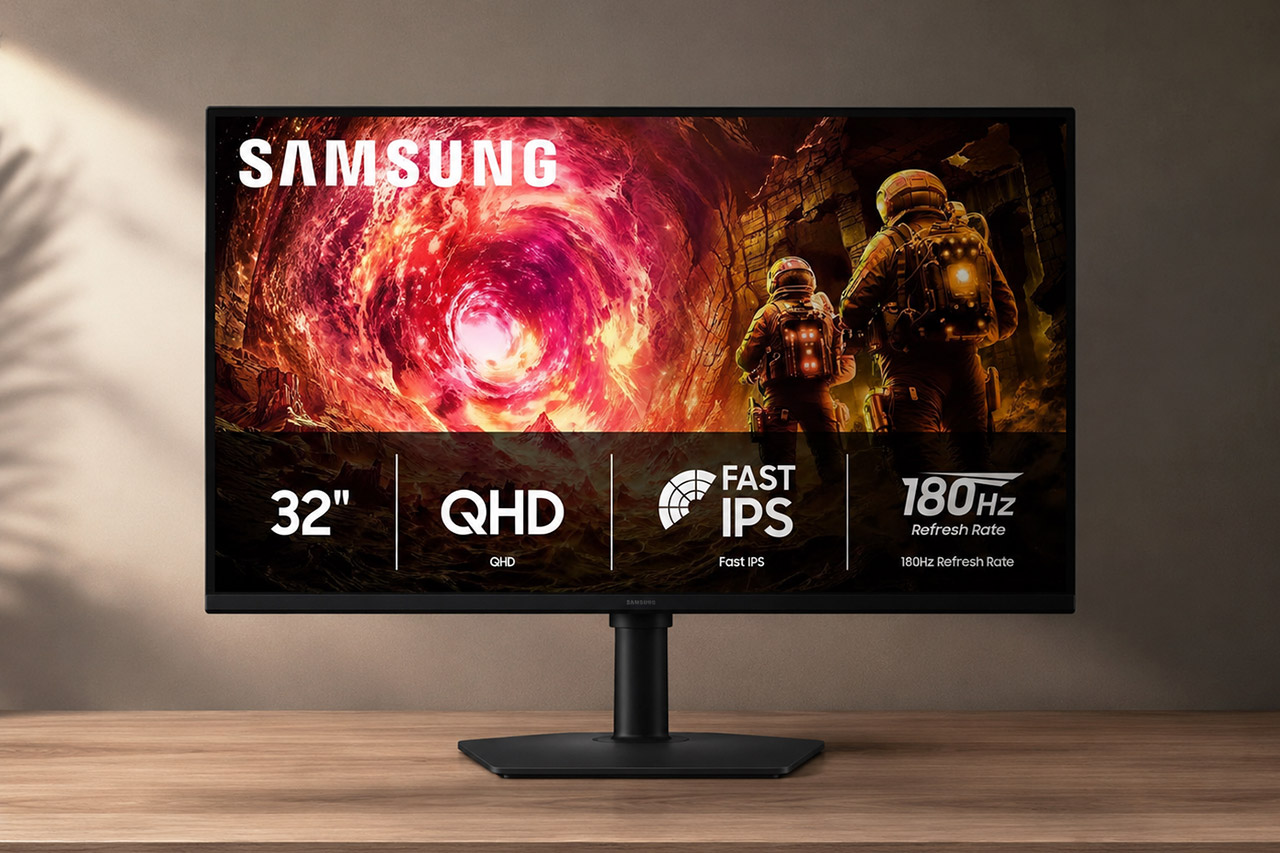
Samsung keeps refining its gaming displays with the 32-inch Odyssey G5 G50F, priced at $220 (was $350). This version steps away from the curved VA panels found in earlier G5 models and adopts a flat Fast IPS design instead. The result targets players who want higher refresh rates and sharper resolution without spending top dollar or dealing with the smearing that sometimes appeared in older curved versions.

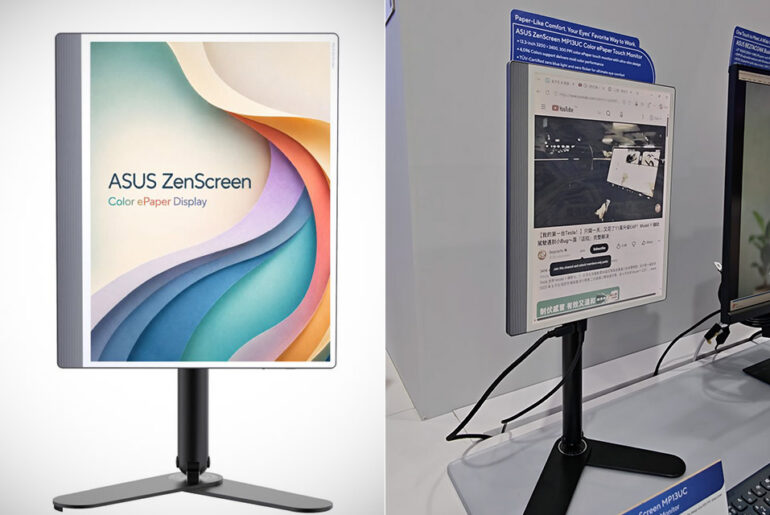
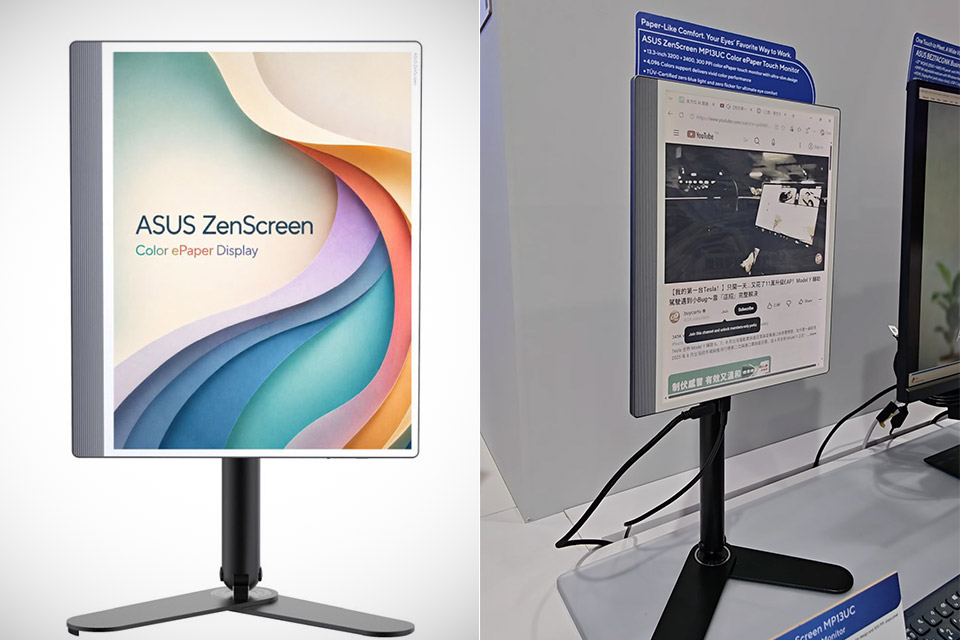
ASUS introduced a portable monitor that leans on e-paper for its display during this year’s Computex show. The ZenScreen Color ePaper MP13UC stands out in the company’s lineup of creative portable screens by offering a different kind of viewing experience aimed at long reading sessions and document work.

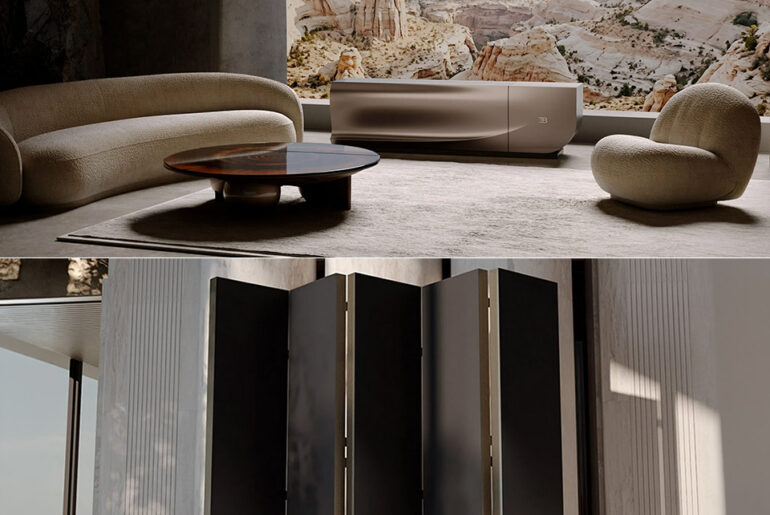
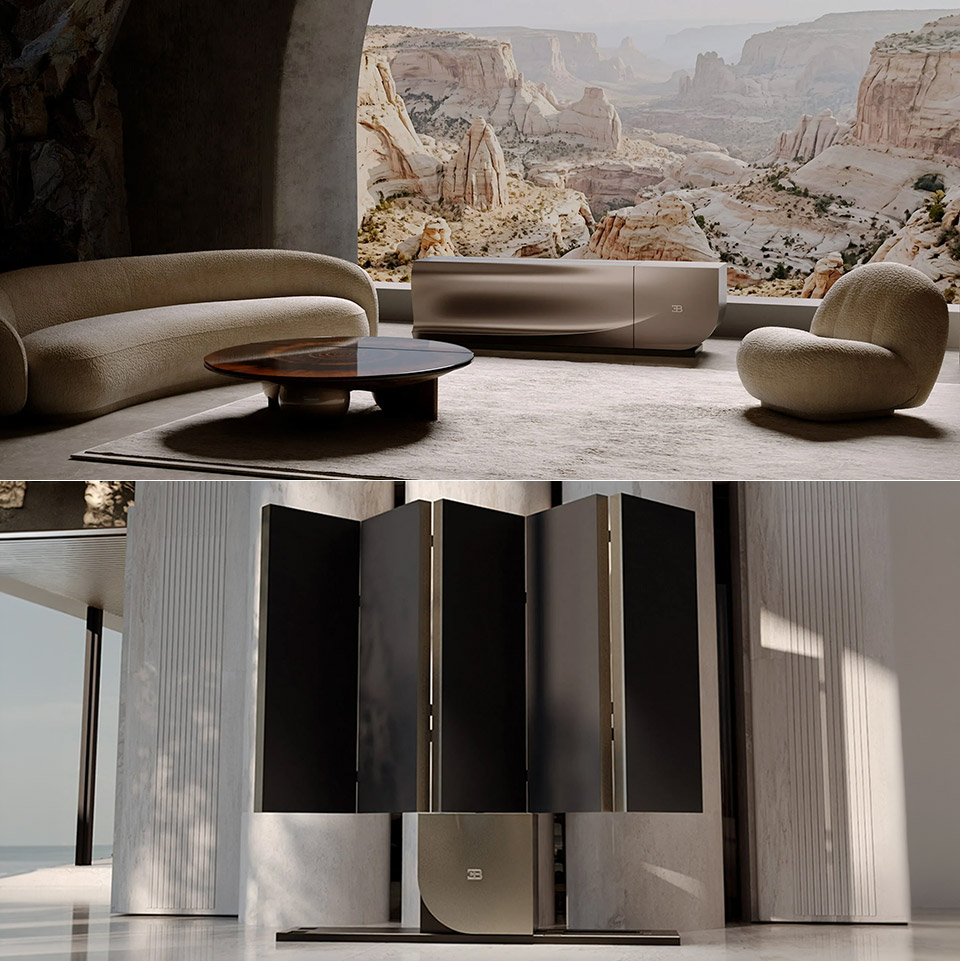
Bugatti teamed with Austrian display specialists C SEED to build the N1 Super TV, a massive, folding screen that appears to be directly inspired by the Tourbillon hypercar’s design language. The project converts the car’s fluid contours, precise measurements, and distinctive C-line into a piece of furniture that remains low-profile until needed.

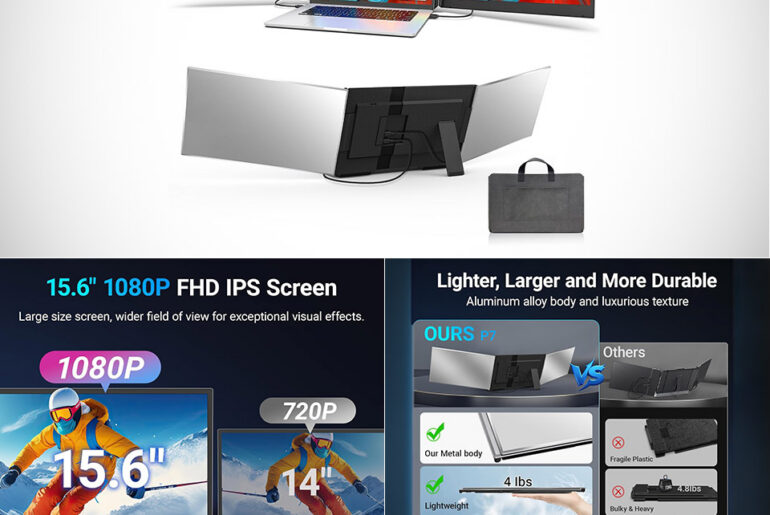
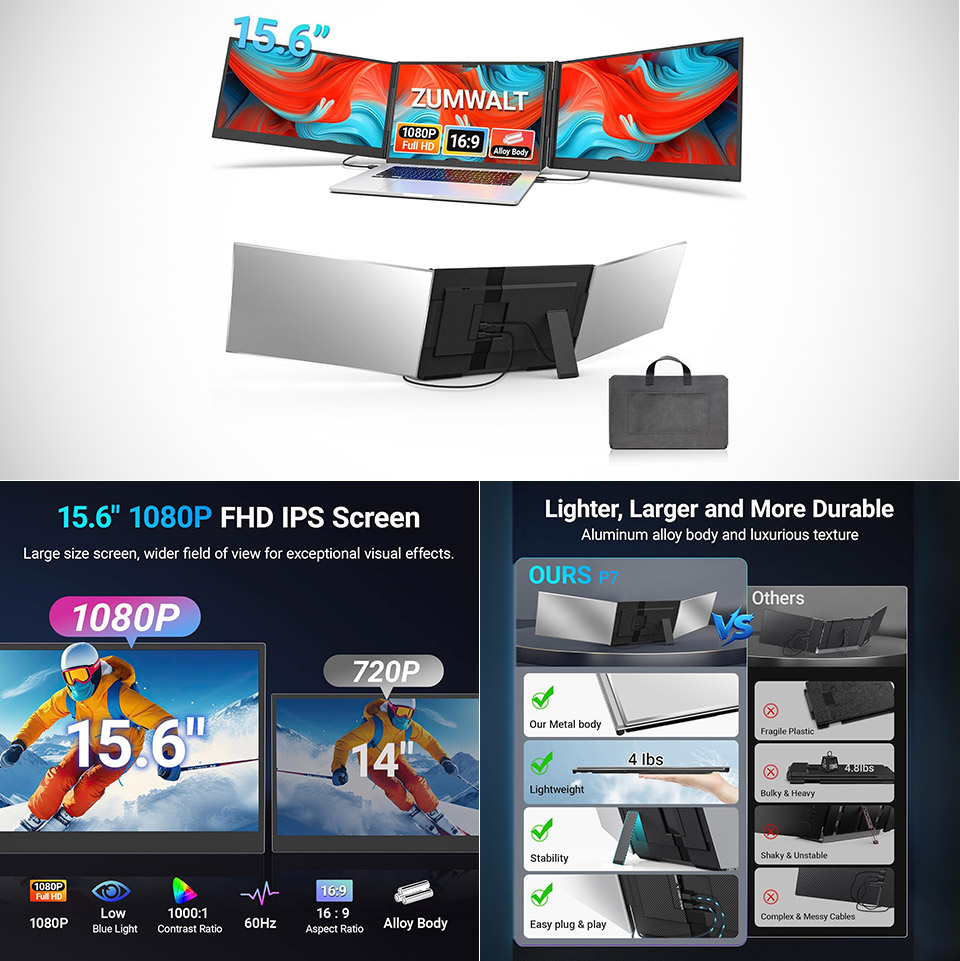
Frequent travelers who work on laptops often hit the same wall. One screen forces constant switching between tabs, windows, and apps. The ZUMWALT P7 15.6-inch laptop screen extender, priced at $197.99 (was $220), solves that by adding two full-size displays that attach right to your laptop and create a triple-screen workspace on the spot.

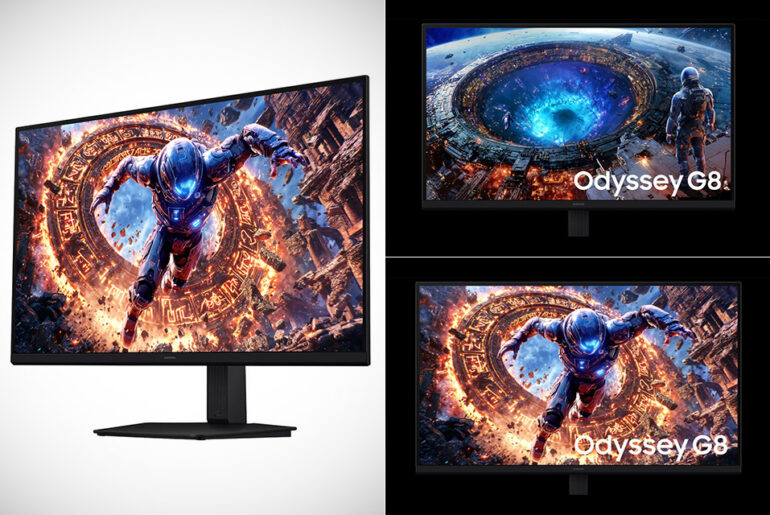
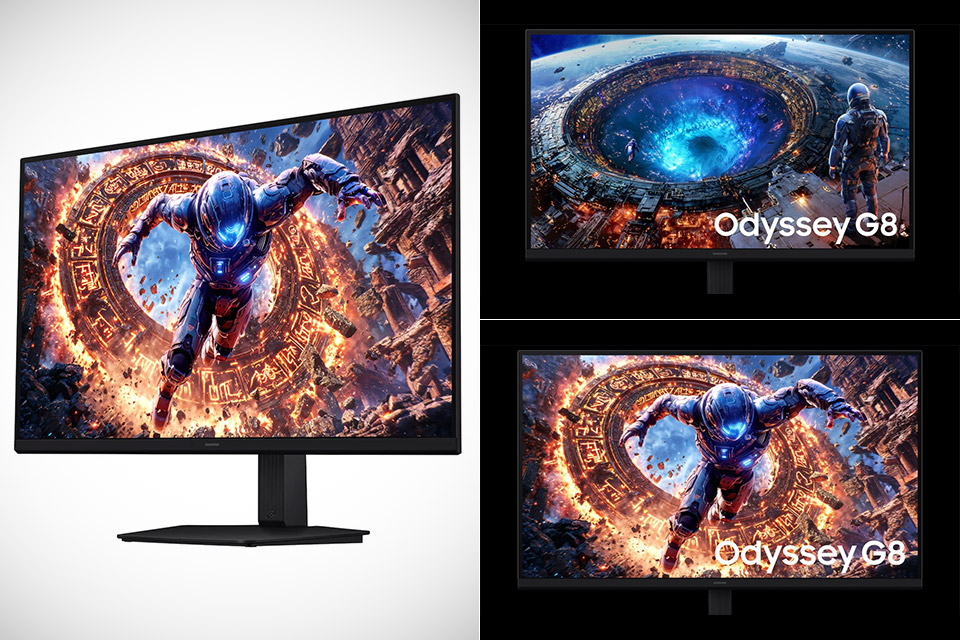
Samsung released its Odyssey G8 monitor this week, and the 32-inch display brings a full 6K resolution to gaming for the first time. Gamers who chase the sharpest possible picture now have a genuine new choice that delivers 6144 pixels across and 3456 pixels down on an IPS panel. That pixel count produces a density around 224 pixels per inch, which makes fine details in environments and character models stand out in ways lower resolutions simply cannot match.

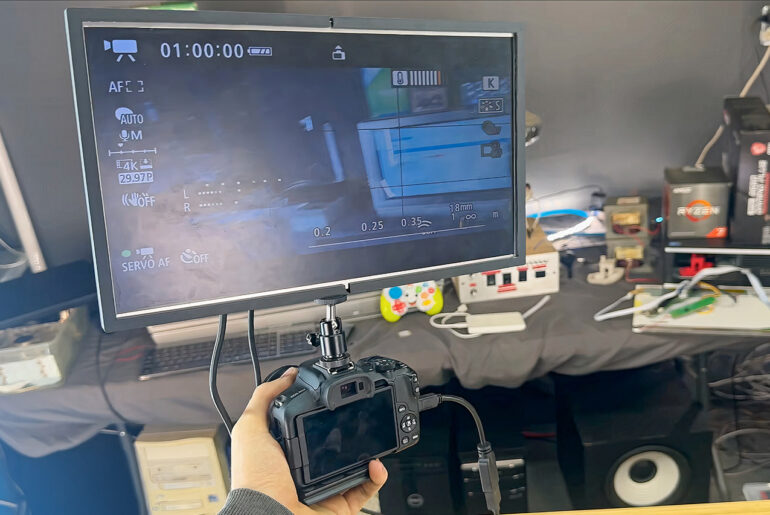
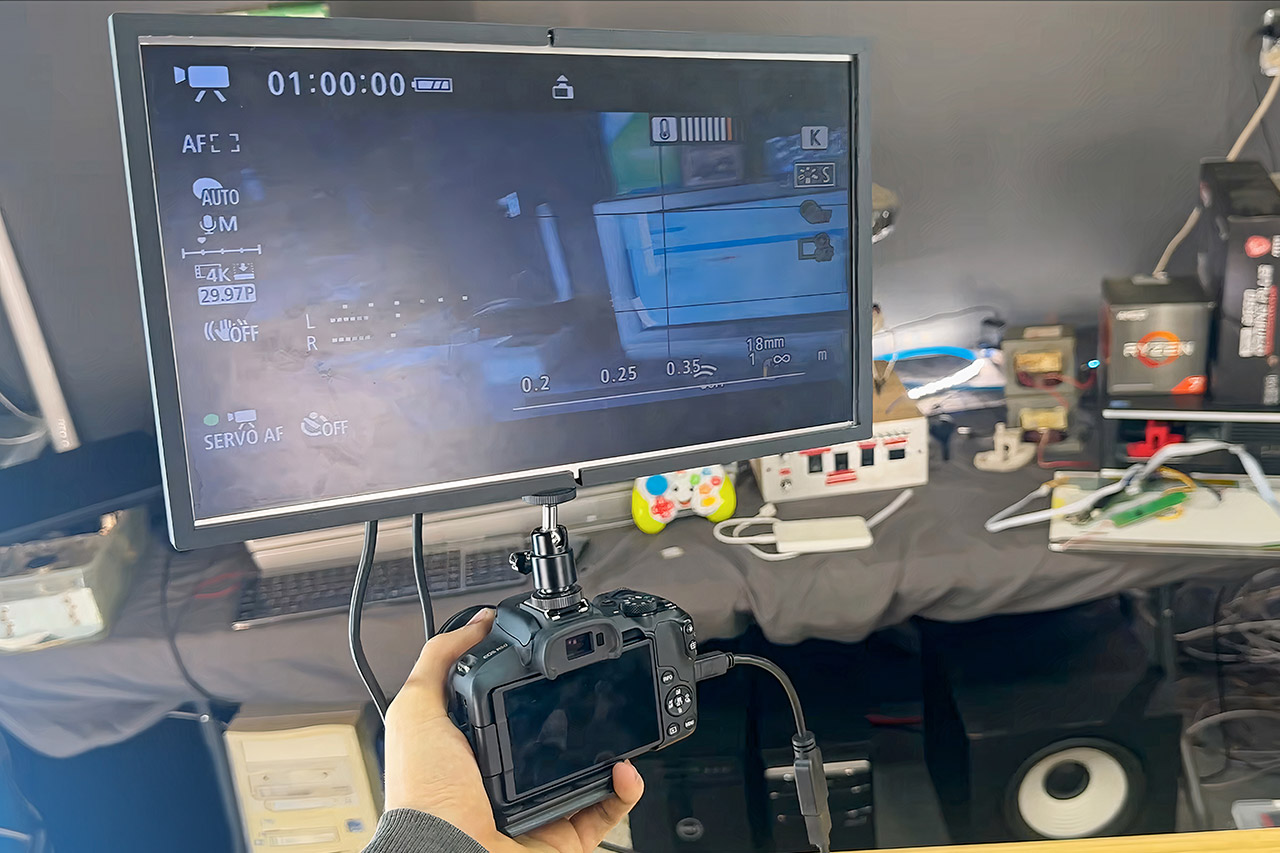
Discarded laptops gather dust in homes everywhere yet many still carry excellent displays worth saving. One maker pulled panels from three different machines to test a straightforward conversion into standalone monitors anyone can tackle at home. Results prove the idea works best with newer screens and delivers a custom display for a fraction of store prices.

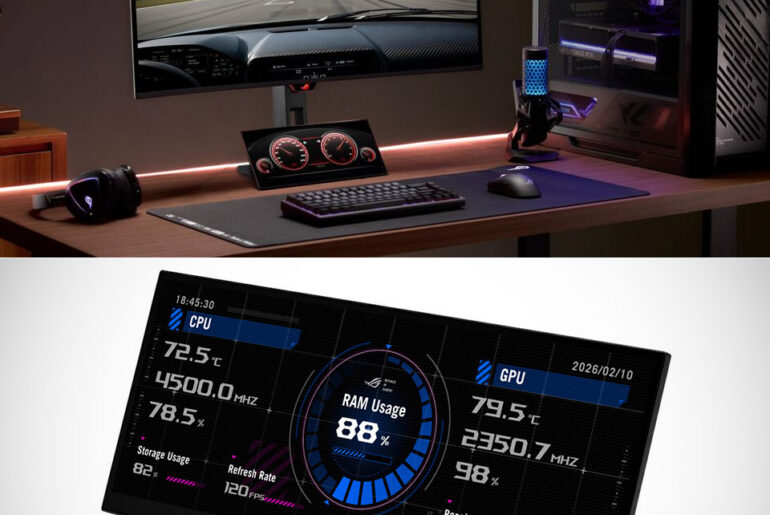
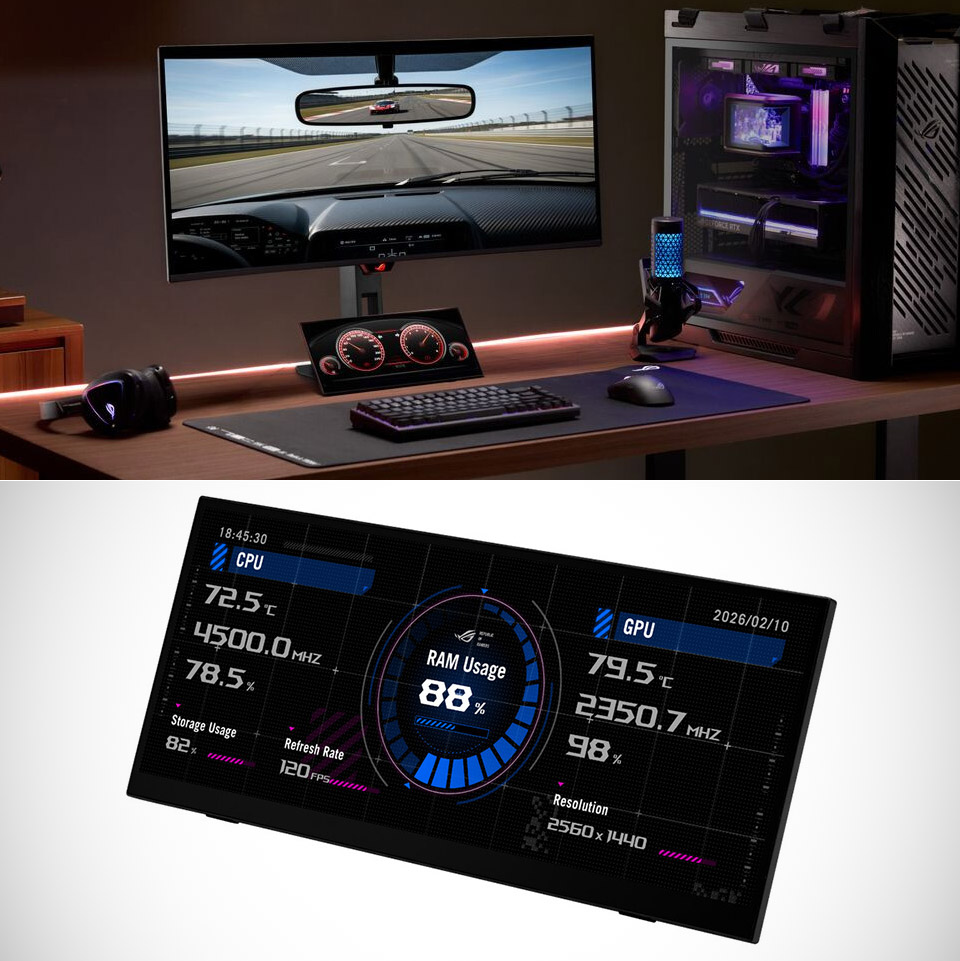
Gamers who are used to juggling several windows and controls in their games understand the need of keeping their workspace neat, but they may not always know how to fit everything in. ASUS has developed the ROG Strix XG129C, a tiny assist screen built specifically for congested workspaces. At 12.3 inches, it fits nicely beneath most main monitors and provides just enough extra area to keep everything visible, saving you from the headache of constantly switching screens.

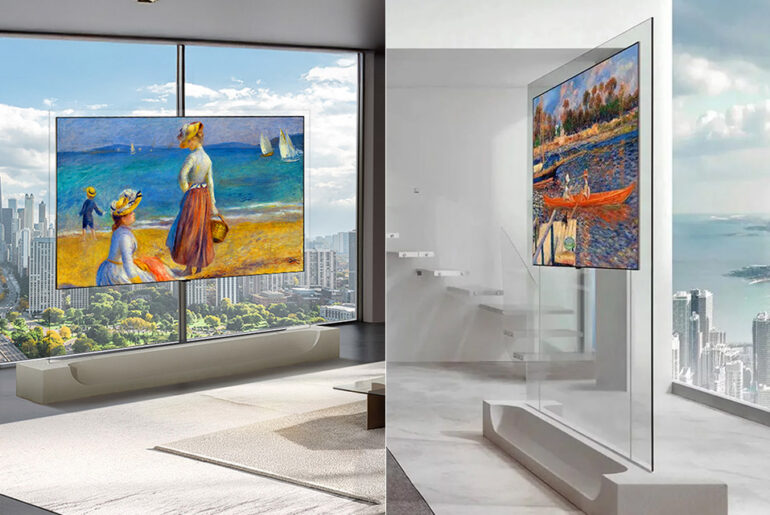
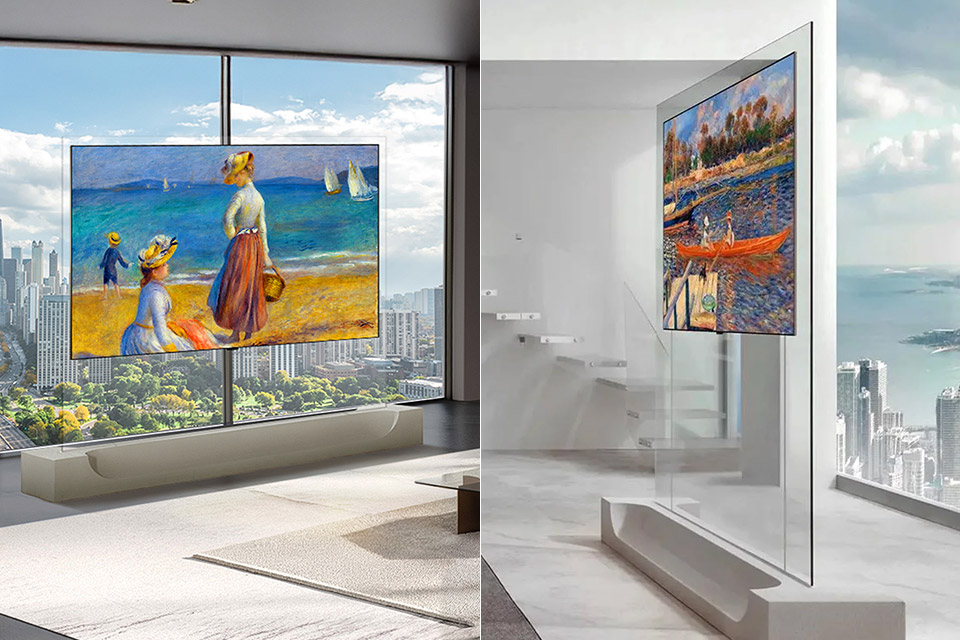
Engineers squeezed a high-end TV into a panel that is only 9 millimeters thick. LG calls it the OLED evo W6, and once hanging, it truly lives true to its “wallpaper” label. Two flat mounting pads and a couple of screws hold the screen tightly against the wall, leaving no obvious gaps. A ultra slim power board at the back connects to the nearest outlet, and that’s it. What about the weighty electronics? They remain out of sight somewhere else.