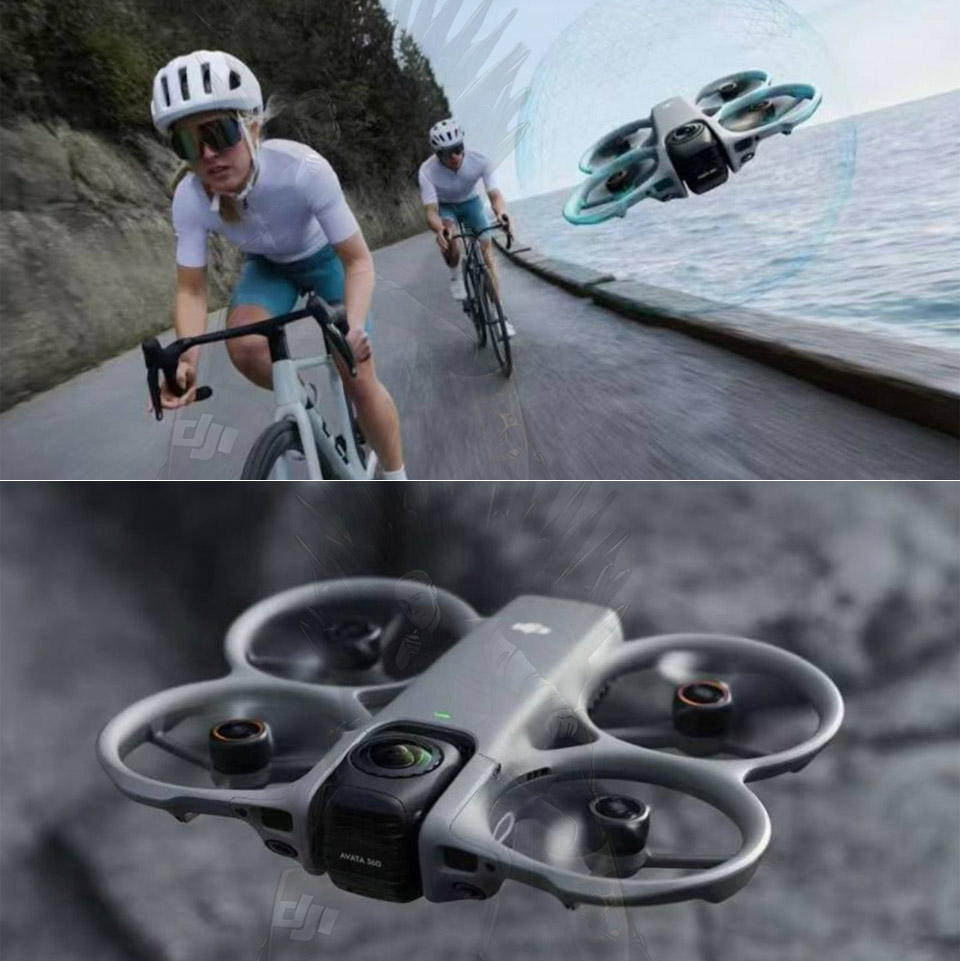
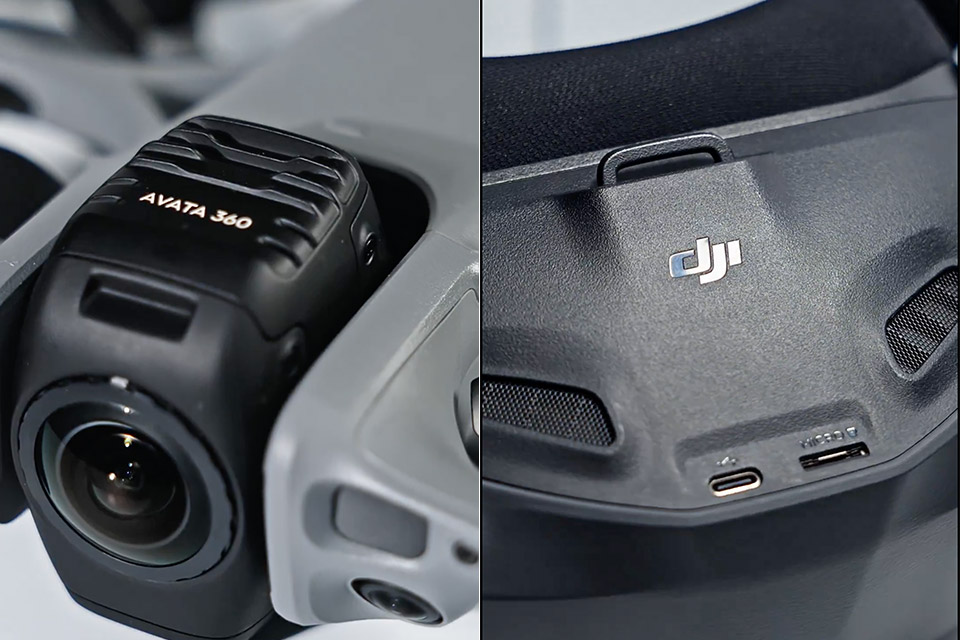
Drone pilots looking to capture every aspect of a dynamic flight will have a lot more options according to DJI’s latest release. After months of speculation and rumors, the Avata 360 has finally been shown. What’s truly fascinating is that this new model can effortlessly integrate immersive recording into a traditional FPV experience.
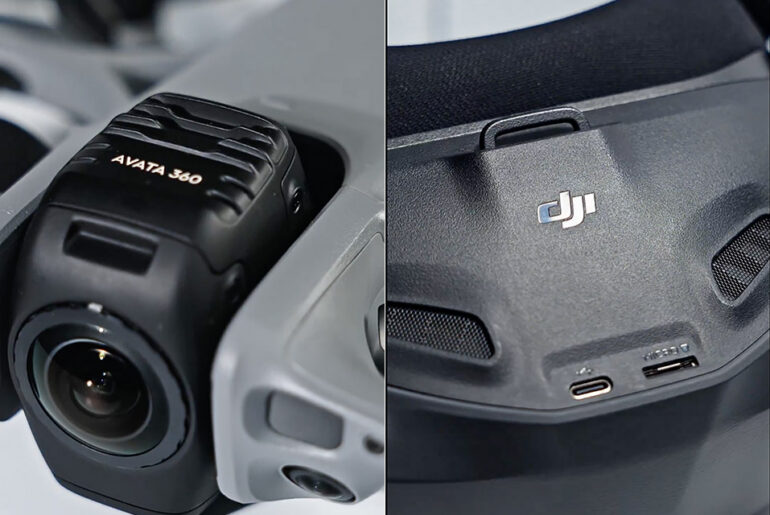
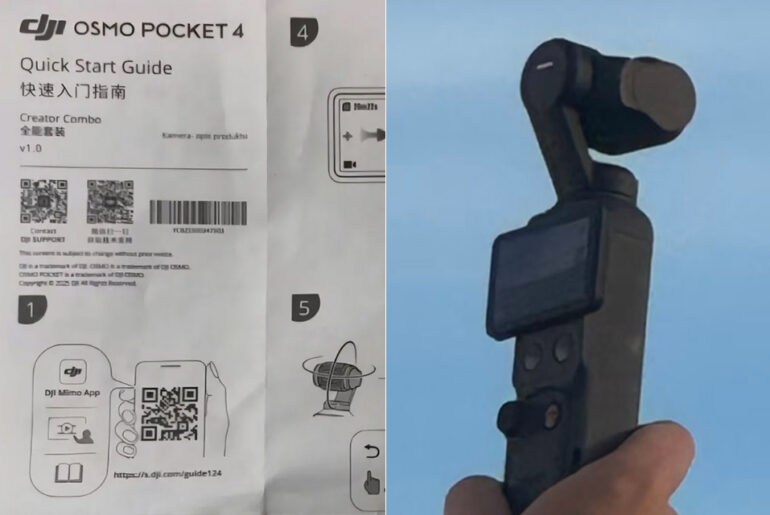
Photo credit: Igor Bogdanov
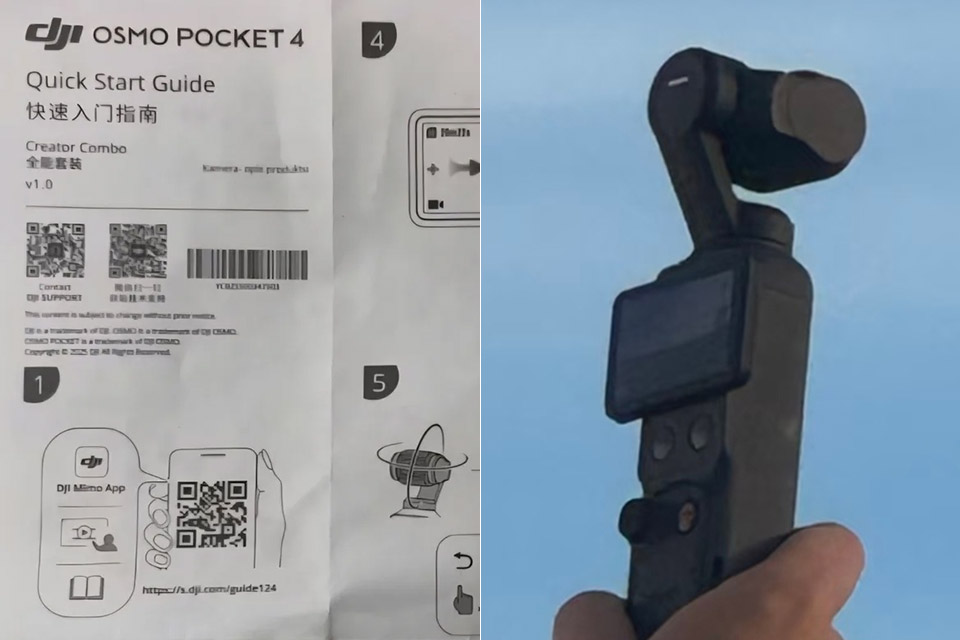
The leaked Quick Start Guide for the DJI Osmo Pocket 4 has finally been discovered, and every page reveals exactly what DJI plans to achieve next with its tiny handheld gimbal camera. At first sight, this update appears to be very similar, however there have been some significant changes. The body remains the same compact design that fits easily into a jacket pocket, but there are a few useful hardware buttons to replace the incessant screen swiping.

Photo credit: The New Camera
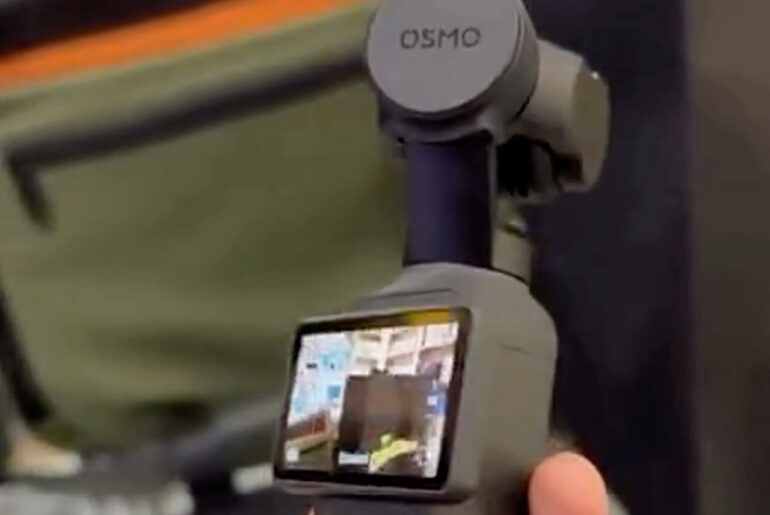
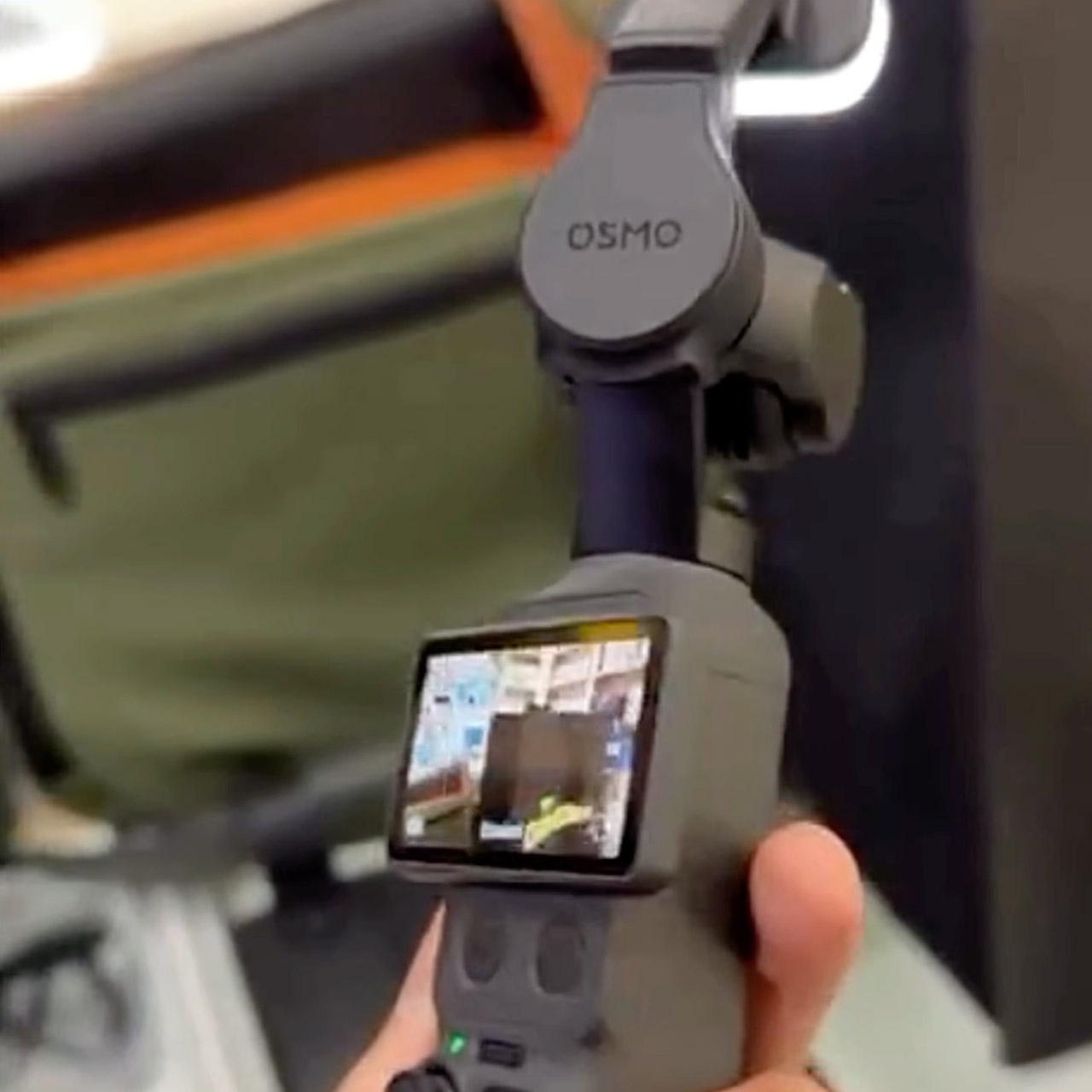
A new hands-on video has emerged, purportedly showing the DJI Osmo Pocket 4 in action, and it comes directly from a Malaysian store. The clip, provided by a local DJI outlet named DronesKaki in the Kuala Lumpur area, shows a customer messing with what appears to be a production unit.

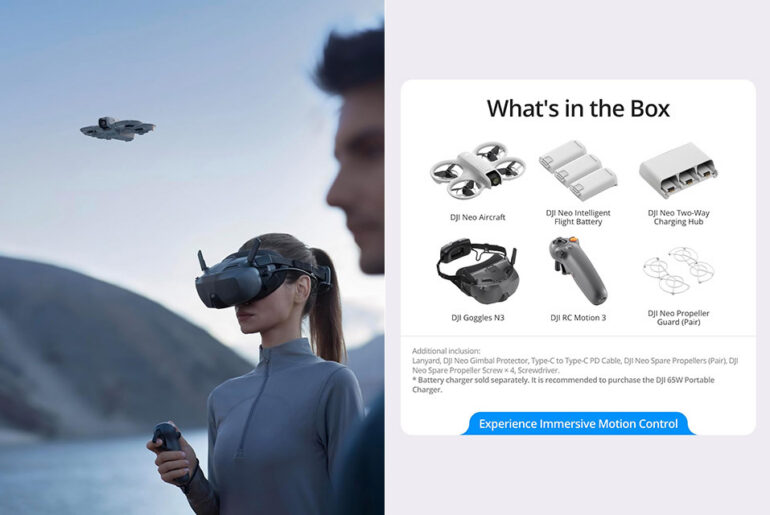
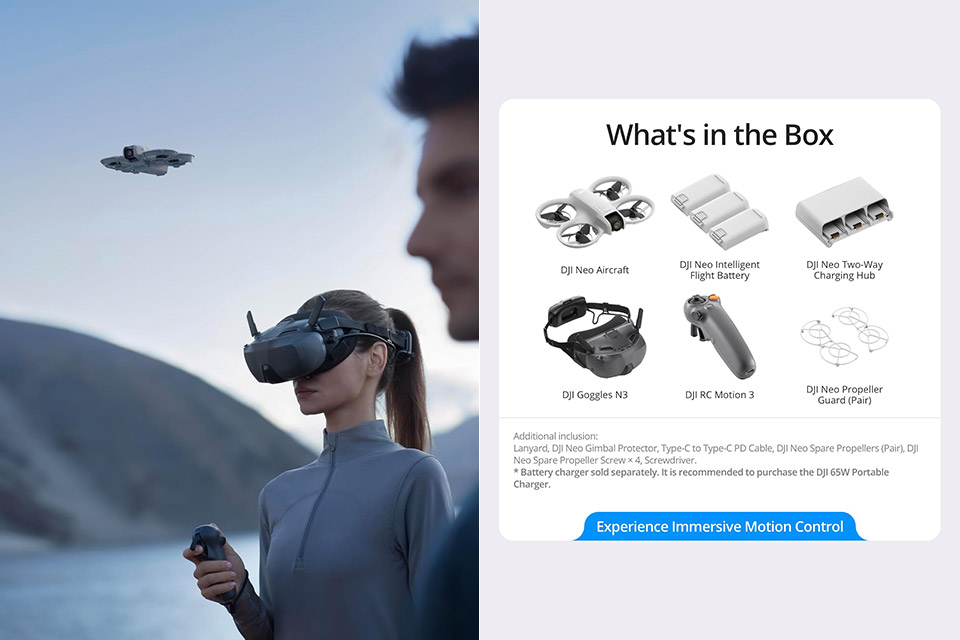
The DJI Neo Motion Fly More Combo, priced at $399 (was $529), makes it simple to get into FPV flying without requiring much experience or a large budget. Weighing only 135 grams, the Neo easily fits in your pocket or backpack.

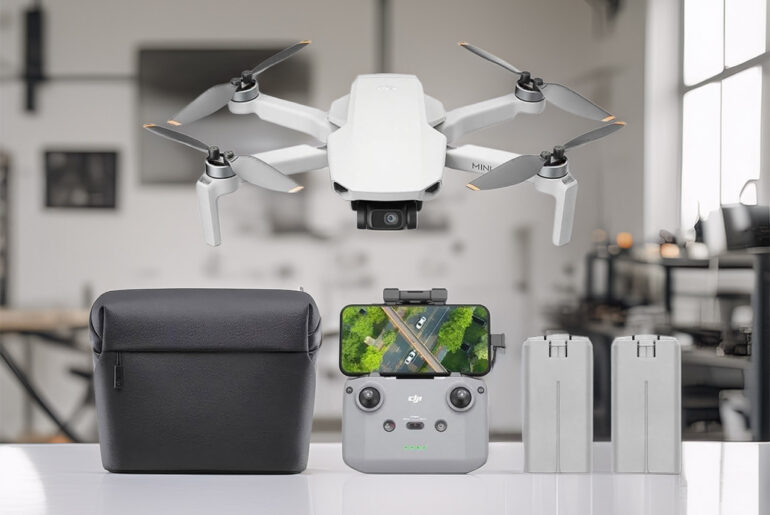
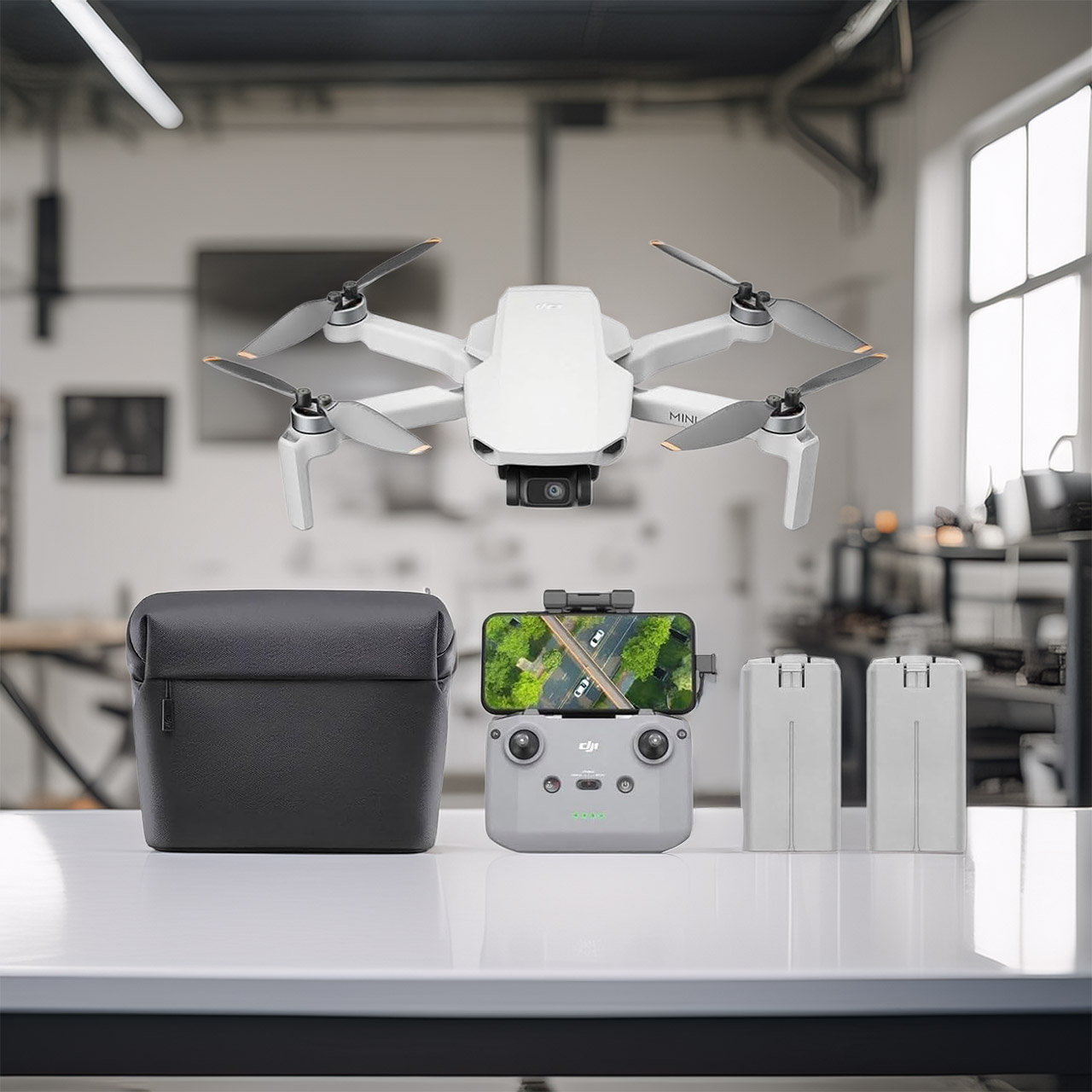
The DJI Mini 4K Fly More Combo, priced at $289 (was $389), remains the best option for anyone starting out in 2026 or seeking for a little drone that gets the job done without being overly difficult. People continue to rave about it as the go-to solution regardless of skill level, and with good reason: it truly stands out.

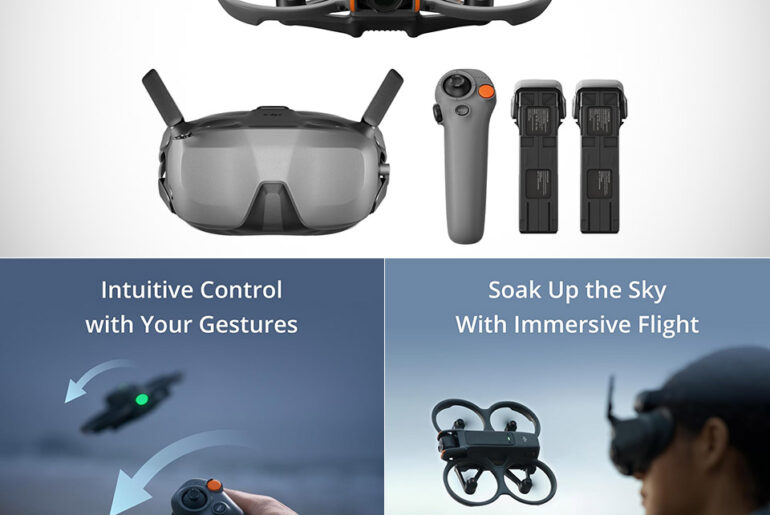
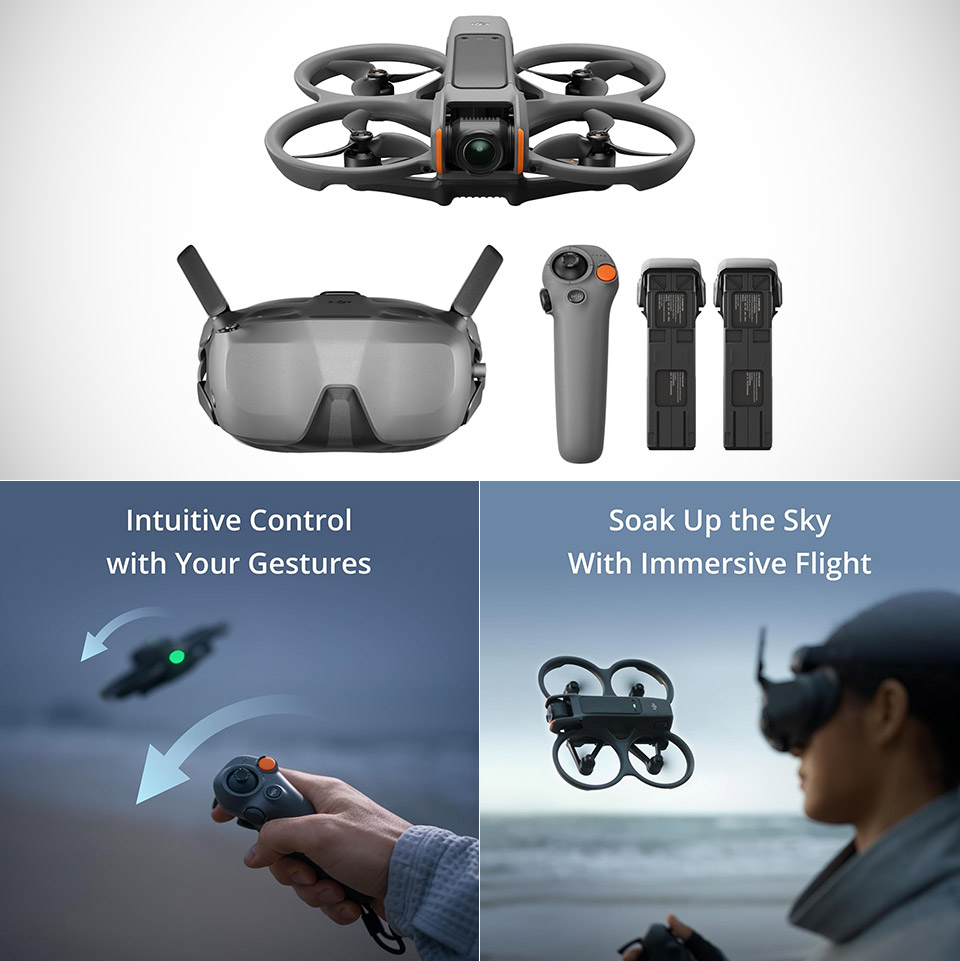
The DJI Avata 2 Fly More Combo, priced at $789 (was $929), is at the top of the list for first-person-view flying, and it’s no wonder given its great blend of ease of use, strong performance, and sensible design. As soon as you put on the DJI Goggles 3, you are engaged in the action. The headset provides a crystal clear, low-latency image directly from the drone’s eye, and its 155-degree field of view allows you to shoot some pretty sweeping panoramas in pin-sharp detail.

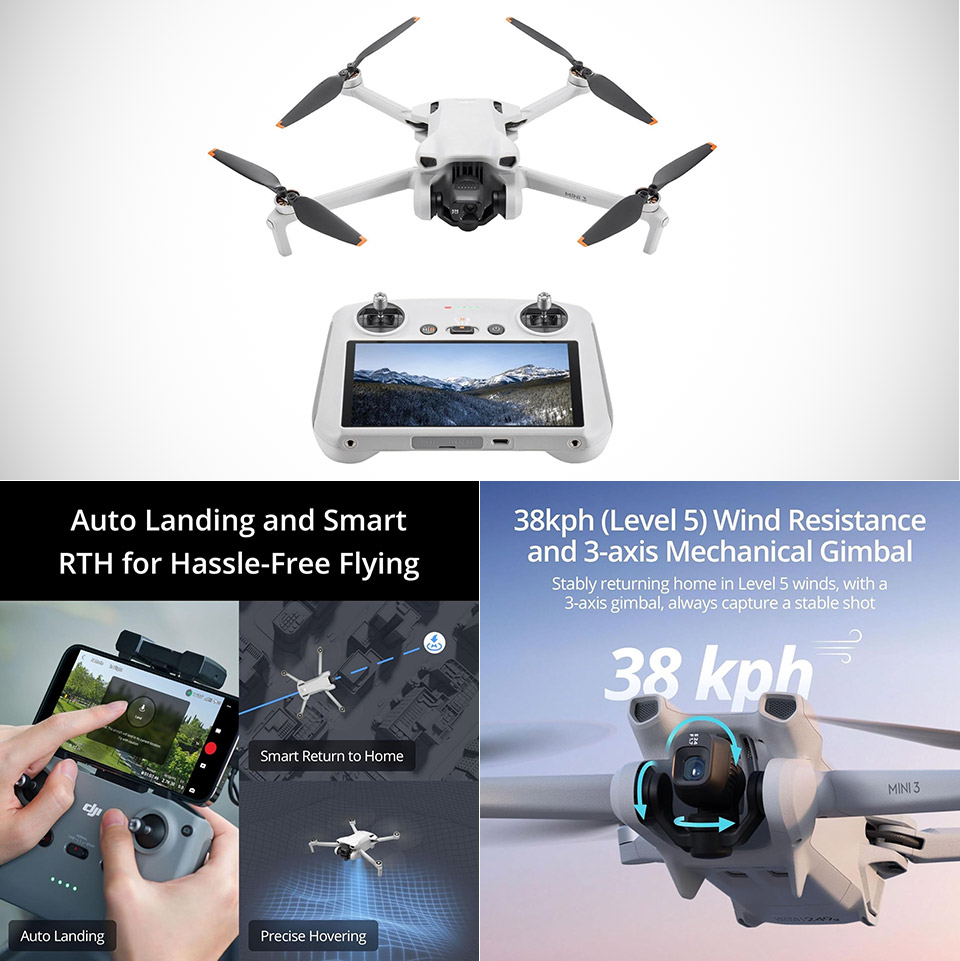
Folding the arms in, the DJI Mini 3, priced at $439 (was $549), fits nicely into even a jacket pocket with plenty of room to spare. Because it weighs less than 249 grams, most countries do not require registration for recreational flying. Seasoned pilots toss it in a bag without thinking twice, whereas rookies comment on how light it is, and that lightness is what makes a big difference in the air in terms of forgiveness.

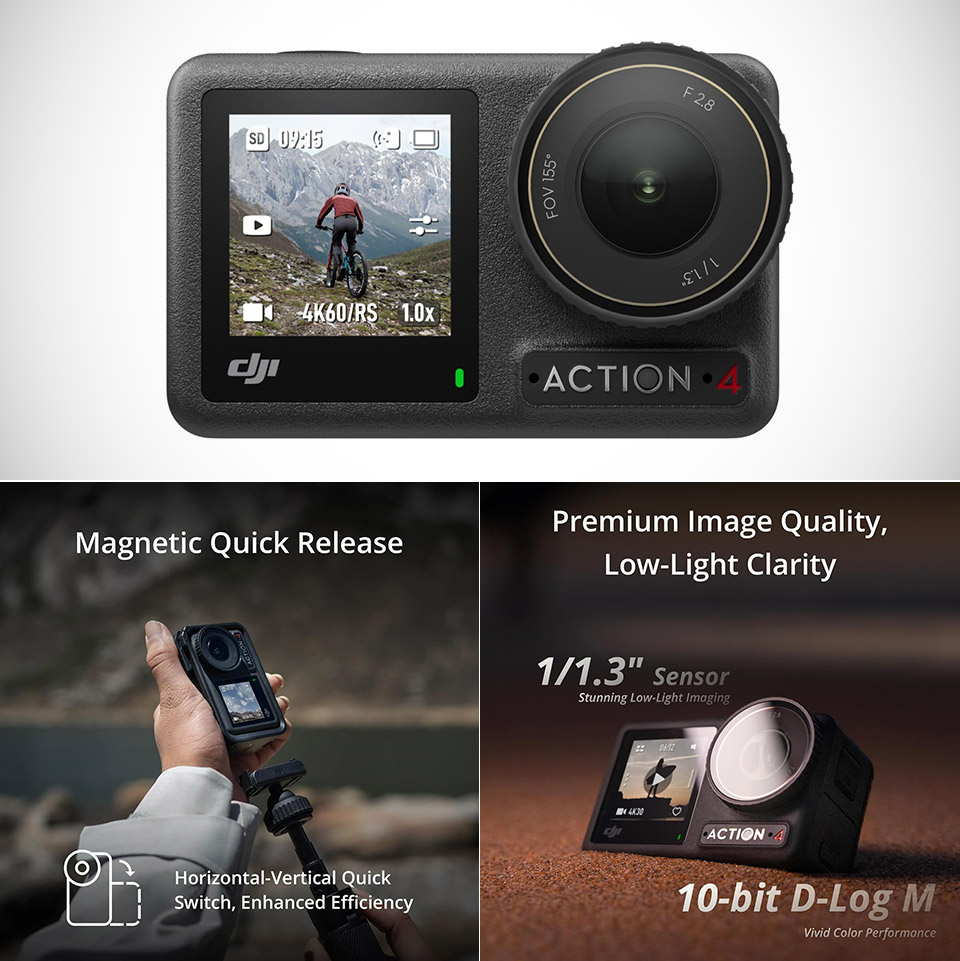
DJI’s Osmo Action 4 Standard Combo, priced at $209 (was $299), gives newer models from GoPro and Insta360 a run for their money, which still cost more than $350. The Action 4’s appeal stems from the fact that it features a 1/1.3 inch sensor, which is larger than what the GoPro Hero 13 Black and Hero 12 use, yet the Osmo still manages to pull in more light, making low-light shots much clearer.

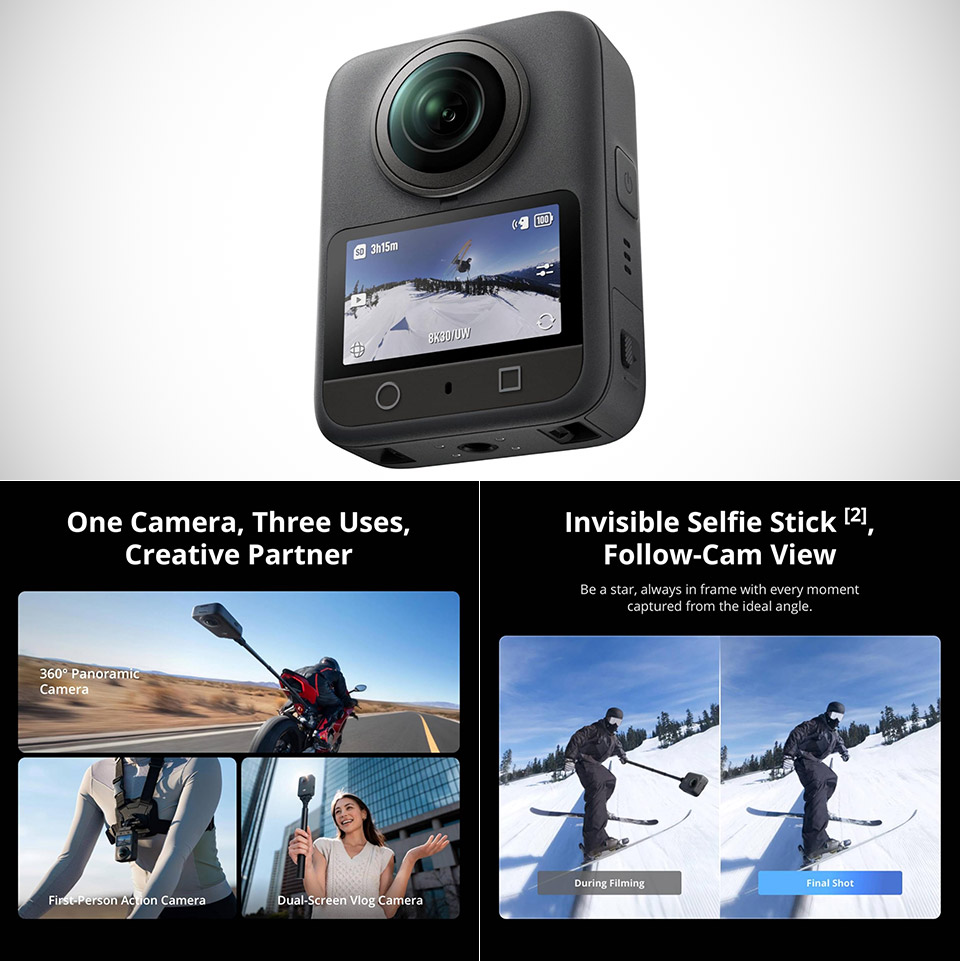
The DJI Osmo 360, priced at $356.29 (was $549.99) is currently the gold standard among 360-degree cameras. The device was released this summer, and its results outperform rivals such as the Insta360 X5 and GoPro Max 2 in a variety of critical areas. For starters, its dual square sensors provide true 1-inch 360-degree imaging, a first in the category.

Photo credit: Igor Bogdanov
As December arrives, bringing with it all the Christmas happiness and regulatory red tape we’ve come to expect at this time of year, DJI throws another curveball into the mix. The Avata 360, their most ambitious attempt yet to combine the thrill of FPV with the all-around video recording capabilities we’ve grown to love, has cleared the final obstacle in its quest to enter US markets. Leaks from FCC filings, rumors from the supply chain, and new photographs of the packaging have all but revealed what’s in store: a drone that’s as content flipping between high-octane aerobatics and silky smooth spherical footage as it is evading the ban hammer that swings on December 23rd.