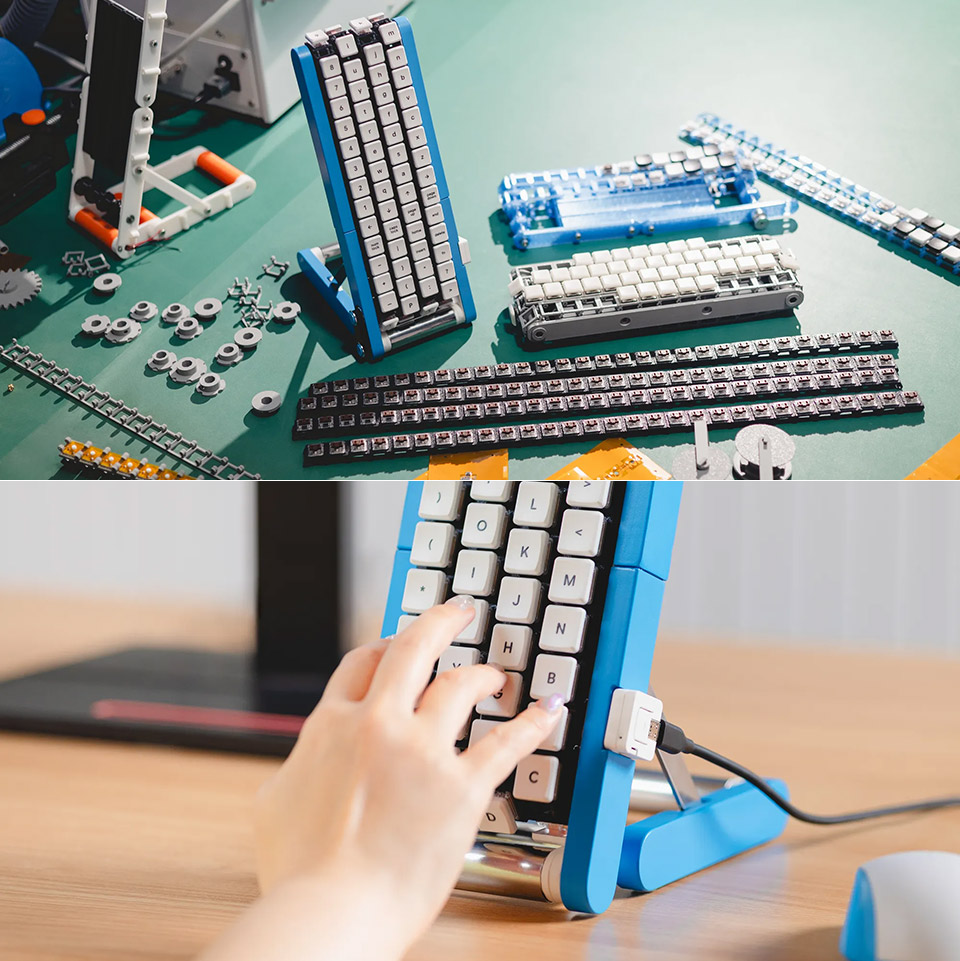
Google Japan marked October 1 with the fifteenth entry in a running series of keyboard proposals from the Gboard team. The date is a small joke on its own. Read as 101, it points at the old full-size layout with a number pad, and the team has used that reading since the company retired its April Fools posts in 2021. This year’s object is called Gboard Conveyor Belt Version, and the name matches the hardware.
![]()
Photo credit: Android Headlines
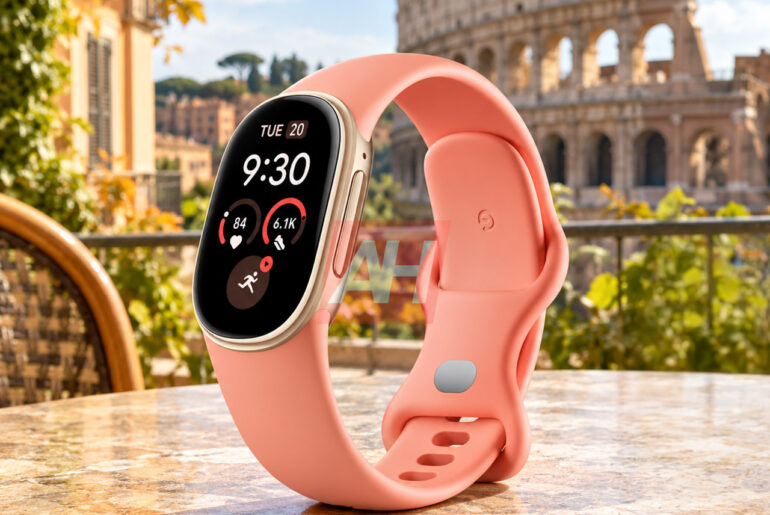
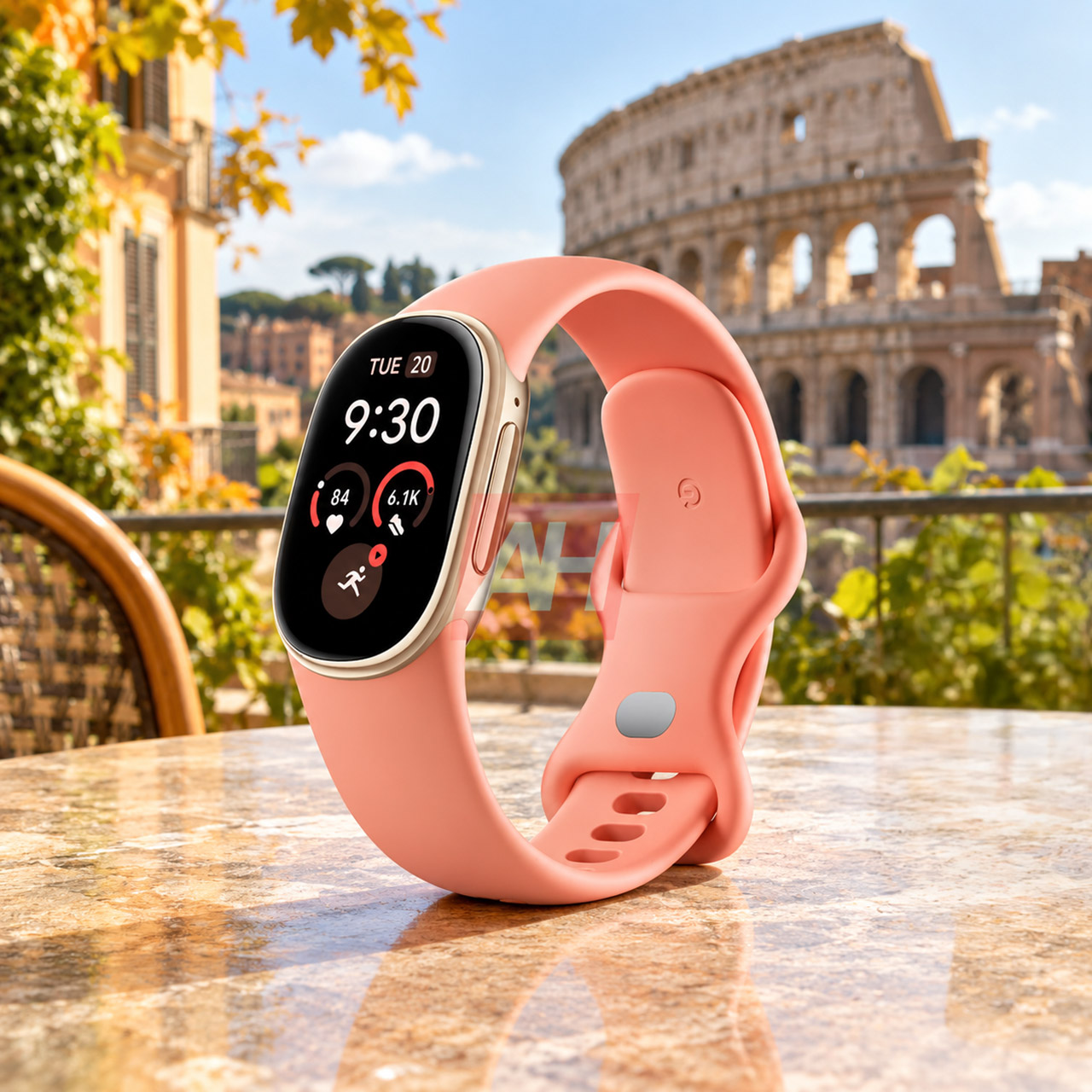
Retail assets that reached Android Headlines yesterday put a name and a face on a tracker Google has been circling for months. Fitbit Edge is the label on the listings, and the hardware reads as the next step after the Charge line, which last saw a full update in 2023.

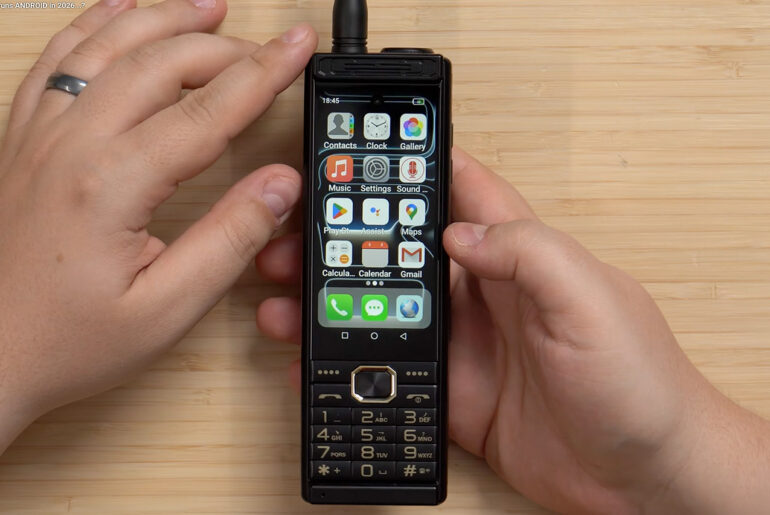
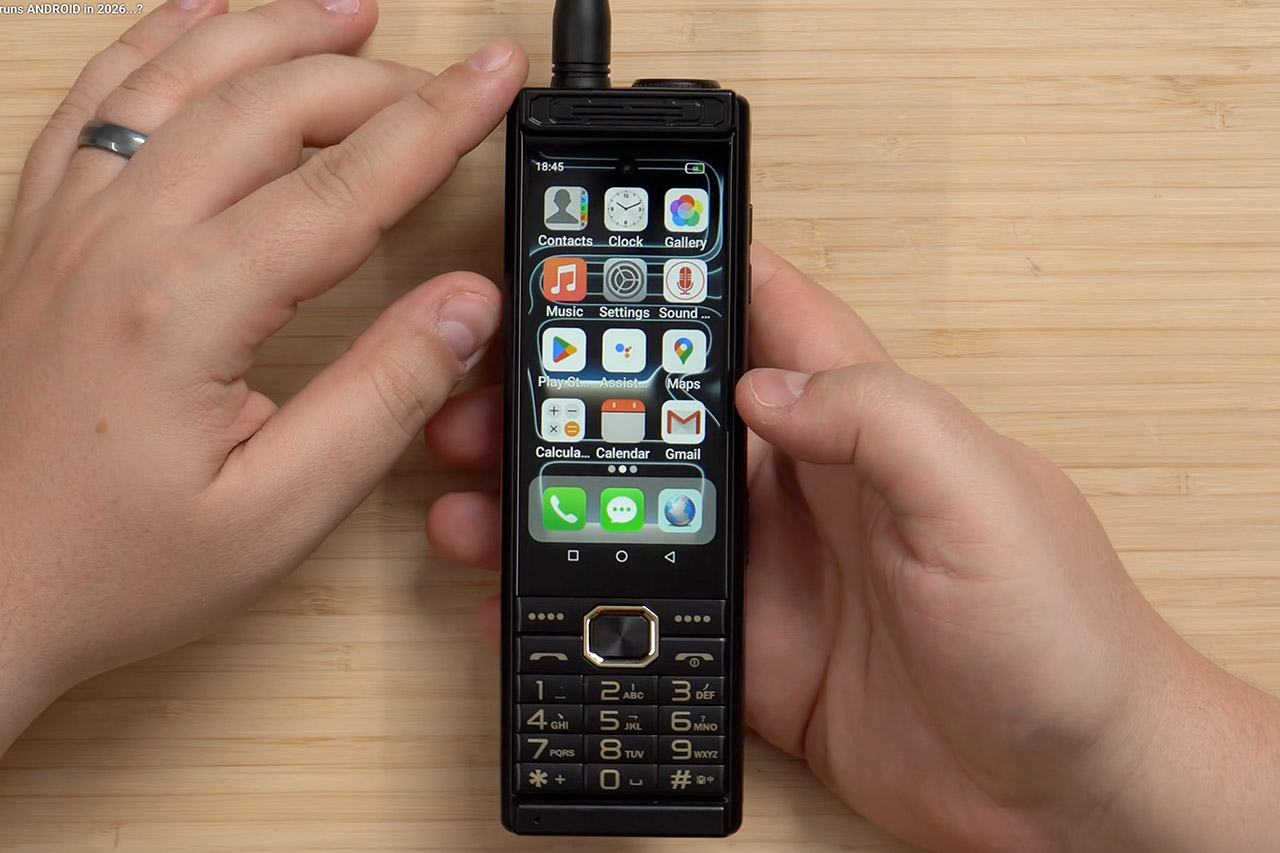
Sellers in Aliexpress spent the past year listing a handset called the Gionee D999, and the first glance does most of the selling. Long, narrow, black, and topped with a stubby antenna, it reads as a direct copy of the brick phones that sat on car seats in the early nineties. Open the box and the story changes. Behind the rubber keys and a slide of thin plastic sits a full Android phone, sold for about a hundred dollars and aimed at anyone who wants WhatsApp on a device an older relative can still hold without squinting.

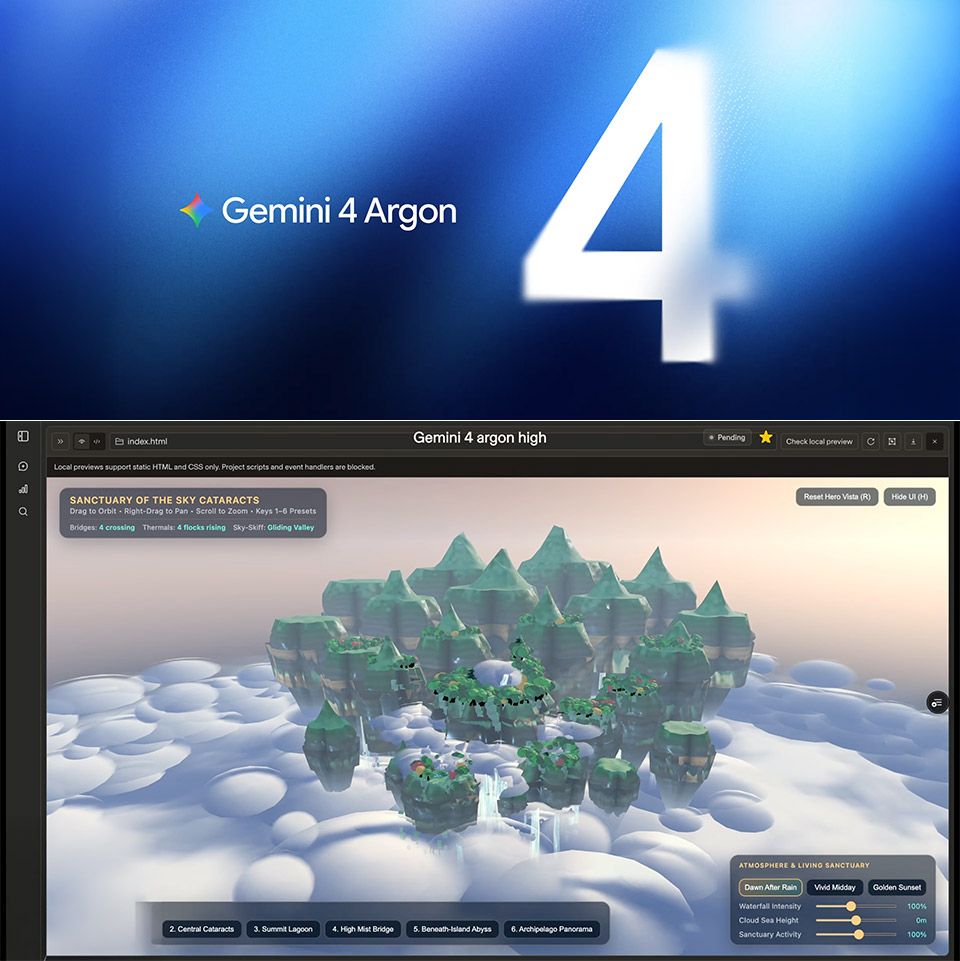
Google put Gemini 4 Argon in front of a small group of cyber defenders on September 30, and the claim attached to it is plain enough to follow. This is the model the company wants on jobs that take a long time to finish, the kind that wander through a huge codebase, a stack of contracts, or a live security review and still need one coherent result at the end. Argon can write up to a million tokens in a single pass. Earlier Gemini models stopped around 64,000. A token is a small piece of text, so a million of them sits closer to a short novel than a chat reply. Google’s case is that the extra room changes the work itself, because the model can stay on one problem instead of being cut off and asked to pick the thread back up later.
![]()
Photo credit: Android Headline
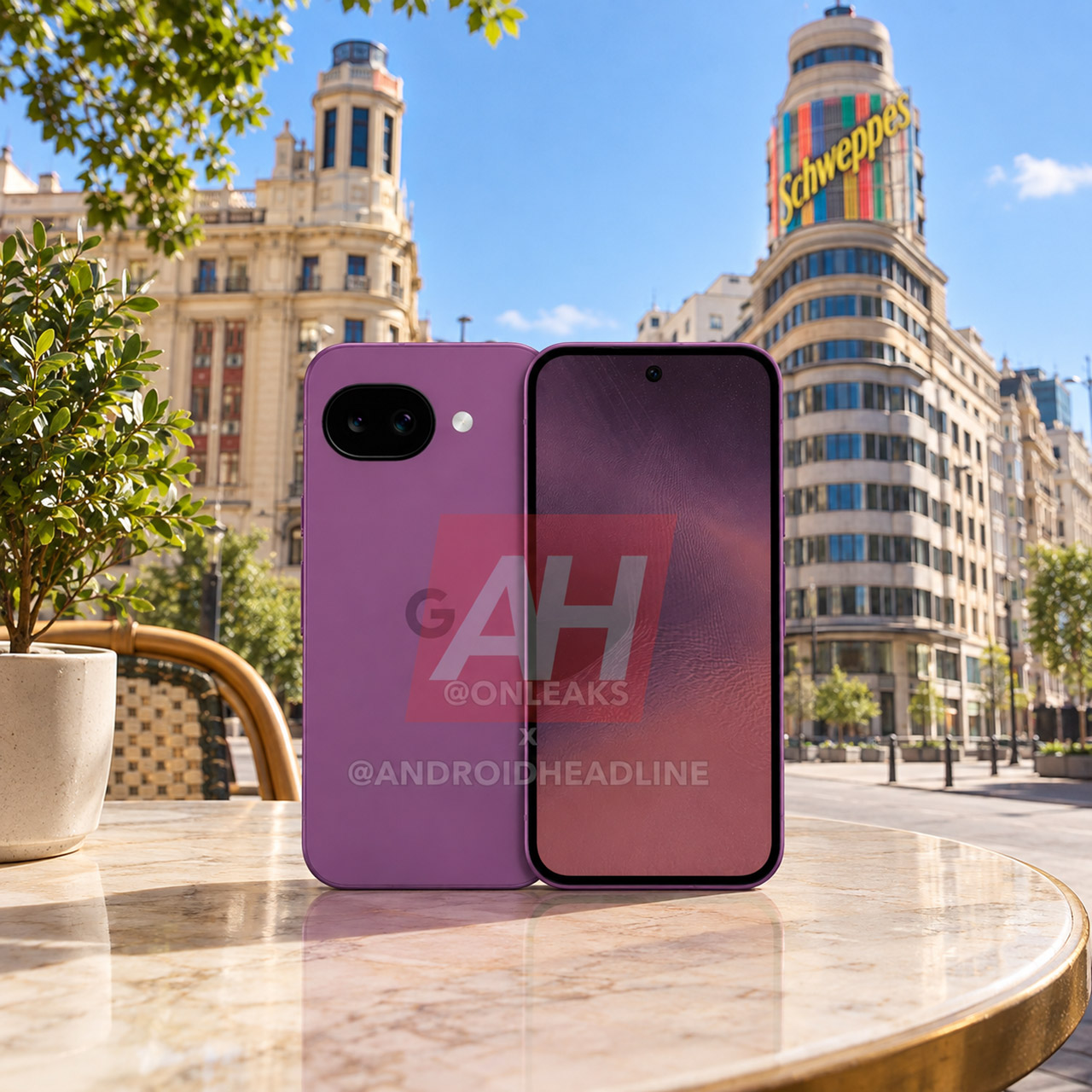
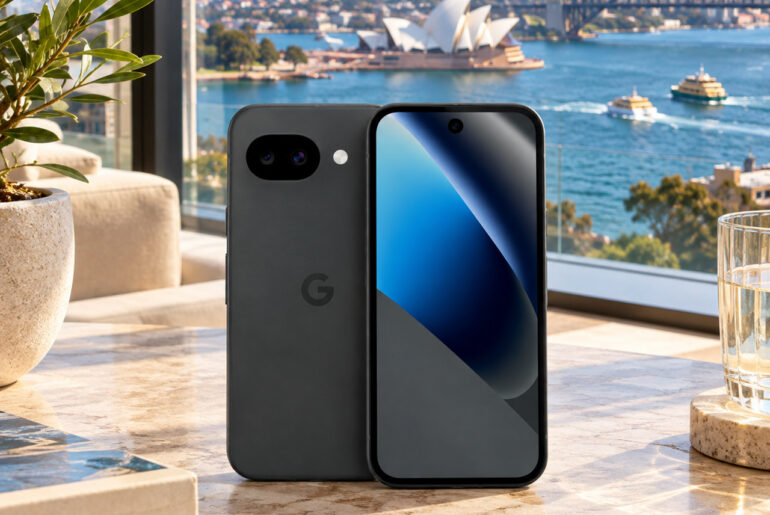
CAD files published this morning by Android Headlines, built with OnLeaks, give the first clear look at the Pixel 11a, Google’s next midrange phone, internally called Formosan. Anyone who has held a Pixel 10a will recognize the body almost immediately. Cameras sit flush with the back glass, the same flat treatment that arrived on last year’s A-series, and the frame stays within a hair of the old measurements.
![]()
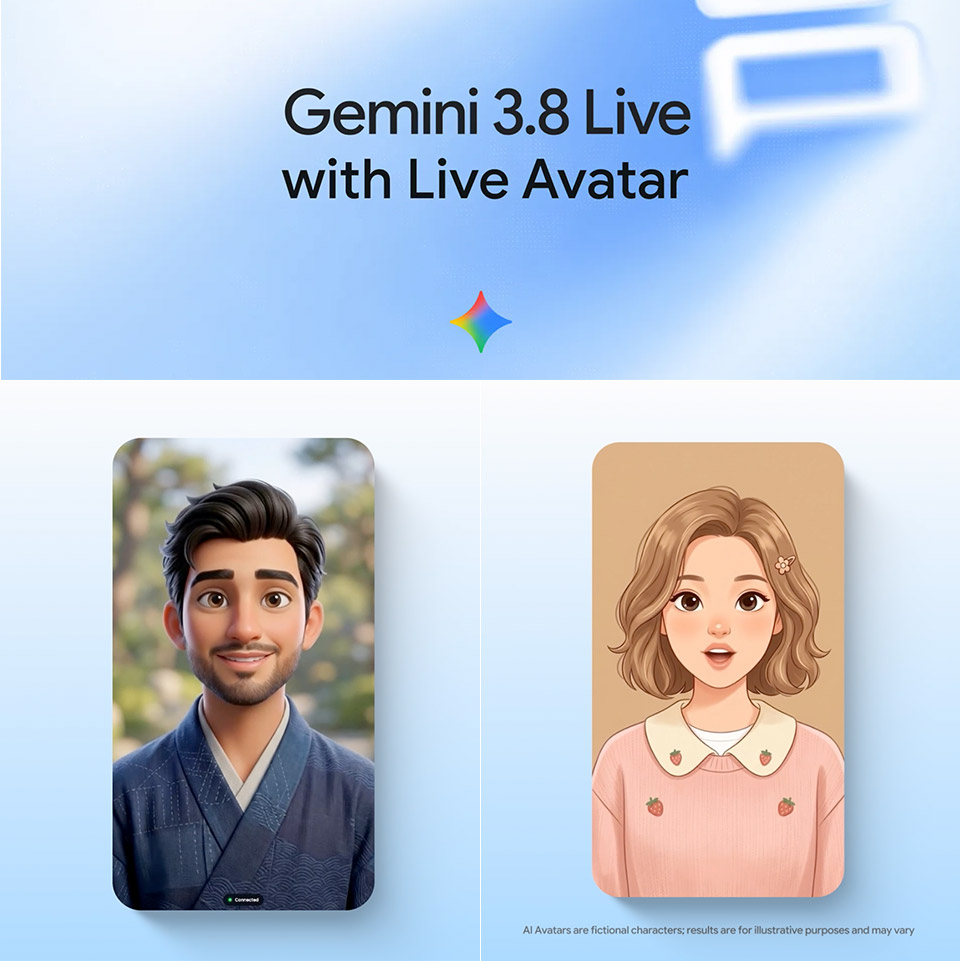
Google just gave its newest live conversation model a face. Gemini 3.8 Live with Live Avatar became generally available on September 24 for Gemini Enterprise customers, one week after the audio-focused Gemini 3.8 Live models launched and months after a first look at Google Cloud Next 2026. The update generates a 24-frame-per-second video of an animated person or cartoon character whose mouth and expressions stay locked to the spoken words, pairing the existing speech model with low-latency streaming video in a single pass.

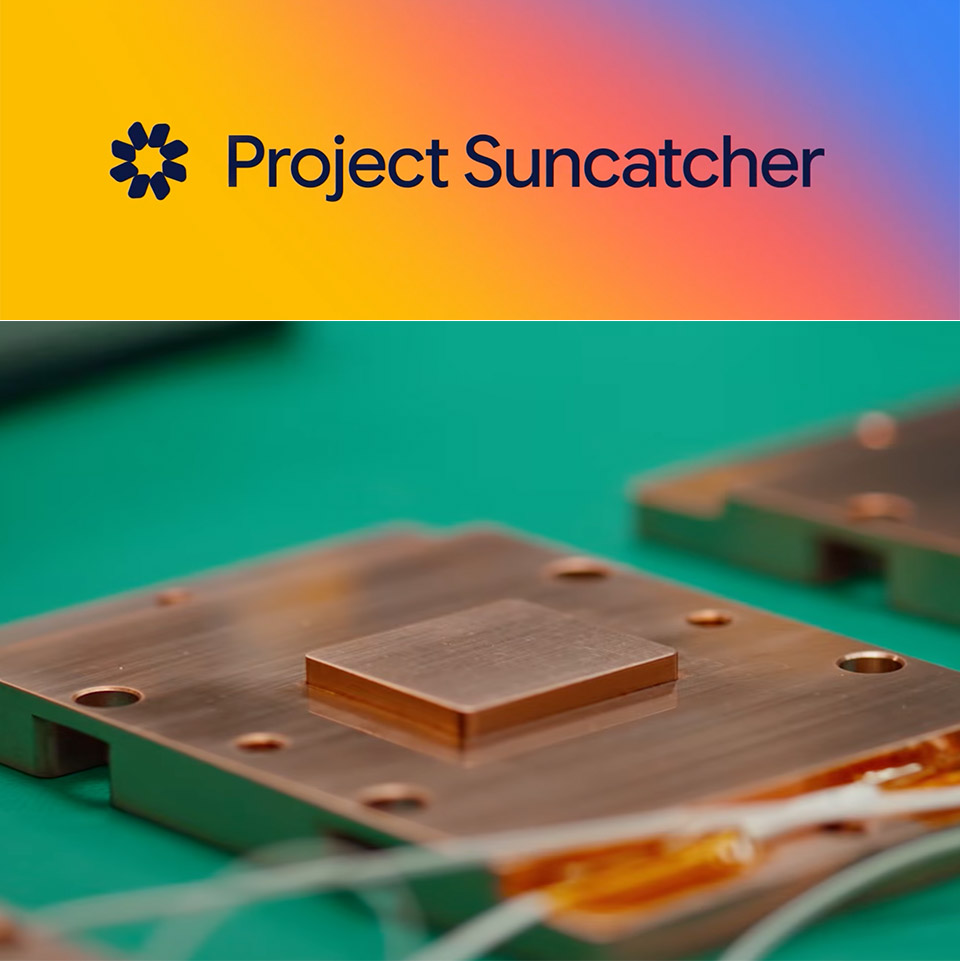
Google will send its first AI chips into space next week as the opening flight of Project Suncatcher, a long-term research effort to find out whether machine learning hardware can run in low Earth orbit on solar power. A refrigerator-sized prototype named MVP, built with Planet Labs and carrying four Tensor Processing Units, is booked on SpaceX’s Transporter-18 Falcon 9 rideshare from Vandenberg, with a target date of October 1. The satellite is not a working orbital data center. It exists to measure what launch vibration, radiation, and vacuum heat do to Google’s chips once they leave the ground.
![]()
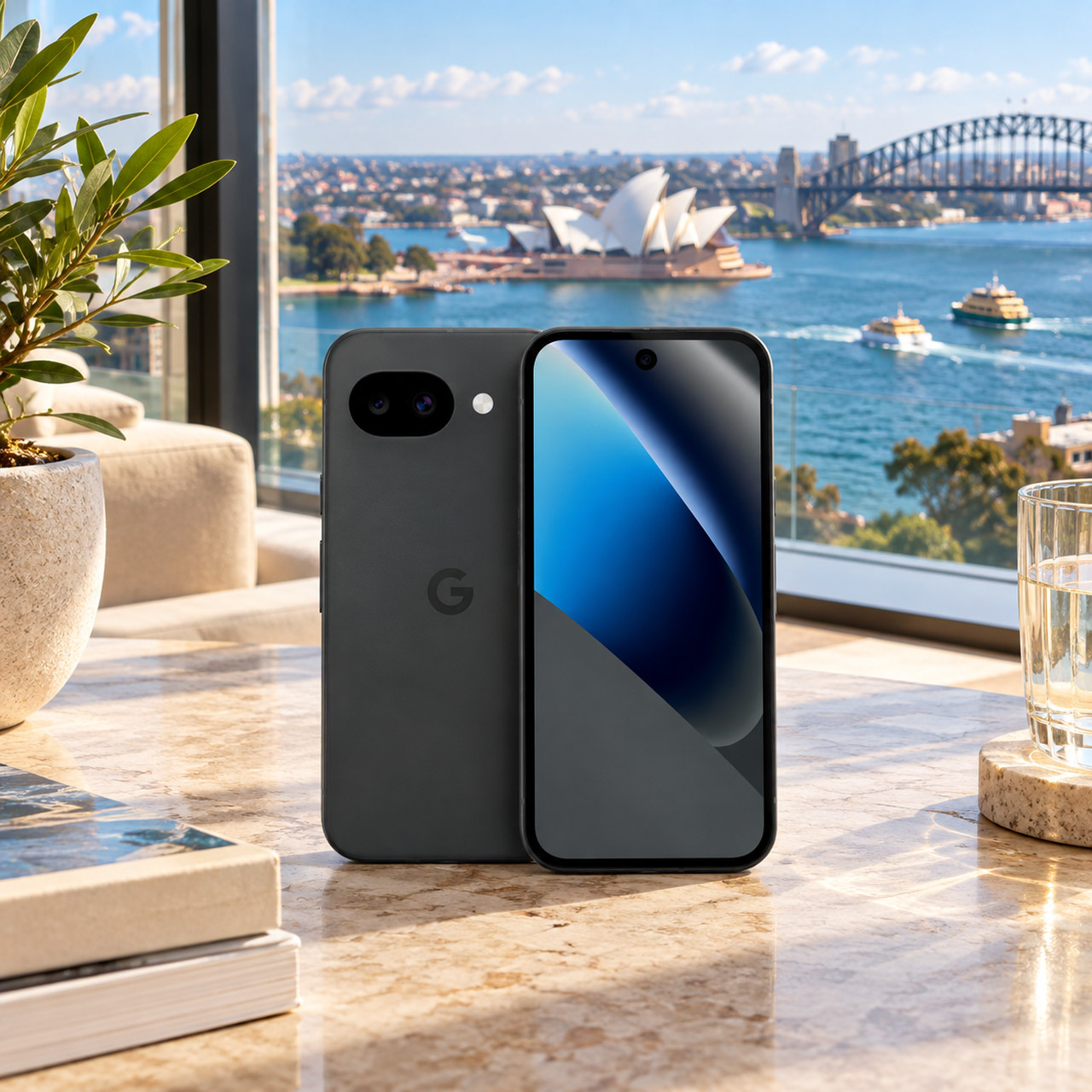
Google kept the Pixel 10a at $499 for 128GB when it launched, and street prices have since drifted lower, with the Obsidian version often landing at $424. That number matters because almost every rival in this range either costs more on day one or starts cutting software support much sooner. Hardware inside this phone will look familiar if you held a Pixel 9a.

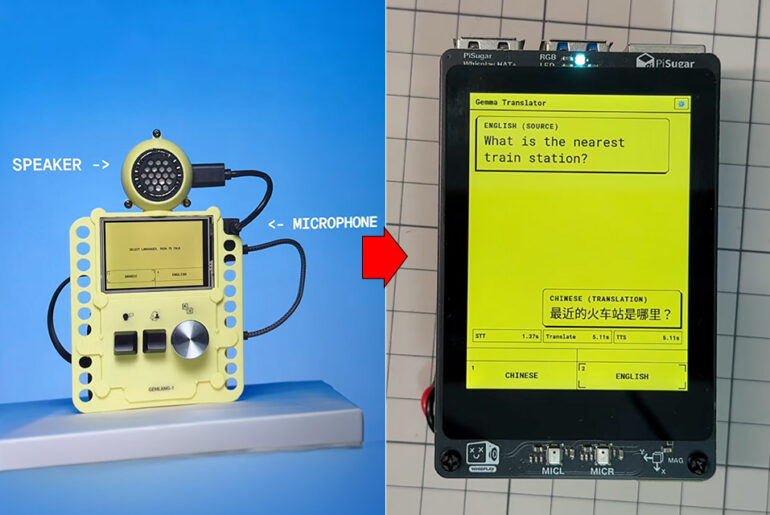
Google Creative Lab published Gemma Translator back in August 2026 as a voice box that never phones home. Alan Yam, Shashwath Santosh, and Dan Motzenbecker built it with help from Google Antigravity, then posted the code, model scripts, and 3D-print files on GitHub under Apache 2.0. You talk into a microphone. Moonshine turns the recording into text. Gemma 4 E2B, running locally through LiteRT-LM, translates that text. Moonshine speaks the other language from a speaker. After the first download, the radio can stay off.

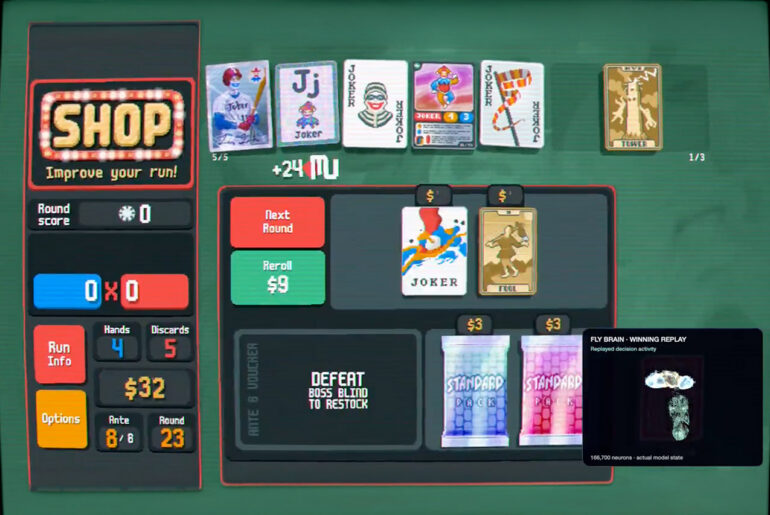
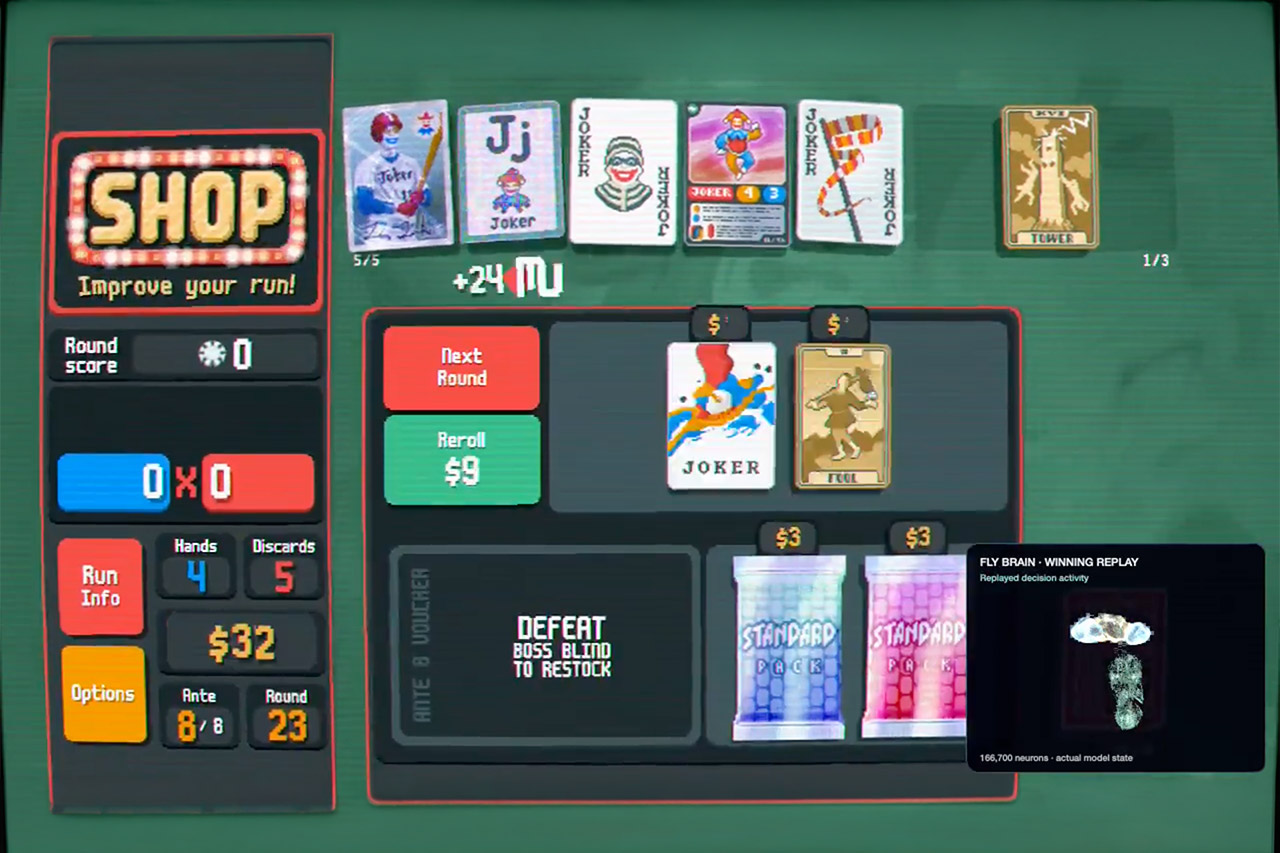
Google Research and HHMI Janelia’s FlyEM team released MaleCNS v1.0 earlier this month, a complete wiring diagram of an adult male fruit fly’s brain and ventral nerve cord. More than 166,000 neurons and about 125 million synapses sit in that public map, rebuilt from electron-microscope slices of a real Drosophila with machine-learning reconstruction. Hobbyists spent the next two weeks pointing those cells at DOOM, Beat Saber, Minecraft, a Rubik’s Cube, crypto tickers, and a parallel-parking drill. Then someone pointed them at Jimbo from Balatro.