![]()
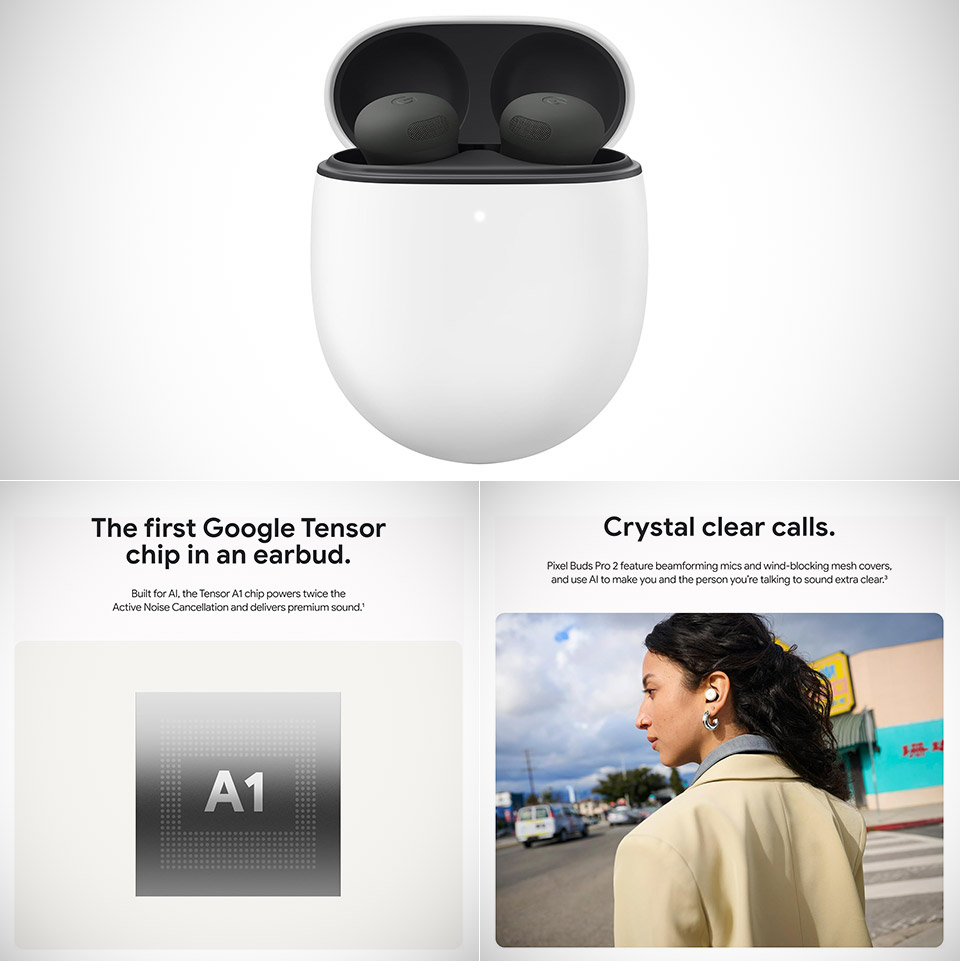
Google’s Pixel Buds Pro 2, priced at $169 (was $229), are smaller and lighter than their predecessors, weighing only 4.7 grams each and including a twist-to-lock stabilizer that keeps them in place during runs or long days on the go, eliminating the need to fumble with them all day to keep them comfortable. Reviewers have raved about the Buds Pro 2’s small size and flexible fins, which create a nice snug fit that will last through even the most strenuous workout while remaining comfortable enough to wear for hours at a time, an issue that plagued some original model owners with a loose fit.
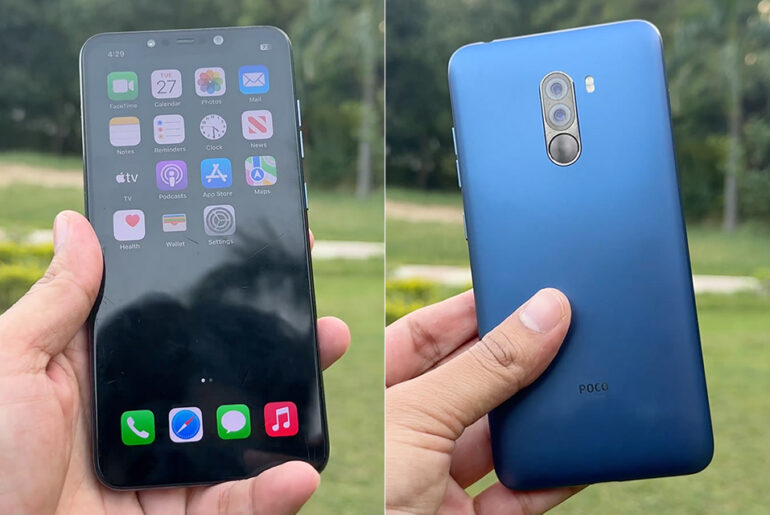
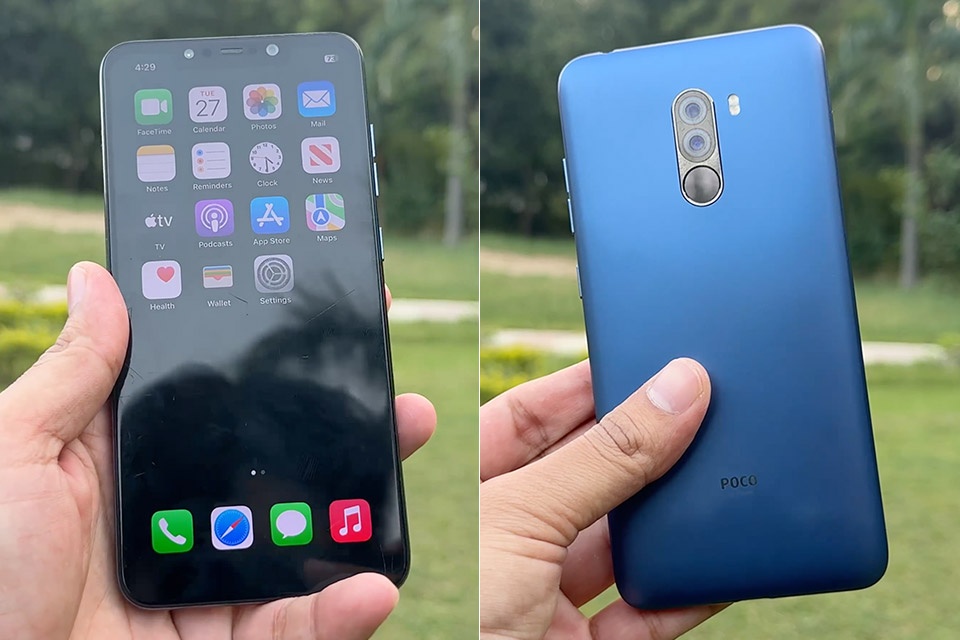
Powering on an old Xiaomi Poco F1 now brings up an iOS lock screen instead of the usual Android boot animation. Orailnoor’s recent demonstration shows the phone starting directly into a modified version of Apple’s software, with the home screen, Settings app, Control Center, and basic gestures all responding to touch. The device identifies itself as an iPhone X even though the hardware underneath remains the same Snapdragon 845 board that shipped in 2018.
![]()
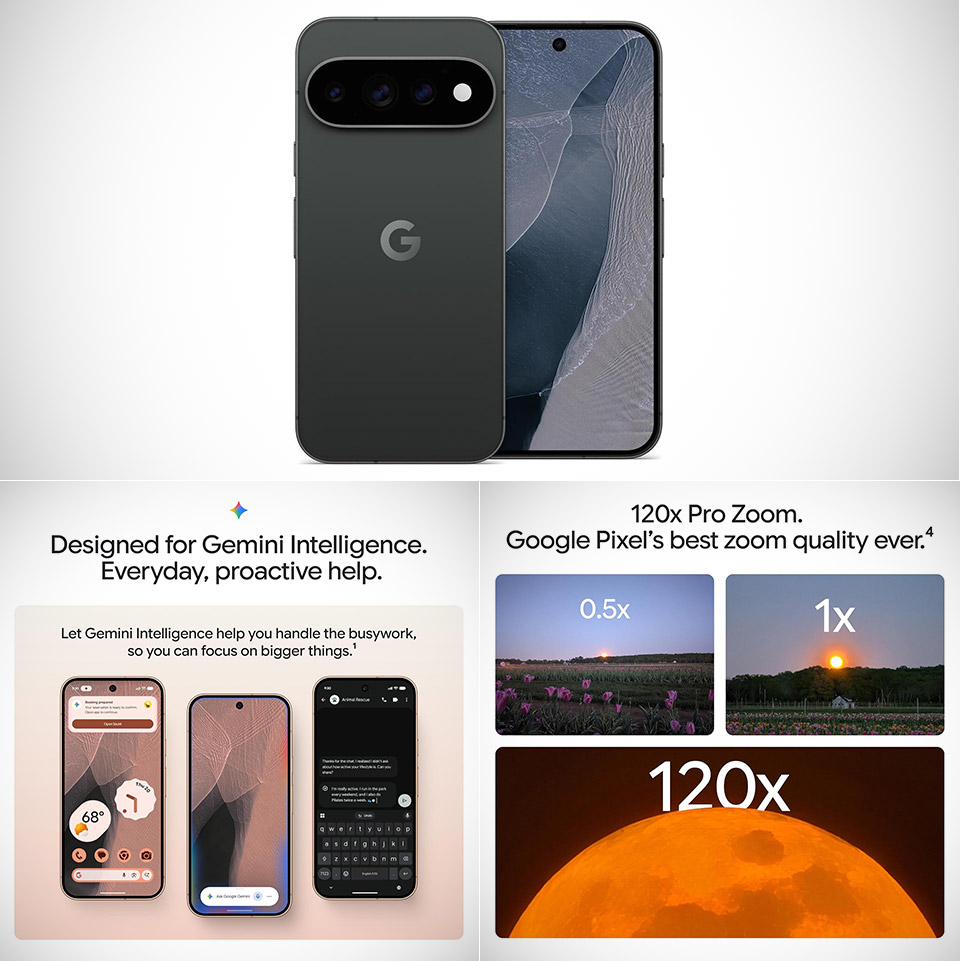
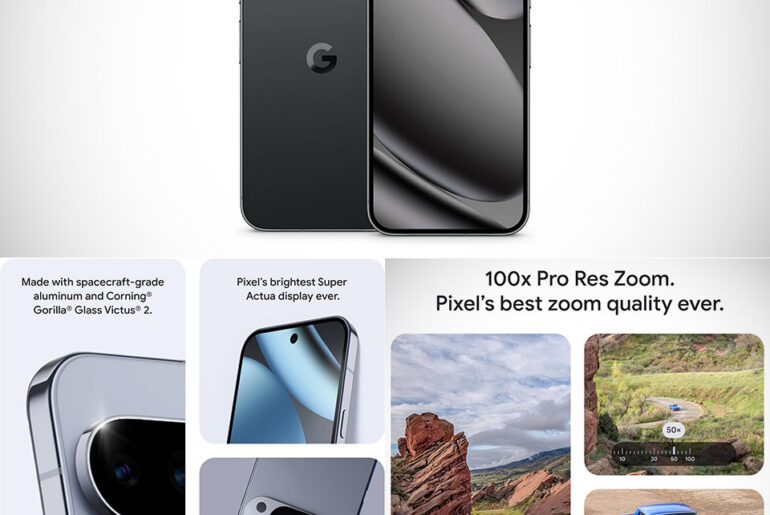
Google’s latest compact flagship, the Pixel 11 Pro, priced at $799 today (was $1,100), arrives with a 6.3-inch LTPO OLED that reaches 3,600 nits of peak brightness and keeps a fluid 1-to-120 Hz range, numbers that sit ahead of the Galaxy S26 Ultra’s 2,600-nit ceiling and match or edge the iPhone 18 Pro’s 3,000-nit outdoor peak.

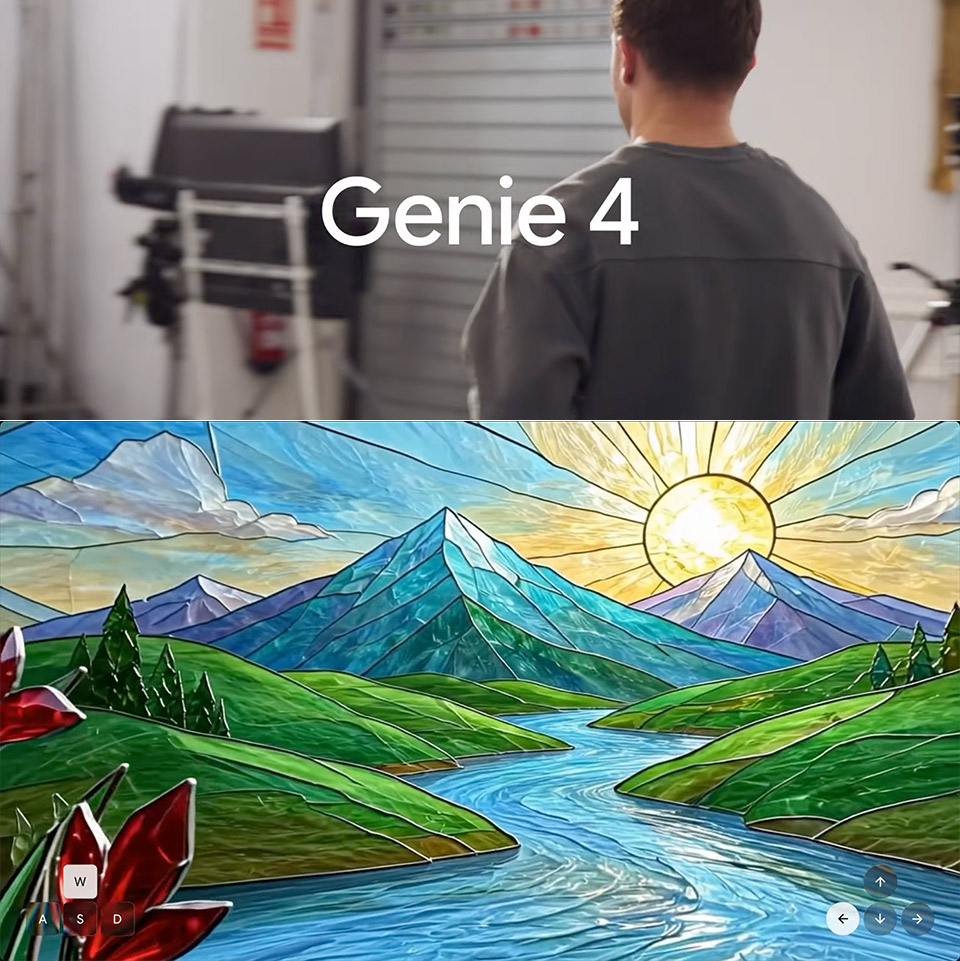
Google’s DeepMind just opened the next chapter in world models with Genie 4, a system that generates explorable environments on the fly and keeps them coherent while you move through them. You start with a text prompt or a reference image, and the model produces the scene pixel by pixel as you navigate. Standard keyboard controls let you walk or fly around while the world responds in the moment.

Google is placing its HP Dimension with Google Beam systems in 20 USO centers around the world so deployed service members can sit down and talk with family as if they share the same table. A pilot that linked Trzebień, Poland, with Fort Bliss, Texas, has already shown the difference. Now the program is growing to include Grafenwöhr, Germany, and Fort Hood, Texas, among other sites.
![]()
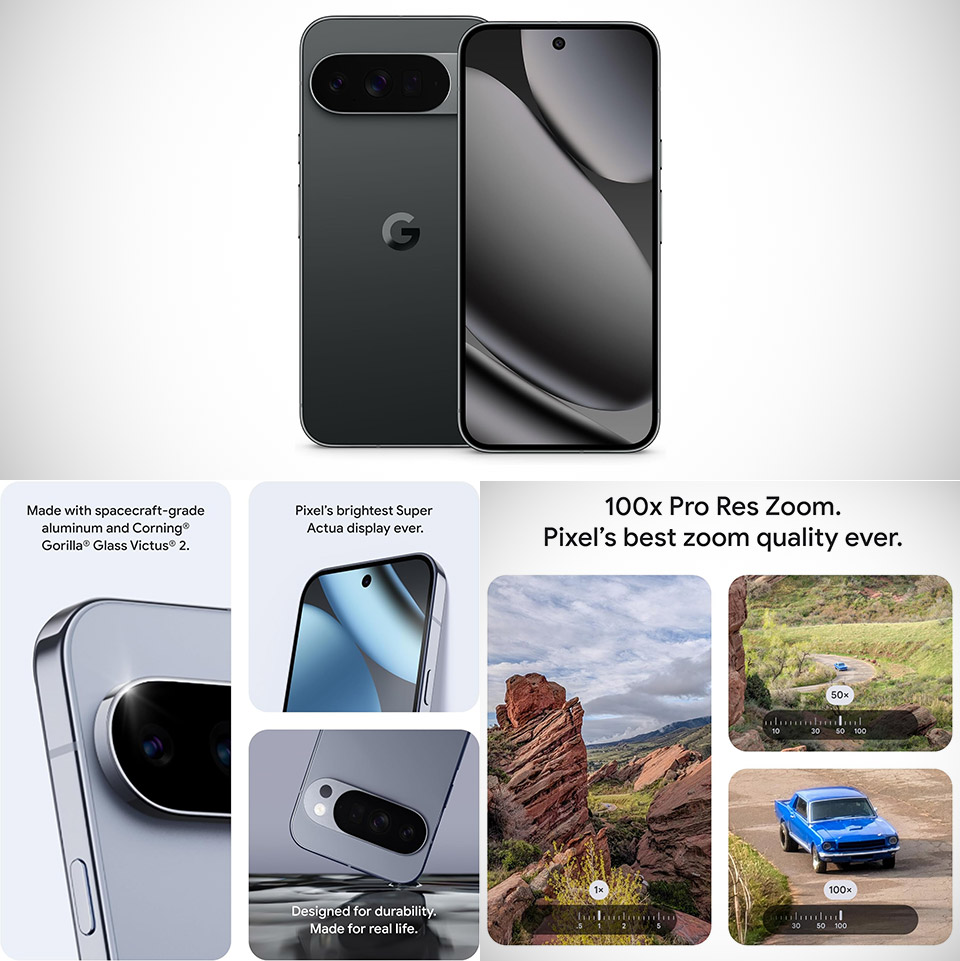
Google built the Pixel 10 Pro XL, priced at $849 today (was $1,200), as its largest phone in the 2025 lineup, measuring 162.8 by 76.6 by 8.5 millimeters and weighing 232 grams. An aluminum frame wraps around Gorilla Glass Victus 2 on both sides, and the whole package carries an IP68 rating for dust and water resistance. In hand it feels substantial without turning awkward for one-handed reaches or pocket carry. A 6.8-inch LTPO OLED panel fills most of the front, running at 2992 by 1344 resolution with a 120 Hz refresh rate that drops as low as 1 Hz when nothing moves. Peak brightness hits 3300 nits in short bursts and holds around 2200 nits for HDR content, which keeps outdoor text readable even under direct sun.

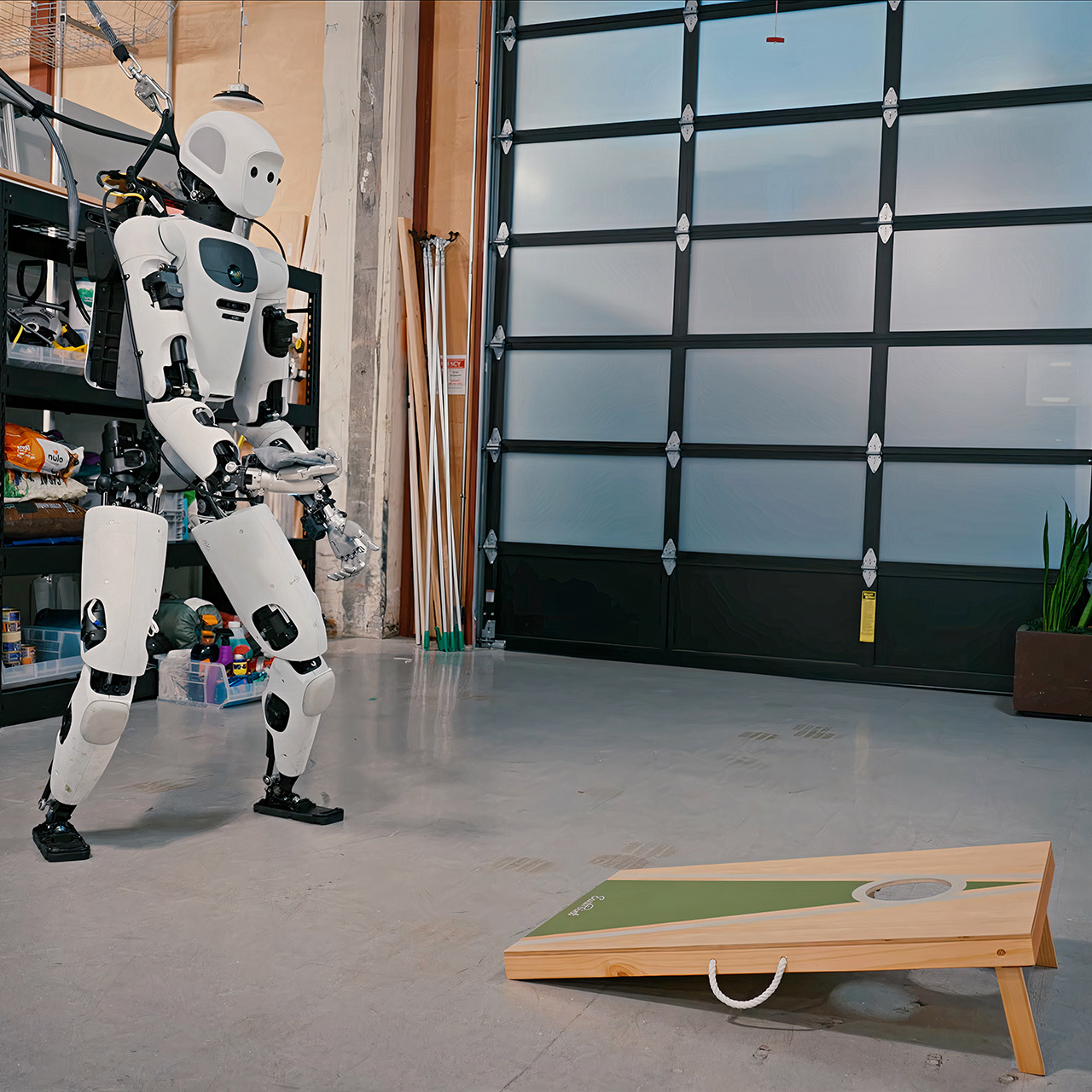
Google DeepMind showed this week that Gemini 4 Argon can watch a short video of a person tossing beanbags into a cornhole board, map the arm swing and release point onto a humanoid’s joints, build a full physics simulation of the robot and the board, practice the motion until the hand clears the hip cleanly, then transfer the result to Apptronik’s Apollo humanoid. On real hardware the robot sank seven consecutive shots. Researchers described the sequence as turning ordinary video into a scalable training ground that compresses weeks of manual simulation modeling into a few hours.
![]()
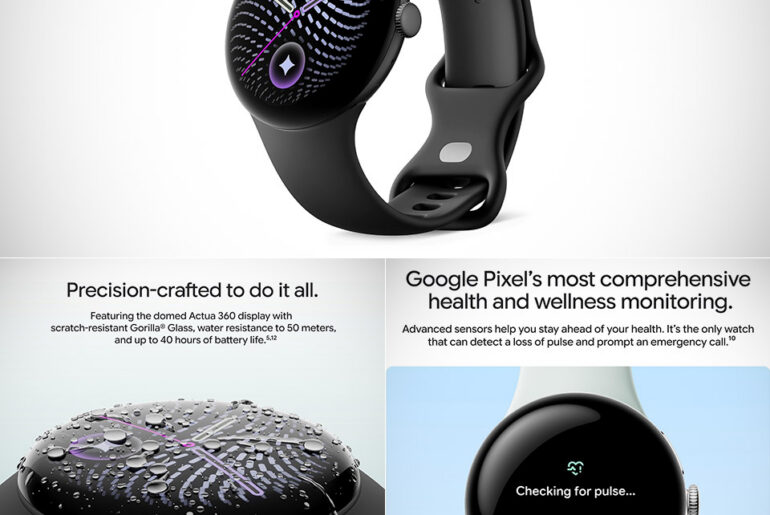
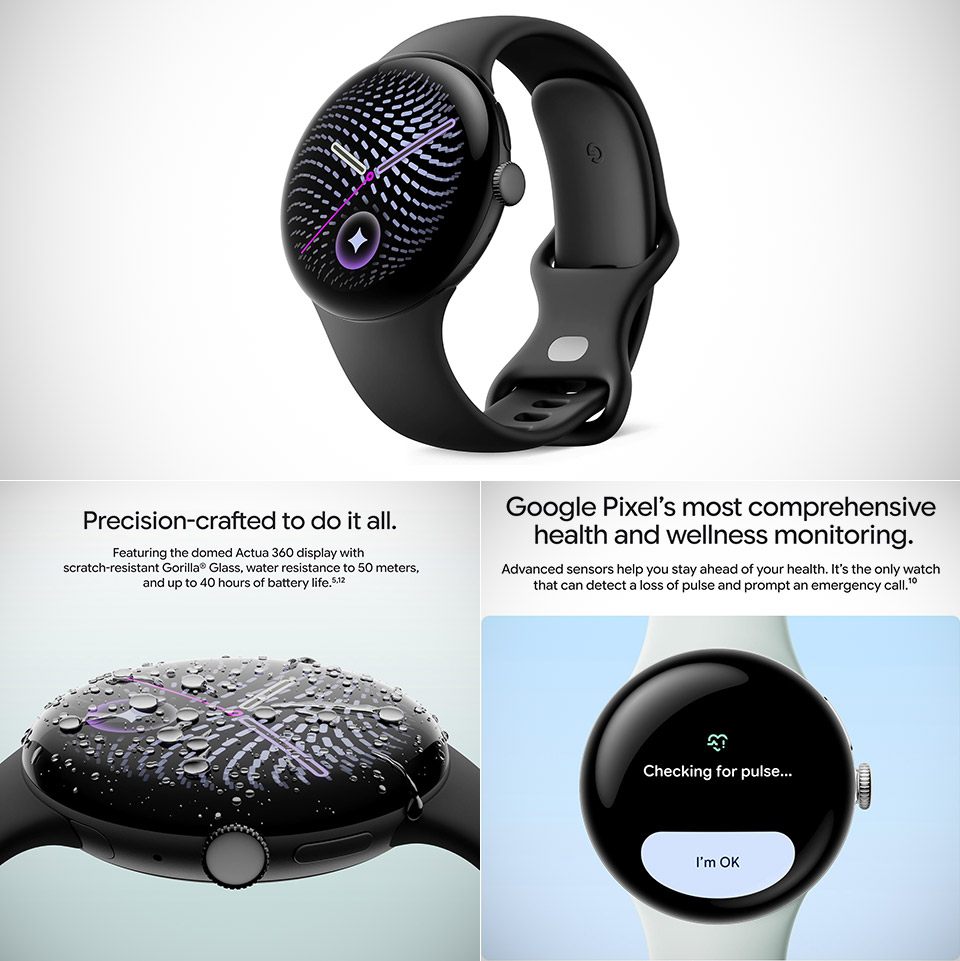
Google introduced the Pixel Watch 5, priced at $379.99 (was $430), a couple of months ago with the same familiar round case as its predecessor, yet the 45mm version carries meaningful refinements that let it compete directly with the Apple Watch Series 12 for daily wear. The aluminum housing uses recycled material and measures 45 by 45 by 12.3 millimeters while weighing 36.7 grams without the band. A domed Actua 360 AMOLED display reaches 3,000 nits of peak brightness under Corning Gorilla Glass 5 protection, remaining readable outdoors and switching between 1 and 60 Hz depending on content. Water resistance reaches 5 ATM and IP68, covering swims and everyday exposure without requiring special care.
![]()
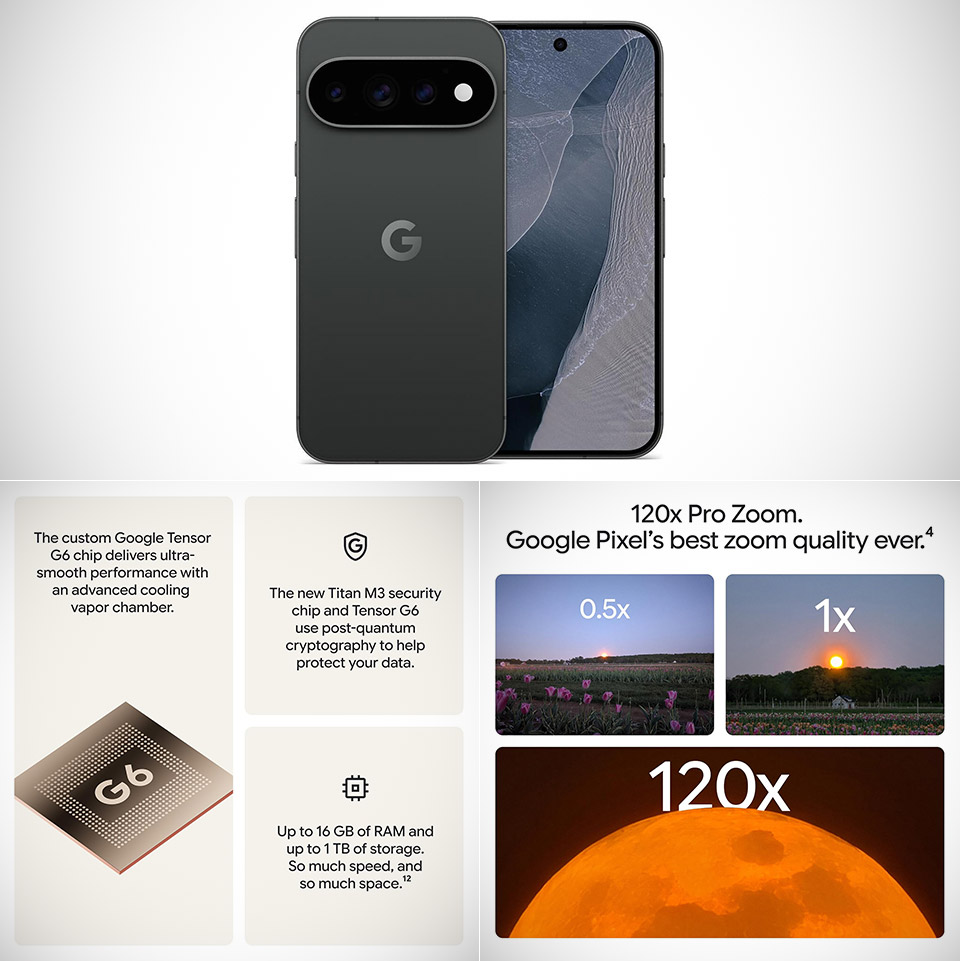
Google’s Pixel 11 Pro in the 256GB version, priced at $834 for Prime Day (was $1,100), pairs that storage with 12GB of memory and a Tensor G6 chip built on a 3-nanometer process, inside a glass and aluminum body that measures about 152.7 by 71.9 by 8.4 millimeters and weighs 204 grams. A 6.3-inch LTPO OLED panel runs from 1Hz to 120Hz at 1280 by 2856, with a peak rating of 3600 nits and Gorilla Glass Victus 2 on the front. Three rear cameras handle the photos: a 50-megapixel main sensor at f/1.7, a 48-megapixel ultrawide at 123 degrees, and a 48-megapixel periscope at 5x, with 8K video from the rear and a 42-megapixel camera up front. A 4,850mAh battery charges at 30 watts on a cable, reaching about 55 percent in 30 minutes, and at 25 watts on a magnetic Qi2.2 pad. Android 17 ships on the phone, with seven major OS updates on the schedule, and an ultrasonic fingerprint reader sits under the screen. IP68 covers dust and a short dip, with Wi-Fi 7, Bluetooth 6, and ultra-wideband for the connections.

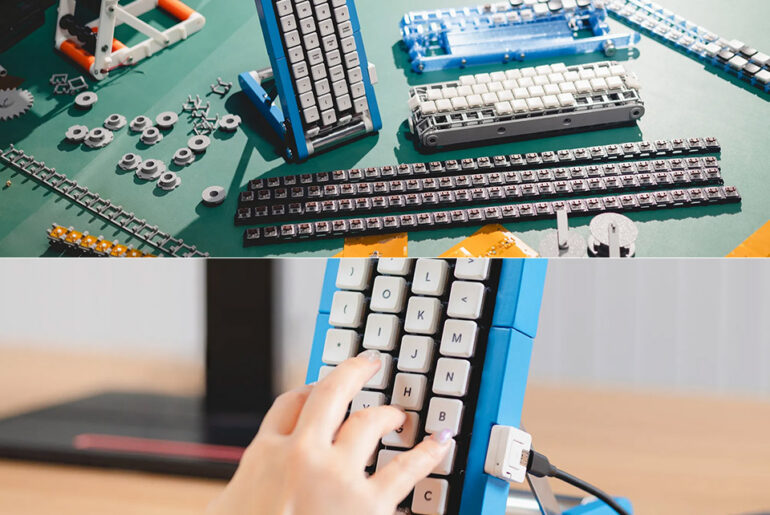
Google Japan marked October 1 with the fifteenth entry in a running series of keyboard proposals from the Gboard team. The date is a small joke on its own. Read as 101, it points at the old full-size layout with a number pad, and the team has used that reading since the company retired its April Fools posts in 2021. This year’s object is called Gboard Conveyor Belt Version, and the name matches the hardware.