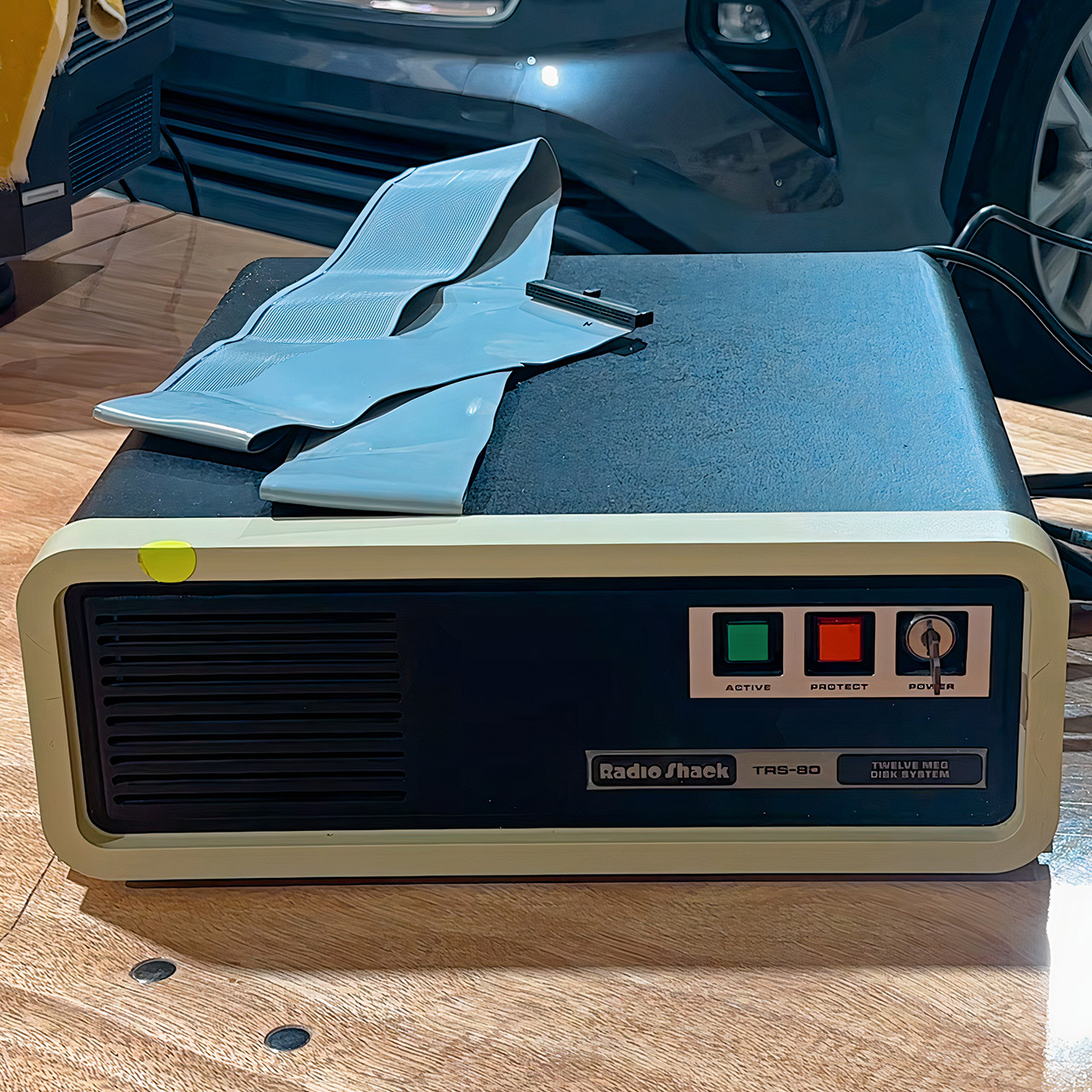
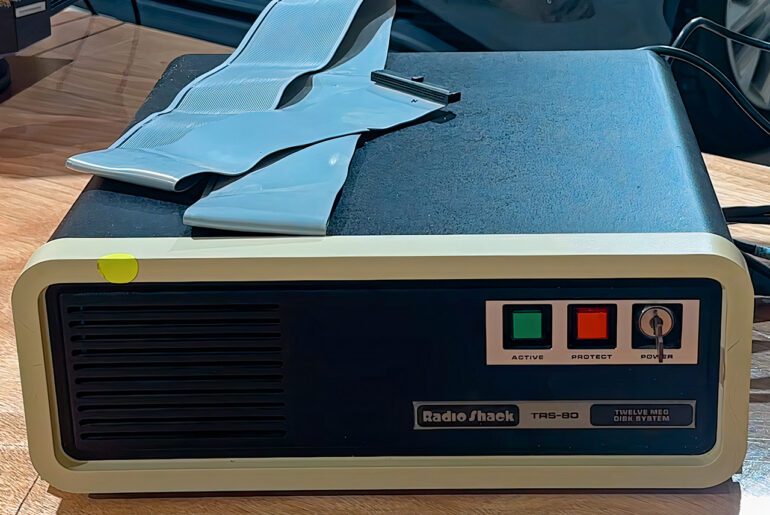
Radio Shack asked $3,495 in 1983 for a 12-megabyte external Winchester meant to sit beside a TRS-80 Model II, Model 12, or Model 16. That price lands near $11,754 in 2026 money. Clint Basinger of LGR pulled one of those units from long-term storage, cracked the case, and gave it a brief power-on test before packing the vintage hard drive off to a museum.
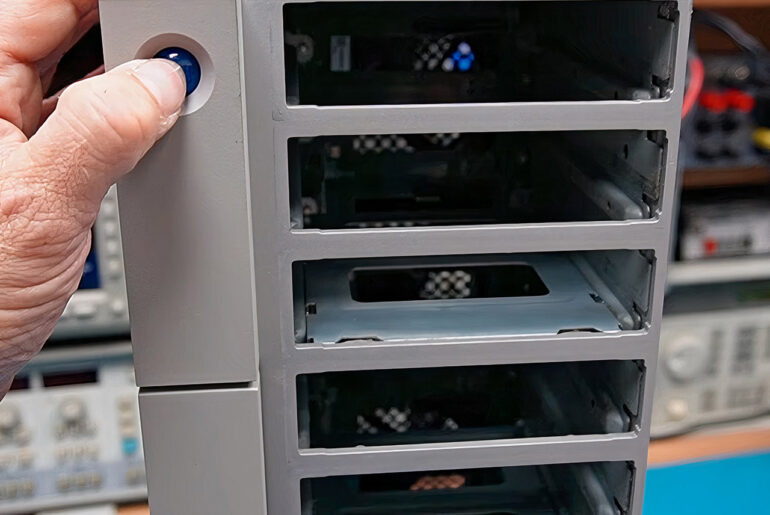
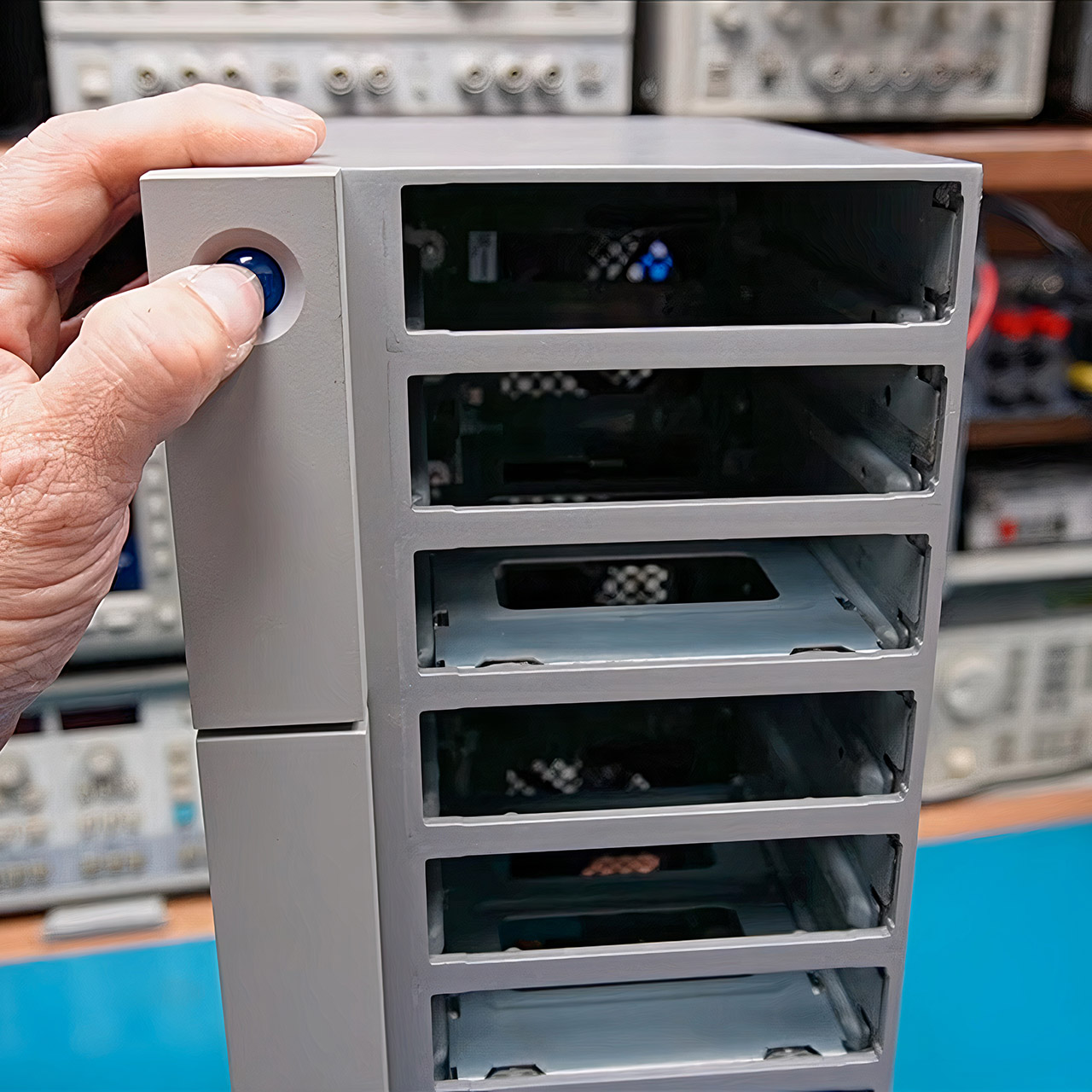
Gavin Free of the Slow Mo Guys bought the LaCie 12big Thunderbolt 3 in 2019 because twelve 14TB 7200-rpm enterprise drives packed 168 terabytes into one desktop tower and Thunderbolt 3 could shove footage across at up to 2600 megabytes per second. That kind of space and speed made sense for years of high-frame-rate video. Seven years later the tower simply would not stay on. Fans sat still. After about ten seconds the whole unit powered itself down. Warranty had expired, the model had been discontinued, and Seagate’s answer was to buy a new one.

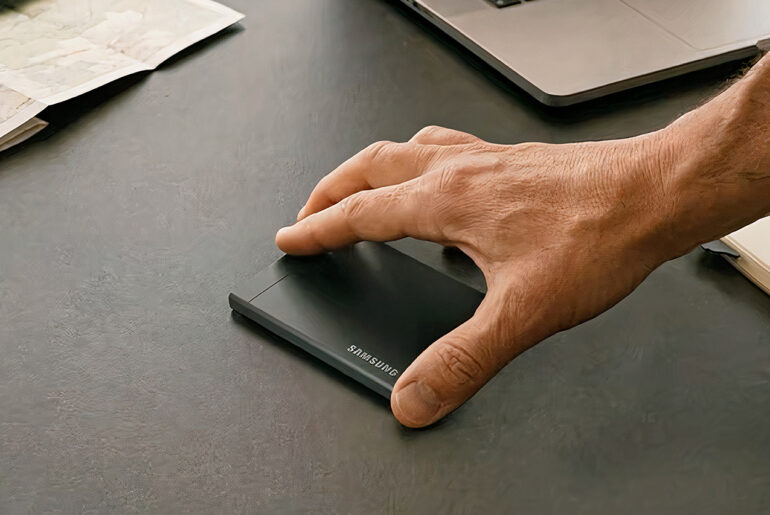
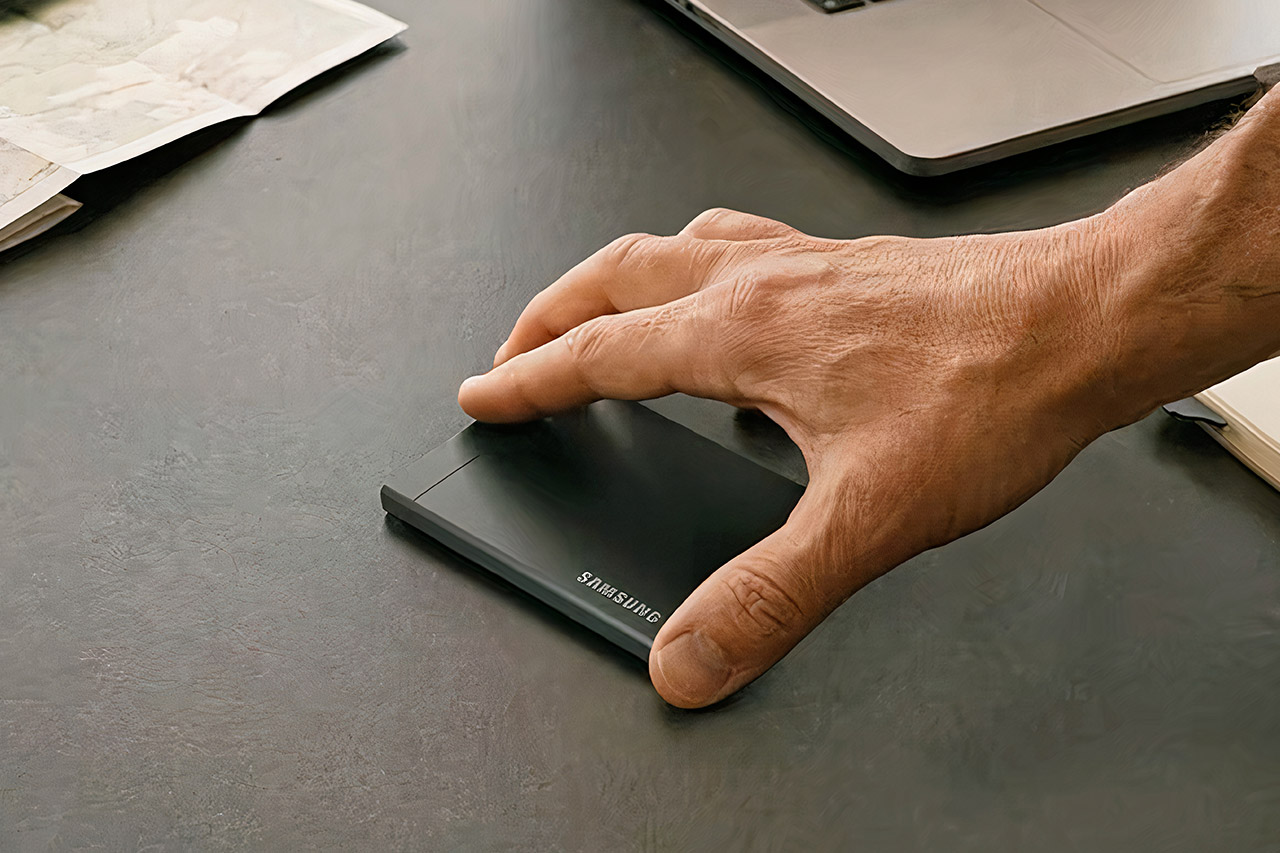
Samsung showed up at Gamescom 2026 in Cologne with a pair of portable SSDs that finally put USB4 to work. Flagship P9 is the one that matters if you live in large files. Sequential reads reach 4,000 megabytes per second. Sequential writes reach 3,800. That is about twice the T9, which maxed out at 2,000 MB/s on USB 3.2 Gen 2×2.

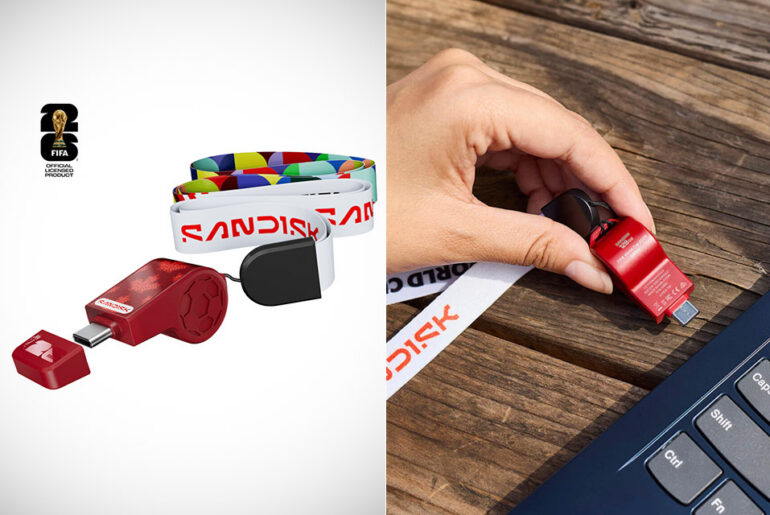
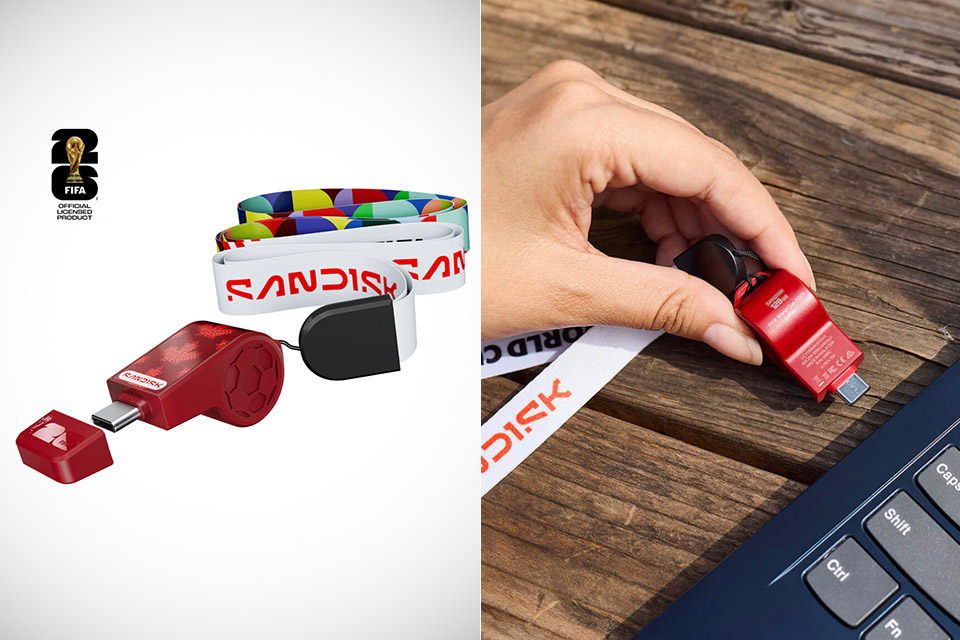
Fans spent weeks filling phones and cameras with every goal, every near miss, and every stadium roar from the 2026 tournament. Now that the final whistle has blown, those files need somewhere permanent to live. SanDisk answered with an officially licensed USB-C flash drive, priced at $22.99 (was $35), shaped exactly like a referee’s whistle, available in 128GB for anyone who wants a physical souvenir that actually works.

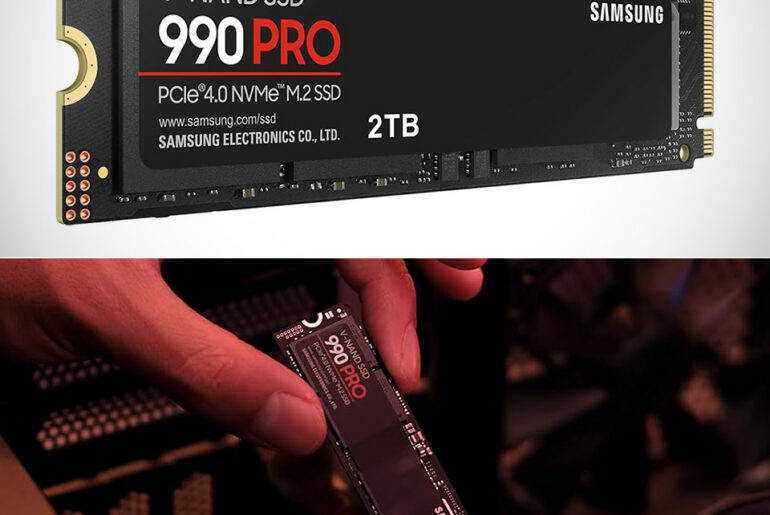
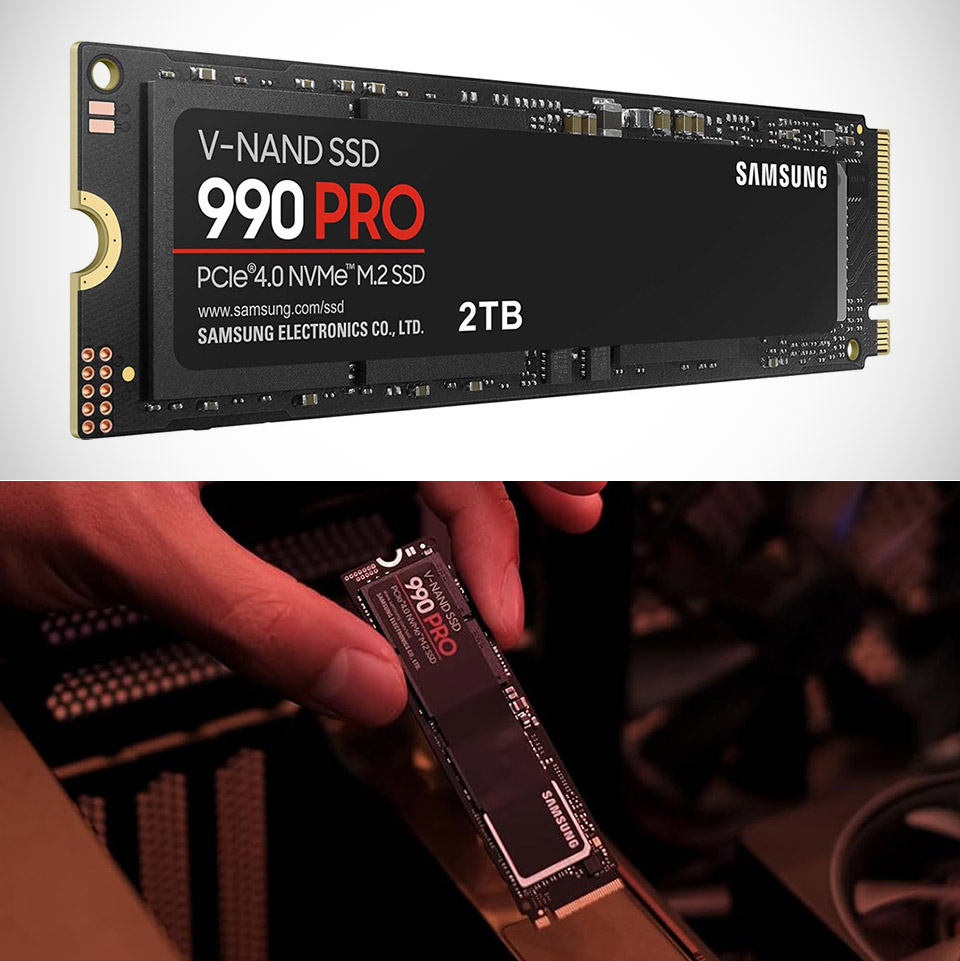
Rising costs for SSDs and memory chips have made high-end storage feel out of reach for many builders and upgraders this year. Yet a few established drives still deliver serious performance without forcing a full premium price. Samsung’s 990 PRO in 2TB form, priced at $389.99 (was $640), remains one of those options, still capable of pushing PCIe 4.0 nearly to its practical limits while offering the reliability and software support that long-time users expect.

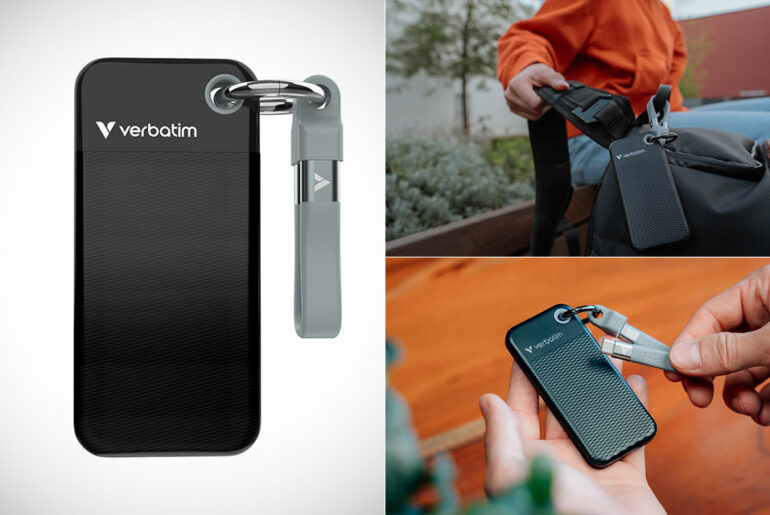
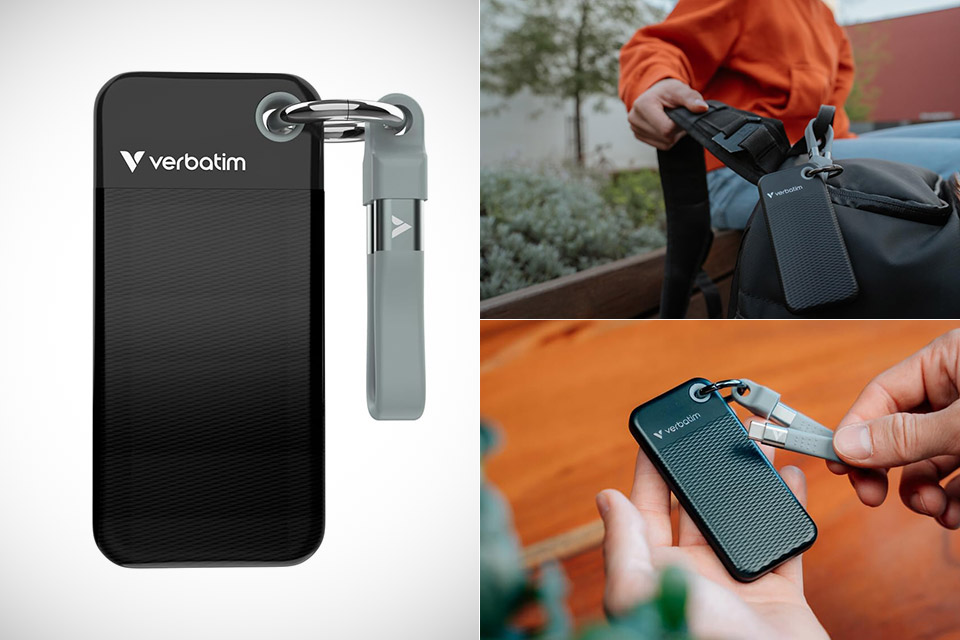
Storage prices keep rising, and portable options often force awkward choices between size, speed, and practical daily use. Verbatim built the 1TB Pocket SSD, priced at $179.99 (was $299.99), to sidestep those compromises with a design centered on actual carry habits rather than spec-sheet bragging rights.

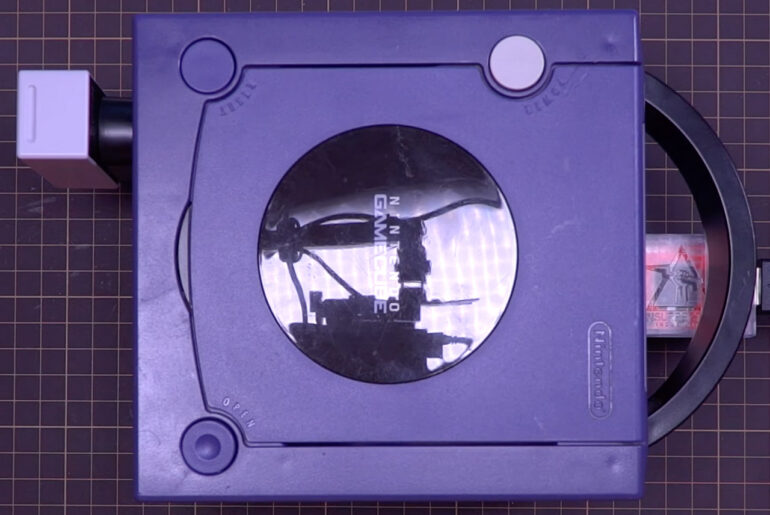
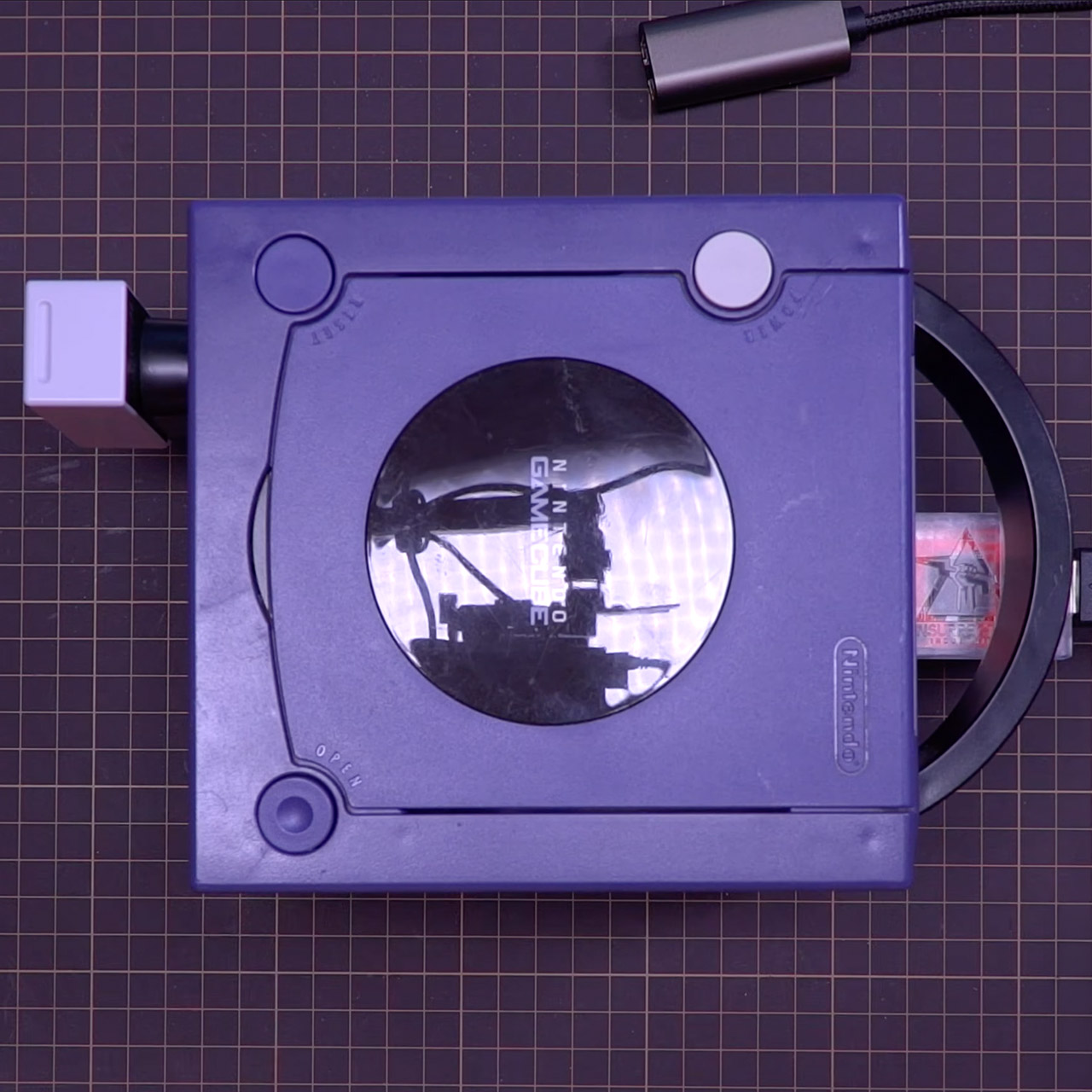
Tito of Macho Nacho Productions recently shared details on a pair of adapters that push the Nintendo GameCube into new territory for game storage. Creators Makeo and Silver Steele built the USB Dolphin in two distinct forms to let owners load games straight from modern USB devices. One version plugs into the SP1 port on the underside of the console for a tidy appearance. The second version fits directly into the memory card slots labeled A or B. Each adapter connects the GameCube to USB storage such as SSDs or ordinary thumb drives through Swiss homebrew software.

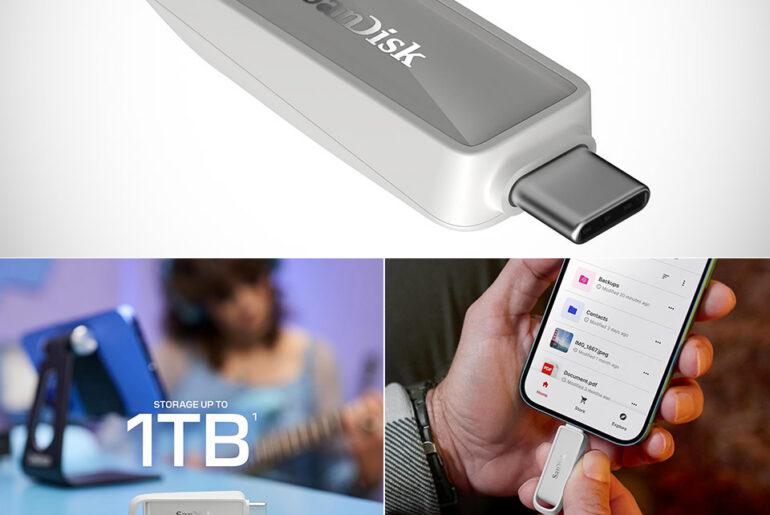
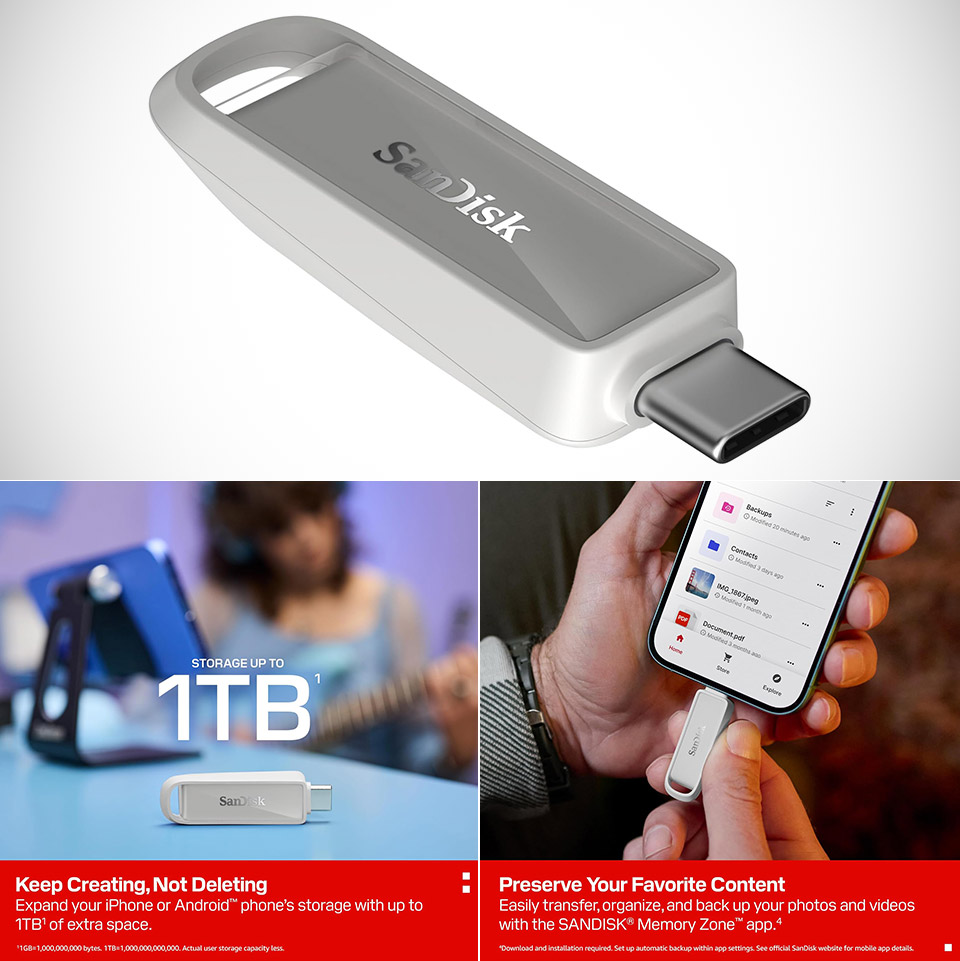
The average person now takes somewhere between 1,500 and 2,000 photos per year on their smartphone. That is before you factor in video, which can chew through gigabytes in minutes if you shoot in any format beyond the most basic. Modern phones with excellent cameras have made this problem worse, not better, because better sensors produce bigger files. SanDisk’s 1TB Phone Drive with USB-C, priced at $96 (was $130), is trying to be the thing that finally makes you stop rationing your camera roll like someone conserving rations during a supply shortage. The goal is simple: plug it in, move your files, keep shooting.

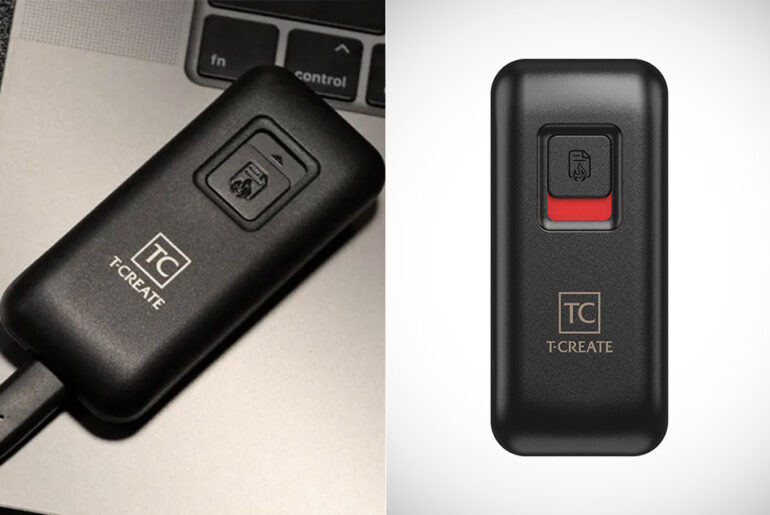
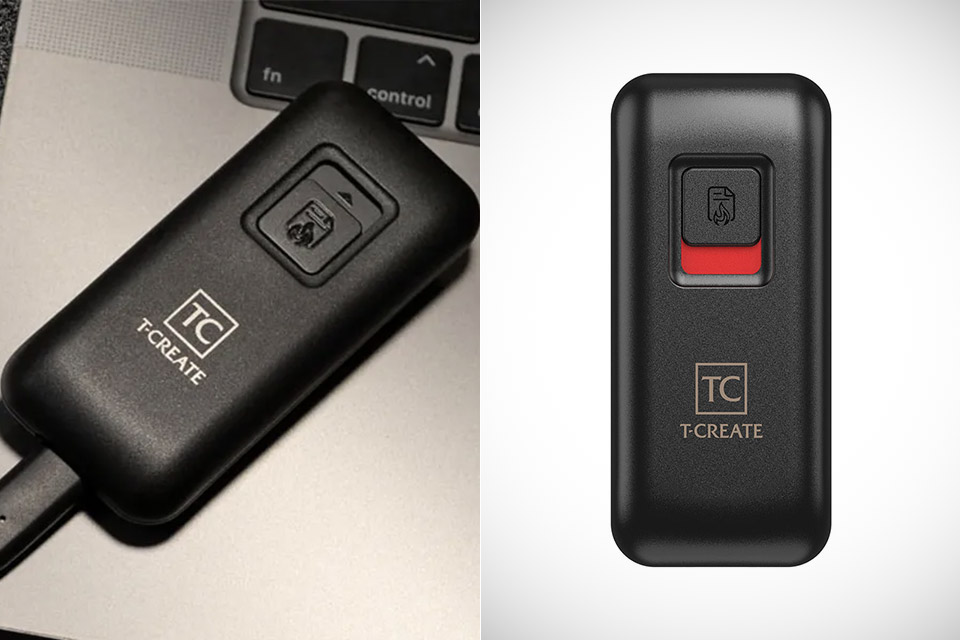
TeamGroup’s T-Create Expert P35S Destroyed external SSD combines quick file transfers with a shell for people who transport secrets across borders or boardrooms. It’s 3.5 inches long and weighs less than a deck of cards, so it easily fits in a pocket. Four storage capacities are offered, ranging from 256GB to 2TB, all accessible via a USB-C interface with read / write speeds of up to 1,000MB per second, thanks to USB 3.2 Gen 2 tech.

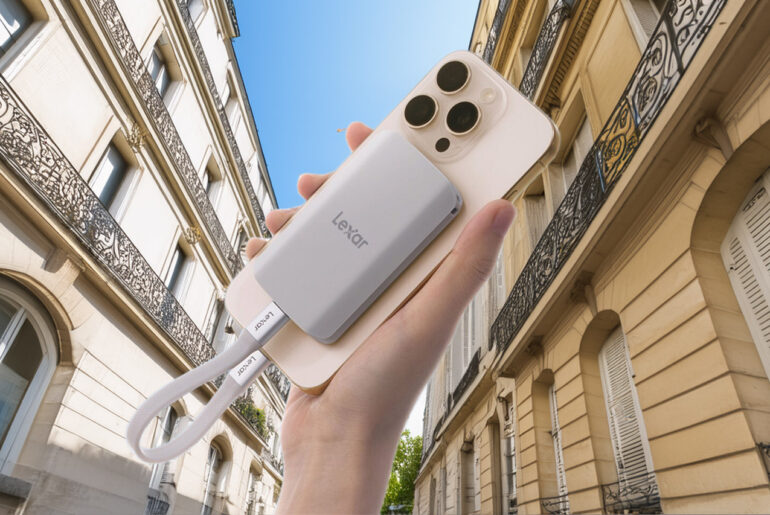
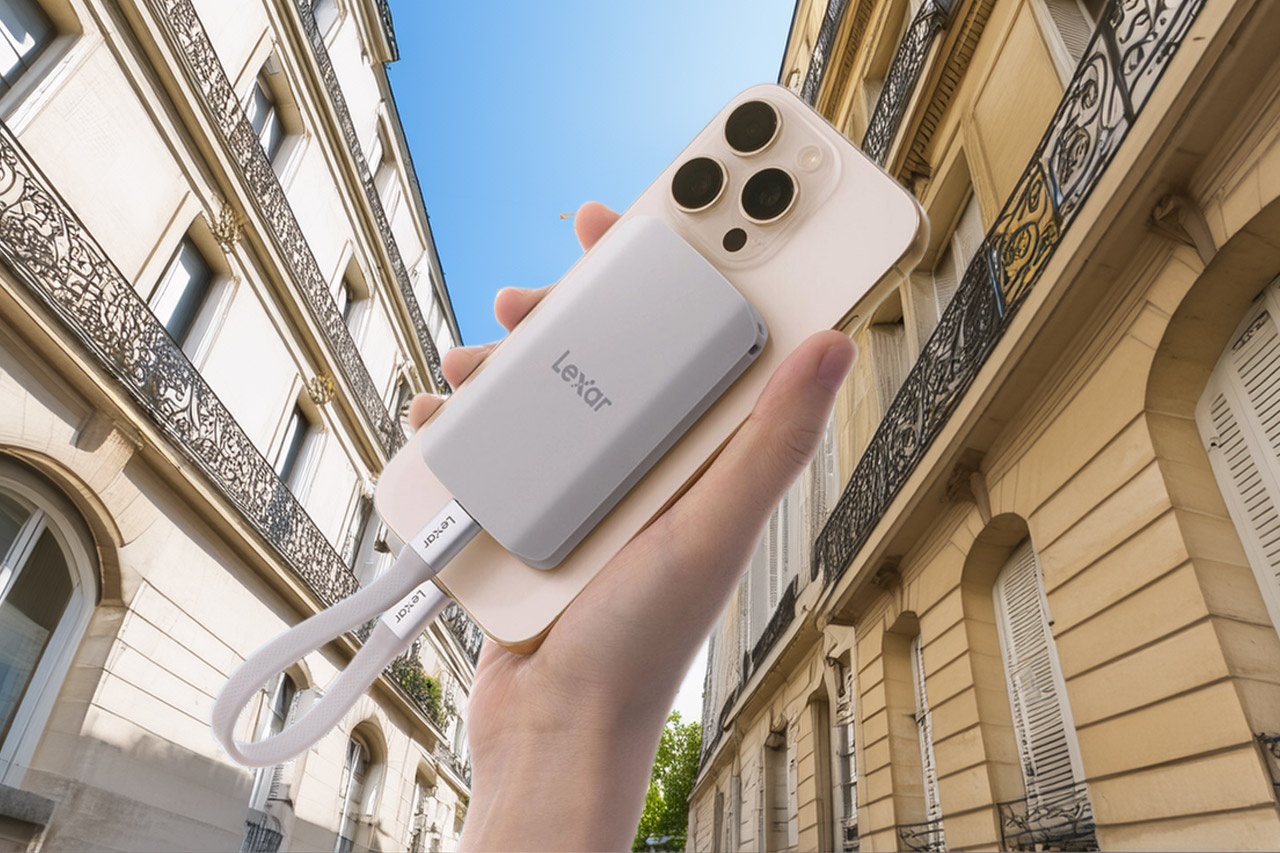
Mobile creators, rejoice! Lexar’s ES5 Magnetic Portable SSD has landed, with speed, durability and a clever magnetic design that snaps onto your iPhone. This is a tool for those who push their phones to capture high quality video, from YouTubers to filmmakers. With MagSafe compatibility and lightning fast performance, the ES5 is a must have for any creator’s arsenal.