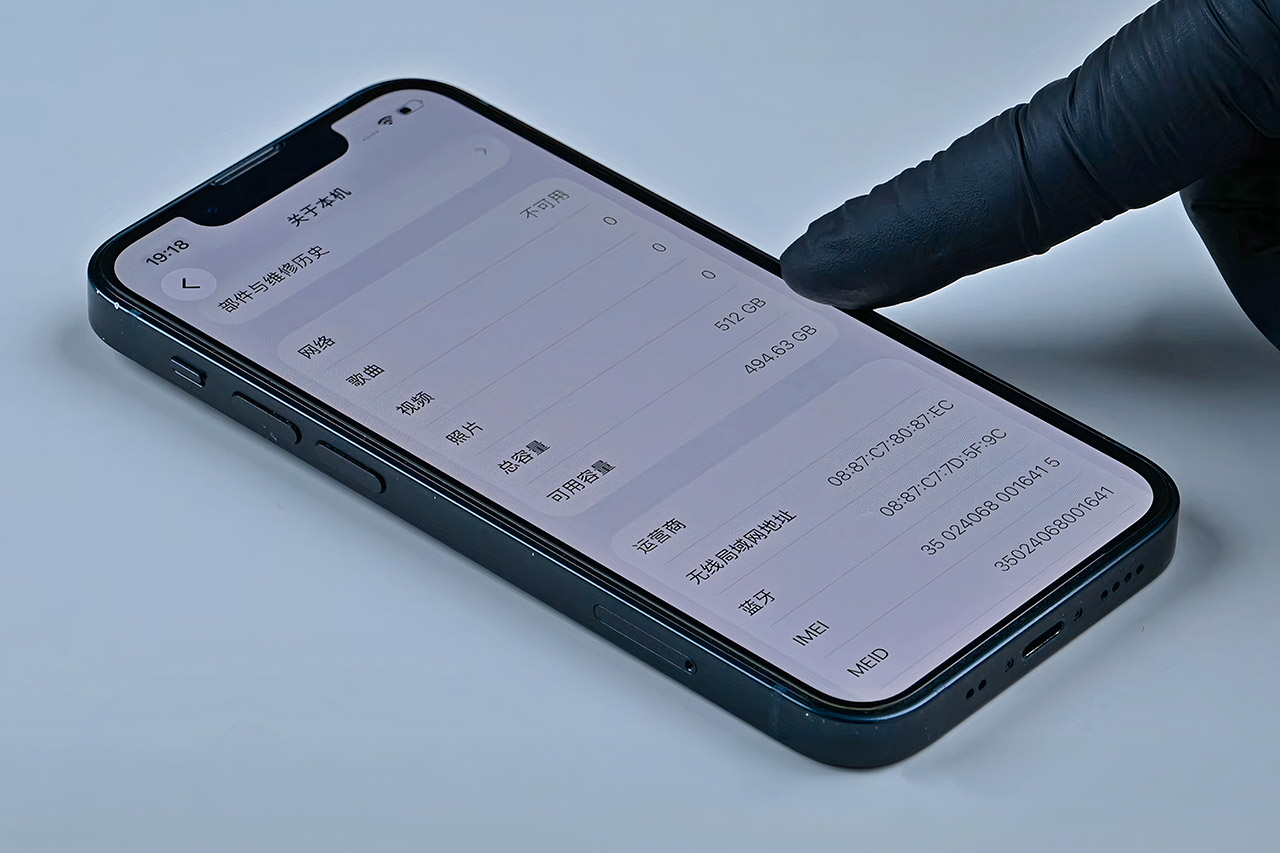
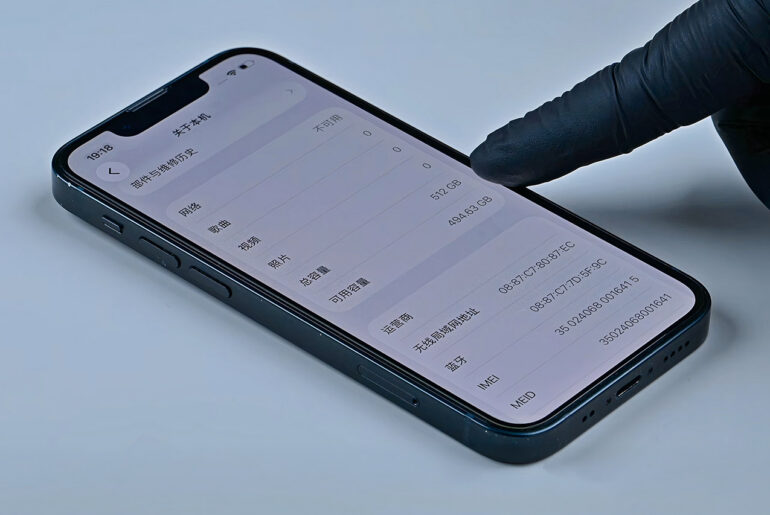
A fan who still likes a phone that fits the hand mailed DirectorFeng a tired iPhone 13 Mini. Daily use had worn the battery to 77 percent health, enough that the owner charged three or four times a day. Storage sat at 256 GB and felt tight. iOS 16.2 was still on the device, a leftover most people would have overwritten years ago.
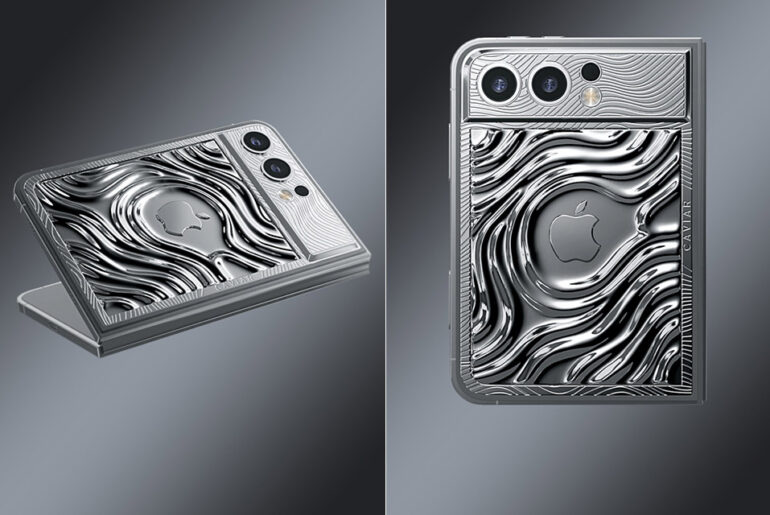
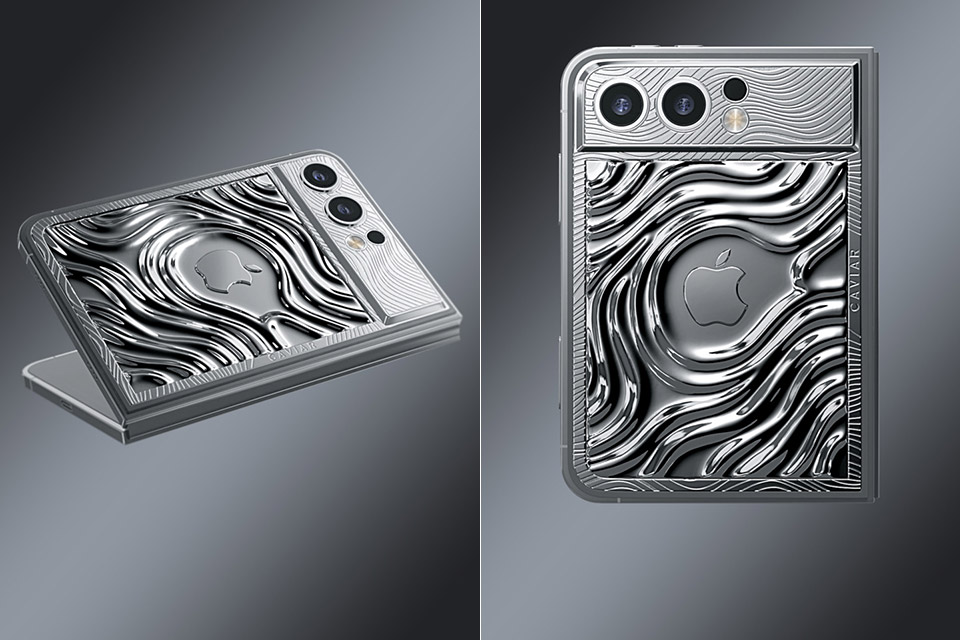
Caviar decided not to wait for Apple. While the rest of the industry still debates whether a foldable iPhone will even arrive this year, the luxury customizer has already built a small collection of finished designs around a device it calls the iPhone Ultra. The newest additions lean hard into precious metal and rare leather, and one of them turns the entire back into a piece of polished silver that looks like it is still flowing.

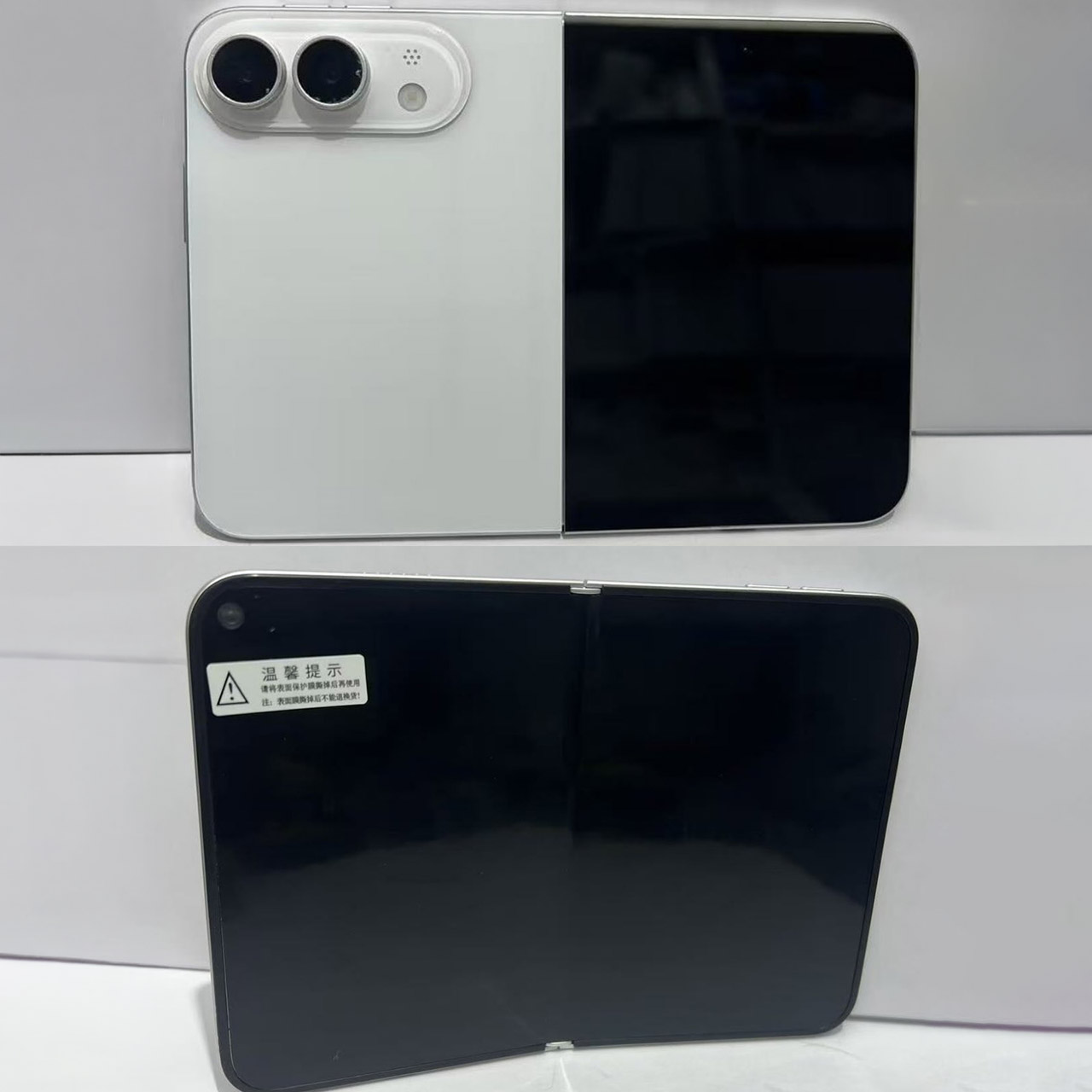
Photo credit: Sonny Dickson
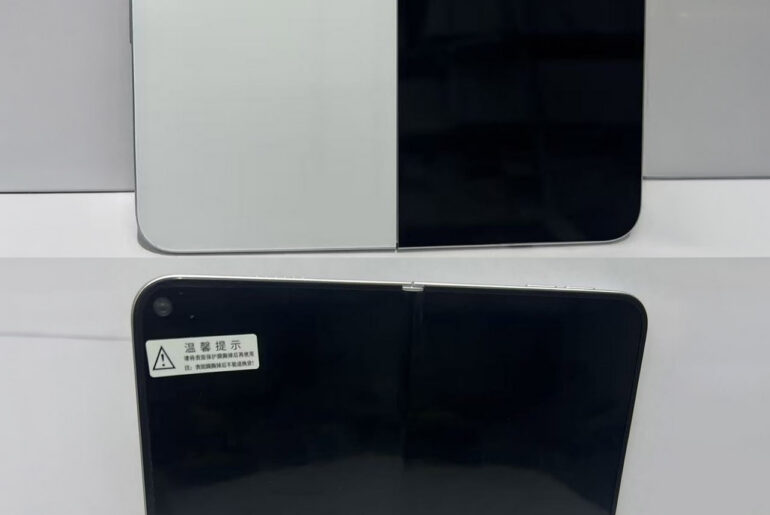
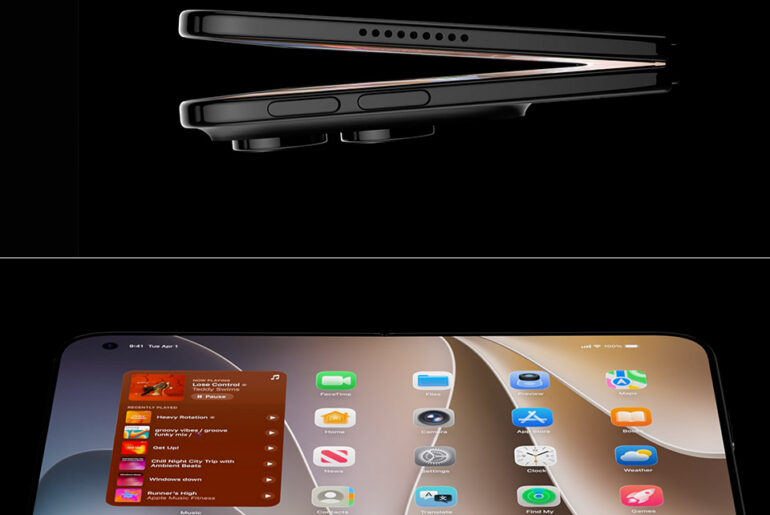
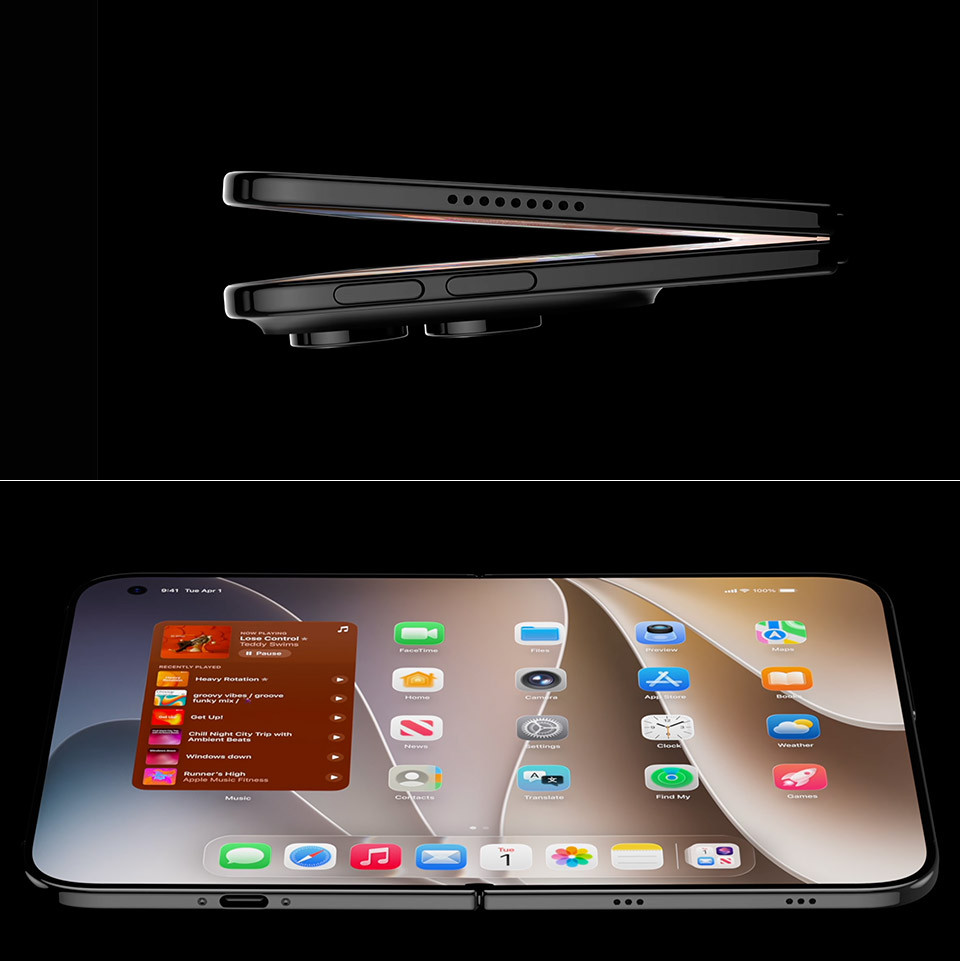
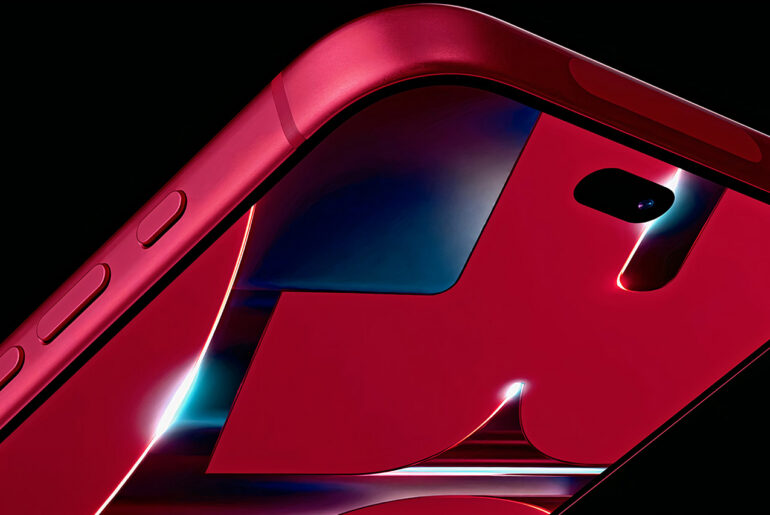
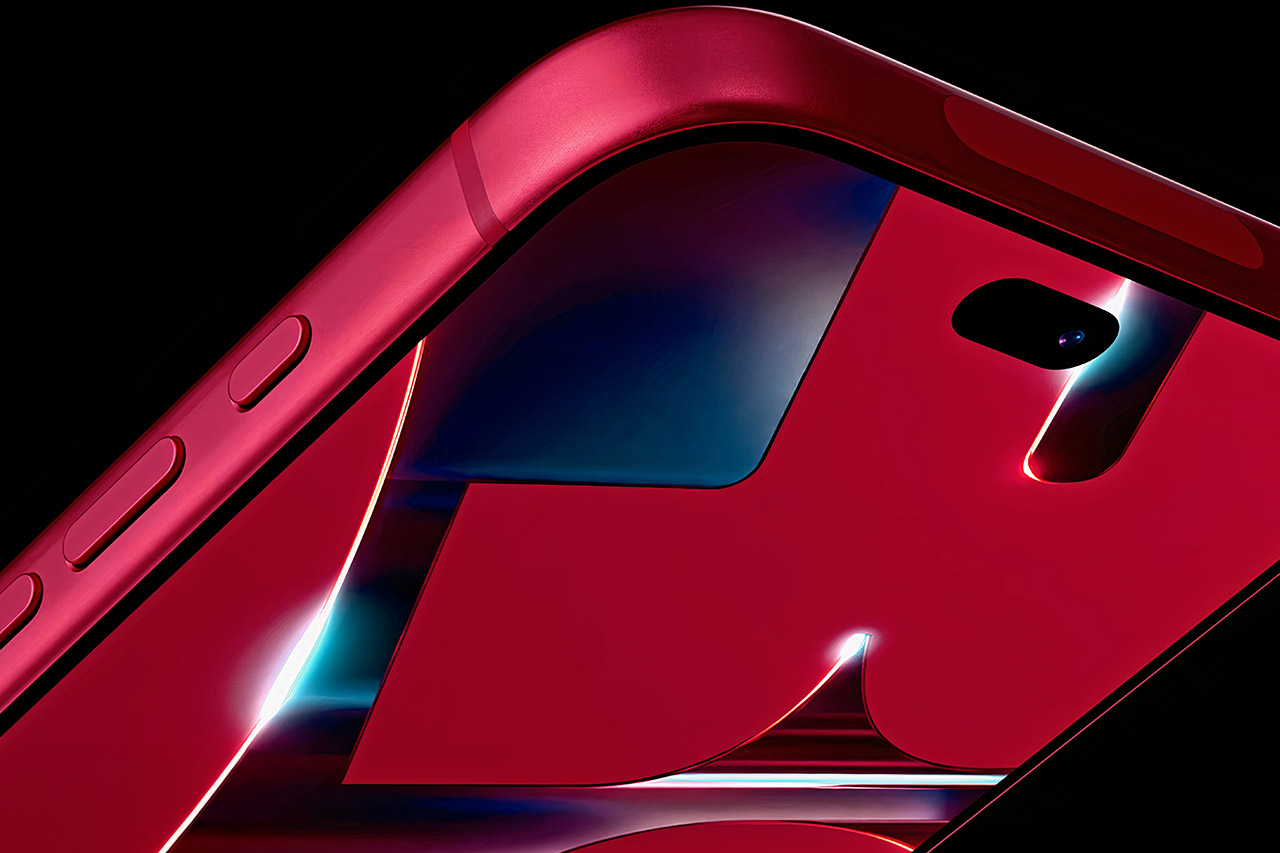
Apple’s long-awaited foldable phone has reached the hands of a small group of early testers, and the feedback arriving through Mark Gurman’s latest Power On newsletter is largely positive. People who have spent time with the prototypes, referred to internally as the iPhone Ultra, keep coming back to how the device feels when closed and how it works once opened.

Jon Prosser’s latest Front Page Tech (FPT) lays out the most complete picture yet of what he calls the iPhone Ultra. He presents it as a book-style foldable that arrives this September alongside the iPhone 18 Pro and Pro Max, and positions it as the clear premium model of the year. Base iPhone 18 and Air models wait until later, with two color options being offered at launch: black / grey, and white / silver.

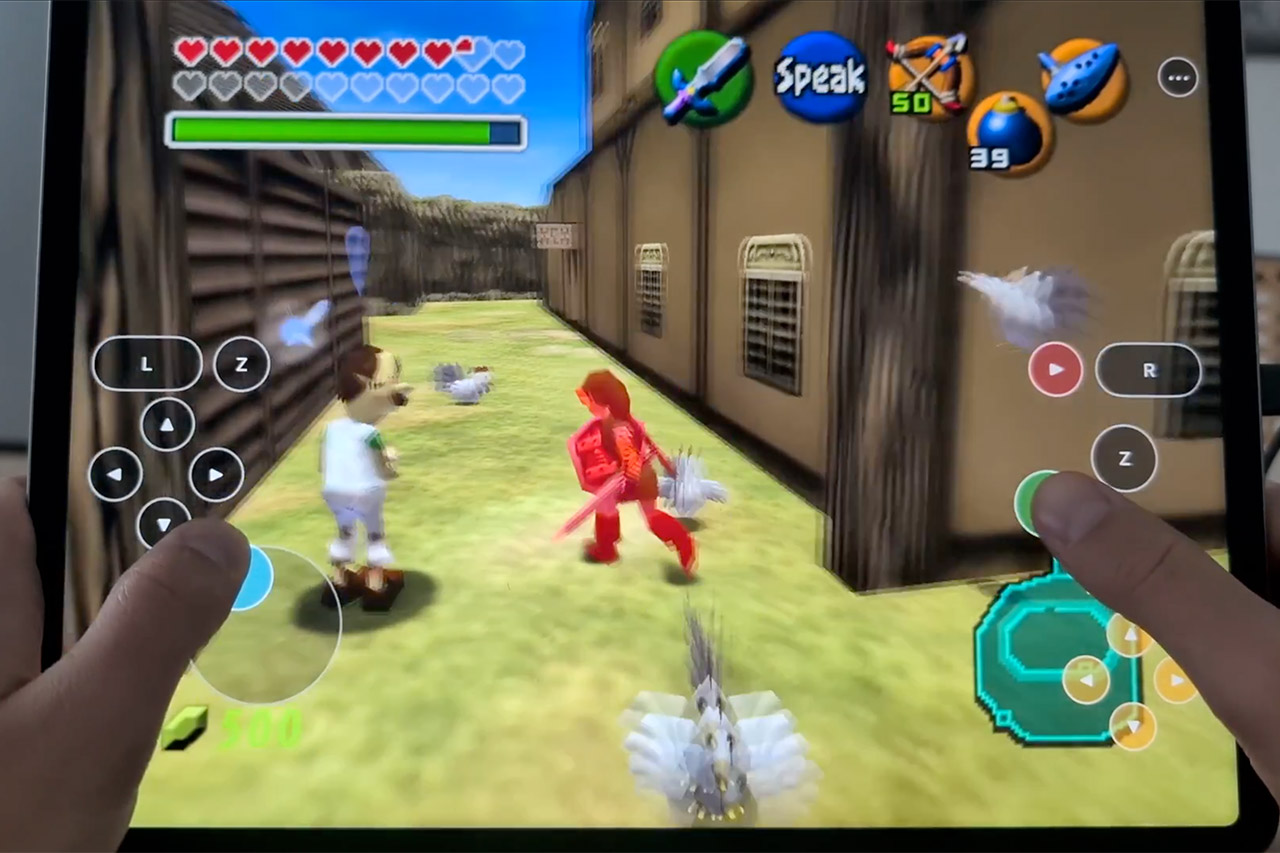
The Legend of Zelda: Ocarina of Time, a 1998 Nintendo 64 adventure, is now available as a native app for iPhones and iPads. Full screen resolution, sixty frames per second, widescreen perspective, usable touch overlays, Bluetooth controllers that simply work, plus keyboard and mouse capabilities for good measure. There is no blurry 240p image, no stuttering twenty-frame limit from the original hardware, and no remote streaming via PC. The game has been recreated and is now running on the device itself.

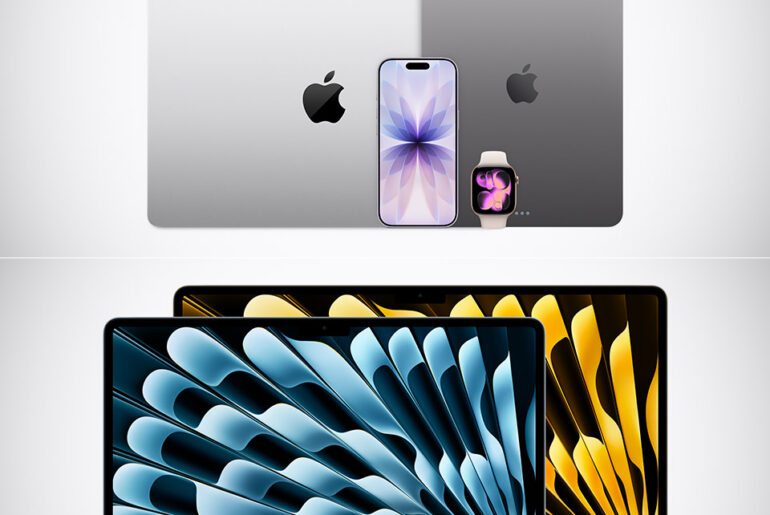
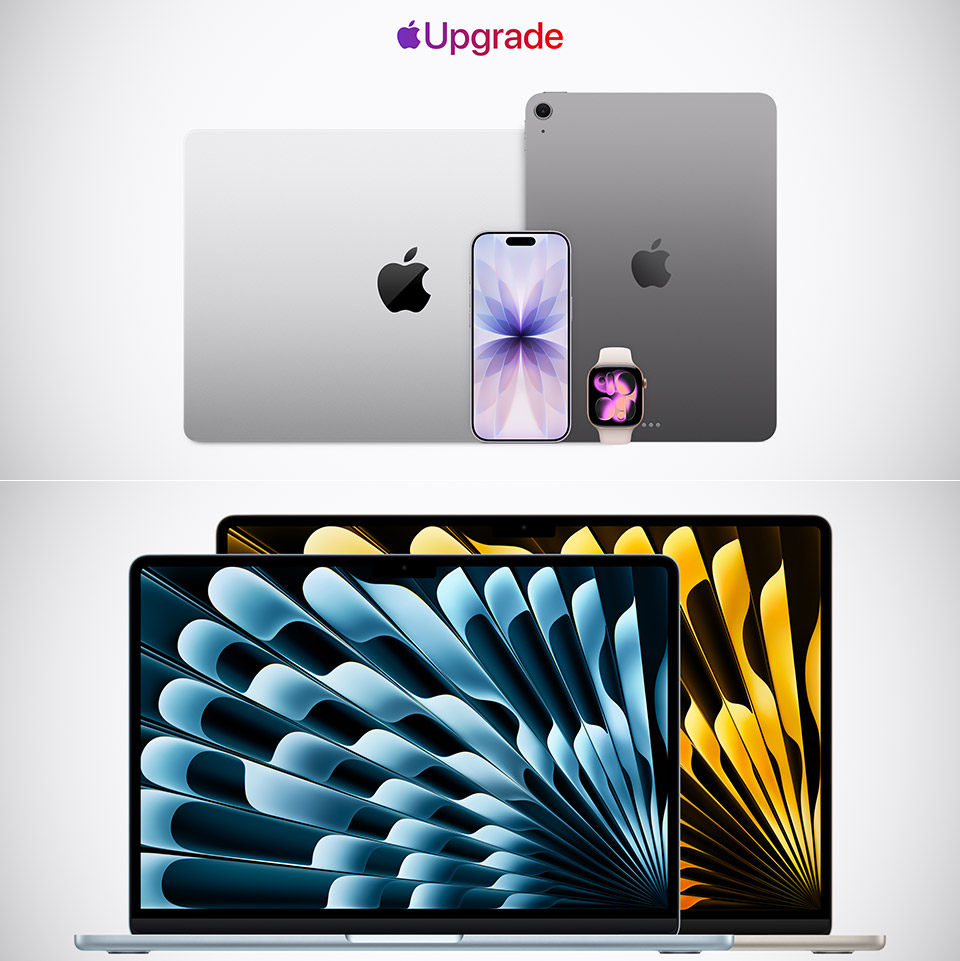
Apple has opened a leasing program that spreads the cost of its phones, watches, tablets, and computers into monthly payments. Available starting today across the United States, Apple Upgrade runs through Klarna and gives eligible customers a way to walk out with hardware without paying the full price up front.

Apple’s fall event calendar has settled into a familiar groove, and this year’s Labor Day landing on September 7 leaves Wednesday the 9th looking like the strongest candidate for the iPhone 18 Pro reveal. Past fifteen years of keynotes rarely stray far from that window, and the pattern points to pre-orders opening the following Friday with phones shipping a week later on the 18th. A later Monday date remains possible, yet the early-September slot has held more often than not.

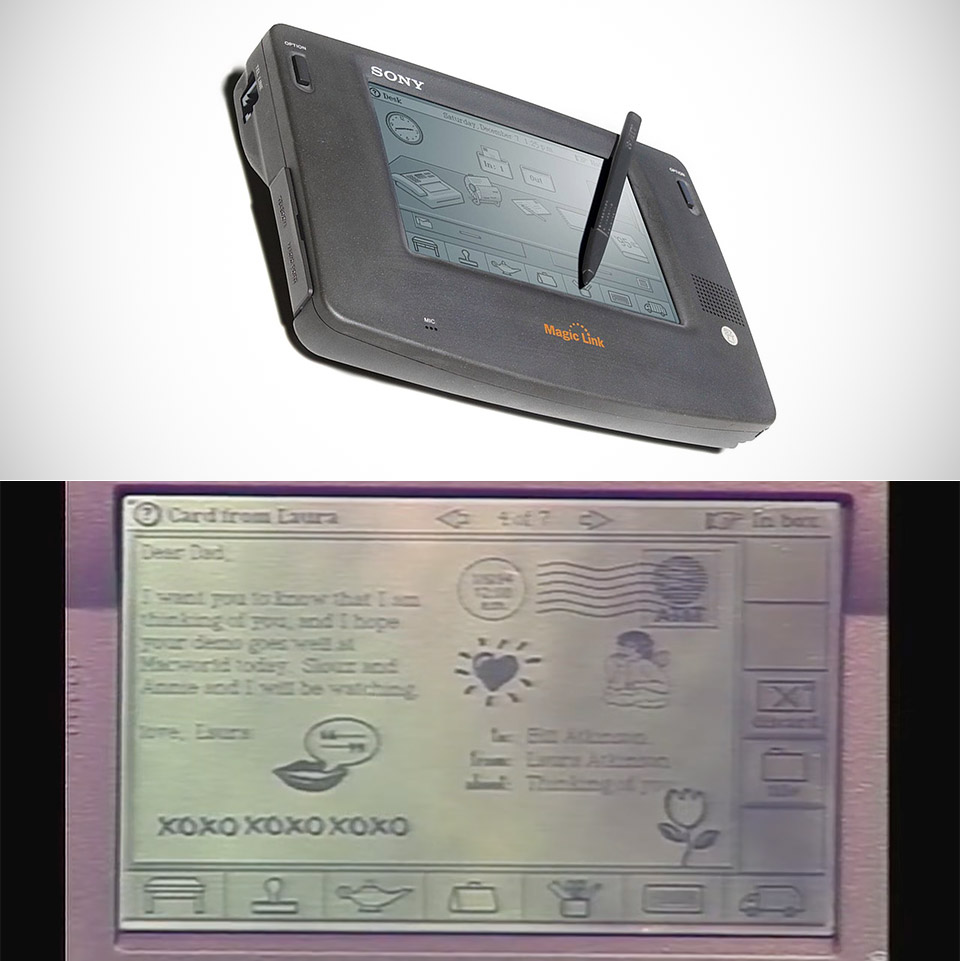
Marc Porat sat with a red notebook in 1989, drawing what no one else could see. A little rectangular piece of glass with a touch screen, phone, fax, messages, video, games, ticket purchases, and apps delivered over the air. He named it the Pocket Crystal. It would feel like a piece of jewelry you carried every day, something with the comfort of a seashell and the pull of a crystal. At Apple, where he worked, the idea landed with John Sculley. Resources stayed scarce. So in May 1990 the project left Cupertino and became its own company. Bill Atkinson and Andy Hertzfeld, two of the original Macintosh wizards, signed on. General Magic was born.

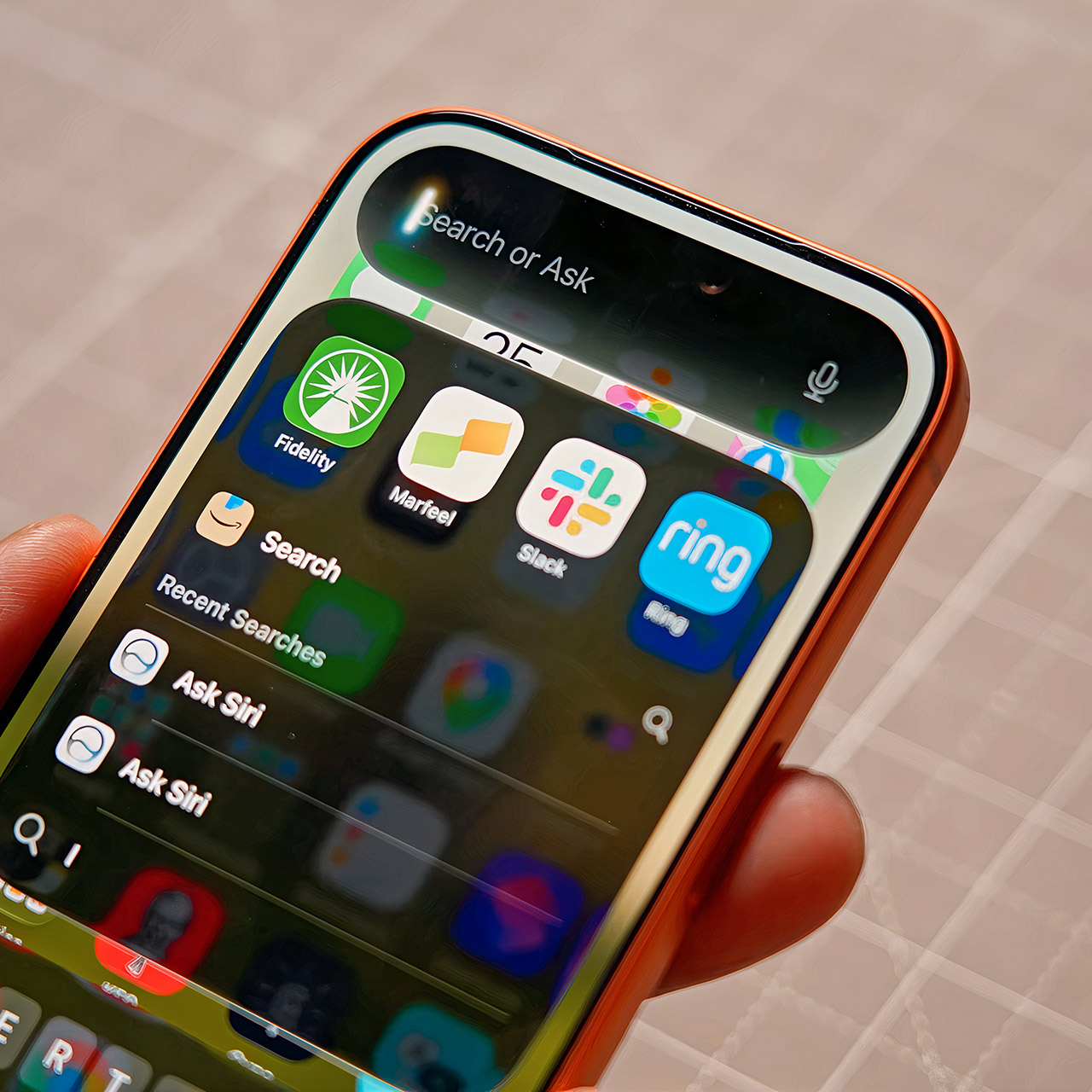
iOS 27 public beta rolled out this afternoon and the rebuilt Siri is the reason most people will install it on day one. After years of half-steps and delays, Apple has delivered a version that actually reaches into your email, messages, calendar, and the stuff on your screen to get things done without forcing you to open half a dozen apps first.

A plastic frame now holds an entire iPhone 6 Plus together in plain view. Every internal piece sits where it belongs, yet nothing blocks the line of sight from one side of the device to the other. The screen itself no longer acts as a solid barrier. Light and glances pass through it, revealing the battery, logic board, and other components depending on what appears on the display.