Marc Porat sat with a red notebook in 1989, drawing what no one else could see. A little rectangular piece of glass with a touch screen, phone, fax, messages, video, games, ticket purchases, and apps delivered over the air. He named it the Pocket Crystal. It would feel like a piece of jewelry you carried every day, something with the comfort of a seashell and the pull of a crystal. At Apple, where he worked, the idea landed with John Sculley. Resources stayed scarce. So in May 1990 the project left Cupertino and became its own company. Bill Atkinson and Andy Hertzfeld, two of the original Macintosh wizards, signed on. General Magic was born.
They called the location after a line from Arthur C. Clarke. The idea is that any sufficiently advanced technology appears magical. You had a bunch of veteran Mac users and some hungry new developers crowded into Mountain View offices. Joanna Hoffman was in charge of marketing because she was one of the first people on board. Susan Kare developed the icons for the new operating system, and Megan Smith joined shortly thereafter. Meanwhile, a young whippersnapper named Tony Fadell walked in from the street. There were even rabbits bouncing around on the floors, as well as a parrot or two, presumably released by its owners when they went for the day. Some folks were even sleeping off while resting their heads on their desks. You could bet that at any minute, someone would start a water battle. However, the energy was fantastic. Everyone was confident they were onto something major, specifically the next item after the Mac.

- WHY IPAD — The 11-inch iPad is now more capable than ever with the superfast A16 chip, a stunning Liquid Retina display, advanced cameras, fast...
- PERFORMANCE AND STORAGE — The superfast A16 chip delivers a boost in performance for your favorite activities. And with all-day battery life, iPad...
- 11-INCH LIQUID RETINA DISPLAY — The gorgeous Liquid Retina display is an amazing way to watch movies or draw your next masterpiece.* True Tone...
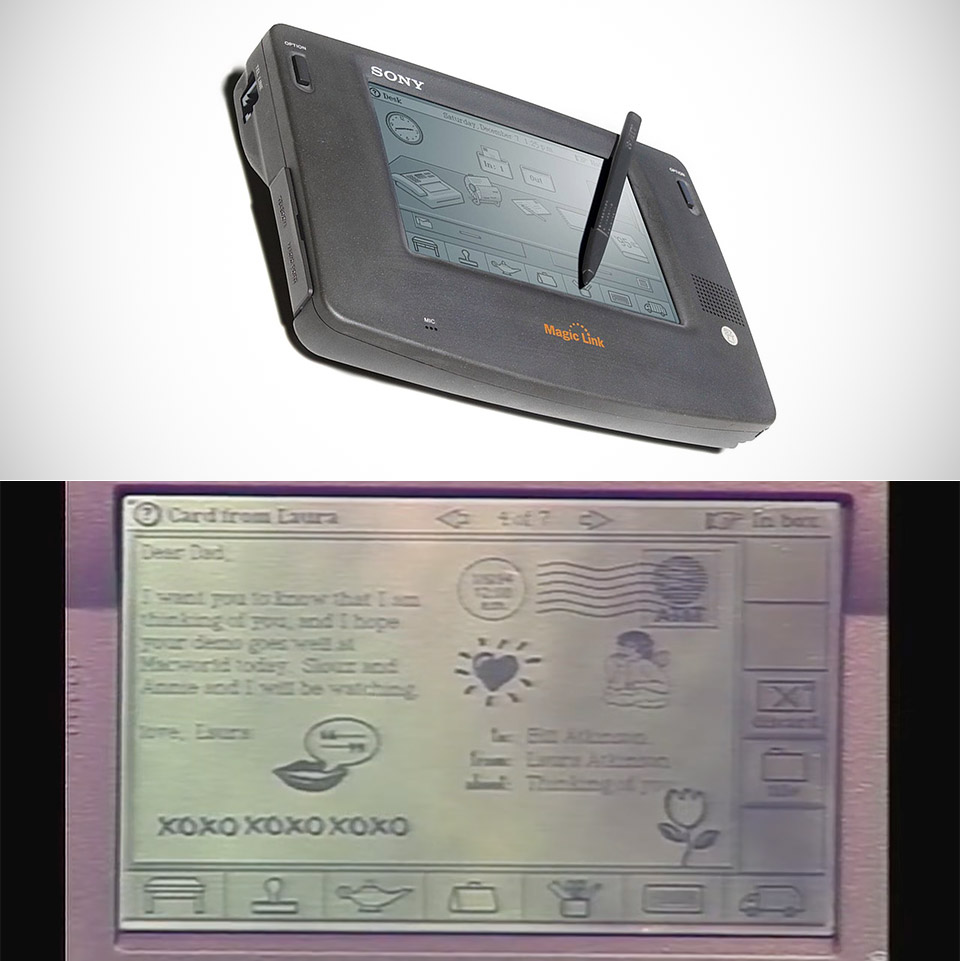
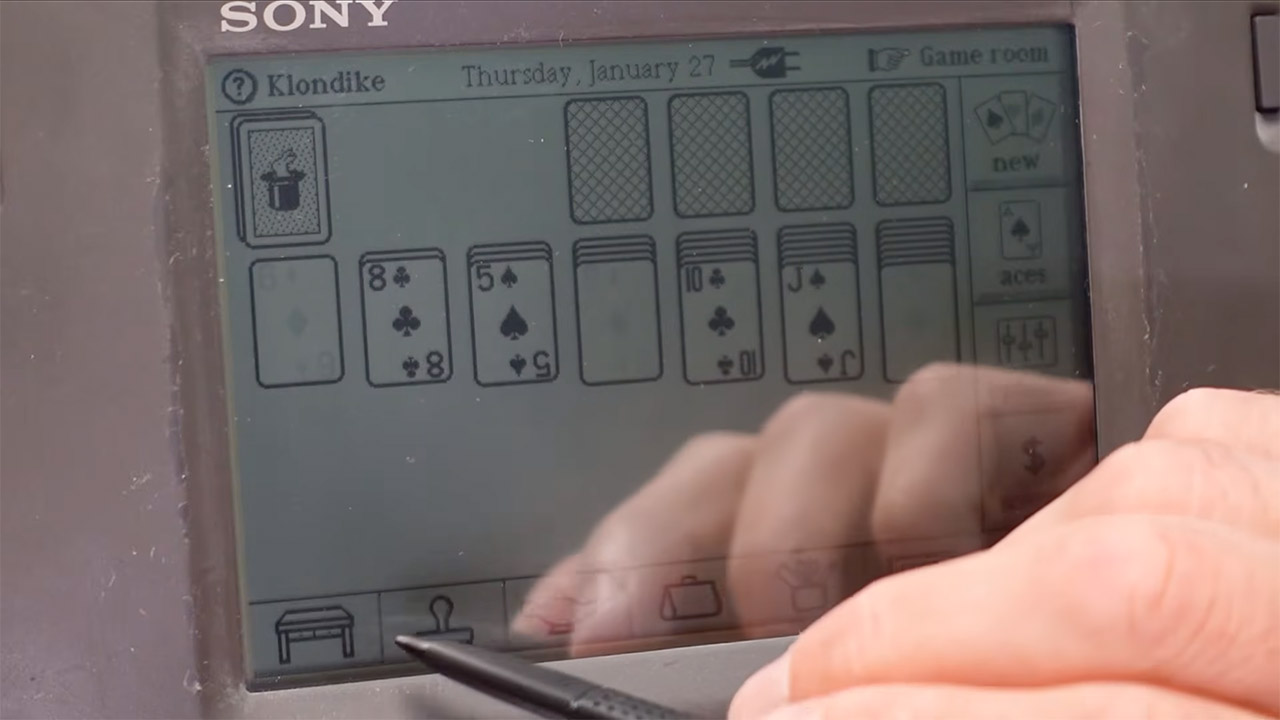
Magic Cap was the name of the operating system. When you first booted it up, you were in a virtual area that appeared to be a real office. There was your calendar in the corner, and your inbox was simply waiting for you. Walk down the virtual hallway and you’ll come across a variety of handy rooms, including a library, a game room, and even a downtown business center where you may purchase new software. Messages were decorated with stickers and animated characters, and those little faces evolved into the emojis we all know and love today. You could navigate with a stylus. Software modems handled connections without the need for additional hardware, and early versions of what we now know as USB connectors appeared. To keep things light, the hardware had to do significantly less work.
Telescript was the brainchild in charge of all the sophisticated elements. When you leave your smartphone, a digital “gentleman” will journey across networks and return with answers to your questions. Jim White and his team developed a language that enabled programs to move from one machine to another, just as humans go between cities. They discussed the “Telescript cloud” before anyone knew what it was. AT&T built PersonaLink on top of it because agents needed somewhere to go.
Before you knew it, some of the biggest players were lining up to participate in the action. Sony, Motorola, Matsushita, Philips, AT&T, and later NTT, Toshiba, and France Telecom also joined in. Each provided money and appointed their top executives to a special council. Sony’s John Sculley and Norio Ohga were among the best performers. The Alliance swiftly became the industry’s largest collection of business players, prompting antitrust specialists to establish new rules for the meetings. In 1993, the New York Times named General Magic Silicon Valley’s most-watched startup of the year.
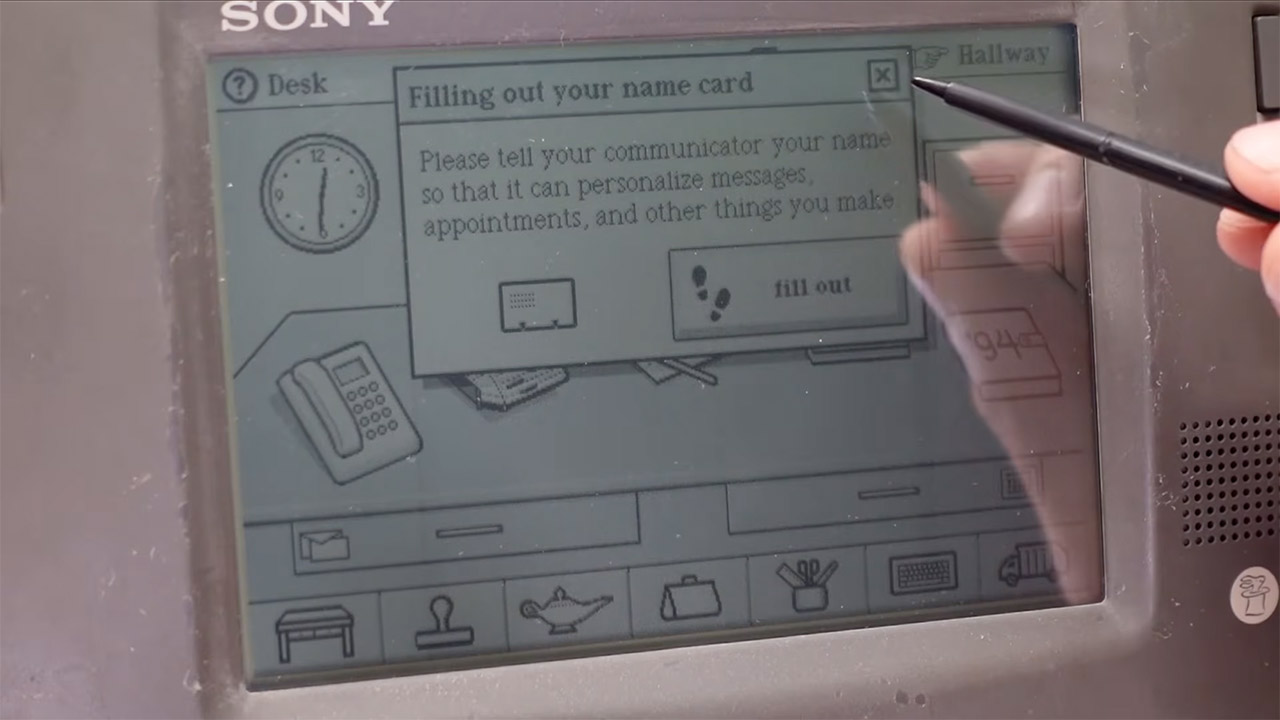
Finally, after all of the excitement, the hardware was released in 1994. Sony shipped the Magic Link for a cool $800. The device looked like a grey brick with a stylus, a small monochrome screen, and a built-in modem that required a phone connector. Motorola followed up with the Envoy, which added a wireless radio to the equation. Both used Magic Cap. You could email, fax, or even page somebody if that was your preference. Keep your contacts and calendars up to date. Play some games and send some files over with IR, as the device was essentially a magic wand. However, nothing like existed previously. Of course, sales were small, with the majority of the units going to friends and relatives. Battery life was a joke, and performance was sluggish. Had no internet (yet) and no cell data worth noticing. To make matters worse, Apple had recently released the Newton the year before, which had likely stolen some of General Magic’s thunder.
An IPO in February 1995 nonetheless managed to raise 96 million dollars. But that was only the beginning; the stock had more than doubled on the first day, and it appeared like cash was flowing in. The engineers were practically unstoppable, and new gadgets popped up left and right. Later that year, Portico was introduced as a voice service that anyone could access using any old phone. An 800 number would then read out your email, calendar, and messages in a polite, calming voice, almost as if you had your own personal assistant. By the time they reached a peak of 2.5 million users, they had already created MyTalk, which has earned a permanent home in the Smithsonian. However, the initial notion of such ‘dream devices’ never really took off. AT&T chose to discontinue PersonaLink in 1996. By 1997, the hardware partners had essentially stopped producing. The stock fell precipitously, prompting layoffs. It all came to an end in September 2002, when activities ceased, and by 2004, they had been totally liquidated. Paul Allen ended up purchasing the majority of the patents.