Nintendo almost never hands another company the keys to its hardware. In July 1986 Sharp walked out of that arrangement with a Japan-only console that stuffed a Family Computer and a Family Computer Disk System into one box and charged ¥32,000 for the privilege, more than buying both Nintendo units separately. Sharp already had a working relationship with Nintendo through Game & Watch production and a Famicom built into a television, and Sharp even held an older “Famicon” trademark from a convection oven. That history, plus a license, produced the Twin Famicom: a 60-pin cartridge slot, a disk-card slot with a yellow eject button, and a switch under the cartridge bay that locked one format while the other ran.

Nintendo’s official Pro Controller is still somewhat expensive for a full-size wireless pad. PowerA’s Enhanced Wireless Controller for Nintendo Switch, priced at $35 (was $70) answers that with an officially licensed Bluetooth gamepad that keeps the familiar button layout, adds two programmable buttons on the back, and runs for up to 30 hours on a built-in 900mAh battery.

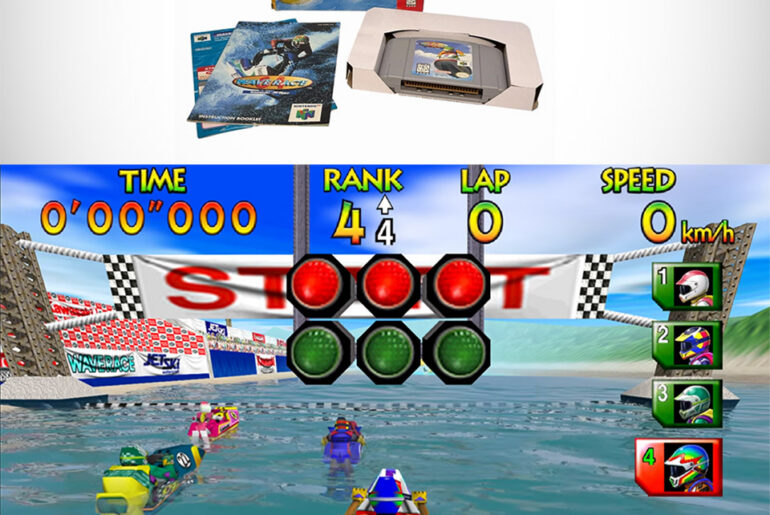
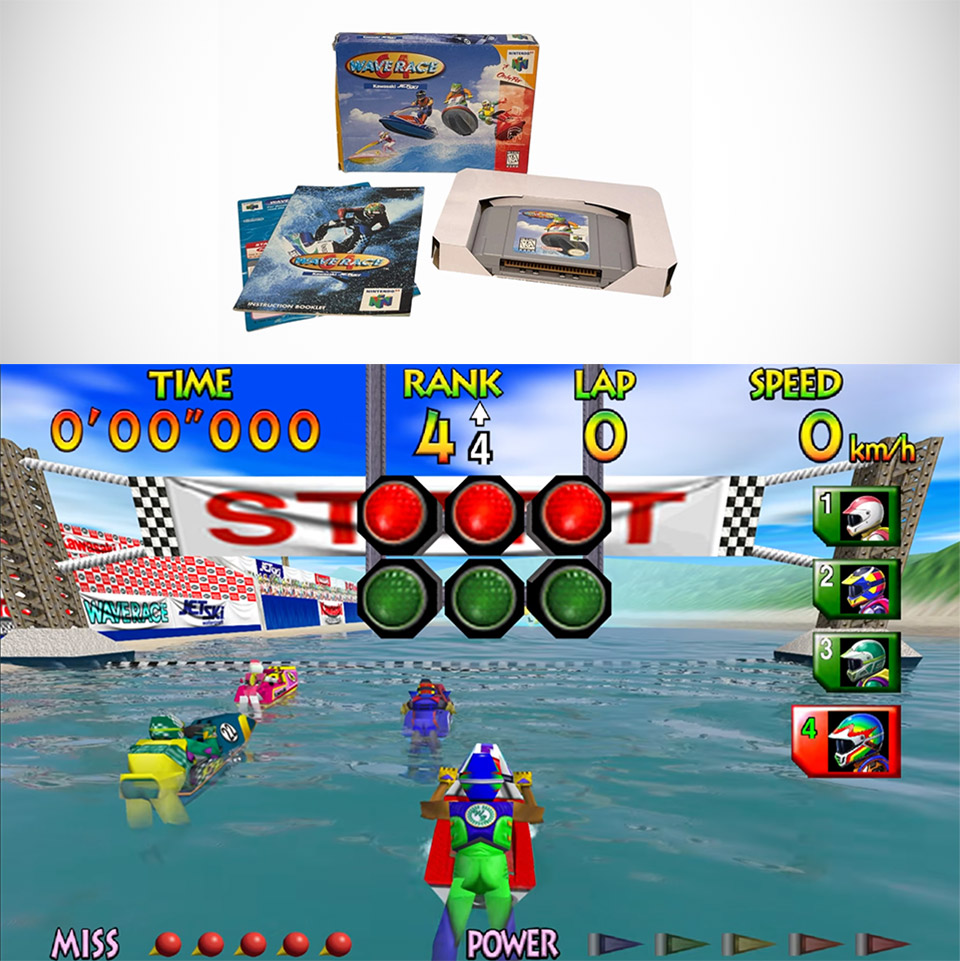
Wave Race 64: Recompiled is out as a native Windows and Apple Silicon build, and it treats Nintendo’s 1996 jet-ski racer with unusual care. You still supply a legal dump of Wave Race 64 USA Rev A, also called v1.1. The project never ships the ROM. Once that file is accepted by the launcher, the game’s own MIPS code runs as a compiled C program instead of through a full console emulator. Championship, Time Trial, and two-player races all boot, save records to emulated EEPROM, and play at speed.

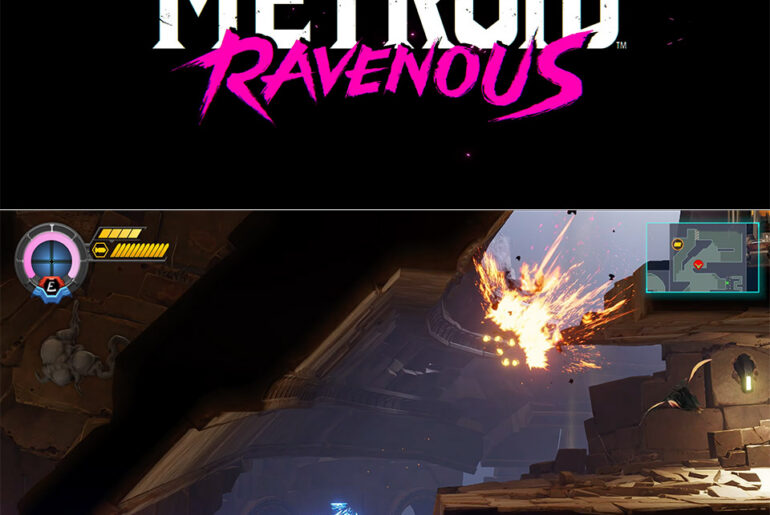
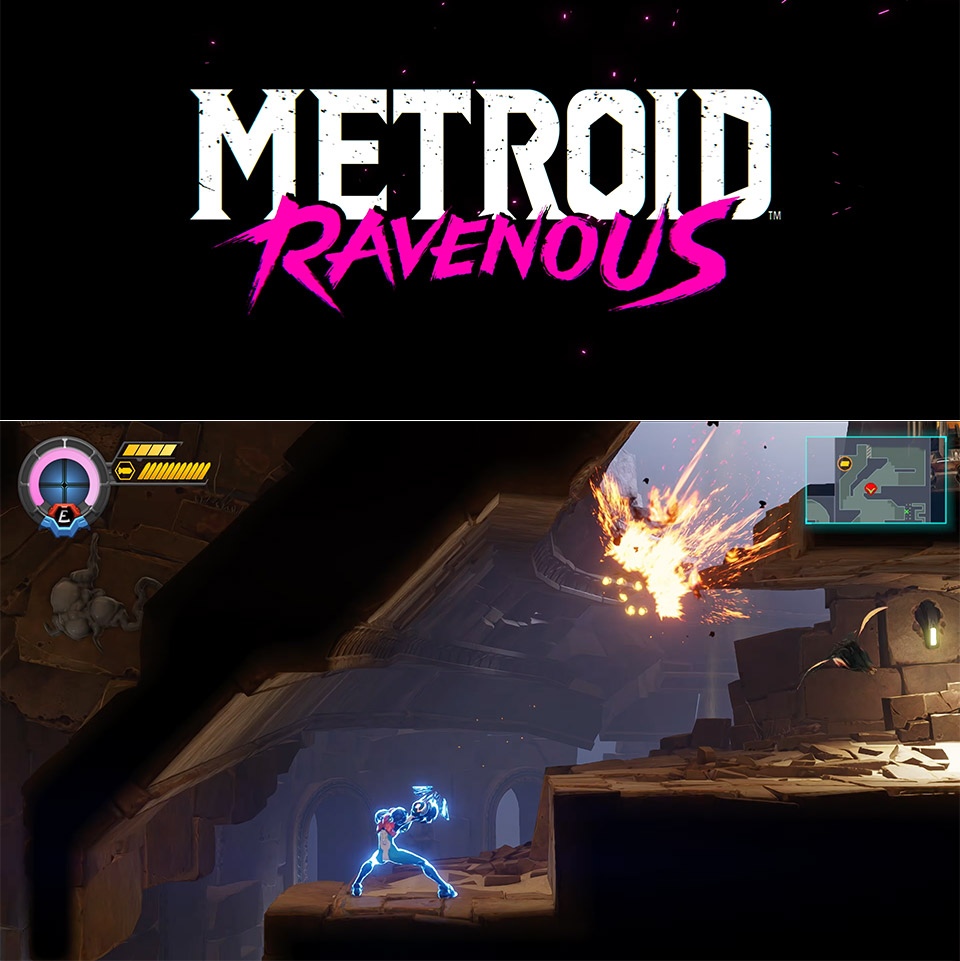
Nintendo revealed Metroid Ravenous in its September Direct and set a firm date of January 28, 2027, exclusive to Switch 2. Samus Aran is already hurt when the story starts. Unknown attackers drain her energy on an alien moon, then send her tumbling into desert sand. She has to claw her way back to the surface first. Getting off the moon comes second, and the odds look thin.

Nintendo used this morning’s Direct to give Switch 2 its first real collector finish, timed to forty years of The Legend of Zelda. Officially called Nintendo Switch 2 – The Legend of Zelda – 40th Anniversary Edition, the system arrives October 29, one week before the Ocarina of Time remake on November 5.

Nintendo used its Zelda 40th anniversary Direct today to show the first real gameplay of The Legend of Zelda: Ocarina of Time remake, confirming a November 5 launch exclusively on Switch 2. Eiji Aonuma walked through the opening hours in Kokiri Forest, presenting the project as a faithful interpretation built with modern tools rather than a loose retelling.

Retroid spent years circling the two-screen idea without building a complete machine around it. A $69 clip-on AMOLED panel already existed for the Pocket 5, Pocket Mini, and Pocket 4 Pro, and the Flip line already folded closed like a book. On September 7 the company stopped circling. A 20-second clip posted with the line “Two Screens.. One Pocket.” showed a dim silhouette of a clamshell handheld and almost nothing else. Hours later official renders arrived during the Retro Handhelds Podcast, and that outline became a real object with a real name: Retroid Pocket Duo.

Rockstar never released Grand Theft Auto V for Nintendo hardware. M0jso and Paralympics Productions completed the project in late August 2026 with an unofficial homebrew build that runs directly on the original Switch. The code from the 2023 leak of GTA V Legacy version 1.0.2699, the same lineage used on PlayStation 4, Xbox One, and PC, has been modified and recompiled for ARM, allowing the Tegra X1 and Horizon OS to treat it as a regular title. There is no Linux layer in the middle, no Android wrapper that interprets calls, no stream from another system, and the game is read in the CPU’s native language.
![]()
Levi Maaia’s NES Radar takes an original Nintendo Entertainment System and treats it like a small air traffic display. You load a custom ROM on a flash cartridge, type any airport’s four-letter ICAO code with a controller in port one, press Start, and real aircraft flying near that field appear as moving 8-bit targets on the television. It works for airports worldwide. A quiet local strip shows a few arrivals lining up. A code like KLAX fills the ring in a hurry.

Nick Alvarez, the electrical engineer and maker who posts as NickBuilds and Nickbuildstuff, decided a regular Game Boy Color was too small for what he had in mind. He built one that stands ten feet tall and still accepts button presses, volume twists, and game input the way the 1998 original did.