Tag

Nintendo

Browsing

Eden-NX2 Nintendo Switch 2 Emulator Release
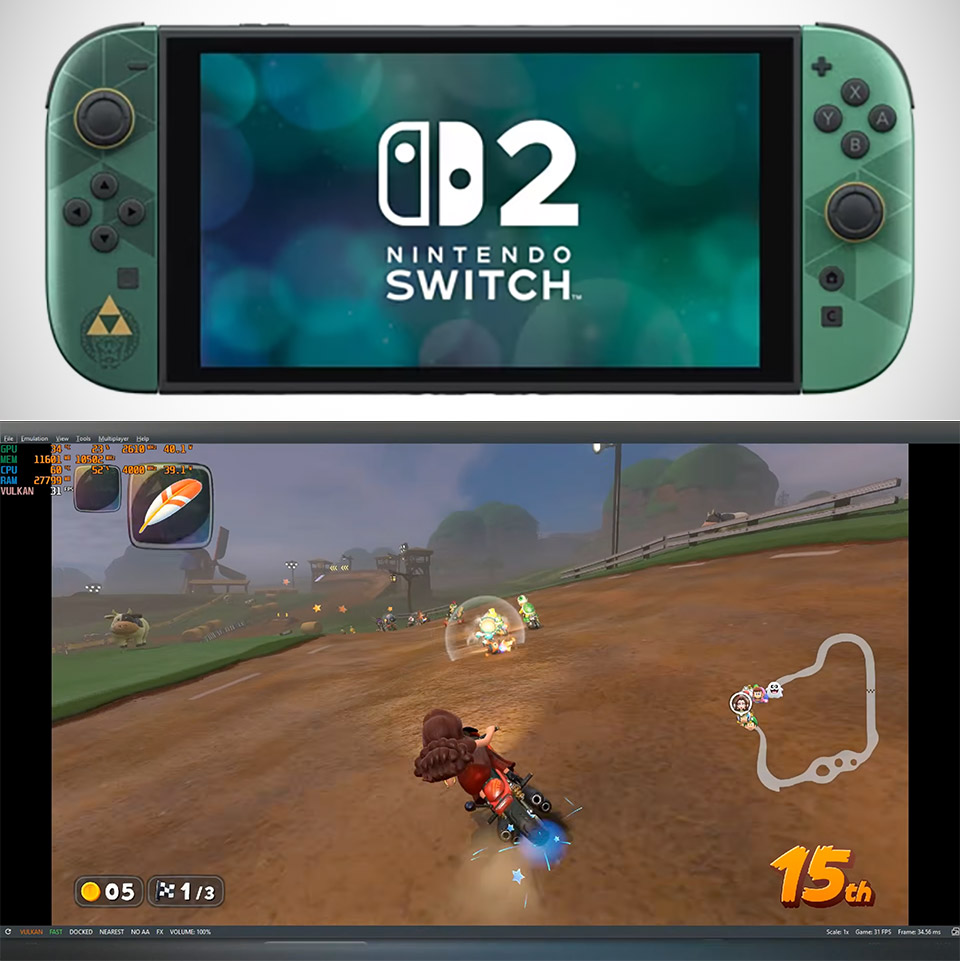
Eden-NX2 appeared on October 29 as a pre-release fork of the Eden emulator, created by a developer known as Takoroka and hosted on the Eden project’s own git server. It adds experimental support for Nintendo Switch 2 software on Windows machines, and early tests already show Mario Kart World and Donkey Kong Bananza starting up and moving through their opening sections.
Halo 64 Port Nintendo 64
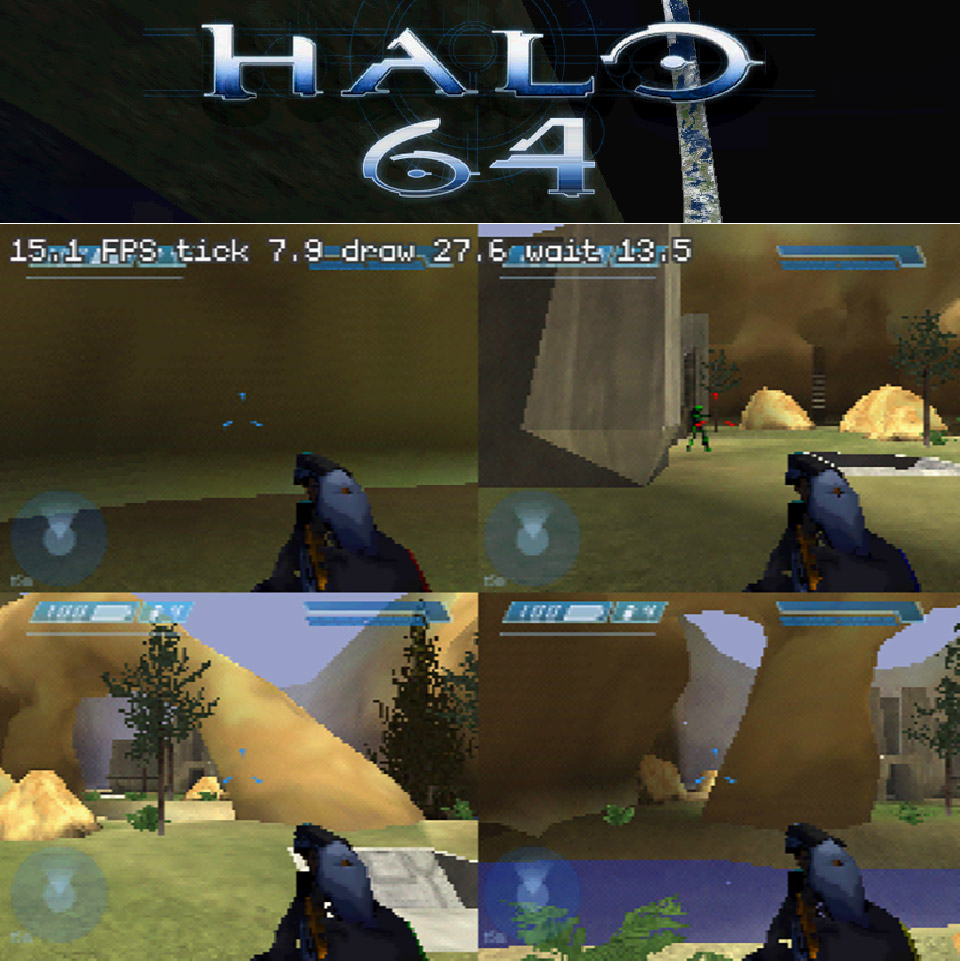
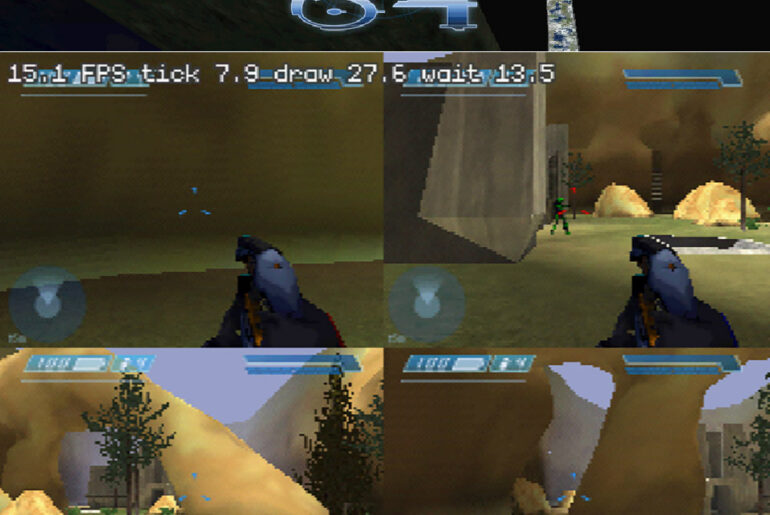
Twenty five years after Halo Combat Evolved redefined console shooters on the original Xbox, a fan project has moved its multiplayer suite onto the Nintendo 64. Halo 64, created by Jack Tulli and available on GitHub, runs the original game’s objects, physics, collision detection, weapons, game types, HUD and pathfinding on the N64’s VR4300 processor. Maps come from a player’s own Xbox disc image. A new renderer, menu system, HUD drawing and sound layer sit on top of libdragon and tiny3d.

Nyko Zoom Case Nintendo DSi Accessory
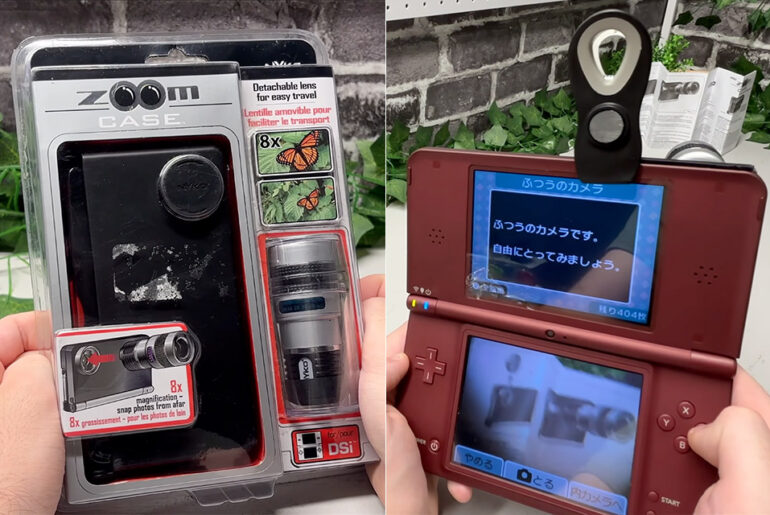
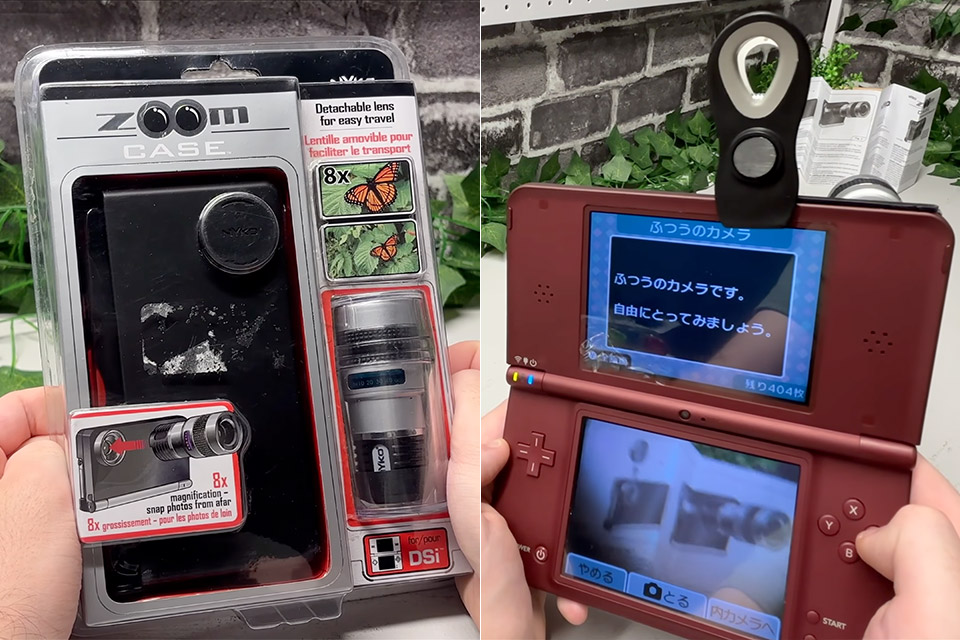
Released in November 2008, Nintendo’s DSi arrived with a pair of cameras that no previous handheld in the line had offered, one facing outward and one facing the user. Those sensors recorded images at only 640 by 480 pixels, a resolution that already felt modest next to the improving phone cameras of the period. Accessory maker Nyko later decided the outer camera deserved an 8x optical magnification lens anyway, packaged with a hard-shell case that wrapped the original DSi body.

Tobi Super Mario Galaxy GBA Game Boy Advance Port
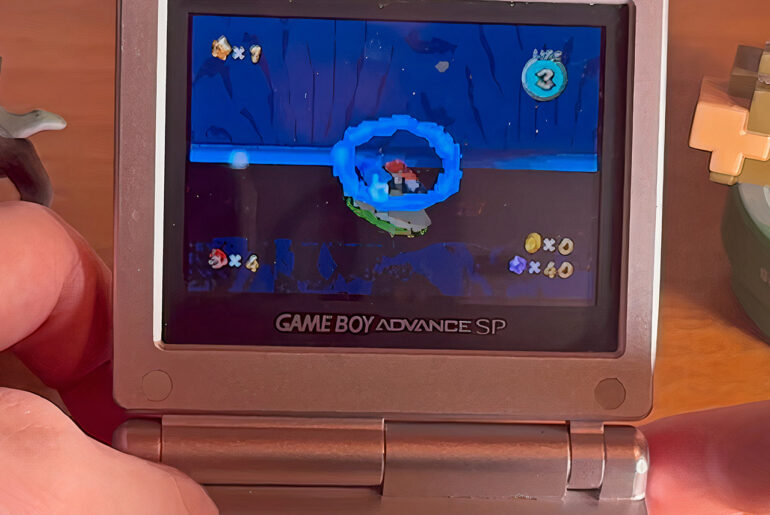
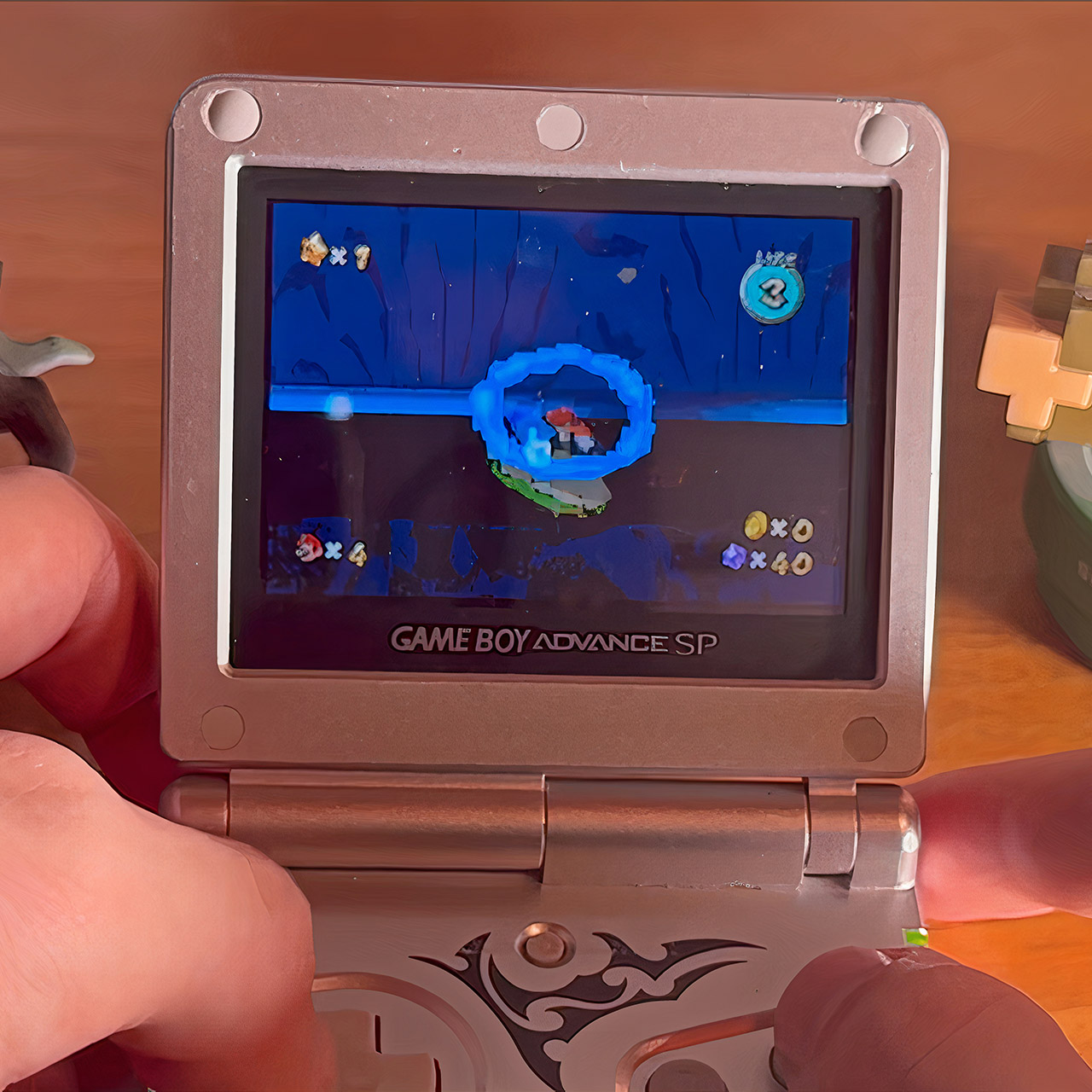
Tobias Friedly, known online as Game of Tobi, has put the source code for his Super Mario Galaxy Game Boy Advance port on GitHub after months of work that started as an ambitious side project. Players who supply their own legal USA Wii ISO can now build a ROM that runs the full movement system, planetary gravity, camera behavior, and a substantial amount of the original game on hardware that first shipped in 2001.

Original NES Console Turned Desktop PC Mod
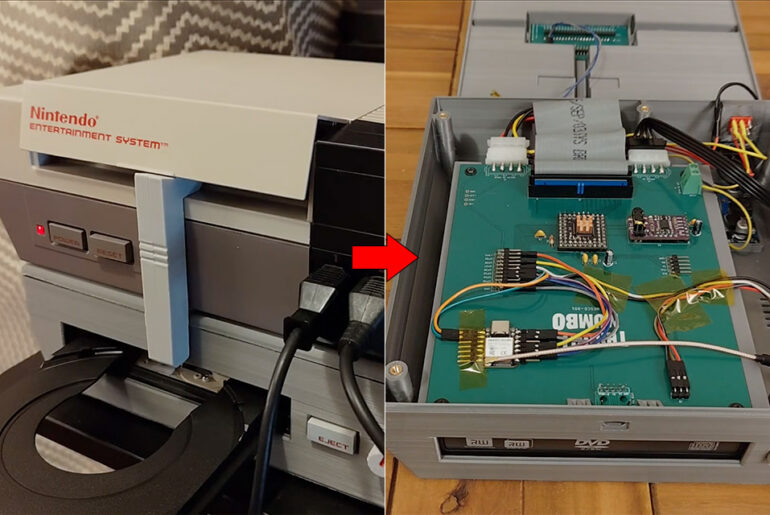
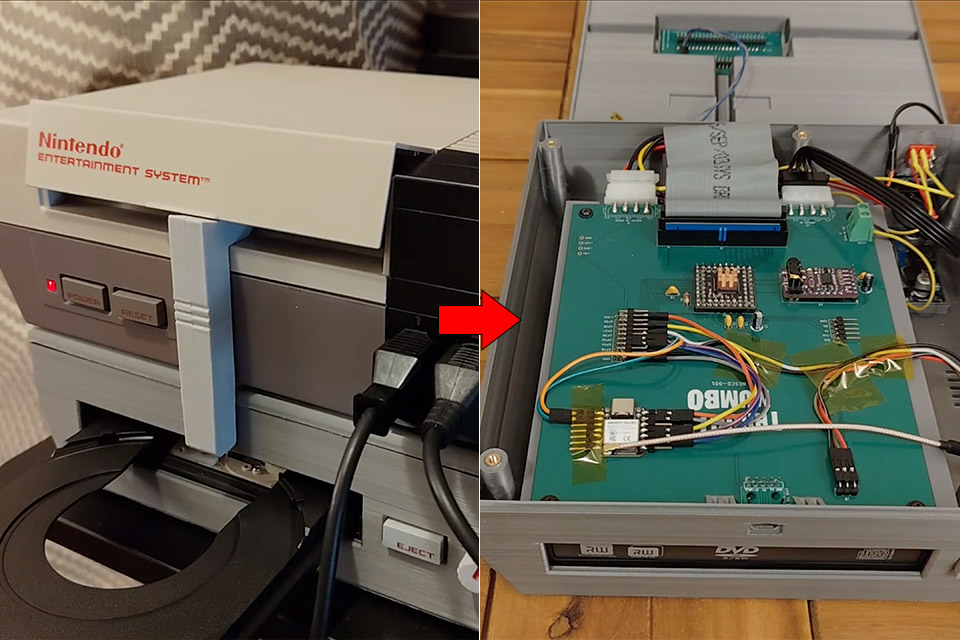
Throaty Mumbo has spent the past year chasing projects that most people would dismiss before the first soldering iron heats up. This time the target was a standard Nintendo Entertainment System (NES), the same gray box that once needed a cartridge and a CRT television. Instead of another emulator sitting on a modern computer, the goal was to keep the original console hardware in the loop and still end up with something that behaves like a desktop machine from the late 1990s.

InkBoy Game Boy E-Paper ESP32
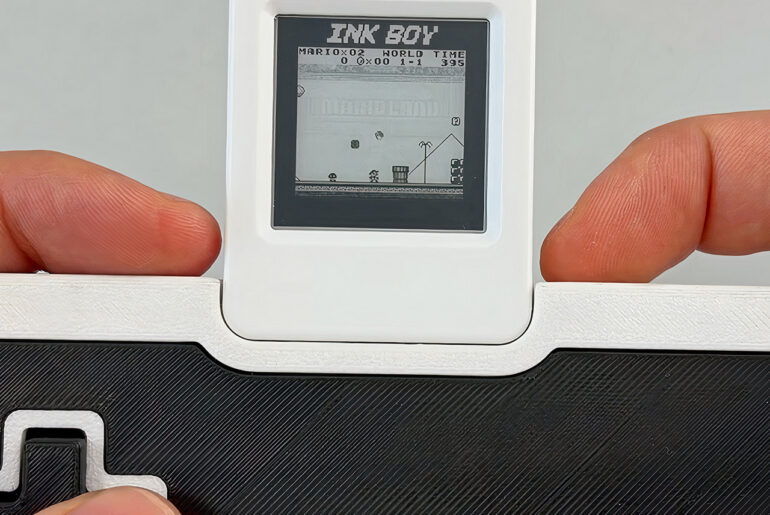
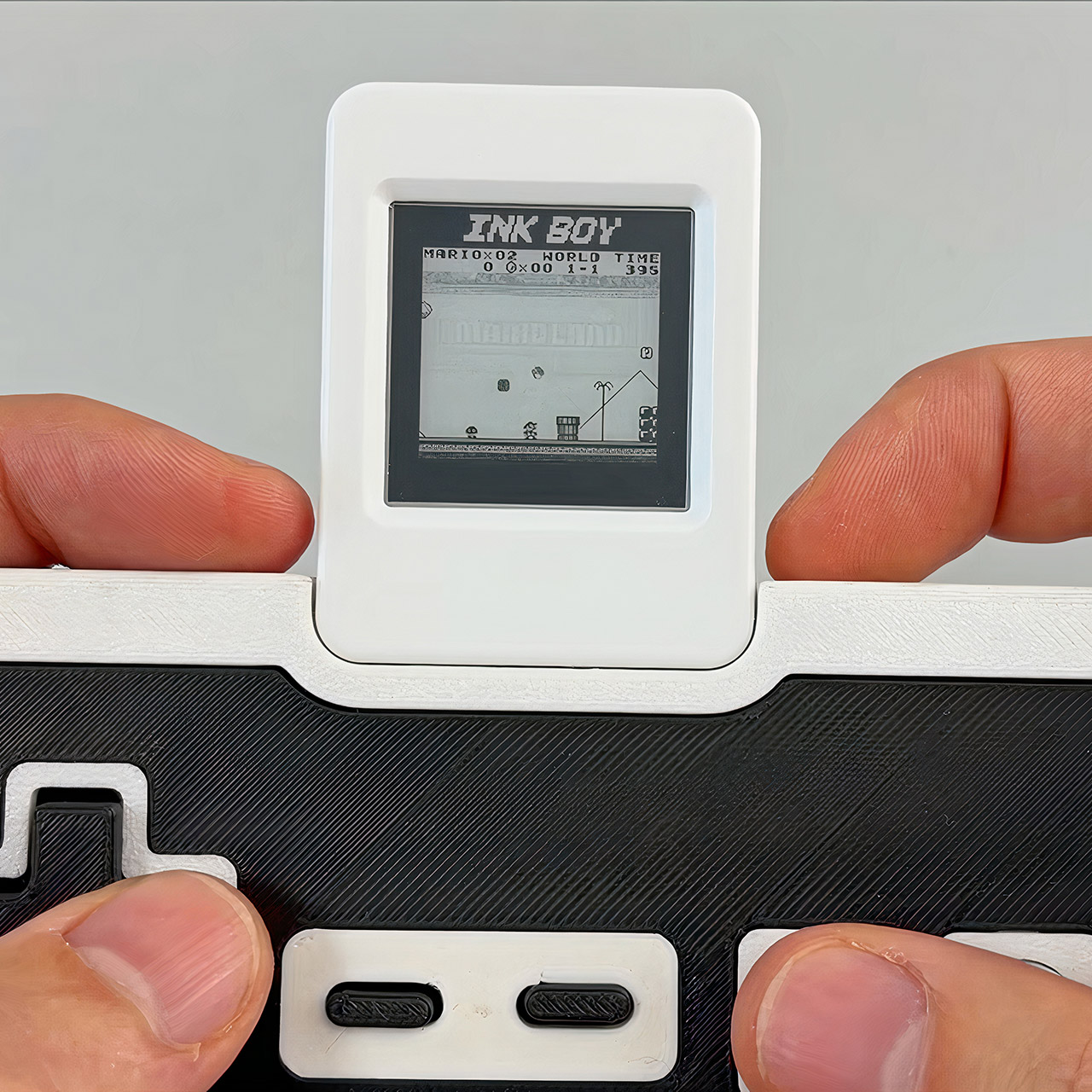
A Waveshare board built for reading pages now keeps up with running and jumping. InkBoy fits a full Game Boy emulator onto the ESP32-S3-ePaper-1.54 V2, a compact module with a 1.54-inch panel that measures 200 by 200 pixels. Stock software on that panel barely managed two updates each second. Custom driving code raises the rate to roughly thirty, enough for Super Mario Land and other original titles to feel responsive instead of frozen between frames.

Nintendo Switch 2 Ocarina of Time Remake Overview
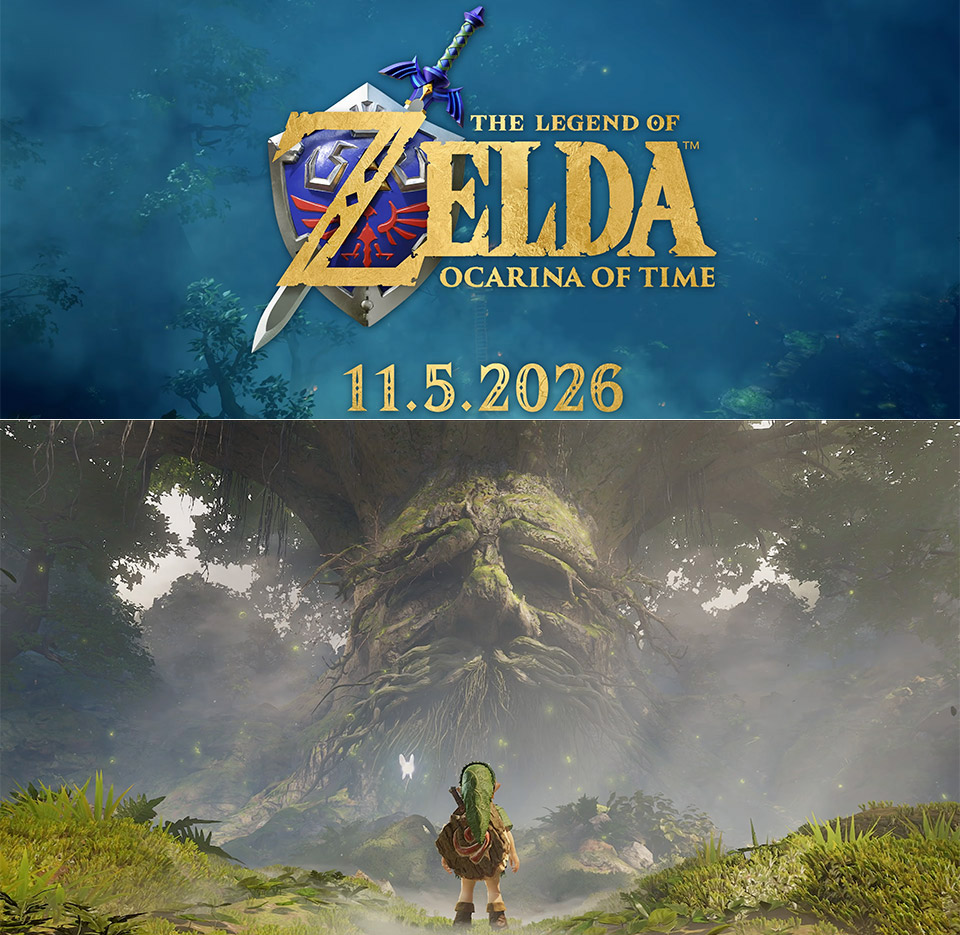
Nintendo released a five-minute overview trailer today for the Switch 2 remake of The Legend of Zelda: Ocarina of Time, giving a straightforward tour of the remake ahead of its November 5 launch. The video walks through Link’s early journey as the boy without a fairy, then moves into the broader kingdom of Hyrule with its people, monsters, and dungeons before settling on the tools and additions that reshape how the adventure plays.

Anbernic RG DDS Handheld Reveal
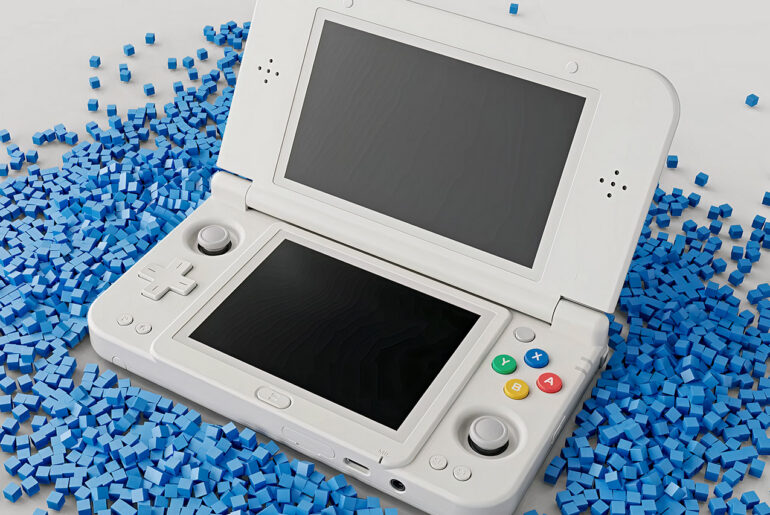
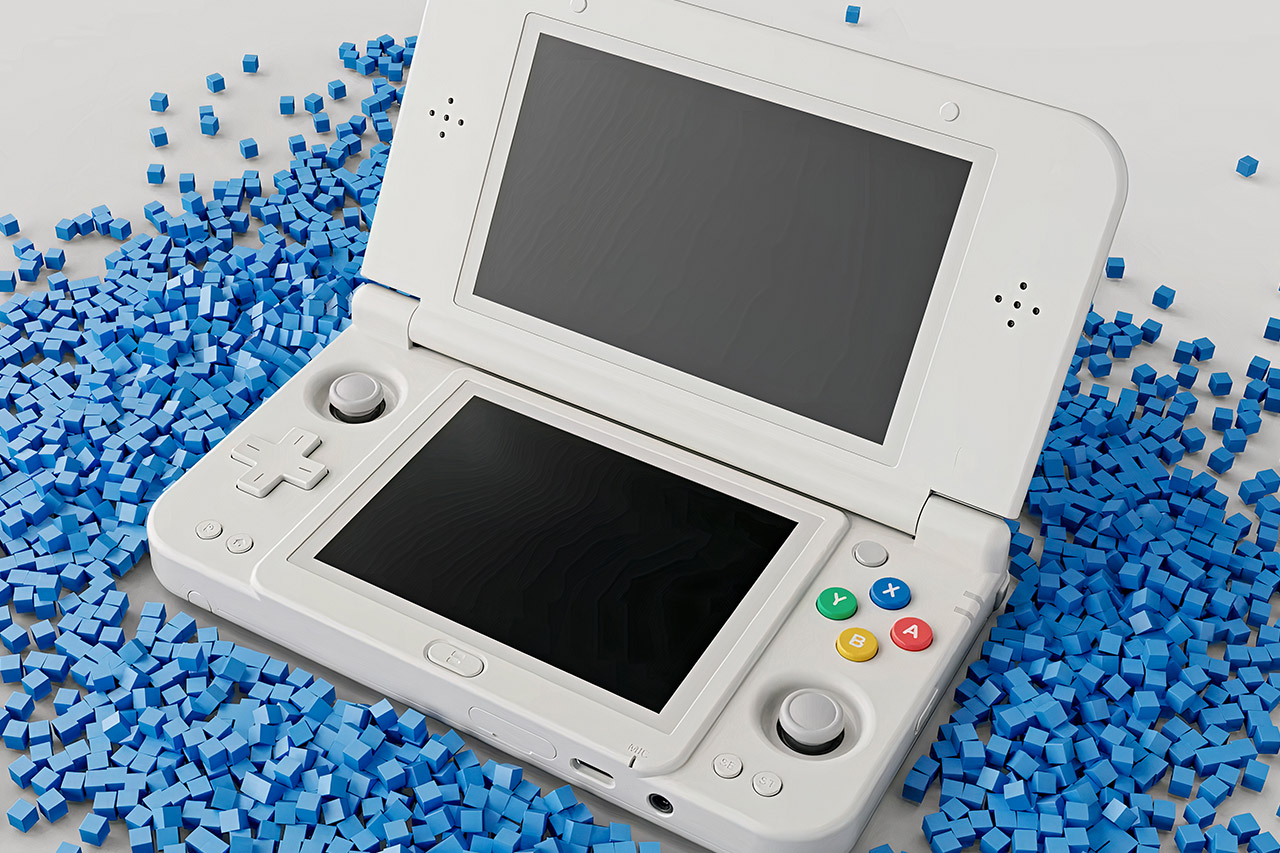
Anbernic just showed its RG DDS, a folding dual-screen handheld shaped closely after Nintendo’s classic 3DS clamshell. Open the lid and the top panel measures about 4.7 inches at a 5:3 ratio with 1200 by 720 resolution, while the bottom touchscreen sits near 4 inches at a 4:3 ratio with 960 by 720 resolution. Both custom IPS panels hit 300 pixels per inch and reach 500 nits of brightness, with matched color, refresh rate, and materials so the pair stays consistent in appearance.

James Channel Famiclone Windows System
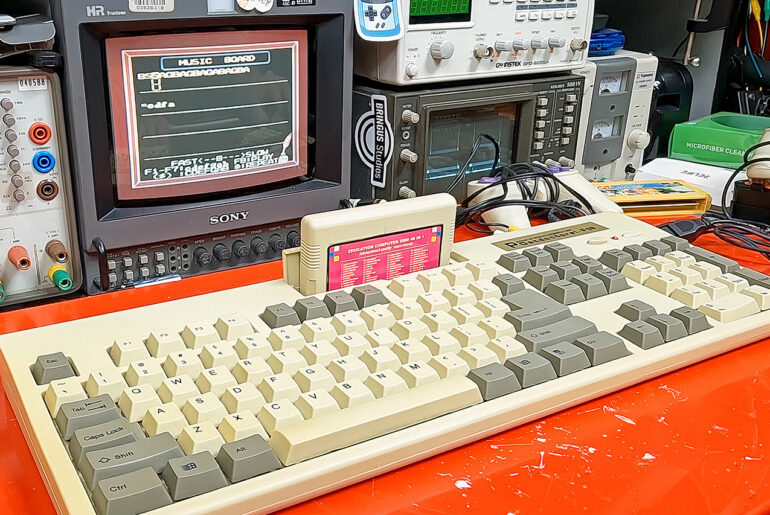
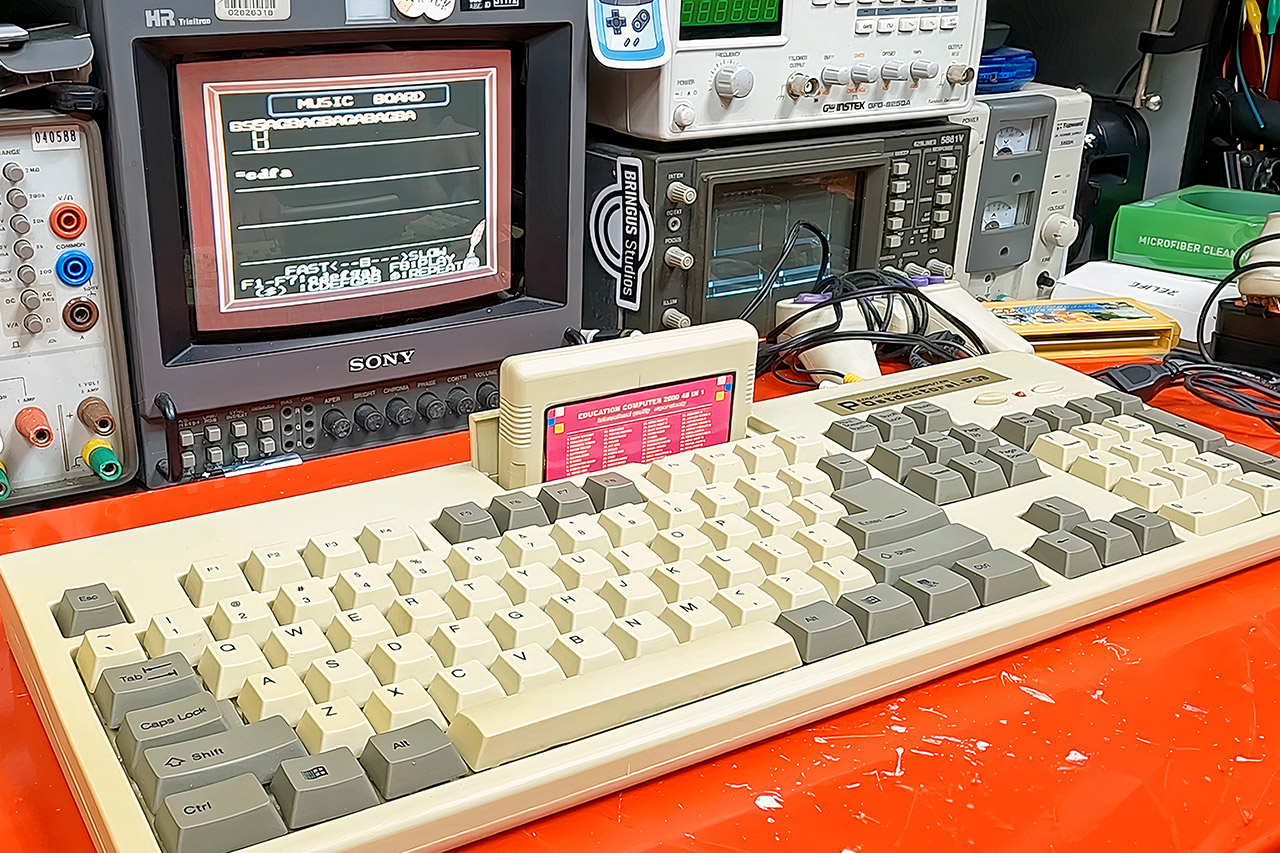
James Channel recently got hold of a small box that promised the latest Windows system, complete with a keyboard, mouse, and enough software to turn any living room into a home office. What arrived instead was a Famiclone, one of the countless unauthorized copies of Nintendo’s original Family Computer that flooded markets across Asia and beyond during the late 1980s and 1990s. These machines used a single chip to recreate the hardware that once powered Super Mario Bros., and manufacturers kept producing them long after the patents expired because they were cheap to build and easy to sell to families who could not afford a real computer.