Smartphones already handle the hard part of travel photography by capturing sharp images in any light. What often gets left behind is the ability to share those images as something tangible right away, something you can hand to a new friend at a market or slip into a journal before the day ends. The Canon Ivy 2, priced at $99 (was $120), fills that gap without forcing anyone to carry a separate instant camera or deal with film.

Members of the Wendy’s Rewards program had one hour today to claim one of twenty specially decorated Canon PowerShot G7 X Mark III cameras through the brand’s app. The giveaway closed out a four-week run of limited merchandise drops that started back in mid-May and handed out everything from totes to jerseys in tiny quantities that vanished almost as soon as each window opened.

Evan Monsma started with a viewfinder built for a professional broadcast camera. Inside sat a small monochrome CRT, the kind camera operators once relied on for precise framing during live shoots. He wanted that same screen to work on its own, showing ordinary video signals without the rest of the camera attached.

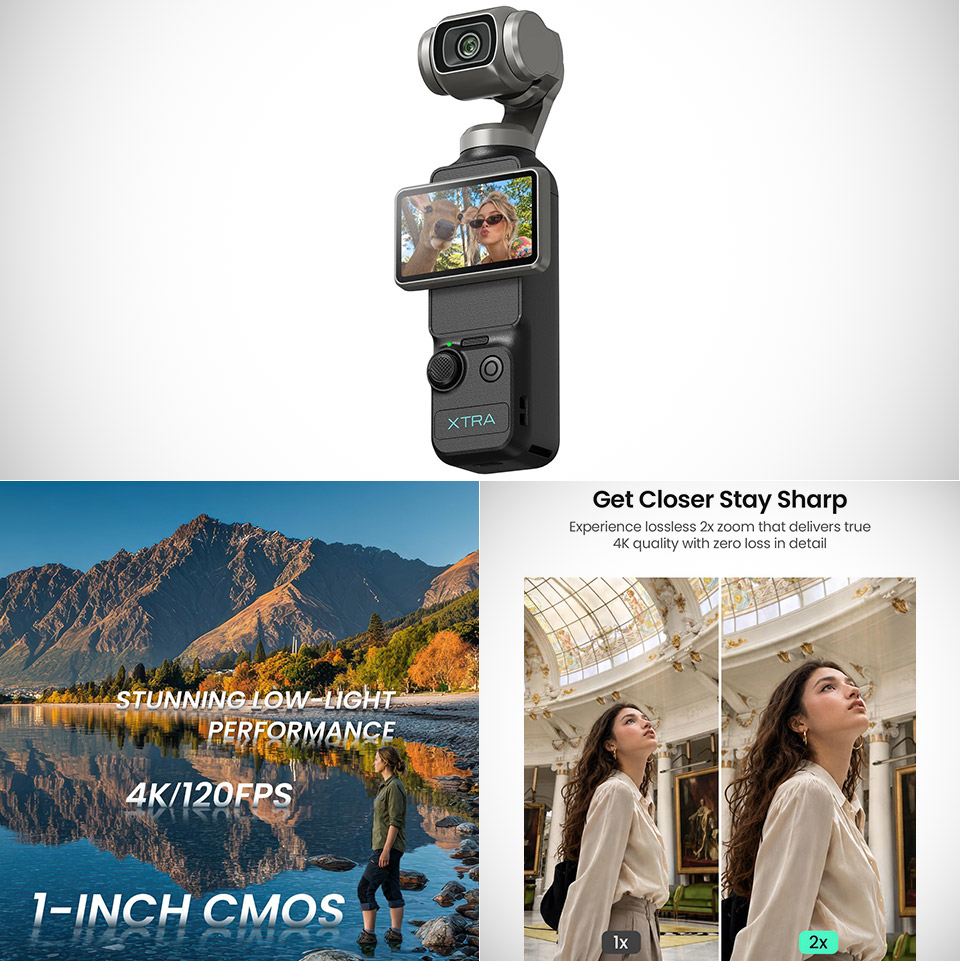
Weighing just 54 grams, the XTRA Atto, priced at $288.99 (was $449), clips onto a hat brim or shirt collar in seconds and begins turning ordinary movement into steady 4K footage. Its magnetic system makes attachment feel effortless, whether the goal is helmet-point-of-view shots during a ride, a pet’s daily perspective, or simple hands-free clips while walking trails. The camera stays small enough that most people forget it sits there after the first few minutes.

Compact action cameras keep getting better at fitting into everyday life without slowing anyone down. This GO Ultra Creator Bundle from Insta360 delivers a complete setup built around a camera so small it feels like an afterthought until the footage starts rolling in. At the current price of about $425 (was $500), the package bundles the core camera with enough mounts and extras to handle vlogging, sports, or simple point-of-view recording straight out of the box.

Few pieces of tech hold their ground several years after launch the way this one does. Creators who picked up DJI Osmo Pocket 3, priced at $419 (was $499), when it first arrived still reach for it on trips, family outings, and quick daily shoots. Even with a newer model now available, plenty of people choose the original because it simply works well without extra fuss.

Solo video work often means juggling a phone, a gimbal, and constant checks on the screen. DJI built the Osmo Mobile 8P to fix exactly that problem by adding a small detachable monitor called the FrameTap. Snap it off the handle and the screen mirrors the phone’s live view while staying connected over Bluetooth. Creators can step back ten meters, tap to select a subject, or nudge a joystick to adjust framing and zoom without ever touching the phone itself.

Jenny Zhang left New York for Shenzhen last year with a clear plan. She wanted to build a camera that fit right into daily routines without forcing anyone to hold a device or wear something on their face. The result sits in her hair like an ordinary barrette, chunky and white, ready to record whatever passes in front of it.

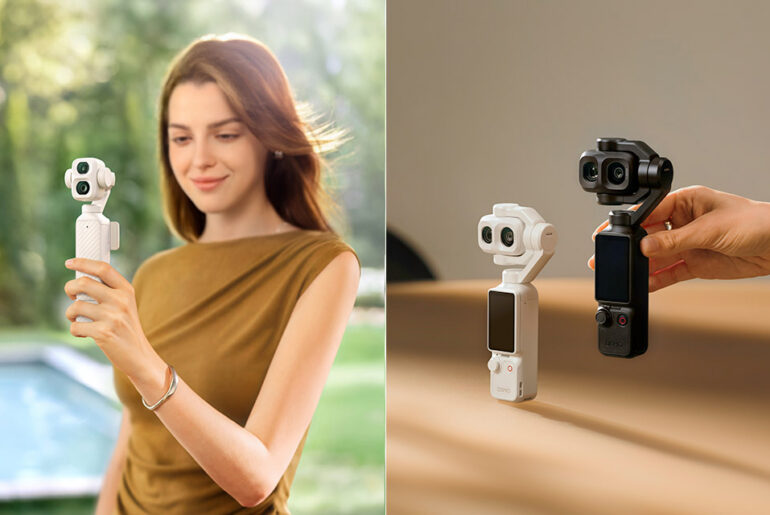
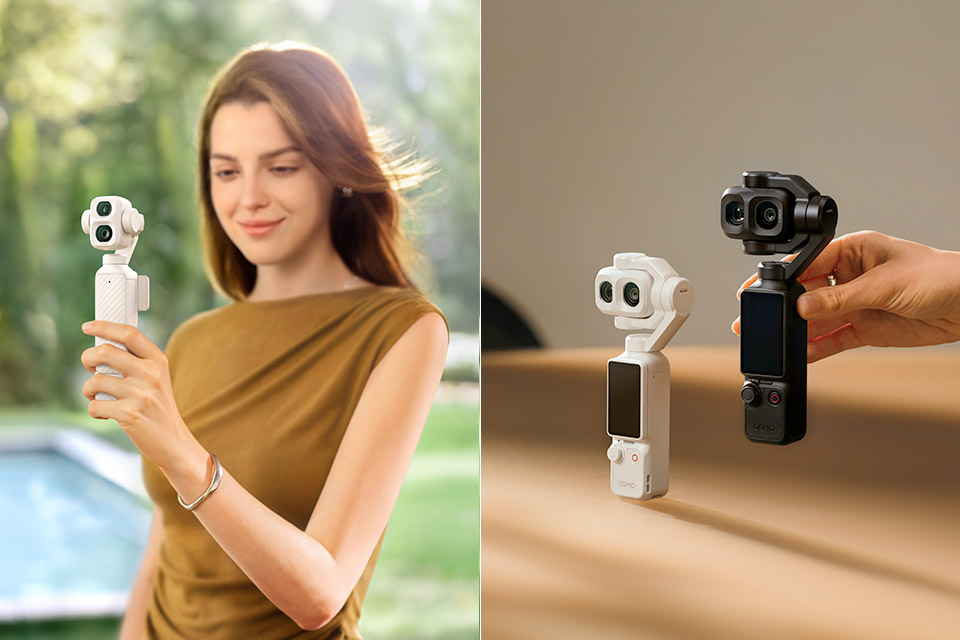
DJI chose the Cannes Film Festival stage to show off its latest pocket camera, the Osmo Pocket 4P, and the move makes perfect sense for a device aimed straight at filmmakers who want serious tools in a compact package. This model builds on the Pocket series tradition of three-axis stabilization in something small enough to slip into a jacket pocket, yet it steps up with two separate lenses working together.