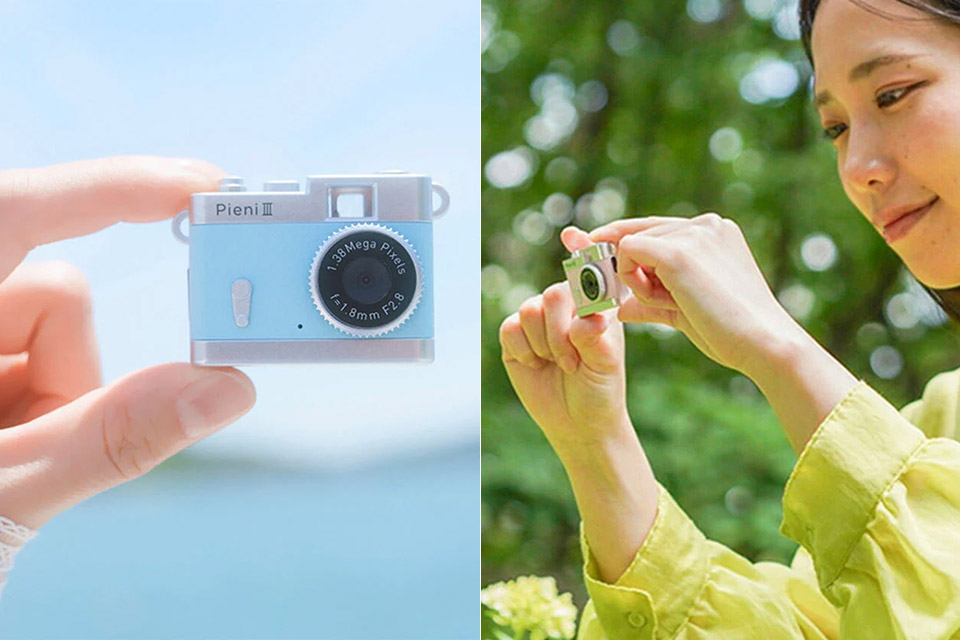
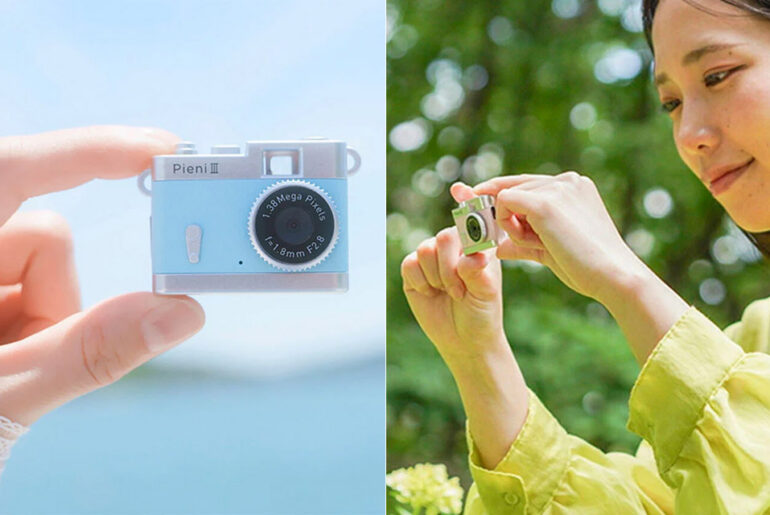
Kenko Tokina introduced the Pieni III earlier this week, as a toy digital camera small enough to wear on a neck strap during ordinary days. Measuring about 53 by 35 by 18 millimeters and weighing roughly 18 grams without a card, the body sits lightly against clothing or sits on a shelf as decoration when not in use. Four standard finishes cover Soda light blue, Strawberry pink, Milk white, and Black, while separate Sanrio editions featuring Hello Kitty and related characters cost more and arrive with matching straps.
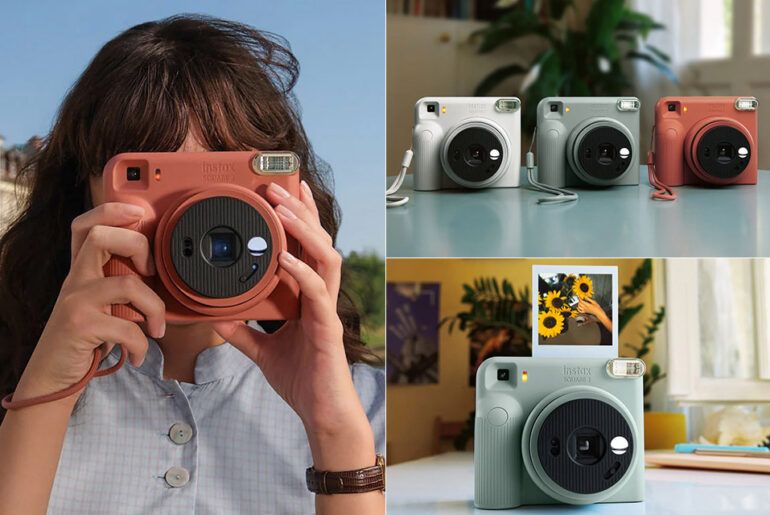
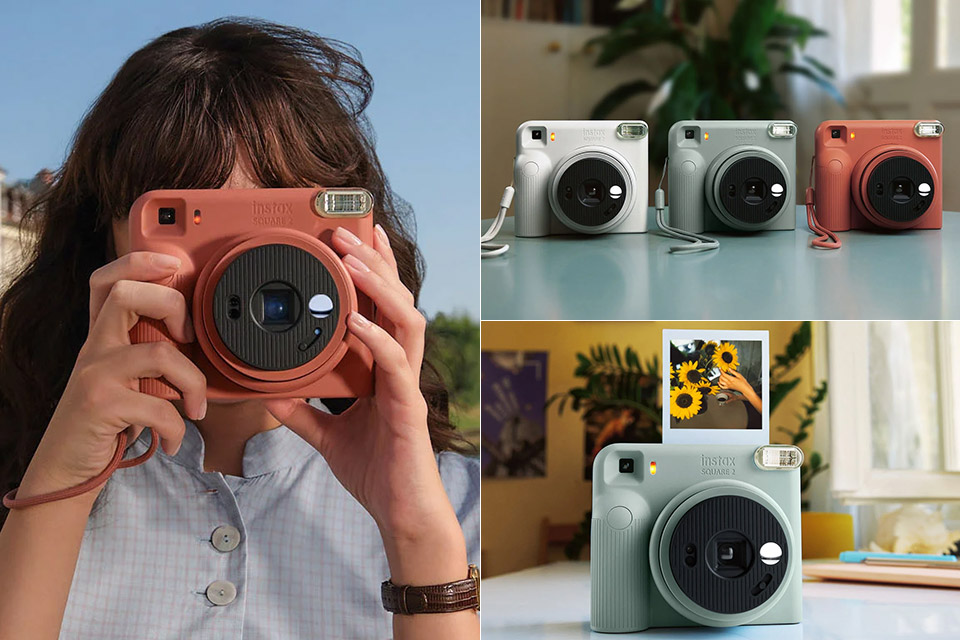
Fujifilm’s latest square-format instant camera arrives with a noticeably softer outline than the boxy model that preceded it. The Instax Square 2’s body measures 139 by 119.5 by 71 millimeters and weighs 450 grams empty, shaped from smooth plastic that curves around the edges rather than meeting them at sharp angles. Vertical texture lines run along the grip and continue around the large front lens barrel, giving the camera a consistent feel in the hand whether you hold it for a quick portrait or a wider scene. Three color options ship with it: Slate Blue, Misty White, and Brick Red.

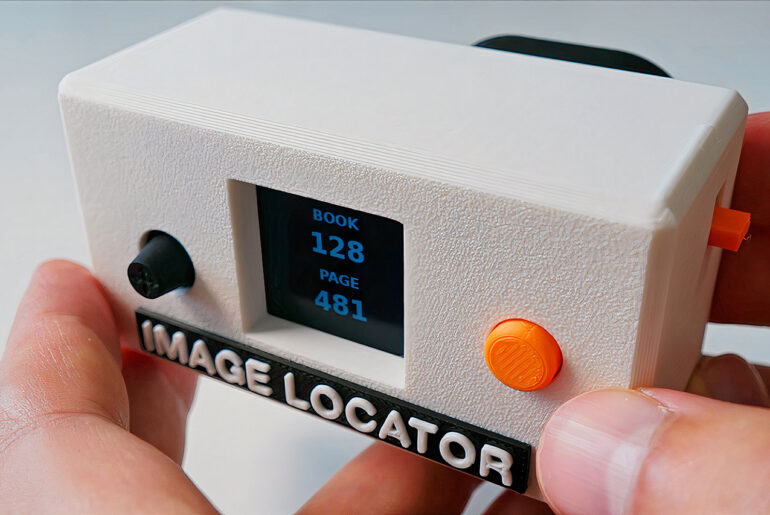
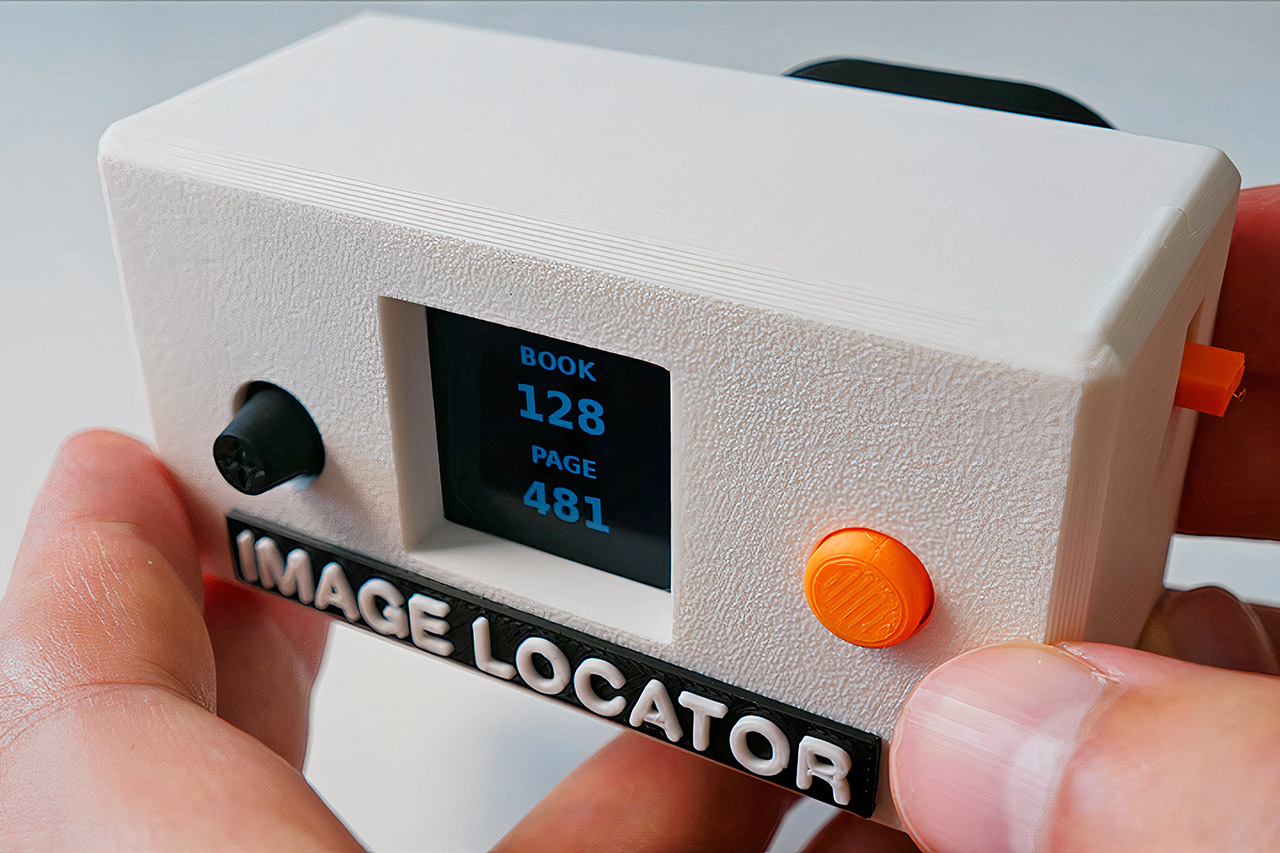
A camera that never stores a single photo sits in the hands of Dutch maker Jens from Strange Inventions. Point it at any scene and the small screen shows a number instead of an image. That number marks one exact page inside a theoretical collection that already contains every photograph that could ever exist.

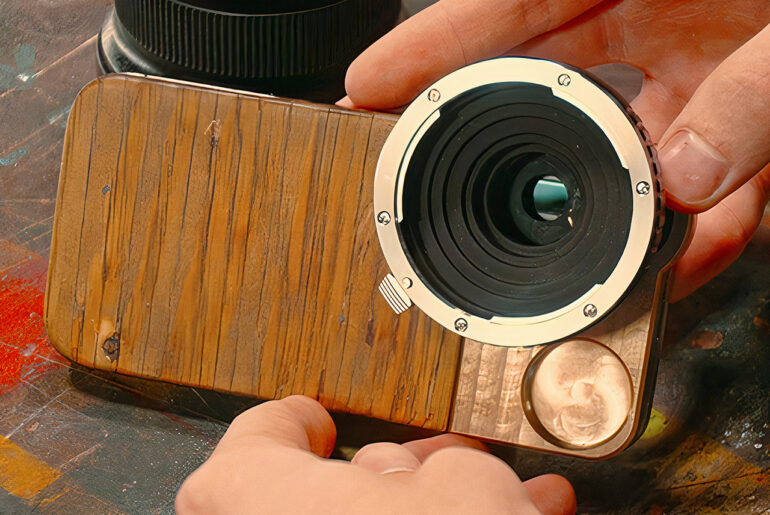
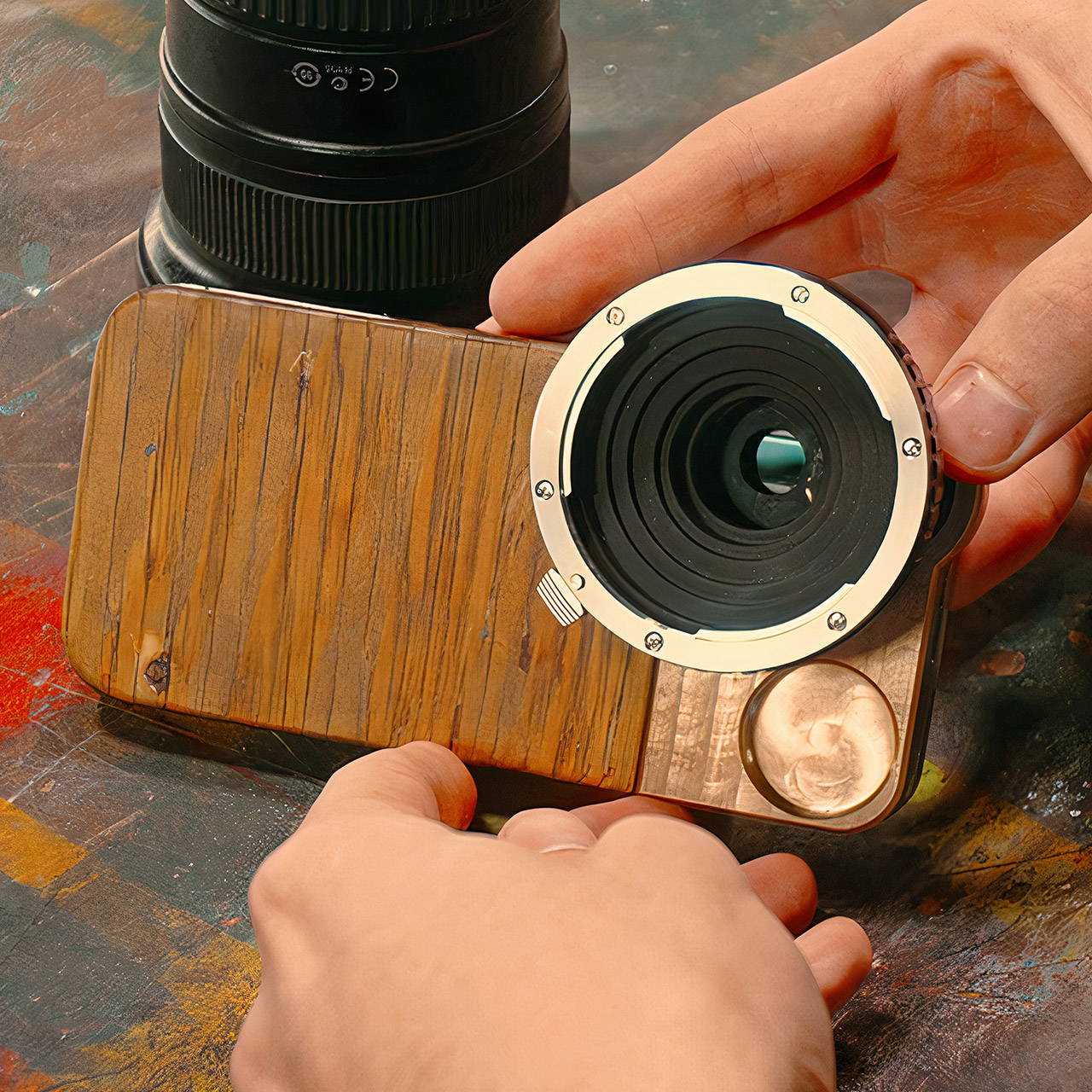
Evan Monsma spent a few days in Indianapolis turning a broken iPhone 13 into something he calls CMOUNTIPHONE2, a phone that can take Canon EF lenses meant for a full-size DSLR. His earlier attempt had already put cinema glass on a wrecked iPhone. That mount was wood, a modified C-to-CS ring, and a bead of super glue. The glue let go. A heavier lens was always going to finish the job, so this round starts with metal.

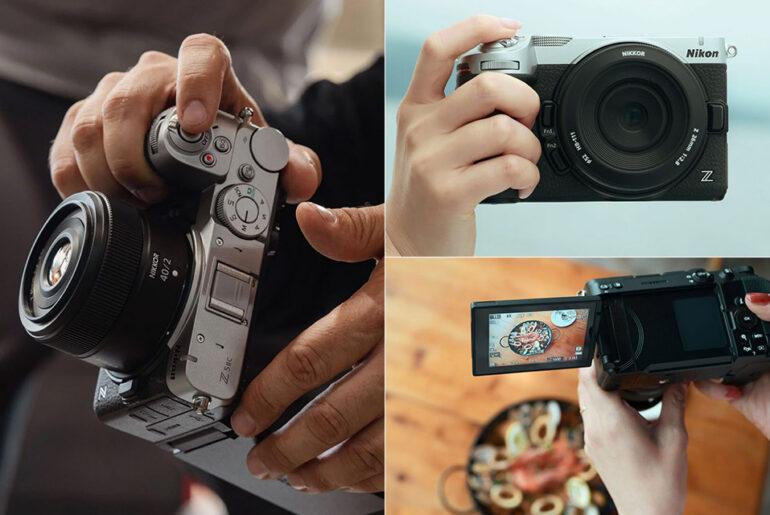
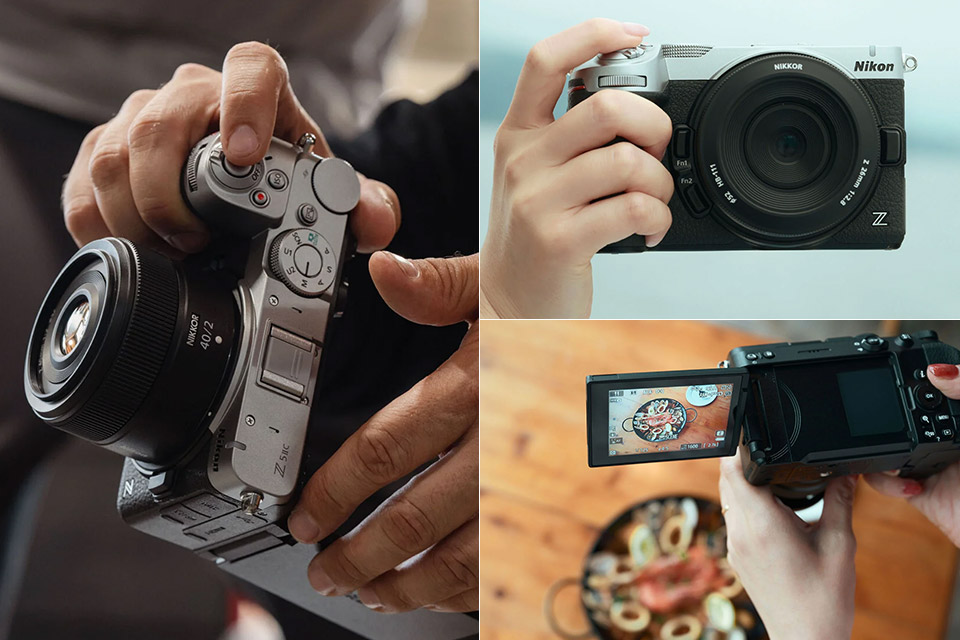
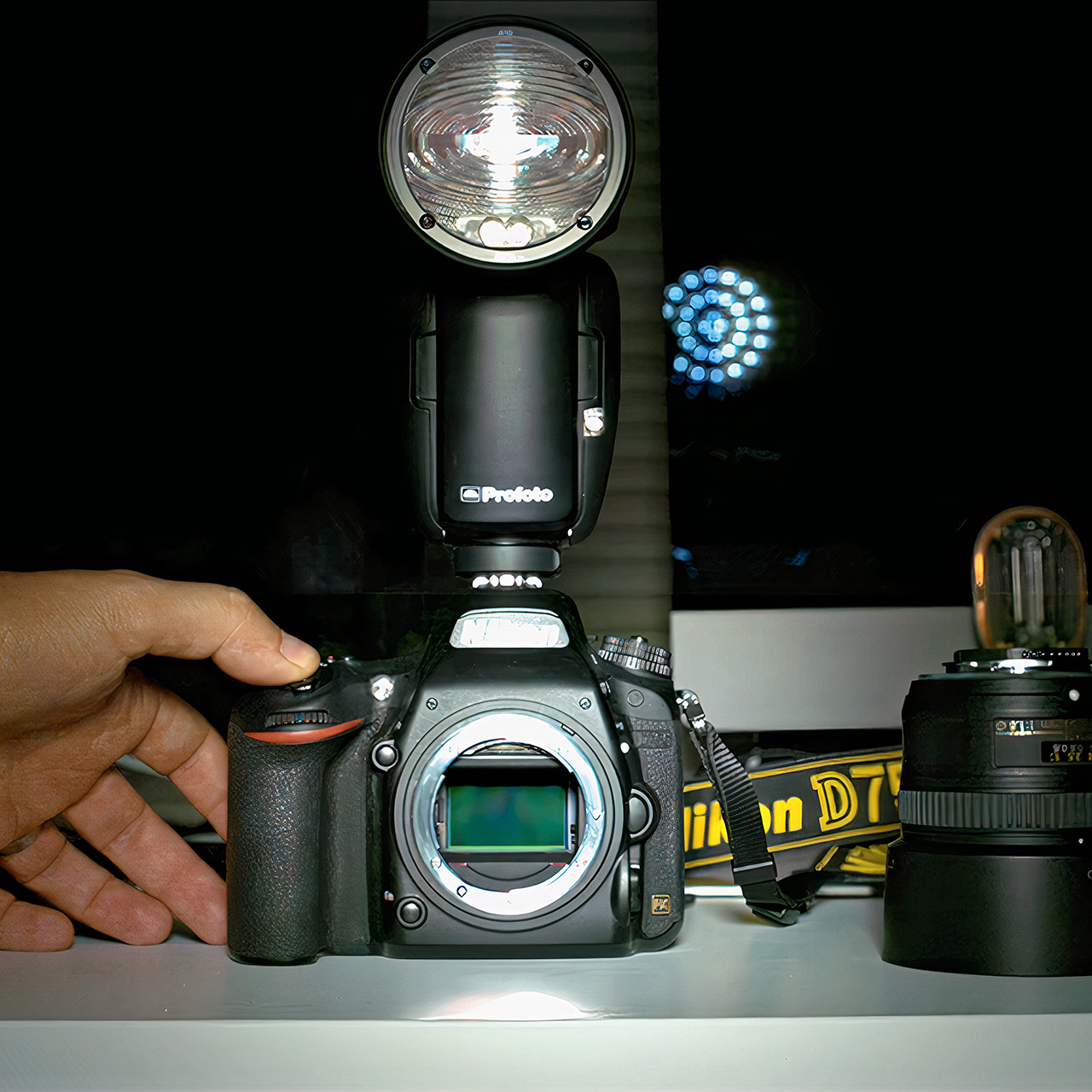
Nikon used the same 24.5-megapixel backside-illuminated full-frame sensor and EXPEED 7 processor found in the Z5II, then cut the electronic viewfinder so the body could sit flatter, weigh less, and sell for $1,399.95. That price is $450 under the current Z5II list, and a kit with the NIKKOR Z 24-50mm f/4-6.3 lands at $1,699.95. Shipping is set for mid-October, with pre-orders already open and B&H listing an October 15 date. Black and silver finishes are both available, the silver version pairing a light top plate with a dark body.

Gavin Free first pointed a high-speed camera at a shutter in 2015, using a Phantom Flex and a cropped square to reach 10,000 frames a second on a Canon EOS 7D. In September 2026 he brought the same battered 7D back, now with a Phantom TMX 7510 that holds full resolution at 80,000 frames a second, and the extra speed showed details the older clip never caught.

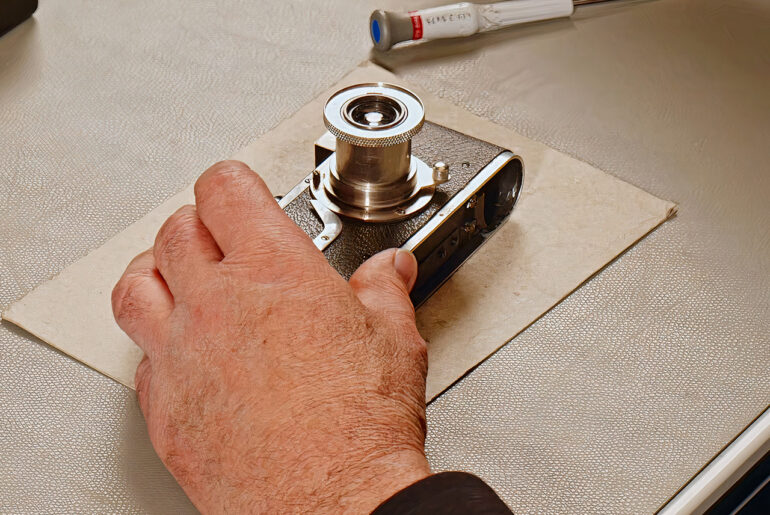
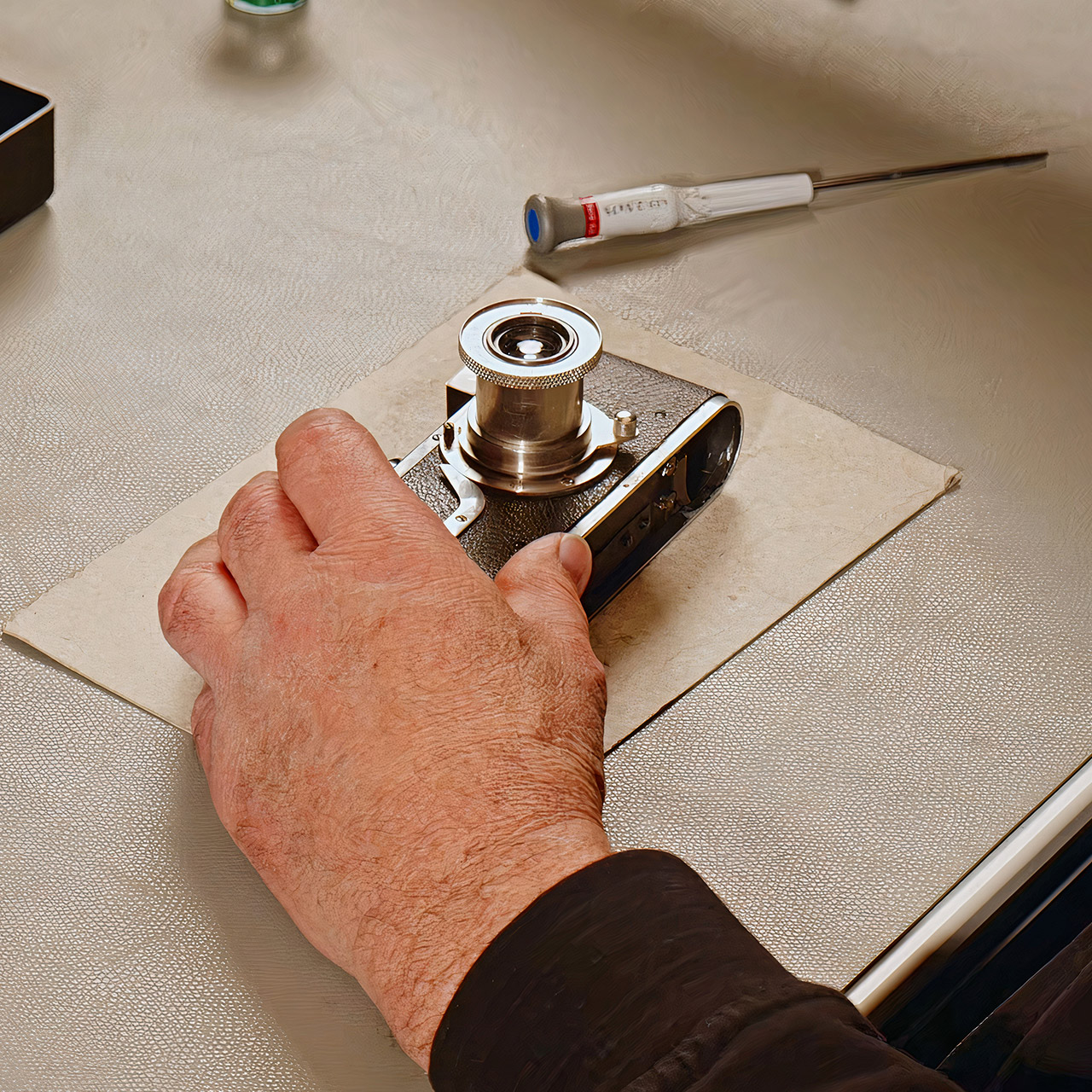
Leica Camera posted a nearly two-and-a-half-hour film called Repairing a 100 Year Old Camera, and it does exactly what the title says. A technician in the company’s own workshop takes apart a Leica I that has lived with the Leitz family since the mid-1920s, finds the cloth that used to keep light out, and puts the whole machine back into working order. There is no voiceover, no score, and almost no cutting. You hear screws, brushes, and the faint click of a shutter that has been doing the same job for a century.

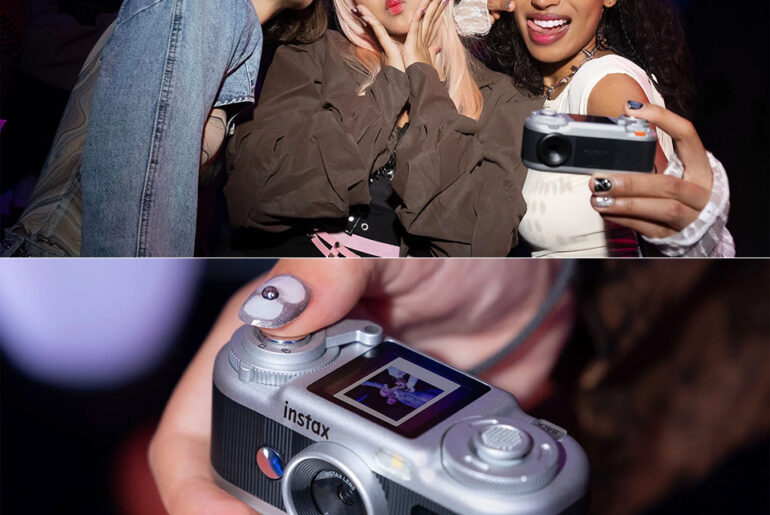
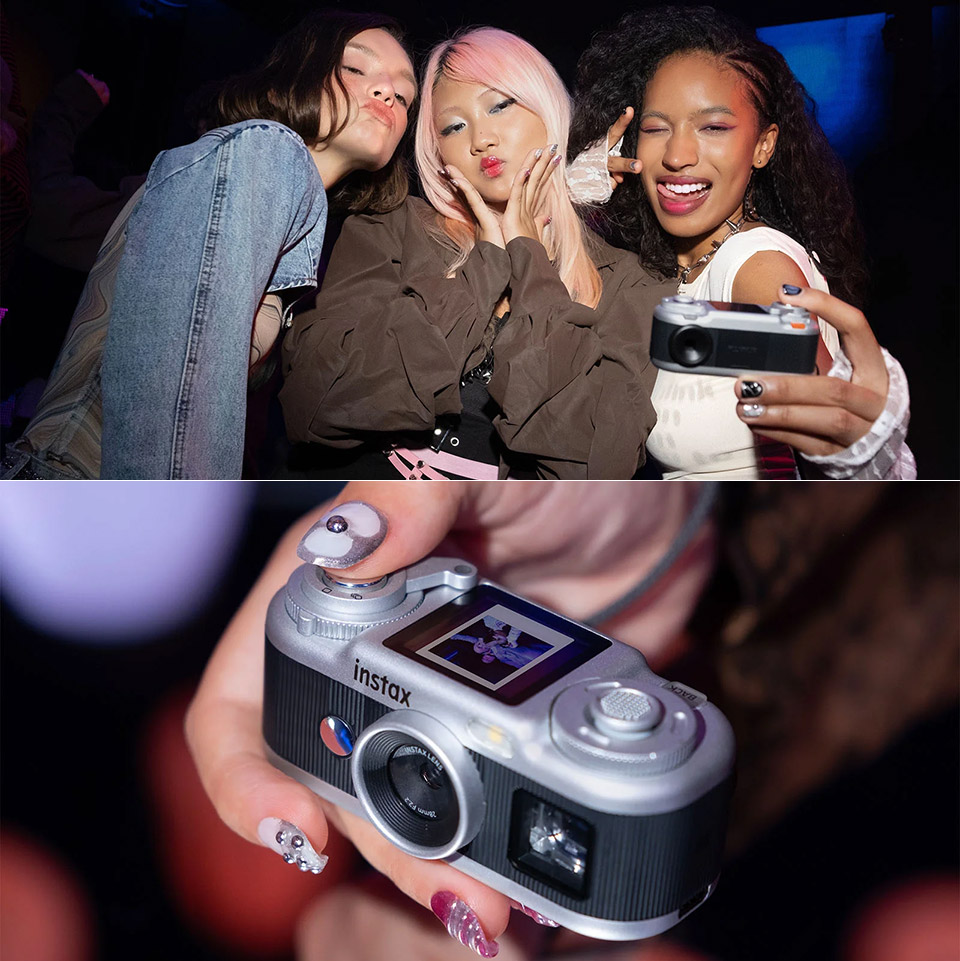
Fujifilm spent two years listening to owners of the first Instax Pal, then rebuilt almost every part of it. Instax Pal 2 keeps the palm-sized brief and discards the round pebble body that split buyers when the original arrived in 2024. In its place is a squat rectangular shell that reads like a 110 film camera scaled for a coat pocket, with an optical viewfinder, a proper shutter button, a command dial, and a wind-style lever on top.

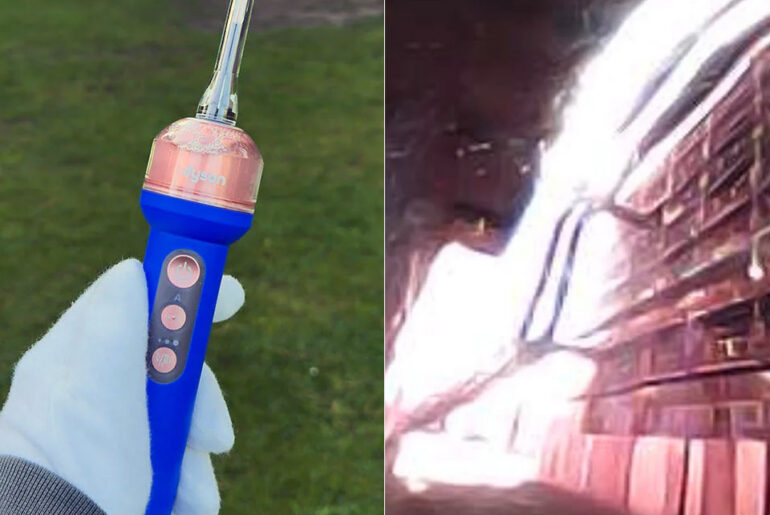
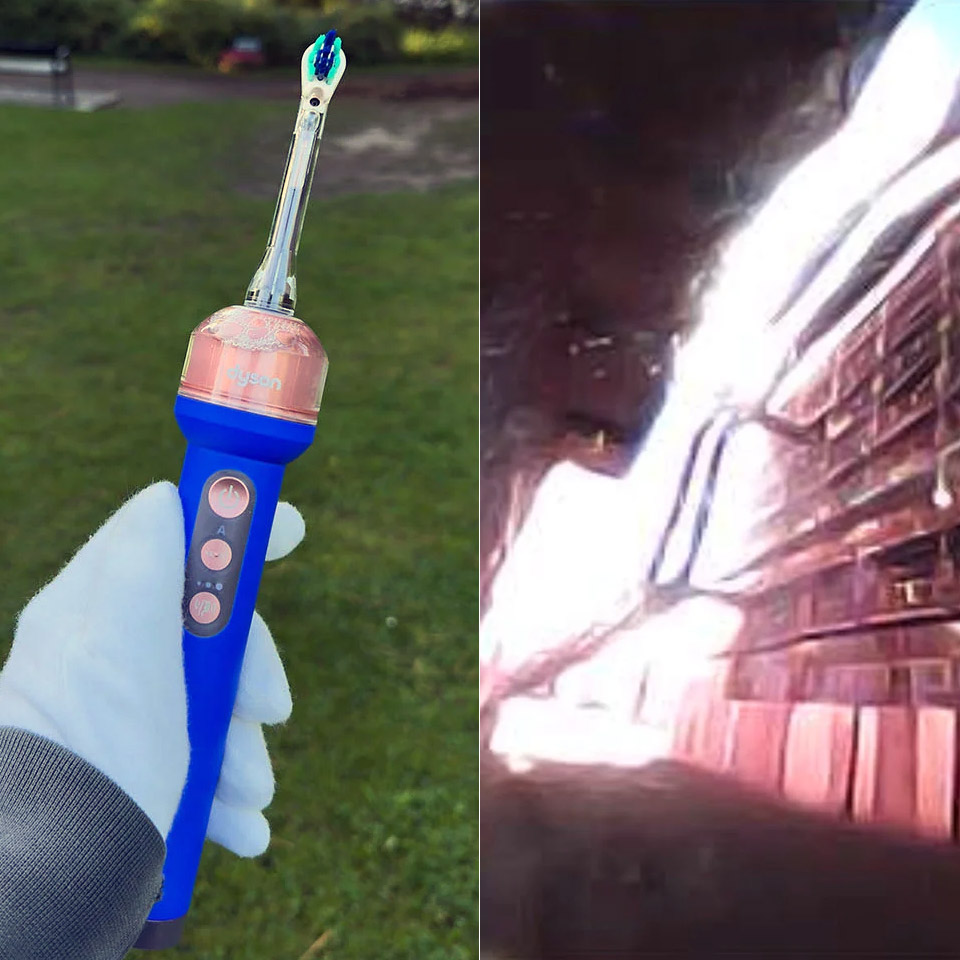
A street photographer spent a recent afternoon walking city blocks with Dyson’s new CameraJet pressed against her face, treating a $499 electric toothbrush as if it belonged in a camera bag. She goes by all gear no skill on Instagram and has a habit of forcing odd tools into photo walks. Dentists owning Leicas is an old running joke in that circle, so a toothbrush that already carries a camera felt like the next logical dare. Photography should be fun, she said, and she meant it enough to stand on a sidewalk holding oral-care hardware while strangers stared.

Hohem collected over a decade of experience selling phone gimbals to millions of people before it built a camera of its own. At IFA 2026 in Berlin the company previewed Eyepic, a compact three-axis rig whose camera module unclips and becomes a tiny wearable shooter you can hang on a hat, a lanyard, or any ferrous surface. Docked, it looks and works like the pocket gimbal cameras most people already know. Pulled free, it tries to cover the same ground as an Insta360-style mini cam without forcing you to pack a second device.