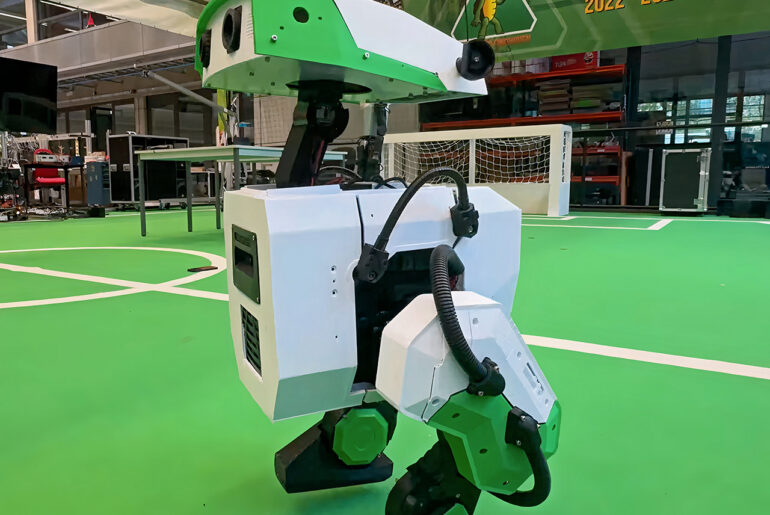
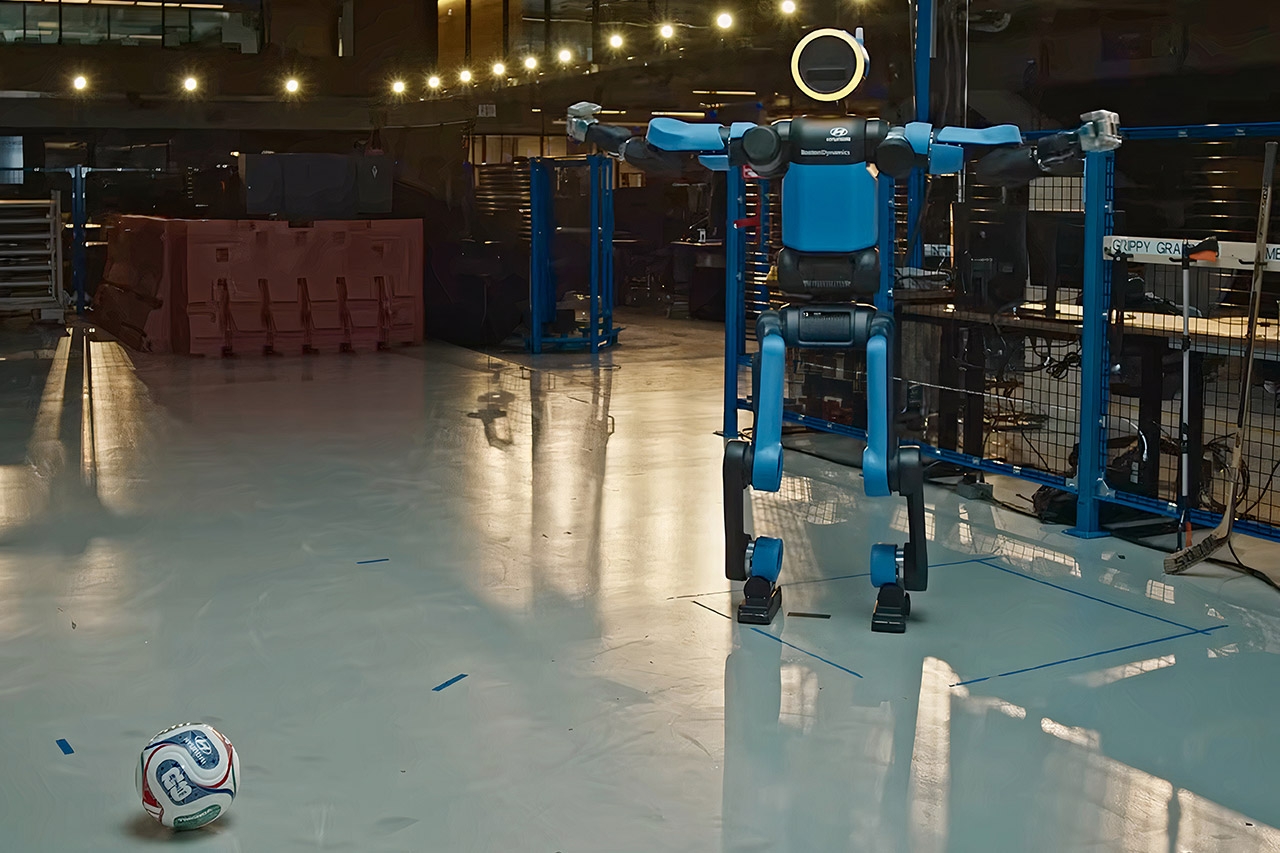
Hyundai’s latest footage depicts Atlas, Boston Dynamics’ humanoid robot, standing in front of a big screen. It features video from prior World Cup matches. Atlas pays close attention to the players in motion before heading to the practice area once each segment is completed. The robot replicates the gestures it has just watched. Atlas is depicted in a single sequence shifting its weight and swinging a leg forward. When the ball makes contact with the floor, it glides cleanly over it. Basic drills are performed in quick succession, eventually strengthening coordination.
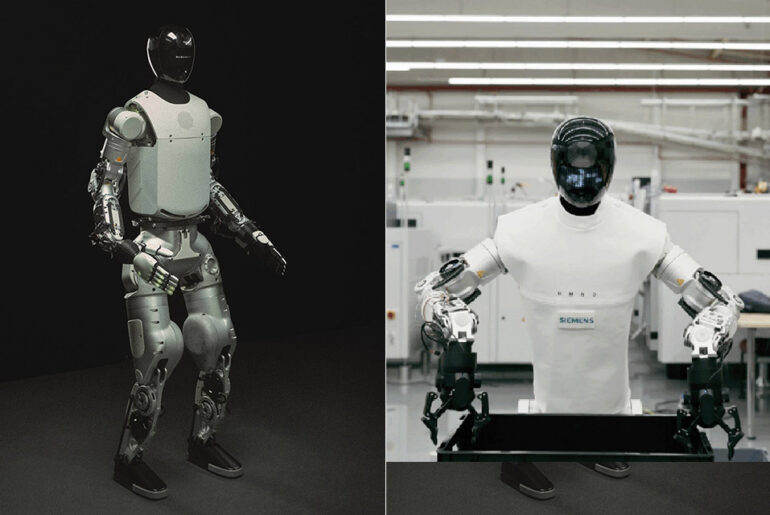
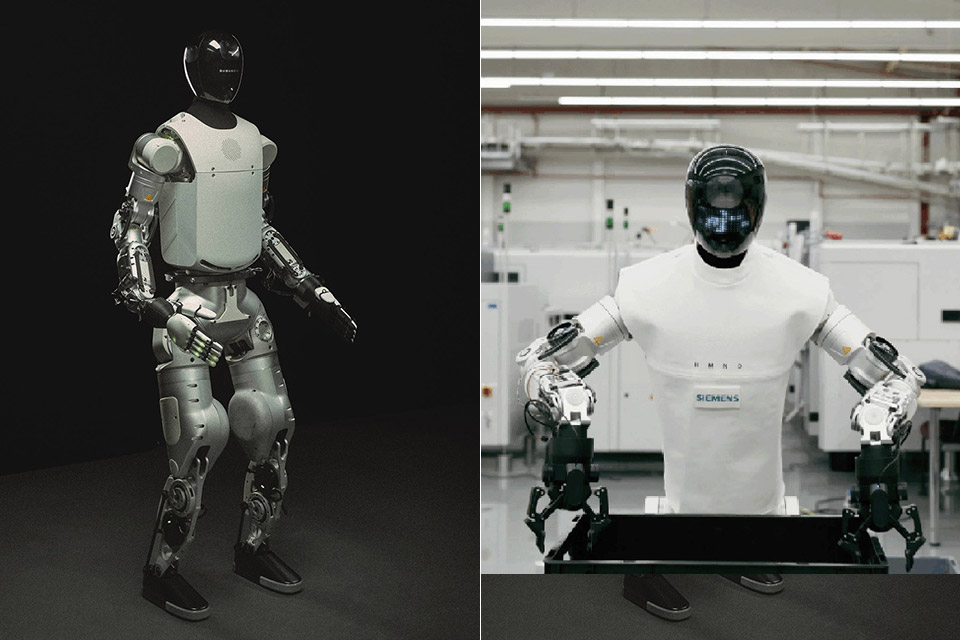
London-based Humanoid announced a manufacturing agreement with Bosch that moves its HMND-01 robots closer to larger deployments across European factories and warehouses. The deal follows a successful proof-of-concept test completed in March at one of Bosch’s logistics sites in Bühl, Germany. During that trial, the robots handled box transfers from conveyors to trolleys, managing five different box sizes with varying weights and shapes without missing a step.

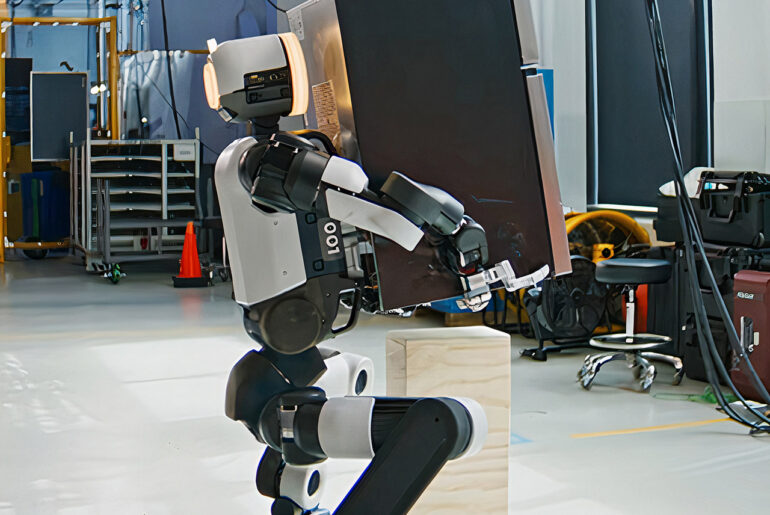
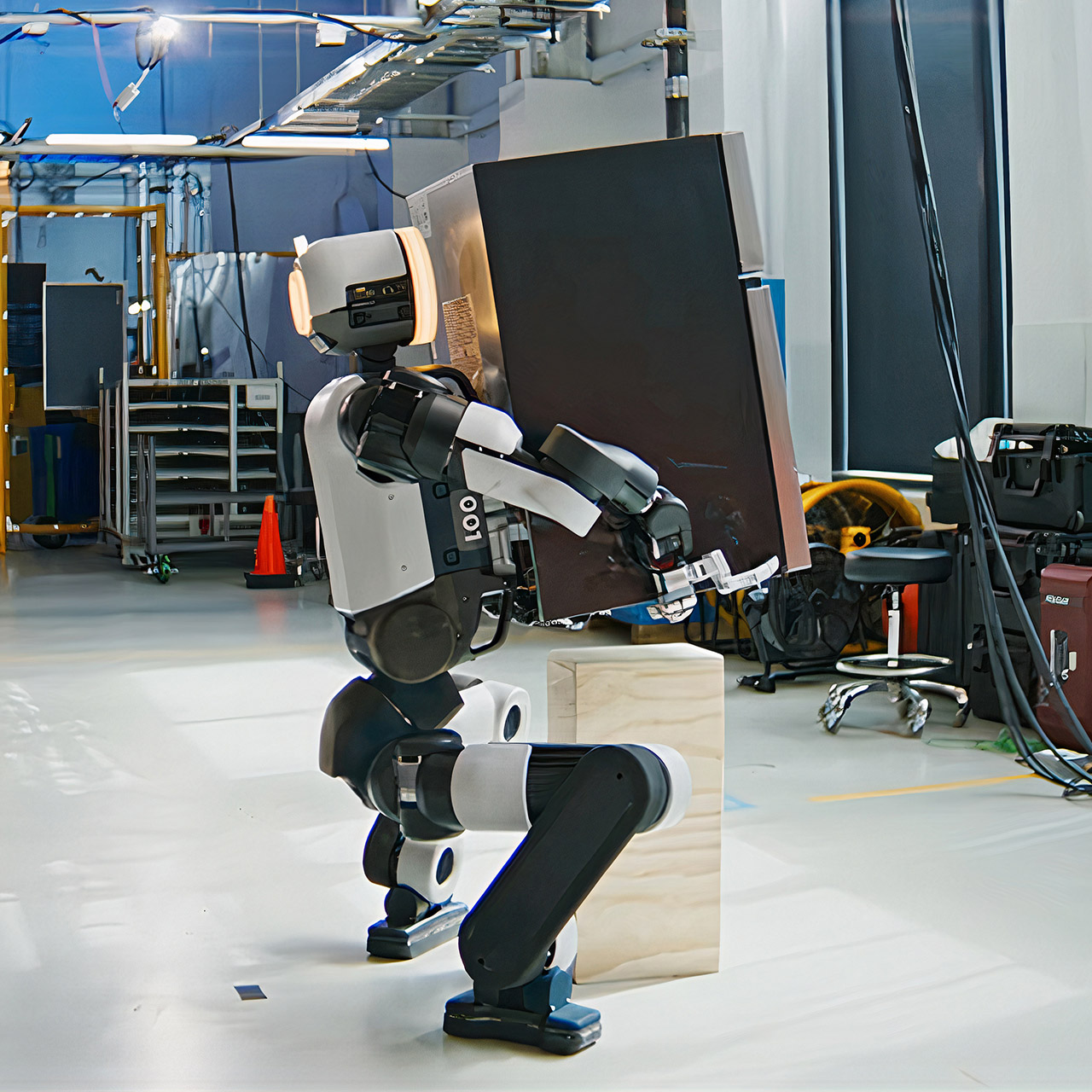
Engineers at Boston Dynamics shared details today on a new training system for their Atlas humanoid robot. The approach focuses on building the kind of physical coordination needed for demanding factory or warehouse work. One video demonstration captures the result perfectly. Atlas rotates its upper body a full 180 degrees, squats down, grips a mini-fridge loaded with about 50 pounds, and walks it straight over to an engineer waiting nearby. The motion stays smooth even when the weight inside shifts.

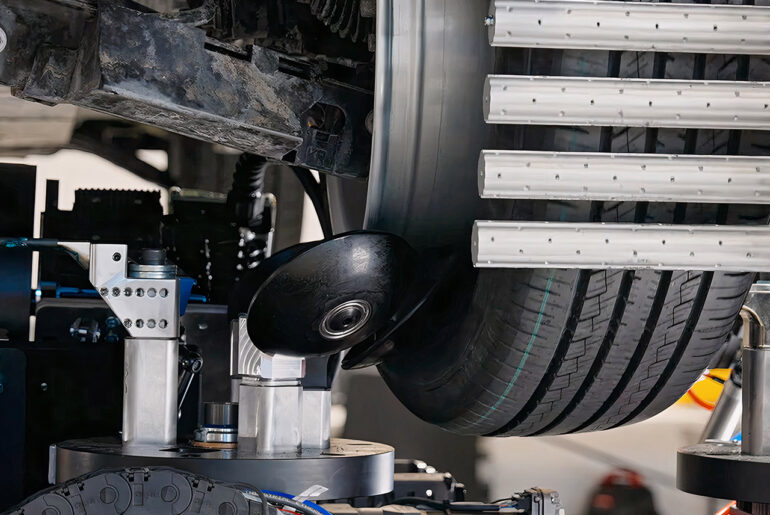
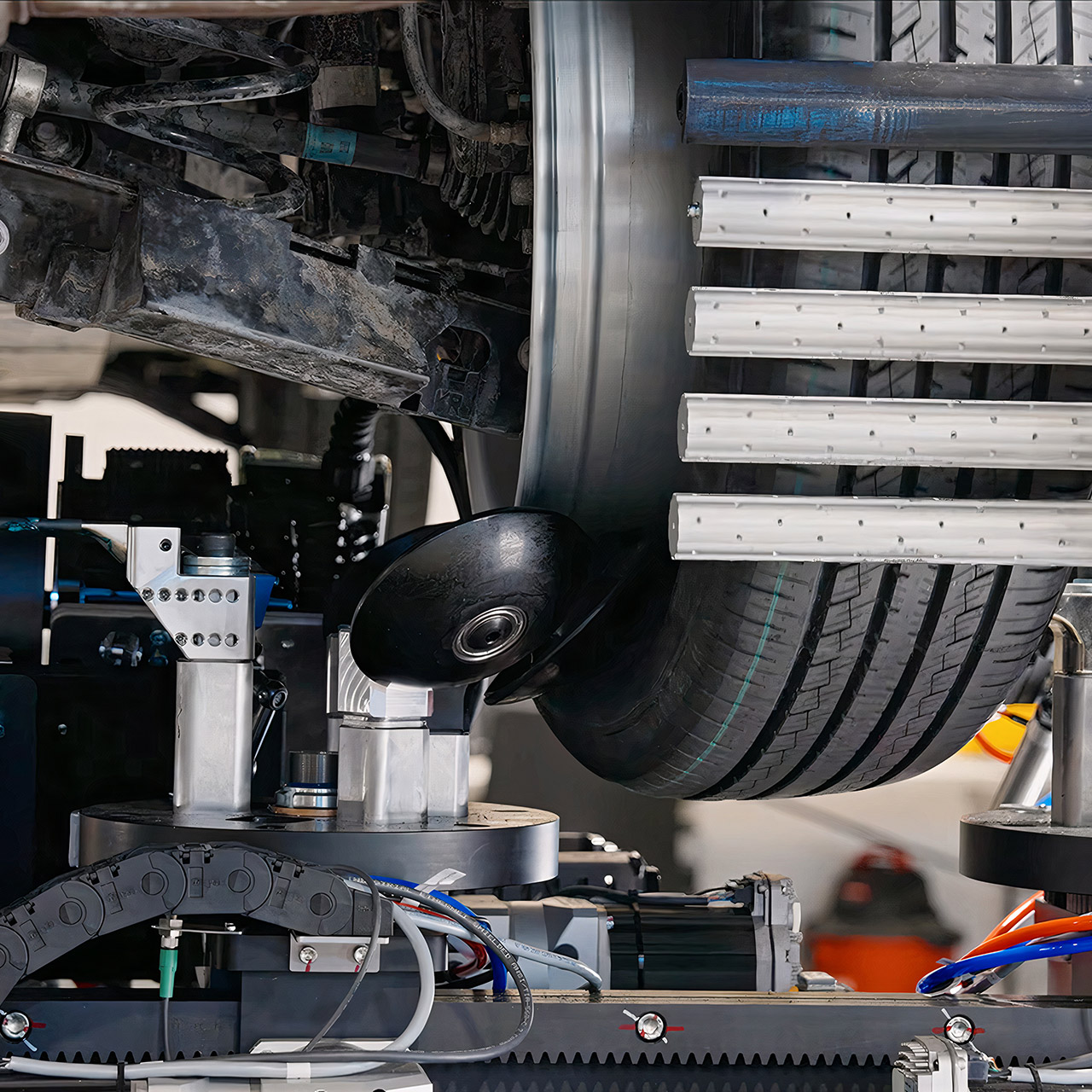
Automated Tire Inc. spent years in Boston perfecting a robotic system that takes over the dirtiest, most tiring part of any service bay. Called SmartBay, the machine steps right into a standard twelve-foot bay and goes to work on tires while the wheel stays bolted to the vehicle. Shops now have a practical way to move more cars through the day without adding extra hands or forcing techs to wrestle heavy assemblies on and off machines.

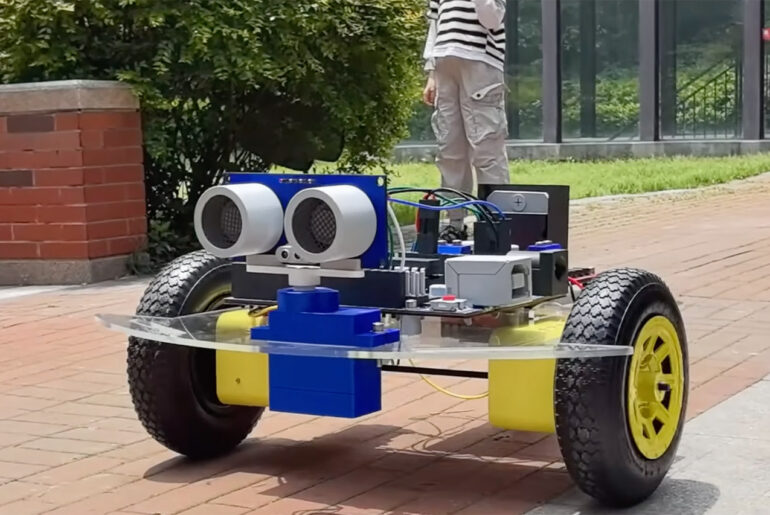
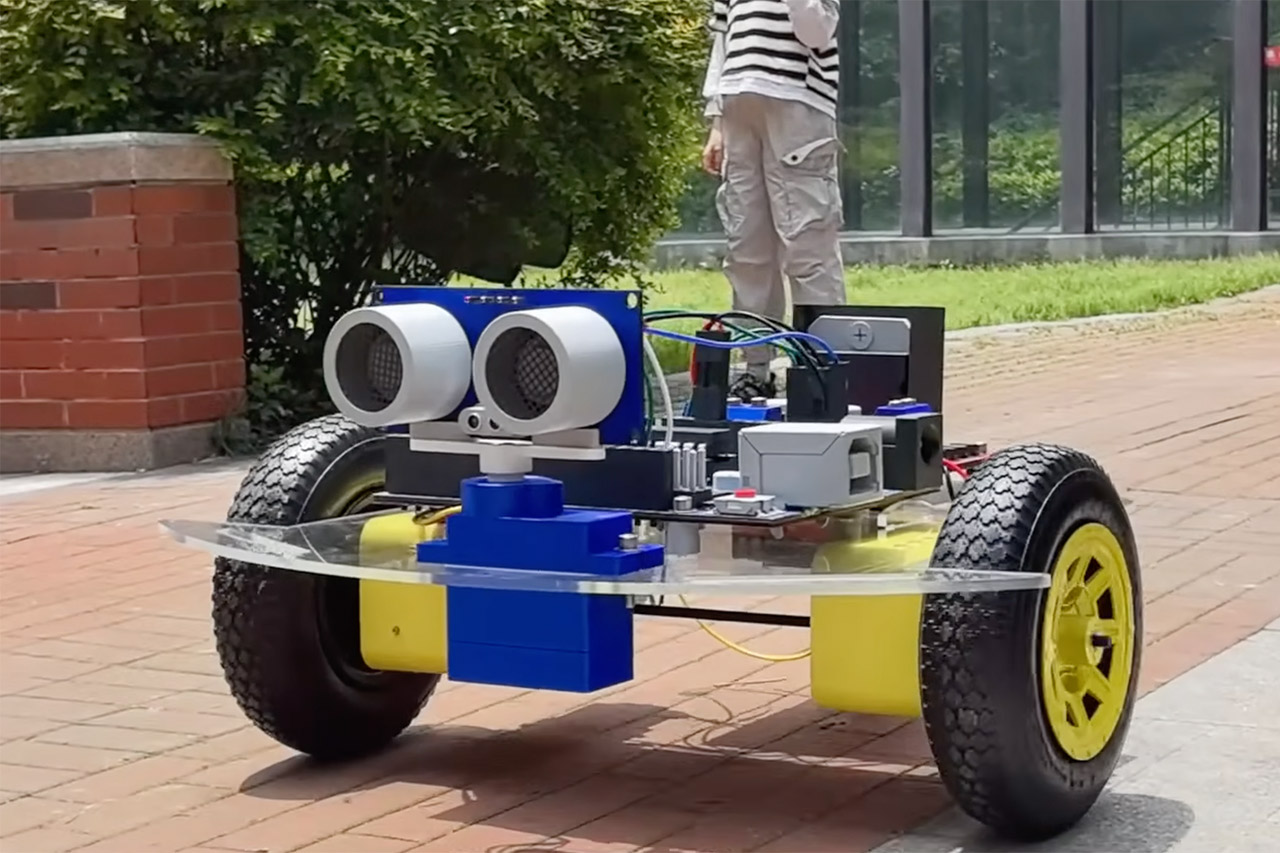
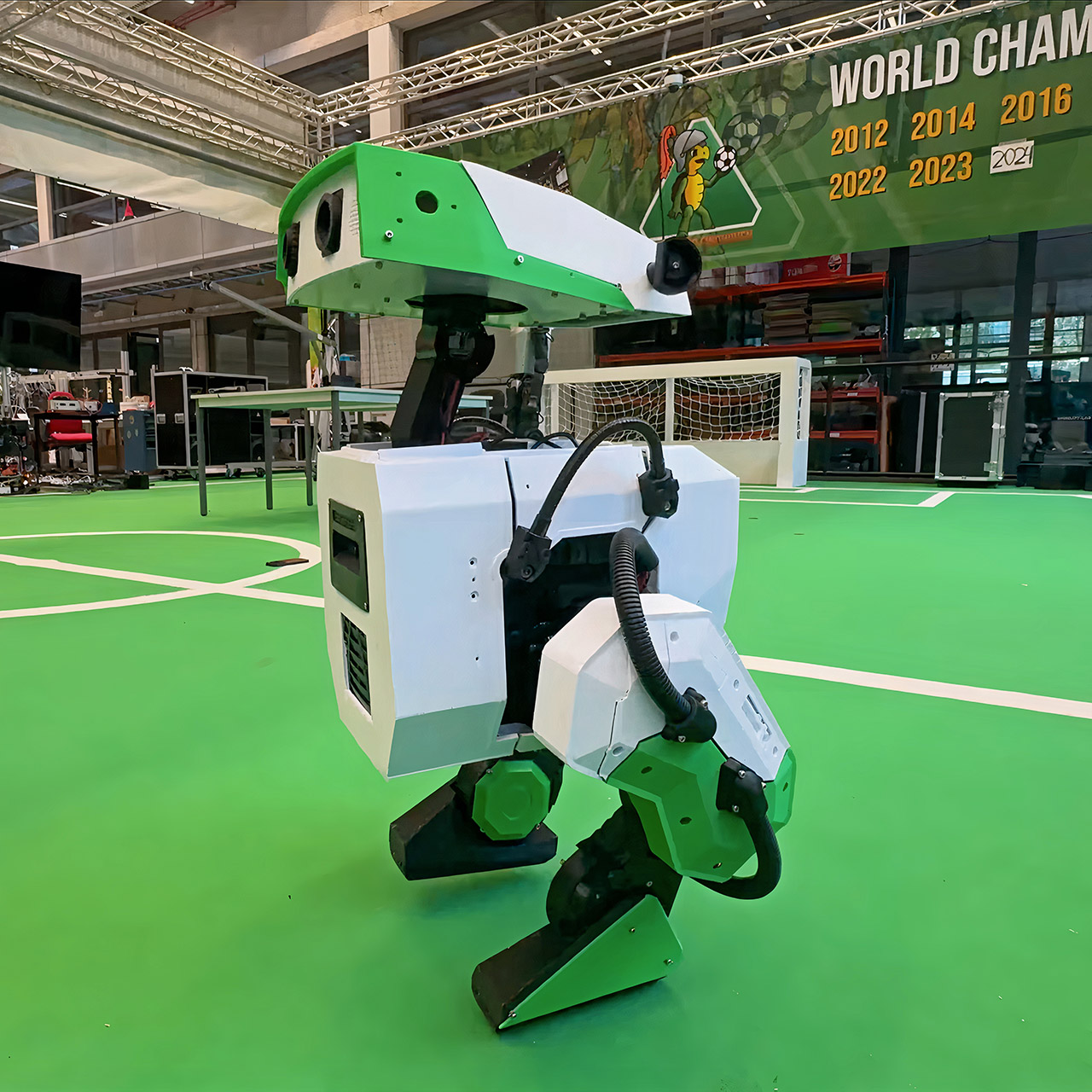
Arduino projects often involve small robots that roll forward and steer clear of walls using basic sensors. Maker UncleStem decided to push that familiar idea into uncharted territory by enlarging every part of a classic turtle-style design by a factor of seven. He had just wrapped up work on a matching seven-times-larger Arduino Uno board and wanted a project that could put the oversized microcontroller through its paces. A tortoise bot offered the perfect match because the original small version already relies on straightforward code and simple hardware.

Kayden Knapik set out to copy one of Disney’s BD-X droids from the Star Wars areas in their parks. He had no big budget and only basic robotics experience when he started his bachelor’s thesis project. The finished machine walks on two legs, turns on command, keeps its balance even when nudged, and moves its antennas to show feelings. All of it runs on parts bought online and printed at home.

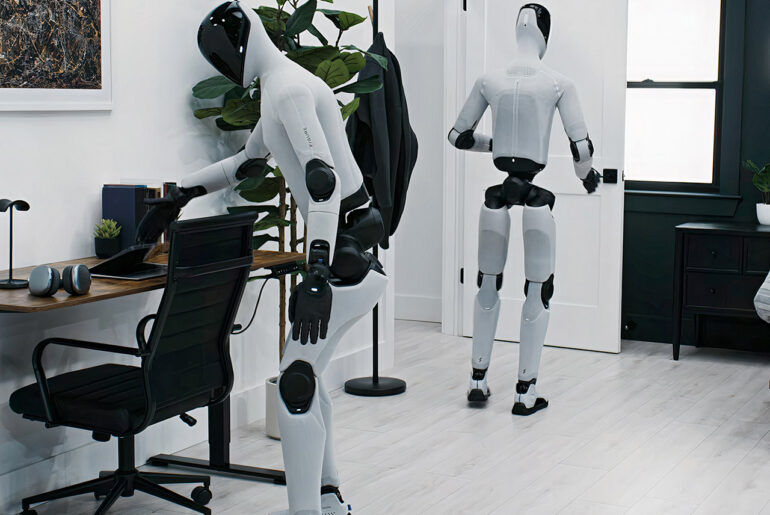
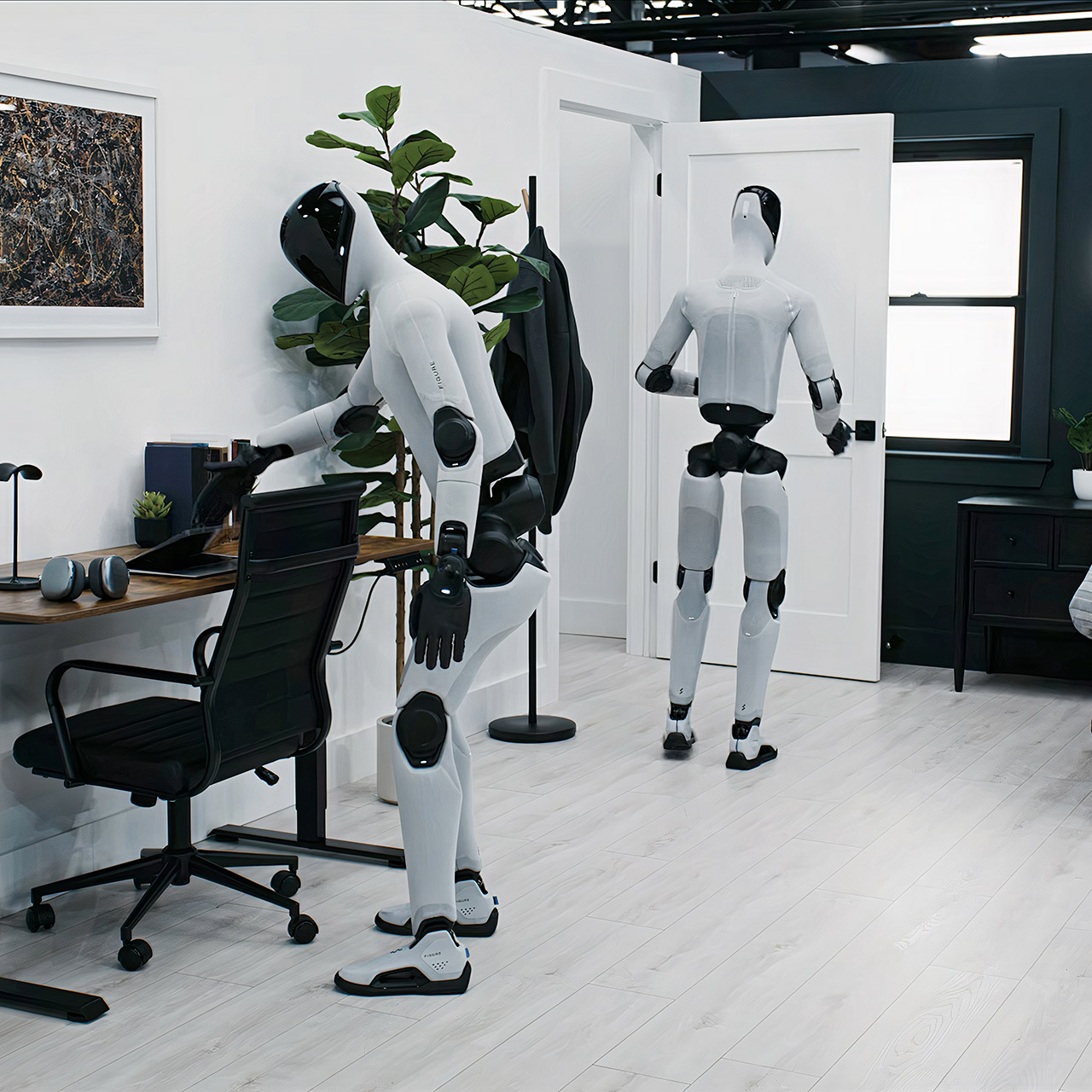
A recent Figure AI tech showcase depicts two F.03 humanoid robots walking into a clean but lived-in environment. One robot goes straight to a coat thrown on a bed and hangs it neatly on a wall hook. At the same time, the second robot closes a laptop on the desk and places a pair of headphones back onto their stand. They keep progressing without pausing, each catching up on what the other has previously accomplished. When they approach the unmade bed, they naturally split off, one on each side, and begin manipulating the sheets and comforter together until everything is level and smooth.

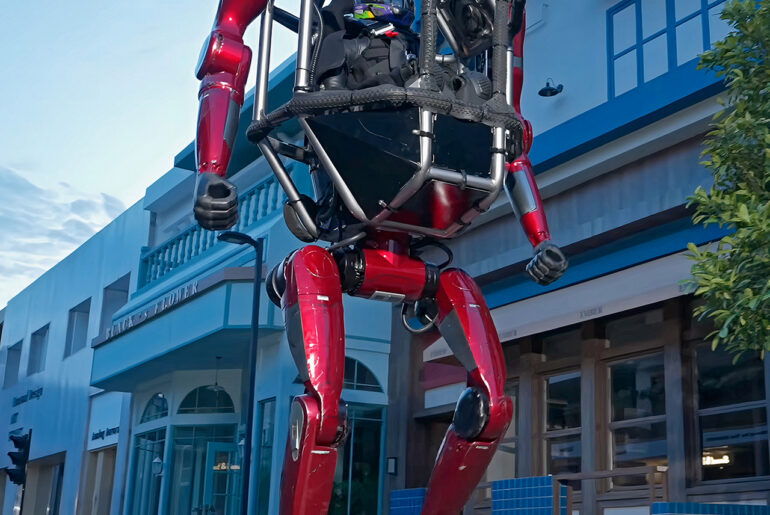
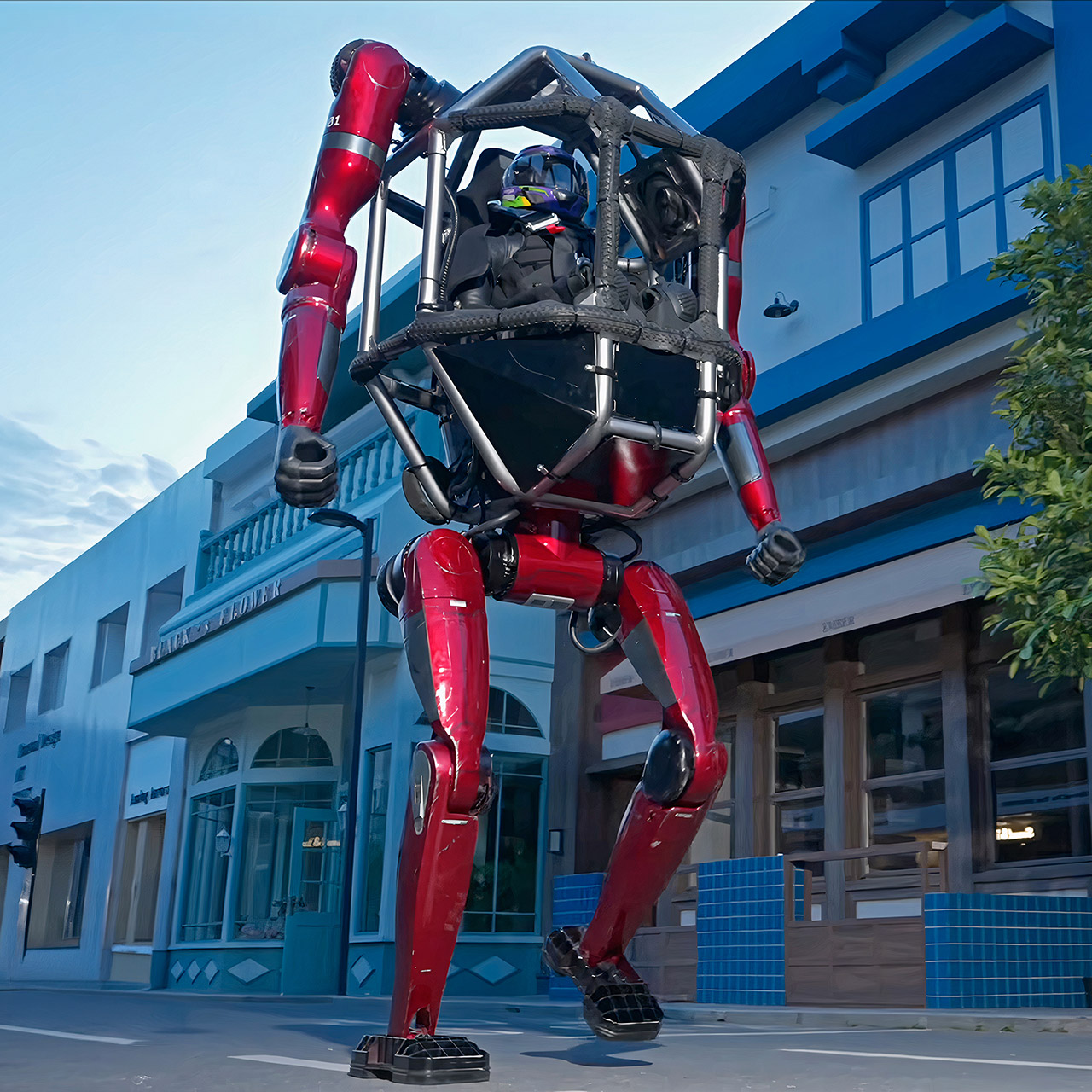
Climbing into the open metal cage of Unitree’s GD01 feels like slipping behind the wheel of something from another era of imagination. Founder Wang Xingxing does exactly that in the one-minute demonstration video released today. He buckles into the central seat, grips the controls, and sets the machine in motion across an indoor workshop floor. The robot responds with smooth, deliberate steps on its beastly red legs.

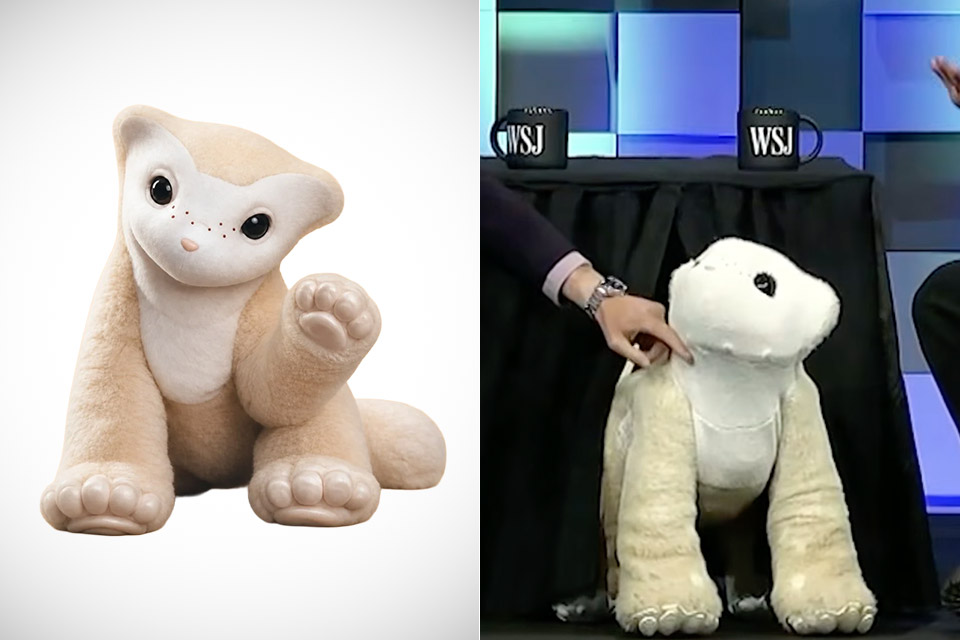
Photo credit: WSJ
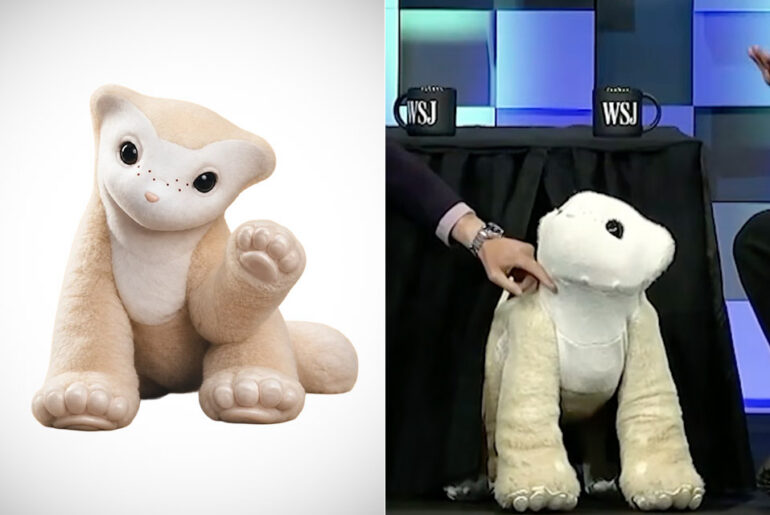
Colin Angle, the co-founder who transformed the humble vacuum into a household staple, left iRobot in 2024 to pursue a new business, Familiar Machines & Magic. His most recent creation, Familiar, a four-legged companion, adds a unique element to living rooms. The prototypes, Daphne and Winston, are about the size of a bulldog. They have soft artificial fur to give them a cuddly appearance, and a touch sensitive layer underneath to detect how people interact with them. Their huge, round bear-cub ears and doe eyes draw them up for a conversation.

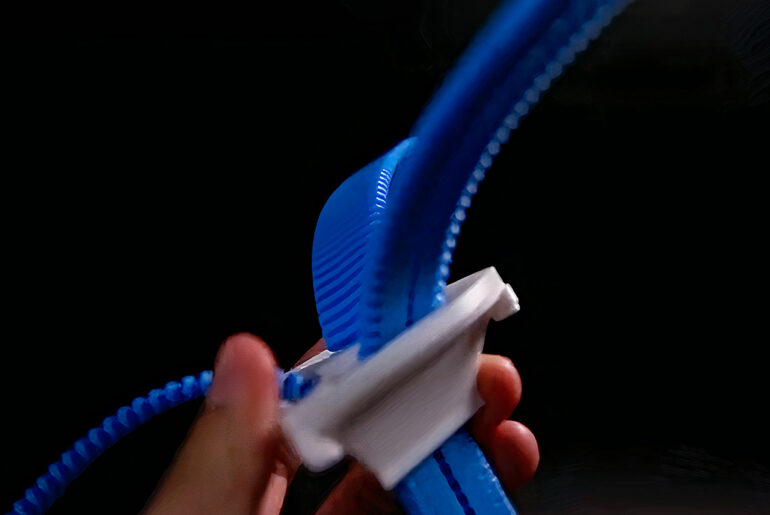
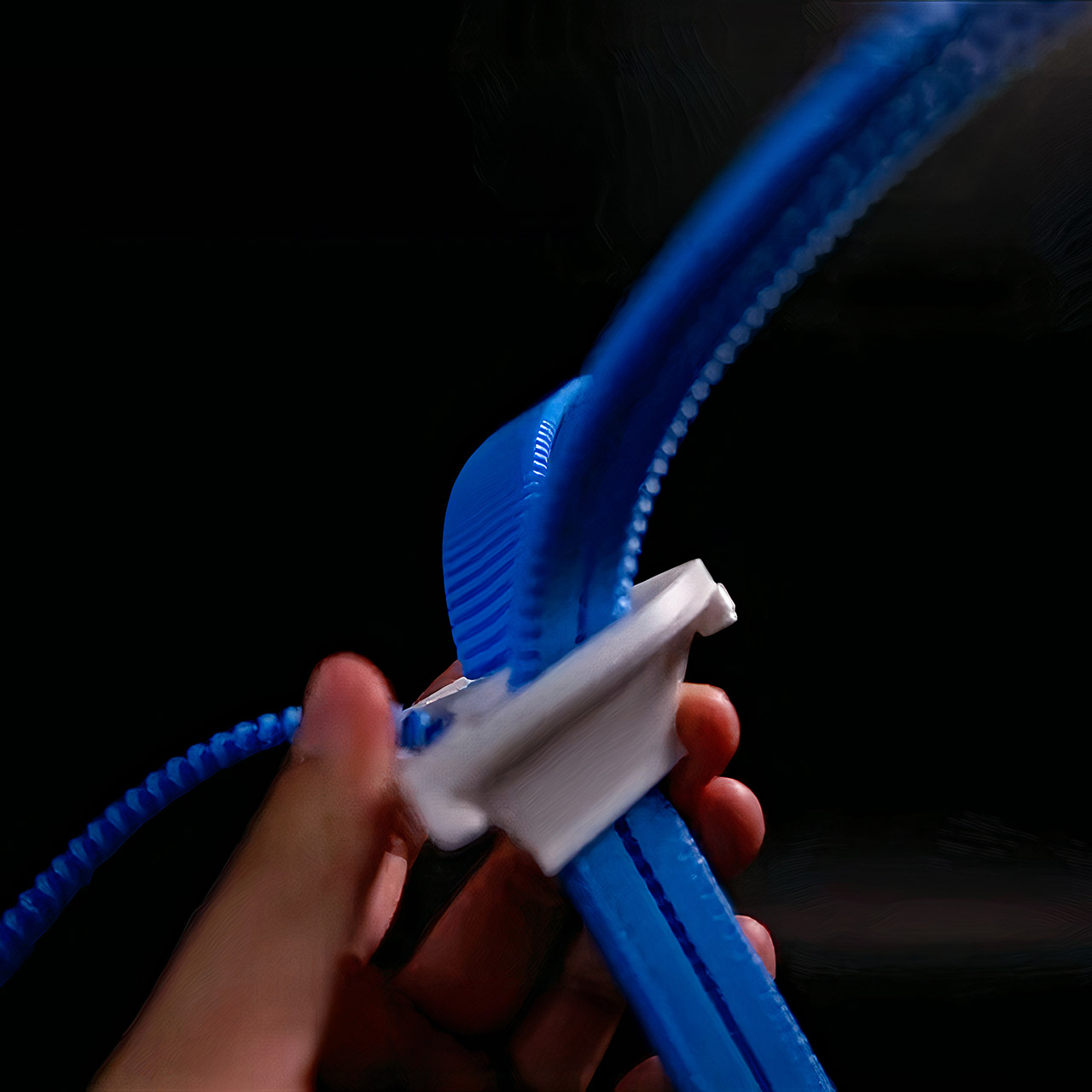
Researchers at MIT reached back to 1985 and pulled an old design out of storage. What they built with 3D printers now turns three floppy plastic strips into a solid beam in seconds. The device carries a simple name: the Y-zipper. Its triangular profile locks parts together so tightly that soft tentacles become load-bearing supports. Engineers can print the whole assembly in ordinary plastic and watch it switch states on command.