Tag

Samsung

Browsing

Samsung Galaxy Camera
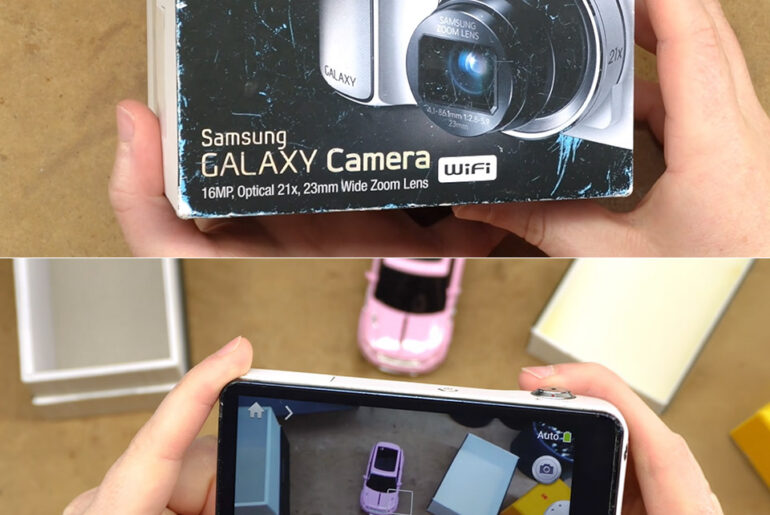
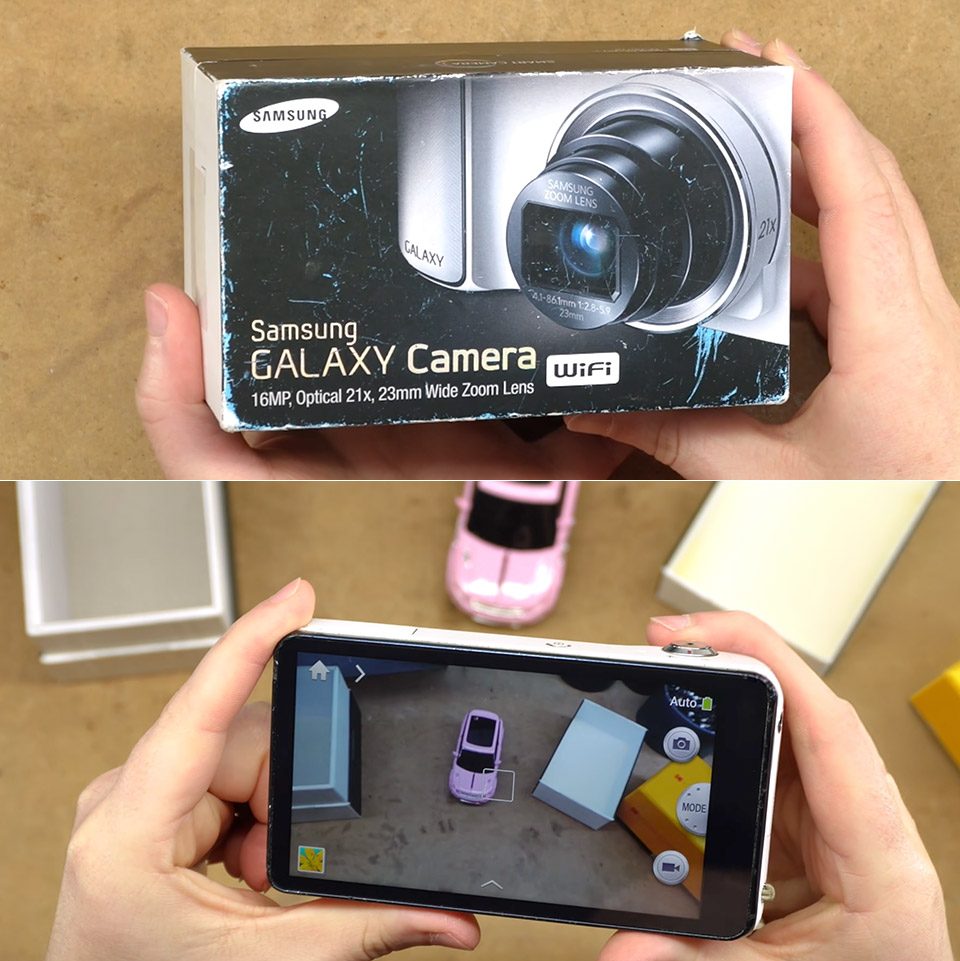
Samsung announced the Galaxy Camera in August 2012 and began shipping units that November, creating a device that looked like a compact superzoom while running the same software foundation as the Galaxy S III. Inside sat a 1.4 GHz quad-core Exynos 4412 processor, 1 GB of RAM, and Android 4.1 Jelly Bean with TouchWiz. The body measured roughly 129 by 71 by 19 millimeters and weighed about 300 grams, thicker and heavier than most point-and-shoot cameras of the era because the large 4.8-inch 1280 by 720 Super Clear LCD occupied most of the rear surface and was covered by Gorilla Glass 2.

Samsung Galaxy Buds On Clip-On Earbuds Reveal
Samsung’s first clip-on earbuds rest against the outer ear instead of pressing into the canal, leaving the path clear so traffic, conversations, and doorbells stay audible while music plays. Each piece weighs 6.65 grams and uses a curved band shaped from more than 119 million ear measurements plus computer modeling that tested pressure points and stiffness across many shapes. The result is a low-pressure hold meant to stay put during runs or walks without pinching. Black is the only color, the earbuds carry an IP54 rating for light dust and rain splashes, and the matching case measures 51 by 51 by 28.3 millimeters and weighs 41 grams.

Samsung Galaxy S26 Ultra Prime Day
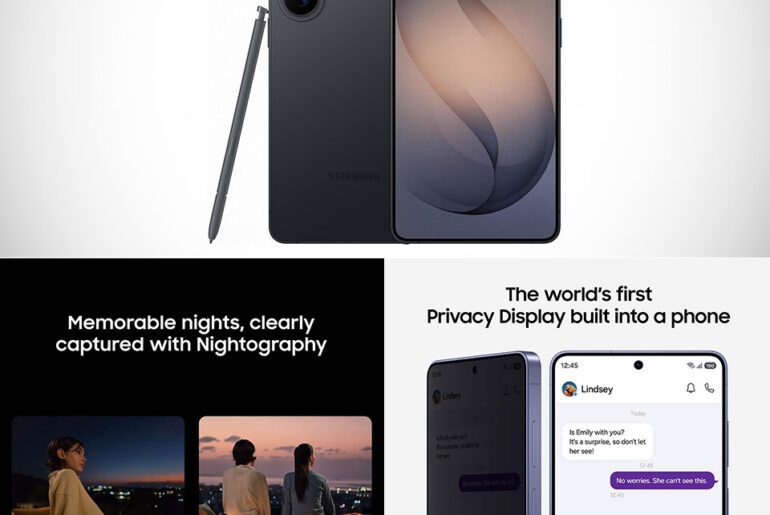
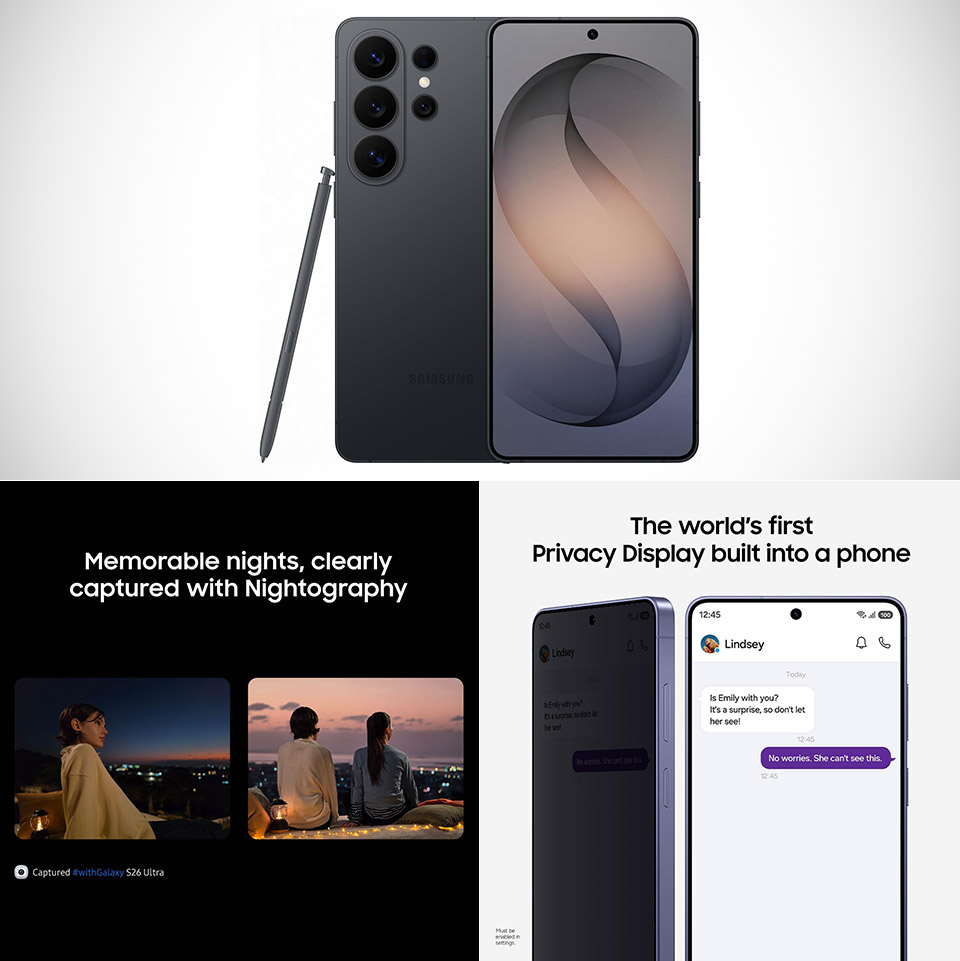
Samsung’s Galaxy S26 Ultra, priced at $979.99 for Prime Day (was $1,400), still carries the flat sides and a tucked-away S Pen, now inside a body that measures 163.6 by 78.1 by 7.9 millimeters and weighs 214 grams. Outdoor glare has less room to win on the 6.9-inch Dynamic AMOLED panel, which shifts between 1Hz and 120Hz, resolves 3120 by 1440, and is rated to a peak of 2600 nits, with an anti-reflective coat and a privacy setting that narrows the viewing angle so a neighbor on the train sees less of the screen. Four cameras sit in the rear island: a 200-megapixel main sensor opened to f/1.4, a 50-megapixel ultrawide, a 10-megapixel lens at 3x, and a 50-megapixel periscope at 5x opened to f/2.9, covering stills out to a claimed 100x digital reach and 8K video from the main sensor, with a 12-megapixel camera up front. Qualcomm’s Snapdragon 8 Elite Gen 5 for Galaxy, built on a 3-nanometer process, pairs with 12GB of memory. A 5,000mAh cell refills at 60 watts on a cable and 25 watts on a Qi2 wireless pad, and the phone carries an IP68 rating for dust and a short dip in water.

Samsung Galaxy Z Fold8 Ultra Hands-On
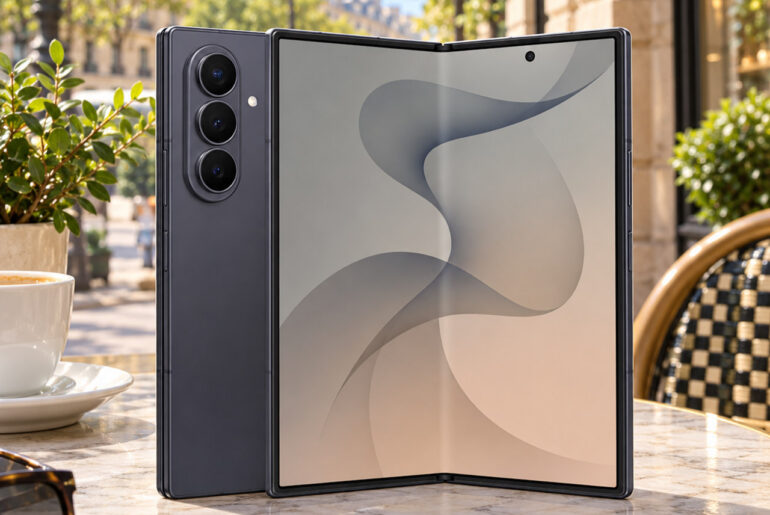
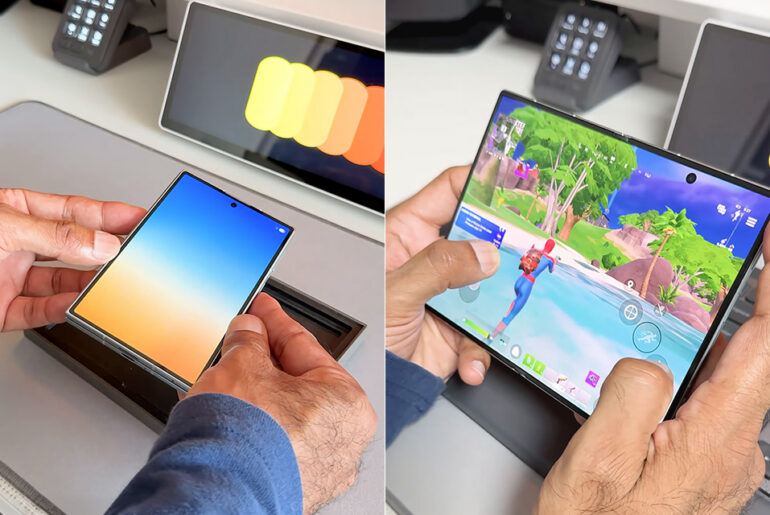
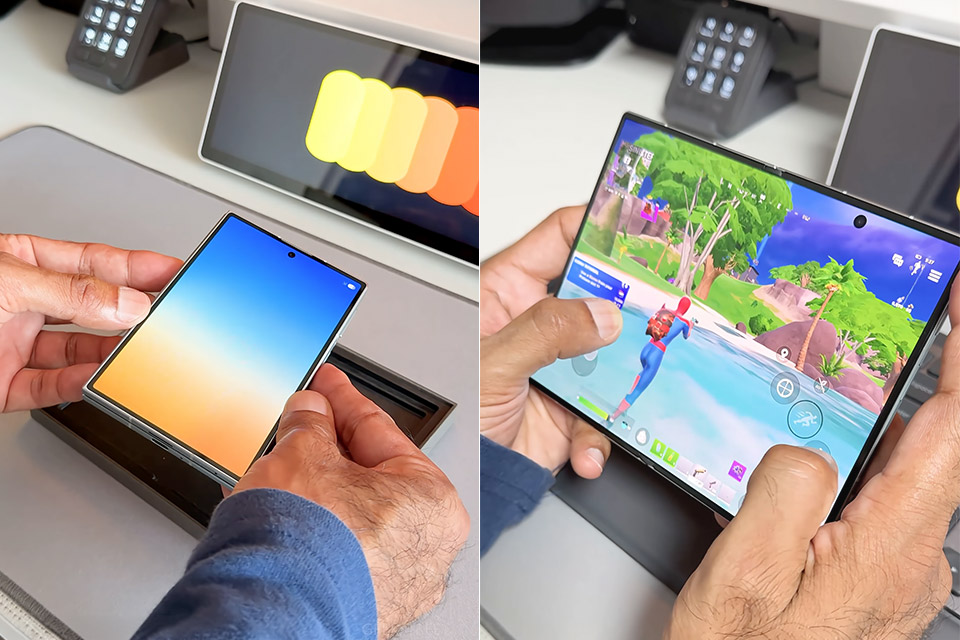
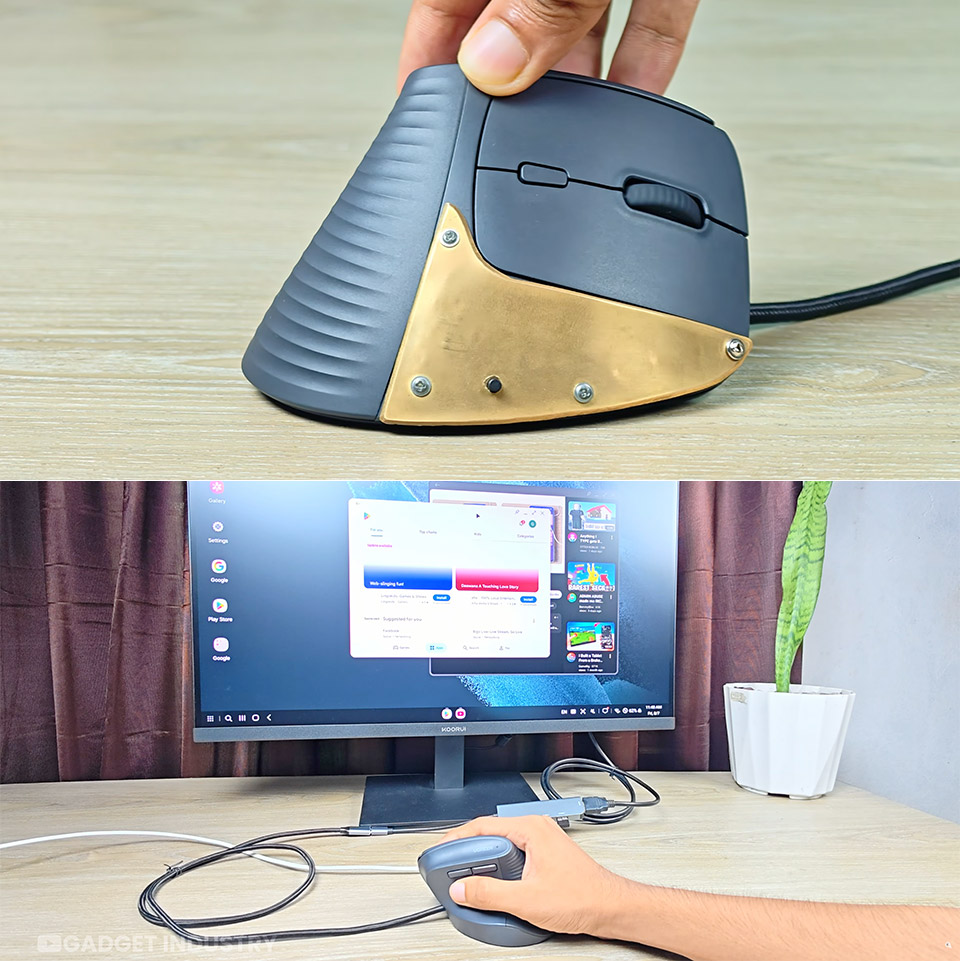
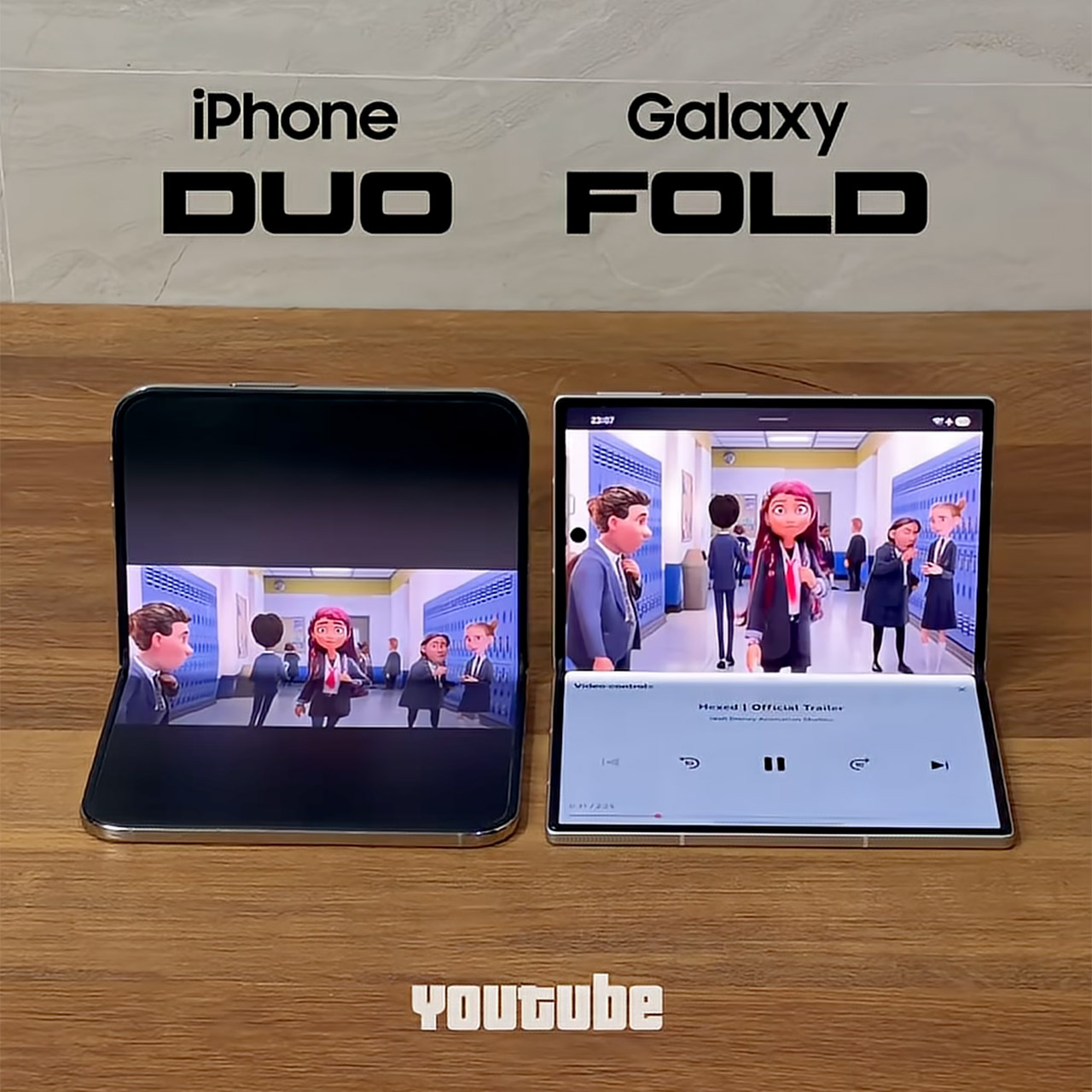
Apple’s foldable has soaked up most of the oxygen this season, which is convenient if you already live inside iOS. Anyone who would rather keep Android, DeX, and three live apps on one slab still has a clearer answer: Samsung’s Galaxy Z Fold8 Ultra, priced at $1,799.99 (was $2,100), the first book-style Fold to carry the Ultra badge and the first to pair that badge with a camera and battery that finally match the price.

Samsung Galaxy Z Fold8 iPhone Ultra
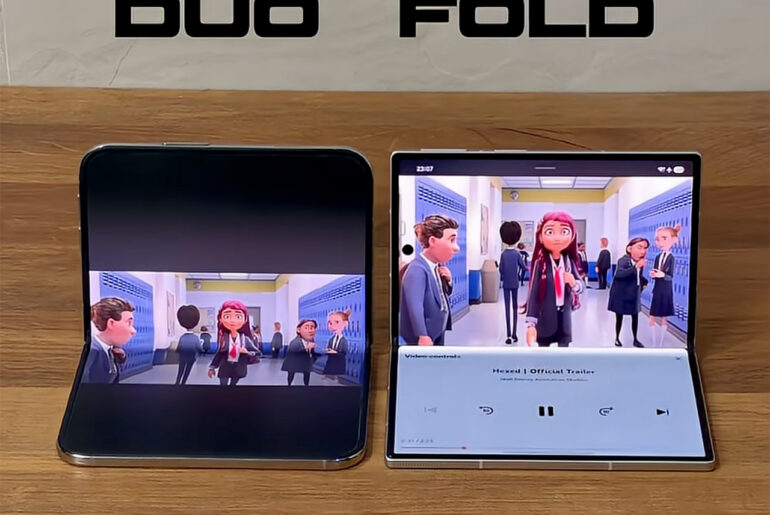
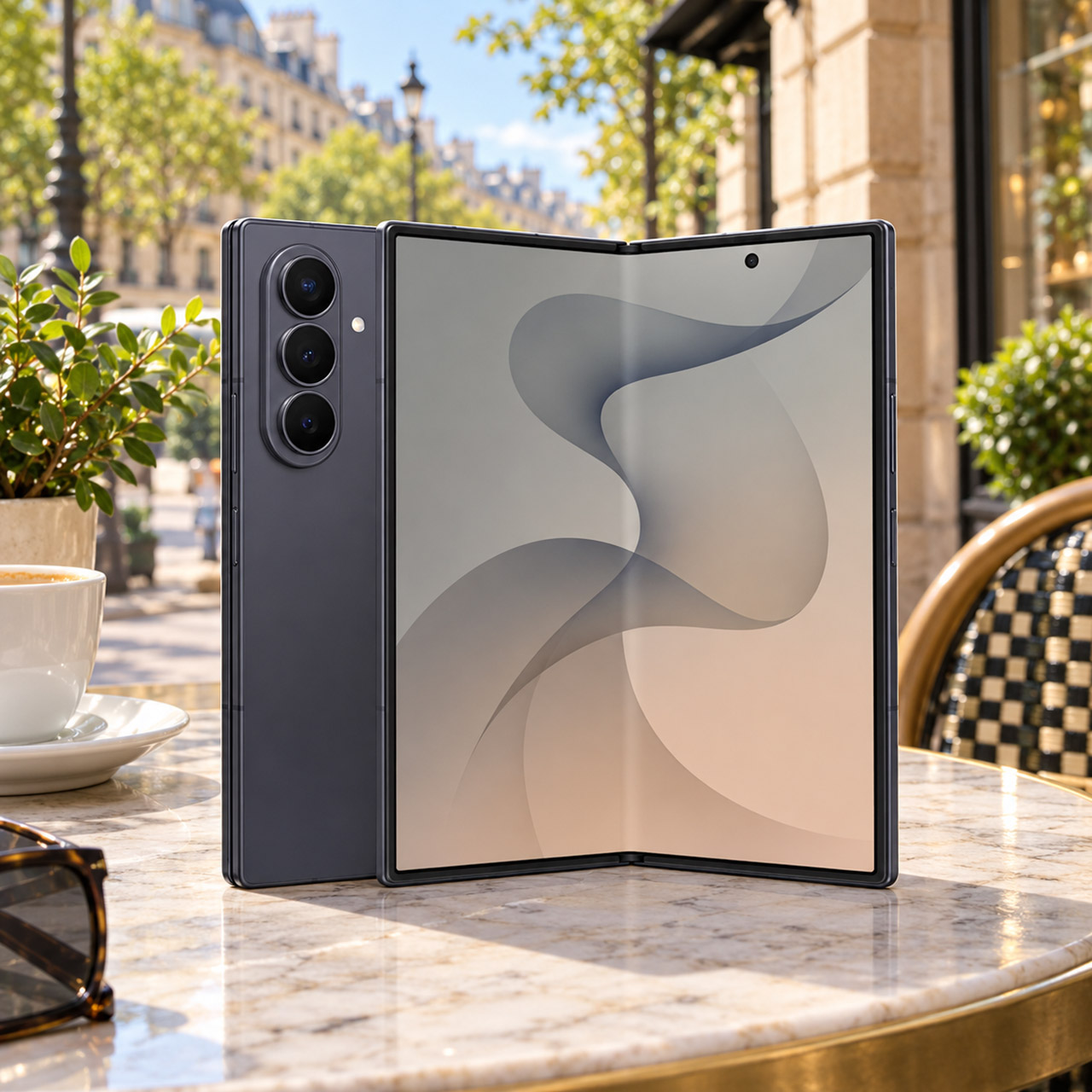
Samsung spent countless hours stretching book-style foldables taller and slimmer. Galaxy Z Fold8, priced at $1,649.99 (was $1,900), goes the other direction, folding into a short, wide slab that sits in a pocket like a passport and opens into a 7.6-inch screen built for movies, books, and two apps at once. Folded, the phone measures 123.9 by 81.9 by 9.7 millimeters and weighs 201 grams, light enough that reviewers keep comparing it to a regular flagship rather than a hinge-and-glass experiment. Opened, the body thins to 4.5 millimeters. Armor aluminum, Gorilla Glass Victus Ceramic 3 on the cover, and an IP48 rating (dust over 1 millimeter, 1.5 meters of water for 30 minutes) keep the package from feeling fragile after a month of daily carry.