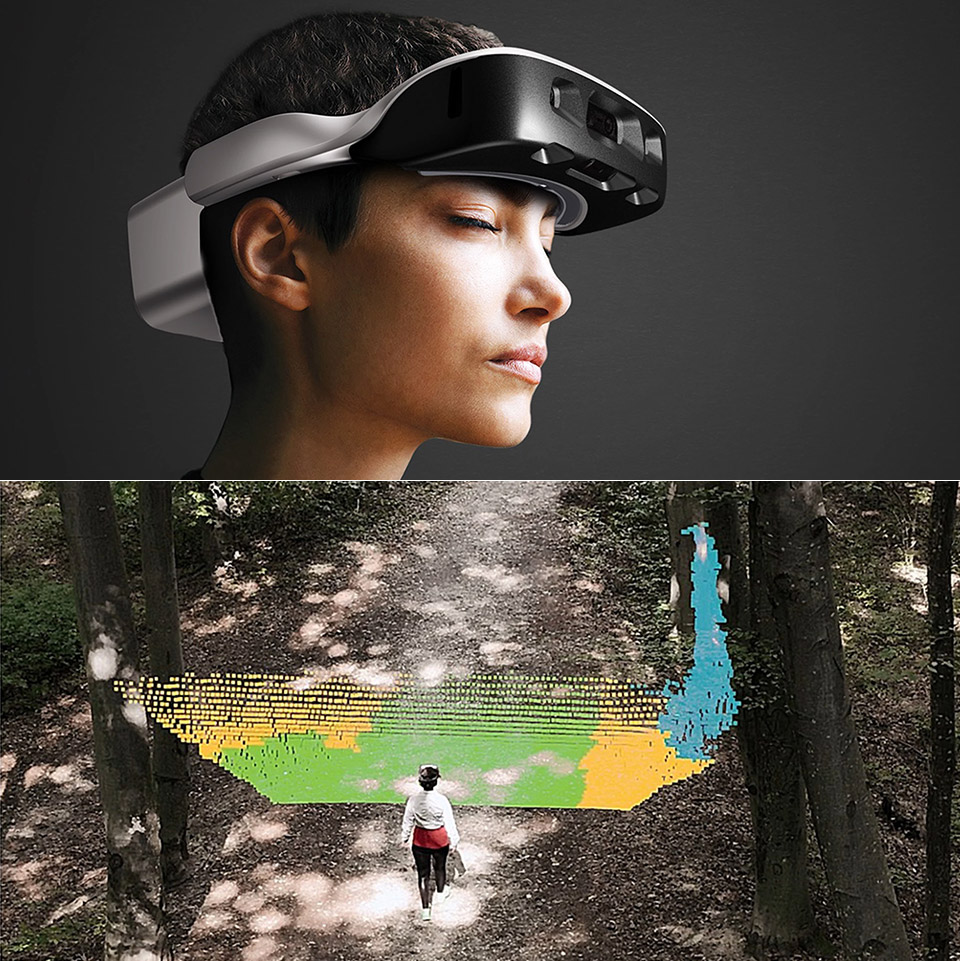
.Lumen, a Romanian startup, has developed a novel technology that is changing the way blind and visually impaired people navigate their surroundings. The AI-enhanced Lumen Glasses resemble and feel like a headset, with a strap over the forehead and a power pack in the back. They weigh roughly one kilogram and utilize a combination of sensors and artificial intelligence to detect their surroundings and gently nudge the user with vibrations and sounds.

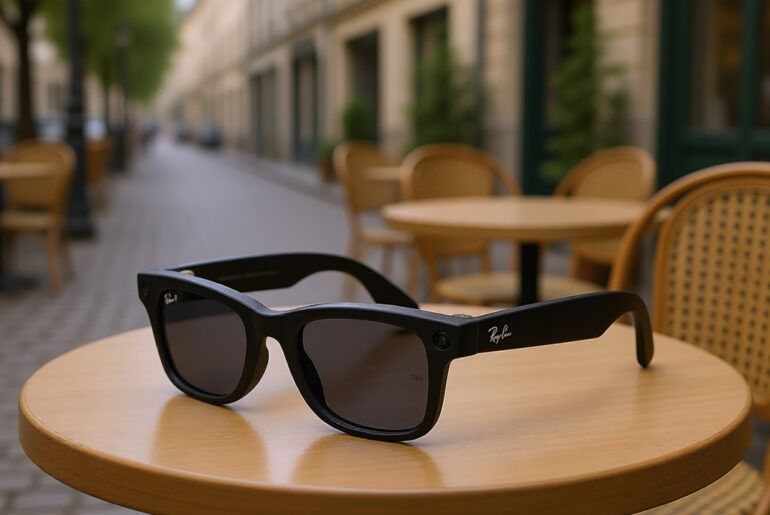
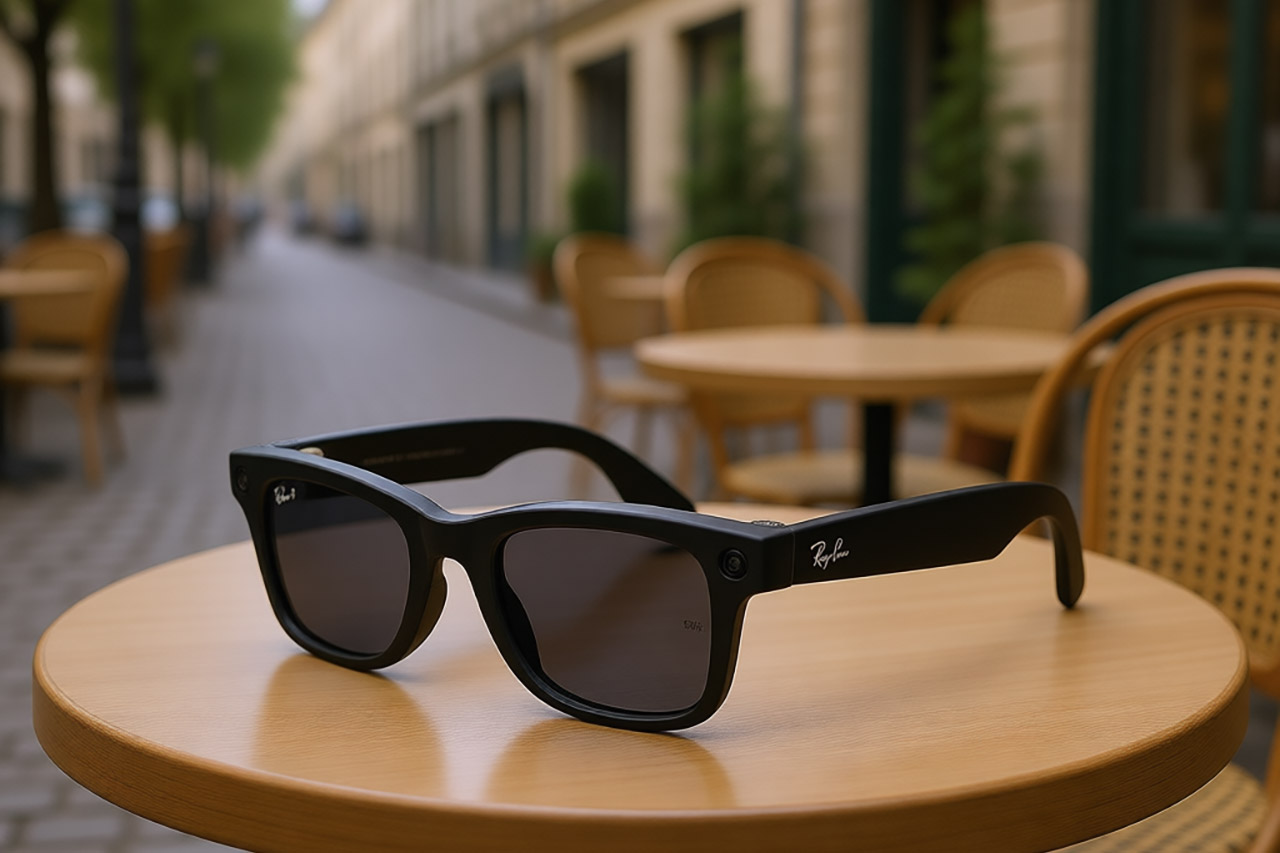
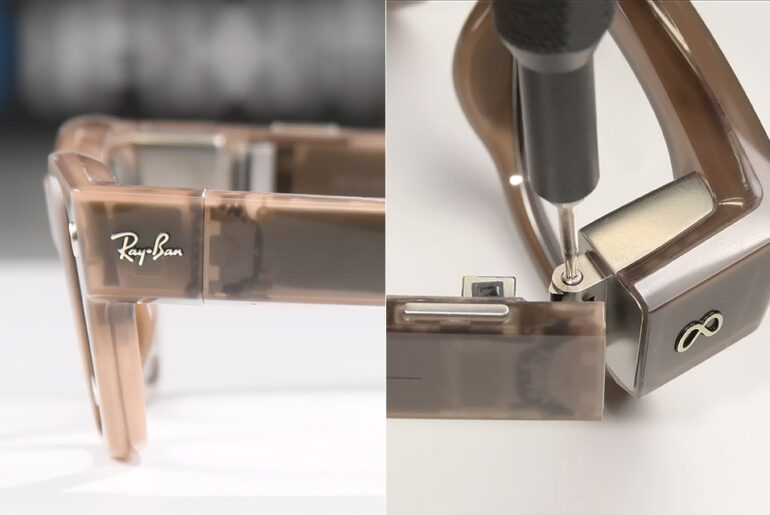
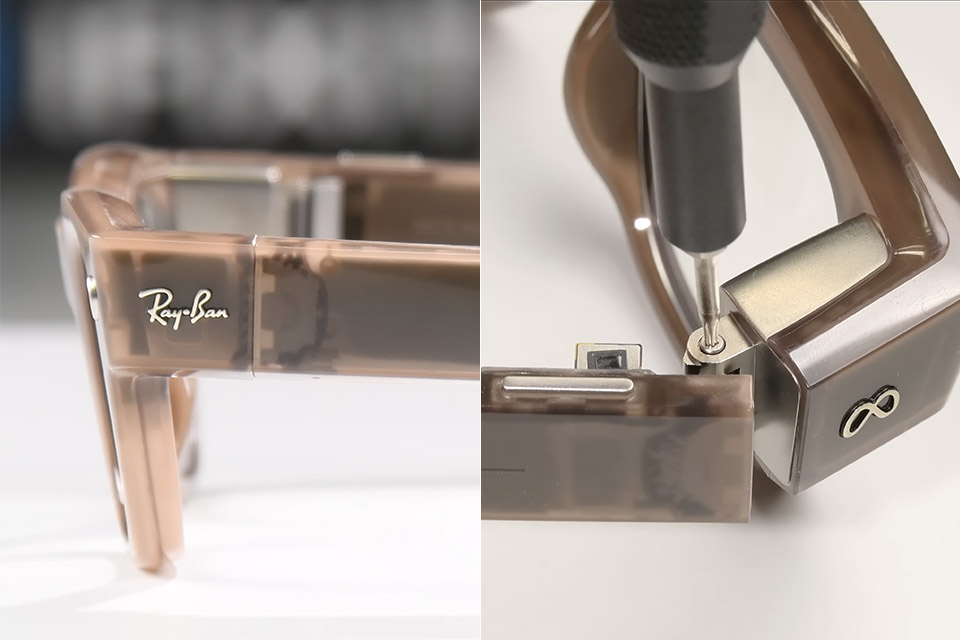
A pair of sunglasses lies on the edge of a desk, their matte black frame catching the last rays of afternoon light that shine through a window. Those frames are the first-generation Ray-Ban Meta smartglasses, and some will argue that the second generation is more visually appealing, but when you put these on and step out the door, the appeal is more than just superficial, especially when priced at only $263 (down from $329).

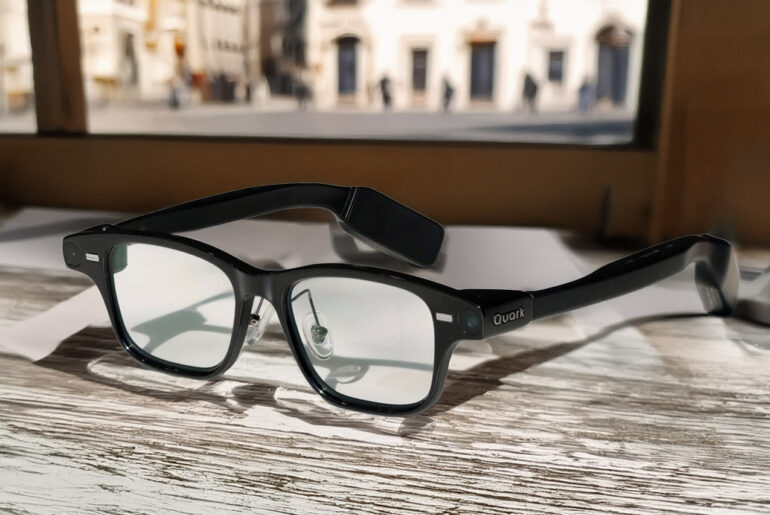
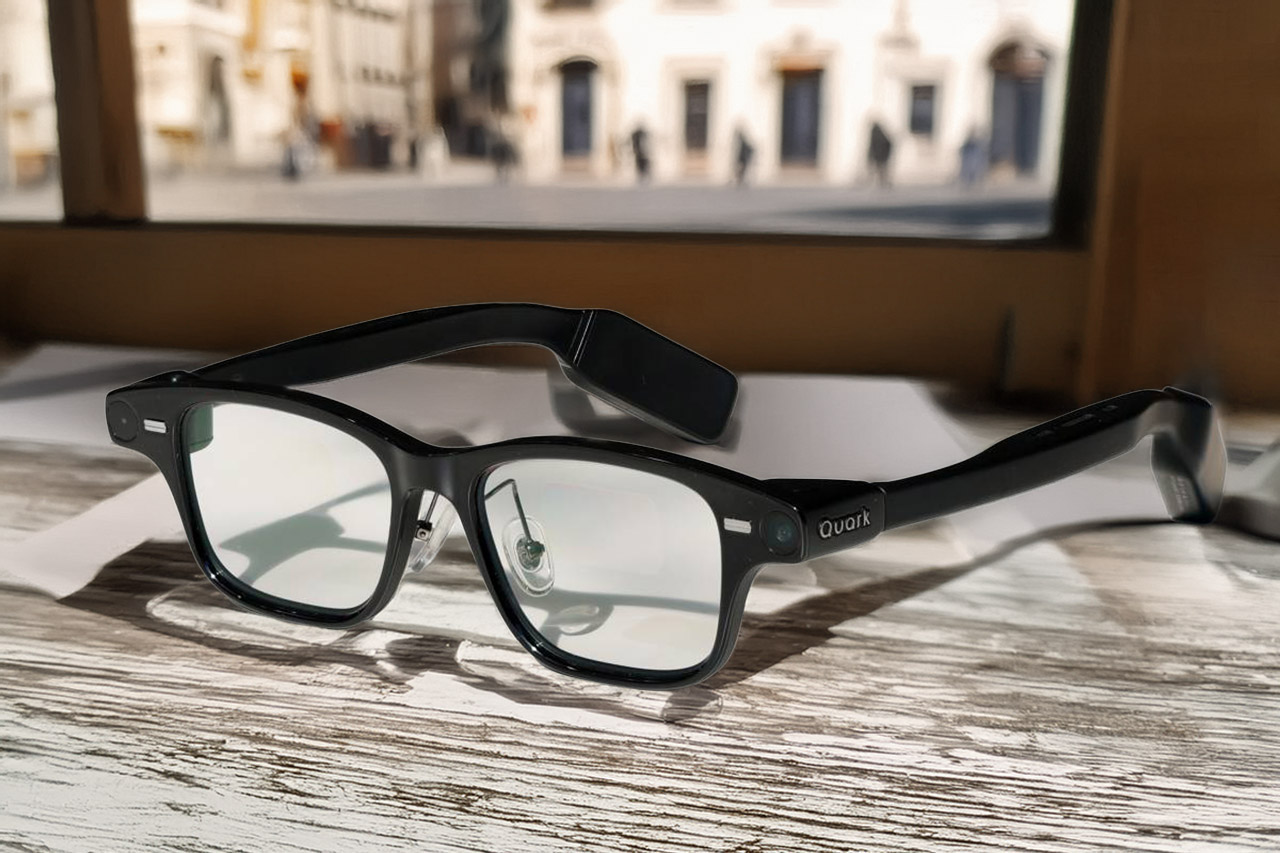
Alibaba has just unveiled its first smartglasses in China, the Quark series, which include AI assistance built directly into the frames. You can get them in two versions: the S1, which simply displays all of the information in front of your face, and the G1, which is more low-key and has no display at all.

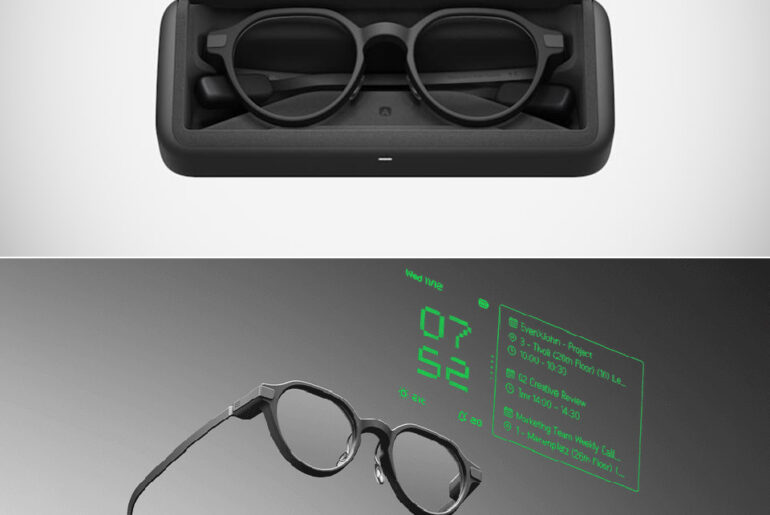
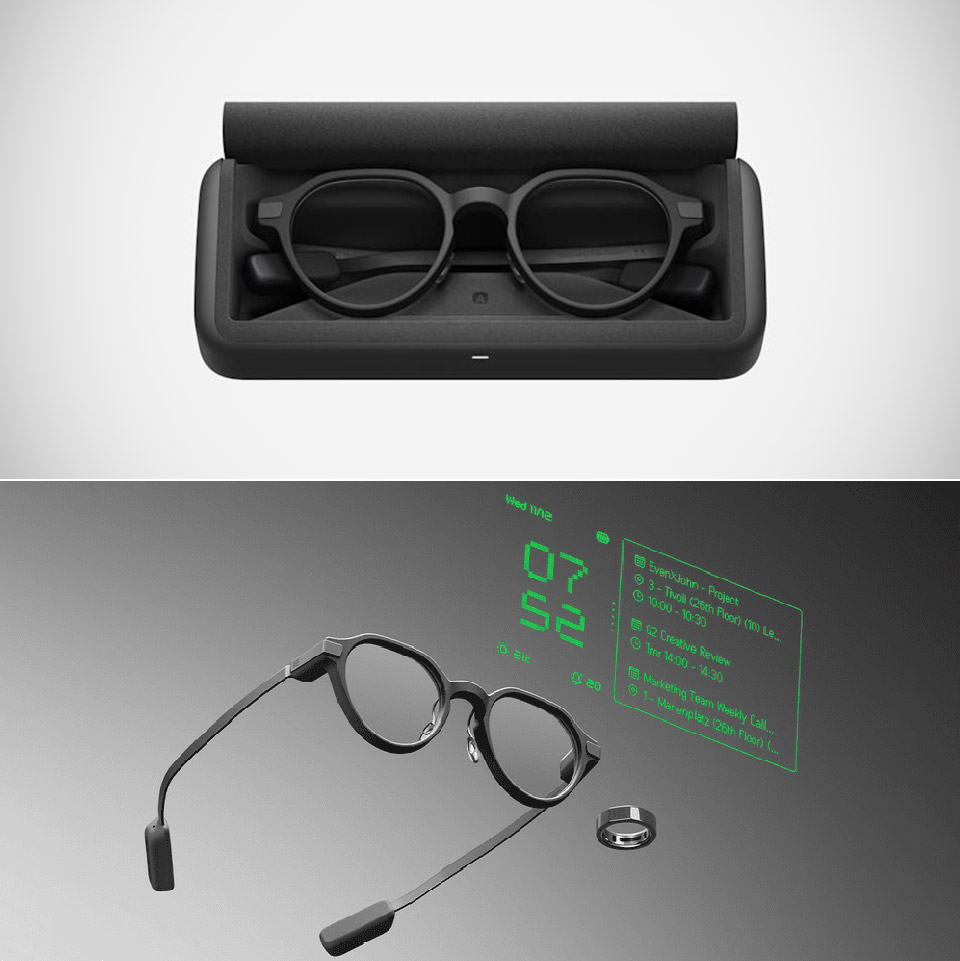
Ray-Ban Meta glasses contain cameras and speakers that project sounds directly into your ears. Even Realities takes a different approach. Their new G2 smartglasses, which go on sale today for $599, do not have any of these extras. There is no camera, thus no awkward recordings. There are no speakers, so talks remain private. Instead, a vivid green display appears in front of one eye, bringing information straight into your vision without turning your face into a billboard.

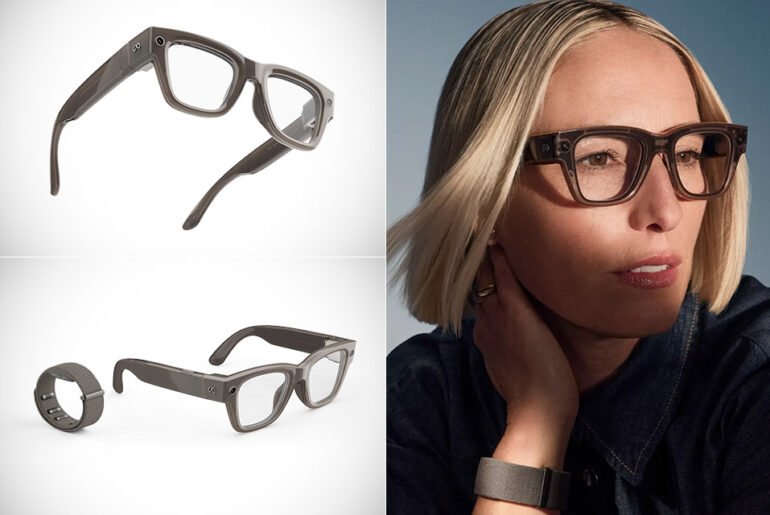
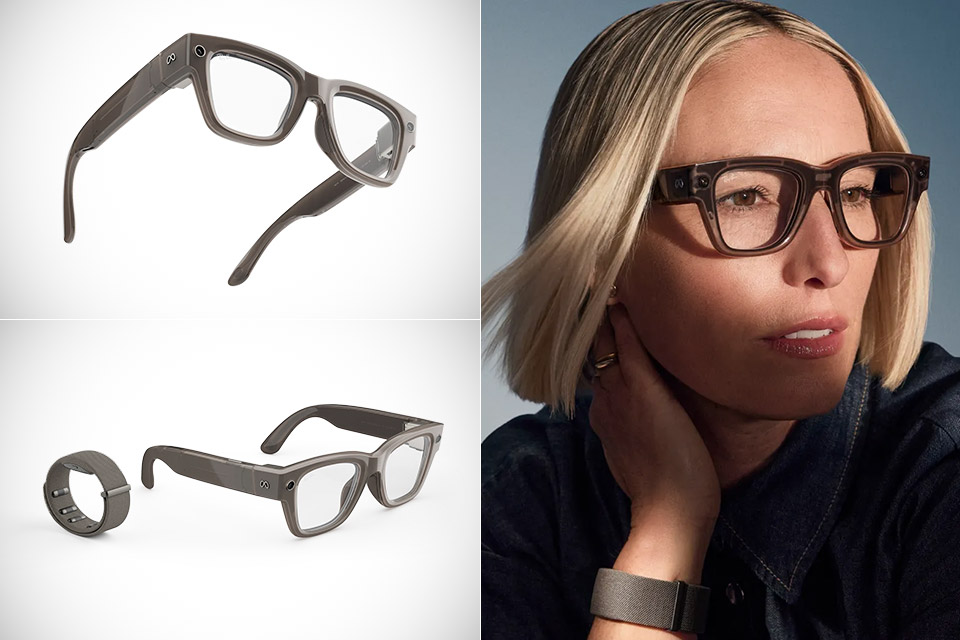
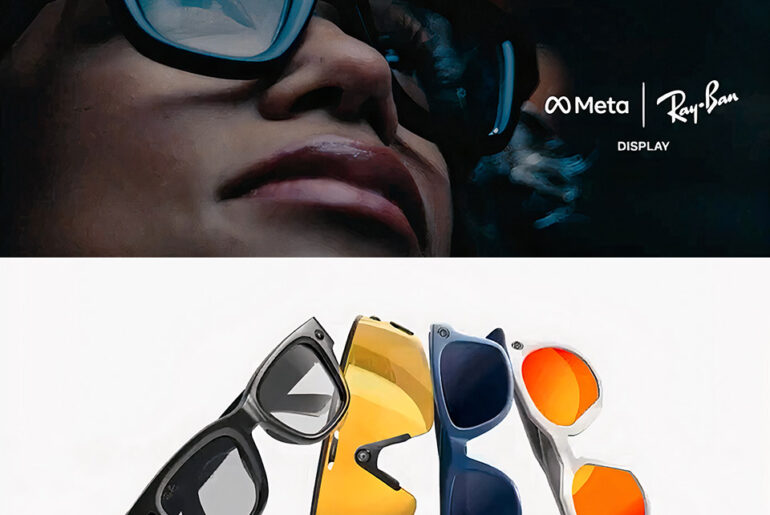
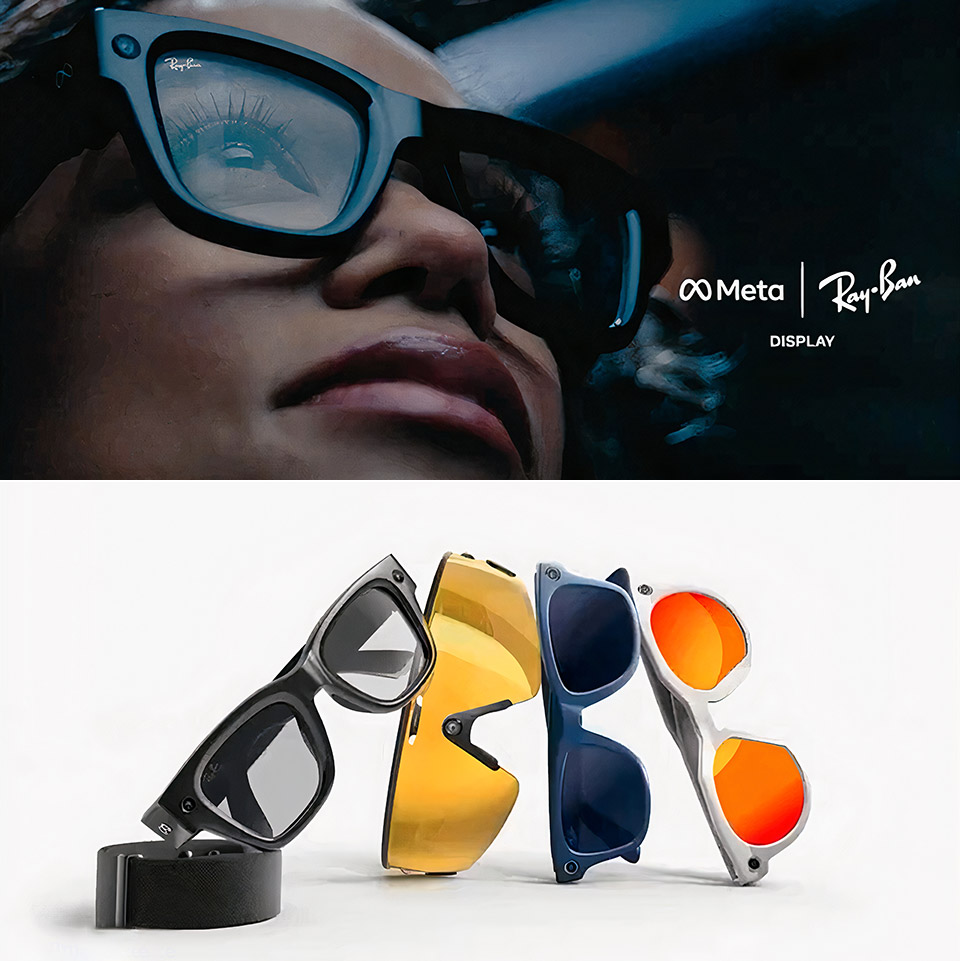
Mark Zuckerberg went onto the Meta Connect 2025 stage in Menlo Park, California, sporting a grin and a device that had been anticipated for months. The Meta Ray-Ban Display spectacles, priced at $799, and are the company’s most daring wearable ever, blending flair with futurism.

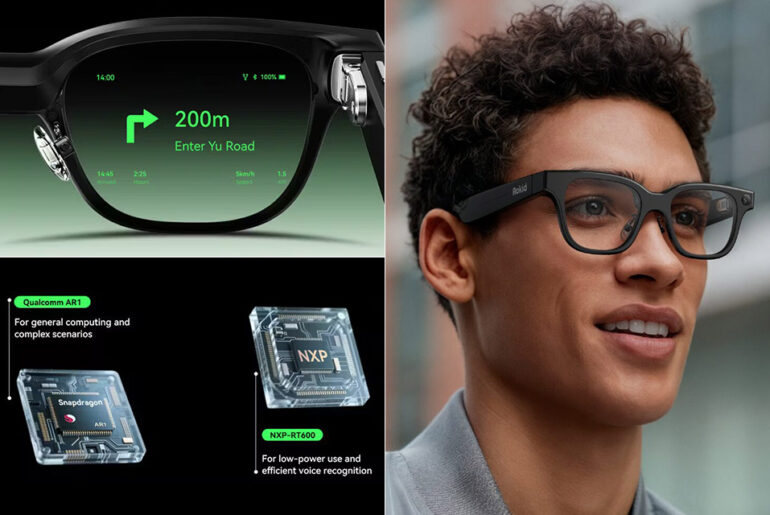
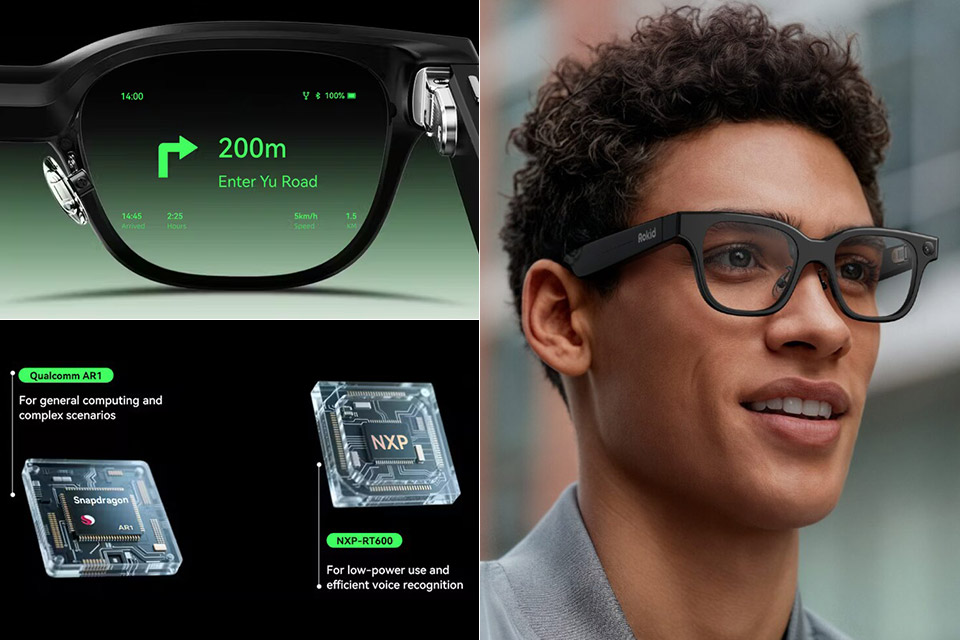
Smartglasses have been teasing us for years with promises of convenience and coolness. Rokid, a company that has been working on AR tech for over a decade, has finally launched the Rokid Glasses. They pack AI and AR into a slim, lightweight device that weighs only 49 grams.