Photo credit: ETZone
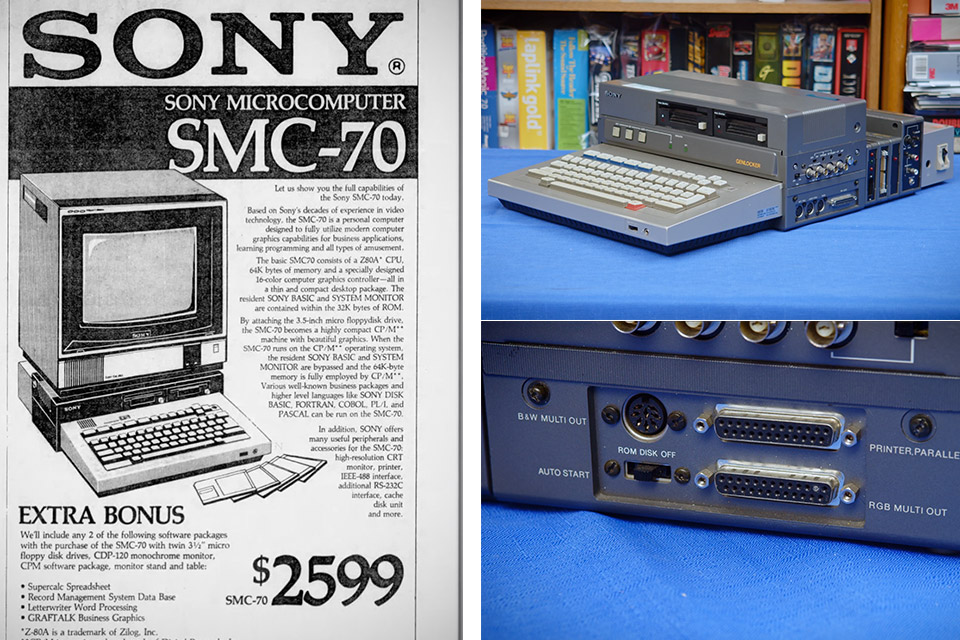
Sony shipped the SMC-70 in September 1982 as its first real microcomputer, first in the United States for office work and then in Japan on December 1. Most people walking past a gray-and-silver slab that year would have assumed it belonged to NEC or Sharp. Few realized the company that made Trinitron sets and Walkmans had just entered the personal-computer business with a Z80A running at 4.028 MHz, 64 KB of user RAM, and Sony BASIC already sitting in ROM.
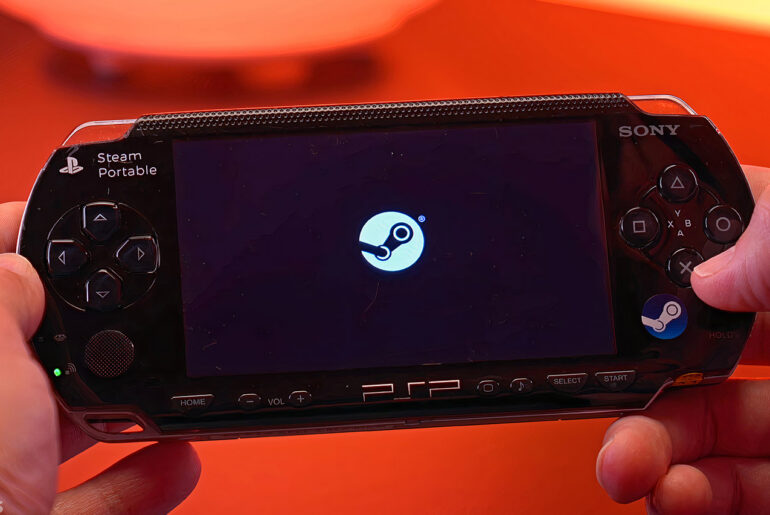
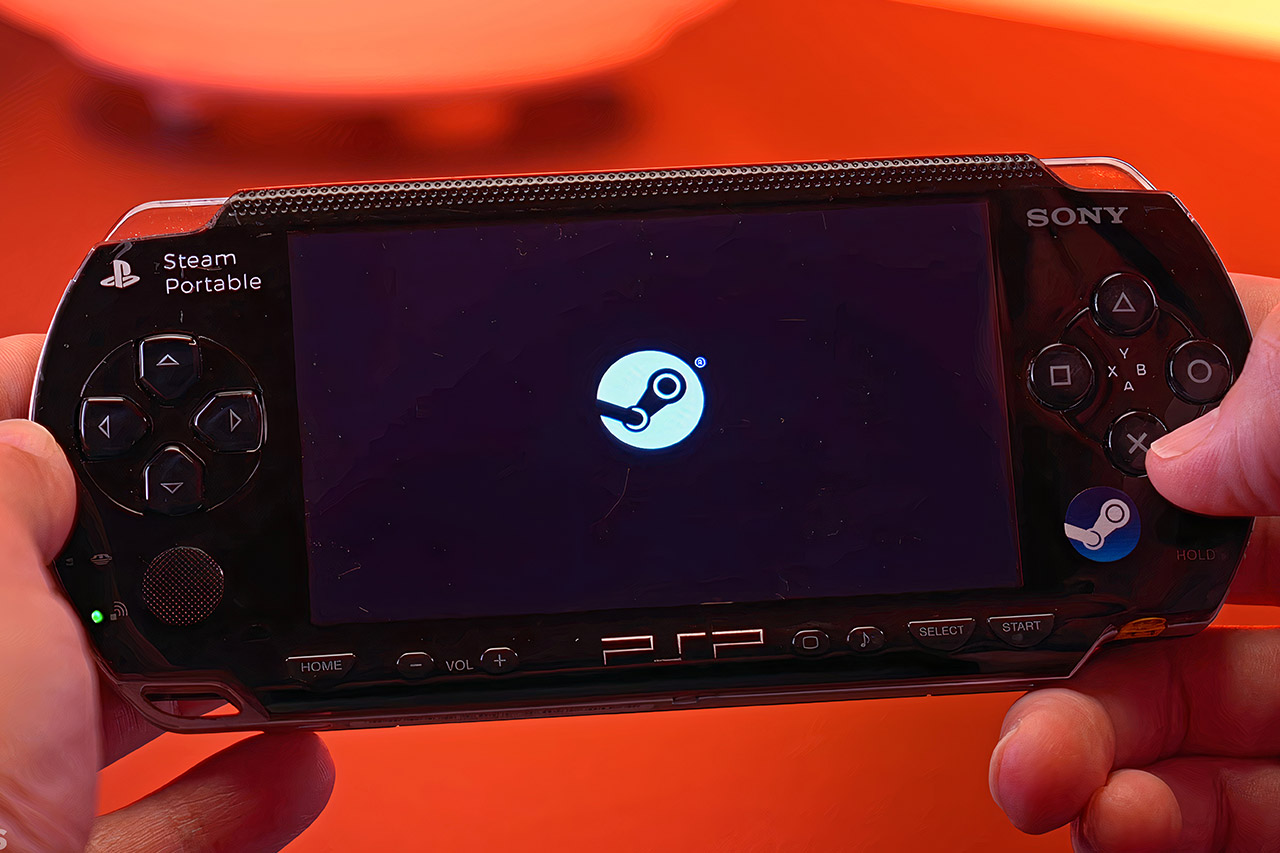
Handhelds keep getting larger, with Valve’s Steam Deck leading the charge, but one modder decided to go in the opposite direction. A PSP still slides into a jacket pocket. Tito from Macho Nacho Productions took that contrast and rebuilt an original Sony PSP-1000 as a device he calls Steam Portable, a pocket shell that can stream his Steam library and run retro emulation. Sony never sold anything like it. He used OtherMod’s latest PSPi 6 kit, a Raspberry Pi Compute Module 4, an 800×480 replacement screen, and a UV printer to stamp Steam branding onto the plastic.

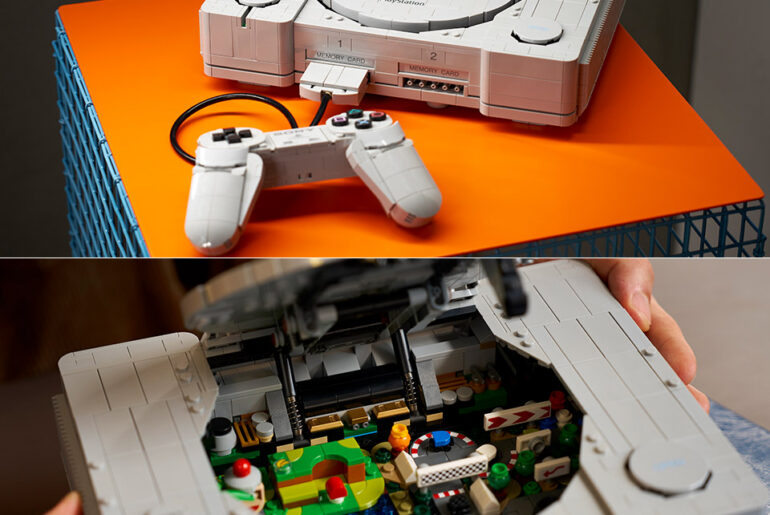
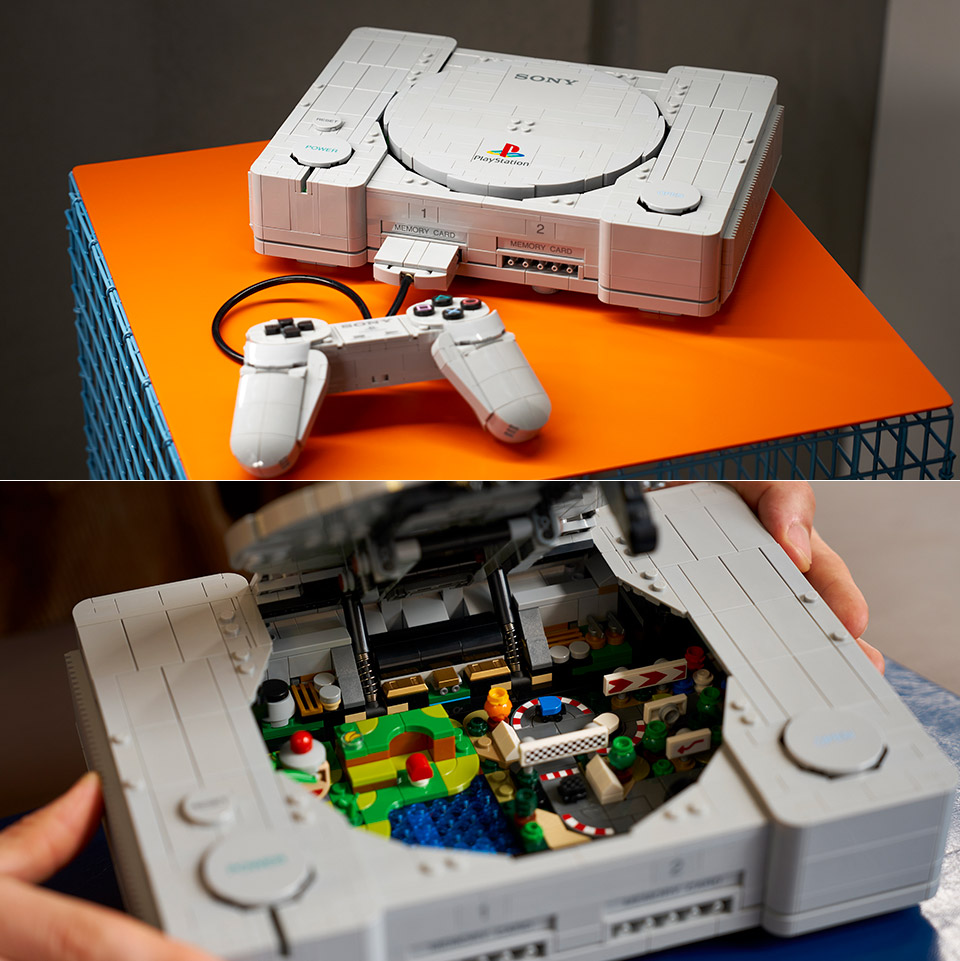
Set 72306 PlayStation is LEGO’s first official collaboration with Sony, revealed September 3, 2026 during PlayStation’s State of Play. Builders 18 and up get 1,911 pieces that form a near 1:1 replica of the original grey console and its first wired controller. The finished set is just over 6 cm high, 26 cm wide, and 19 cm deep, which is close enough to the 1994 hardware to let the model to sit beside a real device without appearing toy-sized. The pricing in the United States is $179.99, while in the United Kingdom it is £139.99 and Europe gets it at €159.99.

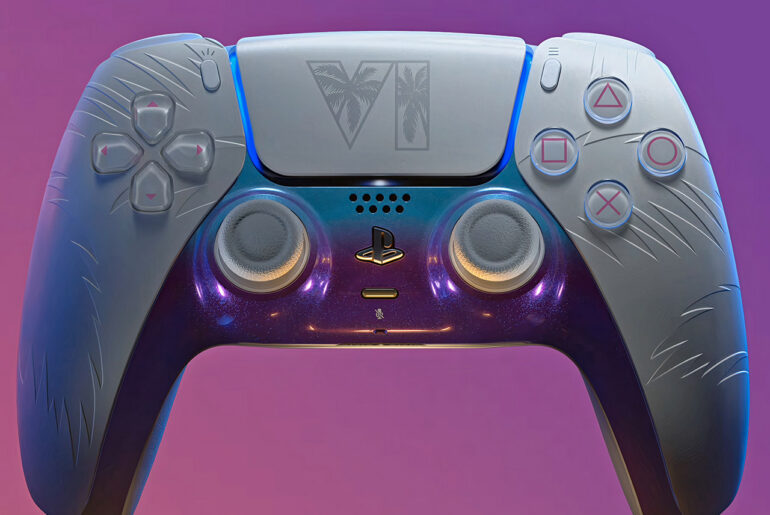
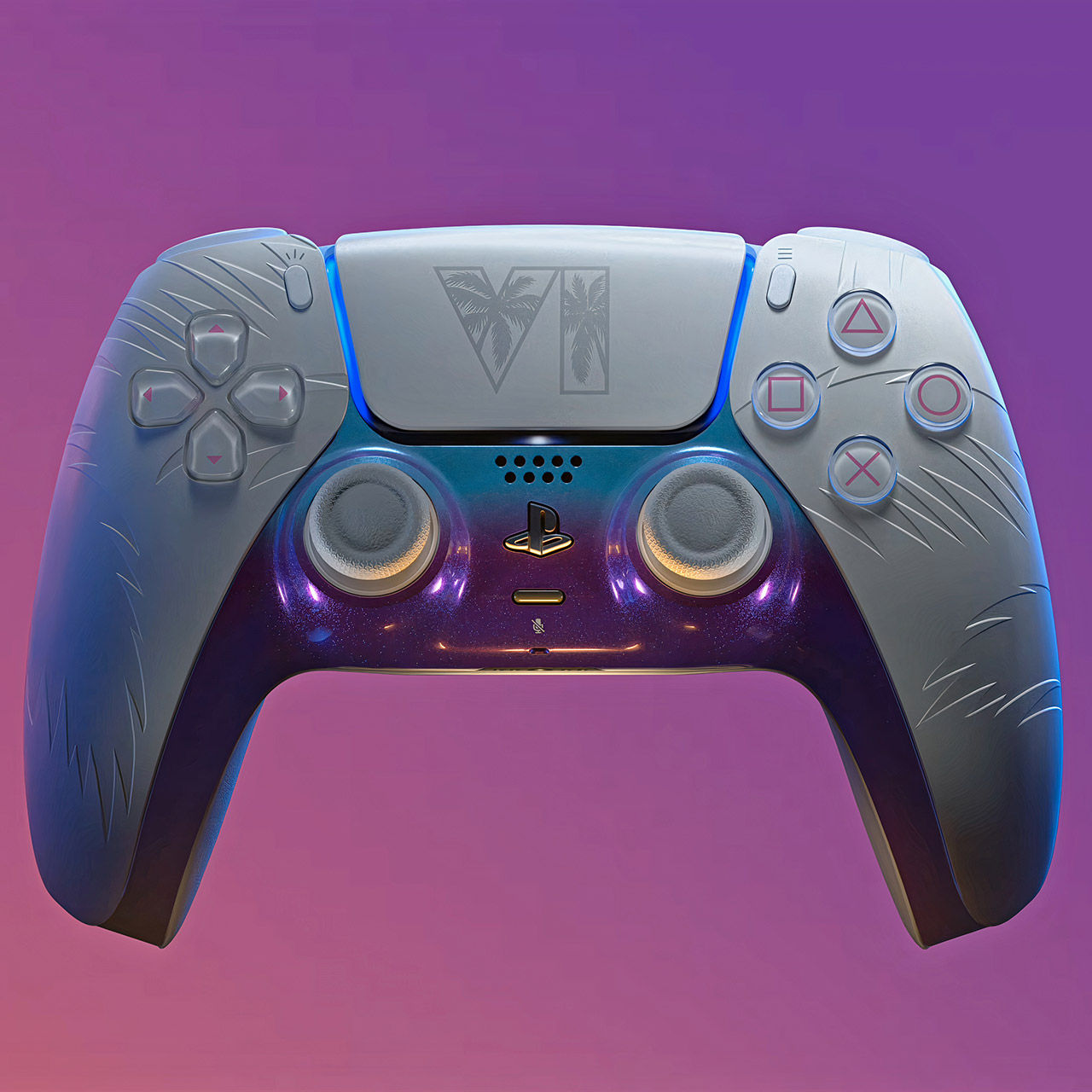
Sony used today’s State of Play to show two limited-edition DualSense wireless controllers built around Grand Theft Auto VI. The DualSense Wireless Controller, Grand Theft Auto VI Black Limited Edition and DualSense Wireless Controller, Grand Theft Auto VI White Limited Edition are both inspired by Vice City, with one side designed for sunny seaside days and the other with neon nights. They arrive on the same day as the game, November 19.

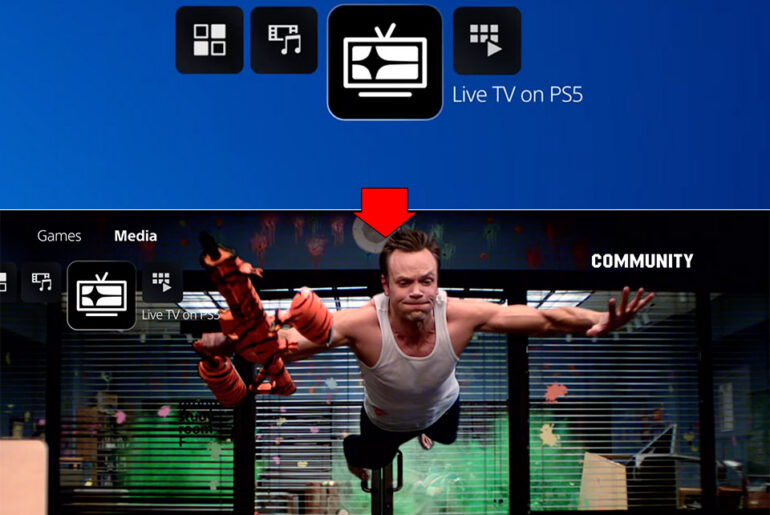
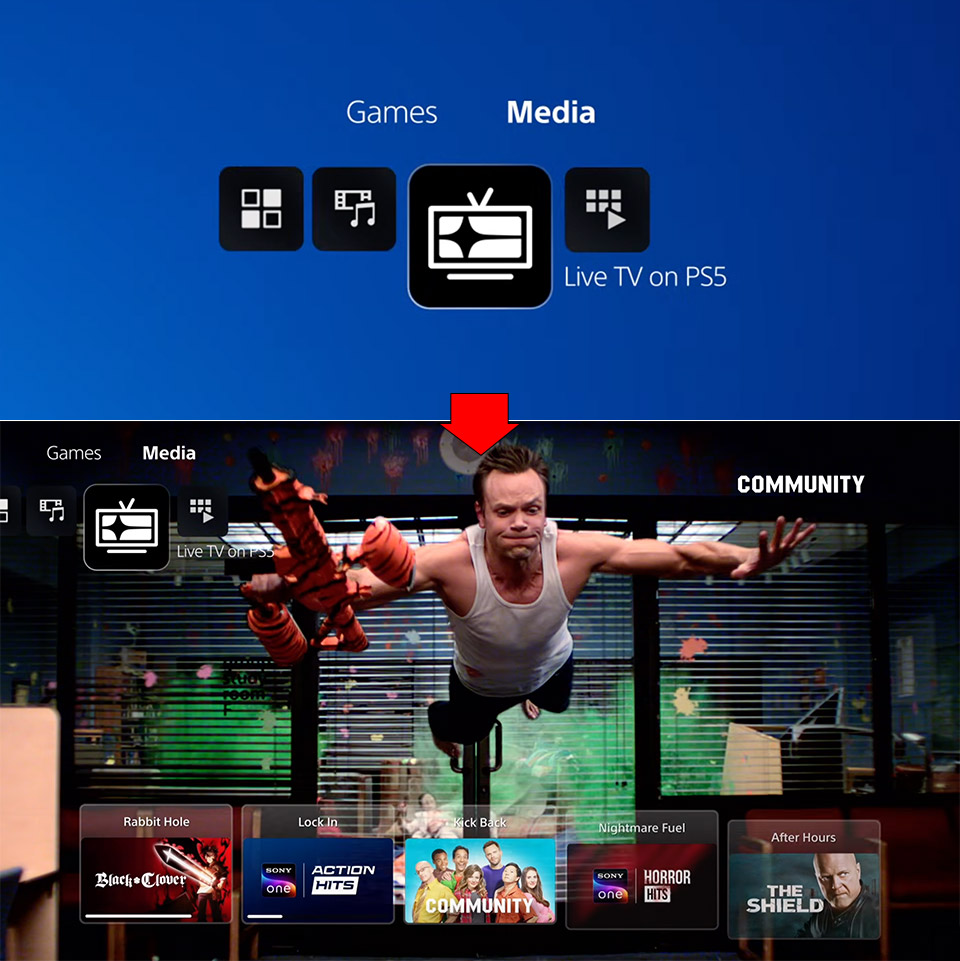
Sony Pictures Television switched on Live TV on PS5 for United States players on August 31, handing anyone with a console and a PlayStation account more than 100 live feeds plus on-demand movies and series at no extra monthly fee. Ads pay the bill. No separate download sits in the way, and PlayStation Plus is not required.

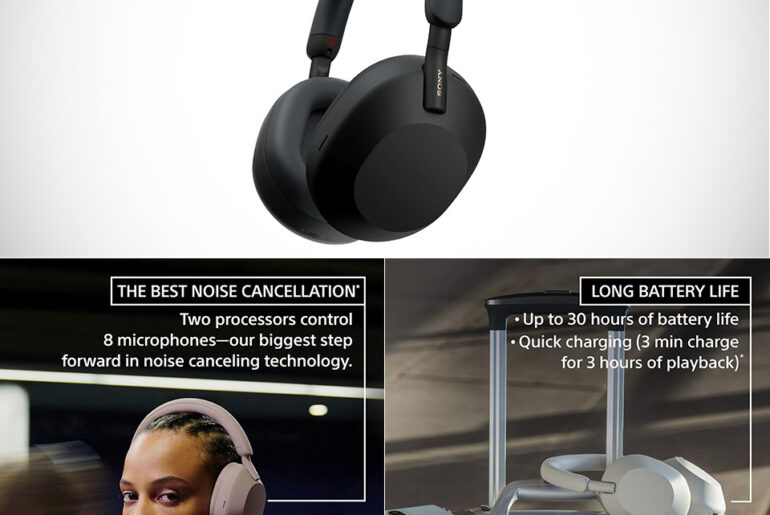
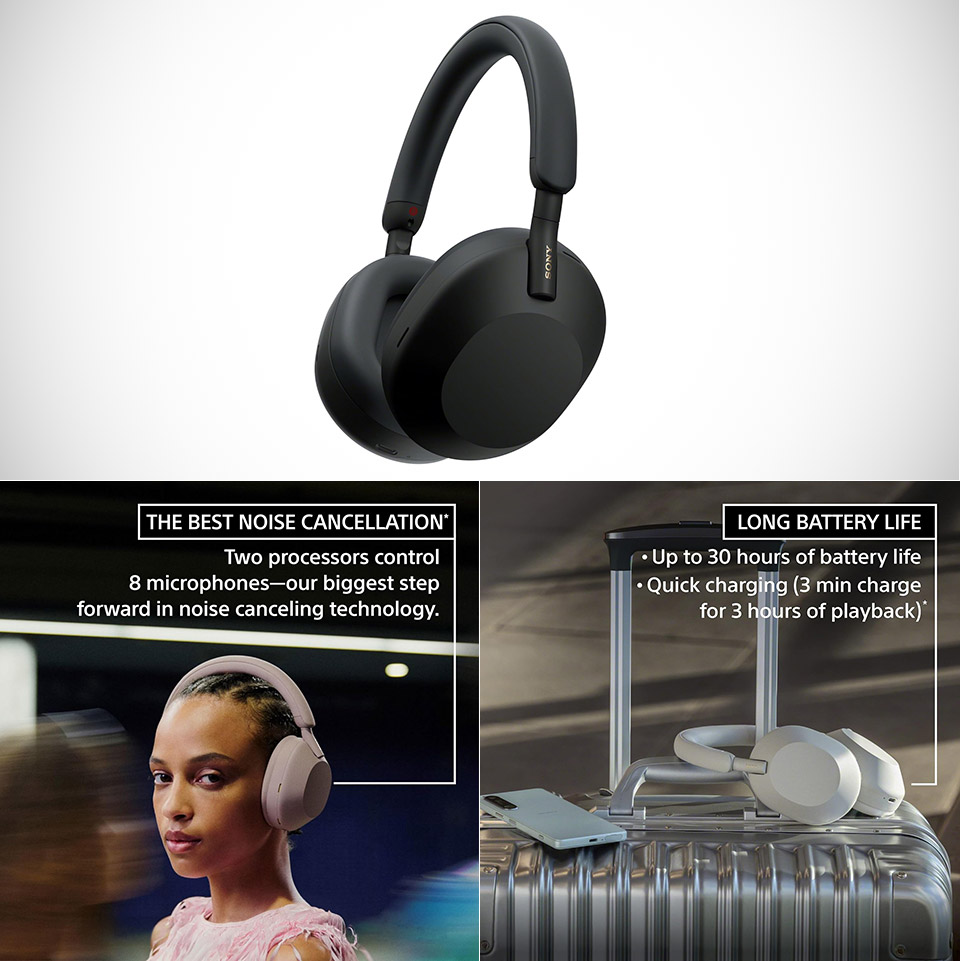
Sony spent years turning over-ear canceling into something people actually wear all day, and the WH-1000XM5, priced at $199.99 (was $400), remains the pair that made that habit stick. Eight microphones and a pair of processors hush cabin rumble, subway grind, and open-office chatter so thoroughly that music and calls sit on a darker background than most rivals managed when these launched a few years ago.

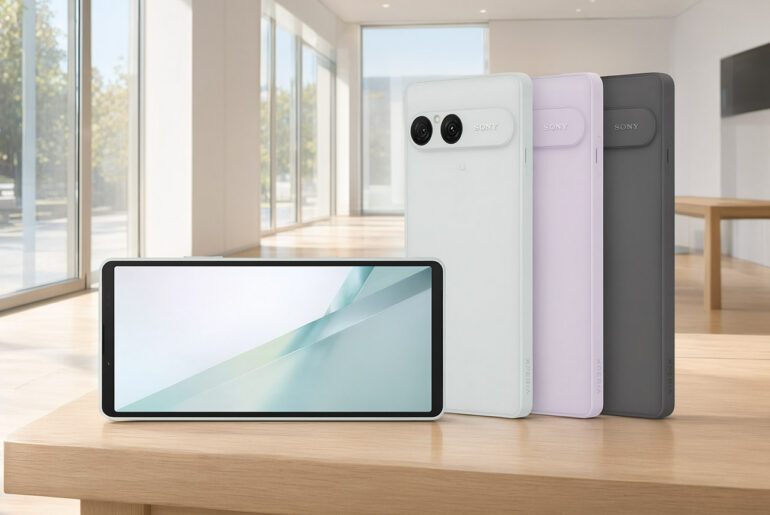
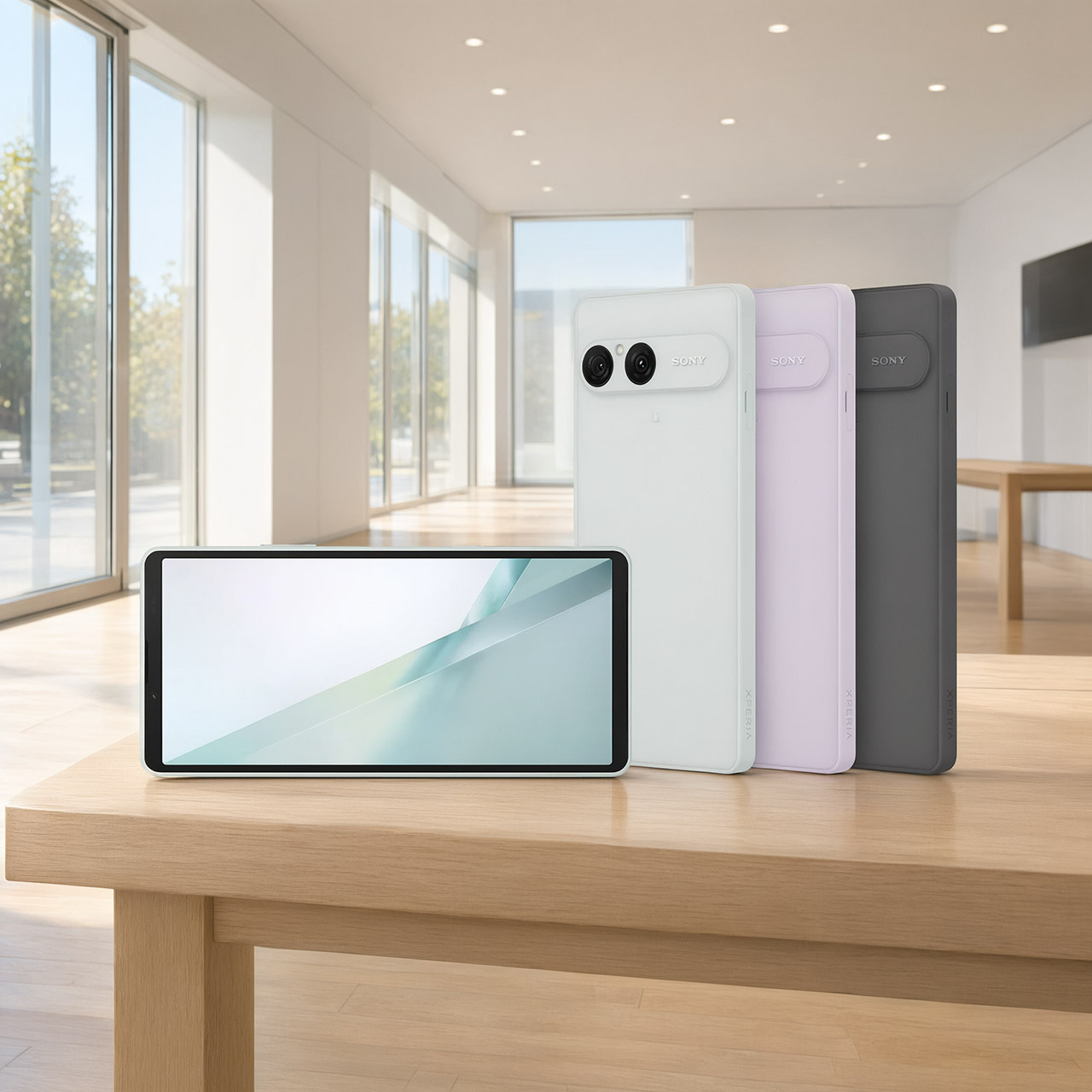
Sony announced the Xperia 10 VIII today, describing it as a practical everyday smartphone intended for ease of use. The handset, available in Frozen White, Frosted Gray, and Misty Lilac, retains the compact 6.1-inch form factor that longstanding Xperia buyers expect while adding a few targeted tweaks and a somewhat higher asking price.

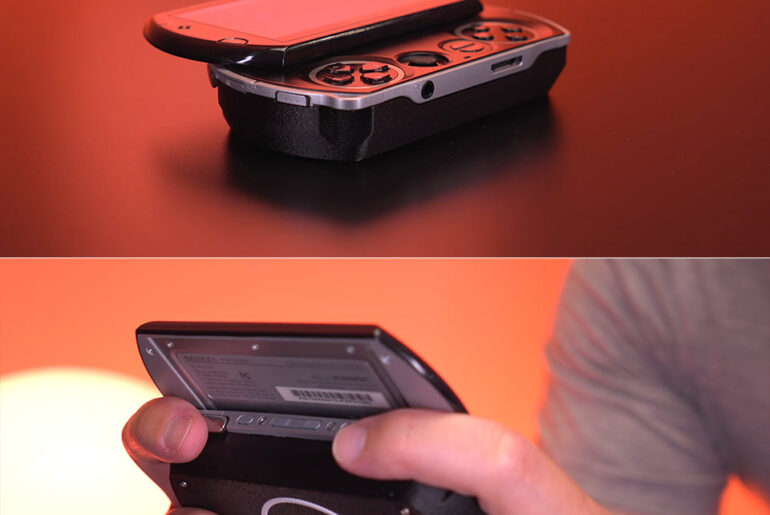
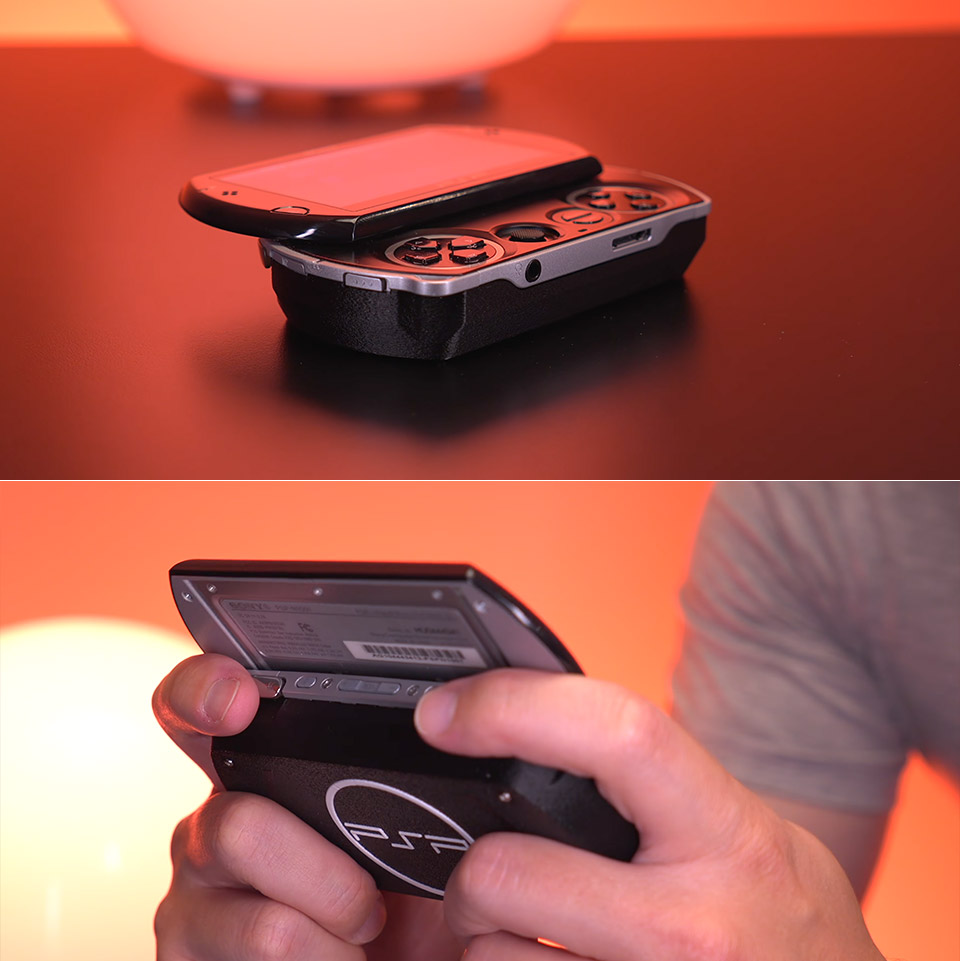
Sony’s PSP Go arrived as a sleek digital-only handheld with a sliding screen and a design that slipped easily into a pocket. Years later its built-in 930mAh battery remains the one feature that still limits how long people actually play. Tito from Macho Nacho Productions recently installed an open-source solution created by Slystral that swaps in an 8000mAh cell and a custom rear shell. The result stretches play sessions from a few hours into the range of 25 to 50 hours while adding noticeable bulk.

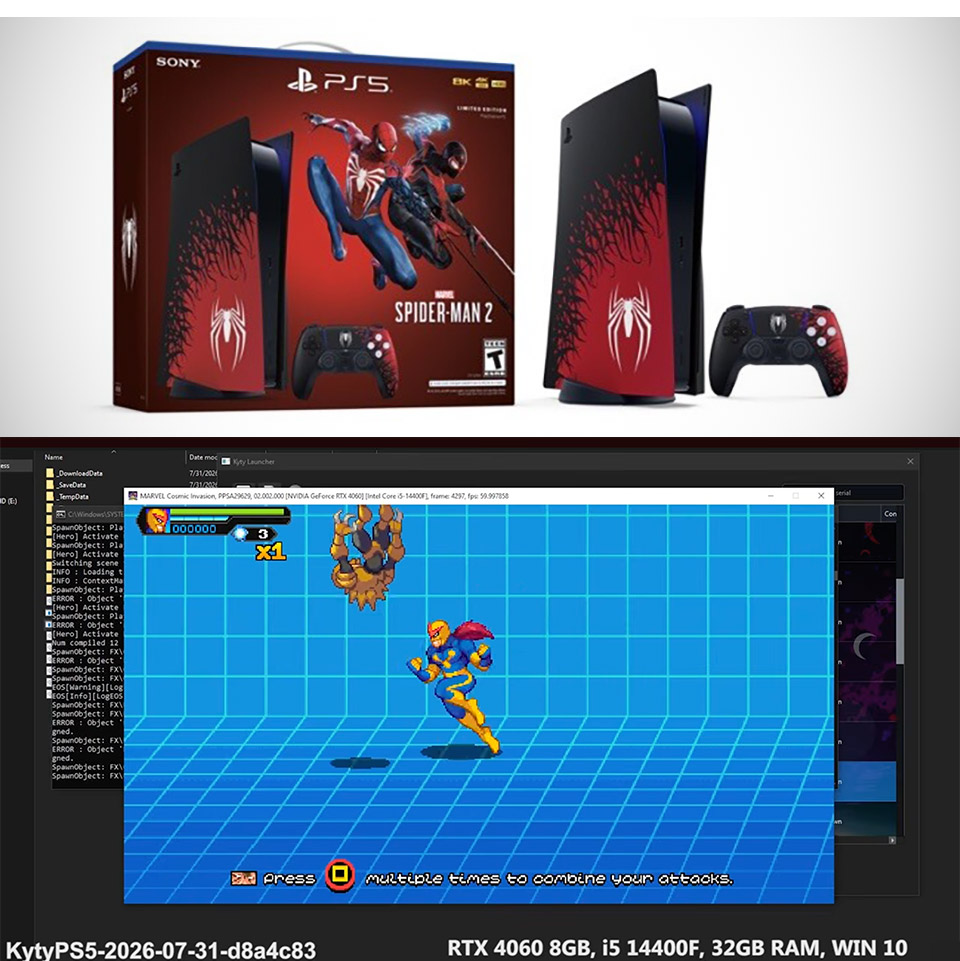
Two weeks ago the same project could only push a handful of PlayStation 5 titles past their loading screens. Today a free, open-source emulator called Kyty is running fully 3D commercial games on ordinary Windows PCs with player control and frame rates that actually feel usable.

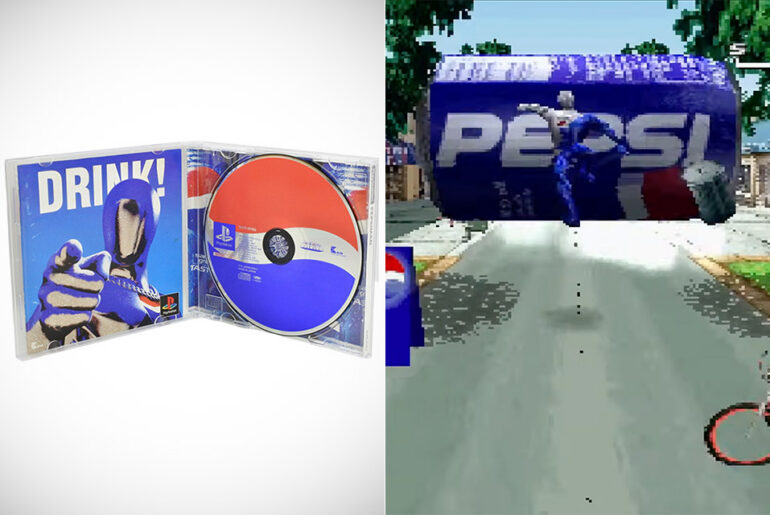
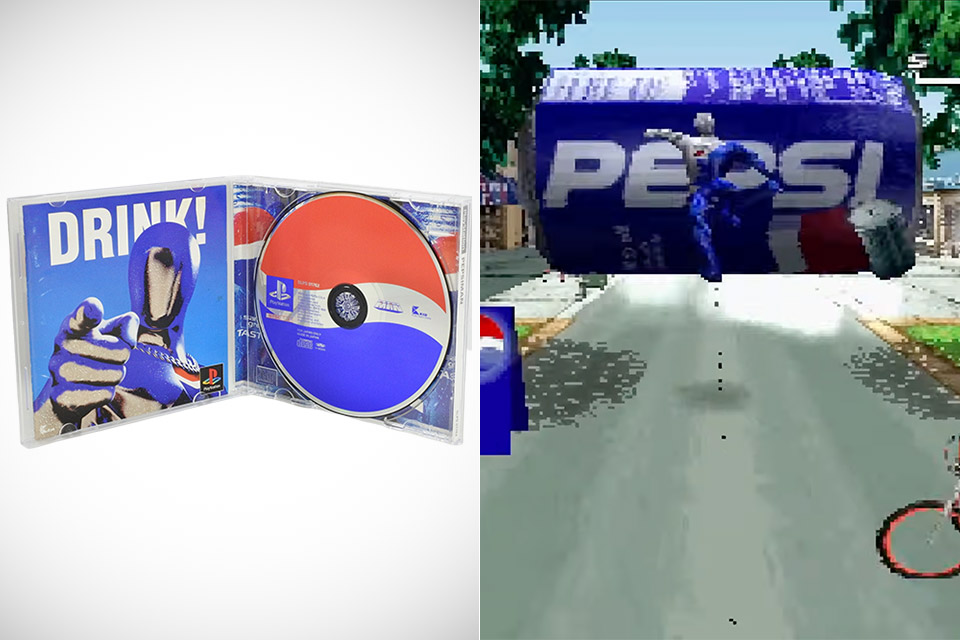
A silver-suited hero once limited to Japanese PlayStation discs now races across any modern screen you point him at. Pepsiman Recompiled takes the 1999 cult classic, turns its original code into something a browser can run directly, and lets anyone with a legal disc image jump back into the chase at a smooth 60 frames per second.