Sony just dropped its newest top-tier phone, the Xperia 1 VIII, and it arrives at a moment when most people have forgotten the company even competes in this space. Announced today, the device brings a complete visual refresh after years of the same tall, narrow shape. At first glance the changes feel subtle, yet they add up to something that finally stands apart from the sea of glass slabs everyone else sells.

Photo credit: DP Review
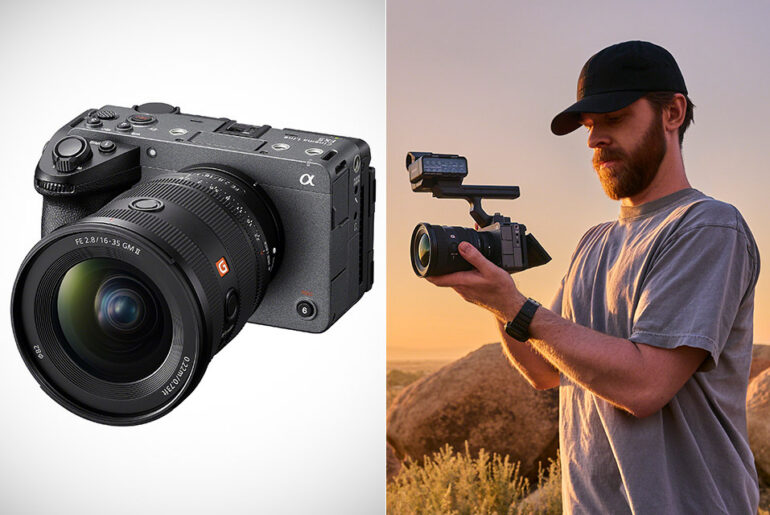
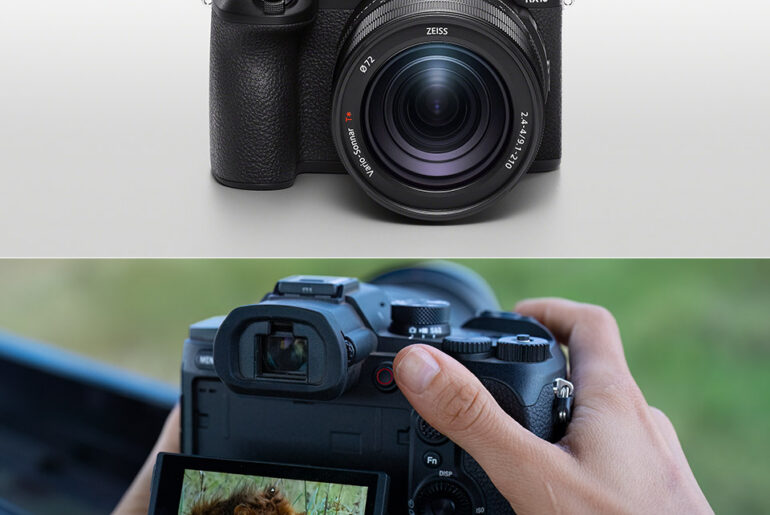
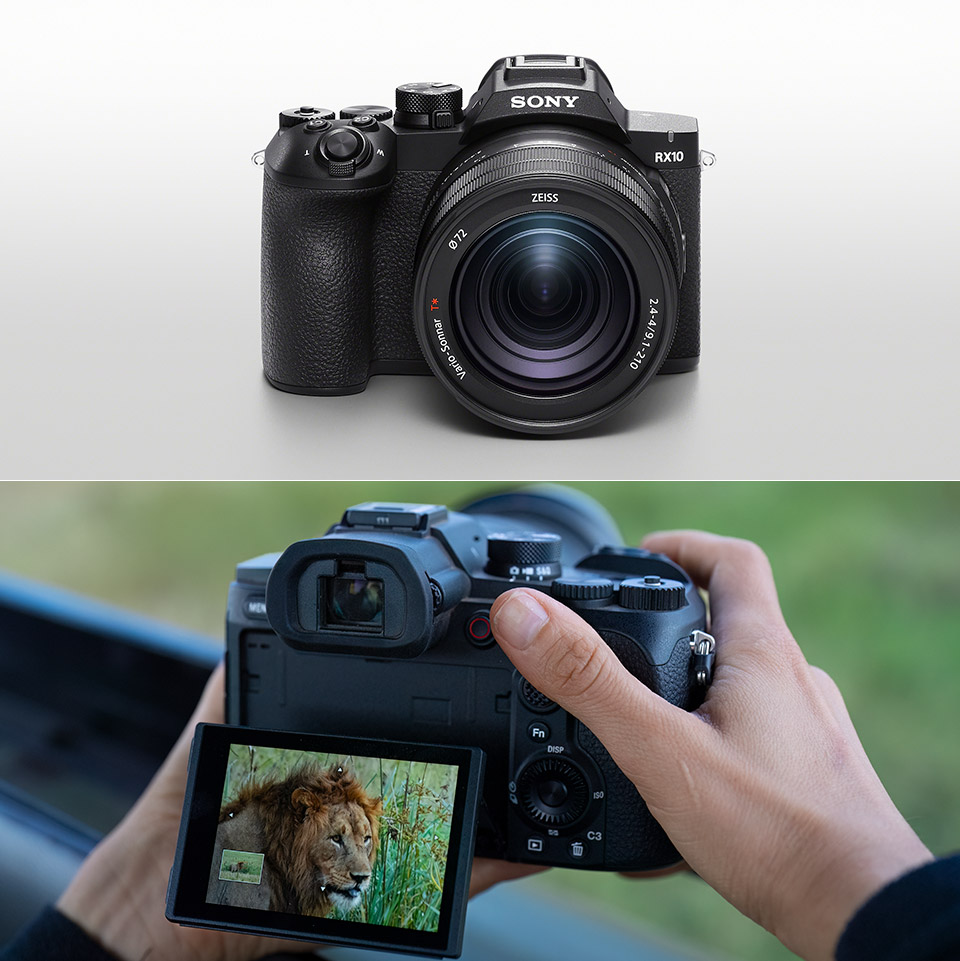
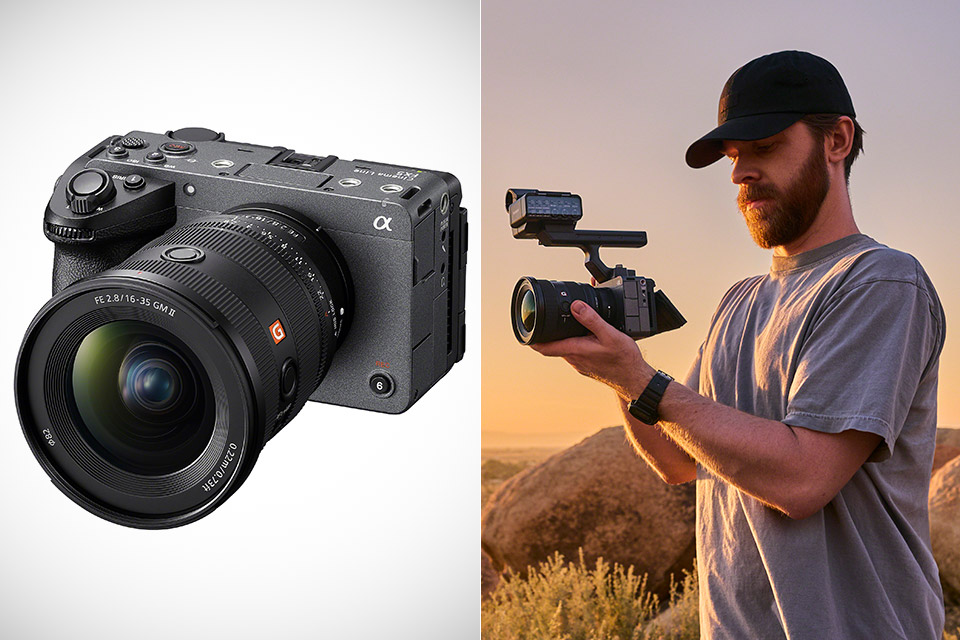
Sony just launched the a7R VI, a mirrorless camera built around a 66.8-megapixel full-frame sensor that finally pairs razor-sharp detail with the kind of speed serious shooters have waited years to see in this lineup. Photographers who once chose between capturing every leaf on a distant tree or freezing a bird in mid-flight no longer have to pick sides.

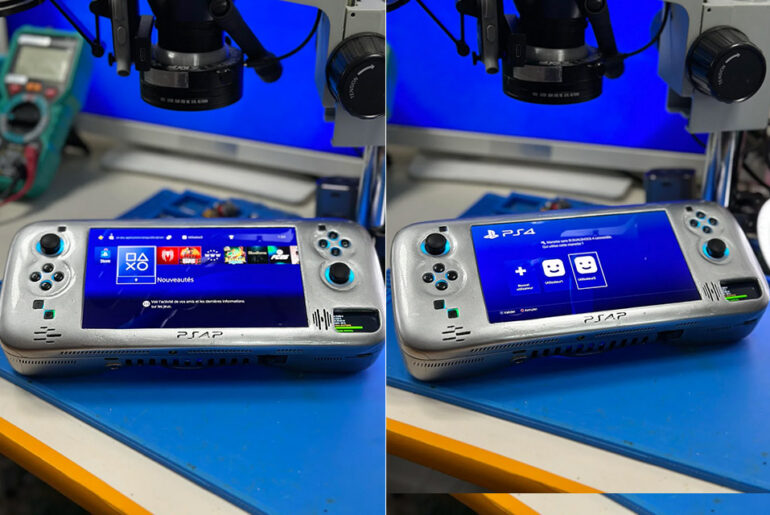
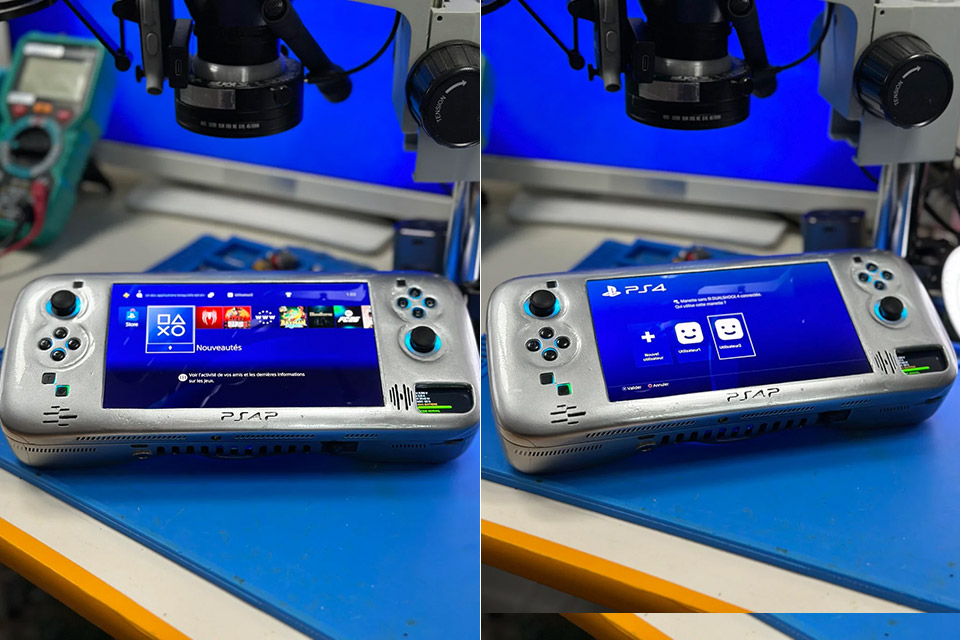
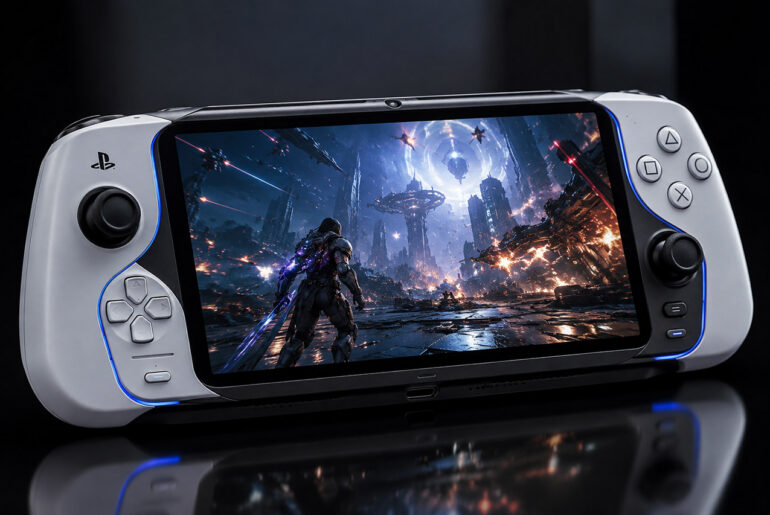
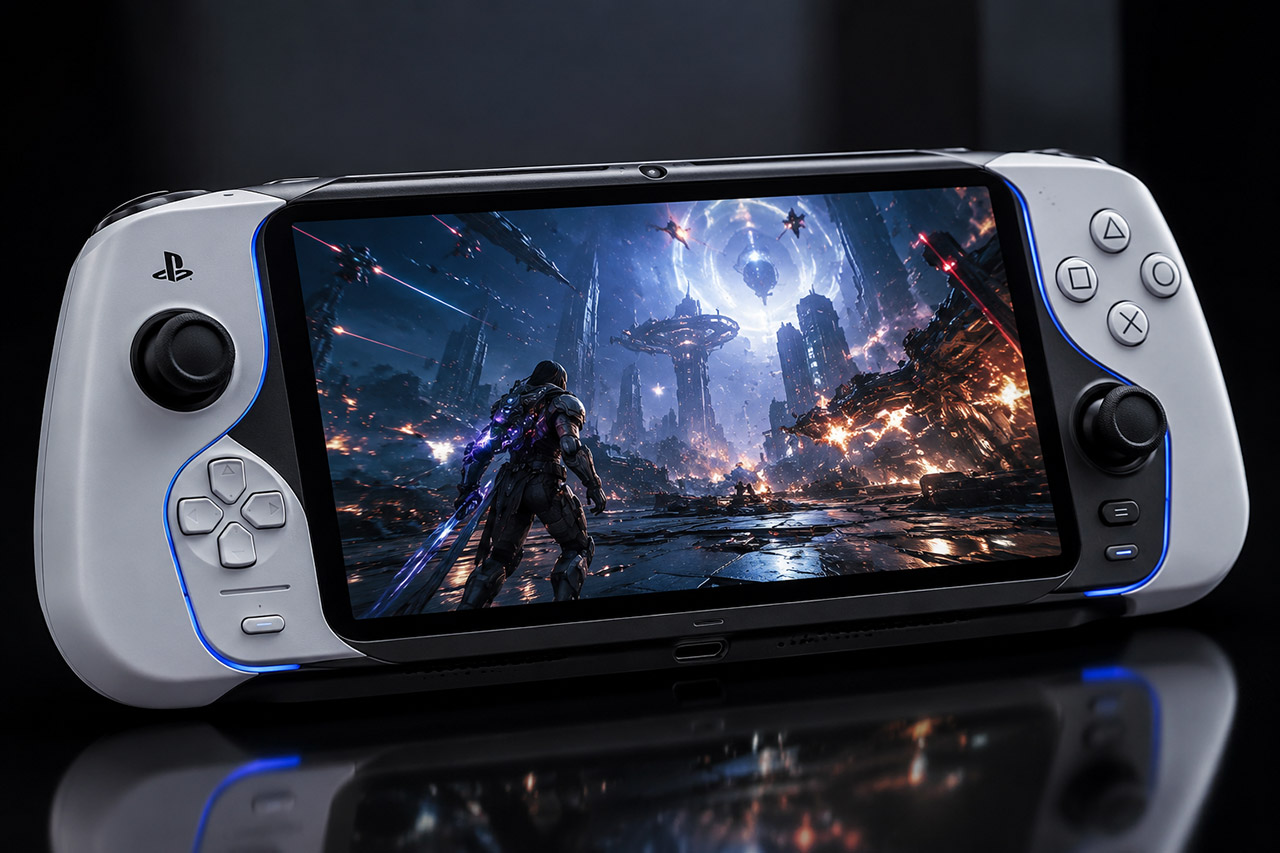
Rumors about Sony’s next PlayStation console have grown louder in recent weeks, painting a picture of a major hardware jump paired with real uncertainty about when it will actually reach players. One detailed report claims Sony aims to release both a home version of the PS6 and a matching portable device by the end of 2027, with both arriving at the same time around the world. Development on the two systems is happening together, and each will run games from the PS4 and PS5 libraries without any extra steps. The home model will still accept physical discs, giving fans the choice they have come to expect.

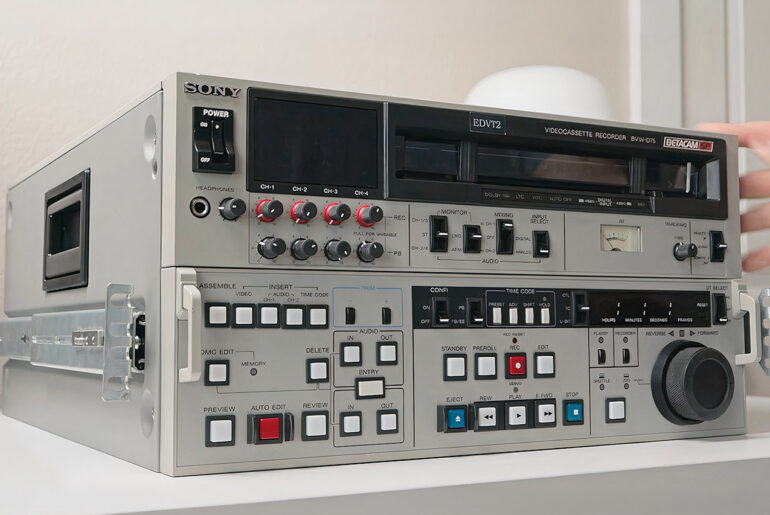
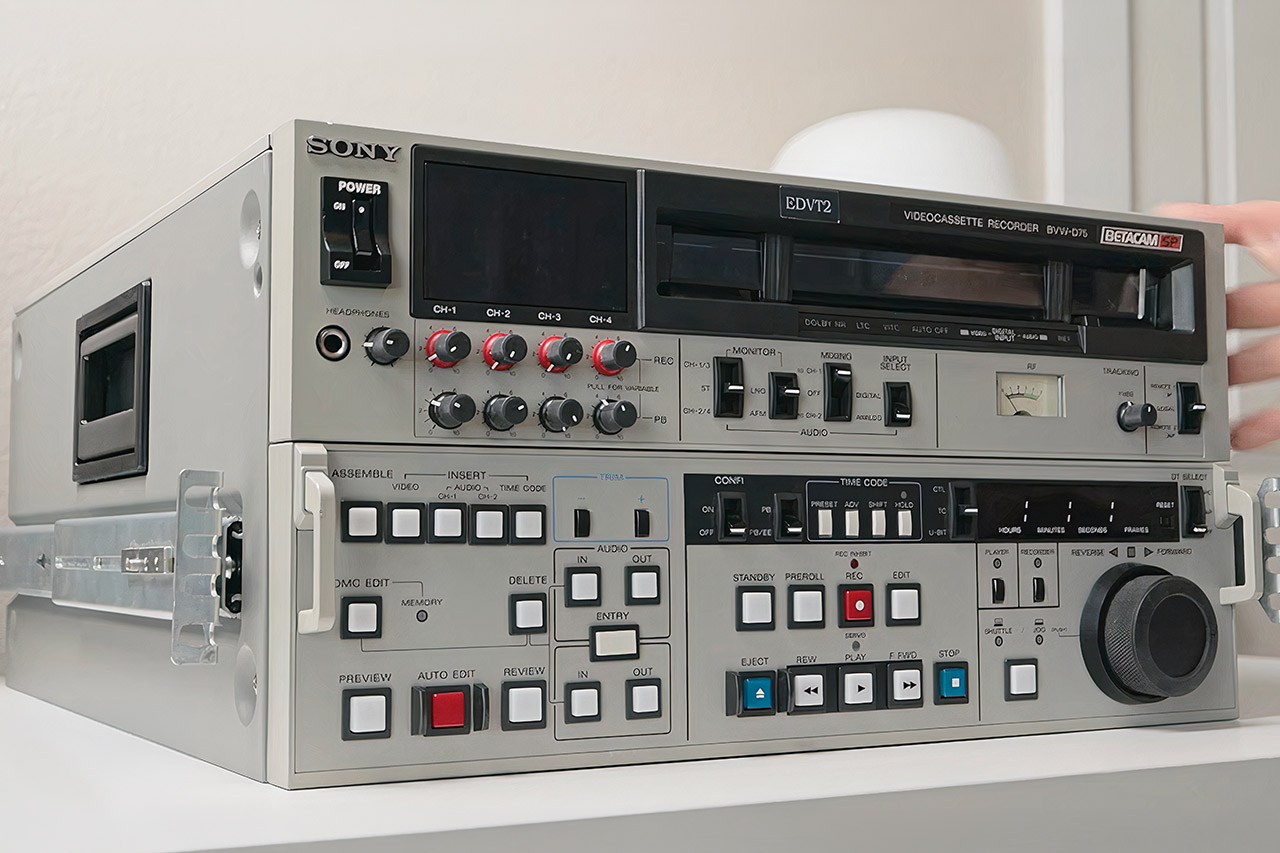
Sony engineers dropped jaws at a TV conference in Algeria in April 1981. They brought out a completely functional setup complete with a camera, monitor, and tape recorder capable of capturing images sharper and more detailed than anyone had ever seen outside of a laboratory. NHK, Japan’s main public broadcaster, had spent years working on a new standard called Hi-Vision, which effectively gave a lot more lines of resolution than ordinary TV ever could. As a result of their close collaboration, development work moved forward at full speed. Sony introduced a full line of commercial gear under the HDVS branding in April 1984, with the HDC-100 camera and HDV-1000 recorder at the center.

Mathieu Stern spotted an oddity one afternoon at a French flea market. Inside a simple blue canister sat a compact Foth 50 millimeter f 2.5 lens from the late 1920s. Three euros later it was his. The optic had come from a Foth Derby folding camera built for 127 roll film, a model once positioned as a rival to early Leica designs. It even showed up in a few motion pictures from that period, including work tied to Alfred Hitchcock.

Elite athletes took to the court in Tokyo to face a beast of speed and precision, Ace, a robot designed by Sony AI to run rings around the world’s top table tennis players. In April 2025, the robot won three of five bouts against the elite bunch. In later sessions, the team really showed off; between December 2025 and March 2026, they defeated pros like Miyuu Kihara, who is ranked in the top twenty-five internationally.

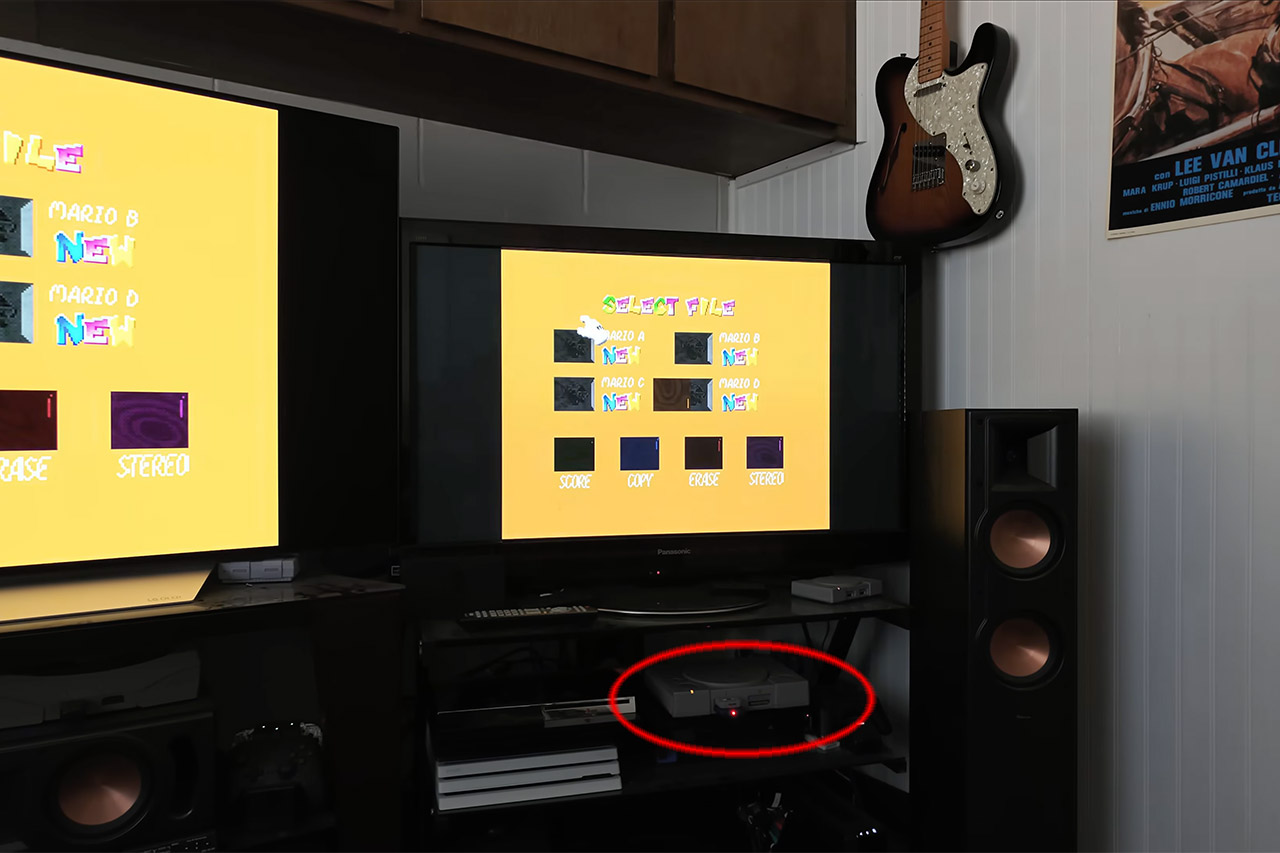
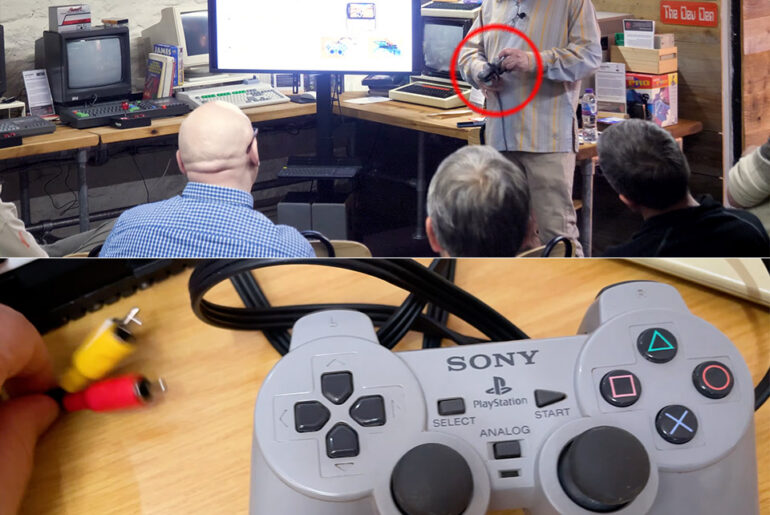
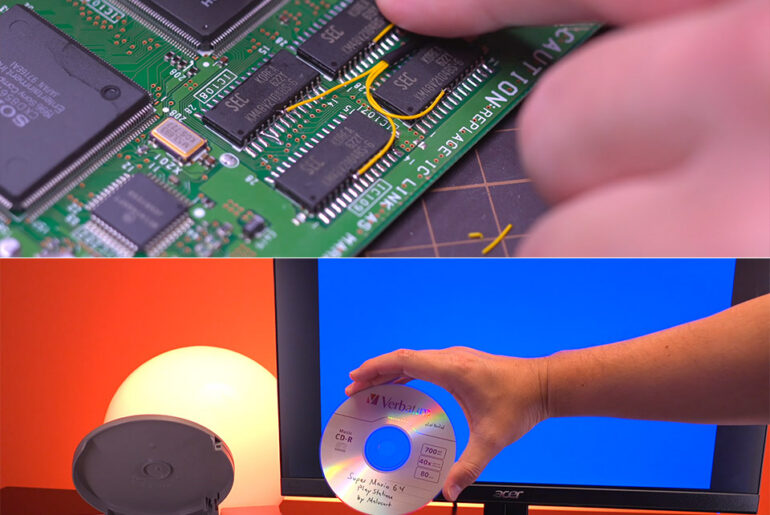
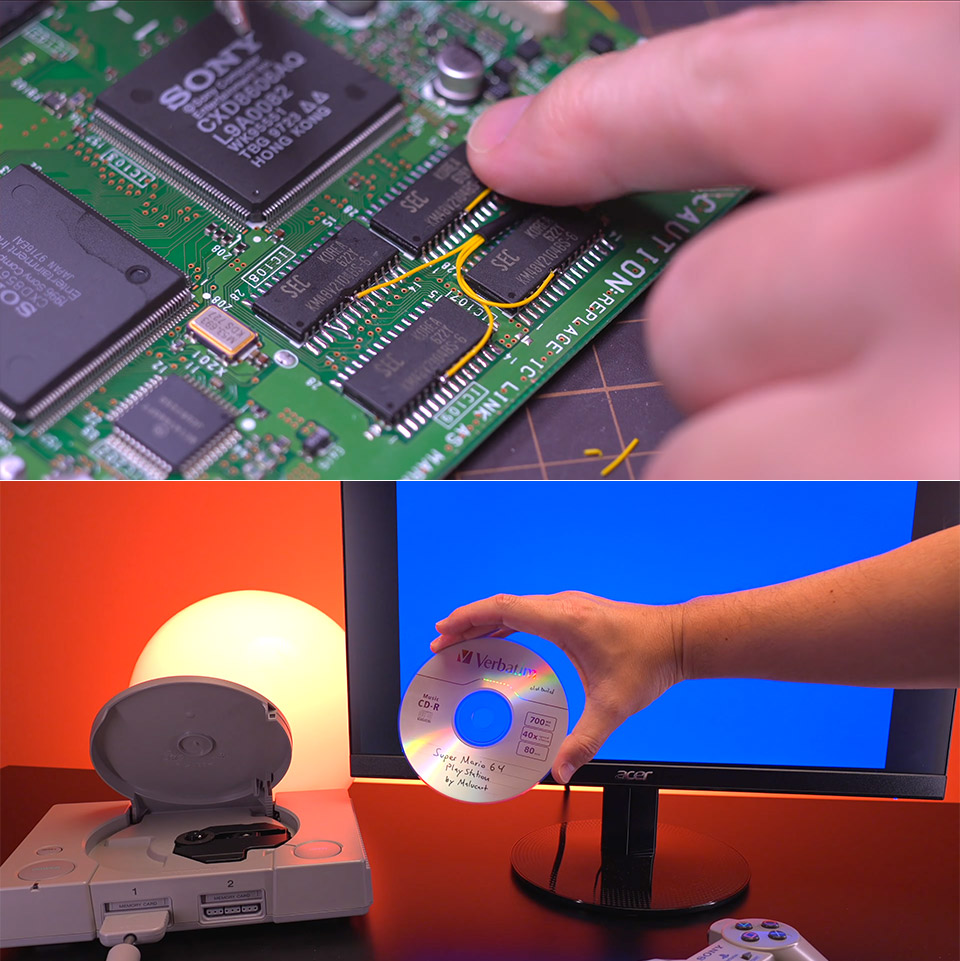
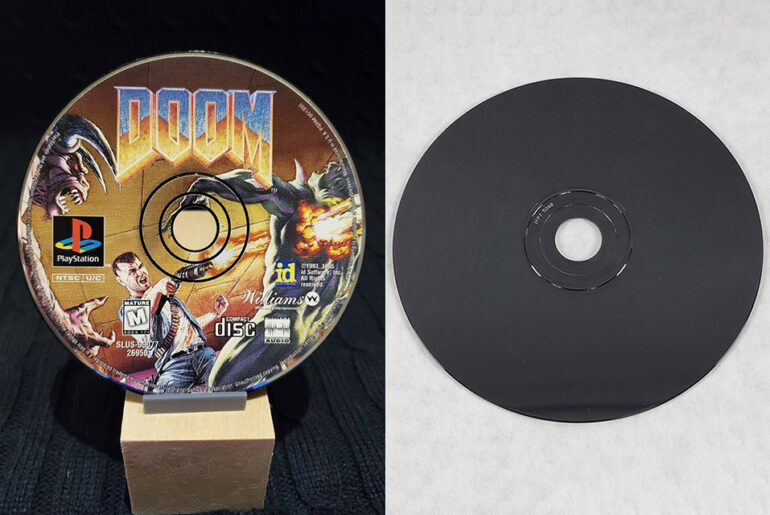
Elliot Coll found a very beat-up Playstation on eBay, one that appeared to be on its final legs, filthy and damaged, with a slew of previous owners’ patch jobs tossed in. Despite this, the SCPH-5502, which is widely regarded as one of the best upgrade pathways, appeared to be a good location to begin constructing what he refers to as “the ultimate” version of this console.

On April 2, Sony increased the price of all of its PlayStation 5 consoles. The standard disc edition now costs $650, the digital edition up to $600, and the Pro model is a hefty $900. However, when you take a step back and look closely at the PlayStation Portal, things begin to make a lot more sense.

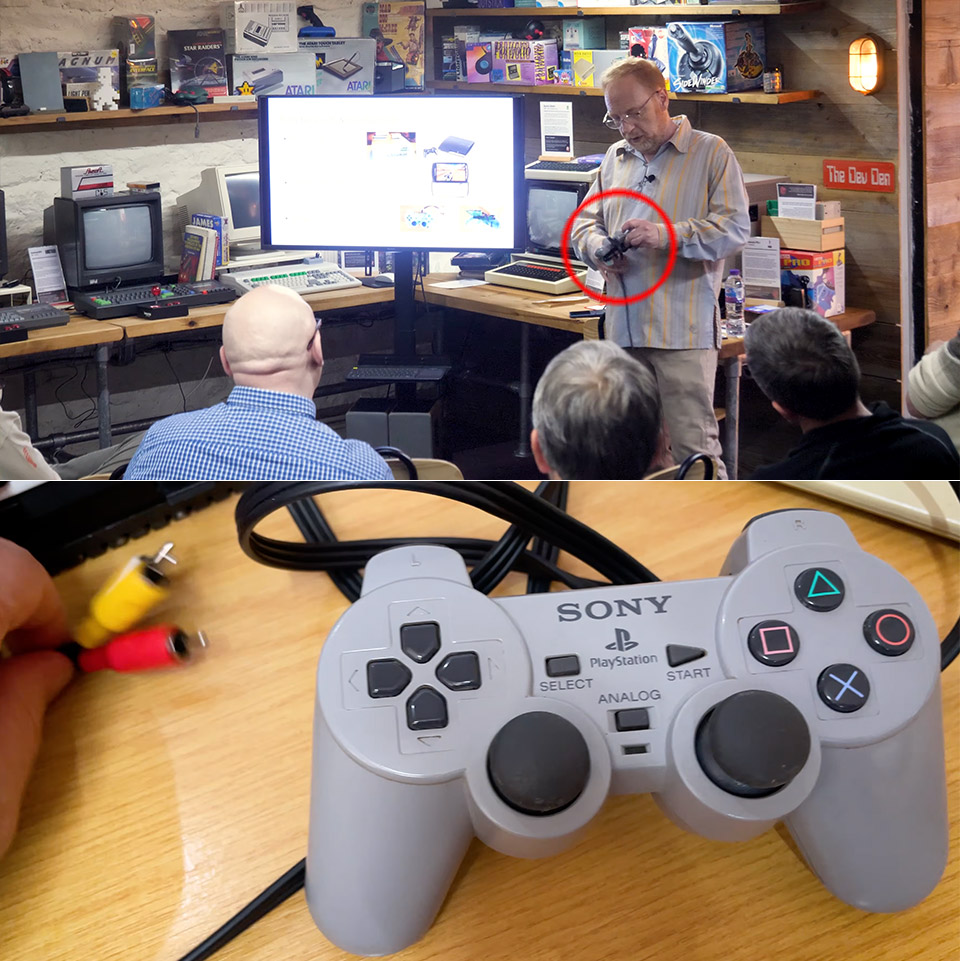
James Channel continues to shed light on old, forgotten gaming gear that still has a few tricks up its sleeve. His latest segment delves deeper into a device from 2003 that appears to be an early prototype for the PlayStation Portal. More specifically, the Intech Controller and Game Screen (model PS2-750). It’s an odd combination of a full PlayStation 2 controller and a little built-in screen and speakers that allows you to play on the go, away from the big living room TV.

Sony’s WH-1000XM5 noise-canceling wireless headphones, priced at $250 (was $400), feature 8 microphones and two processors to read the environment and instantaneously adjust to whatever noise is there. When you lift off, say from an airplane, distracting background noise disappears, while office banter or city traffic fades into a distant hum that no longer draws your attention.