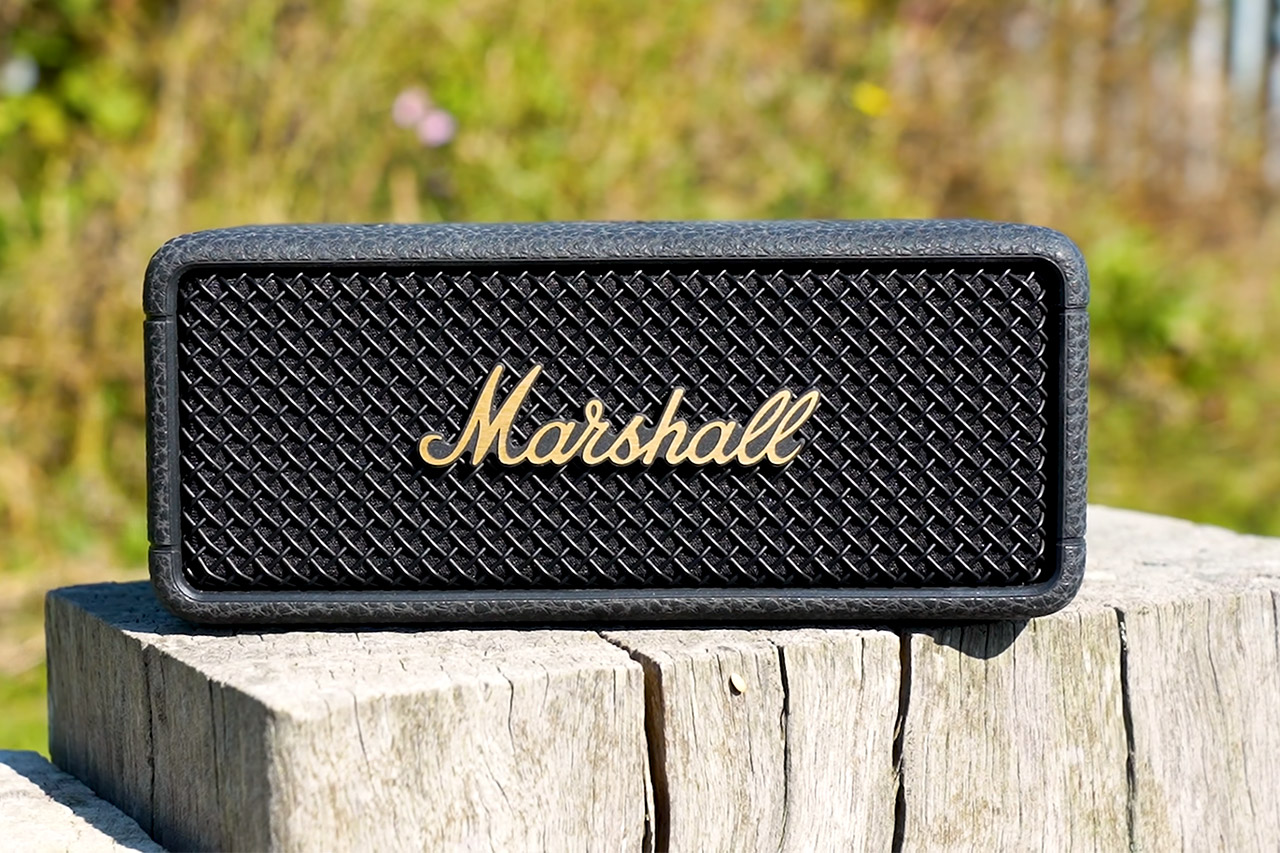
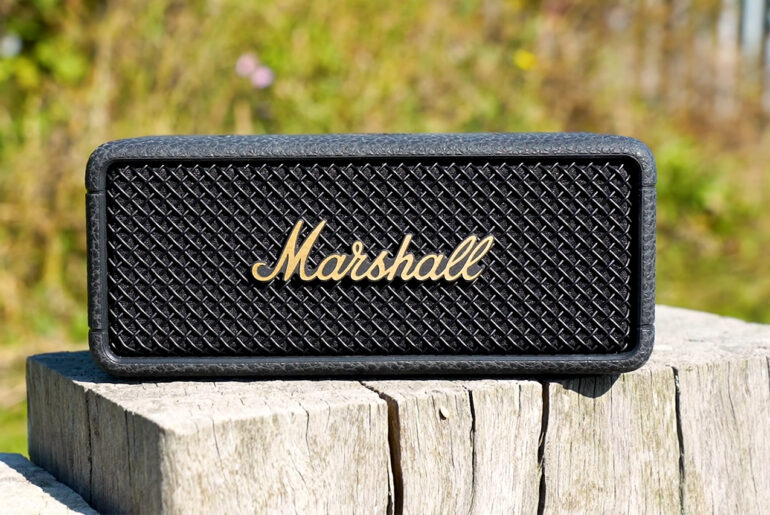
Marshall still builds its portable speakers to look like the cabinets that sit behind guitarists. Emberton III, priced at $99.99 (was $180), keeps the script logo, the metal grille, and a textured sleeve that feels closer to an amp cover than a smooth plastic pebble pulled from a beach bag. Black and brass is the familiar pairing. Cream, brown, sage, midnight blue, black and silver, and a couple of darker finishes sit on the same body. At 6.3 inches wide, 2.7 inches tall, and 3 inches deep, the whole unit weighs 1.5 pounds, light enough to slide into a day bag without rearranging everything else already in there.
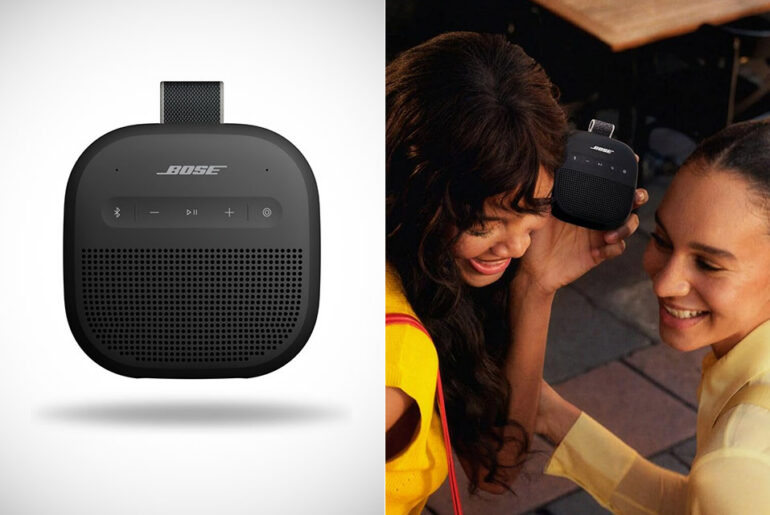
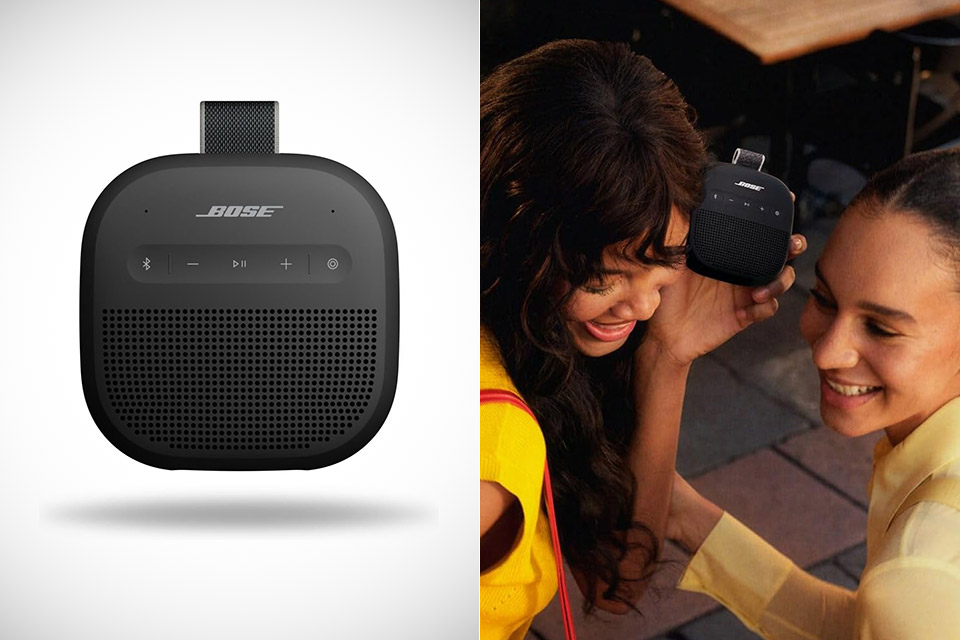
Eight years after the first SoundLink Micro, Bose shipped a second version that fixes the parts people actually complained about. The SoundLink Micro (2nd Gen), priced at $99 (was $129), still sits in a palm, still clips to a strap, and still looks like a rubberized river stone with a metal grille. Size is about 4.1 by 4.1 by 1.7 inches and the weight is just over 11 ounces. That is a little larger and heavier than the 2017 original, and you feel the extra bulk only if you compare them side by side.

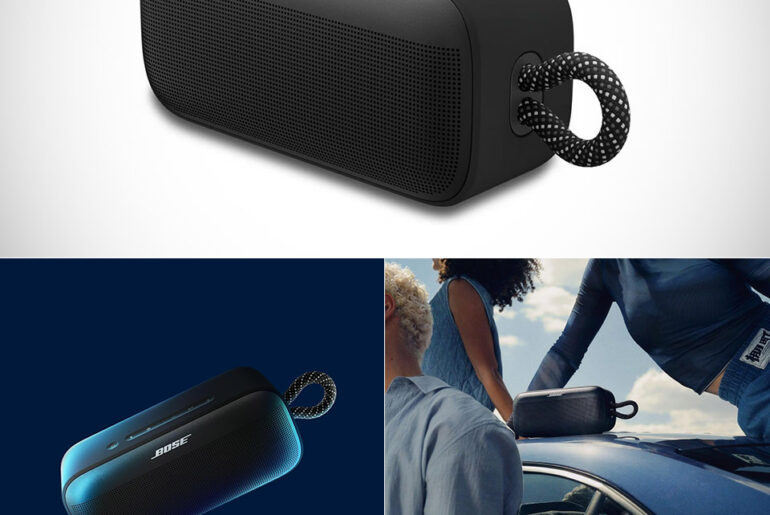
Bose SoundLink Plus landed last summer as the middle size in the current portable family, listed at $269 and frequently closer to $199 (now). About 9.1 inches wide, 3.9 inches tall, and 3.4 inches deep, the speaker weighs 3.3 pounds and includes a nylon rope loop for hanging from a chair, bag strap, or hook.

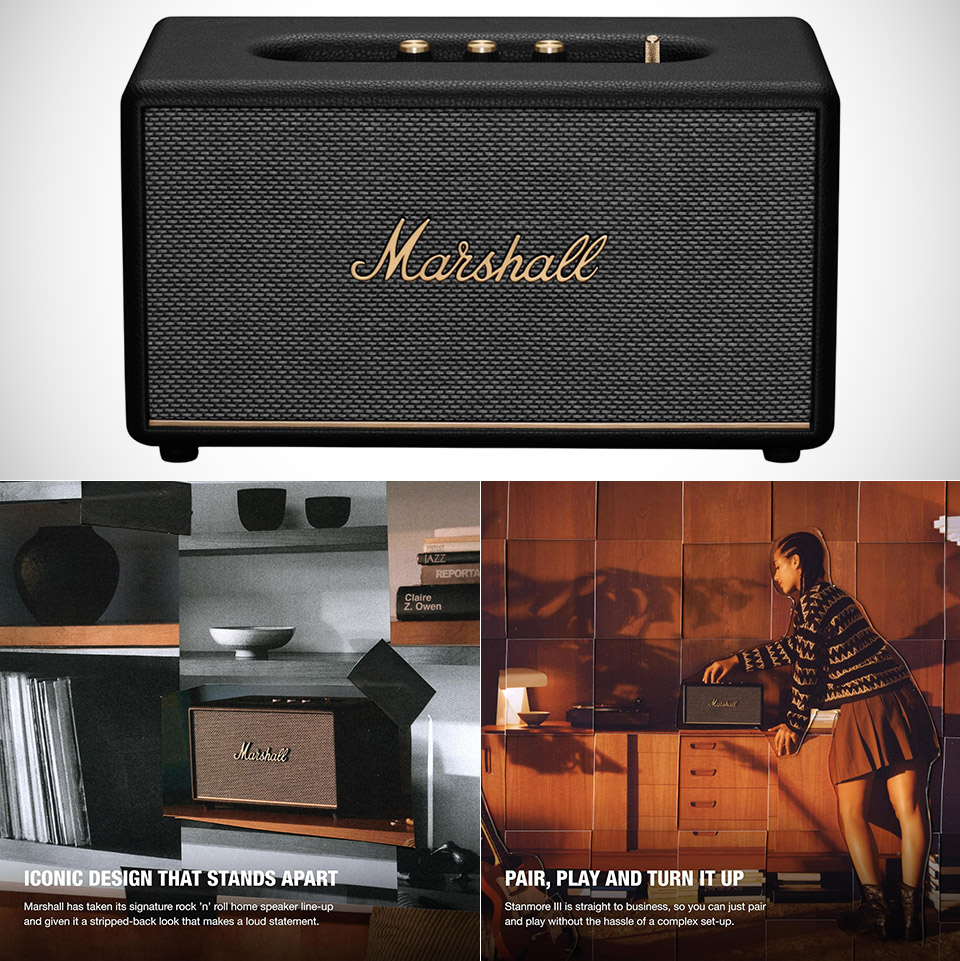
Marshall designed the Stanmore III, priced at $249.99 (was $400), to capture the look and feel of its famous amplifiers while giving people a straightforward way to fill a room with music. The result sits in that sweet spot between lifestyle speaker and serious audio hardware, and it earns plenty of praise as one of the stronger home Bluetooth options available. A cloth grille stretches across the front with the gold Marshall script logo front and center. Leatherette sides and top give it a durable, premium texture that feels good to the touch. Brass-finished knobs and switches on the upper panel complete the vintage amplifier impression without looking like a costume piece.

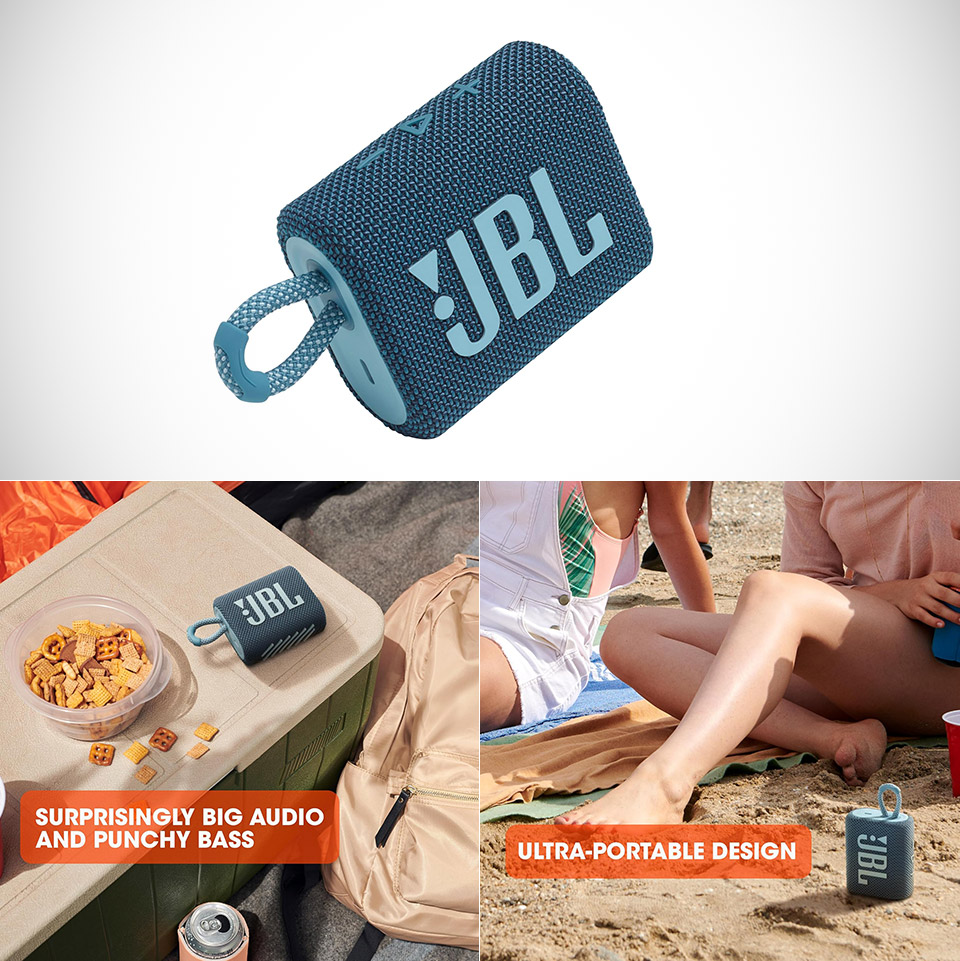
Smartphone and laptop speakers often leave music sounding thin and uninspiring, especially when you want to share a track or enjoy it outdoors. The JBL Go 3, priced at $29.95 (was $40), offers a straightforward fix that fits easily into daily routines or weekend escapes. Compact enough to slip into a jacket pocket or clip onto a backpack strap, the speaker measures about 3.4 inches long, 2.7 inches tall, and 1.6 inches deep. It weighs just 0.46 pounds. A sturdy fabric loop on one end turns carrying into a simple clip-on task.

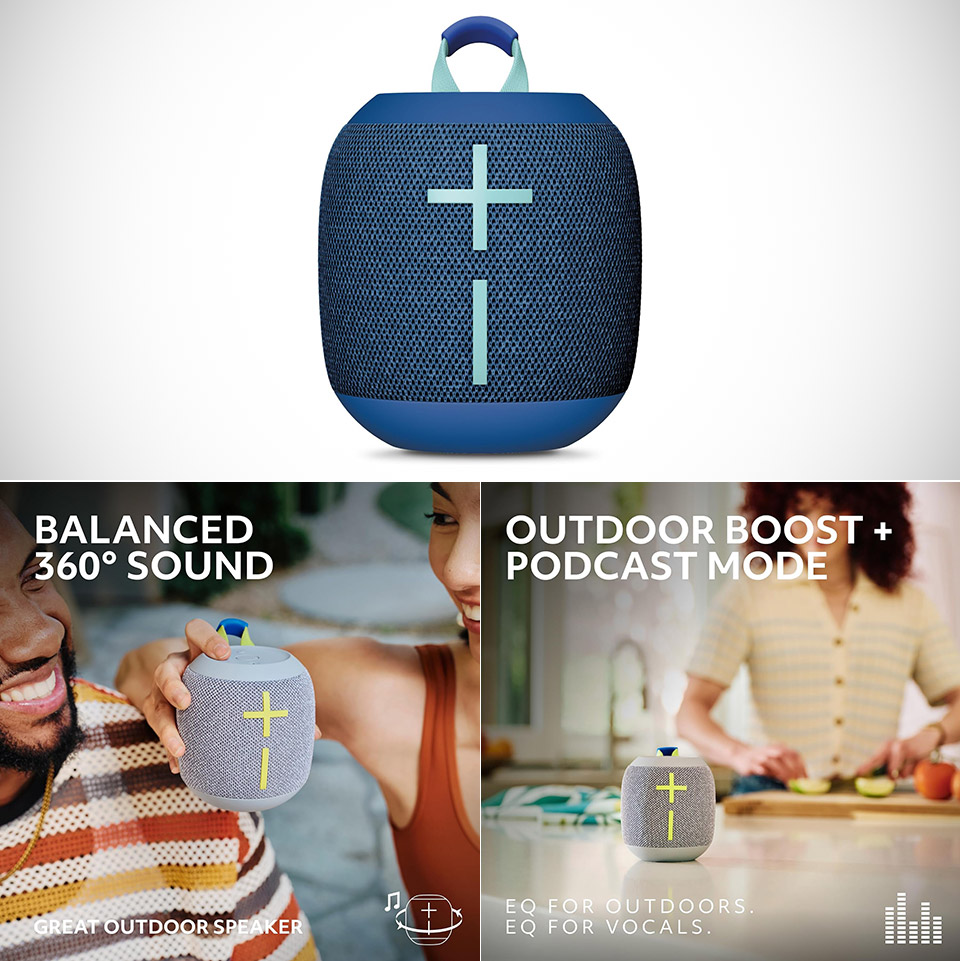
Looking for a portable Bluetooth speaker that will not disappoint in terms of performance? The Ultimate Ears WONDERBOOM 4, priced at $51.44 (was $100), is an ideal fit. It fits neatly into daypacks or backpacks without adding weight, yet produces music that penetrates through even small spaces and outdoor gatherings with startling power.

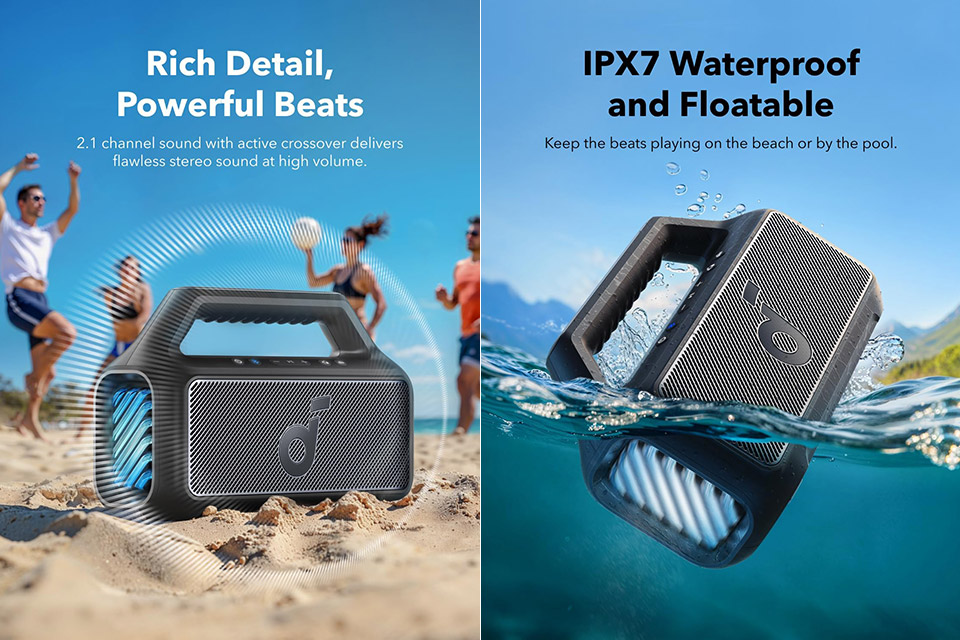
People prefer to bring this portable speaker with them on weekend treks or to backyard gatherings, and before long, they’re using it almost daily. For $90 (was $140), it punches far below what many people expect to pay for portable audio. Anker engineered the Boom 2 to endure whatever life throws at it and still create a sound that’s a lot greater than you’d expect from a speaker of this size.

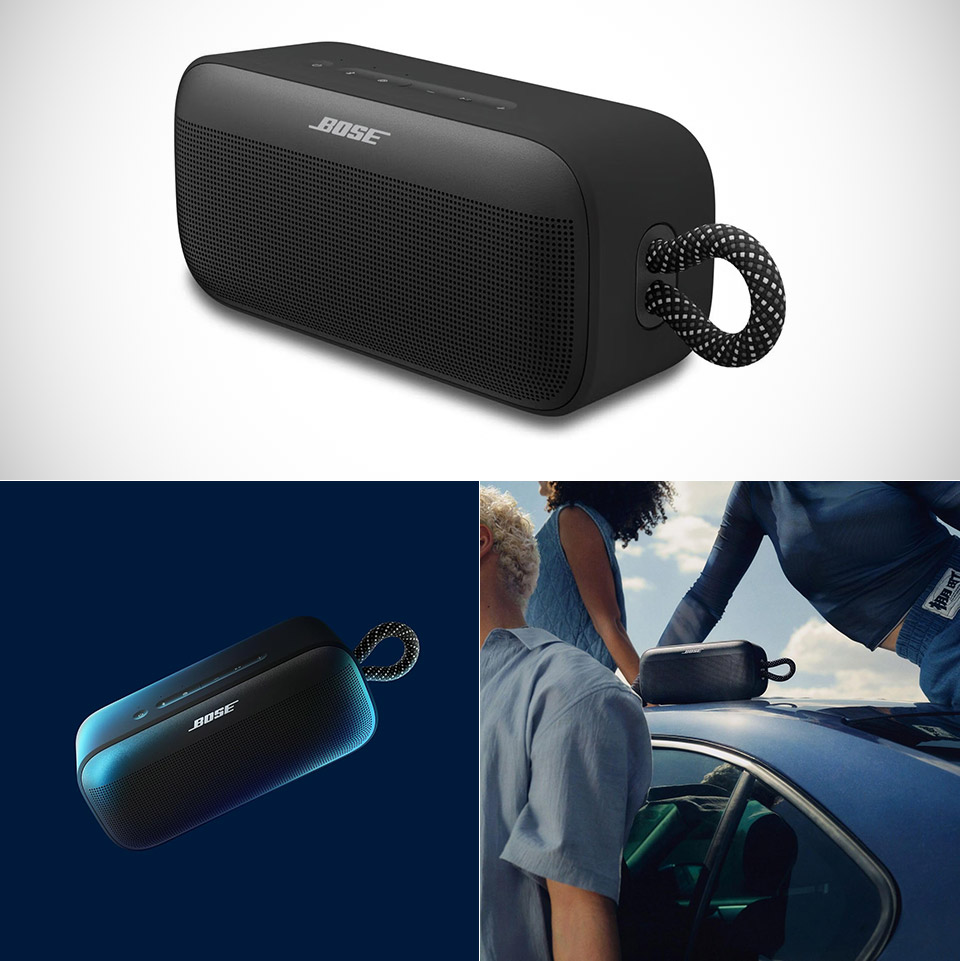
Engineers have managed to compress an incredible amount of audio power into a speaker that is small enough to be held with one hand. Listeners who attach the Bose SoundLink Flex 2nd Gen, priced at $119 (was $149), to a backpack or throw it in a beach bag are in for a surprise: sound that fills a patio or campsite so convincingly that you forget it’s a compact device, with no distortion or muddiness to worry about.

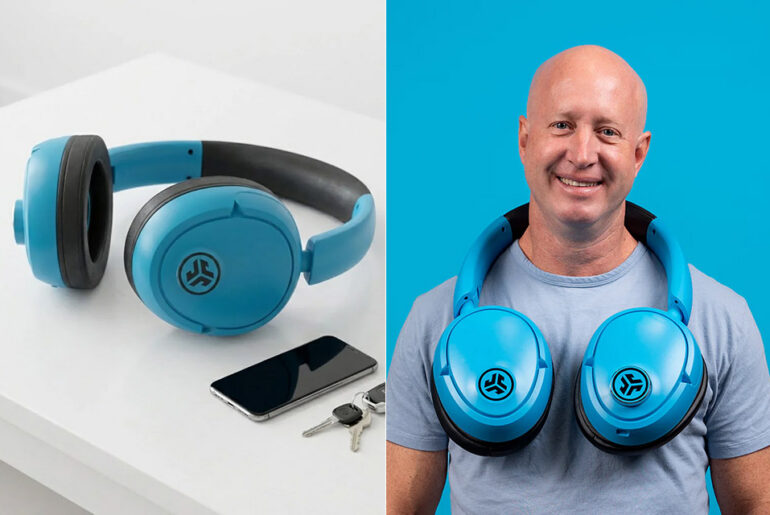
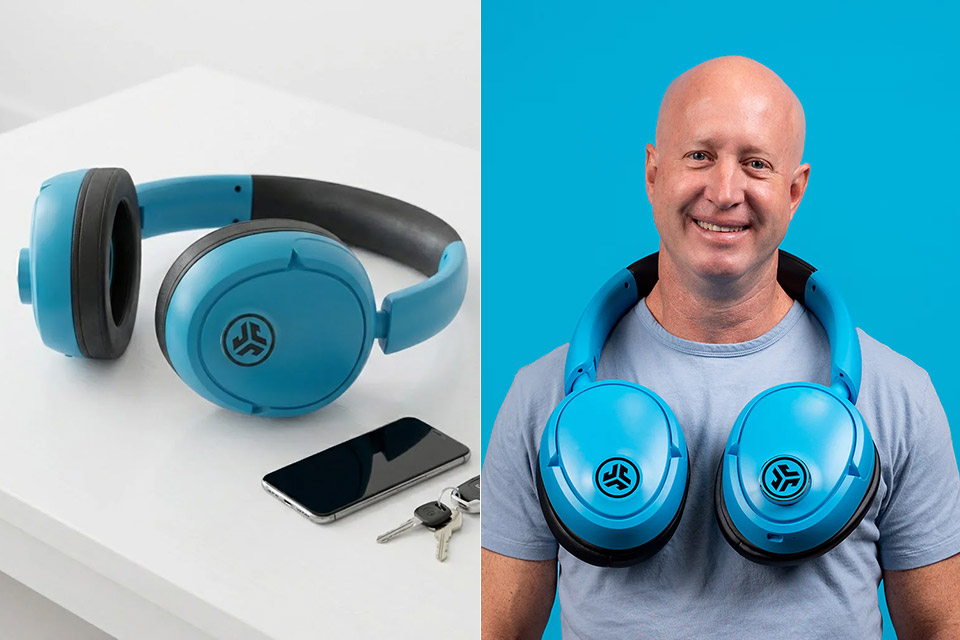
Bluetooth speakers exist in a variety of forms and sizes, but to be honest, most of them are quite basic; they don’t look like they could be used as headgear by a giant. JLab introduced the Blue XL Speaker Headphones last year, and it does an excellent job of blending the design of headphones with that of a speaker.

Gadget Industry wanted to build the world’s smallest Bluetooth speaker, so they began by disassembling a regular module to see how small they could make things. To begin, they ripped the antenna directly off a 3W Bluetooth amp module, then had to rebuild the entire thing by hand after stacking the components. This small electronics stack is slapped onto the back of an 18mm x 14mm 3W speaker driver. A TP4056 charging module received the same treatment, being disassembled and reassembled to fit the small space required.