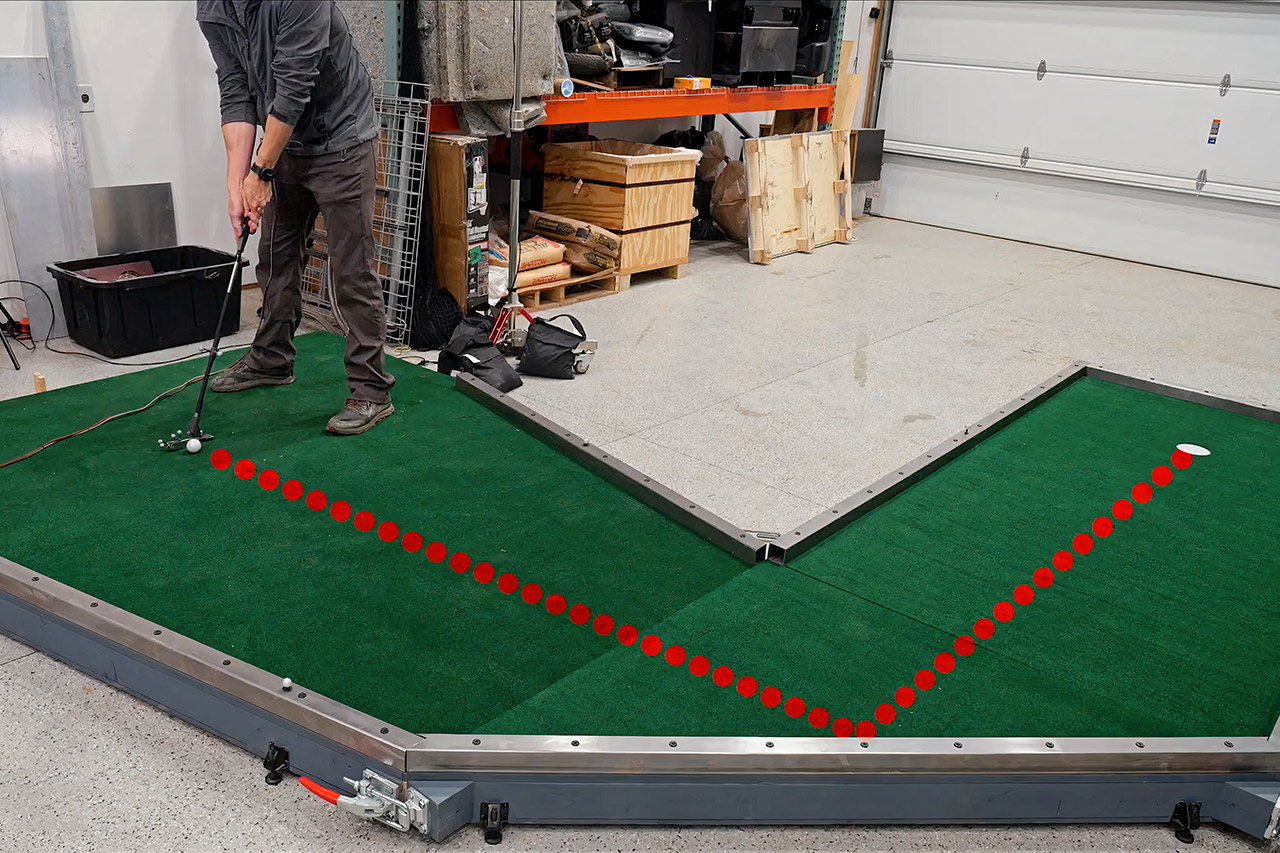
Shane Wighton of StuffMadeHere spent months poring over his robotic golf club’s algorithms, fine-tuning the improvement to truly understand ball physics. It now allows the thing to completely comprehend the complexities of ball movement and plot paths to overcome notoriously difficult mini golf holes designed to confound even the best players. The cameras installed around the course monitor the club, ball, and cup with laser-like precision at all times, feeding into the raw data that the system utilizes to make choices.

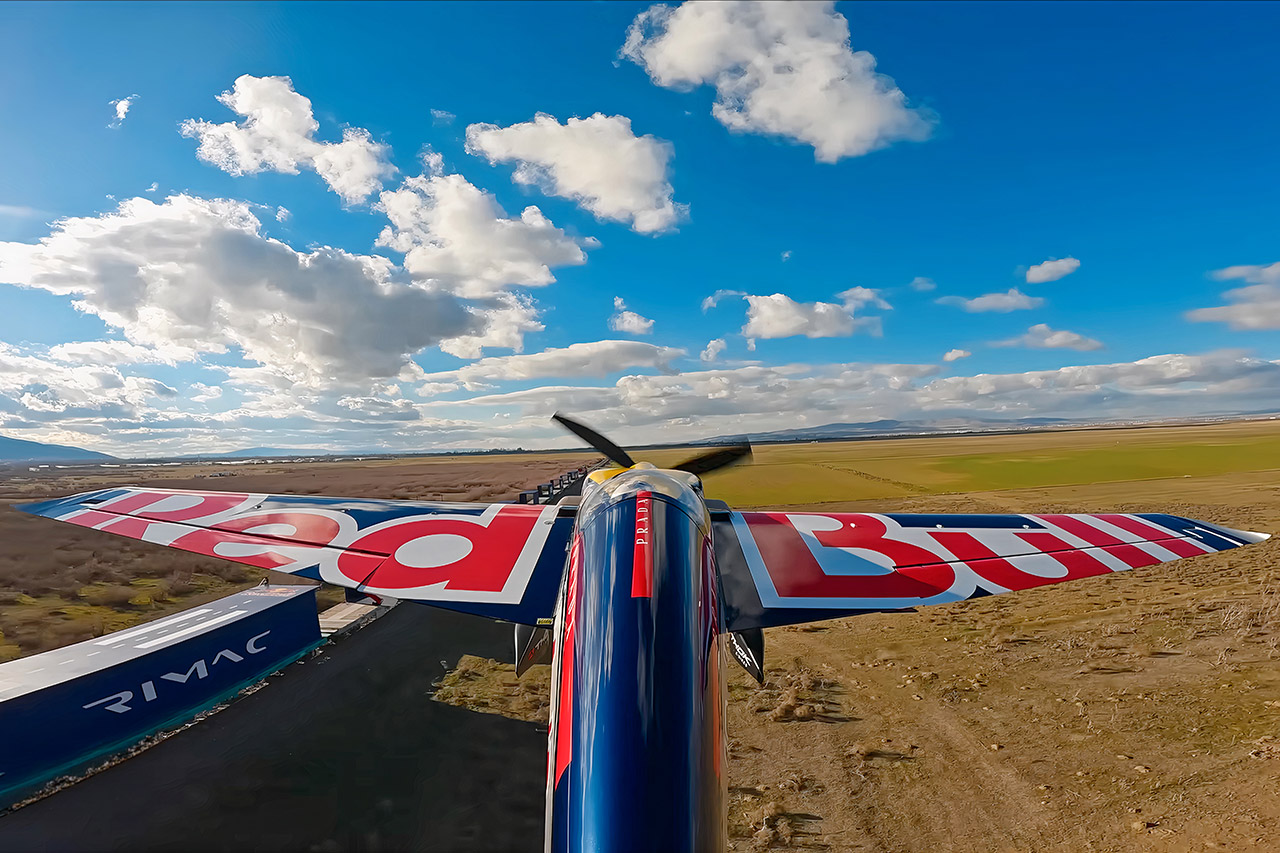
Red Bull pilot Dario Costa lets go of the controls on his trusty Zivko Edge 540 and watches the cargo train thunder into the distance at an incredible 120 km/h (75 mph). On February 15th, 2026, near the Turkish town of Afyonkarahisar, Costa does the unthinkable by landing on the last container, riding out a tumultuous stretch of turbulent air, and powering back out in a single smooth move. No one had ever accomplished the feat of landing and taking off from a moving train in one go.

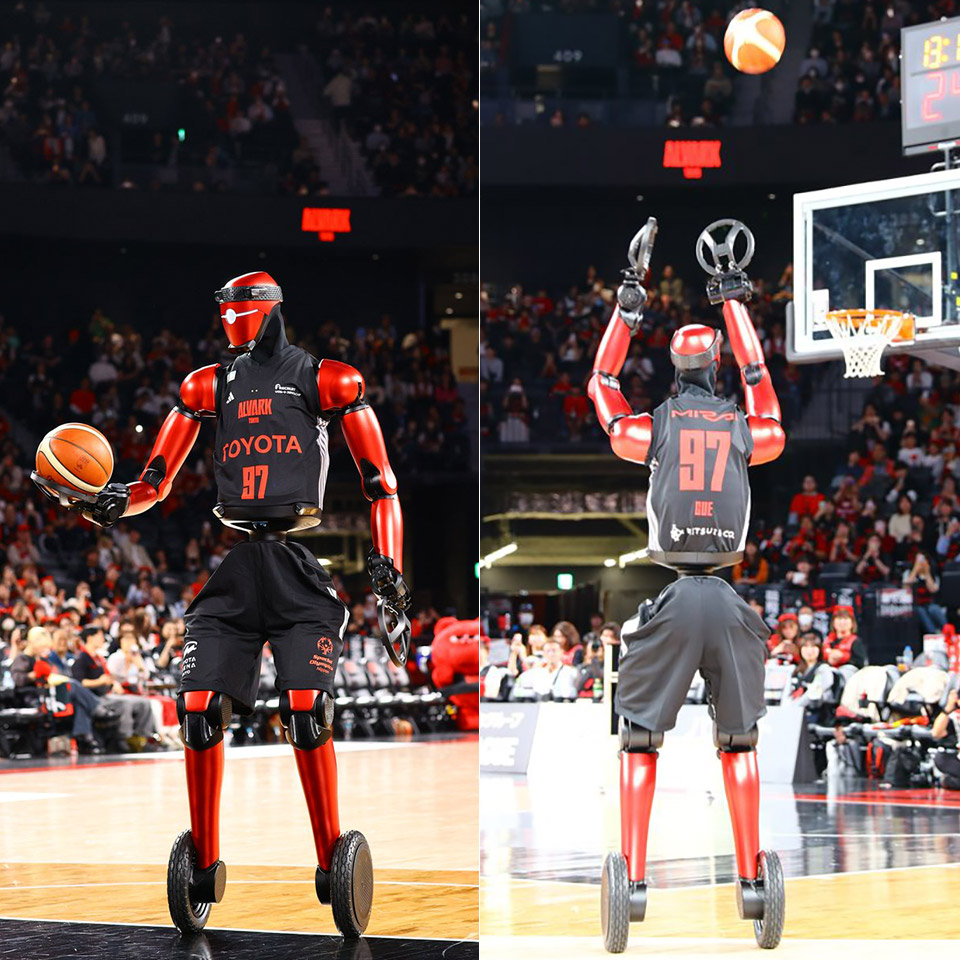
On April 12, crowds flocked to Toyota Arena in Tokyo to witness CUE7 come to life on the court. Standing 219 cm (7’2″) tall, it moved with an unsettlingly steady balance as it retrieved a basketball off the ground. When the robot began to move, it appeared to be playing basketball like any other player, with deft dribbles and precise motions. When the robot took a free shot in front of 8,400 yelling spectators, the ball left its hands in a perfect arc and fell over the net.

The Milano Cortina 2026 Winter Olympics torch, dubbed “Essential,” is a quiet game changer in an object that has been passing the flame around the world for decades. Carlo Ratti, the architect, approached the project with a question in mind: how does an object transmit emotion? His instruction was to pare down to the bare essentials and let the flame do the talking.

Samsung has recently unveiled a special Galaxy Z Flip7 Olympic Edition, just in time for the Milano Cortina Winter Olympics. This limited handset is being distributed to almost 3800 athletes and Paralympians from 90 countries and will not be available in regular stores. They’ll begin handing out the phones on January 30th at Olympic Villages in six host towns, with Samsung staff on hand to set them up, transfer data, and answer any questions.

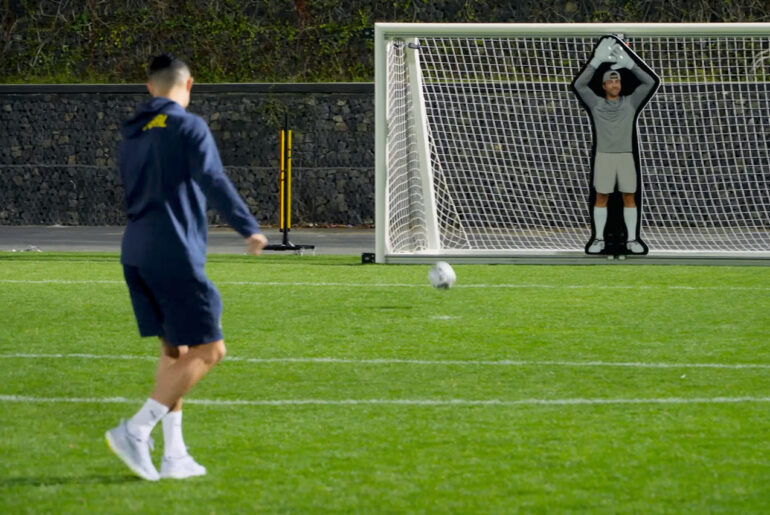
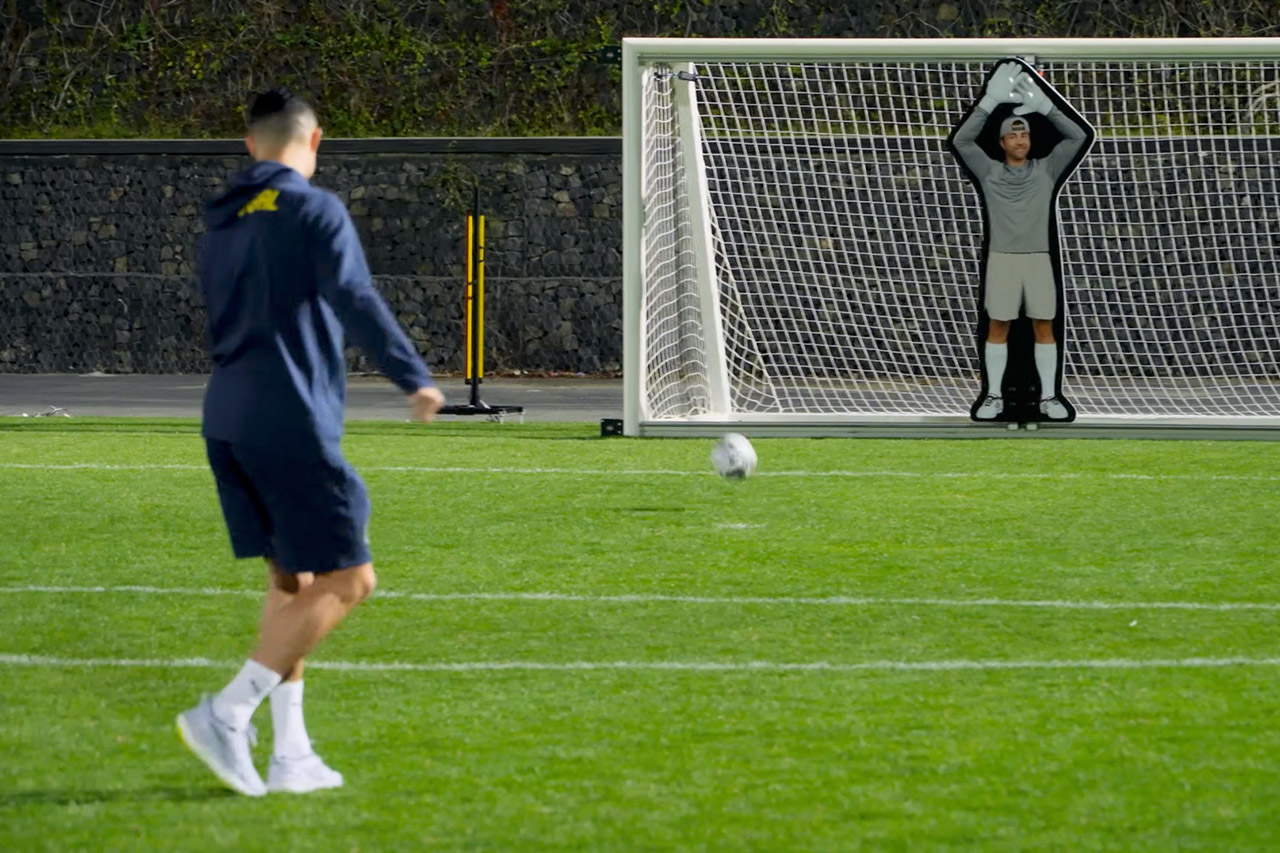
Mark Rober spent years turning backyard experiments into viral social media sensations, from the iconic glitter explosion that foiled package thieves to the mind-bending squirrel mazes that serve as the ultimate obstacle course. His most recent project takes aim at one of the world’s most popular sports. A robotic goalkeeper designed to stand between Cristiano Ronaldo and the net that was inspired from a simple but intriguing question: can engineering prowess defeat athletic genius?

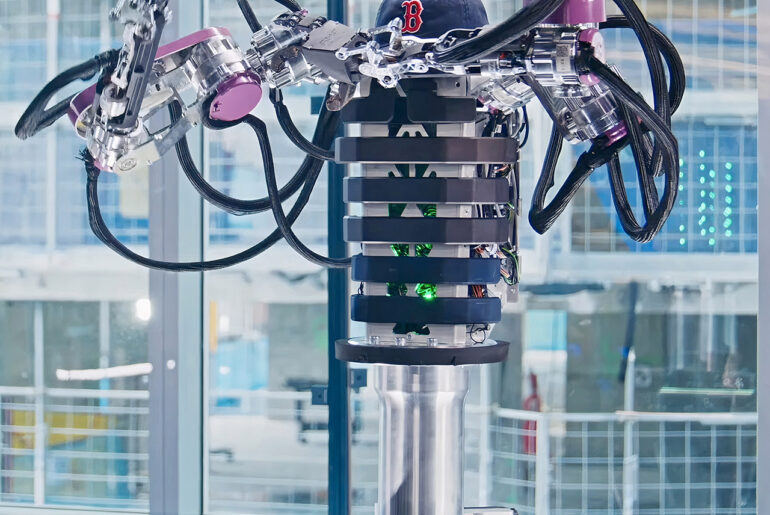
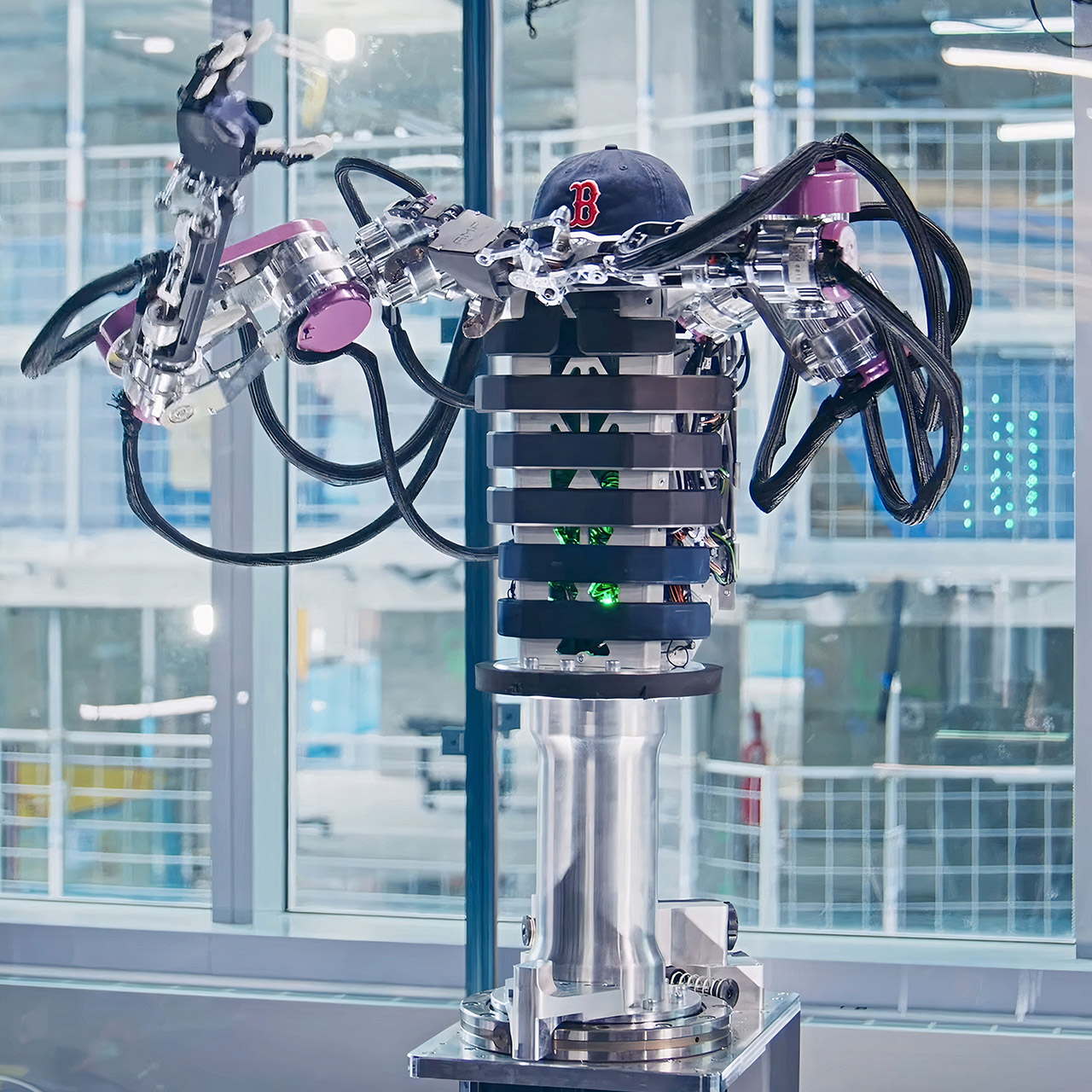
A pair of robots stand seven meters apart on an indoor court, their hands outstretched in the same way that outfielders do. One robot throws a baseball at its partner at 70 mph, which is a pretty good high school fastball, while the other’s receiving arm springs forward in a blur to catch the ball mid-air with a quiet thud against a bespoke glove. Without missing a beat, the glove flicks back, and the robot whips the ball back, creating a flawless arc through the air. All of this was captured on camera in a brief tech demo by RAI Institute researchers last week.

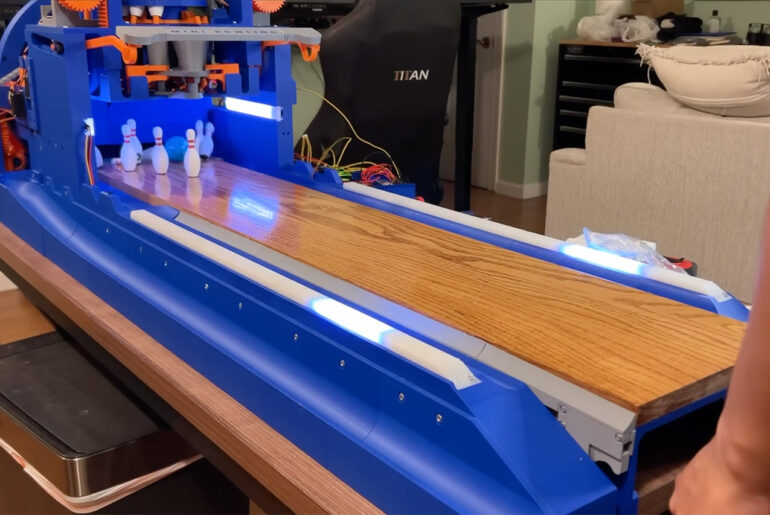
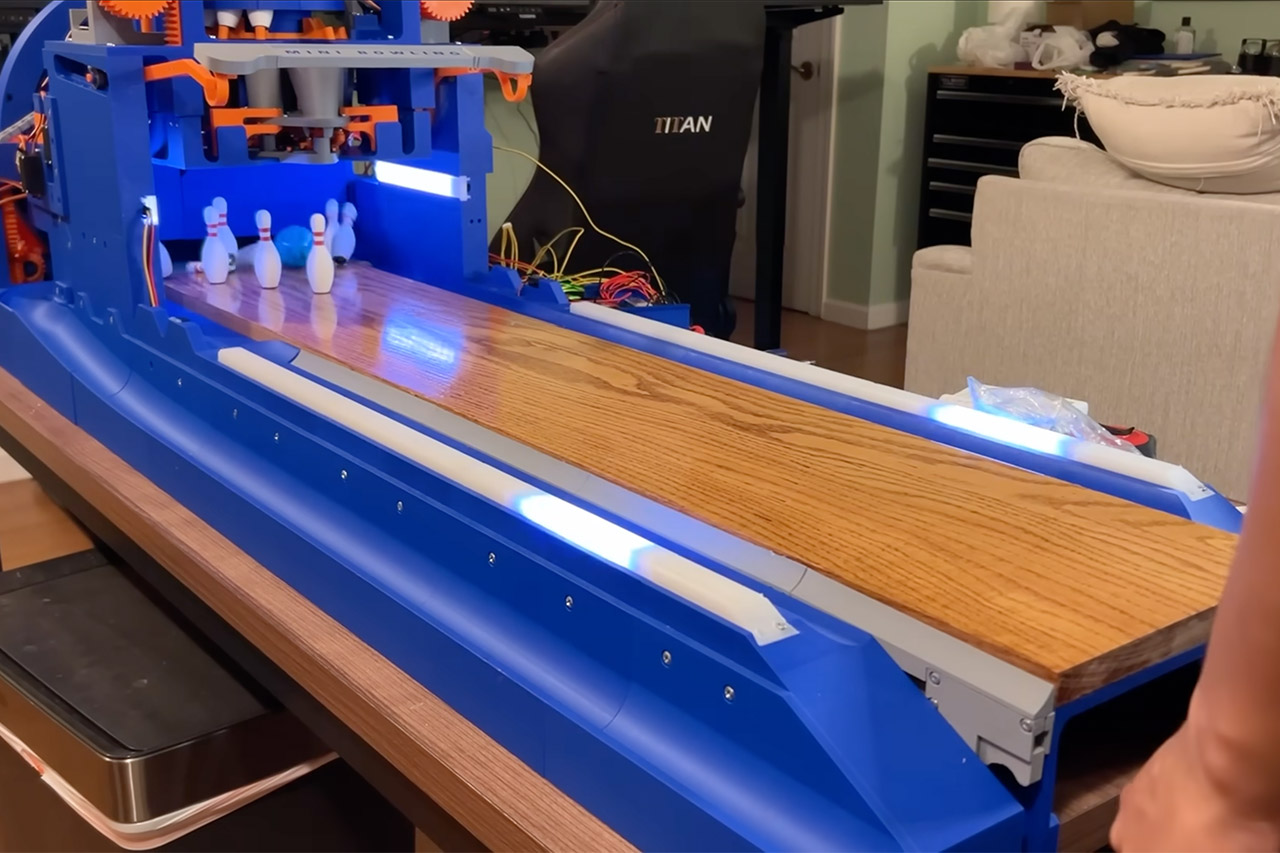
Danny Lum spent more than a year attempting to make a completely insane idea into reality. He had an idea for a mini bowling lane that he could simply set up on his kitchen table, with just as many features as the real thing, including pins that arranged themselves after each roll. What began as a peaceful little side project during those long evenings at home quickly grew into something far larger than he had anticipated.