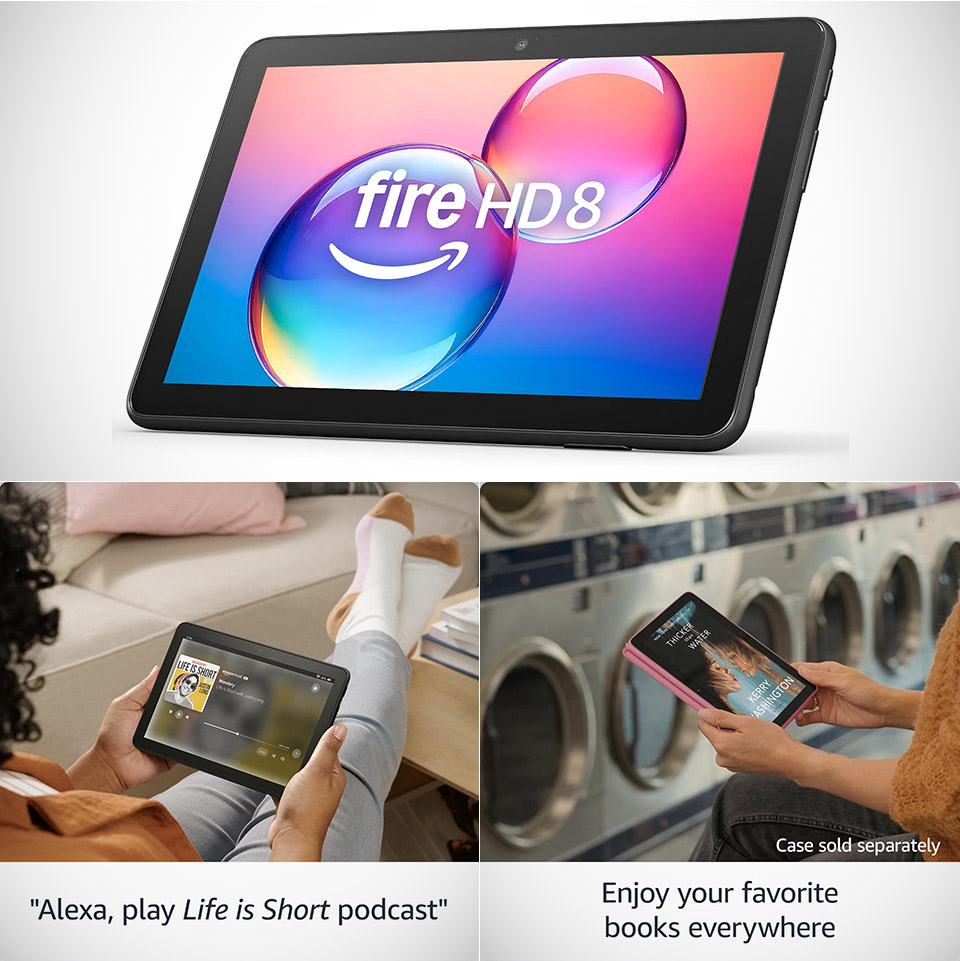
Amazon still sells an 8-inch tablet you can toss in a backpack or a carry-on and not treat like jewelry. Fire HD 8 in its 12th-generation line, priced at $84.99 (was $130), updated again in 2024, keeps the same 7.94 by 5.40 by 0.37-inch polycarbonate body and 11.88-ounce weight that made earlier versions easy to forget until you needed a screen. Black, Emerald, and Hibiscus covers have a light texture that hides smudges. USB-C sits on the edge next to a 3.5mm headphone jack that most newer tablets have already abandoned, plus a microSD slot that accepts cards up to 1TB, while dual speakers fire from the bottom in landscape.

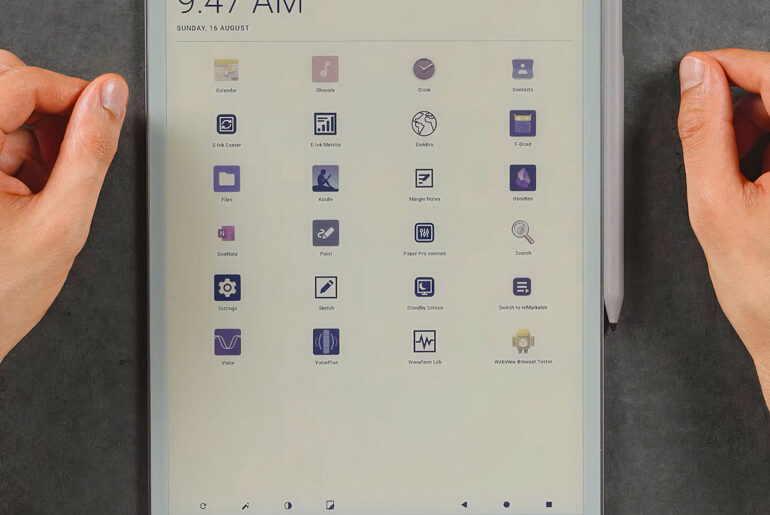
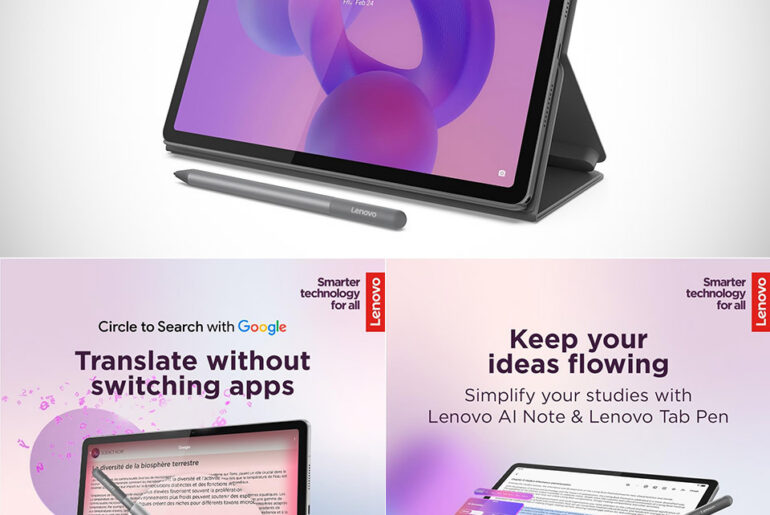
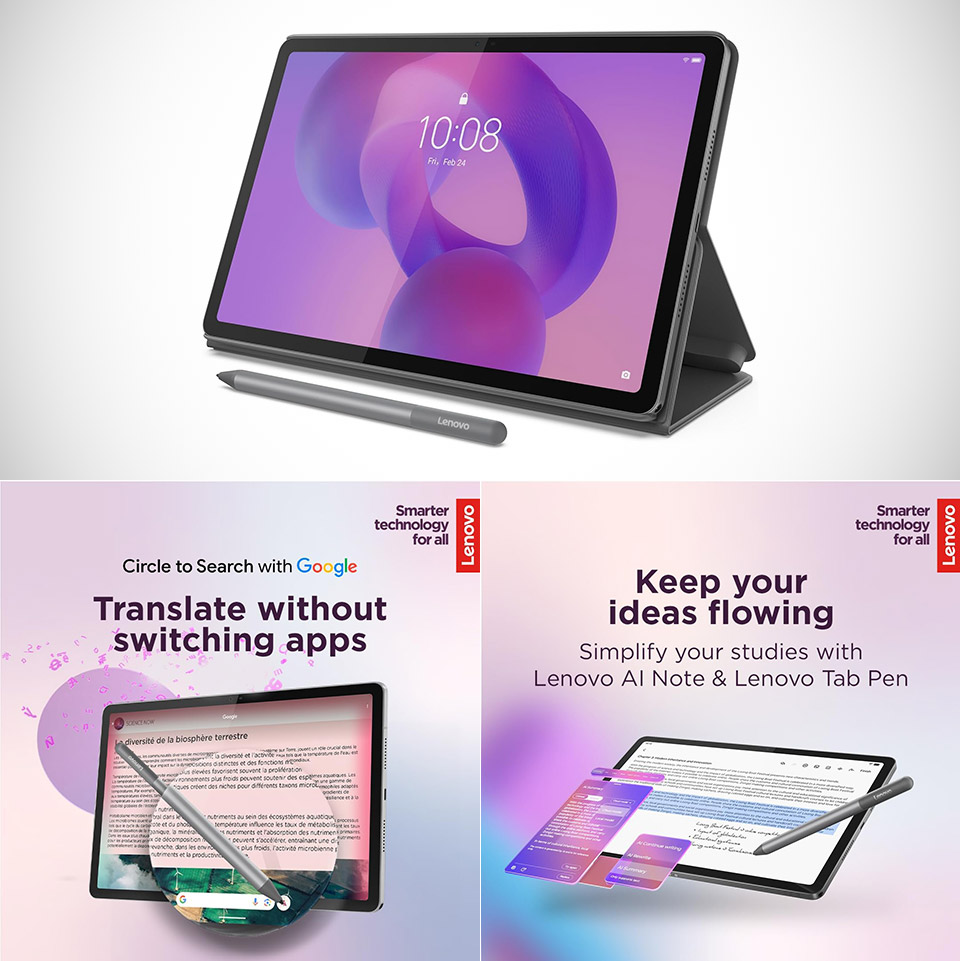
Students and casual users looking for a basic Android tablet are usually forced to choose between bare-bones devices that seem limiting and more expensive models filled with capabilities they may never use. Lenovo’s Idea Tab, priced at $149.99 (was $218), sits squarely in the middle of that range, offering a useful combination of screen quality, battery life, and accessories that make it functional right out of the box.

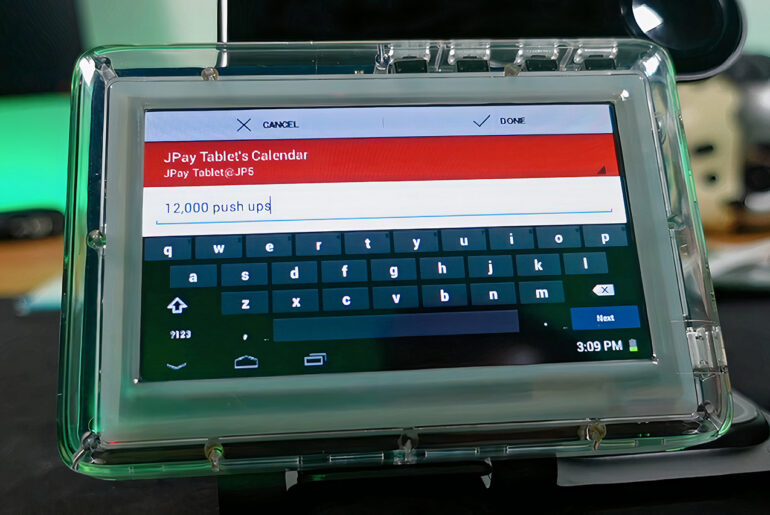
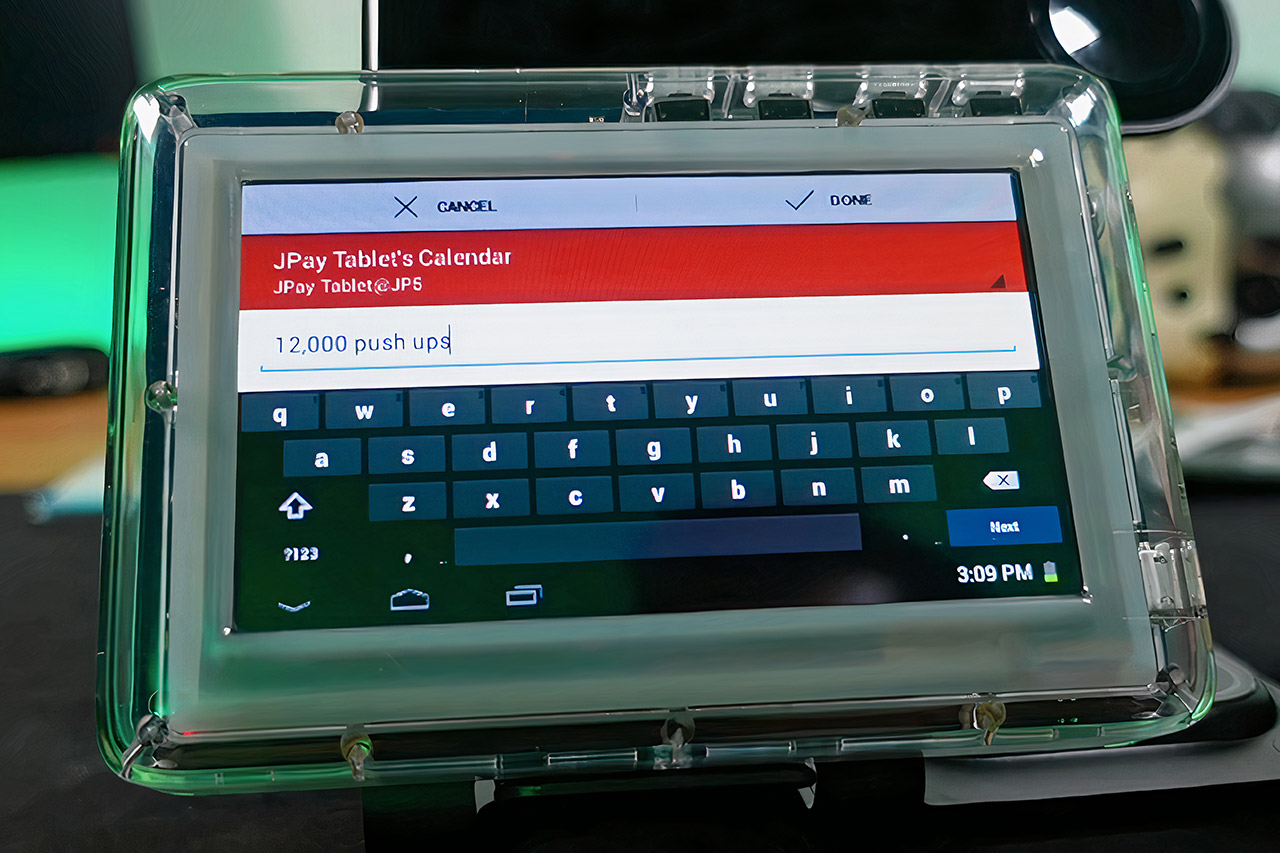
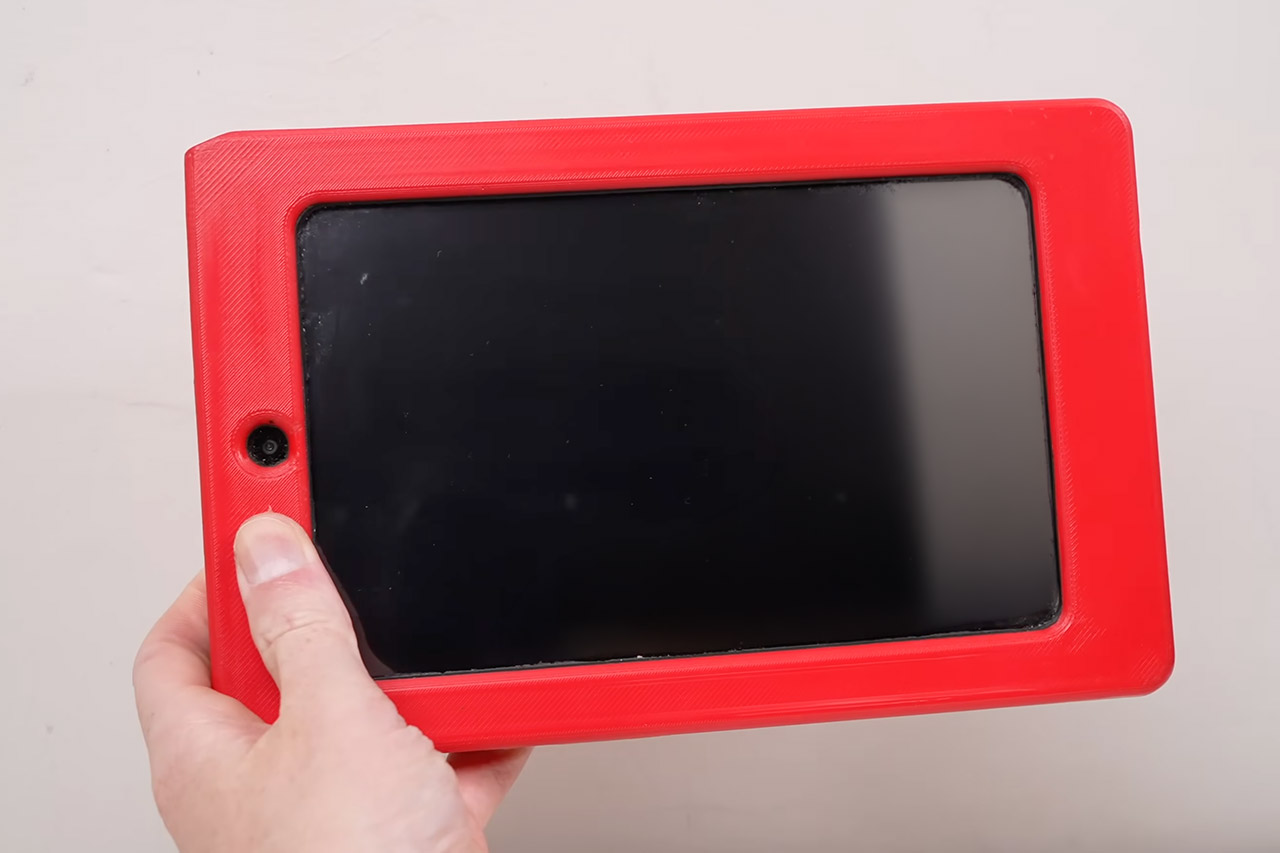
Johnzoid, the YouTube collector who spends his time hunting down the strangest electronics you can find, recently scored something that used to require a prison sentence. He ordered a JPay JP Mini 5 tablet on eBay, the same small device handed out free to inmates in multiple state systems. When the package arrived, it still carried the full institutional paperwork and a device ID that looks an awful lot like an inmate number.

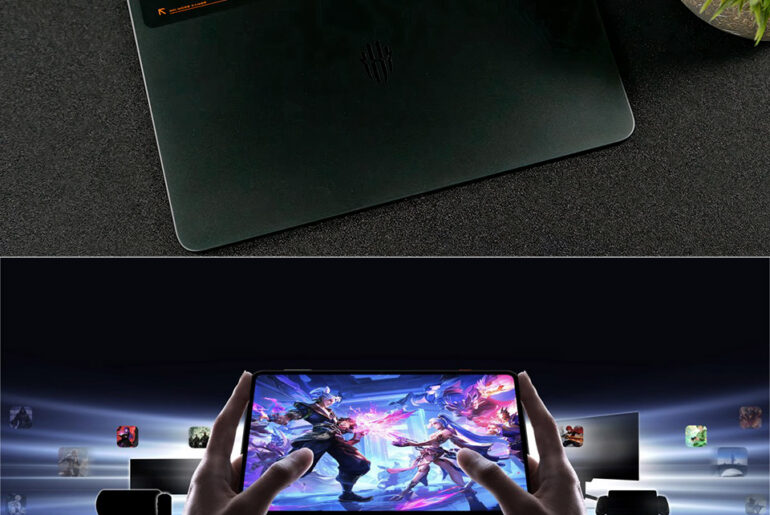
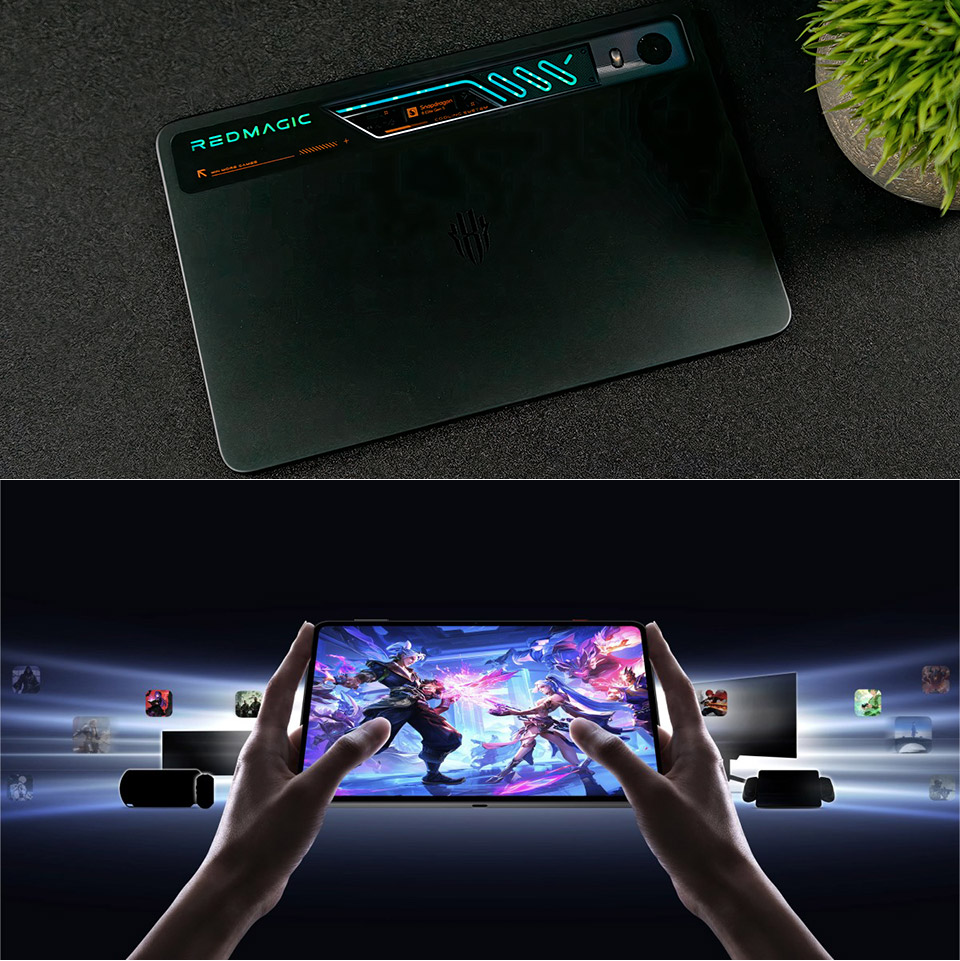
Compact tablets often struggle when games demand steady power over long sessions. Heat builds up fast, forcing the processor to slow down just when players need consistent frame rates. RedMagic tackled that problem head on with the Astra 2.

Prison tablets offer a few basic purposes: to provide approved entertainment, messaging, and limited services to those jailed while limiting access to anything else. Manufacturers go to great pains to reinforce these boundaries through hardware and software decisions.

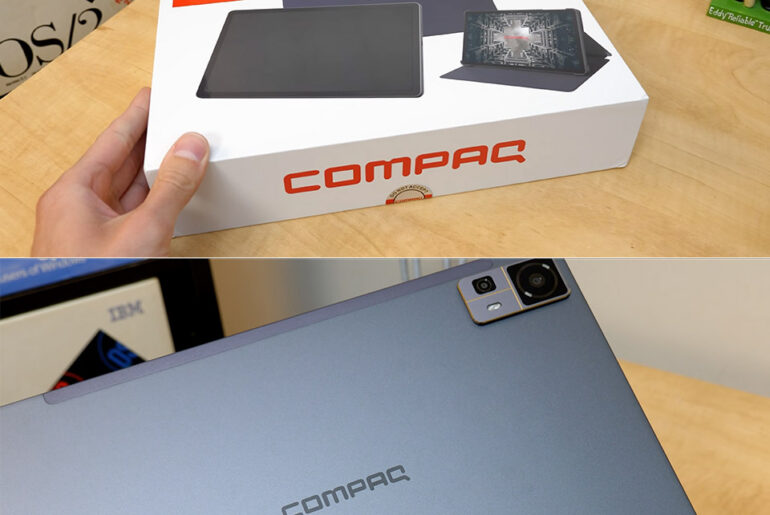
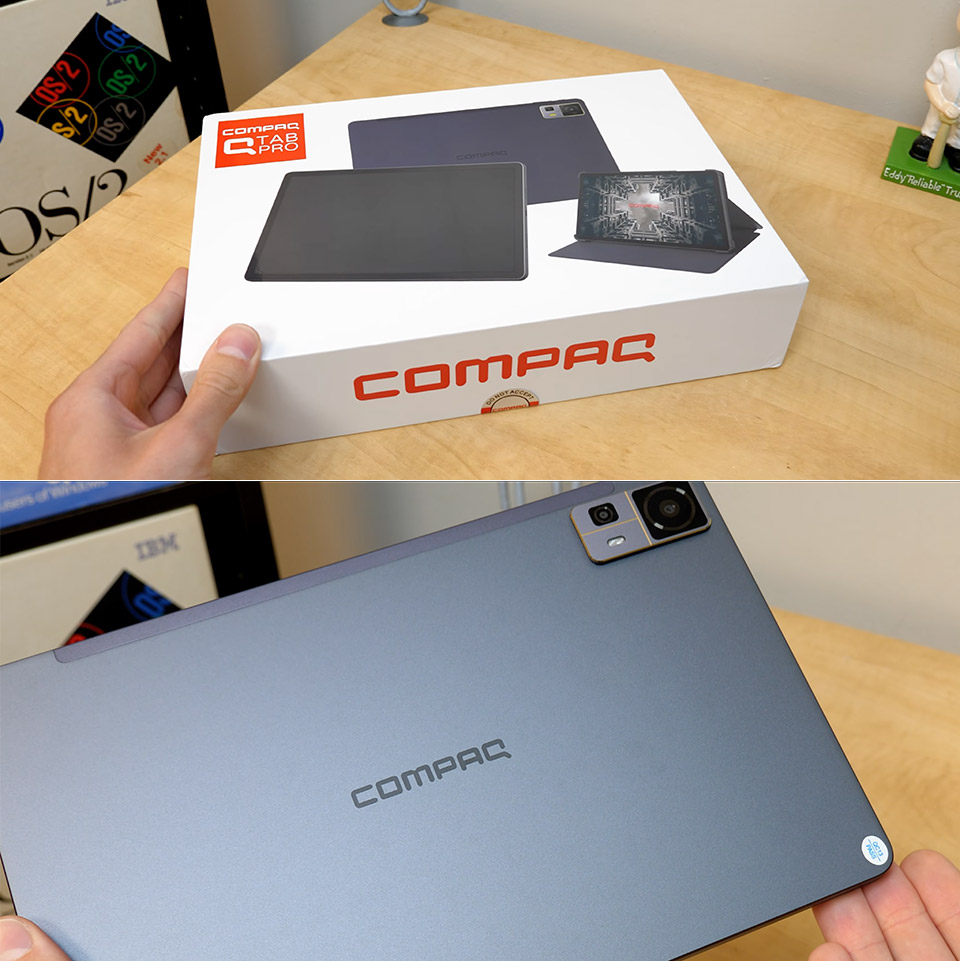
Compaq once stood as a giant in personal computers. Decades later, the brand lives on through licensing agreements with other companies. One result is the Qtab Pro, an 11-inch Android tablet now available on store shelves. The story behind it mixes history with everyday hardware in ways that keep drawing attention.

OPPO has released a new compact tablet aimed for users who want a lot of power but don’t want to carry a large device around. At only 5.39mm thick and weighing a svelte 279g, the OPPO Pad Mini easily fits into a bag or even a decent-sized pocket. The body was built with a combination of anodized as well as sandblasted metal, and it feels somewhat substantial while remaining absolutely lightweight in the palm. You’ll get three colors at launch: Space Grey, Monet Purple, and Peppermint Green. A magnetic strip along one edge keeps the OPPO Pencil 3 Pro stylus clean, eliminating the need for fussy clips or cases.

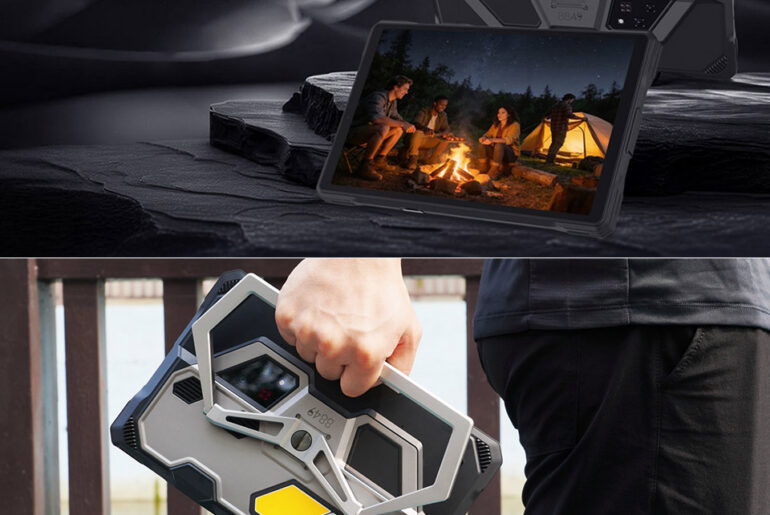
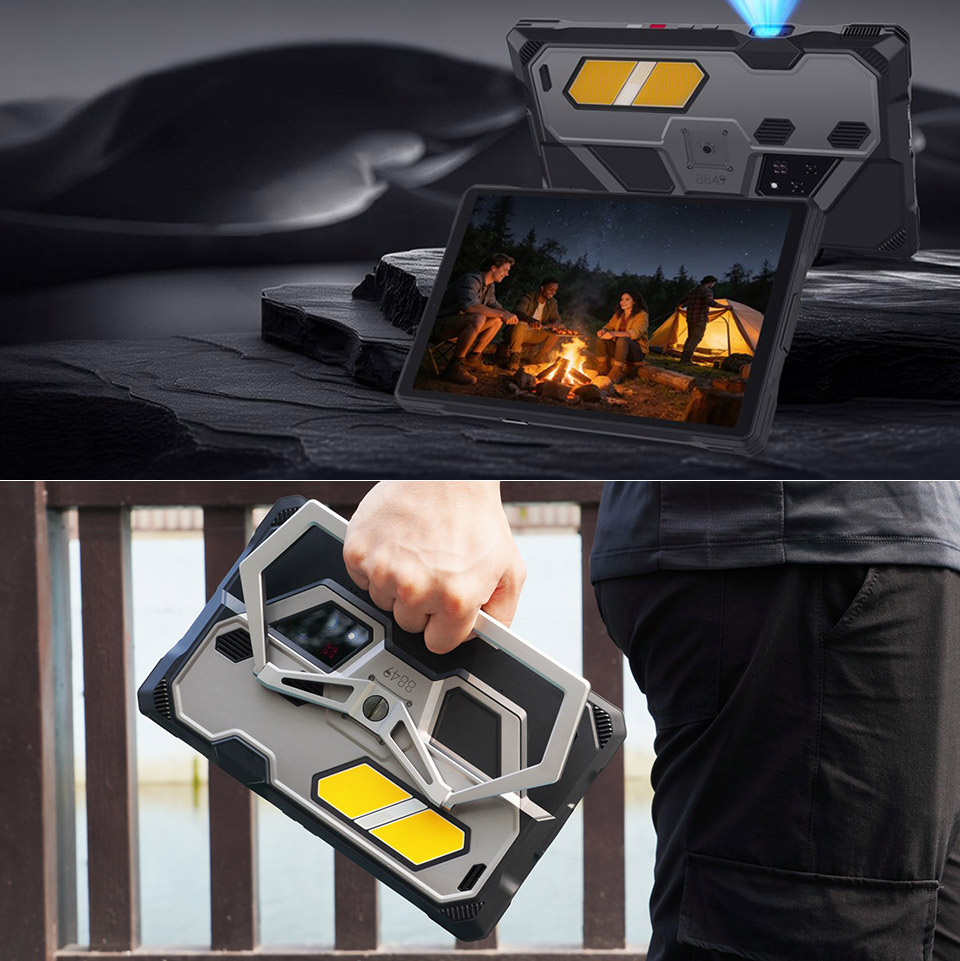
8849’s Tank Pad Ultra is a rugged beast, weighing over three pounds and measuring 10.6 x 6.7 x 0.9 inches. On the other hand, it has a lot going for it, including a screw-on handle that hooks securely in the rear and swings out to provide a very sturdy stand for watching or projecting videos. Plus, it’s quite water resistant, so you can take it outside or throw it in a backpack without fear of it breaking.

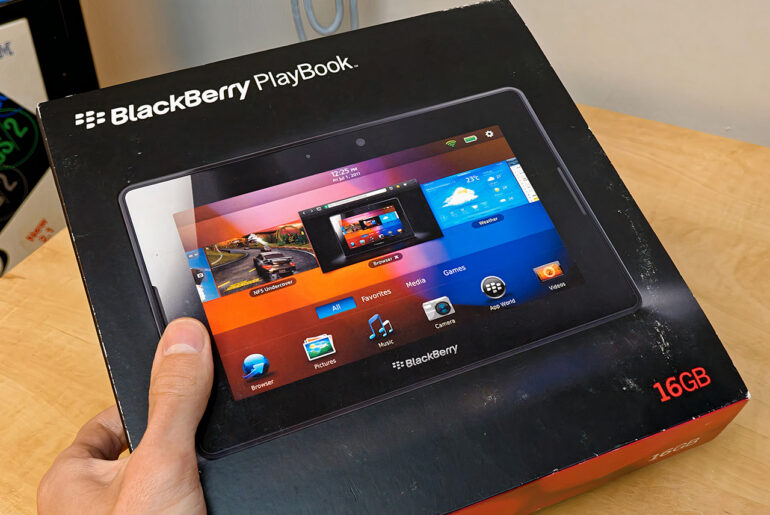
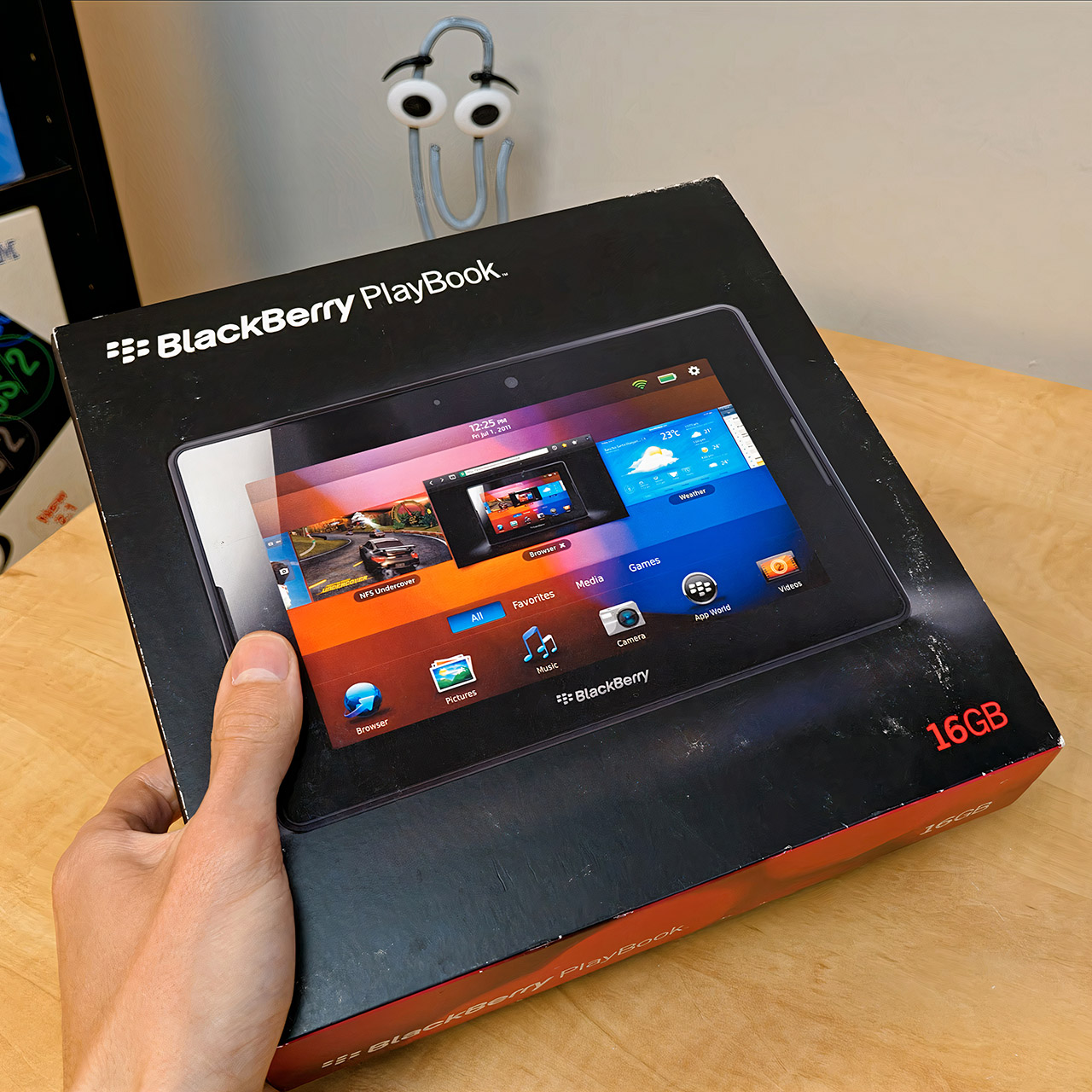
BlackBerry entered the tablet market in the spring of 2011 with the PlayBook, a 7-inch tablet that had to compete with larger offerings from Apple and others. People who picked one up quickly noticed how portable it was, fitting easily into a bag or coat pocket for on-the-go use.