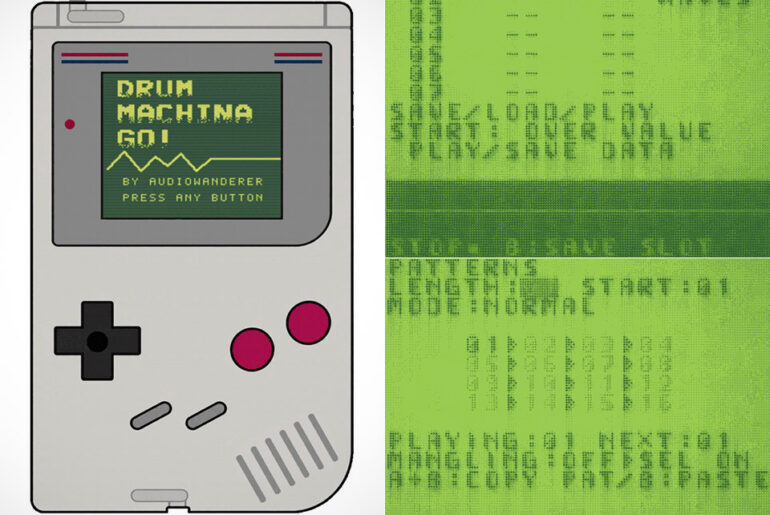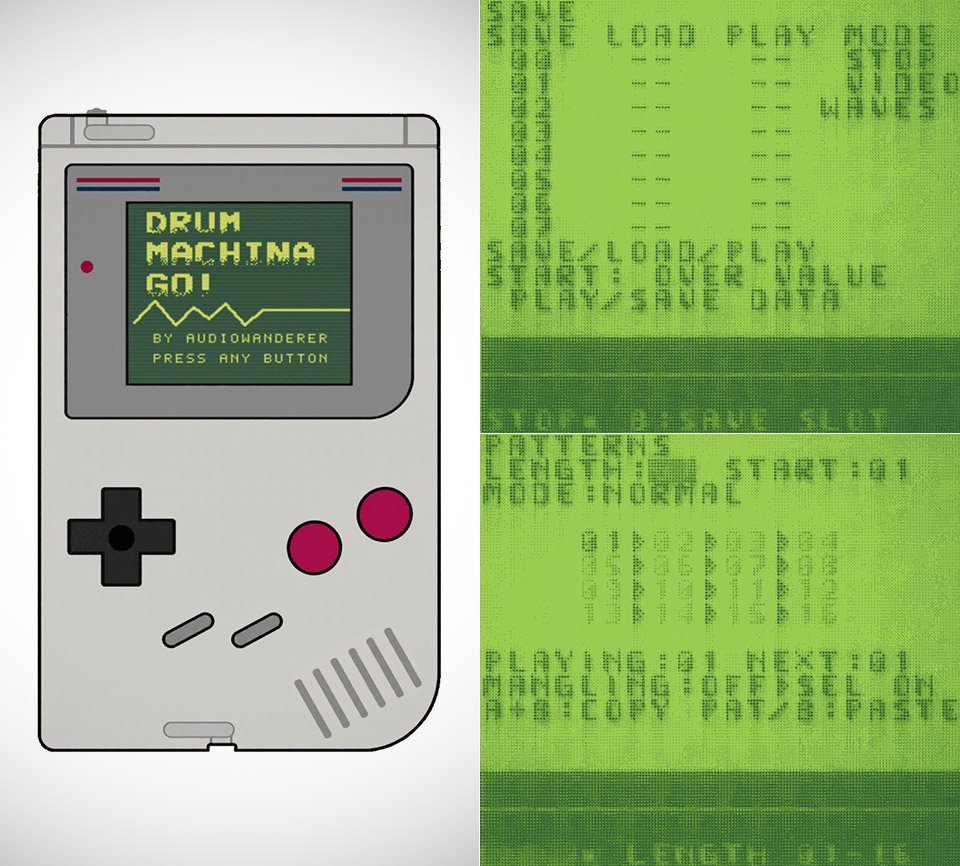
In October 2025, LEGO released its 421-piece Game Boy kit, which is an almost full-size plastic tribute to Nintendo’s 1989 handheld. It’s near enough to the actual thing that the familiar gray shell, pink A and B buttons, cross-shaped control pad, volume wheel, and cartridge slot feel perfect in your hand. Two brick-built carts for Super Mario Land and The Legend of Zelda: Link’s Awakening slide into the back, with lenticular screens displaying the Nintendo logo or brief animated images from both games. Buttons click, but nothing powers on or plays.

Office printers usually sit there doing their quiet job of putting toner on paper. One Samsung C410W now spends part of its time generating infinite blocky terrain and letting players dig, build, and chat across a local network. The project belongs to a maker known as vimpo, the same person who previously convinced a Wi-Fi light bulb to host a Minecraft world.

Arcade floors once filled with the clatter of joysticks as players guided a barbarian, a sorceress, and a dwarf across fantasy landscapes filled with beasts and bandits. SEGA’s 1989 side-scrolling fighter Golden Axe delivered pure power fantasy in short, intense bursts. Now those same characters are returning in a full animated series that puts their personalities under closer scrutiny while keeping the monster-smashing spirit intact.

SEGA spent a lot of money and effort trying to convince people the 32X was worth buying in 1995. One of the attractions they brought to E3 that year was an X-Men game that never made it past the booth. More than three decades later, the Video Game History Foundation pulled a short clip from its E3 1995 archives and put it online. The footage lasts about forty seconds and mostly shows Wolverine running through empty rooms.

Swedish furniture maker IKEA and Microsoft’s Xbox division posted a short Instagram video this week that shows pieces shaped like the buttons and sticks on an Xbox controller. Designers from both companies worked together on the line. A full look at the collection is expected during Gamescom in Cologne, Germany, on August 26.

A short video posted last week shows someone strolling through a dense night-time cyberpunk city. Skyscrapers rise on either side of the streets. Cars roll past. Trees stand along the sidewalks. Pedestrians move about. Everything on screen is made from ordinary keyboard characters: letters, numbers, punctuation marks, and symbols stacked and spaced to form walls, windows, roadways, and moving figures. Grow Now Games, working alone, put the whole thing together inside a single HTML file.

Nintendo finally put its next home system on sale in Japan on June 23, 1996. After years of delays and growing anticipation, the company shipped about 300,000 units for the first day. Every one sold. Three games sat on shelves alongside the hardware: Super Mario 64, Pilotwings 64, and a Shogi (Japanese chess) title limited to that market.

Canon owners who once pointed their EOS 550D at landscapes or family gatherings can now point it at the forces of Hell. A new software module lets the 2010 Rebel T2i (known as the Kiss X4 in some markets) run the original Doom, complete with movement, shooting, sound, and save files, all controlled by the camera’s own buttons and dials.

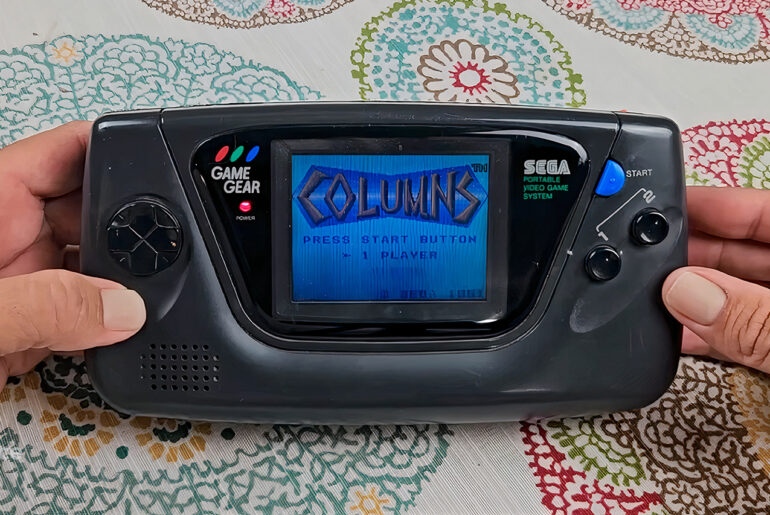
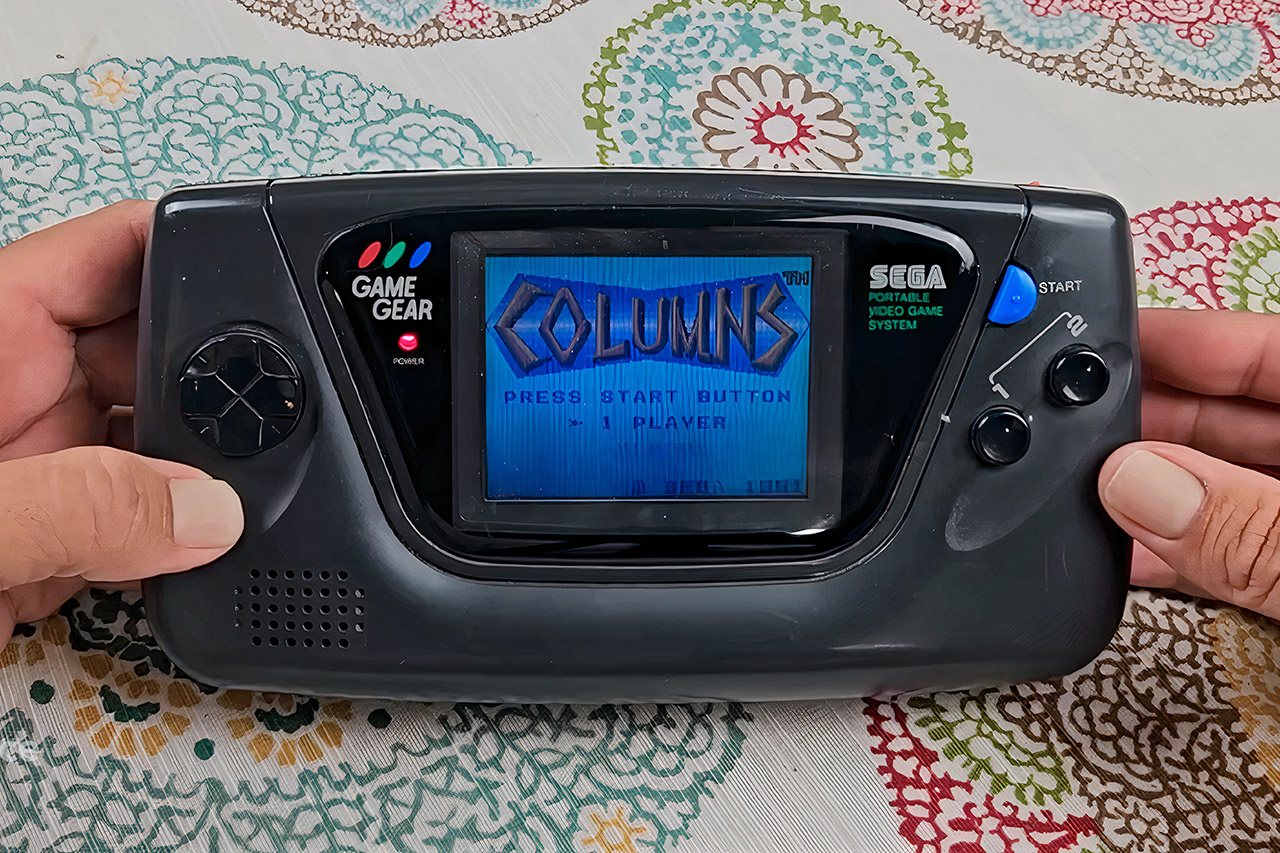
Josh arrived at the GameStop in Clackamas, Oregon, with plastic crates stacked high. Inside sat hundreds of consoles that no longer worked. Staff sorted through PlayStations, Xboxes, Nintendo Switches, Game Boys spanning several generations, a Sega Game Gear, a pair of Sony PSPs, and more. Some units were modern enough to still hold residual value even in poor shape. Others dated back years.