NVIDIA unveiled DLSS 4.5 at CES 2026, marking a significant milestone just a year after its initial debut. There has been a tremendous drive to improve image quality across hundreds of games, and they’ve discovered new techniques to increase frame rates, particularly on the latest technology. Any GeForce RTX graphics card can utilize these much better upscaling functions right away via the NVIDIA app, with more advanced features coming soon.

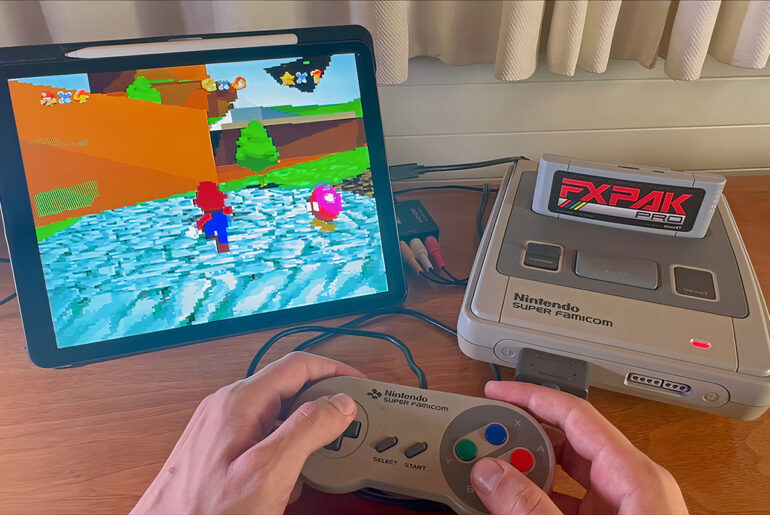
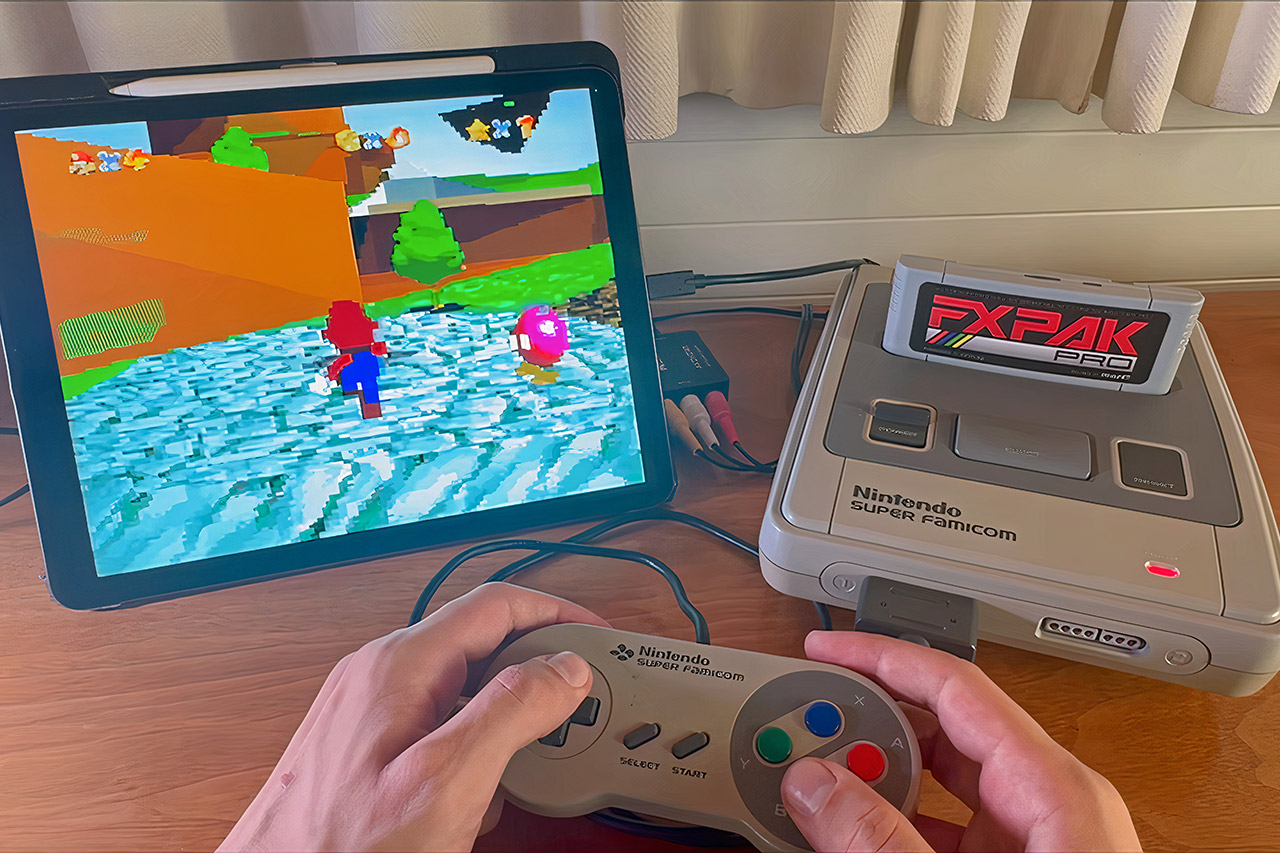
Super Mario 64 has jumped into 2026, but in a microtransaction kind of way. A developer named PrintAndPanic adapted the famous 1996 N64 game and managed to insert real money into every move. Now, the trusty coin slot is used to determine how far Mario can sprint or jump dependent on the amount of cash inserted.

ASUS’ Republic of Gamers (ROG) division has just revealed a pair of augmented reality glasses designed exclusively for gamers who want to see a large screen without having to tote a gigantic monitor around. The ROG Xreal R1 glasses, developed in collaboration with Xreal, a company known for its consumer AR hardware, provide a virtual display right while still allowing you to see your surroundings.

8BitDo has built a reputation over the years for producing top-notch gaming peripherals, but their latest creation, the FlipPad, looks set to genuinely shake things up in the world of mobile gaming. Although the FlipPad wont be officially unveiled until CES 2026, we’ve managed to sneak a peek at this brand new flip-style gamepad.

A game developer named Rebane has thrown a curveball at foldable phone owners. His creation, Foldy Bird, is a very clever clone of the infamous Flappy Bird experience that allows gamers to control the little pixelated bird by opening and shutting their device.

Bitmo Lab’s much-anticipated GameBaby, a protective iPhone case that also serves as a retro gaming controller, has finally been released. First, attach it to your iPhone 15 Pro Max, 16 Pro Max, or the newer 17 series by sliding the top portion over your phone, making sure the volume buttons on the side are secure, and then snap the bottom part on from the bottom up.

ACEMAGIC has just teased the Retro X5, a mini PC that flawlessly matches the nostalgic look of the original Nintendo Entertainment System from the 1980s. The first thing you notice is the grey plastic casing and front-loading cartridge door, which are similar to the original; even the controller ports have been reduced down to fit on your desk.

Photo credit: KajuBuilds
KaijuBuilds has created a new take on Portal 2 for LEGO Ideas, transforming Portal’s apparently infinite test rooms into a hands-on LEGO build with approximately 1280 pieces. Builders start with a large orange base plate covered in little connection points. Tiles snap on securely using short and long connectors held by technic pins and axles. These keep everything stable no matter how often someone rearranges the layout.
![]()
Commodore Amiga computers from the mid-80s had a serious issue with rendering moving images on the screen: their hardware could only handle a maximum of 8 sprites at any given moment. These sprites were the characters, enemies and special effects that made games seem alive. Developers found a way around this limitation, and the finished product was as spectacular as what the Super Nintendo Entertainment System (SNES) accomplished a few years later.

Carlos from Carlos 3D Worlds wondered what happens inside a Pokeball, and his response came in the form of a 2 meter tall spherical that took weeks of experimentation to perfect. Big enough for some unfortunate soul to squeeze in, play some games, and become utterly disconnected from the outer world.