![]()
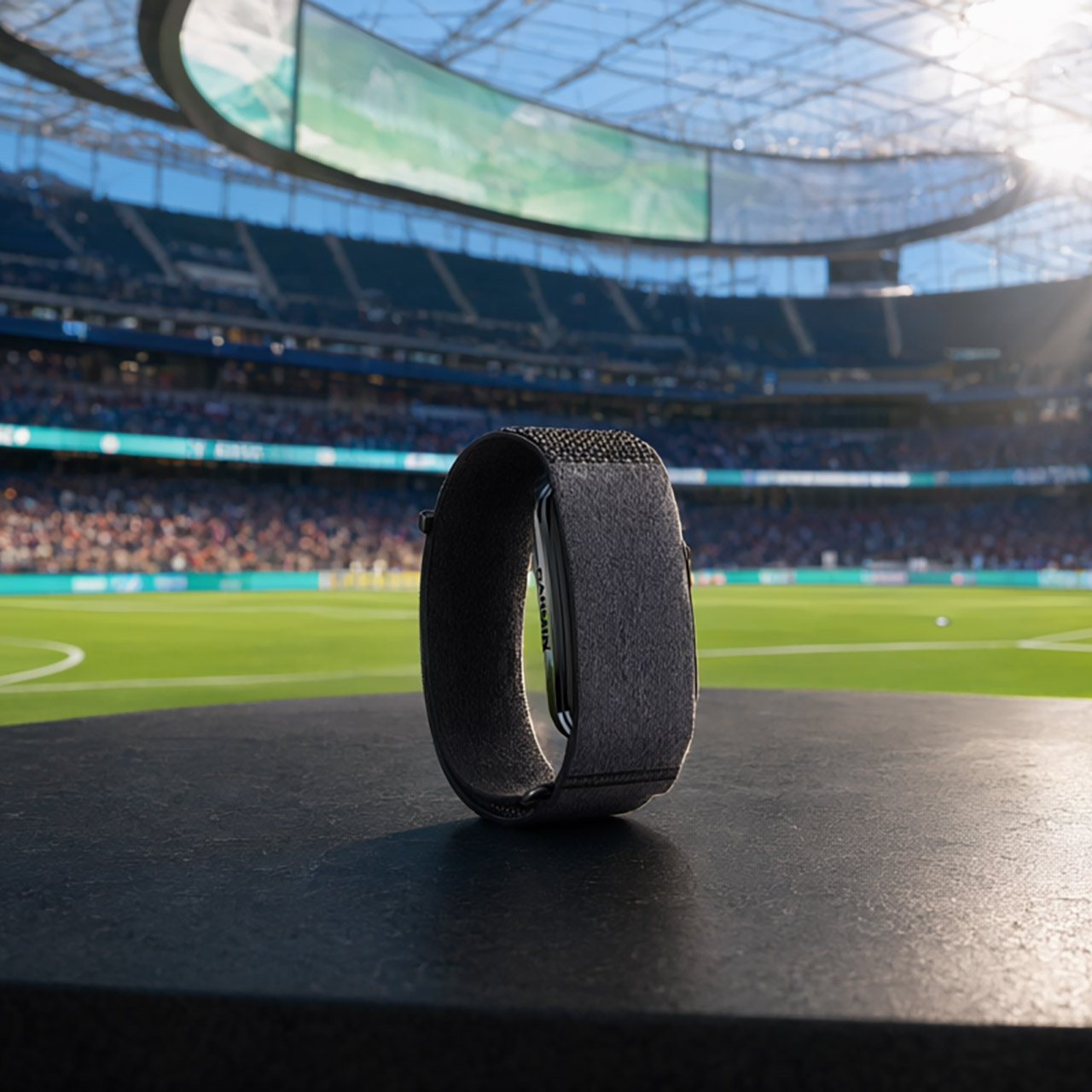
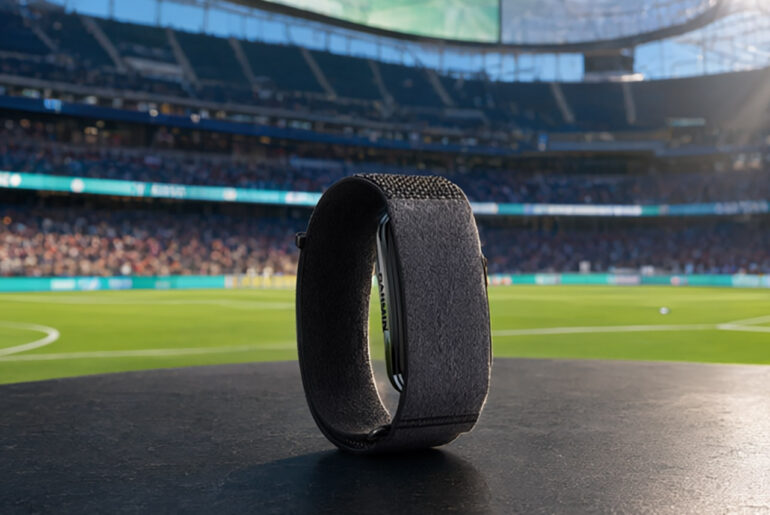
Garmin just introduced Cirqa, a slim fabric band that records health and activity data around the clock while staying completely blank. No display lights up. No notifications flash. The only interaction on the device itself is a single side button that starts a favorite activity you already chose in the companion app. Everything else lives on your phone.
![]()
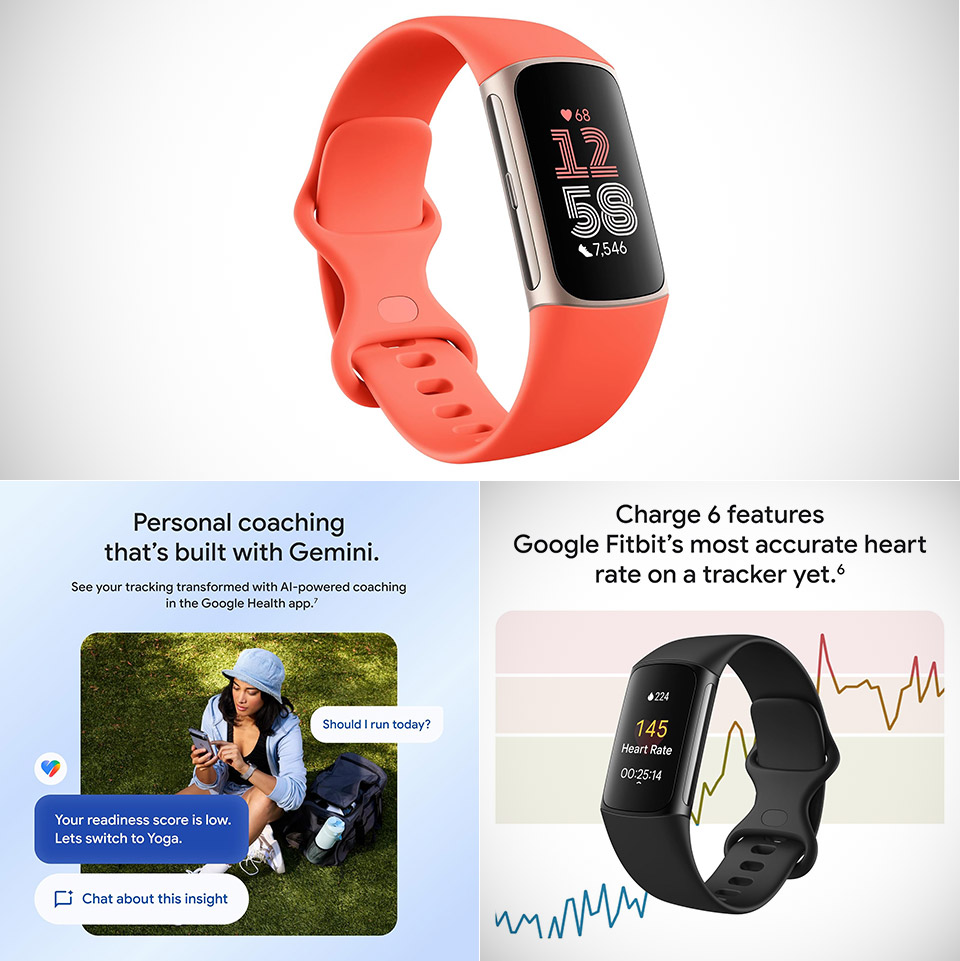
Fitness trackers flood the market with options that range from stripped-down counters to full smartwatches loaded with apps and sensors. Many buyers end up frustrated when a device either skips the basics or piles on features that demand constant charging and attention. The Fitbit Charge 6, priced at $76 (was $160), takes a different path by sharpening the core jobs most people actually want from a wristband while adding just enough extras to feel modern and useful.

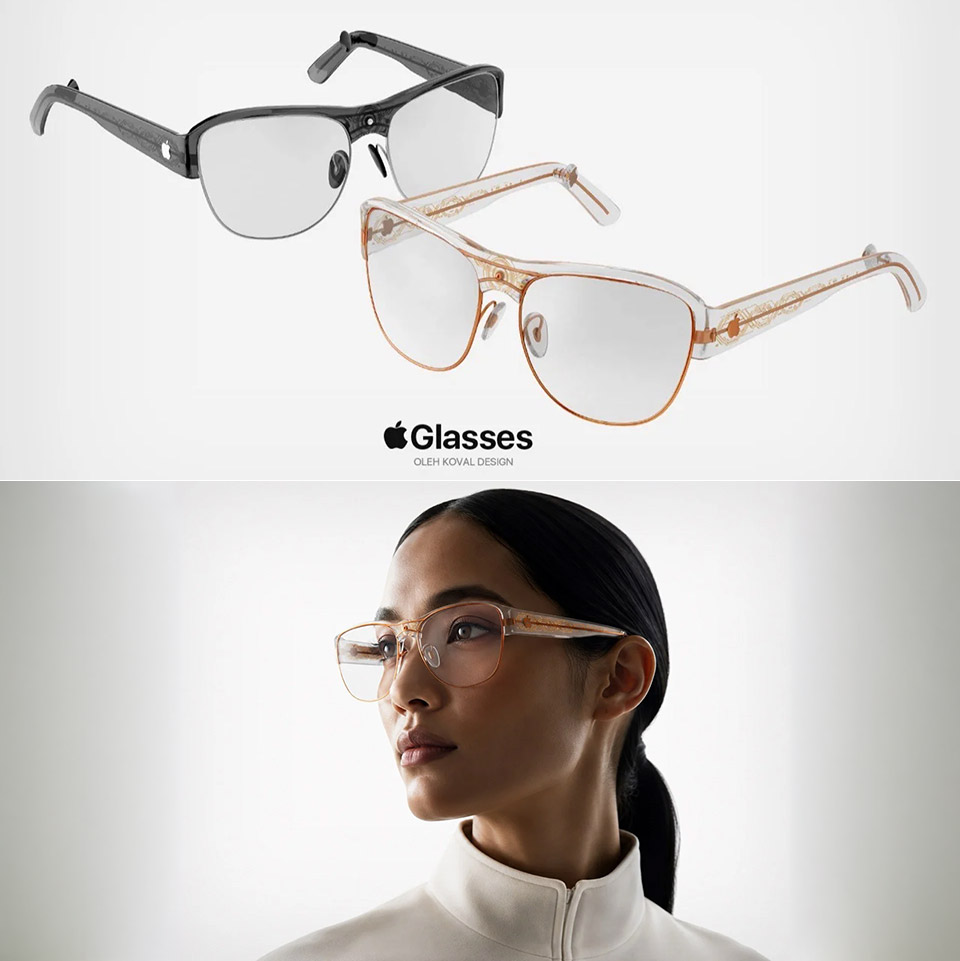
Photo credit: Oleh Koval via Yanko
Bloomberg’s Mark Gurman laid out Apple’s revised plans in late May. The company has pulled resources away from any quick sequel to the Vision Pro headset. Those efforts now feed a different project, one that aims for store shelves sometime in 2027. The device carries the internal name N50. It will not project images into the lenses. It will not offer the full mixed-reality experience of a headset. Instead, the glasses will serve as a direct companion to an iPhone, much the way AirPods or an Apple Watch extend what the phone already does.

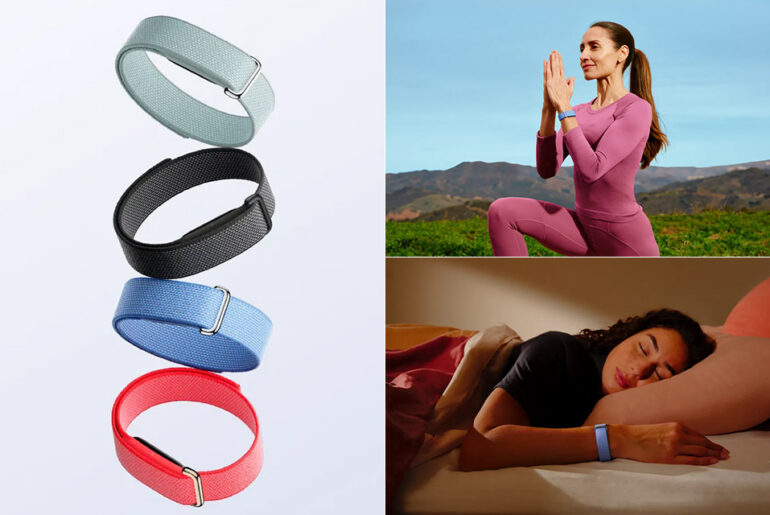
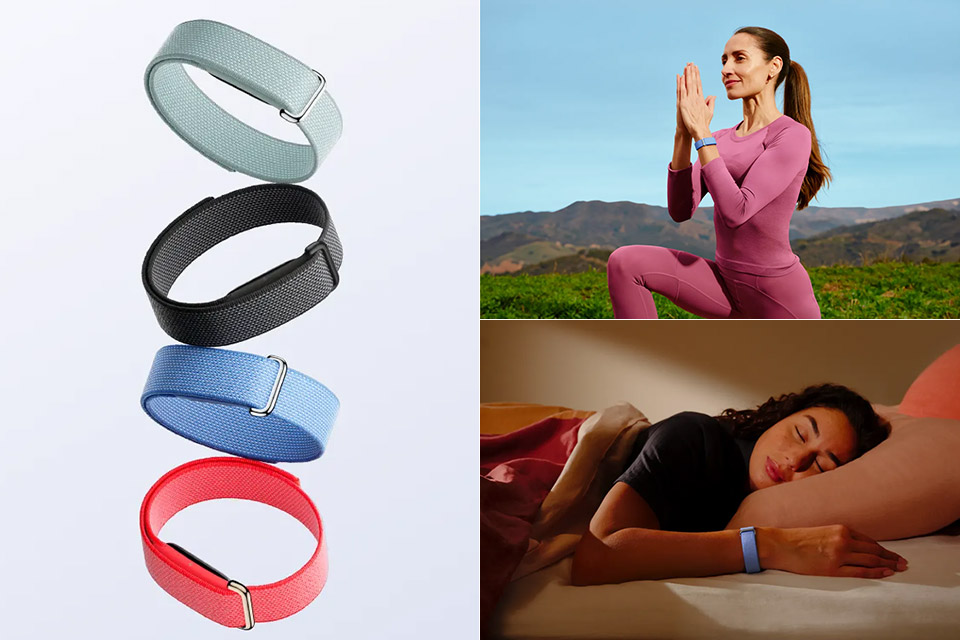
Google revealed its new Fitbit Air today, and it’s the smallest tracker yet, designed exclusively for people who want some consistent health information without the hassle of a large, flashy device getting in the way. At only a little more than five grams on its own and around 12 grams with a band, this gadget glides onto your wrist and stays there for days on end with no problems. The engineers designed it to resemble a smooth pebble that nestles against the skin, and they managed to incorporate at least 35% recycled material by weight.

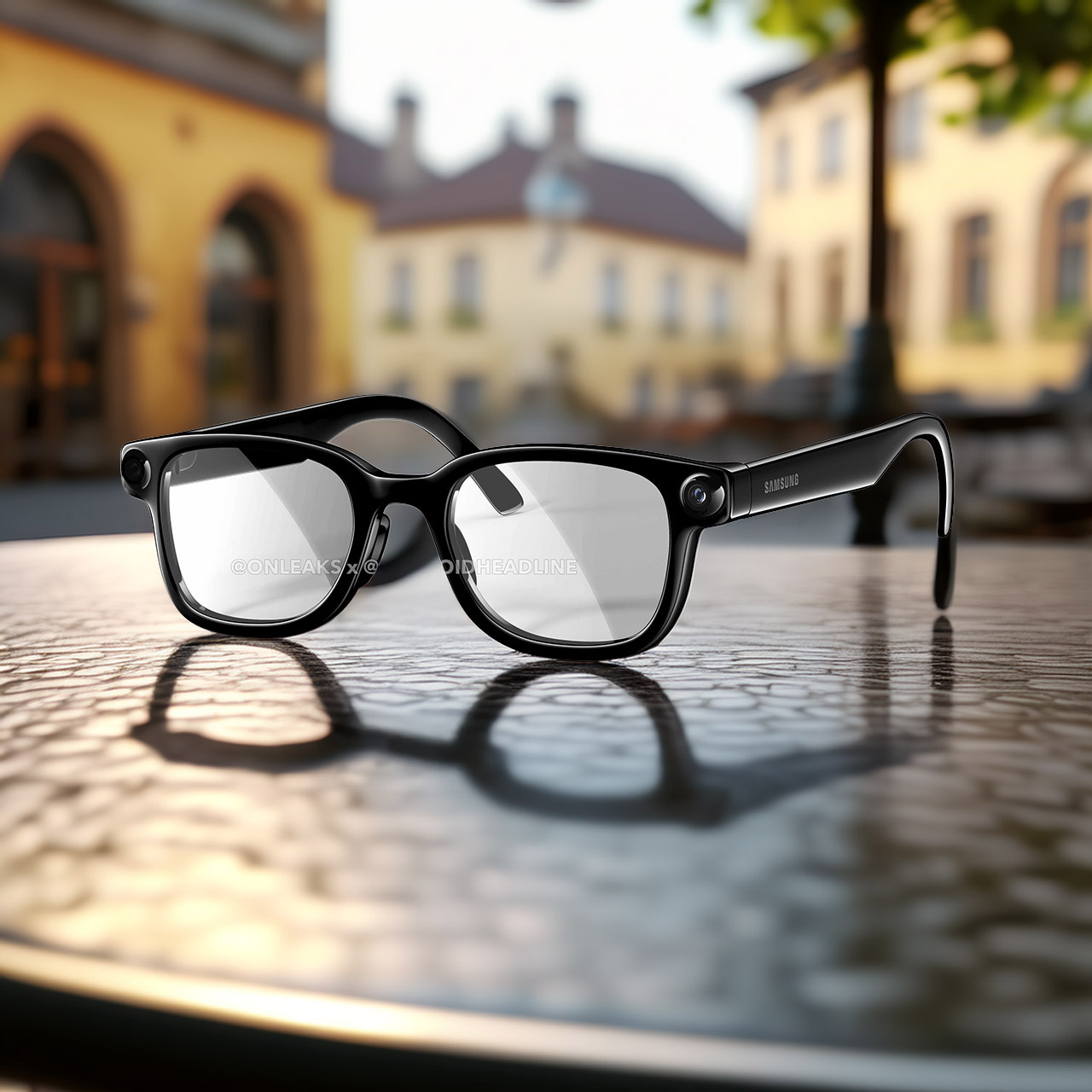
Photo credit: Android Headlines | OnLeaks
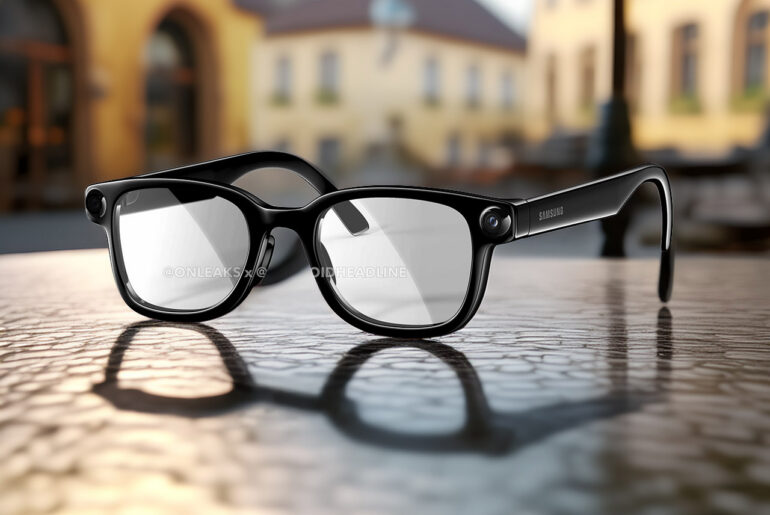
Leaked images purportedly show Samsung’s first pair of Galaxy smartglasses, codenamed Jinju, in stunning detail, and they appear to give the Ray-Ban Meta some heavy competition. However, they’re reportedly light on the face, weighing roughly 50 grams and looking so much like regular eyeglasses that only the inconspicuous camera bulge and tiny Samsung logo give them away.

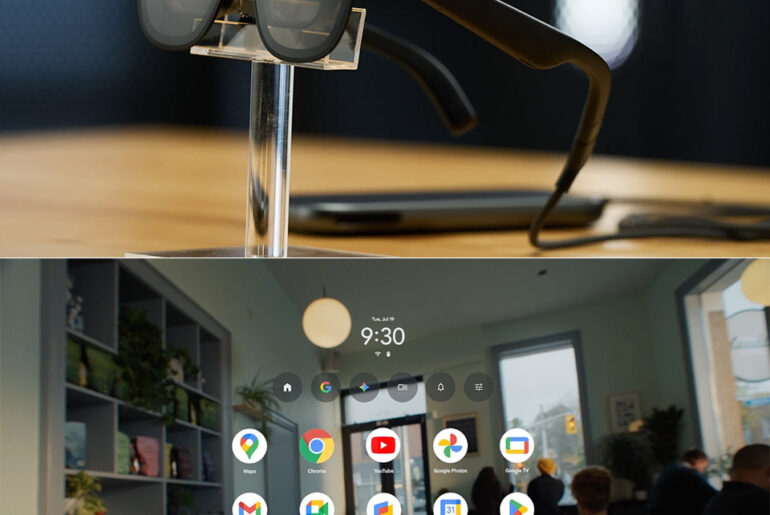
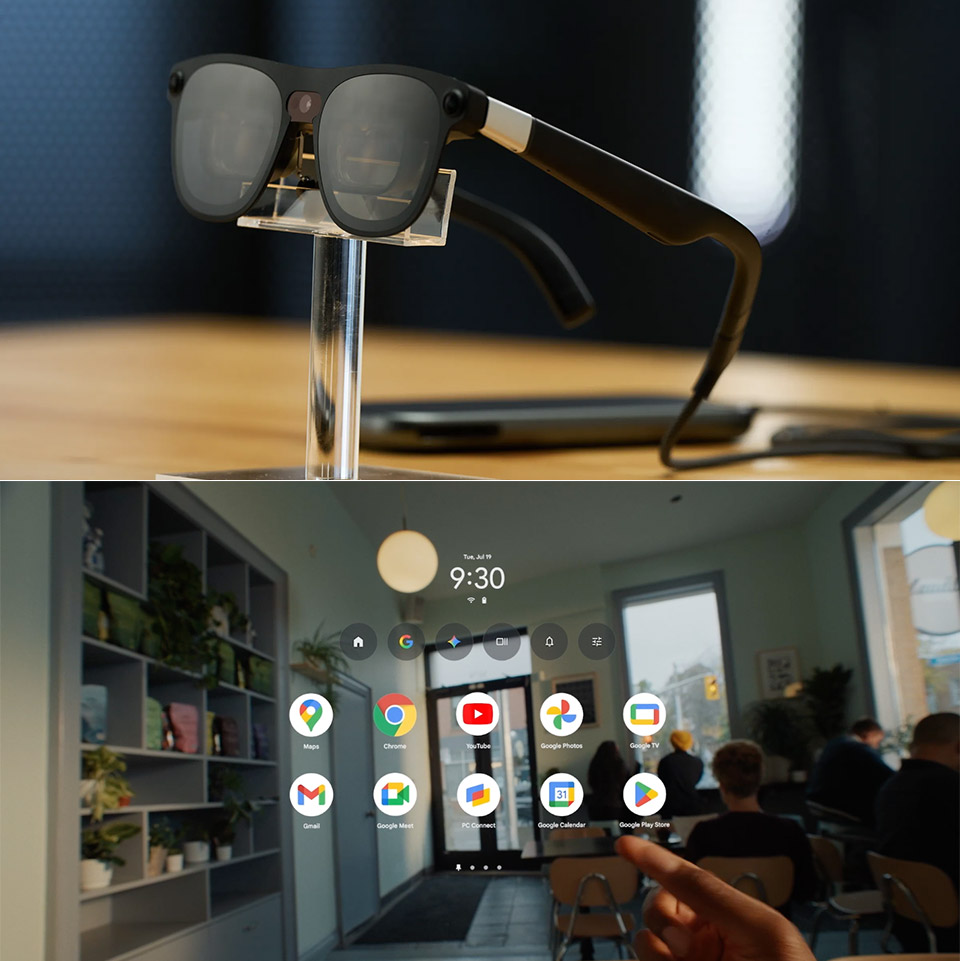
Google teamed up with XREAL to create Project Aura, a revolutionary pair of smartglasses. This device debuted earlier this year and signals a fundamental shift in Google’s Android XR platform, the company’s operating system designed from the ground up for use in glasses and headsets.