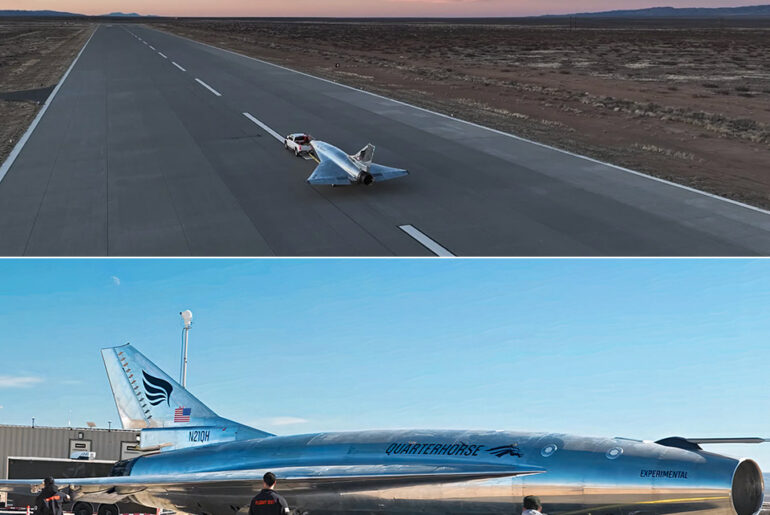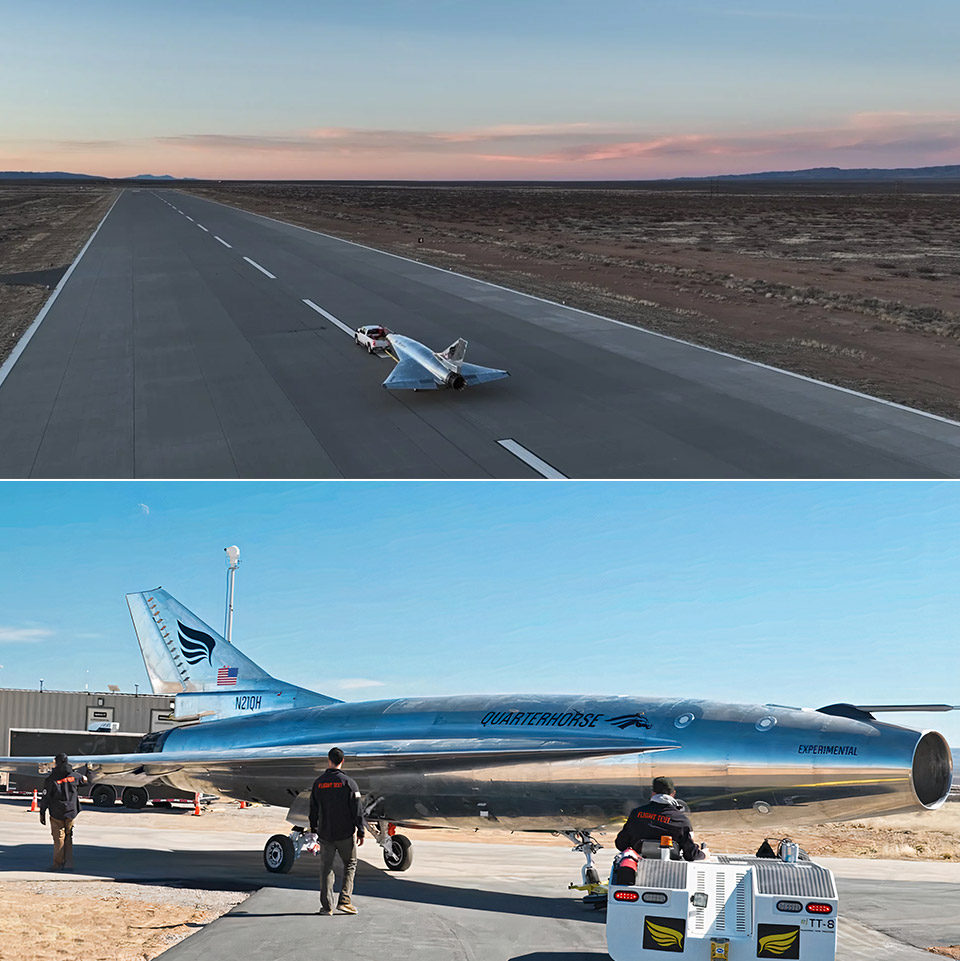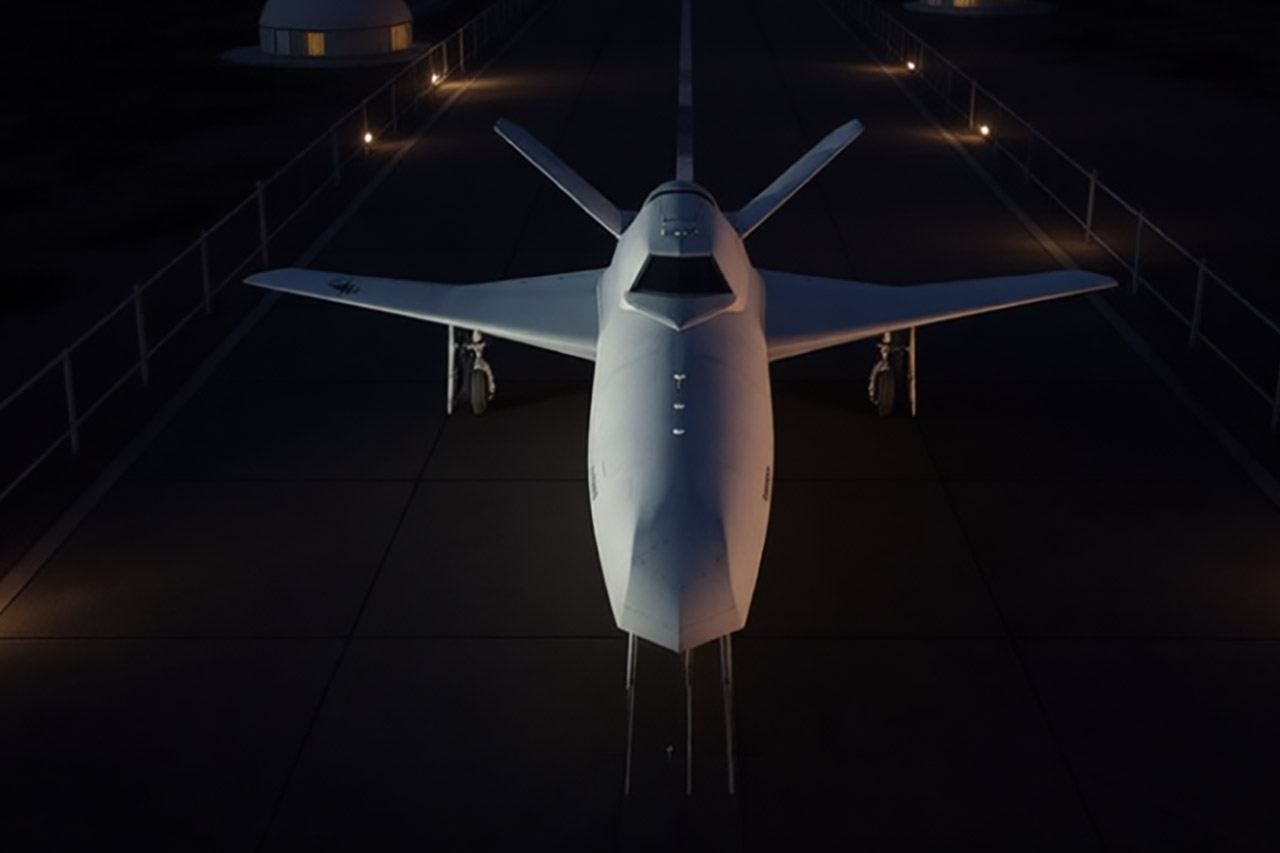
On March 2, 2026, Hermeus successfully completed their first flight with the Quarterhorse Mk 2.1, lifting off from Spaceport America in New Mexico and flying over the White Sands Missile Range. From a base station, the team of operators maintained a tight eye on how the systems reacted, how well the plane operated under stress, and so on, basically to see if everything functioned as intended.

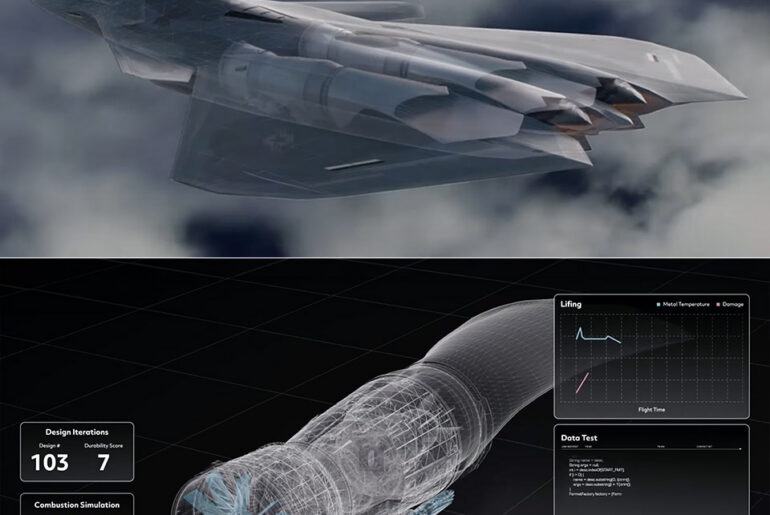
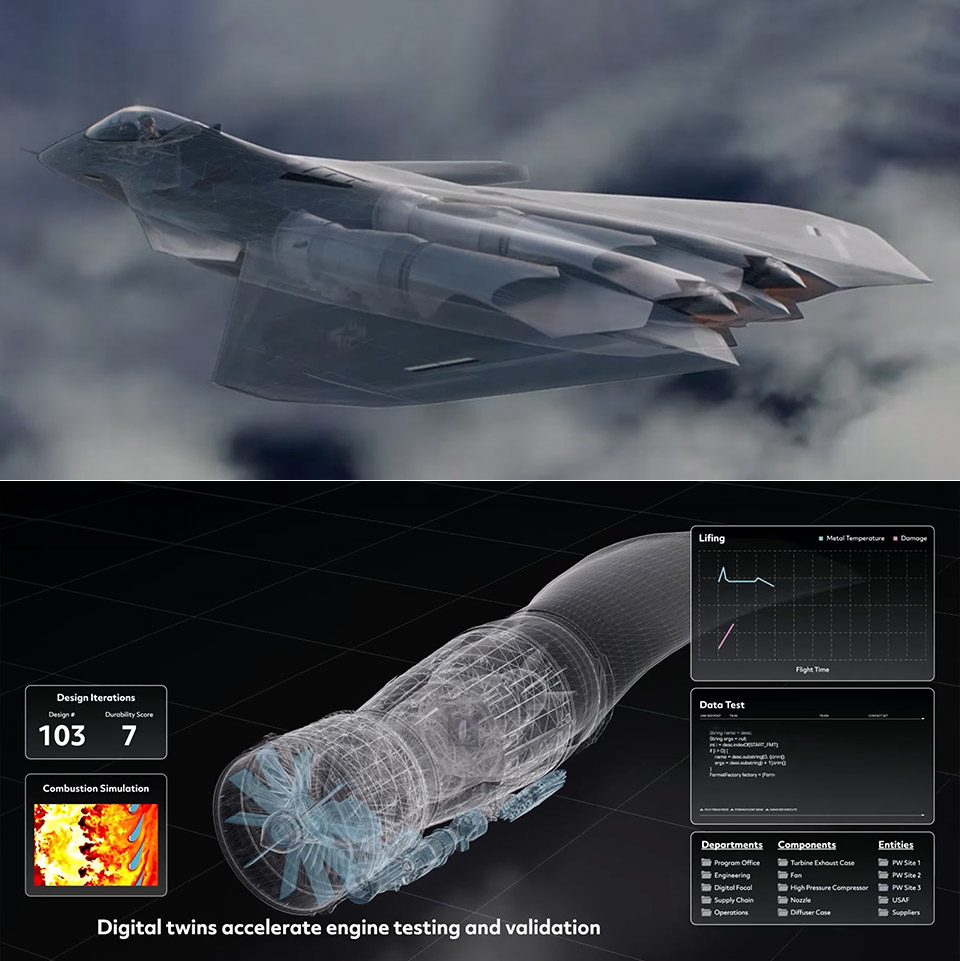
A new video from Pratt & Whitney has reignited controversy over the Boeing F-47, which is slated to be the 6th Generation fighter that would eventually replace the F-22 Raptor. Halfway through a short animation focusing on engine progress, an animated fighter jet arrives in flight, its two engines burning brightly as it slashes through a picture-perfect blue skies. Observers quickly identified the image as a possible portrayal of the F-47 itself, powered by Pratt & Whitney’s XA-103 engine, which is now under development.

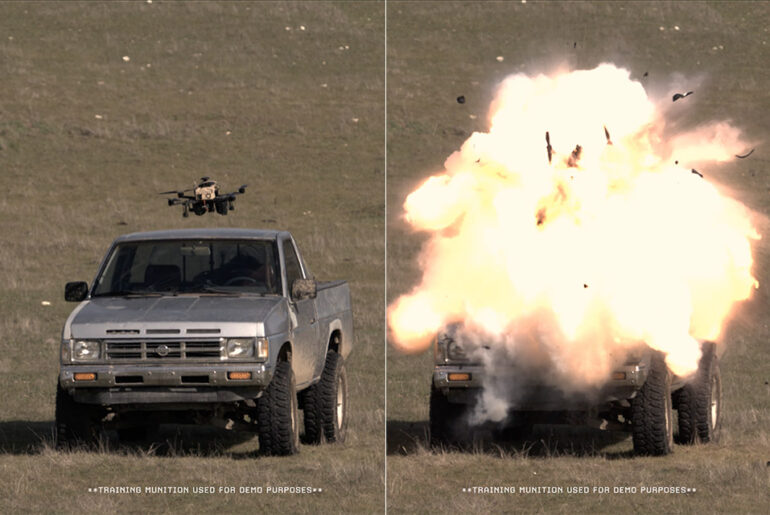
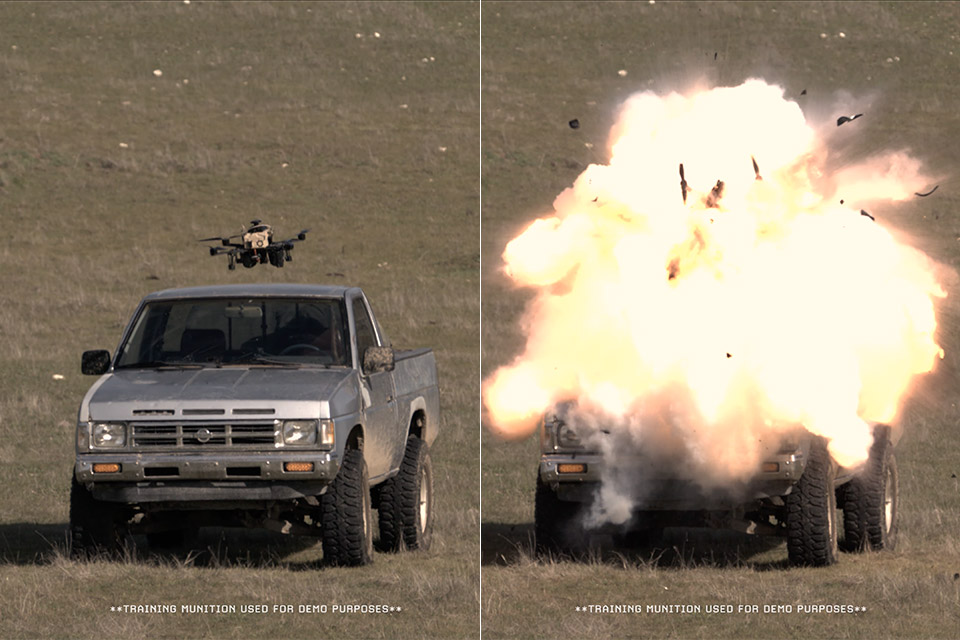
A low-key demonstration high in the hills of central California recently showcased some new military technology. Scout AI, a new defense startup, integrated its Fury software into a self-driving ground vehicle and two armed drones. The entire system collaborated to hunt down a truck and blow it up, all activated by a single simple instruction written in plain English.

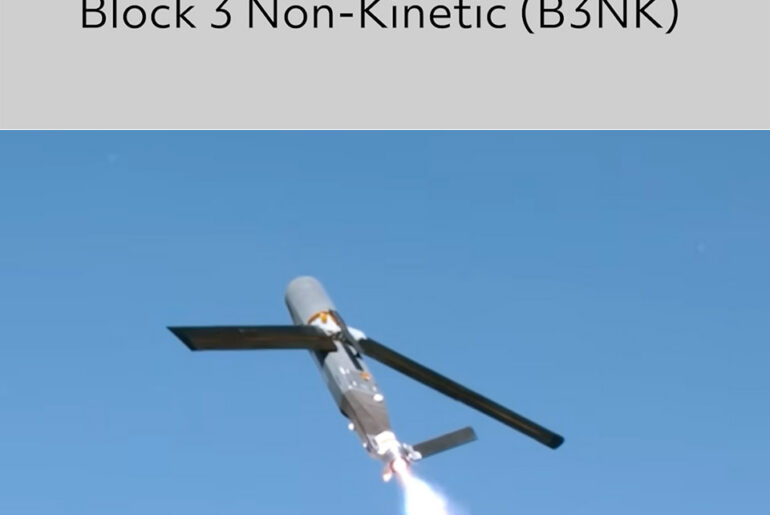
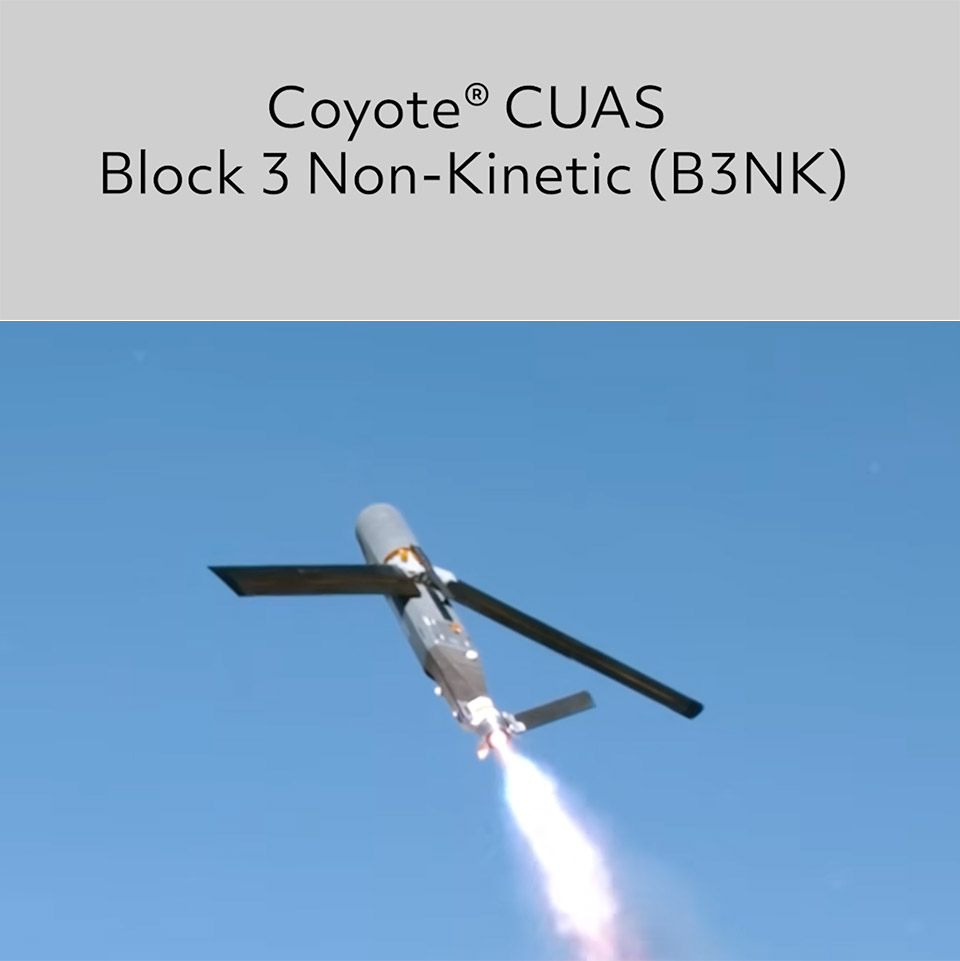
Raytheon’s non-kinetic Coyote responds intelligently to the growing threat of drone swarms. Companies and militaries are seeking for cost-effective solutions to deal with large numbers of low-cost, off-the-shelf drones. RTX’s Raytheon division has really created a new variant that demonstrates what it’s all about.

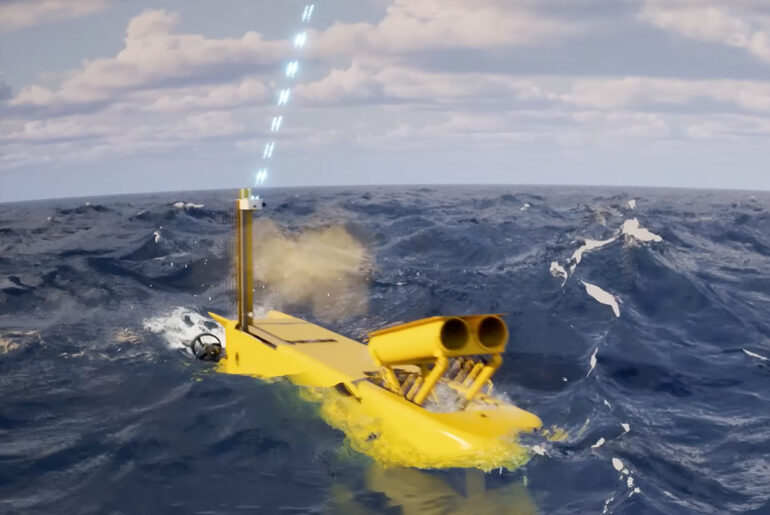
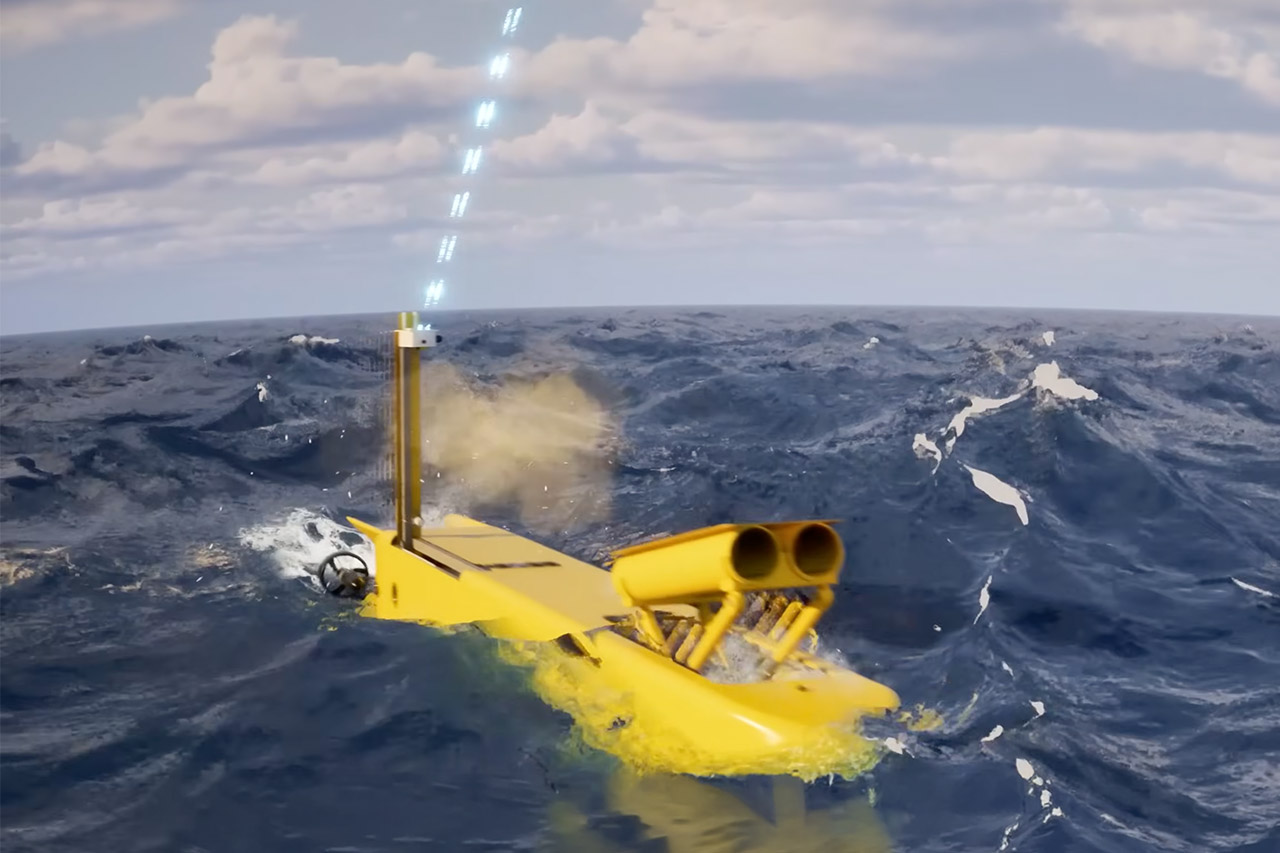
Lockheed Martin’s Lamprey Multi-Mission Autonomous Undersea Vehicle (MMAUV) challenges traditional methods for operating underwater drones in adverse environments. This stealthy autonomous vehicle attaches to a larger ship or sub, travels quietly to remote locations, and is ready to enter without using up its own power.

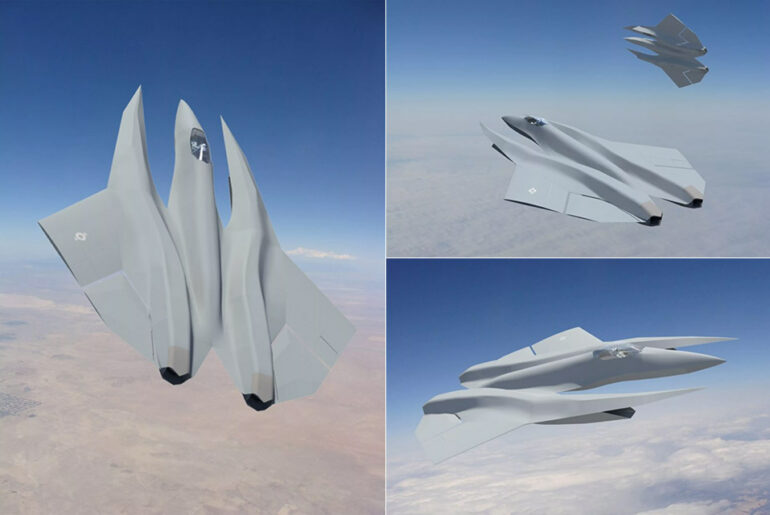
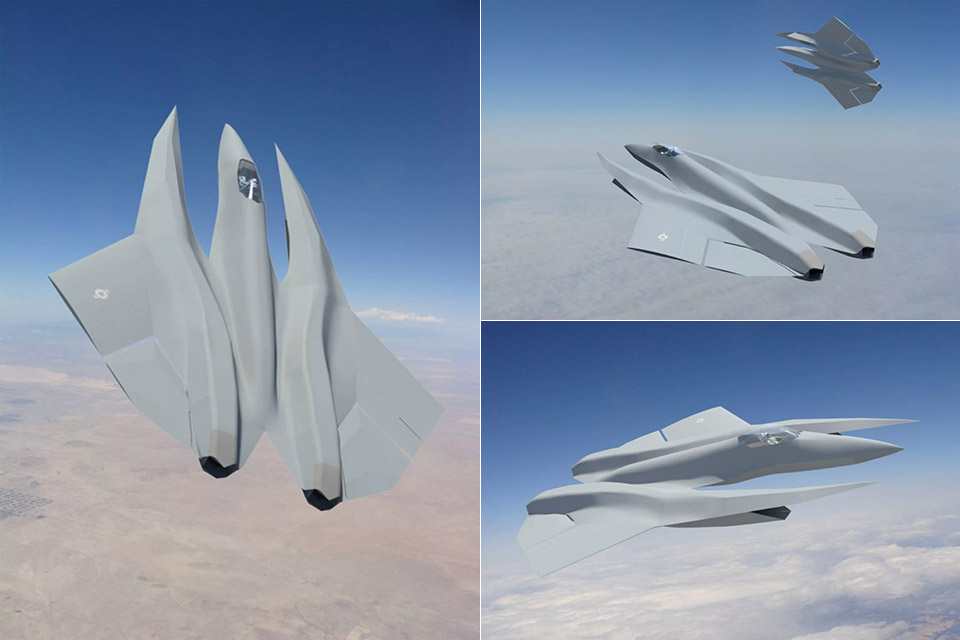
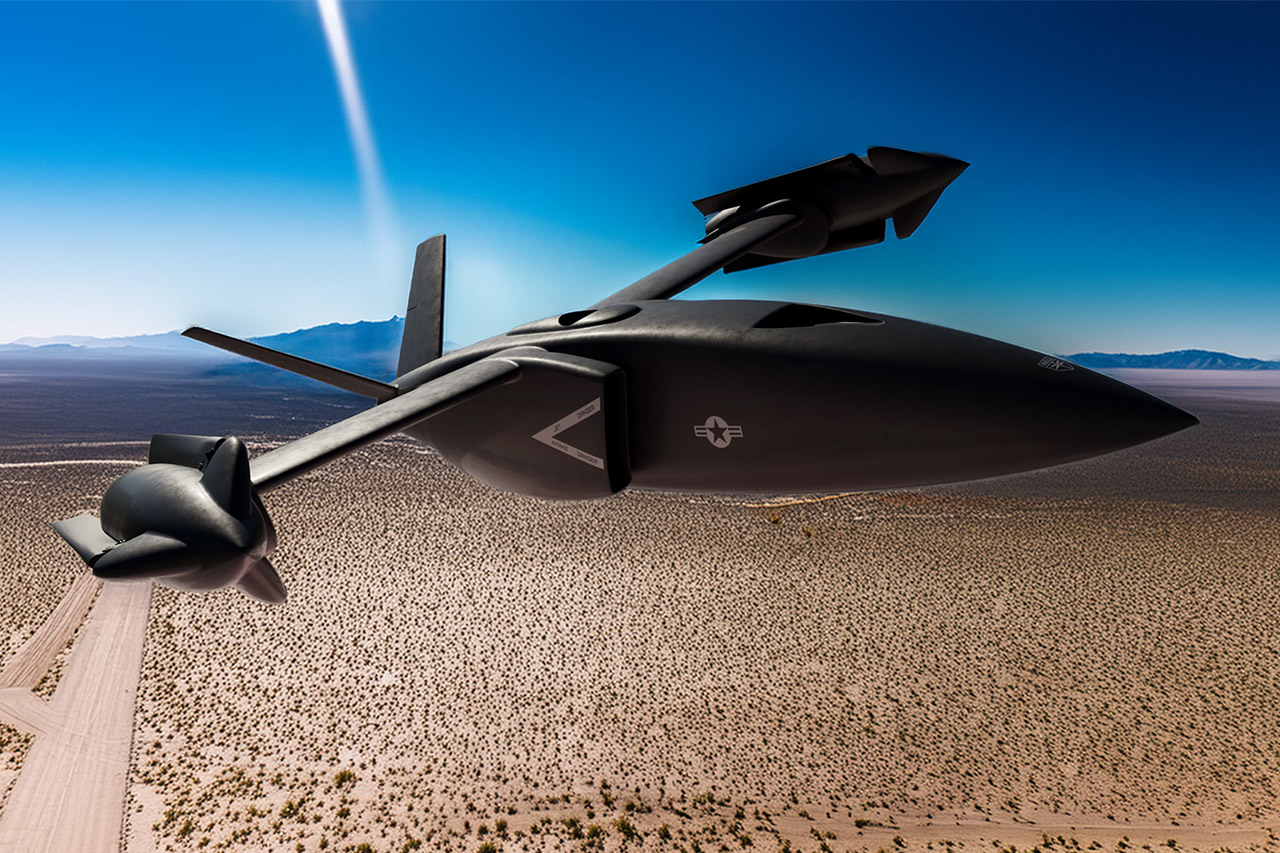
Stavatti Aerospace showcased the SM-39 Razor, which they hope will eventually replace the US Navy’s Carrier Air Wing mainstays. The Stavatti team genuinely believes their aircraft should be capable of filling the roles currently occupied by the F-22 in air superiority, the F-15 in long-range strikes, the F/A-18E/F in multi-role carrier duties, and even older designs such as the F-14 Tomcat, the venerable SR-71 Blackbird in intercept mode, and the A-6 Intruder in attack mode.

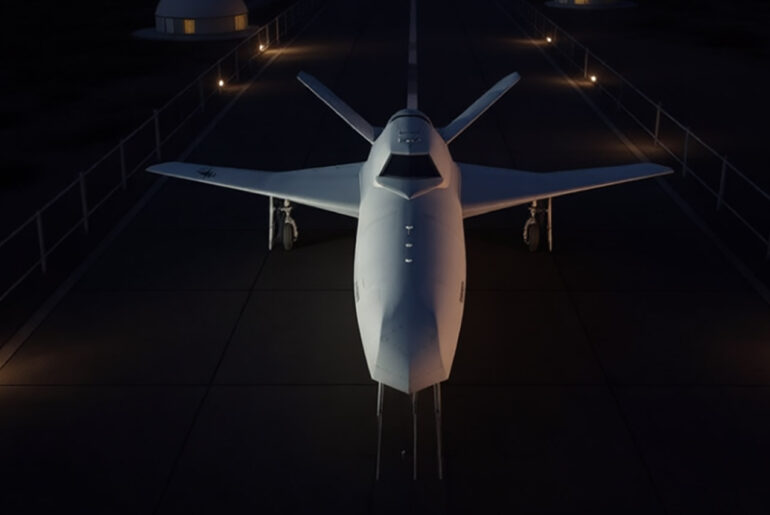
Northrop Grumman unveiled Project Talon in the vast hangars of the Mojave Air and Space Port in the California desert. This unmanned aircraft is ready to team up with fighter jets, transforming solo missions into coordinated raids that protect pilots and provide them a competitive advantage. Northrop’s engineers and the magicians at Scaled Composites have been pounding this prototype into shape over the past 15 months, and in just nine months, it will make its first flight.

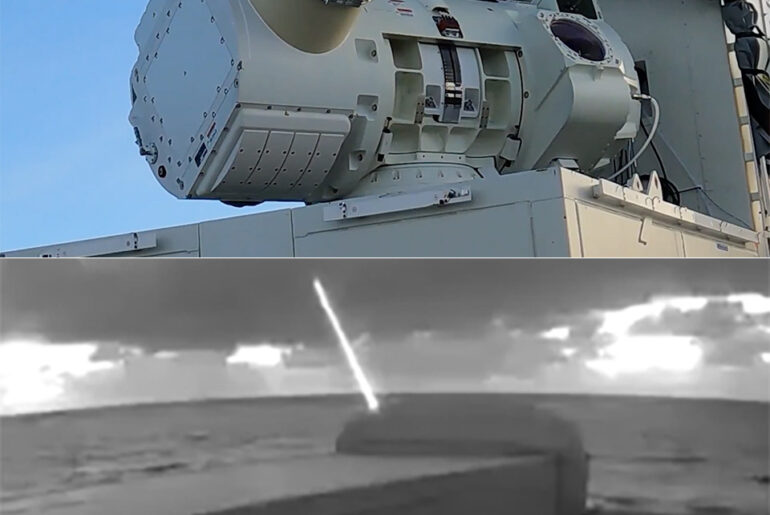
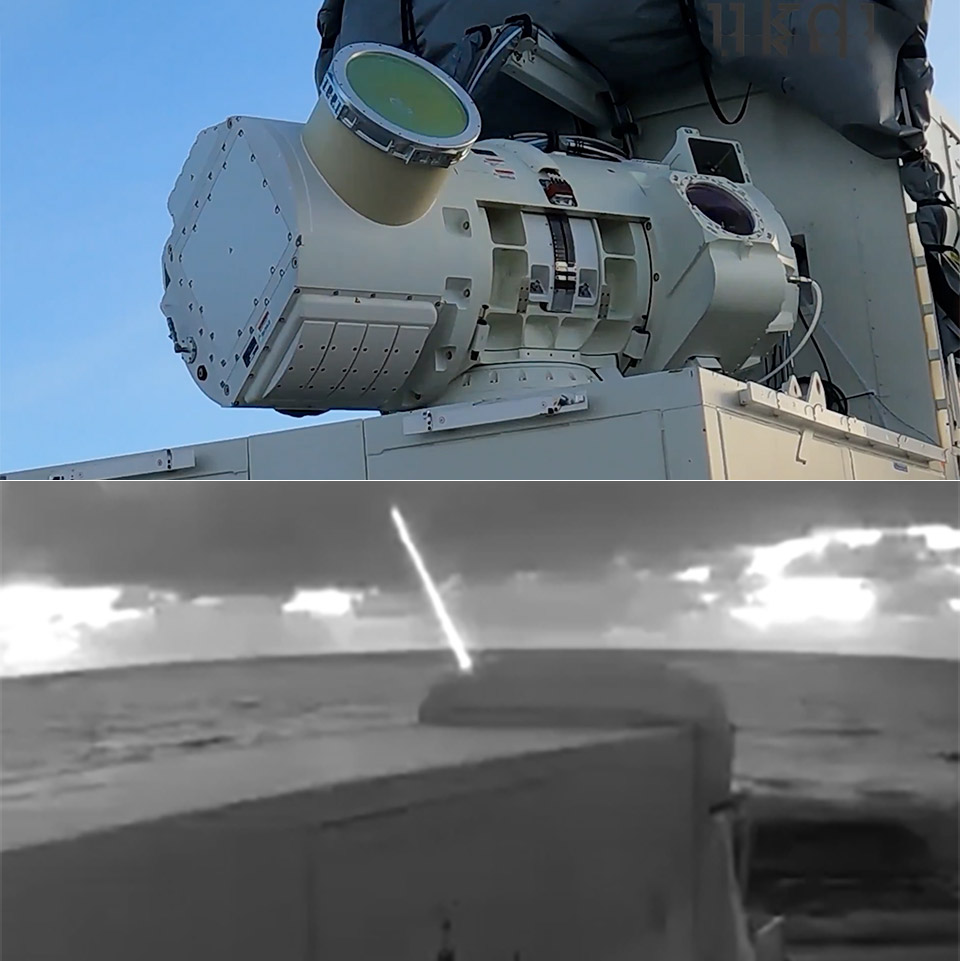
On November 20, 2025, Britain’s DragonFire laser targeted drones flying through the air at 650 km/h, twice the speed of a Formula One car along Scotland’s Hebrides Range, and brought them down with precision. Engineers from MBDA, QinetiQ, and Leonardo watched as their brainchild worked its magic once more, identifying, tracking, and disabling objects that resembled the fast-moving dangers already common on the battlefield. DragonFire is five years ahead of schedule and one step closer to being deployed on Royal Navy ships.

Lockheed Martin’s Skunk Works engineering team knocked it out of the park earlier this month. An F-22 Raptor hurtling through the Nevada sky at breakneck speeds was communicating with an unmanned drone from inside the cockpit. The pilot flew the fighter with ease, commanding the drone’s motions from the plane’s seat. This test flight was a first for a fifth-generation aircraft, since it seized full control of a loyal wingman while still airborne.