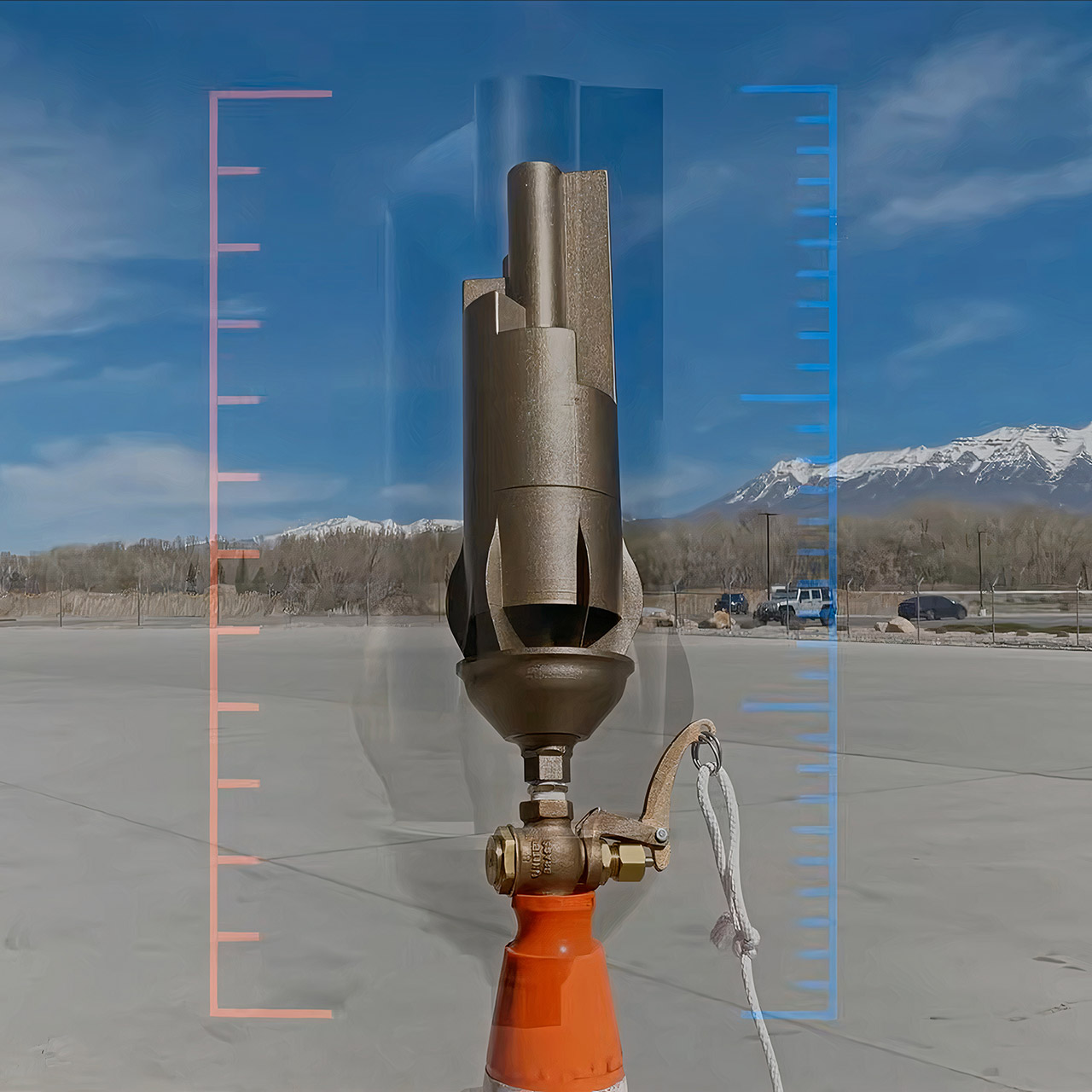
AeroKoi set out to answer a simple question. Could a desktop 3D printer produce train whistles that captured the exact chords once carried across fields and towns by steam engines? After months of steady work the answer arrived loud and clear through shop air at 120 pounds per square inch.
Rail lovers still feel a sentimental tug from such noises, as steam engines carried multi-note whistles that signaled their arrival from afar, with the train itself still invisible on the horizon. Modern diesels have much simpler horns, but for many people, the originals remain the gold standard, richer, more alive, and somehow more memorable. AeroKoi began with a small setup and quickly developed expertise. The early prototypes were crude, with PVC pipe wrapped around the printed parts and air forced via a nozzle. Unfortunately, the tones came out weak and strange, lacking the deep resonance he desired. Direct airflow proved to be the main issue. Real whistles work a little differently, allowing the air to build up in a bowl-shaped chamber before directing it out through a super-narrow slit and into the bell.

- A1 mini + LED Lamp Kit for Creative Light Projects: Bring your ideas to life with the included LED Lamp Kit. Simply print compatible lamp models and...
- The Perfect 3D Printer for Beginners: A1 mini 3D Printer is designed to make 3D printing easy from day one with automatic calibration, simple setup...
- Experience the Bambu Lab Ecosystem: Access MakerWorld’s huge library of ready-to-print models, manage prints through the Bambu Handy app, and enjoy...
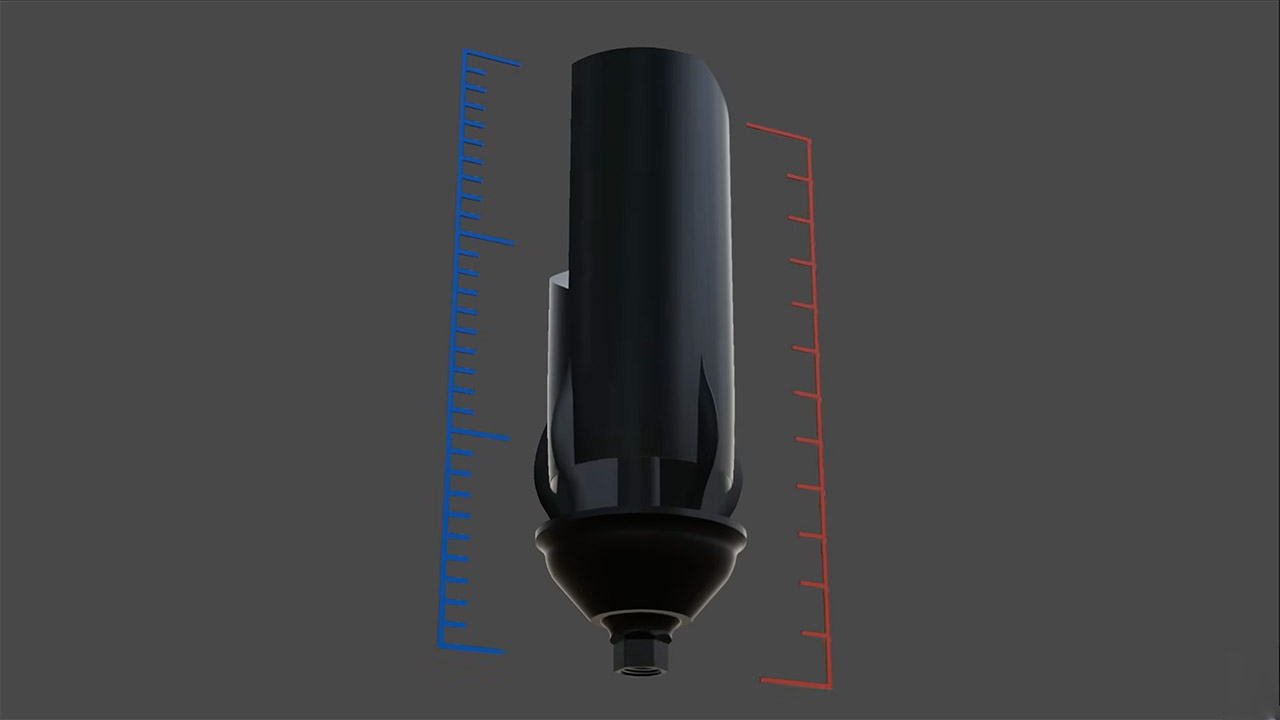
That small idea actually opened the door to advancement. Every new iteration included a correct bowl, fine-tuned the slit width, and altered the distance between the bowl and the bell edge. He cut the four-inch-diameter whistles into vertical pieces that stacked nicely in a regular printer bed. For the majority of the experiments, simple PLA was used, with a carbon fiber blend added for stiffness where it was most needed. Layer height remained constant at 0.2 millimeters, with six walls and 25% infill to prevent the sections from collapsing with each blast of pressure.
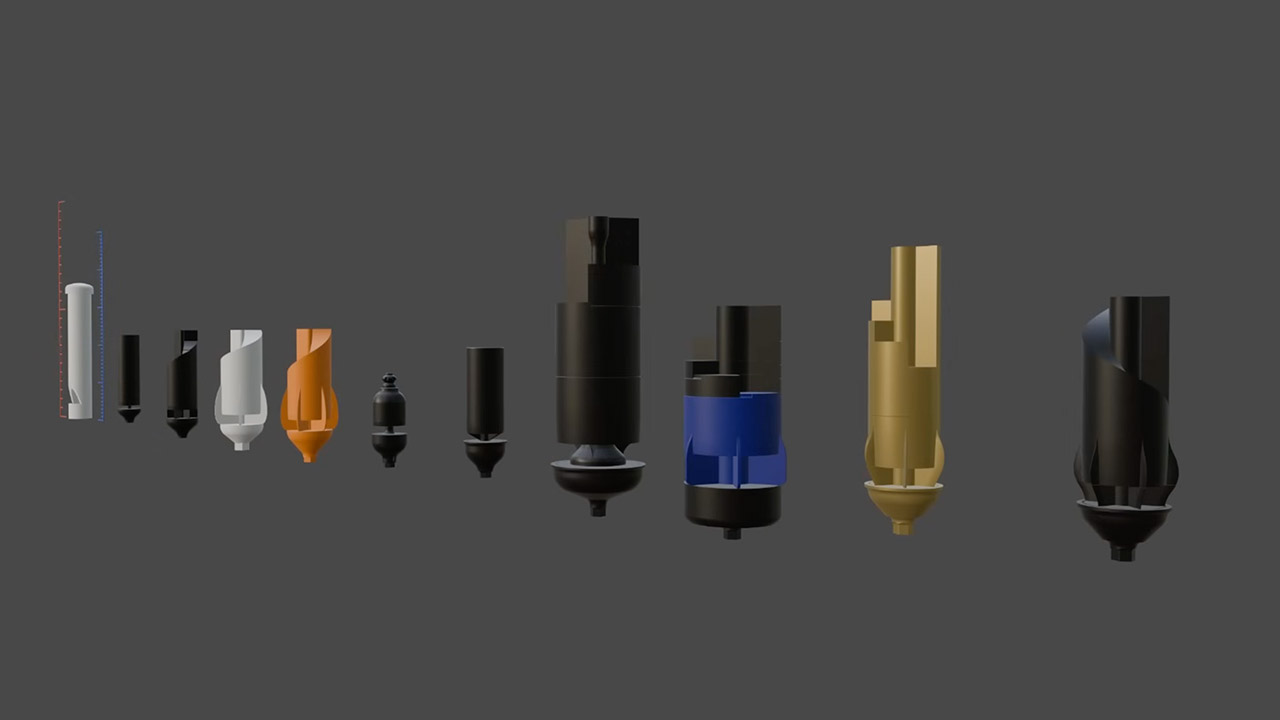
As the plastic started rolling off the reel, the designs became more sophisticated. An early six-chime model sounded slightly better, but not quite right. The larger bells required greater airflow, thus threaded inlets progressed from quarter-inch fittings to half-inch and finally full-inch NPT ball valves for much smoother control. He included spacers between the parts to allow him to adjust the spacing between the bowl and the lip without having to reprint the entire whistle. Low notes now have a little extra internal room to assist them carry further, as shown by the original illustrations.
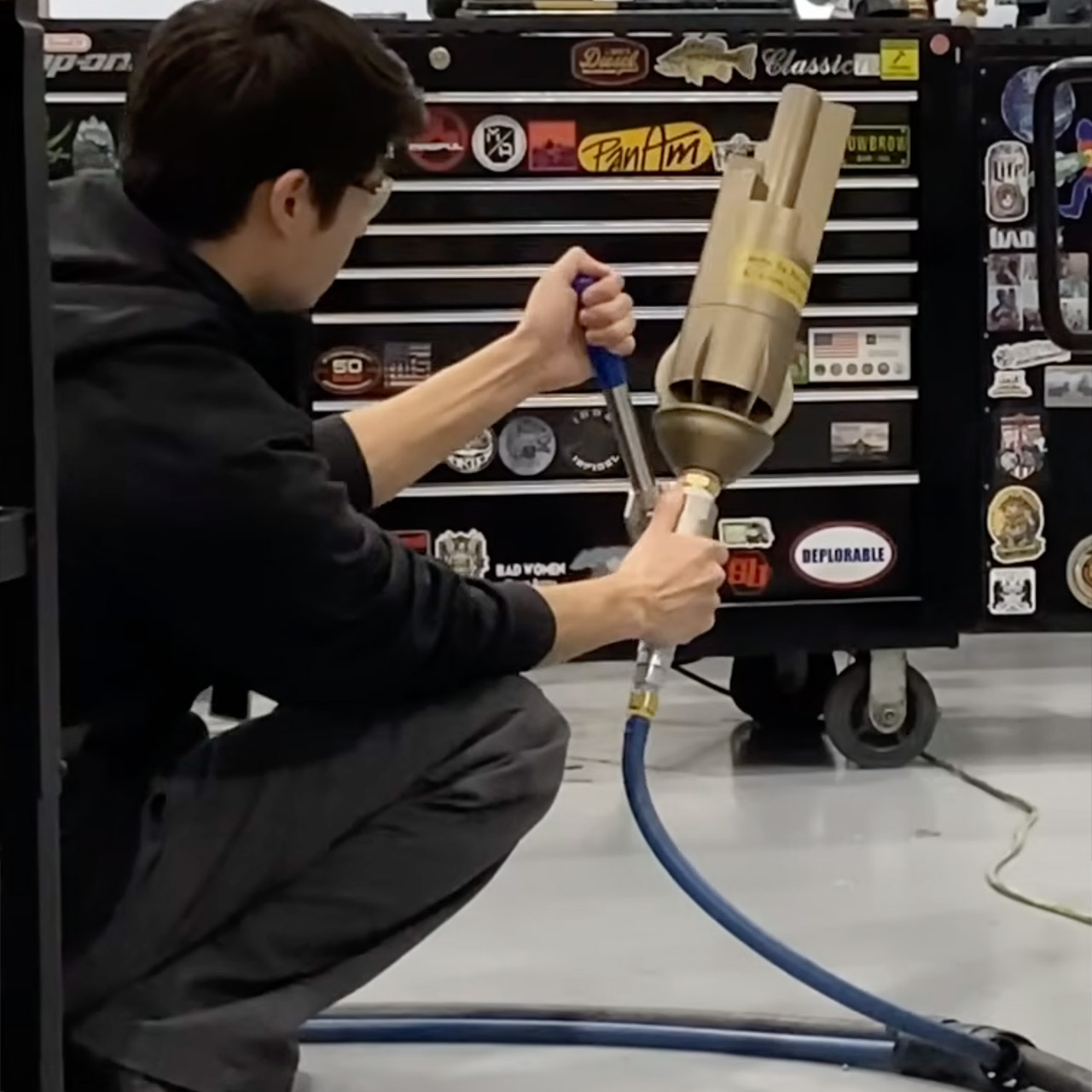
Today, two final whistles are available for anyone to download and print. One is a straight copy of a Santa Fe Railroad six-chime whistle, while the other is a Northern Pacific five-chime replica. Both are intended to be printed in pieces, assembled with simple fittings, and sound out lovely clean chords when connected to a compressor. The Santa Fe one feels unusually completed; all of the notes fit together perfectly, with no shrieking or rattling that plagued previous printers.
[Source]