Tomás Vega recalls having a stammer when he was five years old, with words knotted in his throat and ordinary talks turned into warfare. Then came computers, and a keyboard and mouse opened worlds he never knew existed. By the age of 12, he’d written his first program. In high school, he developed ways to assist others in overcoming their own problems. That early spark drove him to MIT, where he studied microfabrication and signal processing.
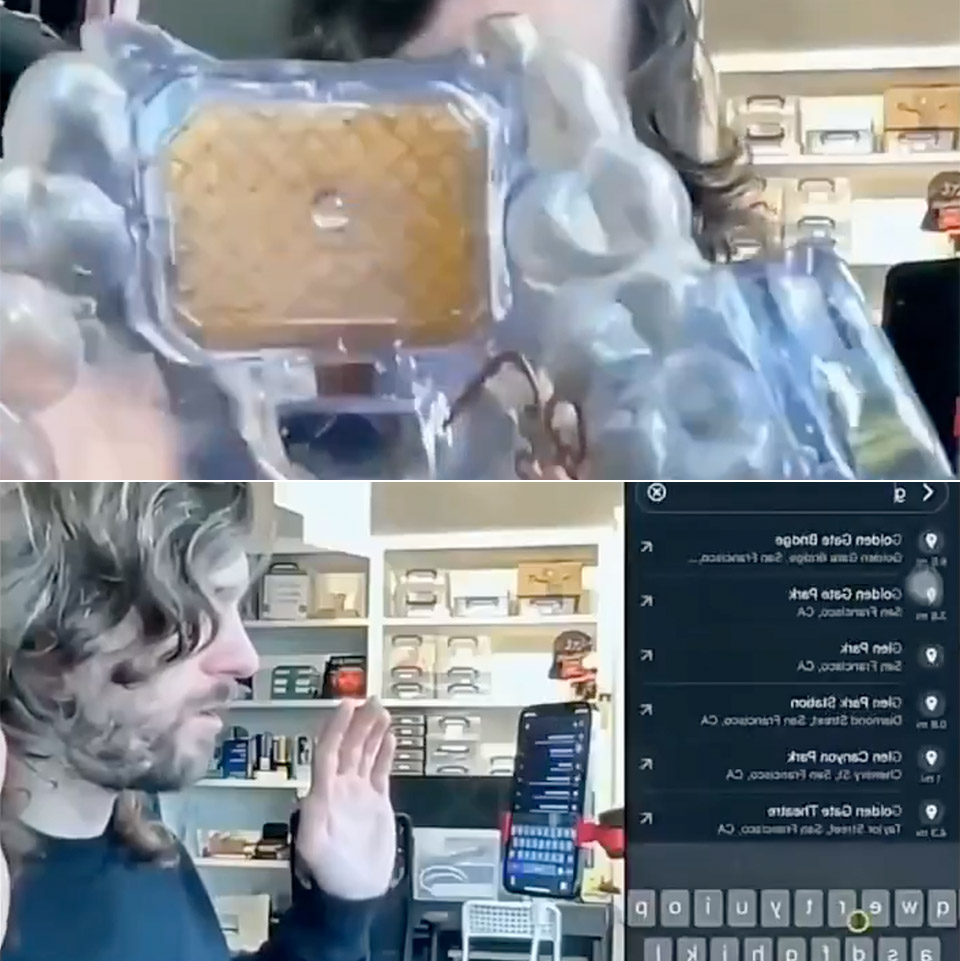
He created a device that lets paralyzed individuals control phones, tablets, and computers with only their tongue.
Created by MIT-trained engineer Tomás Vega, the device sits on the roof of the mouth and works like a wireless trackpad. pic.twitter.com/Y0r8A0X2v1
— Massimo (@Rainmaker1973) July 30, 2025
Wearable devices for sleep monitoring and emotion interpretation followed. But a single internship at Neuralink changed everything. Brain implants promised wonders, but they took years of preparation and skull surgery. Vega desired something speedier. Something that everyone can use right now. During his final semester at the Media Lab, he added sensors to a lollipop-shaped prototype and was advised by Pattie Maes. The objective was to turn mouth gestures into computer commands. It works. Vega called his old Berkeley friend Corten Singer that day, and Augmental was born shortly after.
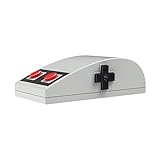
- Nes design style
- 3D touch panel
- D-pad navigation button
Vega’s design fits within the mouth like a personalized retainer. A 3D scan of the user’s teeth and palate begins the process. Printers then form dental-grade plastic around the necessary components, which include a pressure-sensitive pad on the roof of the mouth and two motion sensors nearby. Bluetooth connects everything to a smartphone, tablet, or computer. Once in place, the device detects small motions. To scroll through pages, slide the tongue up. Back to reverse. Side-to-side navigation is accomplished by pressing left and right. A little sip on the pad results in a right click. To produce a left click, press the tongue flat against the palate. Users with stronger neck muscles use head tilts to guide the cursor. Those with limited tongue mobility utilize biting or clenching. The device adjusts to the body it serves, utilizing the tongue’s eight endurance-built muscles. Slow-twitch fibers prevent burnout, even after hours.One woman with quadriplegia due to a spinal cord injury wears the MouthPad for 9 hours, and it alters her life. She studies math and computer science alone in libraries, penning down equations and taking notes without the hum of voice instructions breaking the silence. Speech technologies failed in this aspect because they were too loud or imprecise for equations.
Paralysis caused by damage to the spinal cord, or conditions like multiple sclerosis, sadly leaves too many people stuck on the sidelines when it comes to taking part in the digital world. The usual solutions rely on voice or staring fixedly at a screen, which is fine for most things, but totally clunky when it comes to getting precise control over something like a slider or tweaking a bit of text. However, Vega’s voyage took a different path, avoiding those gaps entirely. Brain implants are on the horizon, all promising and years away, but Vega’s answer arrives on time, is non-invasive, and completely up to date. It’s a mouthguard you can wear all day and is comfortable enough, as evidenced by early studies with paraplegic volunteers who were able to navigate apps, surf the web, and launch the media player without difficulty. They could achieve the same level of precision as if they were using their fingertips. Even after hours of use, the tongue muscles did not tire, keeping tiredness to a minimal. This is due to the brain’s large spare capacity, which is superior than any limb in terms of reactivity. Vega discovered out how to tap into that resource and used the power of his tongue as a lifeline.
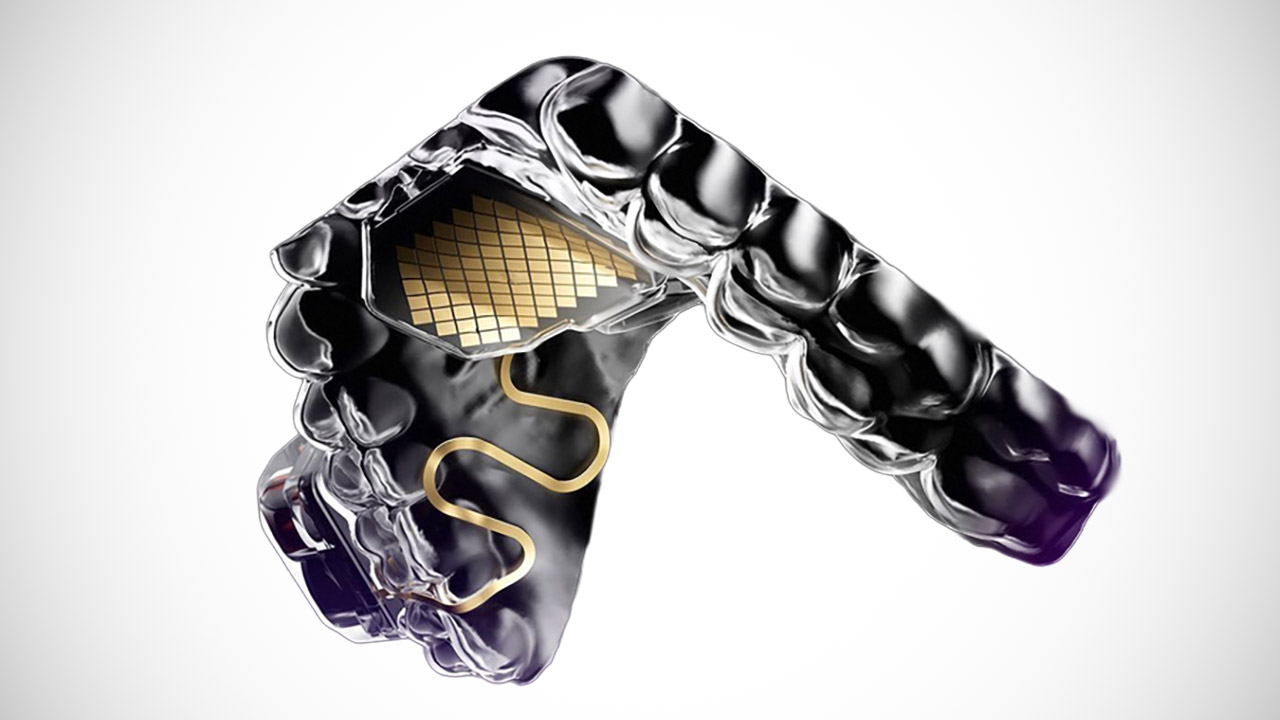
The custom fit seals the deal, as no two mouths are alike, thus a scan is performed to ensure accuracy. The printed electronics can then snap in, safe from saliva and regular wear and tear, and the Bluetooth pairing occurs, with your movements being communicated directly to the screen. Vega’s Augmental team has this under control, and with each new iteration, they improve it even further. Tester feedback is fed back into the system with each subsequent cycle, resulting in smoother sensing and faster reactions over time.