Tag

Science

Browsing

StyroPyro Incandescent Light Bulb 30,000 Watts Experiment
Drake Anthony, the mastermind behind the wildly successful StyroPyro YouTube channel, has a reputation for turning household oddities into objects of raw, utterly unexpected power. In his most recent jaw-dropping project, he takes an ordinary incandescent bulb and transforms it into an electrical powerhouse that give even a small power station a run for its money. This 24,000-watt monster is one of the biggest bulbs you’d ever want to try to use in your home.

3D-Printed Cornea
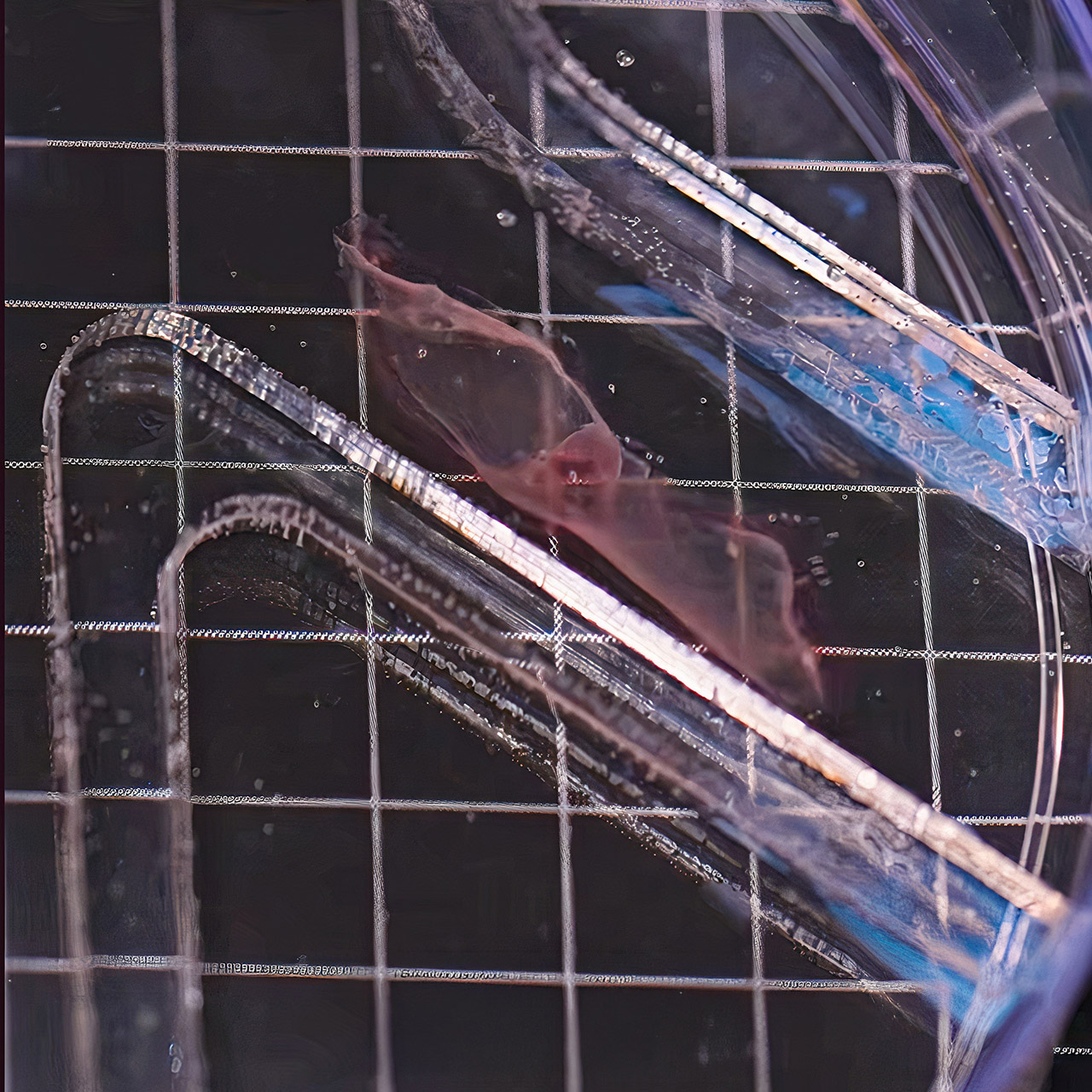
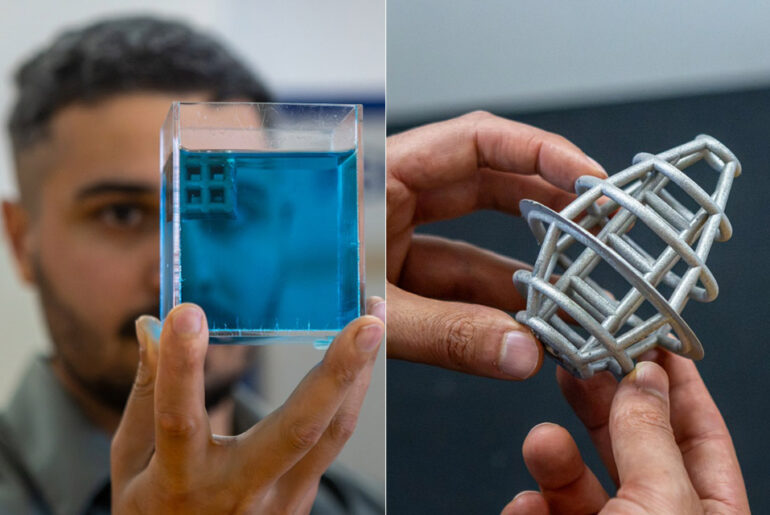
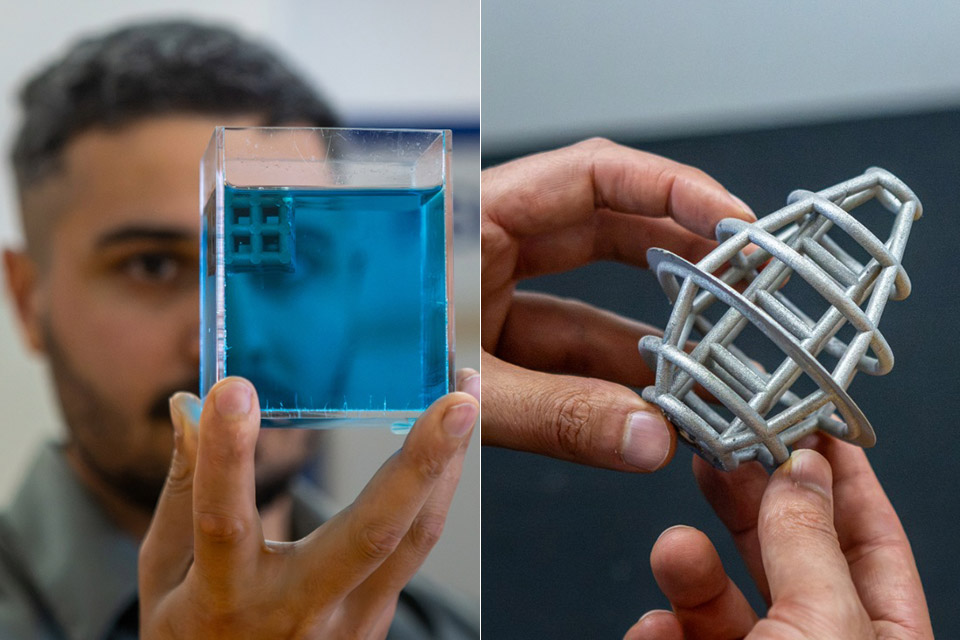
In the soft glow of the operating room at Rambam Medical Center in Haifa, Israel, Dr. Michael Mimouni locked in a moment of suspense that would be remembered for a lot longer than the time he spent in that room. October was rolling into November in 2025, and on the 29th, his team accomplished something incredible: the world’s first transplant of a fully 3D-printed corneal implant manufactured from actual living human cells.

Atlas Eon 100 DNA Storage
Archivists and technologists have been looking for a way to keep data forever, but their efforts have proven ineffective. That all changes now with Atlas Data Storage’s Eon 100, a technology that converts regular files into DNA strands. This all comes at a time when everyone is battling to keep up with the enormous volume of data we’re producing – and the Eon 100 appears to be a serious competitor in this fight.

Tomas Vega Mouth-Based Wireless Touchpad Paralyzed
Tomás Vega recalls having a stammer when he was five years old, with words knotted in his throat and ordinary talks turned into warfare. Then came computers, and a keyboard and mouse opened worlds he never knew existed. By the age of 12, he’d written his first program. In high school, he developed ways to assist others in overcoming their own problems. That early spark drove him to MIT, where he studied microfabrication and signal processing.

Concrete Alternative 3D Printing
Photo credit: OSU
In the Oregon State University lab, a group of researchers have found a solution to one of the construction industry’s longest-running problems. For years, Devin Roach and his team have been fine-tuning a pretty basic combination of dirt to come up with a material that can be printed into walls right on the spot and stand up on its own without any waiting around. The result is a mix of soil, hemp fibers, sand, and biochar that comes out of a 3D printer’s nozzle and sets almost as fast as the layer touches the air.

MIT Ultrasonic Device Water Harvesting Air
Photo credit: Ikra Iftekhar
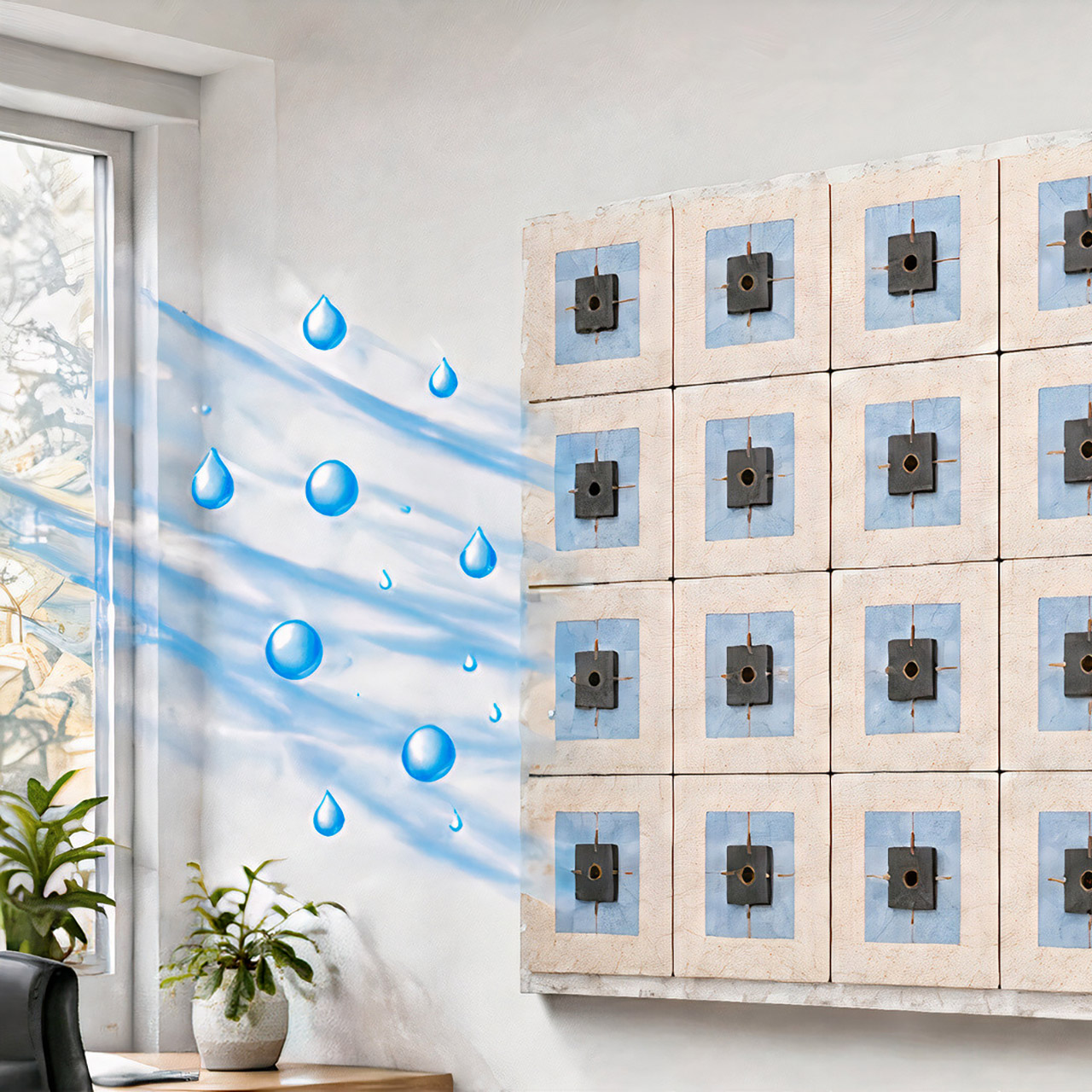
Engineers at MIT created a flat device that hums with sound waves too rapid for human ears to detect. These waves rattle water droplets from materials absorbed from the air, converting humidity into a constant stream of clean liquid. In areas where taps run empty and rivers remain far, this system offers a quiet revolution. There are no large factories or endless pipes necessary. Just air, a little vibration, and a few ingenious bits operating in tandem.

VoxeLite Simulate Touchscreen Haptics
Touchscreens today offer crisp pictures, but the experience of running your finger across glass is still a pretty dull affair. Northwestern University engineers have come up with something that might just change that…a wristband-like device that slips over your fingertip and simulates the feel of scratchy fabric or smooth metal on the same screen. They’ve called it VoxeLite, and it makes digital swiping feel a lot more like the real thing.

UC Davis Modern Stirling Engine
Photo credit: Mario Rodriguez | UC Davis College of Engineering
Engineers at UC Davis, led by Jeremy Munday and his super talented PhD student Tristan Deppe, have come up with a way to harness the power of nighttime darkness and turn it into – wait for it – actual motion. They were working with a pretty basic Stirling engine (one of those engines that generates power by using heat to push mechanical parts around) and took it to the next level, basically.