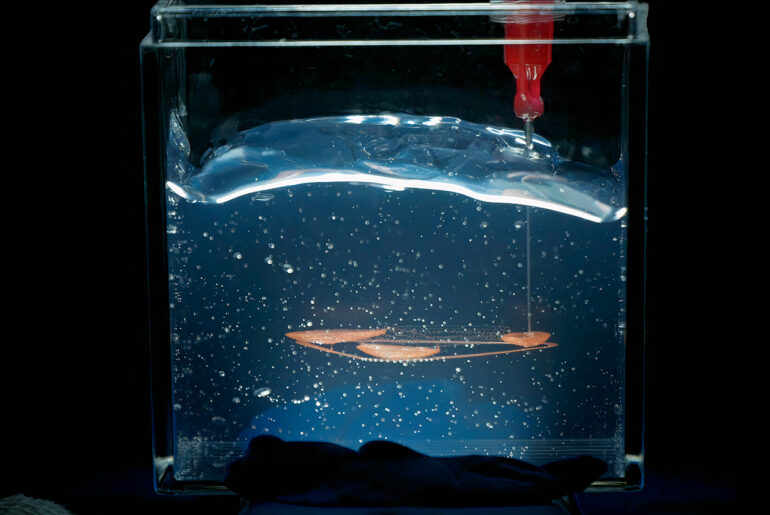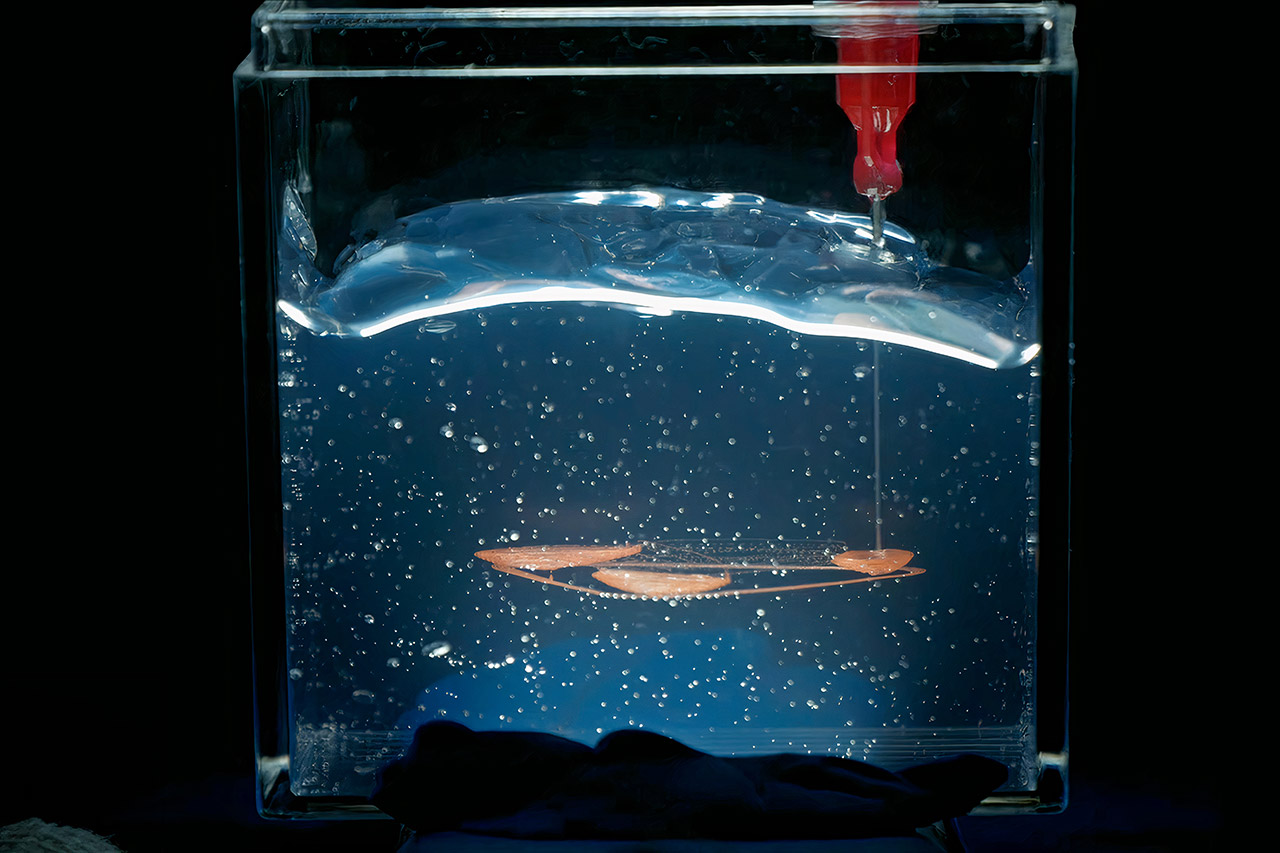
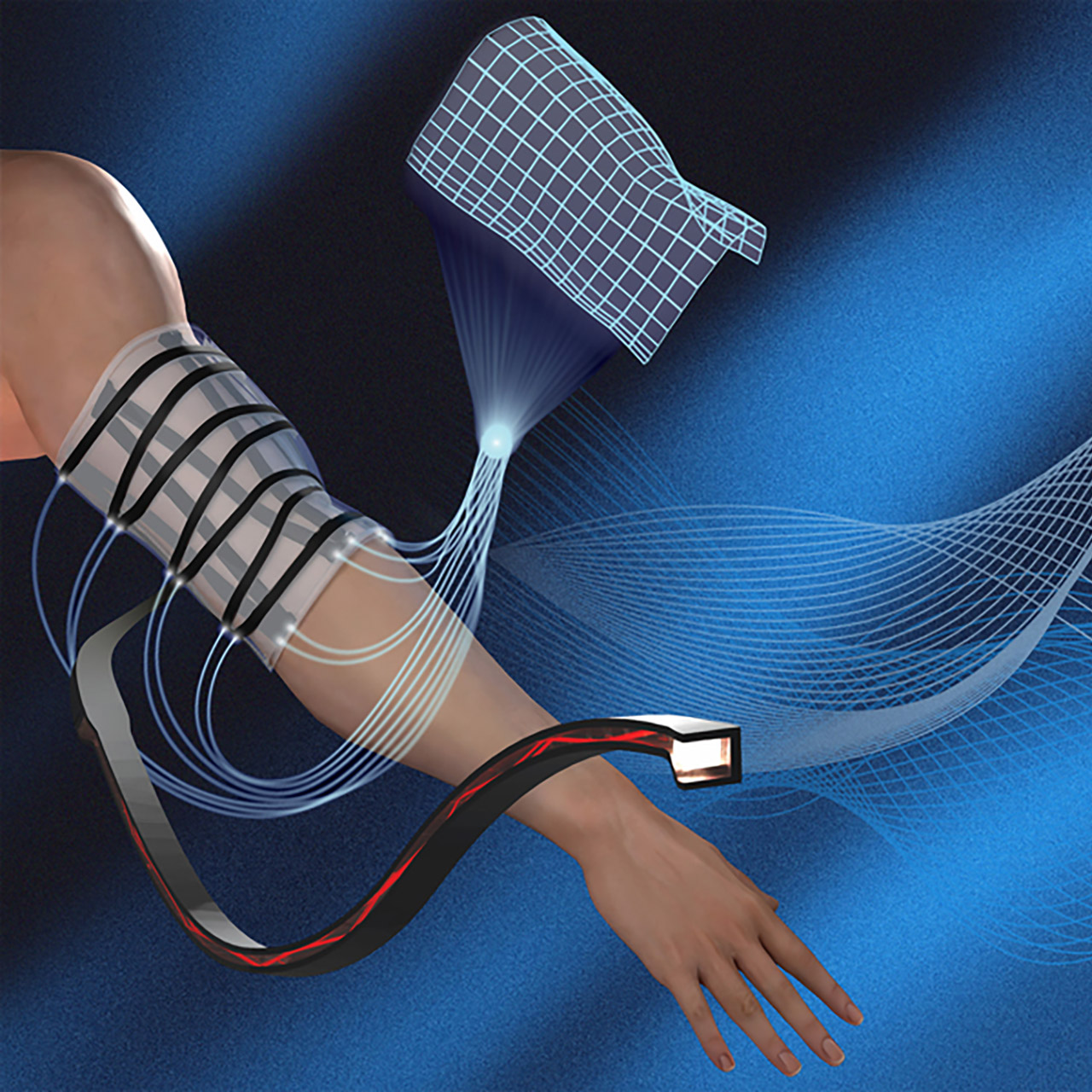
MIT engineers have developed a flexible sheet that senses and digitally rebuilds its own three-dimensional form as it bends and twists. The material embeds soft optical fibers in a stretchable silicone base, arranged in a carefully chosen zig-zag pattern that runs throughout the sheet. Each fiber consists of a clear rubber core wrapped in a dark outer layer of the same material dyed black, with one side of the core deliberately roughened during fabrication.
![]()
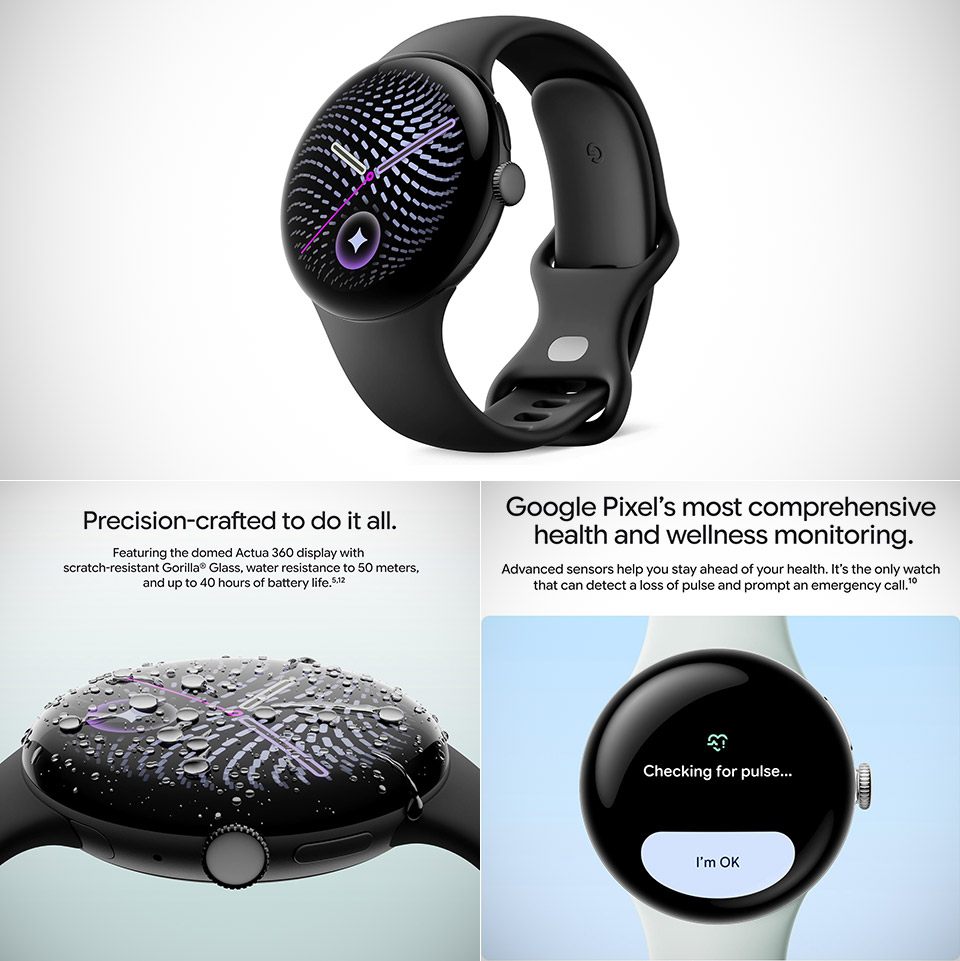
Google introduced the Pixel Watch 5, priced at $379.99 (was $430), a couple of months ago with the same familiar round case as its predecessor, yet the 45mm version carries meaningful refinements that let it compete directly with the Apple Watch Series 12 for daily wear. The aluminum housing uses recycled material and measures 45 by 45 by 12.3 millimeters while weighing 36.7 grams without the band. A domed Actua 360 AMOLED display reaches 3,000 nits of peak brightness under Corning Gorilla Glass 5 protection, remaining readable outdoors and switching between 1 and 60 Hz depending on content. Water resistance reaches 5 ATM and IP68, covering swims and everyday exposure without requiring special care.

Photo credit: Mark Stone/University of Washington
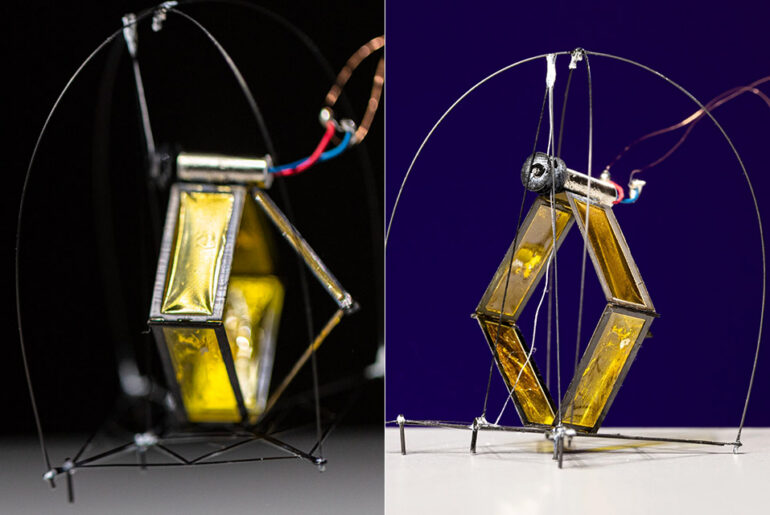
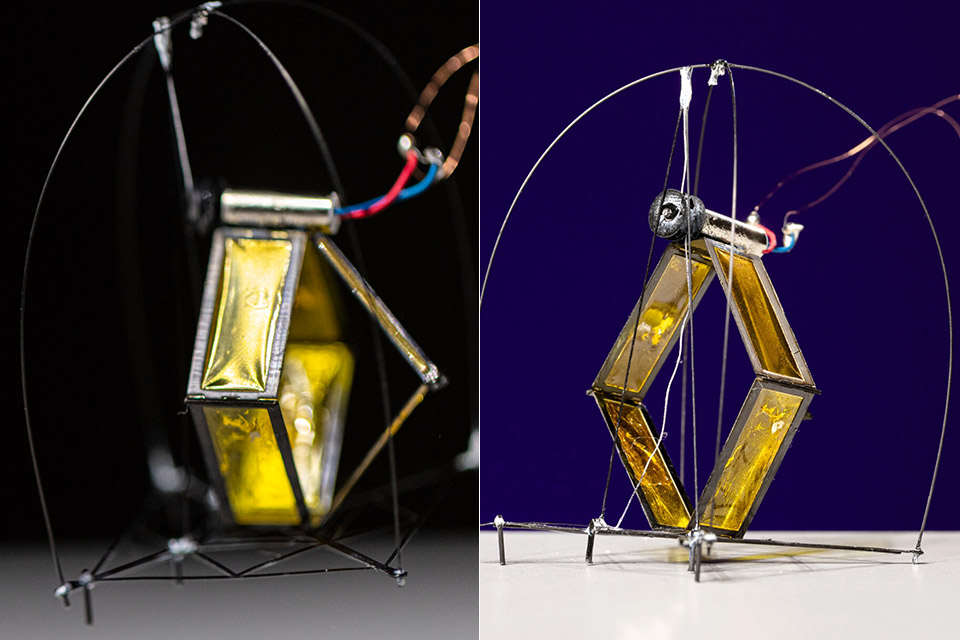
University of Washington engineers have built DirectHop, a one gram robot small enough to sit in a palm that clears a standard stair step while setting its jump height to single centimeter accuracy. The prototype performs multiple hops in sequence and rights itself after most landings, steps toward an autonomous version that could move through varied spaces.

Riley picked up an old Prusa MK3S+ 3D printer whose hot-end had already failed in an explosive blow-out. Most owners would scrap the machine or hunt for a replacement nozzle and heater block. He saw an opportunity to remove the entire filament path and install something else in its place. The motion system, frame, and stepper motors still worked. Only the part that melts plastic was gone, which left an open mounting point for a different kind of extruder.

Photo credit: 2026 EPFL LMTS CC BY SA 4.0
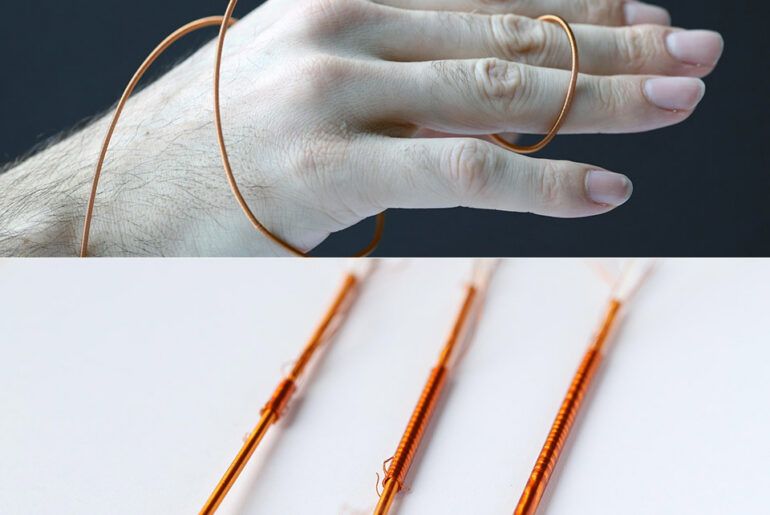
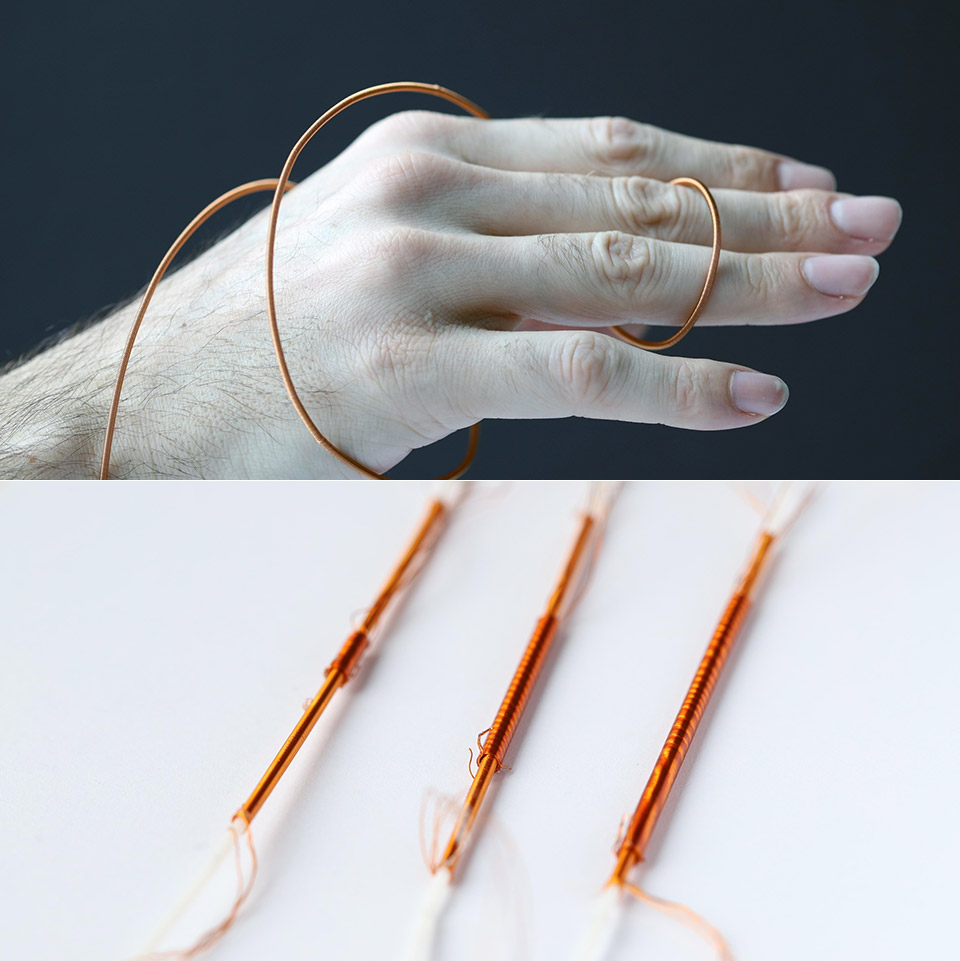
Engineers in Lausanne have built a motor easy to mistake for a length of heavy sewing thread. FiberMotor, from the Soft Transducers Laboratory at EPFL, measures only 1 to 3 millimeters across and turns electricity straight into a push or a pull. Herbert Shea, who leads the lab, calls it the first fiber-format sliding motor, and the description fits once the inner strand starts to move.

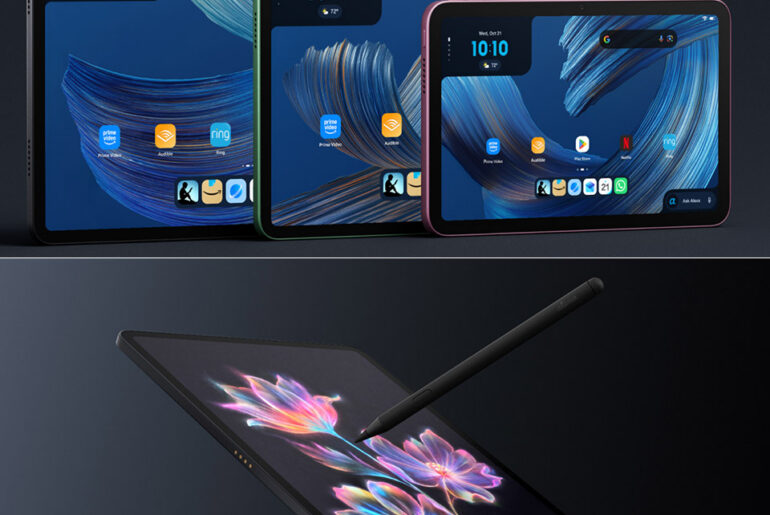
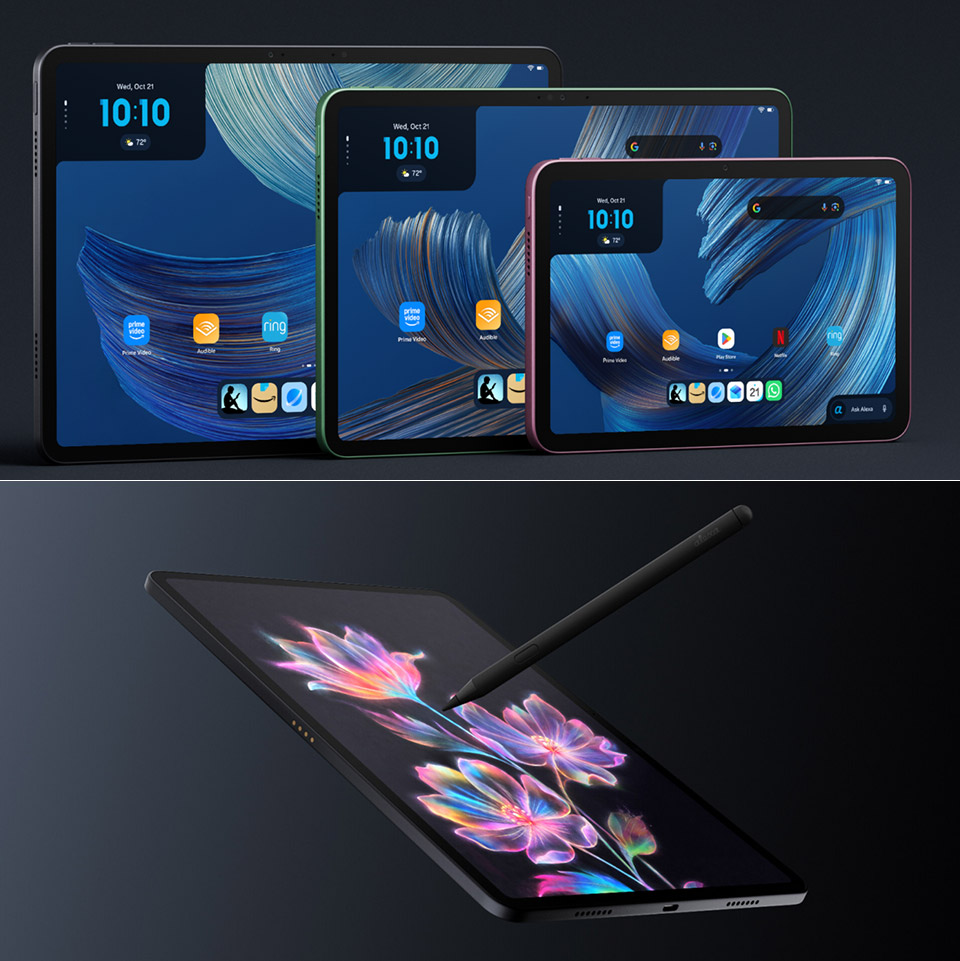
Amazon spent years selling Fire tablets as cheap doorways into Prime Video and Kindle. Yesterday, the company set that approach aside and introduced three devices that carry the Alexa name instead: an 8.7-inch model from $229.99, an 11-inch model from $329.99, and a 12-inch Pro from $499.99. Orders opened the same day. Shipments in the United States, Mexico, and Canada start October 14, with the United Kingdom and several European countries following on October 19.

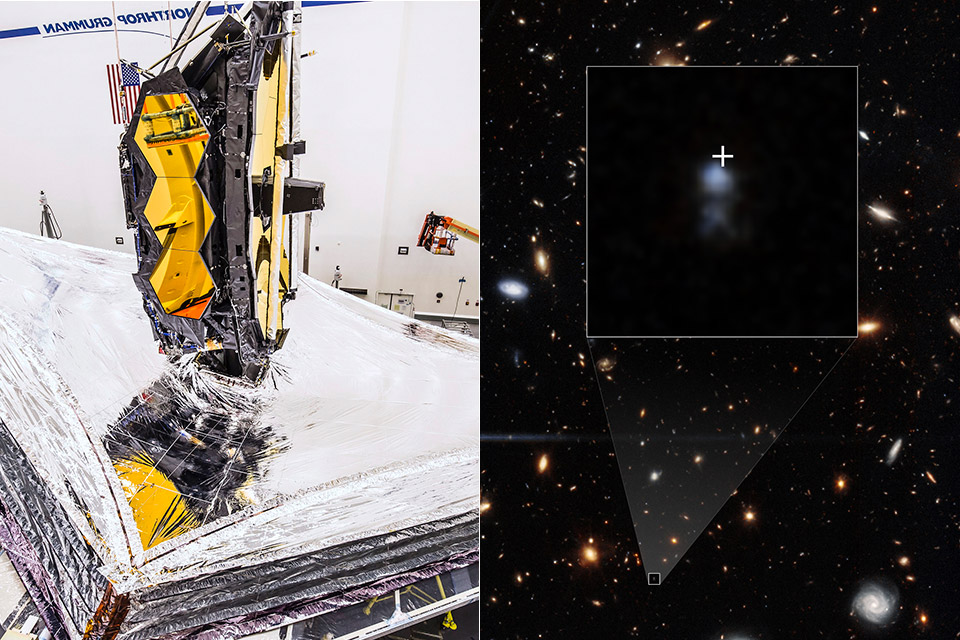
On March 4, 2024, a radio array in South Africa caught a flash that lasted only a few milliseconds and then vanished. MeerKAT, working with the MeerTRAP search system, logged it at 00:50 UTC and gave it the name FRB 20240304B. The pulse arrived stretched and delayed by free electrons along the path, with a dispersion measure near 2,458, a peak of about half a jansky, and a scattering time of 5.6 milliseconds at 1 gigahertz. Those numbers already hinted that the source sat far beyond nearly every localized burst on record.

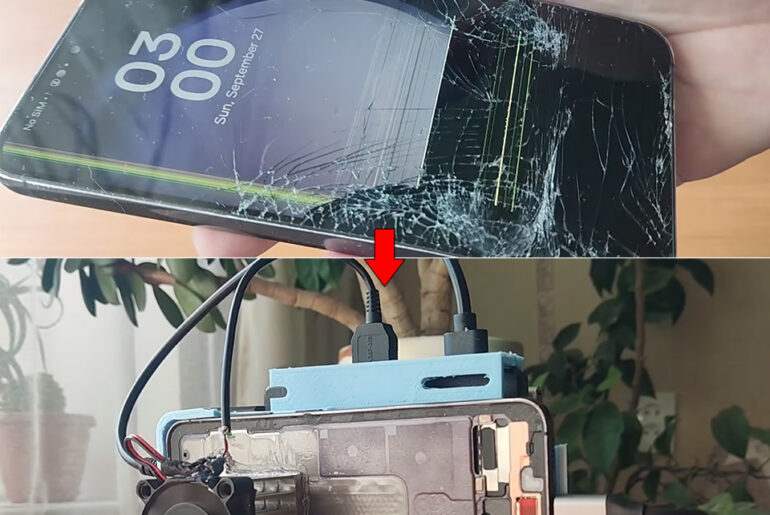
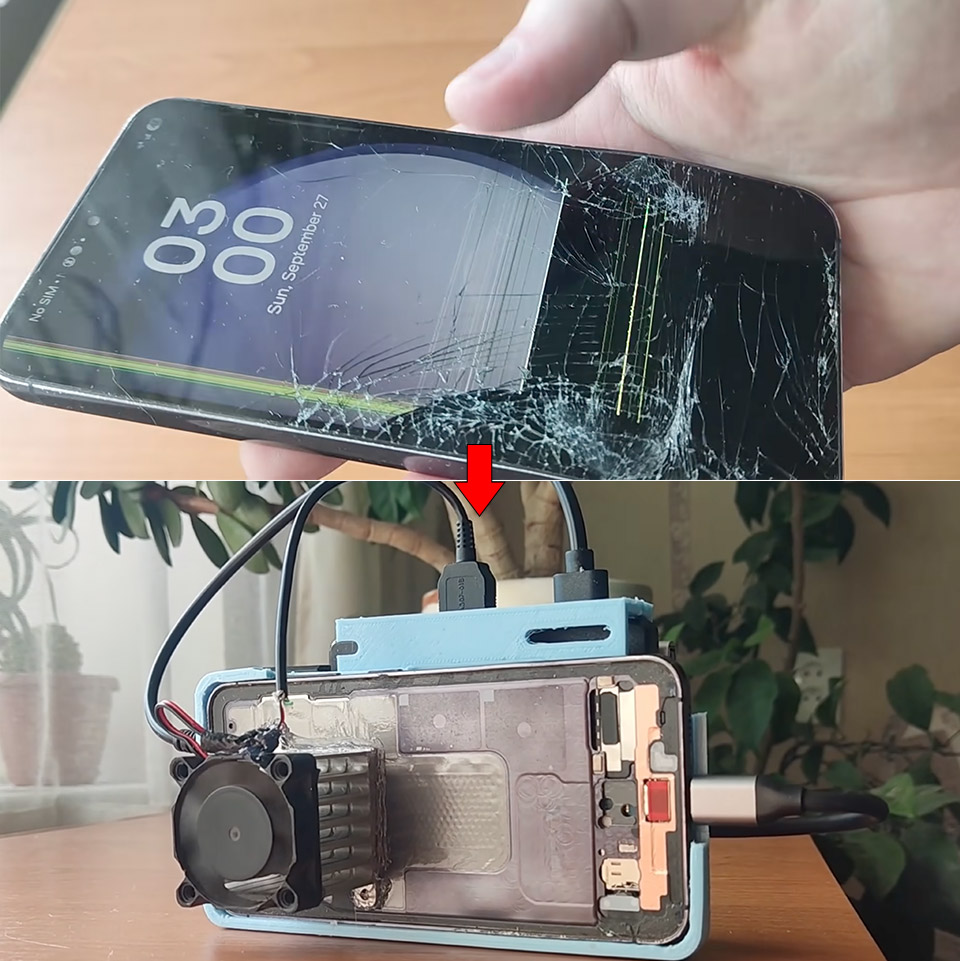
Most people treat a phone that looks like it lost an argument with traffic as scrap. LastComputer paid about forty dollars for one anyway. The listing came to 1,700 Ukrainian hryvnia, and a carrier lock kept the price down because nobody was going to drop a SIM in it again. This Samsung Galaxy S23 arrived bent in half, back cover smashed, battery squished, and still willing to boot.

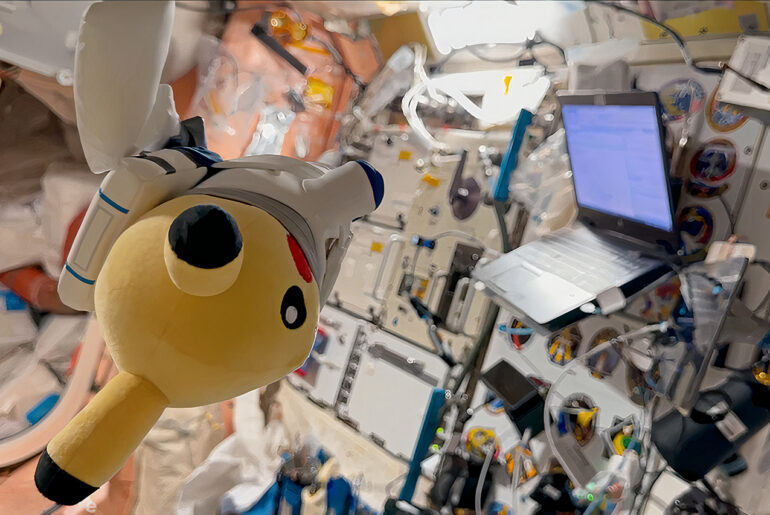
A stuffed Pikachu in a custom white suit spent 67 days aboard the International Space Station this spring, riding a cargo ship up on April 11 and coming home on another cargo ship on June 17. In that stretch the plush completed about 1,040 loops around Earth, a full circuit every 90 minutes or so, the same pace the station keeps. ESA and The Pokémon Company International kept the flight quiet until September 19, then used the yellow visitor as the opening note for World Space Week.

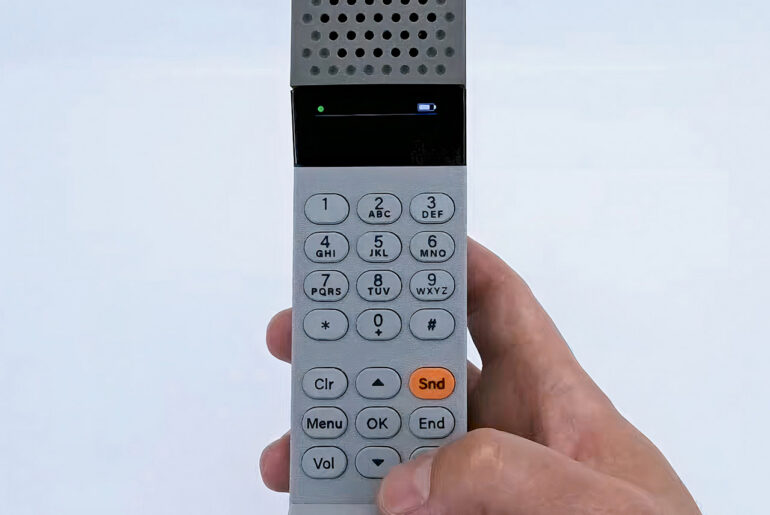
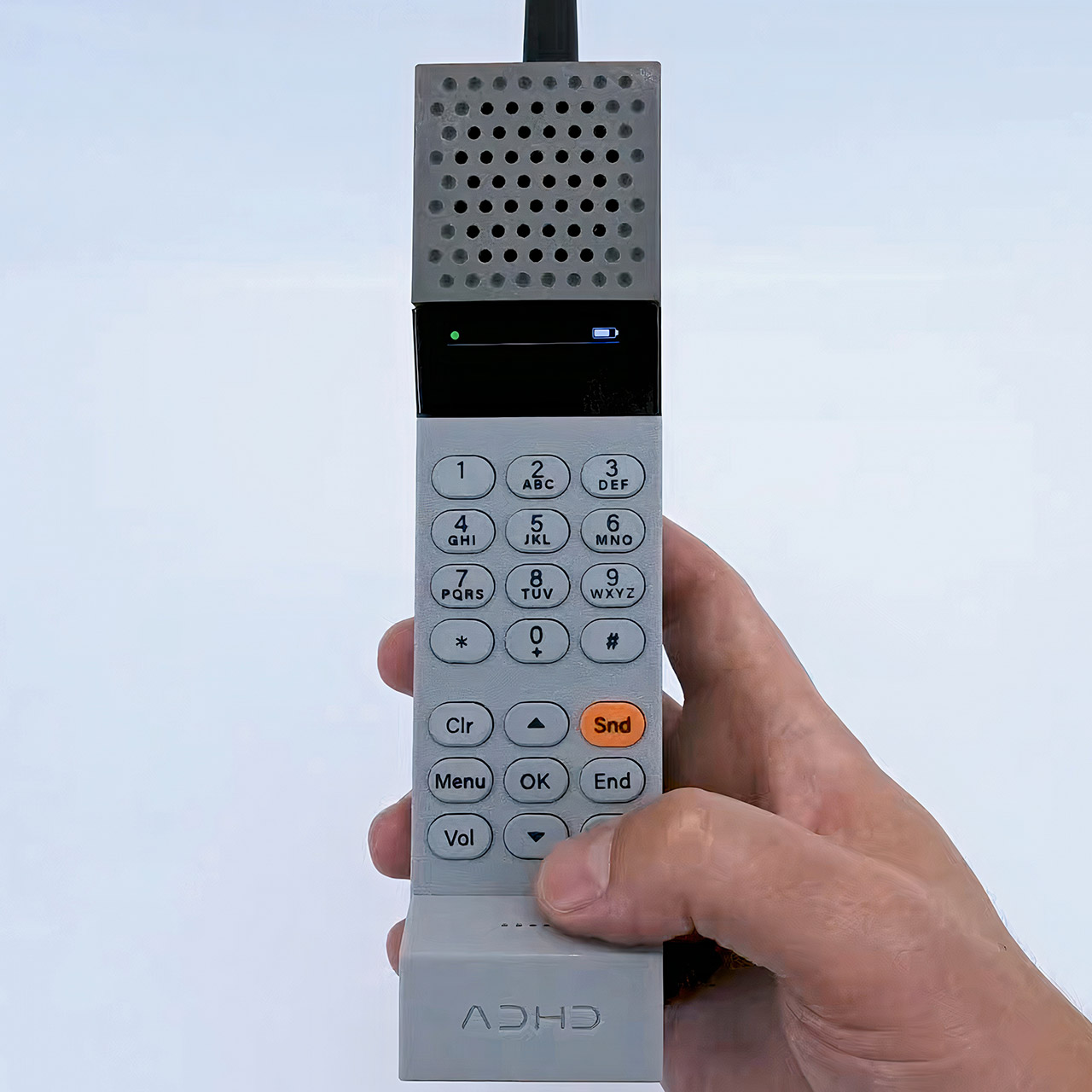
Kevin Noki got tired of the same interruption that ruins a stretch of real work. His phone would light up, his hand would move, and the next half hour would vanish into a screen he never meant to open. His answer was a handset that can take a call while the phone that owns the number stays somewhere else.