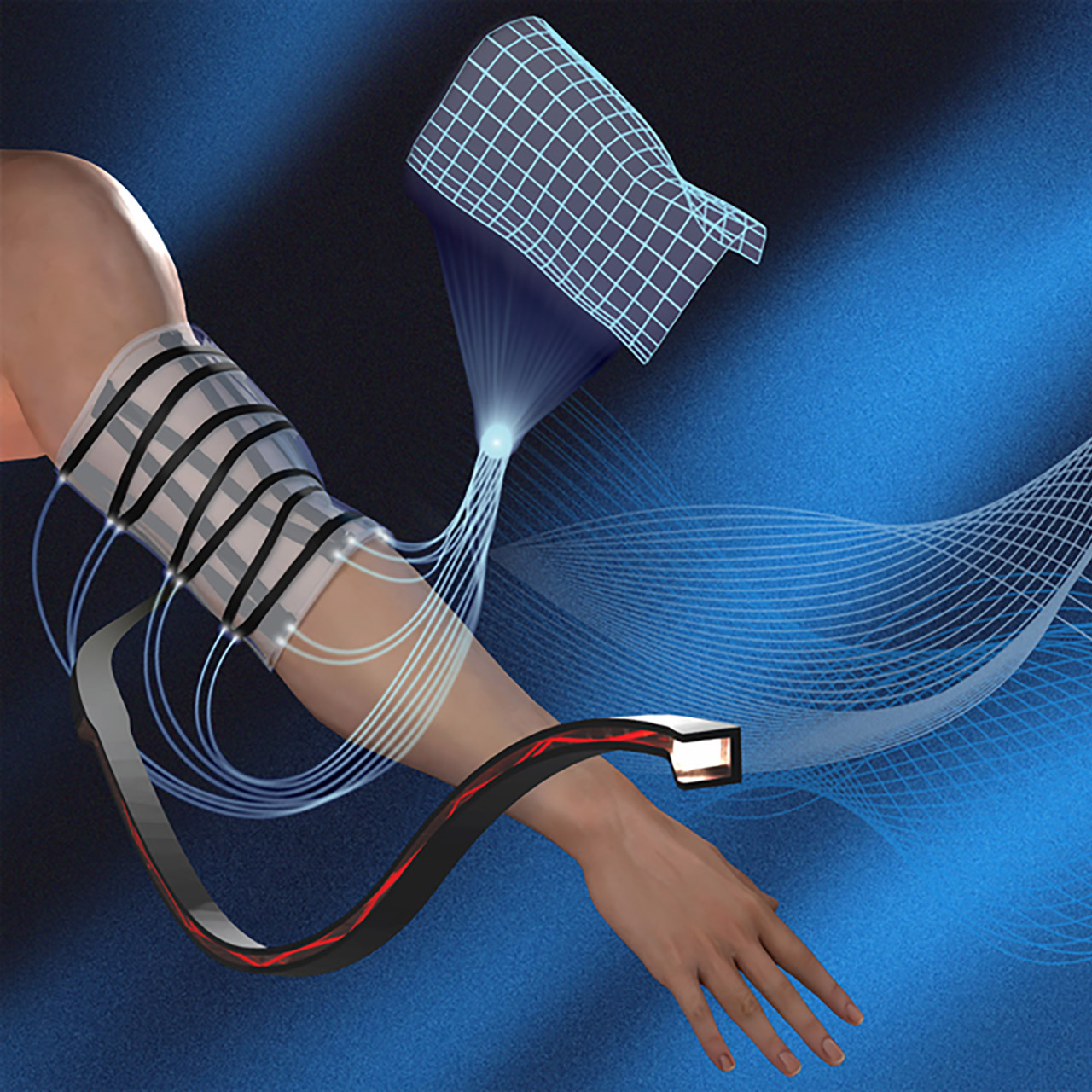
MIT engineers have developed a flexible sheet that senses and digitally rebuilds its own three-dimensional form as it bends and twists. The material embeds soft optical fibers in a stretchable silicone base, arranged in a carefully chosen zig-zag pattern that runs throughout the sheet. Each fiber consists of a clear rubber core wrapped in a dark outer layer of the same material dyed black, with one side of the core deliberately roughened during fabrication.
Soft optical fibers use a soft and flexible material to convey a light beam from an LED at one end to a sensor at the other end. The act of bending the fibers alters how much light makes it to the far end, and this shift is impacted by the direction in which it was bent. Because the surface of the fibers is rough, you get different light scattering effects when it bends in toward the rough side and when it curves away, as this allows you to determine not only how much of a curve there is, but also in which direction it is pointed. Then there’s an external circuit that collects readings from all of the fibers and transmits them to an algorithm that transforms the changing light levels into a real-time model of the sheet’s surface.

- META AI, A PERSONAL EXPERT BY YOUR SIDE – Meta AI gives you smarter answers and delivers everyday help based on what you see and say, completely...
- AI GLASSES MADE FOR YOU – Meta Glasses are meticulously designed to deliver a fit that feels custom to you. Choose from a variety of bold colors and...
- TRANSLATE ACROSS 20+ LANGUAGES – Travel like a local whether you’re navigating a bustling market in Spain or having a conversation in Japanese...
Before embedding each fiber, which was around 1 mm thick, into a sheet of silicone, the scientists used computer simulations of various fiber arrangements and bend scenarios to pre-optimize the zig-zag layout. They then tested it by twisting the sheet, folding it diagonally, and squishing it into 3D printed molds, resulting in a fairly realistic digital image of its surface. Its surface maps remained within a whisker of the actual surface, which is significantly more precise than other systems that rely on stationary sensors positioned at a few distinct places. Even after they cut a few fibers and yanked them out, the rest of the fiber array was still able to get a good understanding of what was going on, which is very cool.
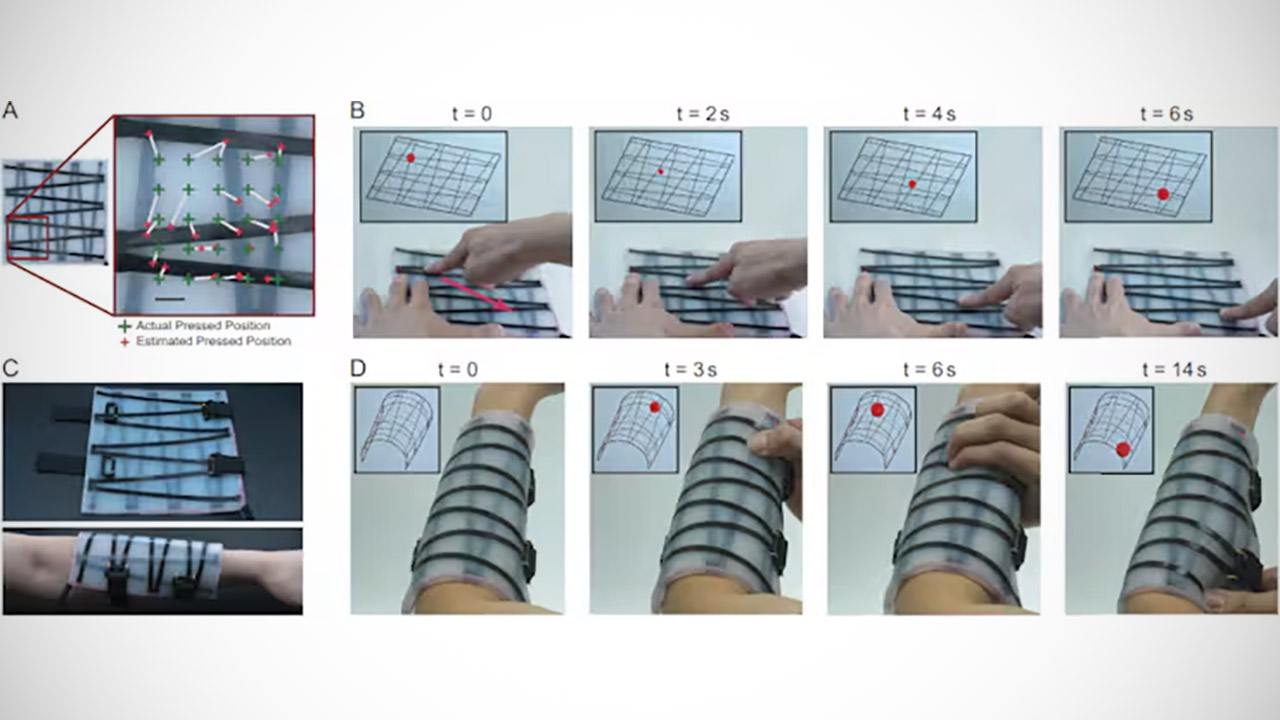
Qifan Yu, the mechanical engineering graduate student who spearheaded the project, points out that the fact that it is completely soft and bendy makes it more safer to use around the skin or in delicate surroundings. Nina Cao, another graduate student, and assistant professor Kaitlyn Becker led the rest of the team. The paper was published in Advanced Intelligent Systems with the title Toward fully soft and multifunctional shape sensing via optical waveguide arrays,” with partial support from MathWorks.
During physical therapy rehabilitation sessions, it is common to take numerous measures of how a patient moves and stretches an arm or leg. A therapist might simply drape this soft sheet around the limb and have it record the patient’s mobility and range of motion in real time, then compare the records from one visit to those from weeks or months prior. Becker points out that doing so would allow clinicians to track patient development more precisely throughout hundreds of appointments, which is far superior to simply recalling it from memory.
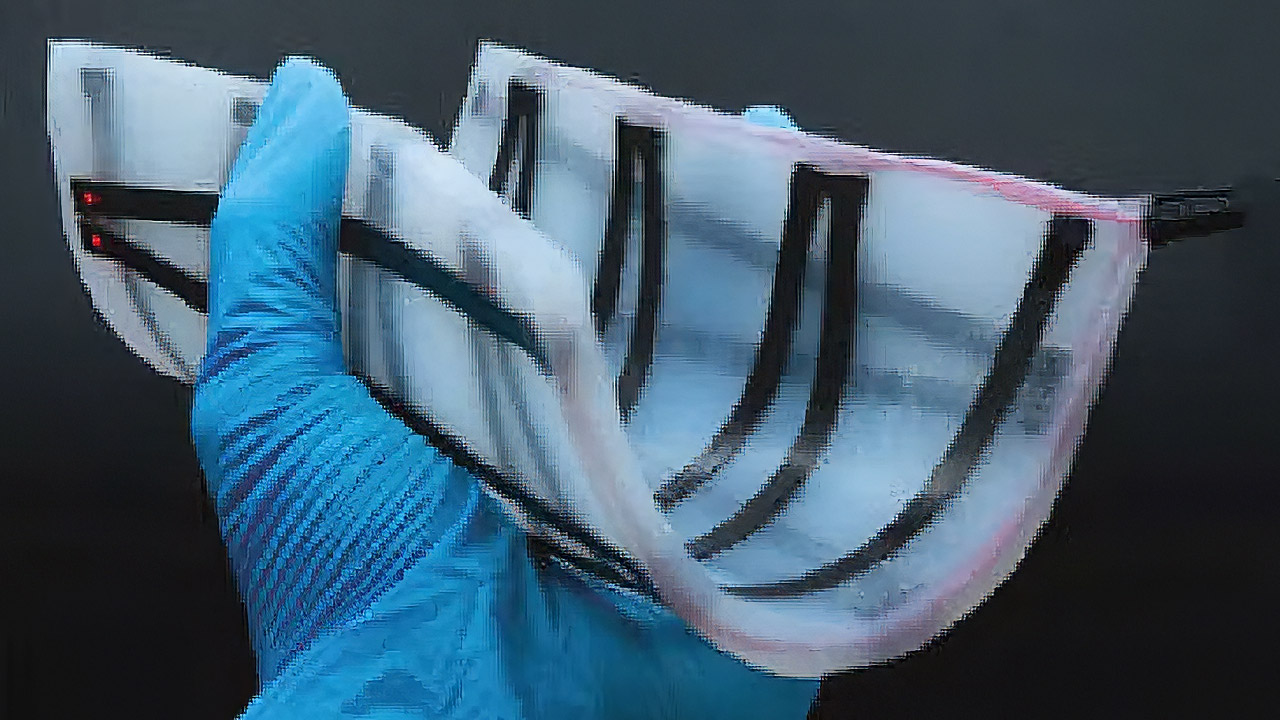
In the future, they plan to compress the fibers to tens of micrometers (smaller than a single strand of human hair) and pack a lot more of them into a garment. The resulting denser mesh is capable of tracking finer changes in surface shape, transforming the sheet into a wearable layer that closely monitors body movement, allowing you to manage virtual characters, operate robots remotely, or simply chart your progress in as much detail as you choose.
[Source]